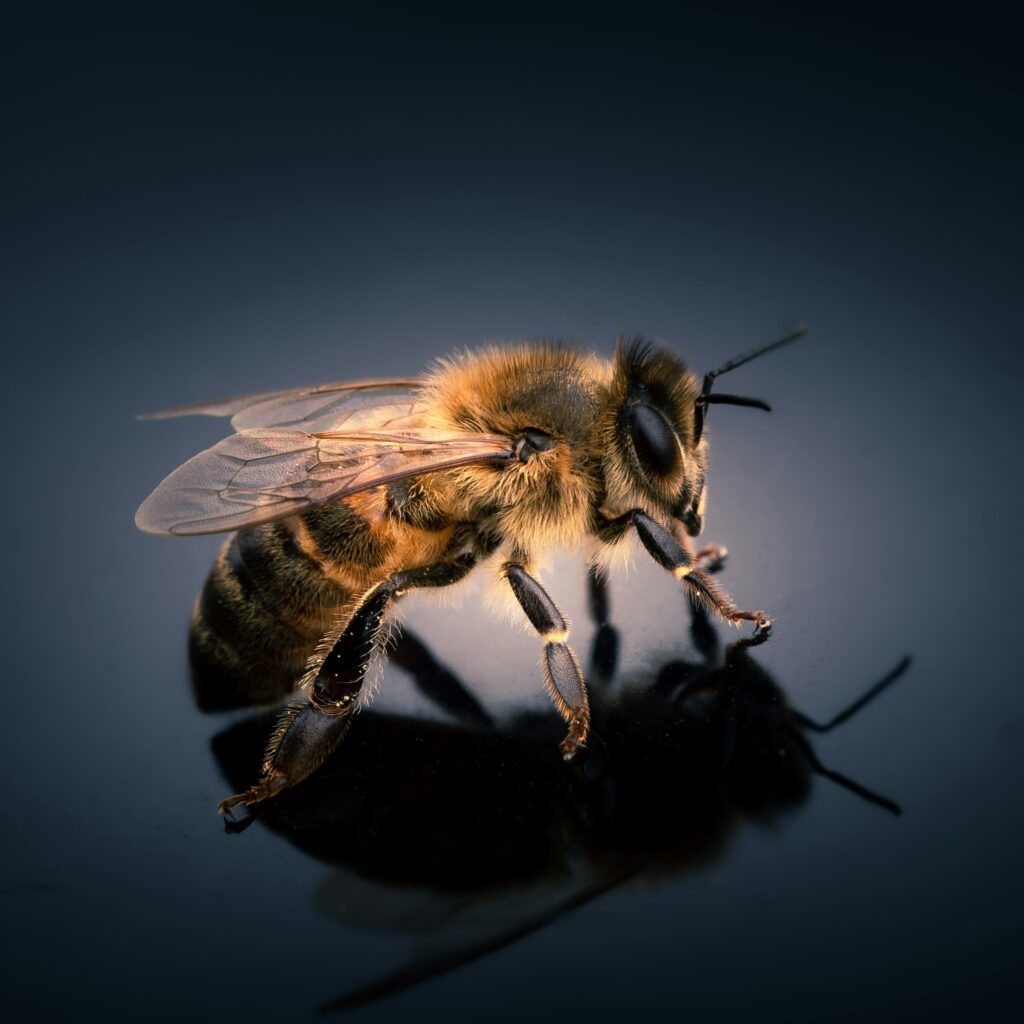
If someone told you that a tiny insect could solve three‑dimensional geometry in the dark, translate it into choreography, and then teach it to hundreds of co‑workers in a crowded room, you’d probably assume it was science fiction. Yet honeybees pull off something very close to that every single day, using a strange, elegant movement called the waggle dance to share the direction and distance of food sources and new homes. This is not just cute insect behavior; it is a sophisticated, sun‑based communication system that rivals a GPS in miniature.
Animal science has spent decades trying to decode exactly how this dance works, and the deeper researchers look, the more astonishing it becomes. Honeybees use the position of the sun, their internal sense of time, and subtle body movements to tell their nestmates where to fly, how far to go, and whether the trip is worth the energy. It’s hard not to feel a little humbled by the fact that an insect brain smaller than a grain of rice can pull this off. Once you see how it all fits together, it becomes almost impossible to watch a bee the same way again.
The Waggle Dance: Nature’s Tiny Moving Map
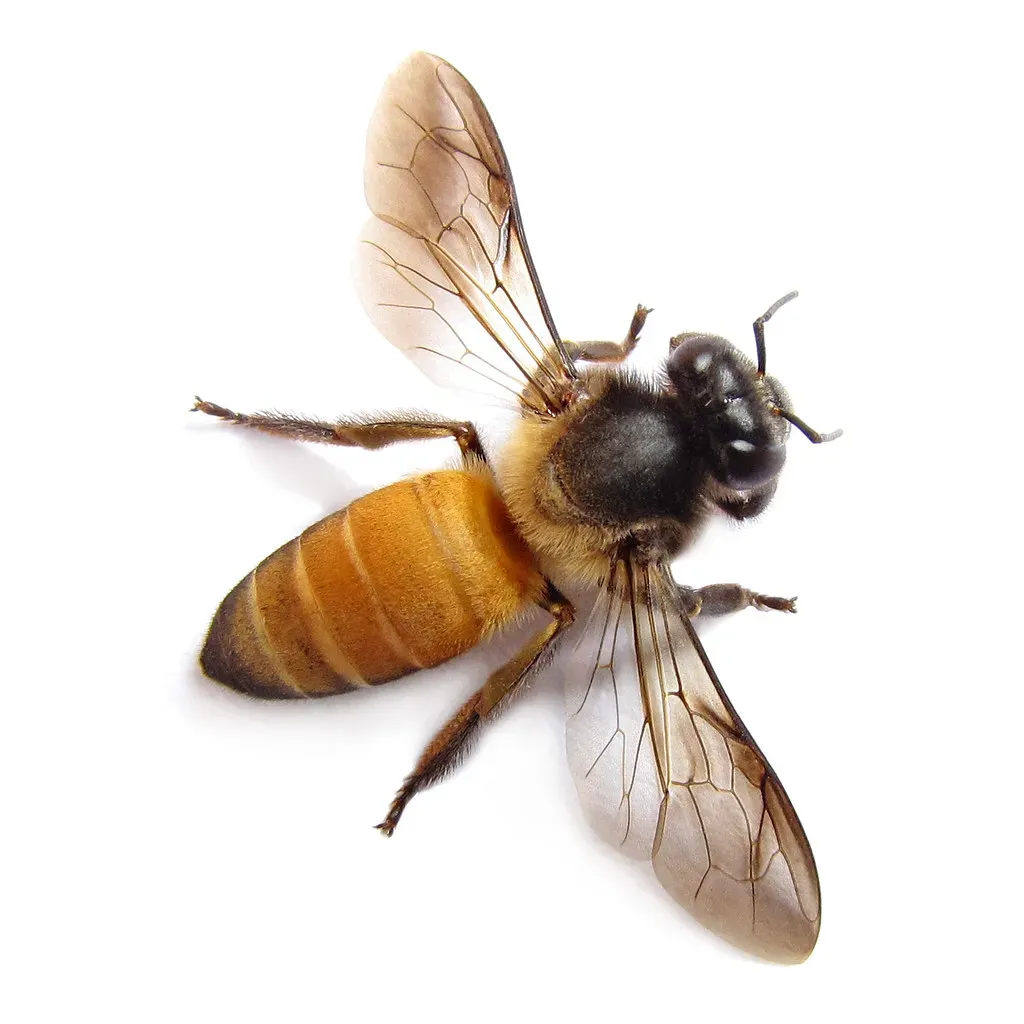
The waggle dance is the core of honeybee communication for long‑distance foraging and nest selection. A worker bee that finds a good food source returns to the dark hive and starts running in a figure‑eight pattern on the vertical surface of the comb, with a straight “waggle run” in the middle where she vigorously shakes her abdomen. Other bees press close, touching her with their antennae and bodies, essentially “reading” the motion like a moving map.
This dance is not random swaying; each element encodes specific information. The angle of the waggle run relative to gravity tells the bees which direction to fly relative to the sun, while the duration of the waggle phase roughly indicates distance. The more excited and repeated the dance, the higher the quality or richness of the resource. In a single short performance, a bee can transmit where to go, how far, in which general direction, and how good the destination is, all without a single sound or word.
How Bees Use the Sun as a Compass
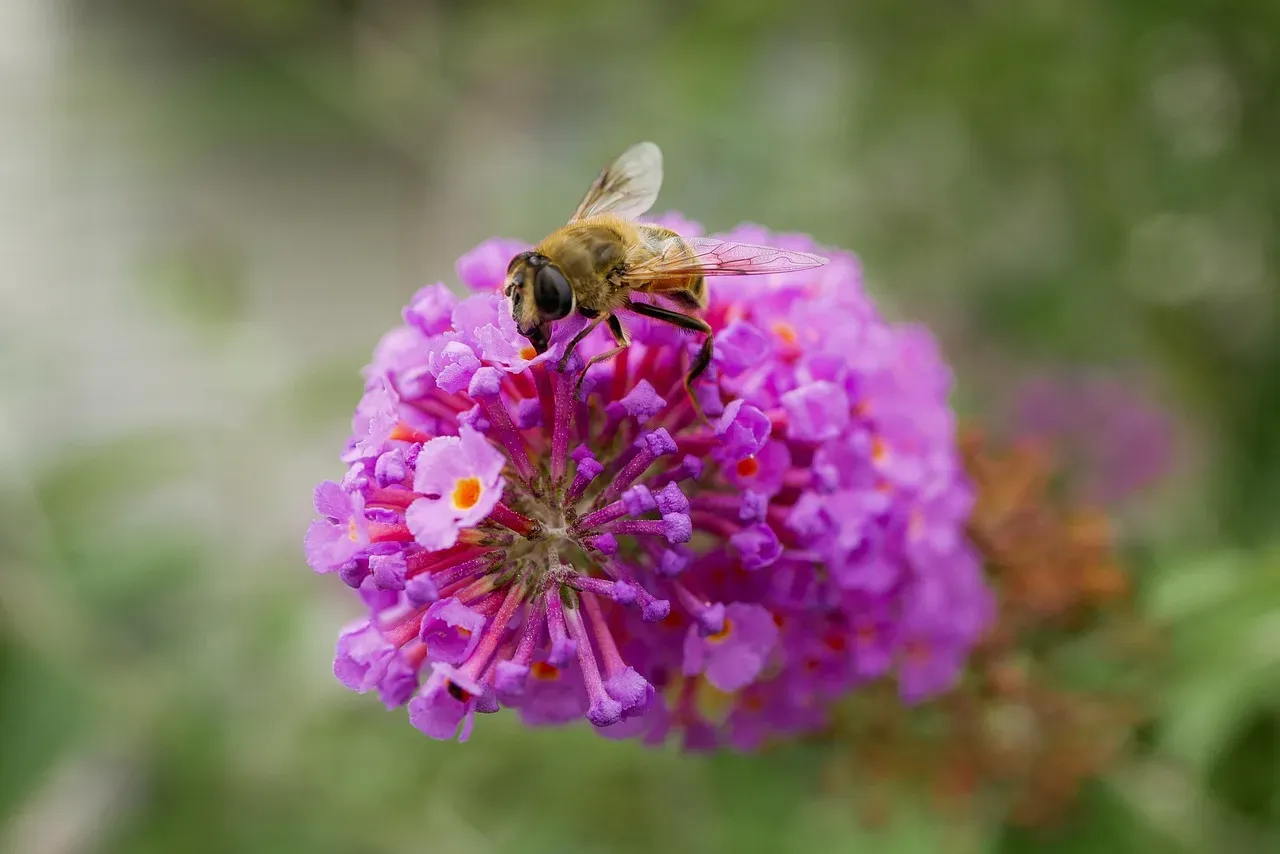
What makes the waggle dance especially mind‑bending is that it is built directly around the sun’s position. Inside the hive, the comb is vertical and in the dark, so bees translate the angle from the sun into an angle from straight up. When a dancing bee runs straight up the comb during the waggle phase, she’s telling her followers to fly toward the sun outside; if she runs at an angle, say 30 degrees to the left of vertical, she’s saying “fly 30 degrees to the left of the sun” when they leave the hive.
Because the sun is constantly moving across the sky, bees have to keep track of its position over time to make the dance accurate. They do this through an internal time sense, adjusting the dance angle as the day progresses so that it still points correctly even if some time passes between the discovery of food and the performance. In effect, they are using a solar compass backed by an internal clock, a combination that human navigators had to struggle to replicate with instruments for centuries.
Distance Encoded in the Length of the Waggle Run
Direction is only half the problem; bees also need to know how far to travel. In the waggle dance, distance information is embedded mainly in the duration and sometimes the vigor of the waggle phase. The longer the waggle run in time, the farther away the food source generally is. Followers learn, over many trips and comparisons, how to translate that timing into an approximate flight distance out in the real world.
Biologists have found that bees estimate distance using something like visual “odometry,” tracking how much the world moves past their eyes as they fly. That perceived motion then gets converted into a waggle duration when they return to the hive. It’s not perfect, and it can be warped by things like flying over water or open fields, but for a small insect relying on a simple code, it’s remarkably good. The fact that they can convert a continuous flying experience into a timed dance segment is one of the most impressive parts of their communication system.
Following the Dance: How Other Bees Decode the Message
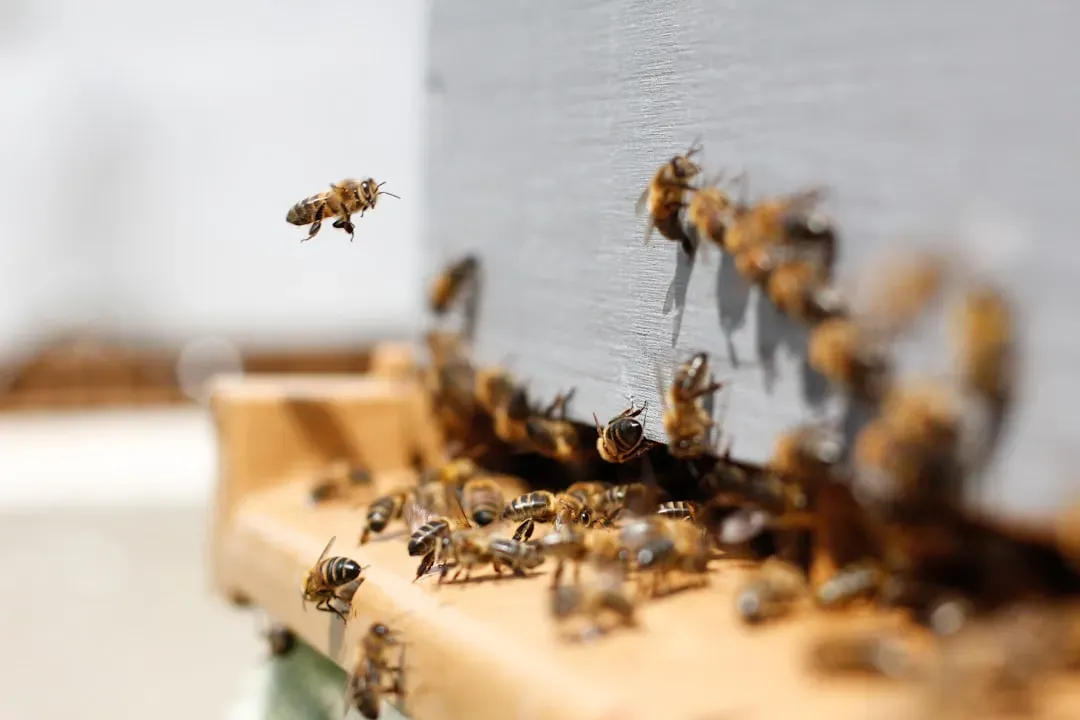
Watching a waggle dance from a human perspective, it can look like pure chaos on a crowded comb. Yet to a follower bee, it acts like a clear, repeatable signal. Bees that want to learn the location of a new resource cluster around the dancer, often facing toward her and tracking her movements by touch. They interpret the direction of the waggle run relative to gravity and the duration of the waggle segment and then leave the hive to put that information into action.
What’s fascinating is that not every follower bee gets an identical reading. Some stand at slightly different angles or join the dance at slightly different times, which introduces a bit of randomness into the directions they take. Instead of being a flaw, this fuzziness actually helps the colony by spreading out foragers around the advertised spot. It’s like sending out multiple search parties near the same coordinate, increasing the chance that some bees will find even better flowers or verify that the original patch is really worth the effort.
An Internal Clock That Keeps the Dance Honest
Because bees use the sun as a reference, they need an accurate sense of time to keep that reference up to date. Honeybees have an internal circadian clock that tracks the daily cycle, helping them correct for the sun’s shifting position as hours pass. This means that a dance given in the morning for a specific location does not look exactly the same as a dance for the same spot in the afternoon; the dancing bee adjusts the angle to stay aligned with the current sun position.
Experiments where bees were shifted to different time zones or given artificial light cycles showed that their dances can become misaligned when their internal clock is confused. When the clock and real sun disagree, other bees may fly in the wrong direction. That might sound like a minor detail, but it underlines just how tightly the waggle dance depends on an accurate sense of time. In a way, bees are not just solar navigators; they are also tiny timekeepers that sync their movements to the daily rhythm of the planet.
Seeing in Polarized Light: Bees’ Sky Navigation Trick
The sun is not always visible, and yet bees do not simply give up whenever clouds roll in. Honeybees can detect patterns of polarized light in the sky, a property of sunlight scattered through the atmosphere. Even when the sun is hidden, these patterns form predictable arcs, and bees use them as indirect cues to where the sun actually sits behind the clouds.
This sensitivity to polarized light gives bees a backup navigation system that integrates seamlessly into the waggle dance. They do not need a perfect blue sky; as long as some skylight is visible, they can often infer the sun’s position well enough to keep their dances usable. To us, the sky looks mostly uniform on an overcast day, but to a bee’s specialized eyes, it still contains subtle directional information. From my perspective, this is where their world feels almost alien: they are literally reading invisible patterns in the sky that we can’t see at all without instruments.
From Food to Real Estate: Dancing for New Homes
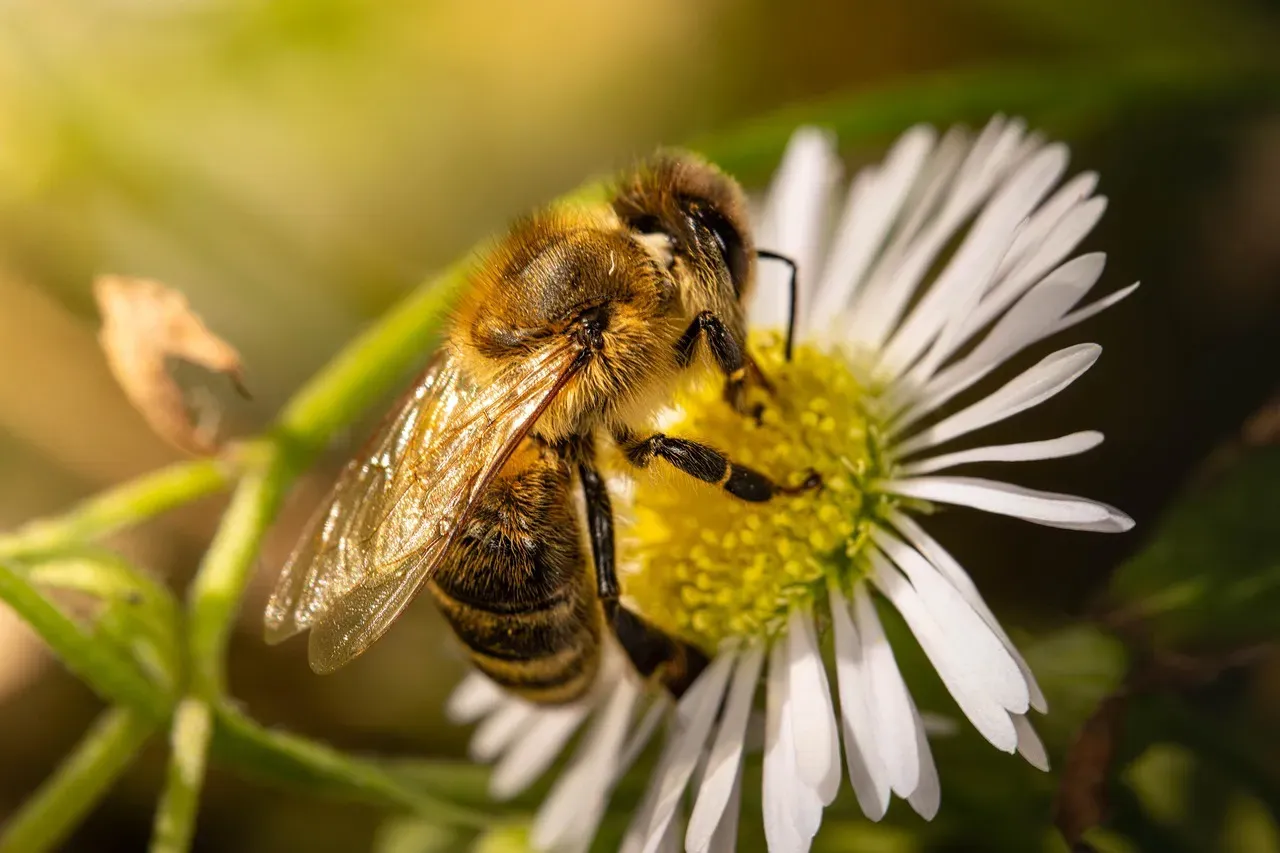
The waggle dance is not just about nectar and pollen; it also plays a critical role when a colony needs a new home. During swarming, scout bees search for potential nest sites such as hollow trees or cavities in structures. When they return, they perform waggle dances advertising the direction, distance, and overall quality of these locations, just as they would for a rich flower patch.
In this context, the waggle dance functions as a kind of collective decision‑making tool. Different scouts may dance for different sites, with more vigorous or persistent dances usually signaling higher quality options. Over time, more bees begin to support the best sites, while weaker options lose support and their dances fade. Eventually, the colony converges on a single choice and moves there en masse. It is hard not to see a kind of primitive voting system here, with each dance casting a vote influenced by both distance and quality.
Limits and Errors: When the Dance Goes Wrong
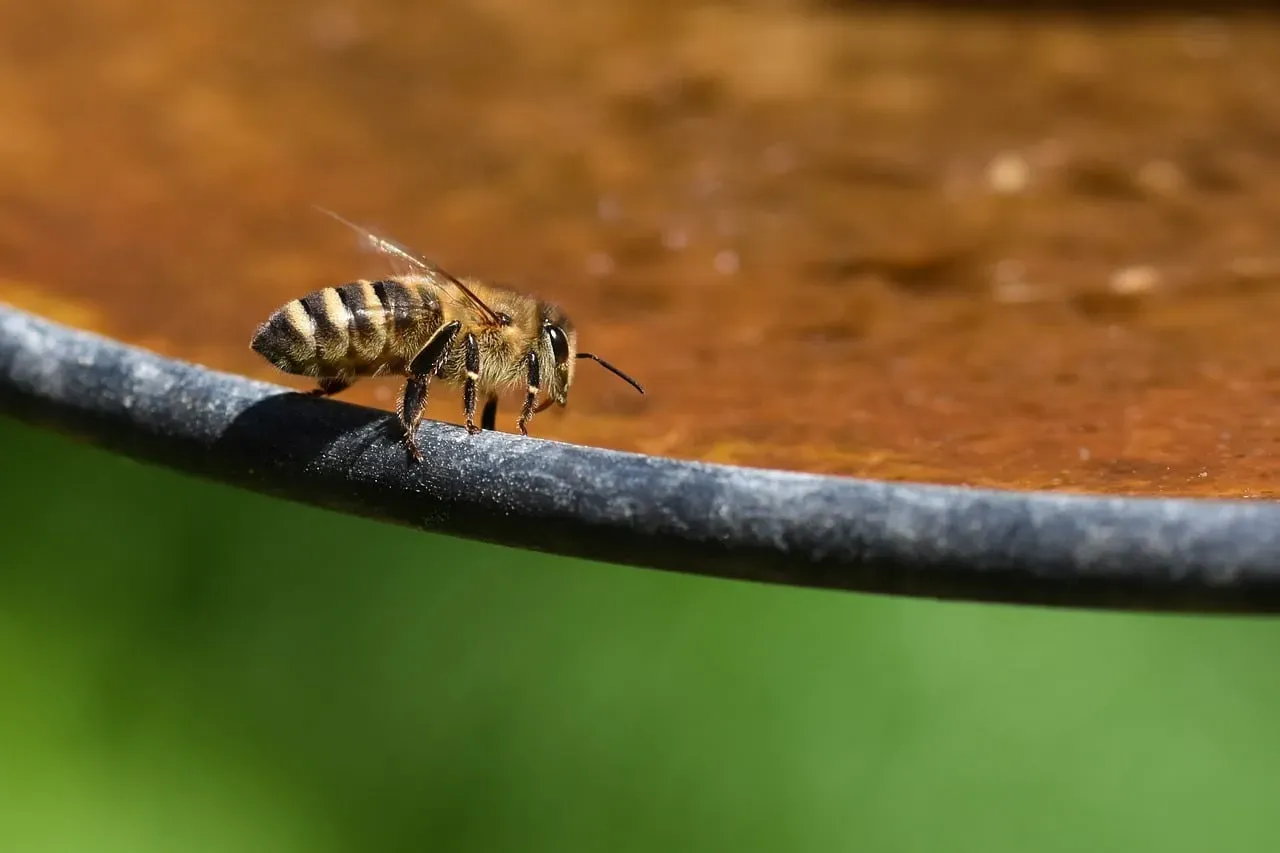
As impressive as the waggle dance is, it is not flawless, and that matters if we want a realistic view rather than a romantic one. Distance estimates can be distorted by unusual landscapes, like long stretches of water or very open areas without visual landmarks. Dances can also be misread by followers in crowded hives, leading some bees to head slightly off course or to the wrong patch entirely.
There are also situations where individual bees seem to ignore the dance and rely instead on their own memory or personal exploration, especially experienced foragers familiar with the local area. To me, this is actually one of the most interesting points: rather than a perfectly rigid code, the waggle system is a flexible, error‑tolerant method that combines social information with individual choice. The system works spectacularly well on average, not because it is perfect, but because the colony can handle noise and still come out ahead.
Why a Dance Evolved Instead of a Scent Trail
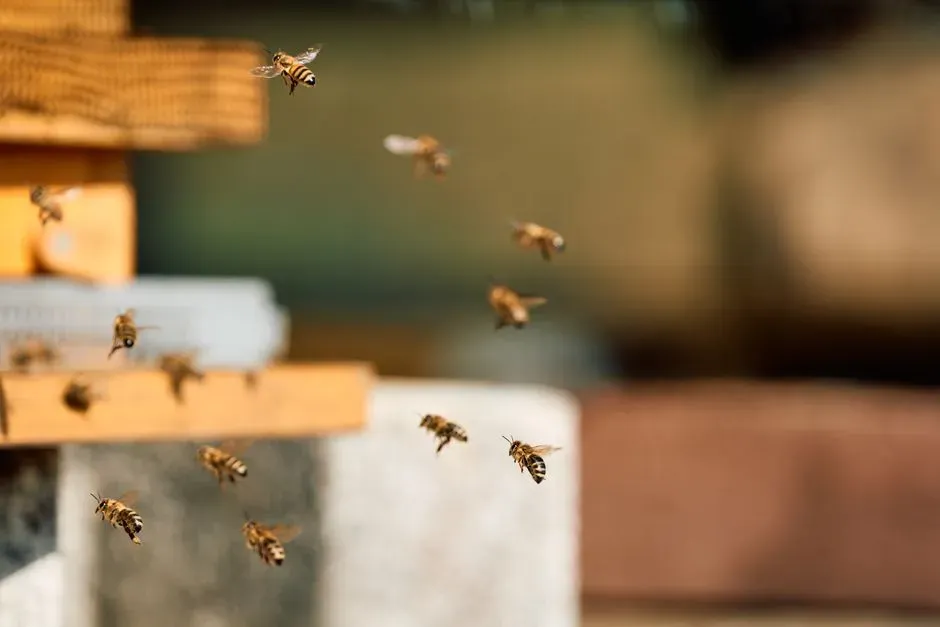
It’s natural to ask why bees went to all this trouble instead of just leaving scent trails like ants. The answer seems to lie in the three‑dimensional, changing nature of the world bees live in. Flowers bloom and fade quickly, and they can be scattered widely in all directions and at different distances from the hive. In that kind of environment, a flexible, sun‑based code that can point to almost any position on the map offers a huge advantage.
Unlike a scent trail, which must physically connect the nest to the resource and decays with time, the waggle dance is a reusable language that can be updated instantly for each new site. A single bee can return from a fresh discovery and, within minutes, recruit dozens of others to that exact general location. In my view, this is why the waggle dance deserves to be seen less as a cute quirk and more as a powerful evolutionary solution to a tough navigation problem.
What Bee Dancing Tells Us About Animal Intelligence
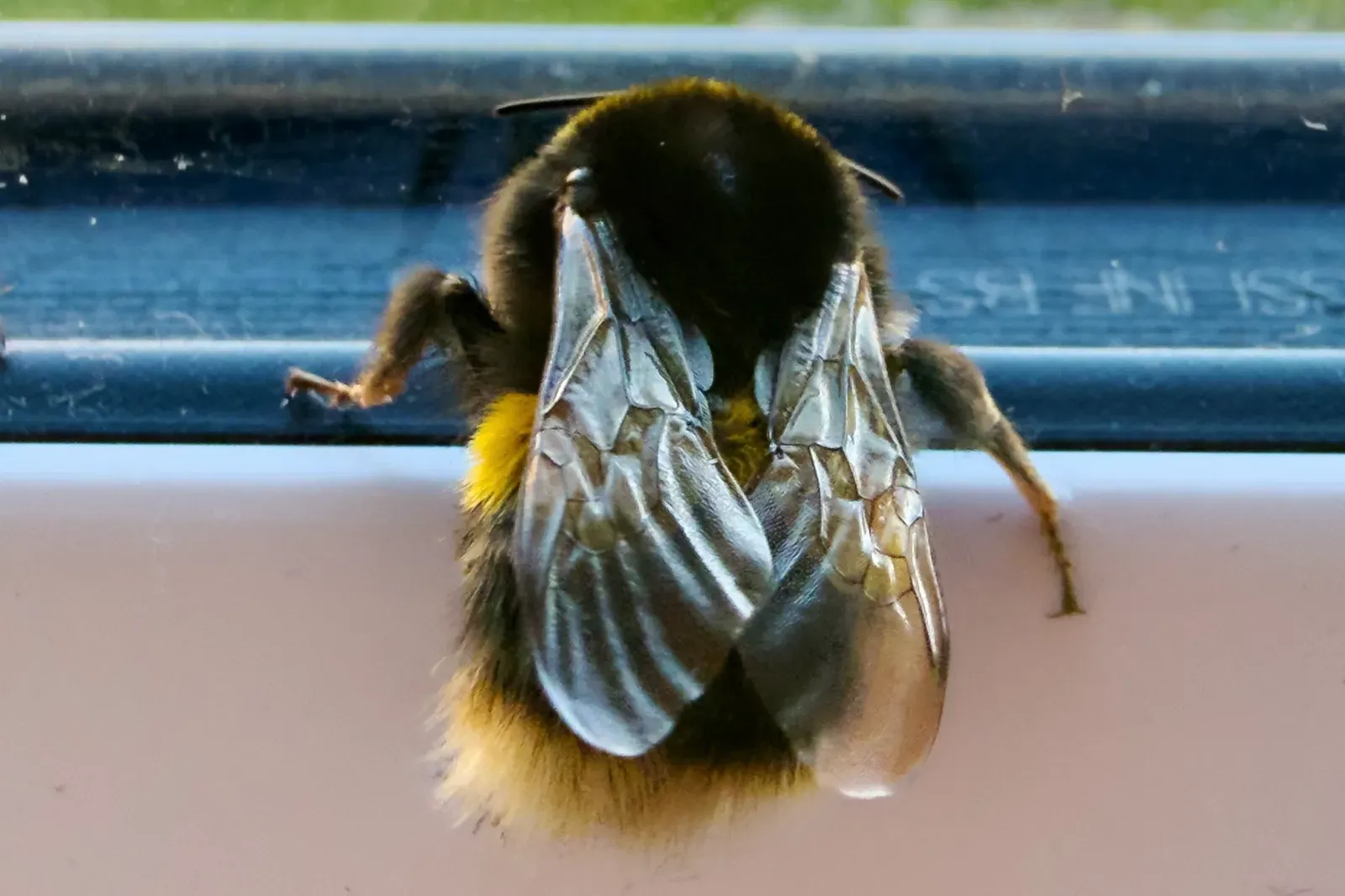
The waggle dance has forced scientists and the rest of us to rethink what “small brains” can do. It shows that complex, symbolic communication does not require a human‑level brain or language in the usual sense. Instead, it can emerge from relatively simple rules, tuned by natural selection, and embodied in a highly structured social context like a beehive. The dance is not speech, but it clearly represents information about things that are not present in the hive, which is a big deal in animal communication.
For me, the most striking lesson is that intelligence in nature often shows up as clever systems rather than just clever individuals. A single bee may not be a genius, but a colony using waggle dances, shared evaluation, and feedback from successful foragers behaves like a coordinated, problem‑solving unit. That challenges the old habit of dismissing insects as mindless automatons. If anything, honeybees prove that nature has more ways to build smart behavior than we originally imagined.
Conclusion: A Sun‑Powered Language We’re Only Just Learning to Respect
The more we learn about honeybee dances, the harder it is, in my opinion, to shrug them off as simple instinct. These insects are not just flailing in the dark; they are running a sun‑anchored communication system that lets them navigate a complex, shifting world with surprising precision. Yes, the dance has limits and errors, but that actually makes it feel more real and impressive, not less. It is a living, evolving compromise between what a tiny brain can encode and what an entire colony needs to survive.
In a time when pollinators are under pressure from habitat loss, pesticides, and climate change, it feels reckless to downplay how sophisticated they really are. If an animal can build a coordinate system around the sun, share it through a dance, and cooperate with thousands of nestmates on that basis, it deserves more than casual admiration; it deserves protection and respect. The uncomfortable truth is that our choices can either keep this sun‑powered language alive or silence it. When you see a bee zigzagging through your garden, are you going to treat it as background noise, or as part of one of the most remarkable communication systems on Earth?