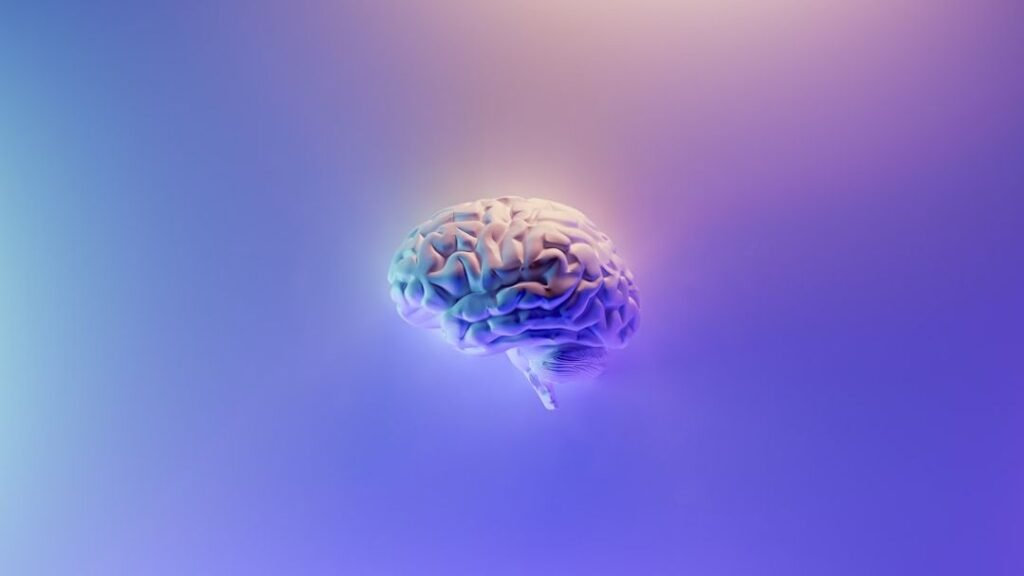

If you’ve ever smiled at someone in the grocery store while silently panicking because you cannot remember their name, you’re not alone. Your brain is surprisingly good at picking out and storing faces, even after a single meeting, yet the name that goes with that face can evaporate in seconds. It feels embarrassing and a bit mysterious, as if your memory is playing favorites without telling you the rules.
When you understand what your brain is actually doing behind the scenes, that awkward moment starts to make a lot more sense. Faces and names are processed in very different ways and travel along different “routes” in your memory system. Once you see how that works, you can stop blaming yourself for being “bad with names” and start working with your brain instead of against it.
The Surprising Truth: Your Brain Is Built For Faces, Not Names

You’re wired from birth to notice faces. Long before you cared about job titles or last names, your survival depended on recognizing caregivers, reading their expressions, and telling friend from stranger. Over time, your brain developed specialized areas that light up almost automatically when you see a face, especially a human one. That wiring means you can walk into a crowded room and instantly pick out someone you know, even if you haven’t seen them in years.
Names, on the other hand, are just sounds and letters that your brain had to learn much later. They don’t carry built‑in emotional or survival value the way faces do. You have to actively attach meaning to a name before it sticks. So when you berate yourself for forgetting what someone is called, you’re really just bumping into the basic architecture of your brain: faces get VIP treatment; names are stuck waiting in line.
How Your Brain Encodes Faces Versus Names
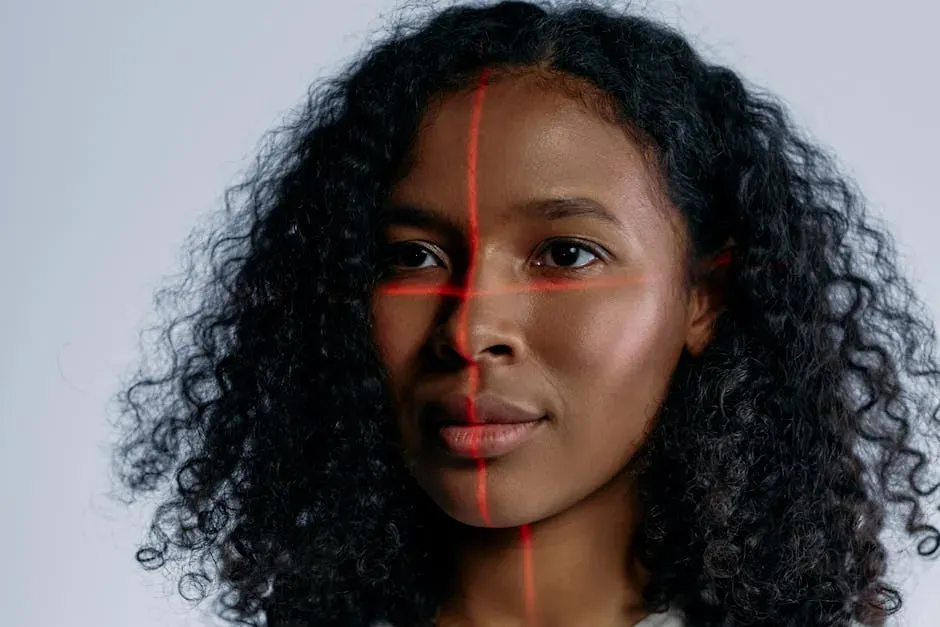
When you look at a face, you’re not just seeing two eyes and a mouth; you’re unconsciously measuring distances, noticing symmetry, picking up on tiny movements, and comparing all that to faces you’ve seen before. A region in your brain’s temporal lobe, often called the fusiform face area, helps you process and recognize faces almost like a built‑in facial recognition system. This visual, pattern‑based processing makes faces feel familiar very quickly, even if you can’t say exactly why.
Names, by contrast, depend much more on language systems. You have to hear the sound, break it into parts, and link it to that new face in a matter of seconds. That information passes through regions involved in language and verbal memory, which are not as automatic as your face‑recognition machinery. Without repetition or a strong reason to care, your brain often decides that the name simply isn’t worth the storage space.
Why Names Are “Arbitrary Labels” And Faces Are Full Of Meaning

Think about what a face tells you at a glance: age, mood, health, attention, maybe even personality traits you quickly (and sometimes unfairly) infer. A single expression can trigger empathy, curiosity, or caution. That emotional and social richness gives your brain plenty of hooks to hang the memory on. The more meaning and emotion something carries, the easier it tends to be to recall later.
A name like “Alex” or “Taylor,” by itself, doesn’t tell you much. You’ve probably met several people with that name, and your brain knows it is just a label that could belong to almost anyone. Unless you attach extra meaning – like a funny association, a vivid image, or a strong emotion – the name stays flimsy and disconnected. You remember the face because it feels like a story; you forget the name because it feels like a random tag.
The Role Of Attention: You Notice Faces First, Names Later (If At All)

Picture meeting someone at a loud event. In those first few seconds, your attention is split: you’re sizing up their face, checking their body language, scanning the room, maybe feeling a bit self‑conscious yourself. When they say, “Hi, I’m Jordan,” the sound of the name slips in at the tail end of everything else. Since attention is the gateway to memory, anything that doesn’t get enough of it at that moment is unlikely to stick.
Faces naturally pull your focus because they are visually rich and socially important. Names are usually mumbled quickly, said once, and then everyone moves on. You might nod and say, “Nice to meet you,” but inside, your attention has already jumped to the next thing – what to say, where to stand, whether you look awkward. By the time your brain would normally “file” that name away, the moment has passed.
Working Memory Limits: Too Much At Once, Something Has To Go

Your working memory – the mental “desk” where you temporarily hold information – is painfully small. You can only juggle a handful of things at once before you start dropping pieces. When you’re meeting someone, your desk is already cluttered with thoughts about the conversation, the environment, your own appearance, and social rules you’re trying to follow. The new name is just one more item, and it often gets pushed right off the edge.
Faces, however, get a boost because your brain offloads some of that work to specialized visual systems that operate more efficiently. While your working memory is busy handling what to say, your visual brain keeps soaking in facial details almost on autopilot. That division of labor means the face can get stored even when the name never had a chance. It’s not that you’re careless; it’s that your mental desk is already full.
The Power Of Emotion And Context In What You Remember

Think back to people you remember most clearly. Chances are, you met them in moments that felt emotional, meaningful, or intense – your first day at a job, a crisis, a celebration, or a big turning point. When your emotions are engaged, your brain releases chemicals that strengthen memory formation. If a person’s face is tied to that emotional spark, you’re far more likely to recall it vividly over time.
Names benefit from this too, but only when they share that emotional or contextual weight. If you learn someone’s name during a powerful conversation, a shared struggle, or a hilarious moment, the name can become glued to the memory. On the other hand, a quick, forgettable introduction at a bland event creates almost no emotional imprint. The face lingers because of its visual impact; the name fades because the moment never mattered much to your brain.
Why Some Names Stick Instantly (And Others Vanish)
Every now and then, you hear a name once and never forget it. That usually happens because the name connects to something already in your mental library. Maybe it matches a celebrity you like, sounds unusual and vivid, or reminds you of a person you already know well. Your brain loves patterns and associations, so when a new name plugs into an existing network, it becomes much easier to recall.
Most of the time, though, names sound ordinary and blur together. Without a strong hook, your memory has to work much harder to keep them accessible. That is why simple tricks – like repeating the name out loud, linking it to a visual image, or tying it to a quirky fact about the person – actually help. You’re not “cheating”; you’re giving your brain the associations it needs so the name doesn’t float around detached from everything else.
How You Can Train Yourself To Remember Names Better

You can’t rewrite your brain’s wiring, but you can absolutely work with it. The first step is to slow down and make the name your main focus for a few seconds. When you meet someone, try repeating their name naturally in conversation: “Nice to meet you, Maria.” That tiny act forces your attention onto the word and helps your brain realize it matters. If you silently think the name once or twice after that, you’re already reinforcing the memory.
Next, give the name something to latch onto. You might picture the person doing an action that rhymes with their name, link it to a place, or connect it to someone else you know. It can feel silly in your head, but your brain loves those odd little mental pictures. Finally, try to use the name again before the interaction ends, even if it’s just to say goodbye. Each use is like pressing “save” on the file instead of letting it close unsaved.
When To Stop Blaming Yourself: It’s Not A Character Flaw

It’s easy to treat forgotten names as a moral failing, as if it proves you don’t care enough about other people. But once you understand how your memory works, that harsh self‑talk starts to feel unfair. You’re dealing with a brain that is optimized for faces, expressions, and social cues – not for absorbing and cataloging a parade of arbitrary labels at high speed. The gap between face memory and name memory is a design feature, not evidence that something is wrong with you.
Instead of beating yourself up, you can turn that frustration into awareness. If remembering names matters to you, you now know you’ll need to put in a bit of deliberate effort: paying attention, creating associations, and practicing recall. When you do forget, you can see it as a perfectly human outcome of limited attention and overloaded working memory, not a sign that you’re rude or careless. That mindset shift alone can make social situations feel a lot less stressful.
Conclusion: Working With Your Brain Instead Of Against It

Once you see how differently your brain treats faces and names, those awkward blank moments start to look less like personal failures and more like predictable side effects of your wiring. You remember faces well because your brain has had a lifetime of practice and a built‑in system dedicated to that task. You forget names because they arrive quickly, carry little meaning, and compete with everything else crowding your limited attention.
The good news is that you’re not stuck with this gap forever. By slowing down, focusing on names when you first hear them, and giving them vivid associations, you can help your memory do a job it wasn’t naturally designed to do. And the next time you recognize someone’s face but their name goes missing, you can cut yourself some slack, smile, and simply ask again. Knowing what your brain is up to, how will you choose to work with it the next time you meet someone new?