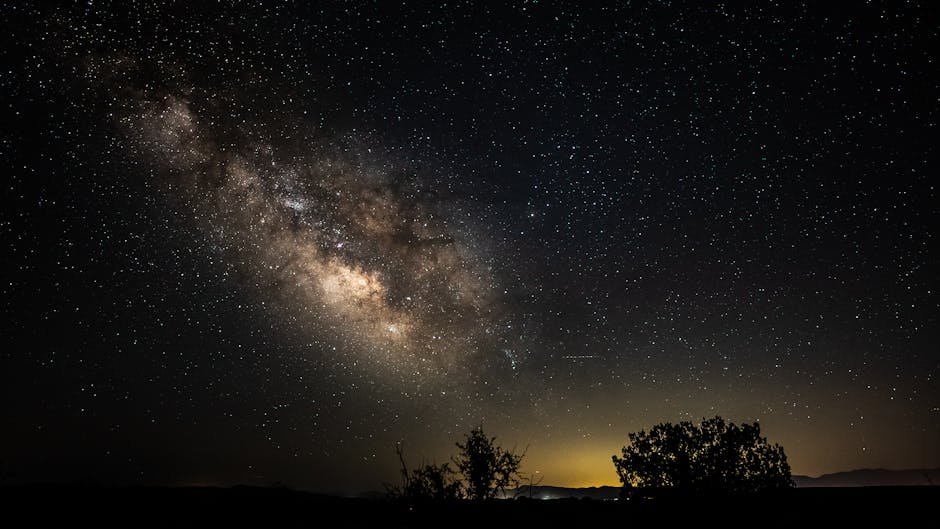

If you could ride a spaceship in a perfectly straight line forever, would you eventually smash into a cosmic wall, drift into a terrifying void, or loop back to where you started like someone walking around Earth? This question sounds like science fiction, but it’s one of the deepest puzzles in modern cosmology. The idea that reality itself might have an edge – or none at all – is as unsettling as it is fascinating.
We now know more about the universe than any generation before us, yet when it comes to the “edge question,” we’re still standing at the shoreline, staring at an ocean of uncertainty. What we do know comes from a mix of hard data, clever math, and a few mind-bending thought experiments that stretch common sense to its limits. Let’s walk through what science can actually say today, where it’s still confused, and why this question is much trickier than it looks at first glance.
The visible universe vs. the whole universe
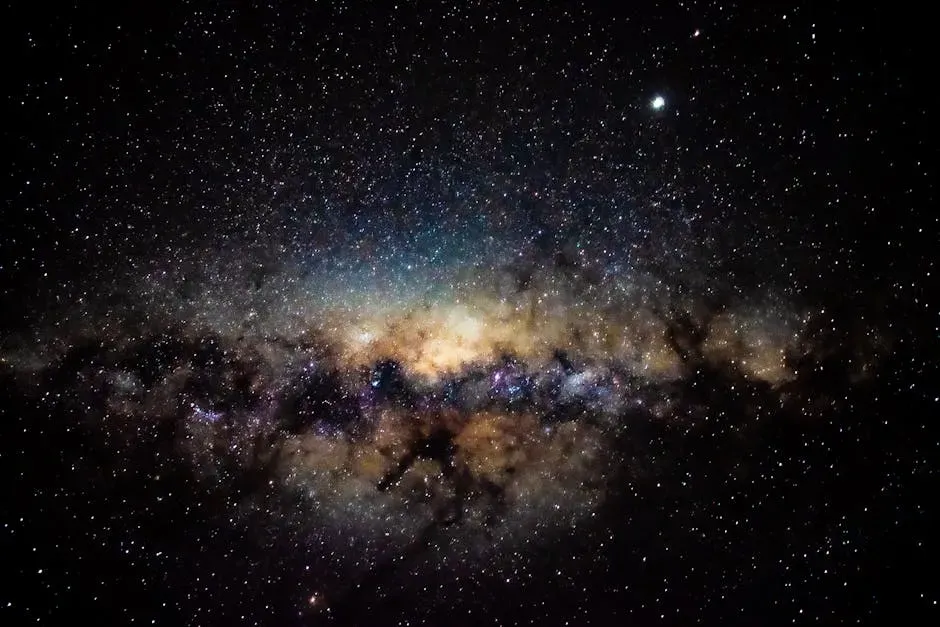
The first twist is that what we can see is not the same as all that exists, and that difference is where a lot of confusion starts. Astronomers talk about the “observable universe,” which is the region of space from which light has had enough time to reach us since the Big Bang. Because the universe has a finite age, there’s a horizon beyond which light simply hasn’t arrived yet, no matter how good our telescopes are.
Within this observable bubble, we estimate a radius of tens of billions of light-years, but that’s not because the universe started that big. Space itself has been stretching over time, meaning distant galaxies have been carried away from us like raisins in rising dough. Beyond that horizon, there can be more galaxies, more structure, maybe even infinite space. So when people ask if the universe has an edge, the first response is usually another question: are you asking about what we can see, or about everything that might exist beyond our cosmic horizon?
Does the universe end or just fade from view?
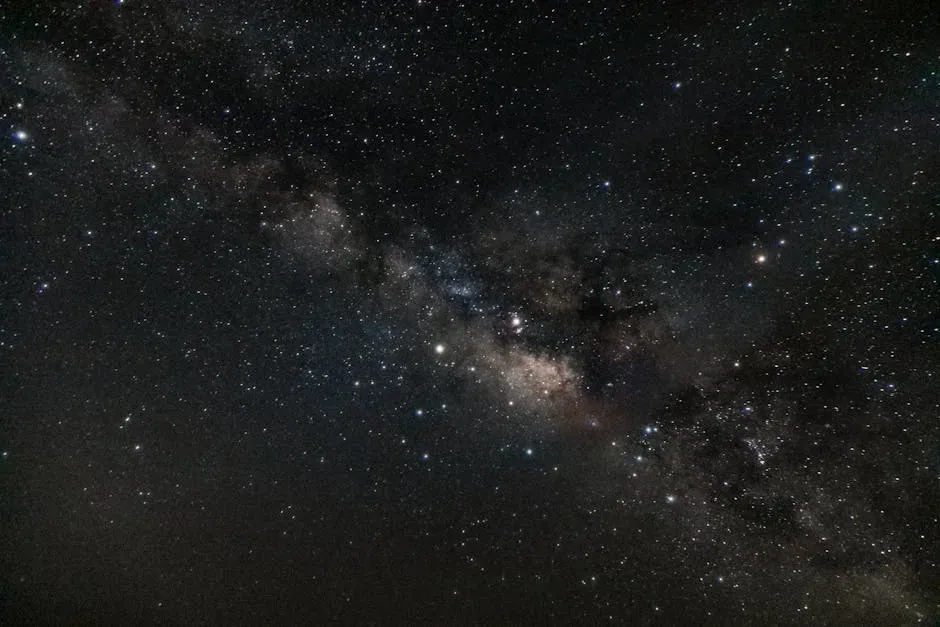
One of the most shocking ideas in cosmology is that there might be no physical edge at all, just a boundary to what we can observe. As you look farther across the universe, galaxies appear dimmer and more redshifted because space is expanding and their light is stretched out. Eventually, distant galaxies recede so fast relative to us that their light never reaches us, creating a kind of observational fog even if the universe itself keeps going.
In that sense, the universe doesn’t suddenly stop; it just becomes permanently unreachable. Imagine standing in a snowstorm where the flakes get so dense that beyond a certain distance you simply cannot see, even though the landscape continues. Many cosmologists think something similar is happening on a grand scale: no cliff at the boundary of reality, just a limit to what any one observer can ever know. That idea is humbling, because it means our picture of the universe will always be incomplete by design, not by lack of effort.
The shape of space: flat, curved, or something stranger?
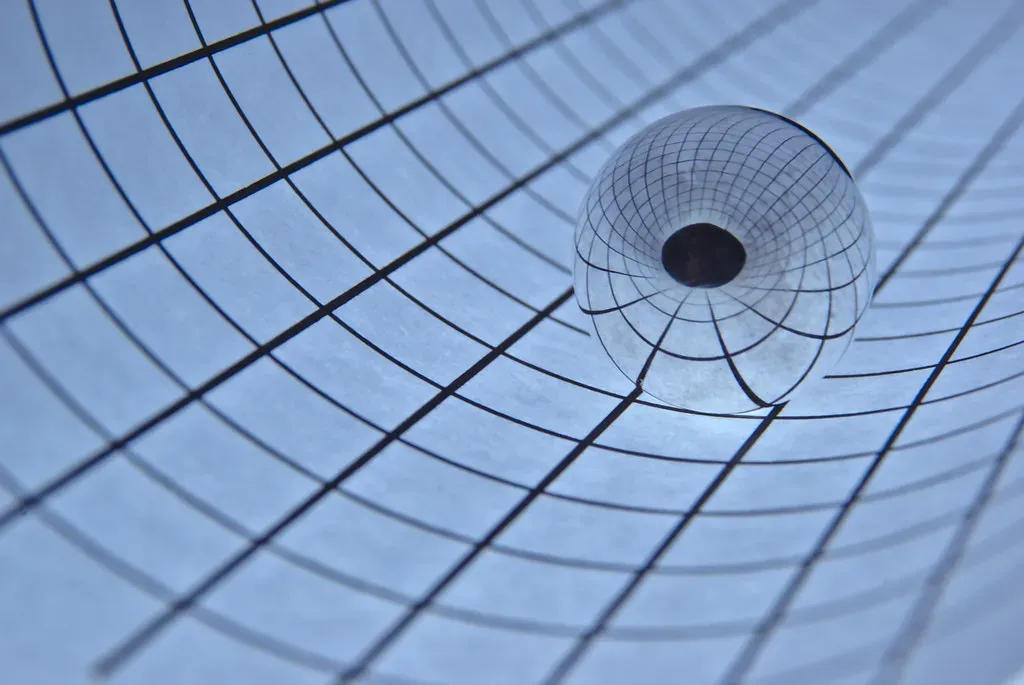
Whether the universe has an edge is tightly linked to what shape space itself has on the largest scales. General relativity allows space to be positively curved (like the surface of a sphere), negatively curved (like a saddle), or flat (like an ideal tabletop). In a positively curved universe, space could be finite but unbounded, a bit like how you can walk around Earth forever without finding an edge yet never cover infinite distance.
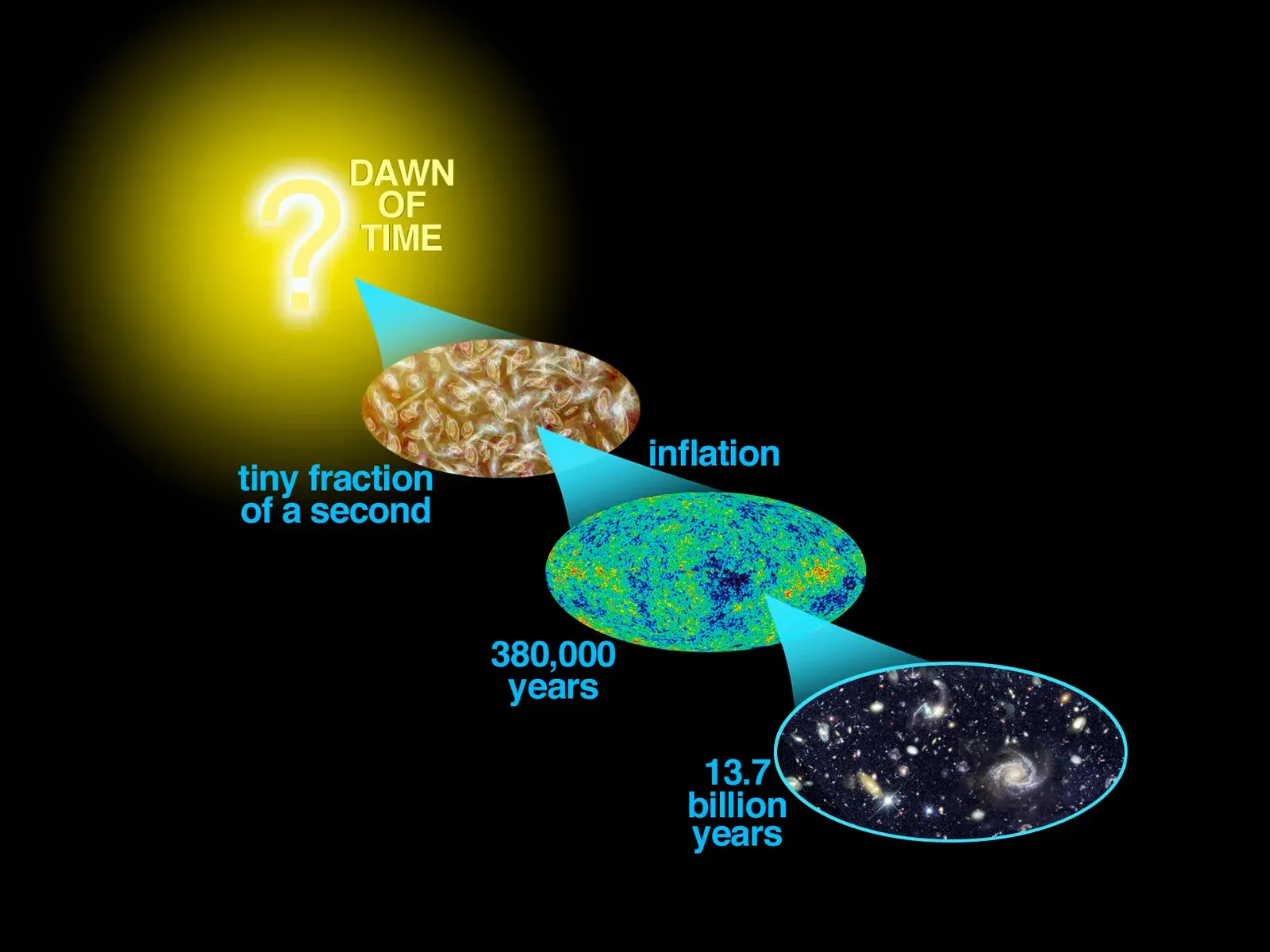
Measurements of the cosmic microwave background – the afterglow of the Big Bang – suggest that on large scales the universe is very close to flat. That result, tested over and over in different experiments, hints that space might be either extremely large but finite, or genuinely infinite. Flat space doesn’t automatically mean infinite, but making a flat universe that is tiny and loops back on itself quickly would leave signatures we likely would have noticed by now. So the best current reading is that if there is an edge, it’s unimaginably far away or hidden in a topology subtler than just “space stops here.”
The expanding universe and the illusion of a center
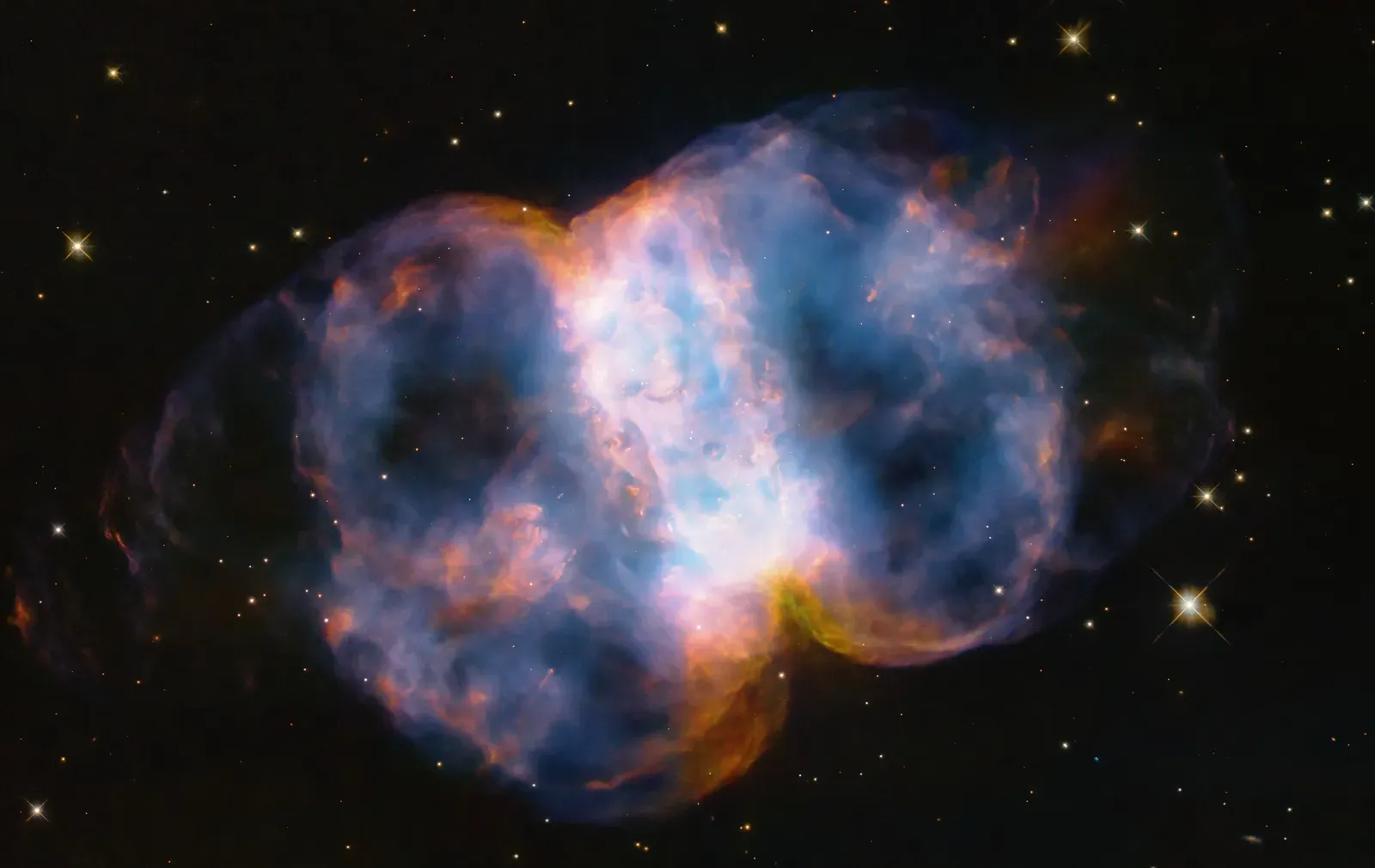
It’s easy to picture the universe as a ball of galaxies flying outward from a central explosion, but that mental image is misleading. The Big Bang did not happen at one point in preexisting emptiness; it happened everywhere at once, as space itself began expanding. Every observer, no matter where they are, sees galaxies moving away in all directions, and each could claim to be “at the center” of their observable universe.
A good analogy is the surface of a balloon covered with dots as it inflates. Every dot sees every other dot moving away, but there is no special dot at the center of the surface. From the perspective of the surface creatures, the center doesn’t exist on the surface at all. In a similar way, our universe does not need a central point or an outer edge for expansion to make sense. The expansion of space is more like stretching than like shrapnel spraying out into a preexisting void.
Edges, boundaries, and the meaning of “nothing”
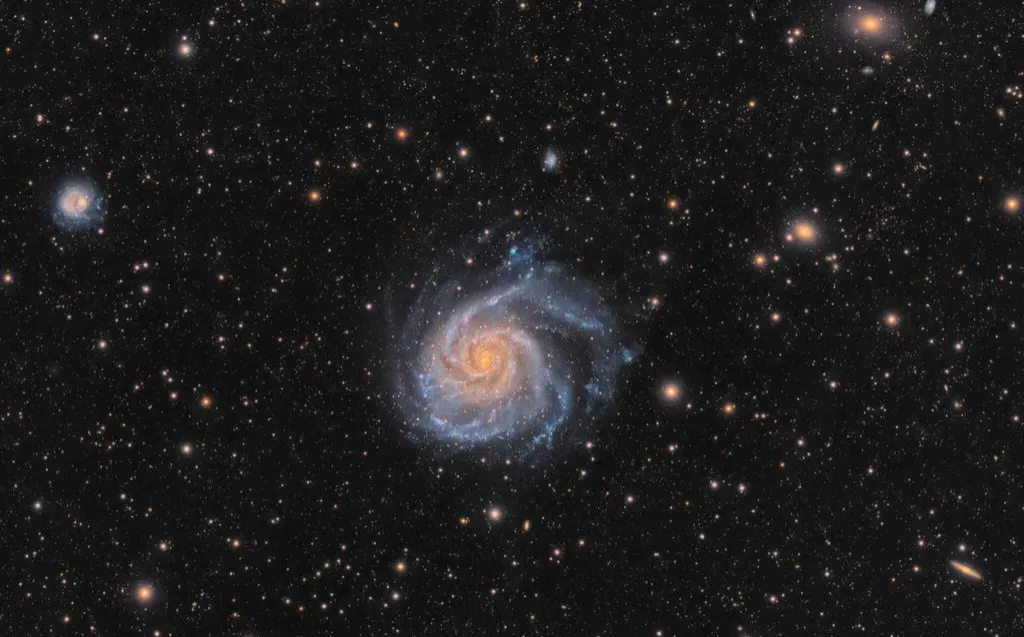
When people ask if the universe has an edge, they often imagine a cosmic fence with some kind of outside beyond it. But if space and time are the basic stage on which everything exists, what would it even mean to go “outside”? The idea of an edge implies a location beyond, but that location would itself need space and time, which drags you back into asking about the universe again. This is where everyday language starts to crack under the weight of the question.
Some cosmological models allow for boundaries in a more mathematical sense, where space might be finite and simply end, not by hitting a wall but by the coordinate system failing to extend farther. That sounds abstract, because it is; most of us are used to edges of material objects, not edges of the framework that defines space itself. Personally, I’ve always felt that this is the part where you can literally feel your intuition giving up, like a phone trying to load a file it was never designed to open. And strangely, that’s a sign we might be close to the real heart of the problem.
Could space loop back on itself?
One way for the universe to be finite without edges is for it to be multiply connected, meaning it loops back in complicated ways. Think of a classic video game screen where your character walks off the right side and instantly reappears on the left: the playing field is finite, but there’s no literal fence. Some versions of cosmic topology imagine space behaving like that in three dimensions, so traveling in a straight line long enough would eventually bring you back to your starting point.
Scientists have actually looked for signs of this by searching for repeated patterns in the cosmic microwave background, like matching circles that would indicate light has wrapped around the universe. So far, no clear evidence of such repeating patterns has shown up, at least not at scales we can measure with confidence. That doesn’t rule out all loopy topologies, but it does make the simplest wrap-around models less likely. If the universe does loop, it may do so on scales so vast that even light has not had time to trace the full route since the Big Bang.
The role of dark energy and the far future horizon
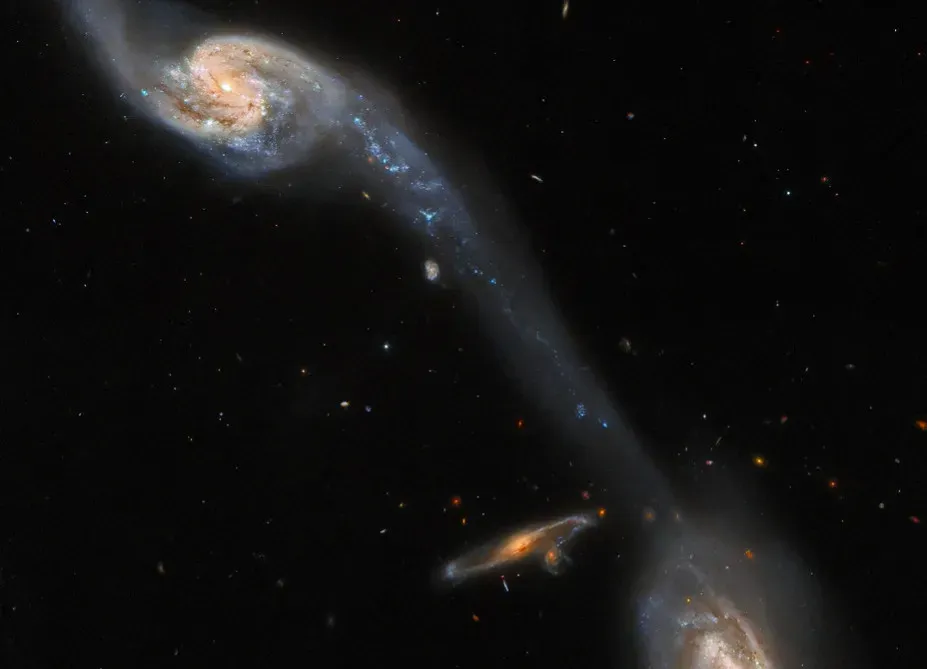
Over the past few decades, astronomers discovered that the expansion of the universe is speeding up, driven by something we call dark energy. This acceleration has a dramatic consequence: distant galaxies are not just drifting away, they are racing toward a future where they will slip beyond our observable horizon forever. Even if there is no physical edge, acceleration gradually shrinks the part of the universe we can ever interact with in a meaningful way.
In trillions of years, an observer inside such a universe might see only their local group of galaxies, surrounded by empty darkness, and have no clue that other galactic islands ever existed. In that sense, dark energy creates a kind of practical edge: not because space stops, but because causal contact does. The universe may remain huge or infinite, but our accessible universe could become a lonely bubble. It’s a bit like living in a busy city that slowly sinks into fog until only your own street remains visible.
Multiverse ideas: more edges or no edges at all?
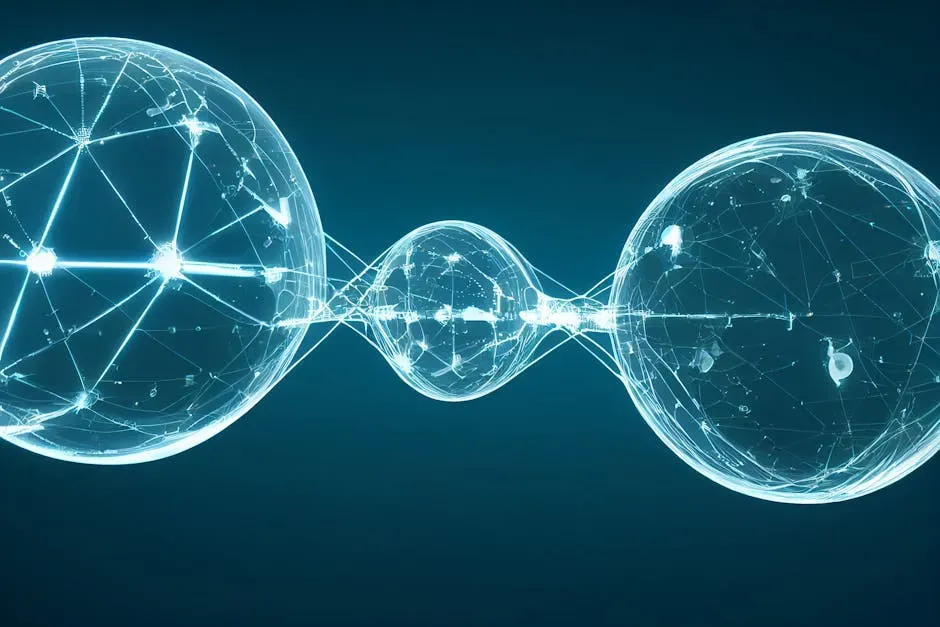
Some modern theories go even further and suggest that what we call “the universe” is just one region in a much larger multiverse. In certain inflation models, new bubble-like universes keep forming in an ever-expanding background, each with potentially different physical conditions. In that picture, our observable cosmos might be just one patch in a vast cosmic foam, with other patches forever unreachable and perhaps governed by slightly different rules.
The trouble is that, right now, these ideas are far ahead of the concrete evidence. They are motivated by serious attempts to explain observations and to reconcile theories, but they reach a level of speculation where tests are extremely difficult. So while multiverse scenarios offer a different way to think about edges – shifting the question to the boundary between universes rather than the edge of one – they remain more like informed conjectures than established fact. It’s wise to treat them as possibilities, not as answers carved in stone.
What our best evidence really says – and doesn’t say
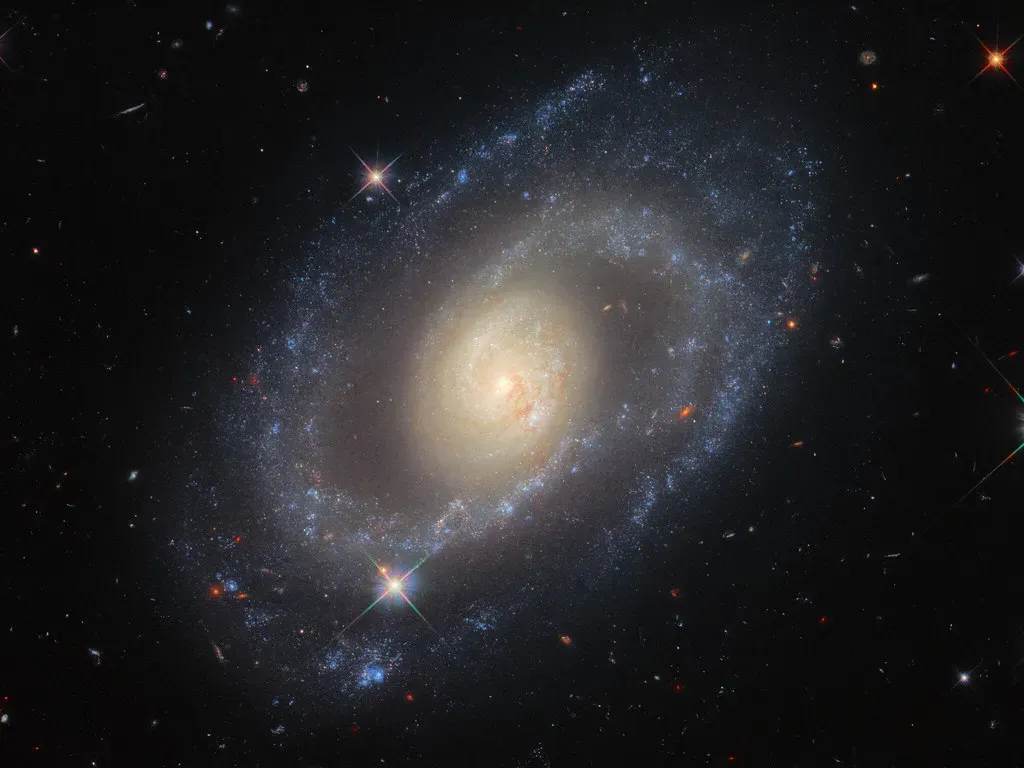
Putting it all together, current observations paint a picture of a universe that is, on large scales, remarkably uniform, close to flat, and expanding faster over time. This is already astonishing: the fact that we can describe something so enormous with relatively simple equations still feels a bit like cheating. But those same equations are quite comfortable with the idea of an infinite universe and do not demand a hard edge in any obvious way.
At the same time, our data comes only from within our observable bubble, which is a limited region by definition. We infer the larger structure of the cosmos assuming that what we see locally is representative of the whole, and so far that assumption has worked well. Still, it means we should be careful; when we say “there is probably no edge,” what we really mean is “within the framework that fits all known observations, an edge is unnecessary and would be hard to hide.” The door is not fully closed on stranger possibilities, but the simplest story right now is vast, continuous space with no sharp outer boundary.
Why the universe’s edge still matters to us
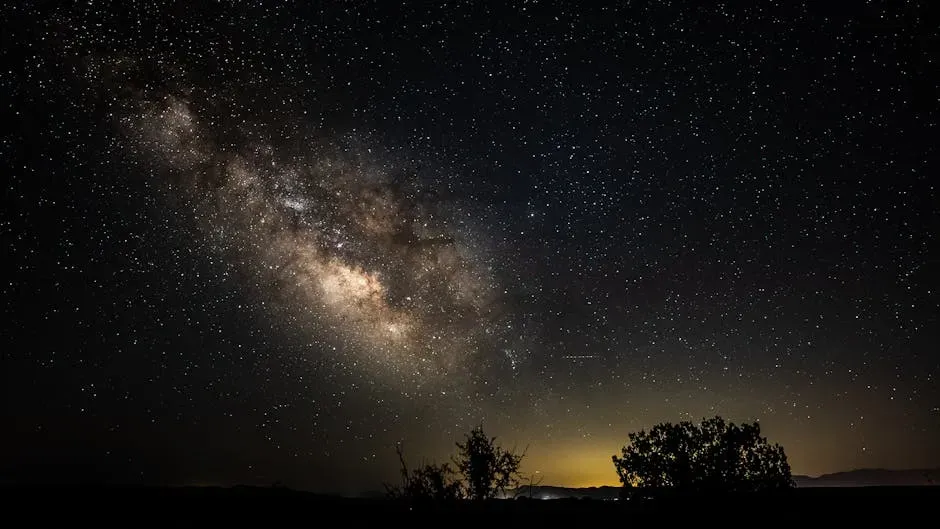
Even if we never find a literal cosmic border, wrestling with the question changes how we see our place in reality. Realizing that there may be no center and no edge undercuts the human habit of putting ourselves at the middle of everything, yet it also connects us to something immense and continuous. For me, there’s something oddly comforting in knowing that wherever you stand, you can think of yourself as standing in the middle of your observable universe, surrounded by light that has traveled billions of years to reach you.
On a more practical level, pushing these questions forces us to test our theories in extreme regimes, improving our understanding of gravity, quantum physics, and the early universe. The edge problem is not just philosophical decoration; it’s a stress test for our best ideas about reality. Perhaps the real surprise is not whether the universe has an edge, but that fragile creatures on a small planet can even form a coherent question about it. When you look up at the night sky, does it feel a little different knowing that, as far as we can tell, there may be no cosmic wall out there at all?
Conclusion: Living with a universe that may never end
So, does our universe have an edge? Based on everything we know today, the most reasonable answer is that there is no solid wall, no cliff where space abruptly stops, at least not within any distance we can probe or imagine reaching. Instead, we live inside an expanding, possibly infinite cosmos where the only “edge” we can point to is the boundary of what light has had time to bring into view. That edge is not made of matter; it is made of time, distance, and the limits of causality.
Yet this non-answer might be the most honest one we have: the universe could be finite or infinite, simply connected or looping back in ways we have not yet detected, and our tools may always be one step too small to fully settle the question. In a strange way, that open-endedness is part of the beauty of cosmology, keeping the universe from becoming just another solved puzzle on a shelf. Maybe the real gift is not certainty, but the invitation to keep asking better and deeper questions. When you stare into the dark sky tonight, what do you imagine lies just beyond the furthest thing we can ever see?