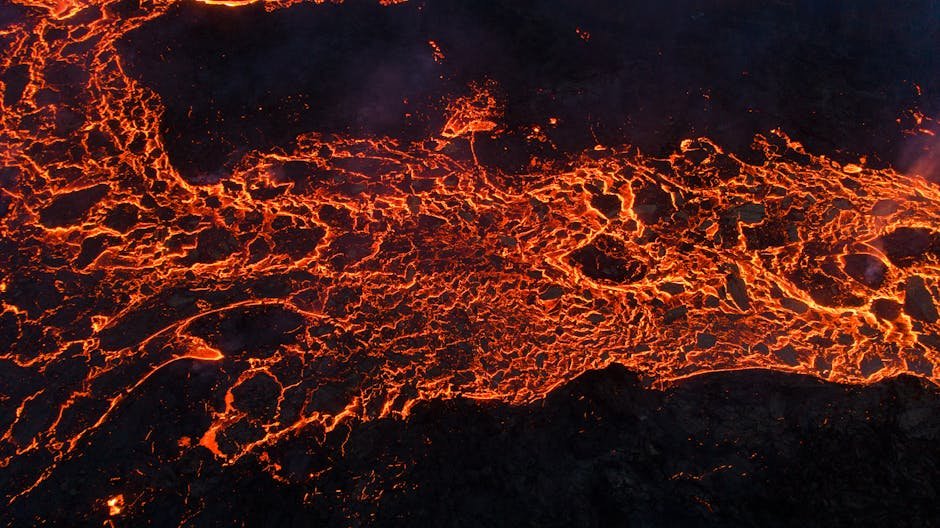
Stand on a city sidewalk or a quiet forest trail and it feels like the ground under your feet is solid, still, and predictable. But beneath that thin crust of familiarity, Earth is wild, restless, and unimaginably hot, hiding landscapes and forces that quietly shape every part of our lives. The surface we know is just a fragile skin floating on a planet that is still very much alive inside.
For most of human history, we could only guess what lay below by digging a bit, staring into caves, or watching volcanoes erupt. Now, with seismology, lab experiments, and deep drilling, we’ve sketched a rough map of Earth’s interior – but a lot of it still feels like detective work done in the dark. Let’s head downward, layer by layer, and explore what we really know about the world beneath our feet – and what still remains stubbornly mysterious.
The Thin Skin: Crust, Soil, and the Shallow Underground
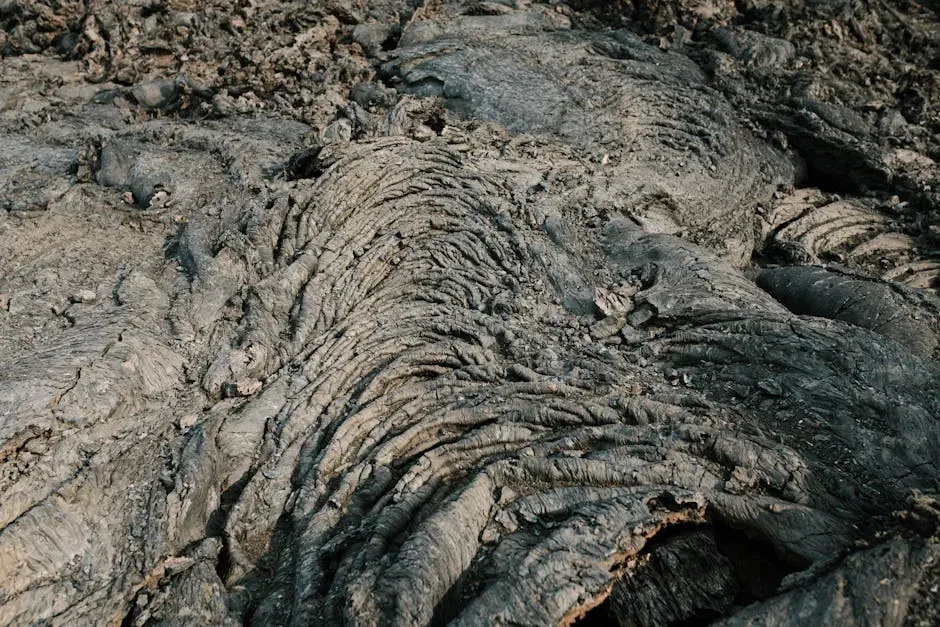
It’s surprisingly shocking how thin the part we live on actually is. Earth’s crust, the outermost layer, is like a shell on a massive cosmic egg – ranging from only a few kilometers thick beneath the oceans to a few dozen kilometers under continents. Everything we’ve ever built, farmed, or fought over happens on this razor-thin layer compared with the planet’s full size.
Beneath the topsoil that nourishes crops and forests, rock is carved by water, roots, microbes, and human tunnels and mines. We drill deep boreholes, but even the deepest human-made hole only scratches a tiny fraction of the crust. The everyday underground of basements, subway lines, and sewers barely dips into the outer paint layer of a planet whose true depths remain off-limits to direct exploration.
Where Plates Drift and Continents Travel: The Upper Mantle
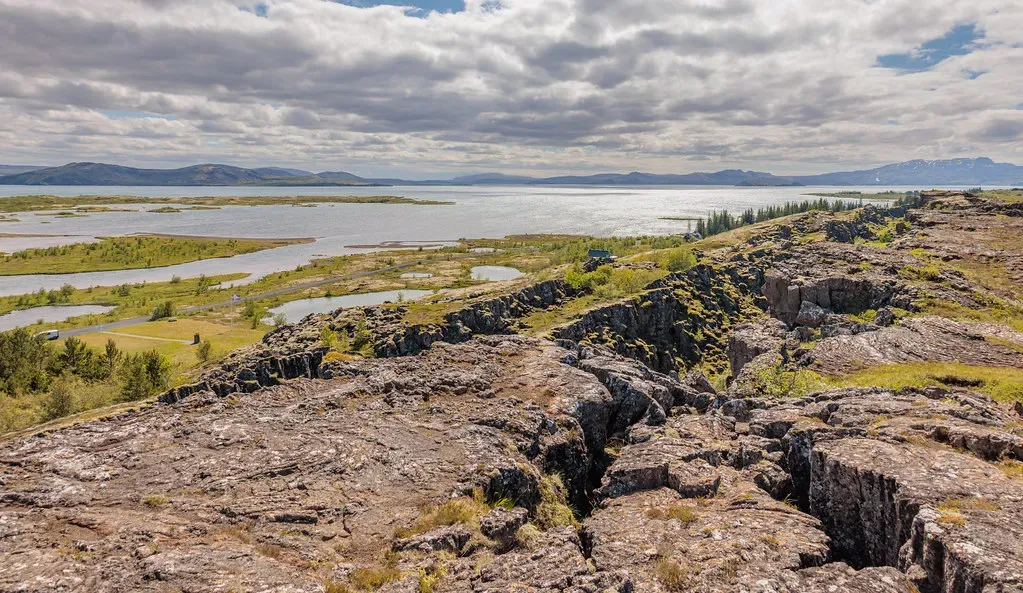
Just below the crust lies the upper mantle, where solid rock behaves in ways that feel almost contradictory. Over short timescales it’s hard and brittle, but over millions of years it can flow slowly, like asphalt on a hot day that gradually sags and creeps. This very slow movement is what drives the motion of tectonic plates, hauling entire continents around like rafts on a sluggish conveyor belt.
Zones in the upper mantle where rock is slightly softer, often grouped into the asthenosphere, let plates shift and collide. That motion is what builds mountain ranges, opens new oceans, and feeds chains of volcanoes. It’s strange to think that the line on a world map between two countries matters so much to us, while the real borders that shape continents sit tens of kilometers below, where no human has stood and likely never will.
The Slow Churn of Rock: Convection in the Deep Mantle
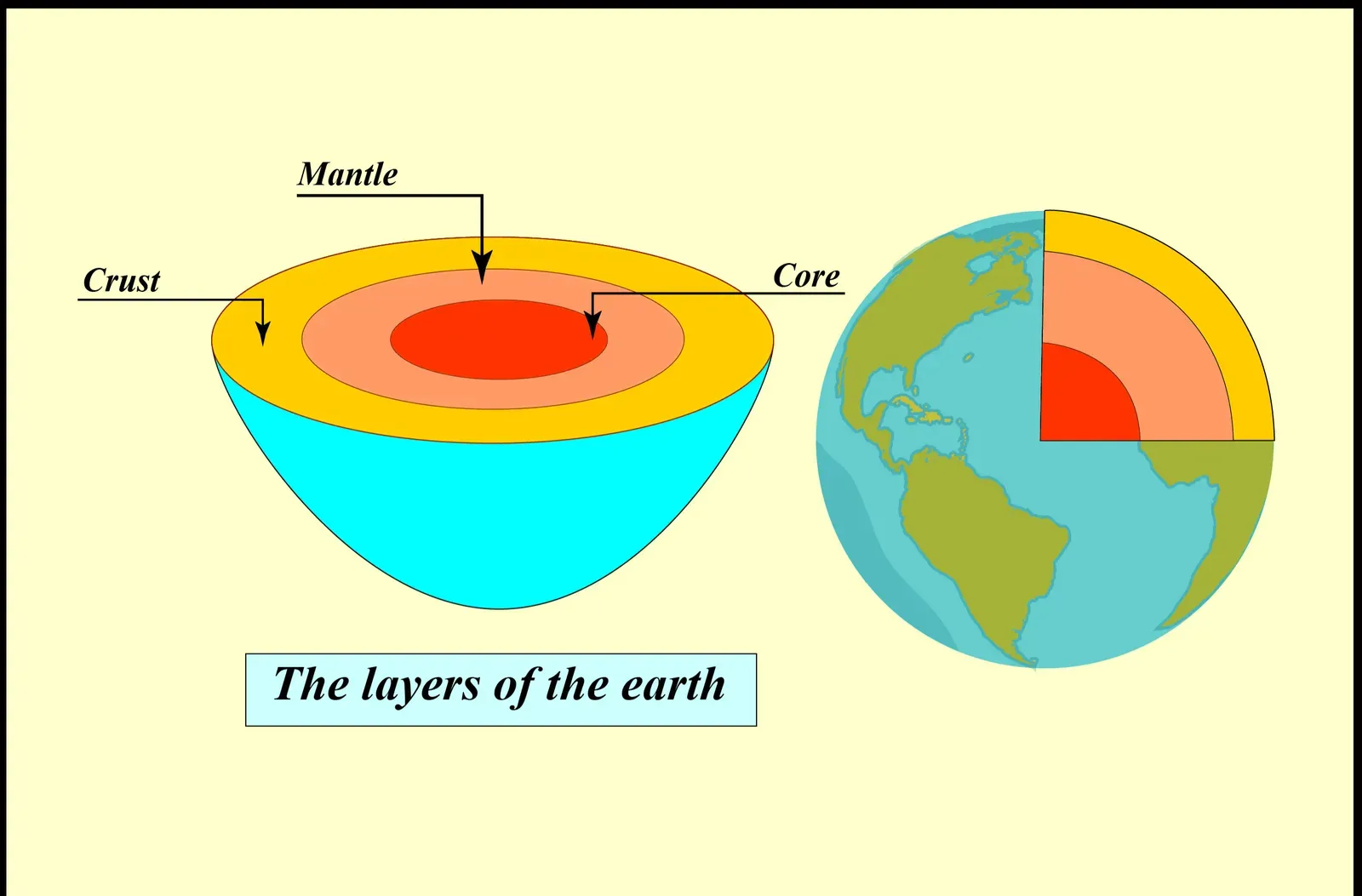
Continue downward and you’re in the bulk of the mantle, the largest piece of Earth’s volume and mass. Despite being made of solid rock, this layer is hot enough and under enough pressure that it moves extremely slowly, rising where it’s warmer and sinking where it’s cooler. Over millions of years, it churns like a pot of thick stew on a low burner, but at speeds closer to the growth of fingernails.
This deep convection is one of the planet’s main engines. It constantly redistributes heat from Earth’s interior toward the surface, helping power volcanic activity and plate tectonics. Computer models and seismic imaging suggest sprawling, continent-scale plumes and sinking slabs, but the exact patterns are still debated. In a way, we mostly see the mantle’s shadow – through earthquakes, volcanoes, and the slow drift of continents – rather than the mantle itself.
Heat from the Past: Why Earth’s Interior Is Still So Hot
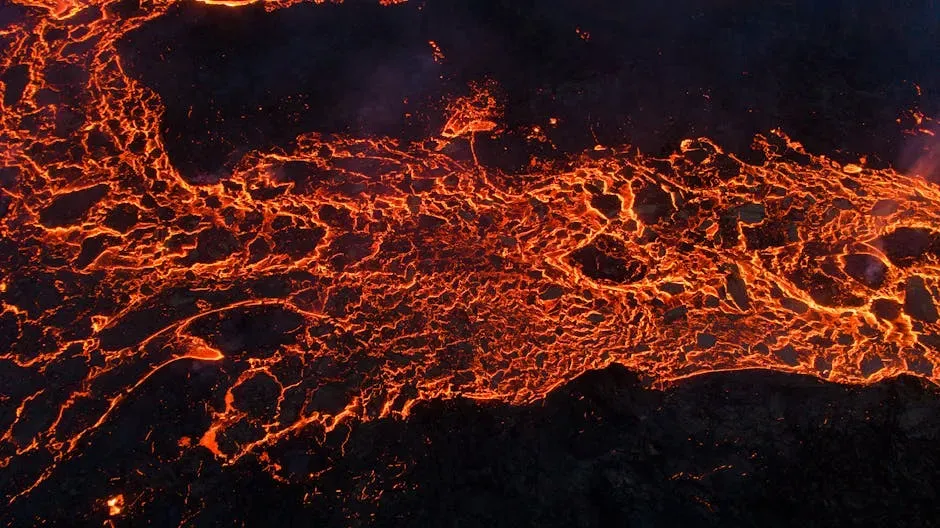
It’s easy to assume a planet as old as Earth should have cooled off by now, but the interior is still blisteringly hot – hot enough to melt rock and keep the outer core liquid. Part of that heat is a leftover inheritance from Earth’s violent birth, when collisions of smaller bodies and the segregation of heavy elements released enormous energy. The planet has been radiating that heat into space ever since, but the process is slow, like a brick oven staying warm long after the fire burns down.
Another key source is the decay of radioactive elements like uranium, thorium, and potassium within the mantle and crust. As these atoms break down, they release energy that keeps the interior warm and geologically active. Without this mix of ancient and ongoing heat sources, Earth’s core might have solidified long ago, plate tectonics could have stalled, and our planet would look a lot more like a cold, quiet Mars than the dynamic world we know.
The Fiery Heart in Motion: Earth’s Liquid Outer Core
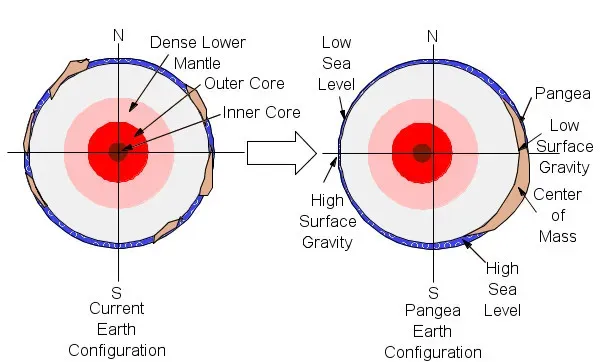
Deeper still, roughly halfway to the center, the mantle gives way to the outer core: a seething ocean of liquid iron alloy under unimaginable pressure. The temperatures here soar higher than the surface of many stars’ cooler regions, yet the crushing pressure keeps this metallic fluid dense and heavy. In this layer, metal flows and swirls, driven by heat escaping from below and by the rotation of the planet itself.
Those flows act like a giant dynamo, generating Earth’s magnetic field. Without that field, charged particles from the Sun would strip away our atmosphere far more efficiently and bombard the surface with intense radiation. The familiar behavior of a compass needle, quietly aligning with magnetic north, is really a whisper from this deep metallic sea, thousands of kilometers below our feet, constantly rearranging itself in slow, powerful motion.
The Solid Inner Core: A Metallic Crystal at the Center
At the very center lies the inner core, a solid sphere made mostly of iron and some nickel, about the size of the Moon. Temperatures here rival the surface of the Sun, but pressure is so extreme that the metal is squeezed into a tightly packed solid. This inner core is slowly growing as Earth cools, with the outer core gradually freezing onto it over geological time.
Seismic studies show that the inner core isn’t perfectly uniform. Waves from earthquakes travel through it differently depending on direction, hinting at complex structure and possibly giant crystals or regions with different orientations. Some research suggests the inner core might even be rotating at a slightly different speed than the rest of the planet. It’s a strange thought: the very heart of Earth, not quite locked step with the crust we stand on.
Hidden Oceans and Locked-Up Water in the Deep Earth
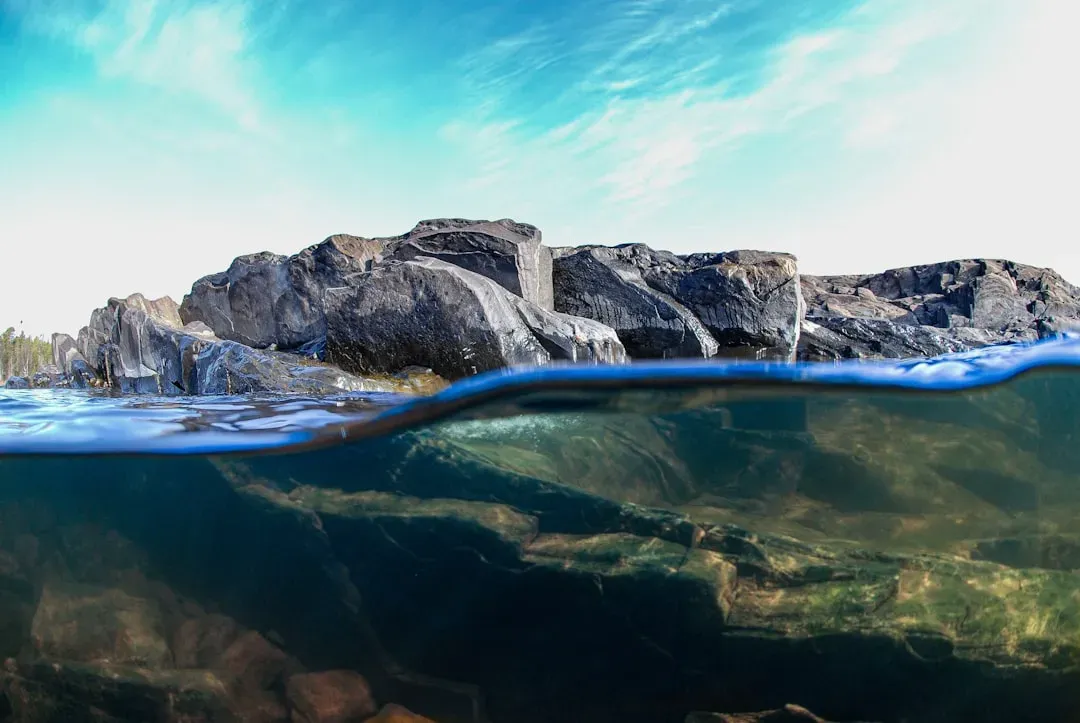
When people hear “water,” they imagine oceans, lakes, and rivers on the surface, but a surprising amount of Earth’s water is trapped deep below. Not as underground seas you could swim through, but bound inside mineral structures in the mantle, locked into crystal lattices like moisture held in a sponge. Certain high-pressure minerals can hold significant amounts of water in the form of hydroxyl groups, even at great depths and temperatures.
Experiments and seismic hints suggest there could be water in the mantle comparable in quantity to, or even exceeding, all the surface oceans combined. This deep water cycle, carried down in subducting plates and released back up through volcanoes, quietly influences how the mantle melts and how easily rocks flow. It also reminds us that “dry rock interior” is an oversimplification; even far beneath the seafloor, Earth’s story is still partly a story of water.
Underground Life: Microbes in the Deep Biosphere
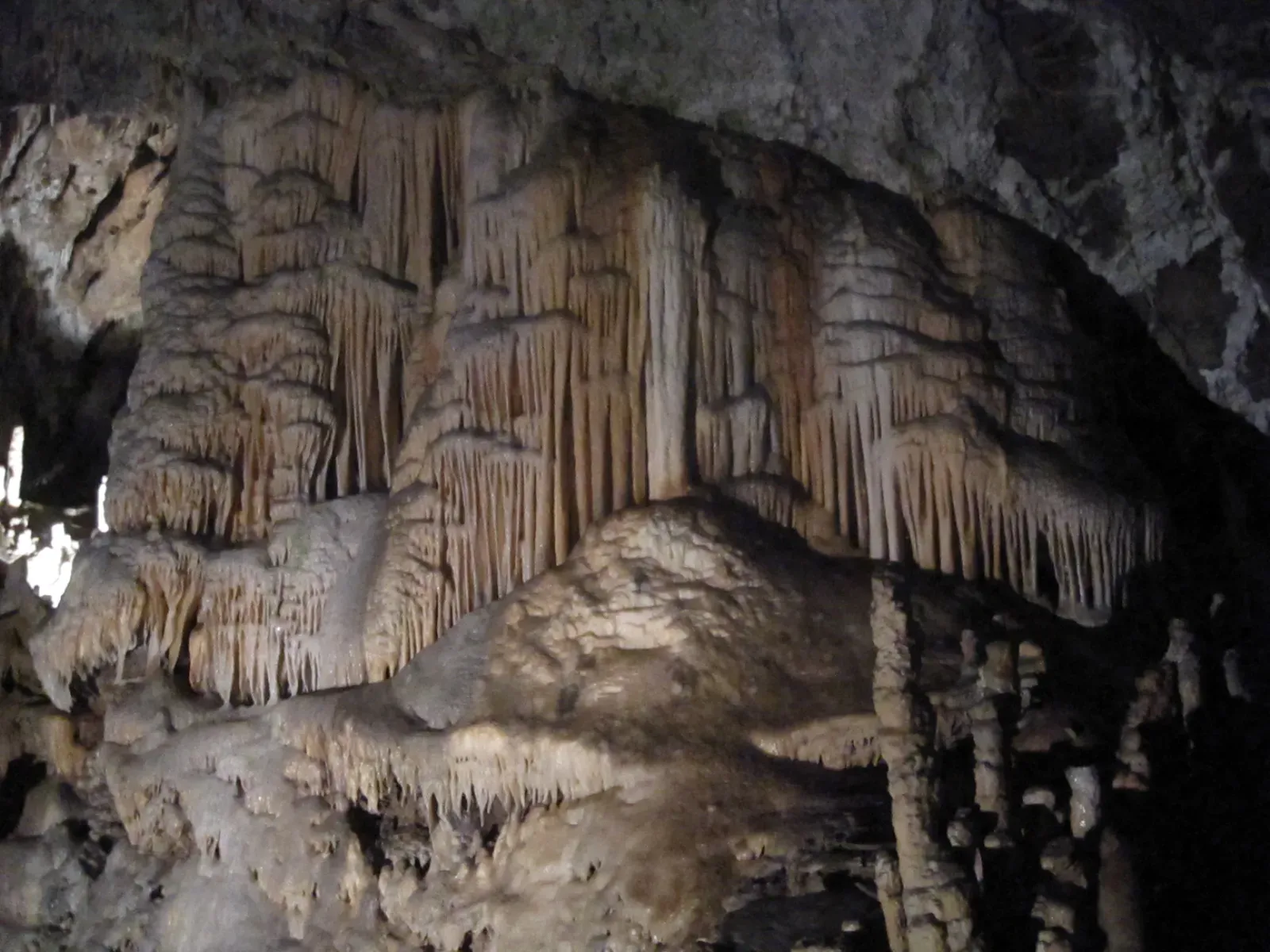
One of the most mind-bending discoveries of recent decades is that life doesn’t stop at the surface or even just below our feet. Microbes have been found living kilometers underground in cracks in the rock, surviving on tiny amounts of chemical energy from minerals and radioactive decay. These organisms live in darkness, under high pressure, at temperatures that would kill most surface life, yet they persist and slowly multiply.
Scientists estimate that this deep biosphere may contain a substantial fraction of all the microbes on Earth. While these communities are often slow-growing and sparse, they expand our sense of what “habitable” really means. They also raise questions about life on other worlds: if microbes can endure deep within Earth’s crust, perhaps similar life could hide beneath Mars’ surface or within the icy shells of moons like Europa and Enceladus.
Reading Earth’s Interior by Listening to Quakes
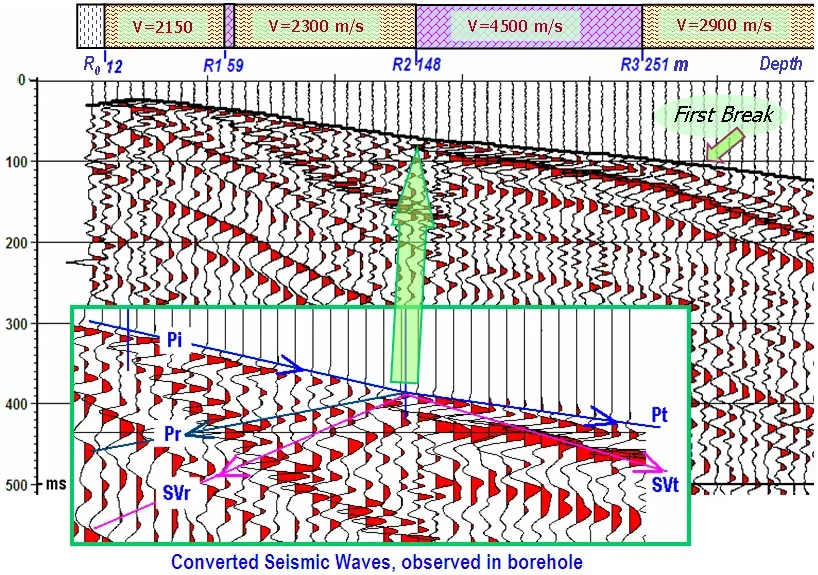
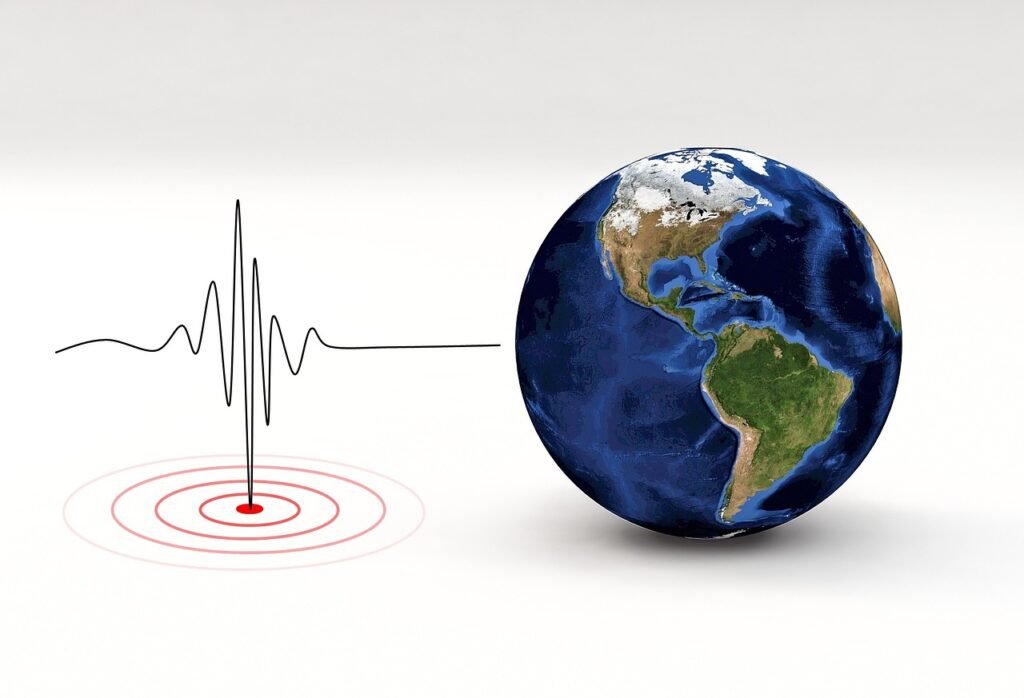
We can’t journey physically to the deep mantle or core, but earthquakes send us messengers in the form of seismic waves. These waves travel through Earth, bending, bouncing, and changing speed depending on the materials they cross. By recording them at stations around the world, scientists reconstruct a three-dimensional picture of the planet’s interior, much like a doctor uses ultrasound to see inside a human body.
This method has revealed the main layers – crust, mantle, outer core, inner core – and even finer details like cold, sinking slabs and hotter upwelling plumes. More recently, ultra-low velocity zones at the base of the mantle and strange patches at the core–mantle boundary have sparked debate about their origin and role. Each big earthquake, while devastating at the surface, also offers a burst of data that lets us refine our hidden map of what lies below.
Volcanoes and Earthquakes: Surface Signs of Deep Forces
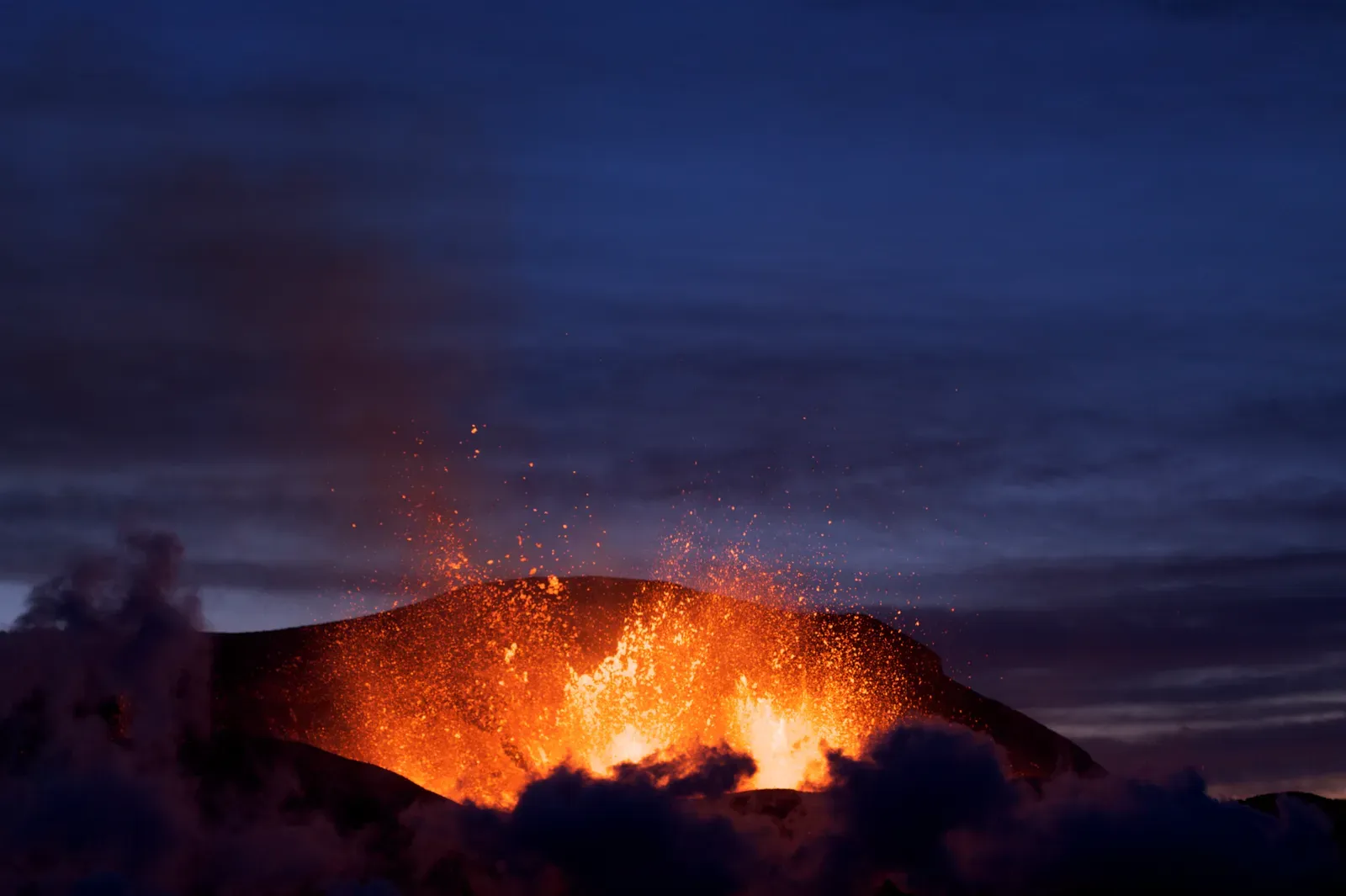
The most dramatic clues about the deep Earth erupt right in front of us as volcanoes and earthquakes. When magma rises from the mantle to the surface, it carries a chemical fingerprint of the depths it came from and releases gases that have traveled upward for millions of years. Earthquakes, especially along plate boundaries, are the audible crack of plates grinding and snapping as they respond to the slow but relentless push of mantle flow.
Chains of volcanoes like those circling the Pacific or riding on top of hotspots track where plumes or subducting plates tap into deeper layers. Meanwhile, patterns of frequent quakes, silent zones, and rare mega-events tell us how stress builds and releases along faults. These surface catastrophes, while tragic, are also messages from the planet’s hidden machinery – a reminder that under every calm blue sky, Earth’s interior is busy, restless, and constantly reshaping the world we know.
Conclusion: Living on a Restless Shell
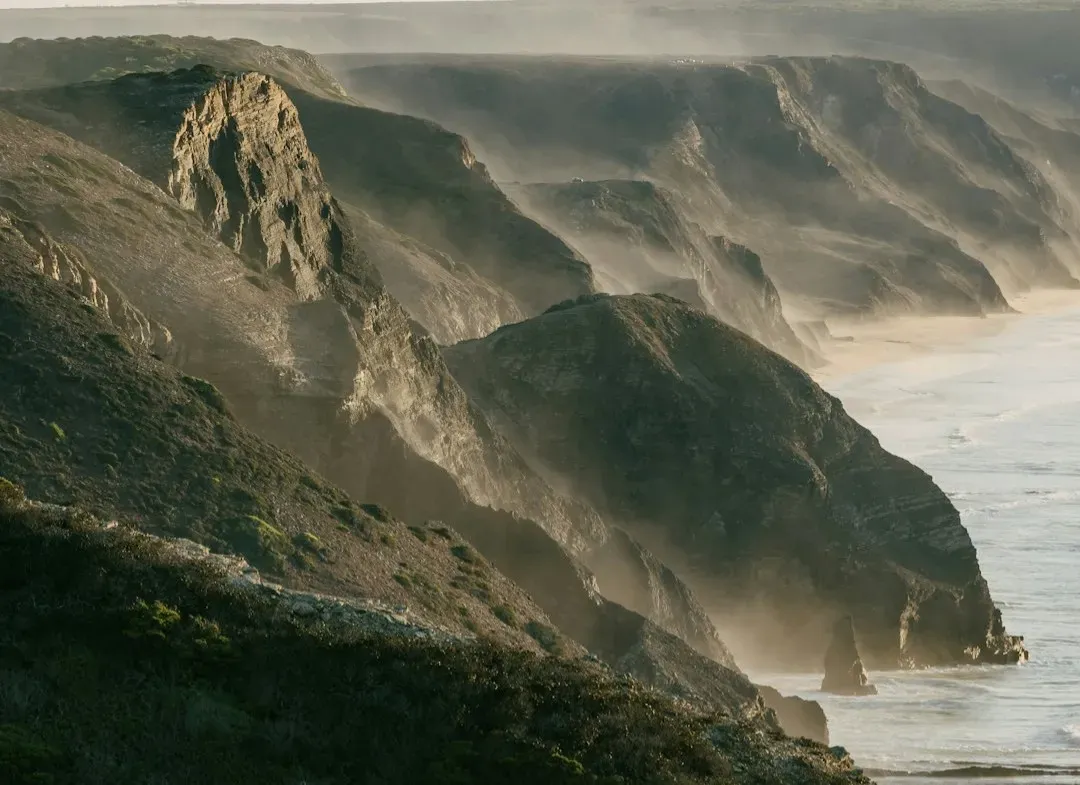
The more we learn about what lies beneath Earth’s surface, the more fragile and temporary the ground beneath us starts to feel. Our continents are rafts on a convecting mantle, our magnetic shield depends on a churning metal ocean we will never see, and even deep below, life finds ways to persist in tiny footholds of habitability. The planet is not a static rock; it’s a layered, evolving system powered by heat, gravity, and time.
For me, thinking about Earth’s interior feels a bit like realizing a quiet house is built on top of a humming engine room – the floors seem stable, but everything depends on the hidden machinery below. As our tools improve, we’ll keep sharpening our picture of those hidden depths, yet some parts may always remain a little mysterious, just out of reach. Next time you feel the solid ground under your feet, will you picture it as an ending – or as the very thin beginning of a vast world beneath?