There are days when five minutes in a boring meeting feel like being stuck in slow motion, yet a three-hour catch-up with a friend vanishes in what feels like a blink. You check the clock, half convinced it’s broken. It is not your watch that’s lying to you, though – it is your brain’s wild, creative, and sometimes misleading way of tracking time.
This strange mismatch between clock time and felt time is not a glitch; it is a feature of how the brain works. Once you see the tricks your mind uses – attention, memory, emotion, prediction, and even body chemistry – a lot of your everyday “where did the time go?” moments suddenly make sense. And you might never look at a “long” or “short” day the same way again.
When Attention Sharpens, Time Stretches
Have you noticed how time crawls when you are waiting for something you really care about – like a text from someone important or the end of a painful workout? In those moments, your attention is laser-focused on the passing of time itself: you keep checking the clock, counting down seconds, mentally nudging the future to arrive faster. When your brain zooms in like that, each unit of time is examined in detail, so it feels larger and more noticeable.
In contrast, when you are distracted or immersed in something engaging, your attention is elsewhere, and your brain stops constantly monitoring the passage of time. It is a bit like staring at a progress bar on a slow computer versus walking away and coming back later; watching it closely makes every percent feel painfully slow, while ignoring it makes the same duration feel lighter and shorter. The more your attention locks onto time, the more those minutes can feel like forever.
Novelty Makes Moments Feel Longer, Repetition Makes Them Vanish

Think back to a childhood summer: the days felt endless, packed with new experiences, places, and sensations. That is not just nostalgia; new experiences demand more brain processing power, so your brain builds rich, detailed memories of them. Later, when you look back, that dense memory bank makes the same amount of clock time feel longer and fuller in your mind.
Now compare that with a stretch of adult life where every weekday looks the same – same commute, same desk, same tasks. When your brain sees the same patterns over and over, it becomes efficient and lazy about storing details. With fewer unique memory “snapshots,” a week or even a year can blur together, making it feel like time just evaporated. Novelty stretches subjective time; repetition compresses it until hours or days feel like they barely happened at all.
Emotions Bend Your Inner Clock

Emotion is like a lens placed over your experience of time, and it can distort everything. Fear and anxiety often slow time down, at least in the moment; if you have ever had a near accident or received bad news, you might remember the scene in exaggerated detail, as if it unfolded frame by frame. Your brain ramps up arousal, scans for threats, and records more information per second, so those few seconds feel stretched out in your memory.
Pleasant, absorbing emotions – joy, excitement, deep interest – play a different trick. While you are in the middle of a great concert, a gaming session, or an intense conversation, time often seems to speed up because you are not paying attention to it. Only afterward, when you step back, you are hit with the shock of how many hours slipped by. Strong emotion does not just make experiences feel more meaningful; it literally warps your inner sense of how long they lasted.
Dopamine, Adrenaline, and the Chemistry of “Too Fast” and “Too Slow”
Your sense of time is not just psychological; it is also chemical. When brain chemicals like dopamine rise – during rewarding, exciting, or goal-driven activities – your brain processes information faster and more efficiently. That can make intervals feel shorter while they are happening; you are riding the wave of engagement, not counting minutes, and by the time those signals calm down, a big chunk of the day is already behind you.
On the flip side, states of low dopamine or high stress can distort time in the opposite way. If you are exhausted, under-stimulated, or mildly depressed, minutes can feel heavy and sticky because nothing feels very rewarding, and your brain is paying more attention to discomfort. Meanwhile, spikes of adrenaline in fear or danger crank up internal pacing so much that you remember events in slow motion. Your inner clock is not one steady metronome; it is more like a DJ constantly changing the tempo based on your body’s chemical soundtrack.
How Your Brain Builds Time From Moments and Memories
Your brain does not directly measure time the way a clock does. Instead, it pieces together a sense of duration from events, changes, and memories – snapshots of experience. If many distinct things happen in a short period, your brain stores more “frames,” and later that interval feels long and eventful. If almost nothing happens, the brain has fewer markers to work with, so the same duration shrinks in hindsight.
That is why the same hour can feel endless while you are bored, but weirdly short when you look back later. In the moment of boredom, you are watching every tick; in hindsight, your brain has very little to reconstruct, so the memory of that hour is thin and forgettable. At the same time, a jam-packed vacation day with travel, new food, and new people might fly by while it is happening, yet feel huge and substantial in memory because your brain stacked so many moments into it.
Why Predictability Shrinks Time and Uncertainty Stretches It
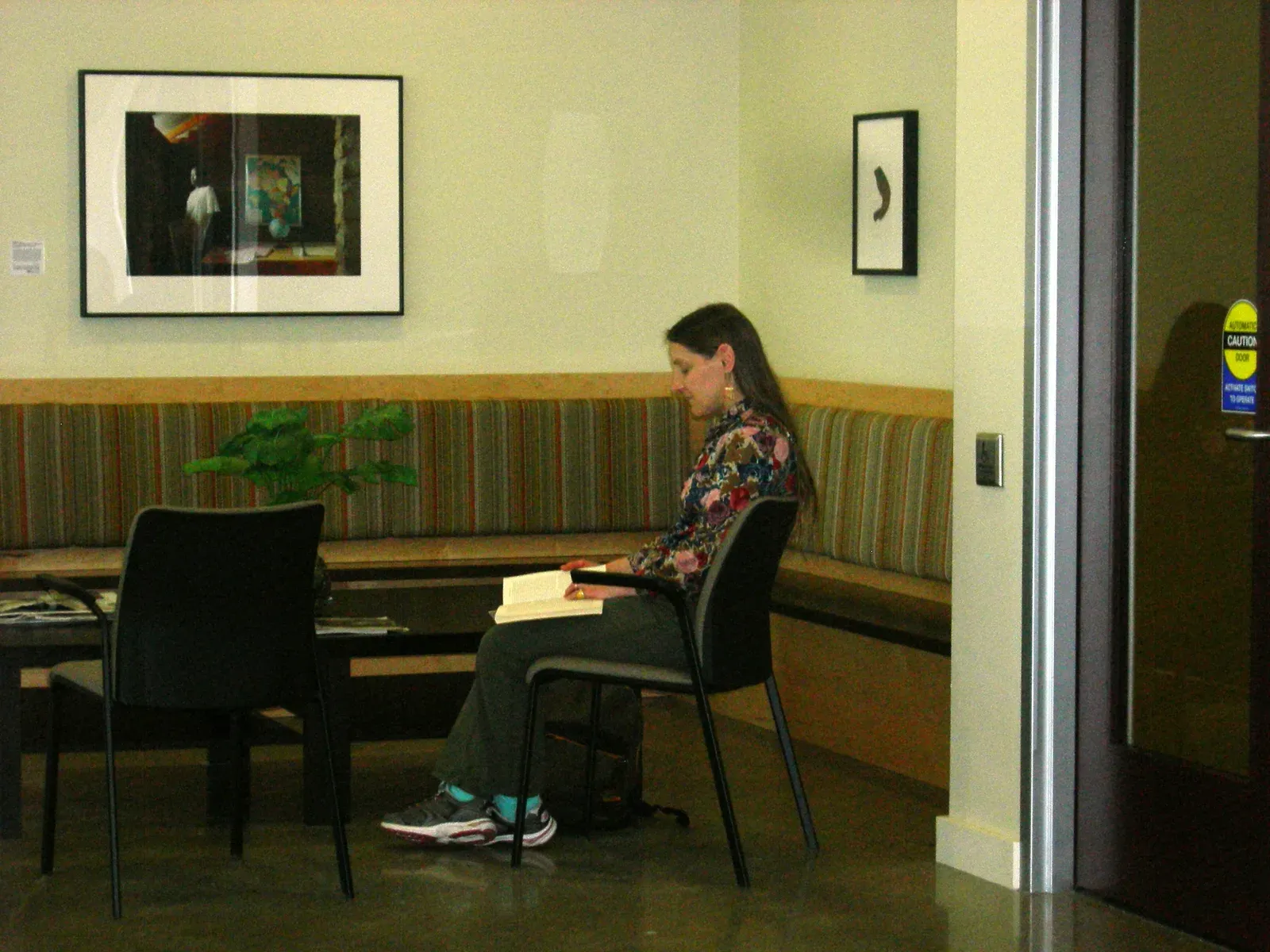
The brain is obsessed with predicting what happens next. When life is predictable – your routine, your route, your tasks – your brain quickly learns the pattern and coasts on autopilot. Prediction makes processing efficient, so less conscious effort is needed; the brain fills in the blanks automatically. The result is that long stretches of predictable time feel like they pass quickly, especially once you look back on them.
Uncertainty, on the other hand, forces your brain into high alert. When you do not know when something will happen – like waiting for test results, a reply, or a delayed flight – your predictive system has nothing stable to lock onto. You become acutely tuned to each second, scanning for signs and constantly updating your expectations. This hyper-awareness makes every tiny slice of time feel thick, long, and uncomfortable, turning a few minutes into what feels like a painful eternity.
Technology, Multitasking, and the Vanishing Day

Modern life quietly trains your brain to fragment attention into tiny pieces. You jump from chat messages to emails to videos to work tasks, often in rapid-fire bursts. Each switch drains a bit of mental energy, but also keeps you reacting instead of noticing the flow of time. By the end of the day, you might barely remember what you actually did, because it was all chopped into shallow, forgettable fragments.
Paradoxically, the more you hop around, the fewer deep, distinct memories your brain stores, even though you were busy all day. That leads to a strange feeling at night: you are tired, but the day seems to have disappeared without leaving much behind. Technology is not evil, but the always-on, always-switching style of living it encourages can make entire afternoons or evenings feel like they never fully formed in your mind – just a blur of tabs and notifications.
How to Gently Take Back Control of Your Sense of Time

The good news is that your sense of time is flexible, which means you can nudge it in your favor. When you choose to fully focus on one thing – a walk without your phone, a meal without multitasking, a single conversation without checking notifications – you create richer, more stable memories. That can make your days feel fuller and more satisfying, instead of like mist that you barely touched.
You can also play with novelty and routine in small, realistic ways: change your route, try a new café, switch up your workout, or learn a new skill in short bursts. You do not have to chase extremes or constant stimulation, but sprinkling fresh experiences into your week gives your brain more interesting material to store. Over time, that can make months feel less like they evaporated and more like they were actually lived.
Conclusion: Your “Long” and “Short” Days Are Not Lying – Your Brain Is Editing
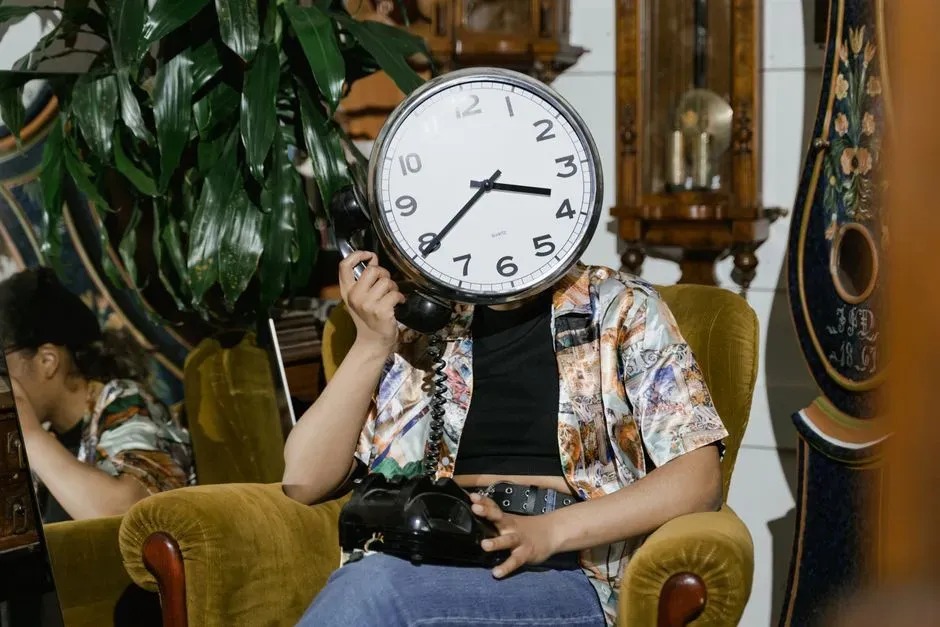
I think one of the most unsettling realizations about time is that we are not really feeling time itself; we are feeling the way our brain edits, compresses, and highlights our experiences. Those endless minutes in a waiting room and those vanished hours with friends are two sides of the same mental machinery, guided by attention, emotion, chemistry, and habit. If you have ever felt like whole years slipped away, it is not a moral failure – it is your brain doing what it evolved to do: save energy, predict patterns, and focus on what seems important.
But that does not mean you are powerless. By choosing a bit more novelty, a bit more presence, and a bit less fragmented distraction, you can subtly stretch your days so they feel richer and less disposable. Time will still move at the same speed on the clock, but your lived experience of it can change dramatically. The real question is not how fast time is going – it is how fully you are actually in it; what kind of day do you want your brain to remember when you look back?