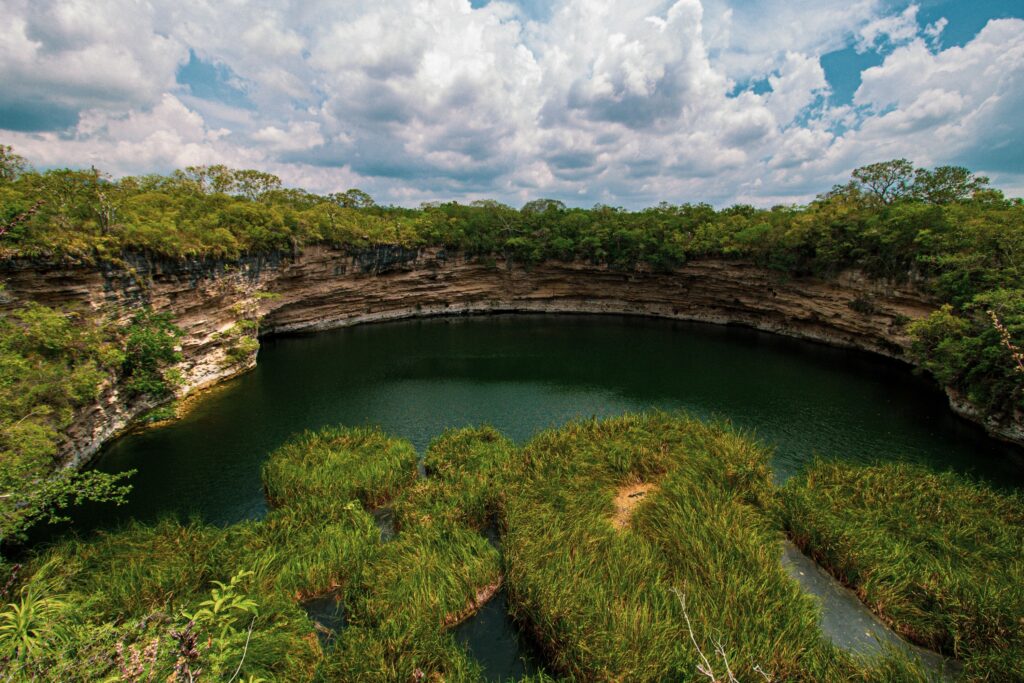
Stand on a sunny Florida street, look around at the palms and pastel houses, and it is hard to believe the ground beneath you can simply give way. Yet every so often, a driveway caves in, a pond suddenly appears where a backyard used to be, or a four-lane road buckles overnight. It feels random and almost supernatural, but it is not. Florida is practically built to produce sinkholes.
Once you see how the geology, water use, construction habits, and even the weather all line up, you start to realize it is less a freak accident and more a perfect storm under your feet. That does not mean Floridians should panic, but it does mean we should understand why this keeps happening, and why it will probably keep happening unless we change how we treat the land and the water we draw from it.
1. Florida Sits on a Giant Sponge of Limestone
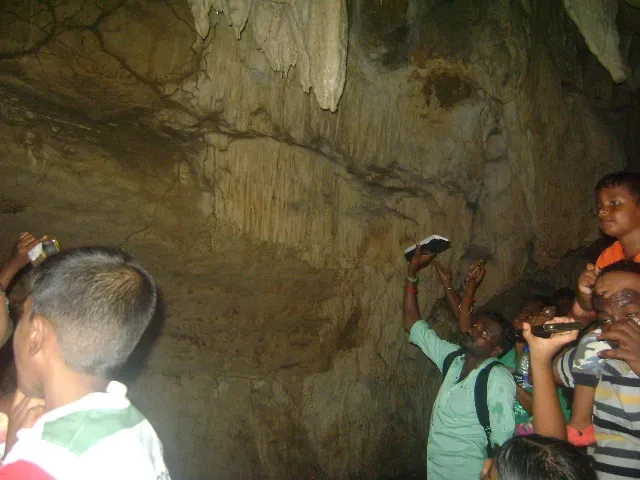
The biggest reason Florida is so prone to sinkholes is literally under everyone’s feet: a thick layer of limestone bedrock that behaves like a giant sponge. Limestone is a carbonate rock that dissolves relatively easily in slightly acidic water, so over long periods, flowing groundwater carves tunnels, cavities, and underground voids into it. Instead of a solid, uniform base, you get something more like Swiss cheese: lots of strong rock, but with holes of different sizes hidden inside.
As those cavities grow and sometimes connect, the rock can no longer support all the weight of the soil and buildings above. At first, the land may sag slowly, and you might just see minor cracks. But sometimes the roof of a cavity fails abruptly, and the overlying material collapses downward, forming a sinkhole. In a state that is basically one big slab of limestone, that risk is baked into the landscape from the start.
2. Rainwater and Groundwater Gradually Eat Away the Rock
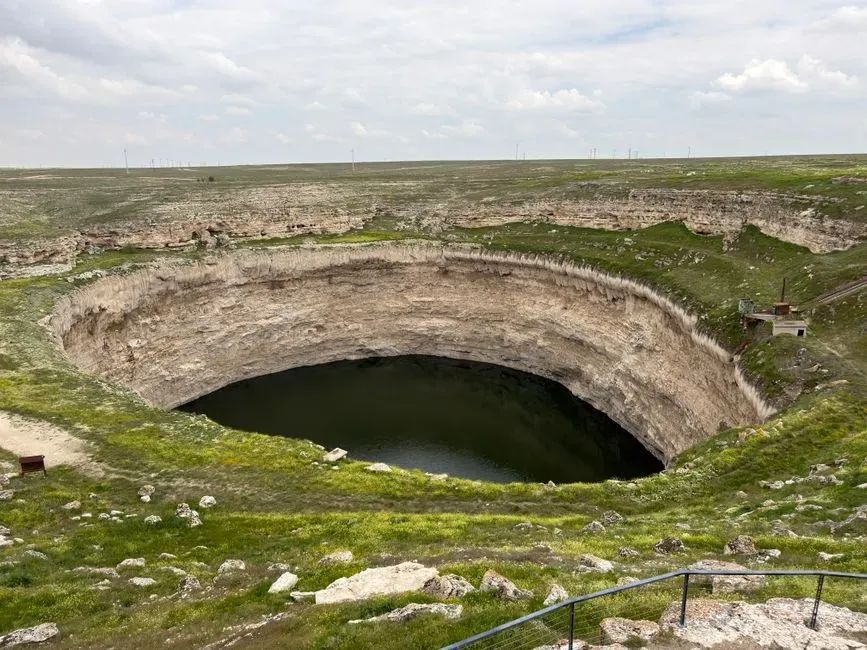
Most people think of rain as neutral, but in reality, it picks up carbon dioxide from the atmosphere and from soil, becoming mildly acidic as it seeps down. That slightly acidic water is enough to dissolve a little bit of limestone every time it passes through the rock. Over decades and centuries, those tiny chemical reactions add up to large underground voids, especially in areas where water flows quickly or repeatedly along the same paths. It is slow-motion erosion you cannot see until something gives way.
Florida’s flat, low-lying landscape keeps a lot of water hanging around, whether as shallow groundwater, wetlands, or slow-moving rivers. That means the limestone is constantly bathed in water that can dissolve it. The state’s famous aquifers, like the Floridan aquifer, are wonderful water sources but also part of this process: the same water that supplies drinking water and springs is also quietly reshaping the rock, sometimes in ways that will eventually show up at the surface as a sinkhole.
3. Extreme Weather Swings Make the Ground Expand and Contract
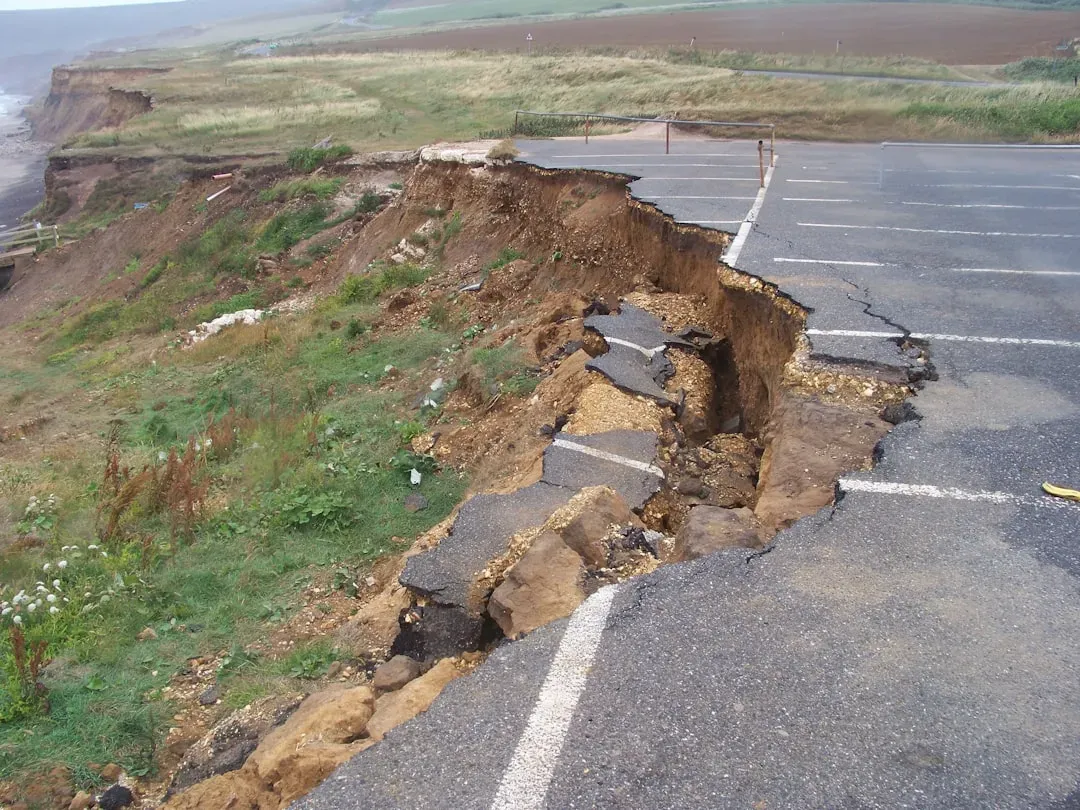
Florida’s climate adds a powerful twist: long dry spells followed by intense rain events. During droughts, water tables can drop as people pump more groundwater and less water is added by rainfall. When that happens, water drains out of underground cavities and pores, removing the buoyant support that helps hold up the rock and soil above. Think of it as letting water out of a bathtub; the sides are now bearing more stress on their own. That change in balance can weaken cavity roofs and set the stage for collapses.
Then, when heavy rain finally comes – especially after a tropical storm or hurricane – water rapidly soaks into the ground, adding a lot of weight on top of already stressed rock. It can flood cavities, shift sediments, and wash loose material into openings, all of which can destabilize the system. This boom‑and‑bust cycle of dry and wet acts like repeatedly bending a paper clip: it may not snap right away, but every swing in conditions adds strain until one day it suddenly fails.
4. Aggressive Groundwater Pumping Upsets the Underground Balance
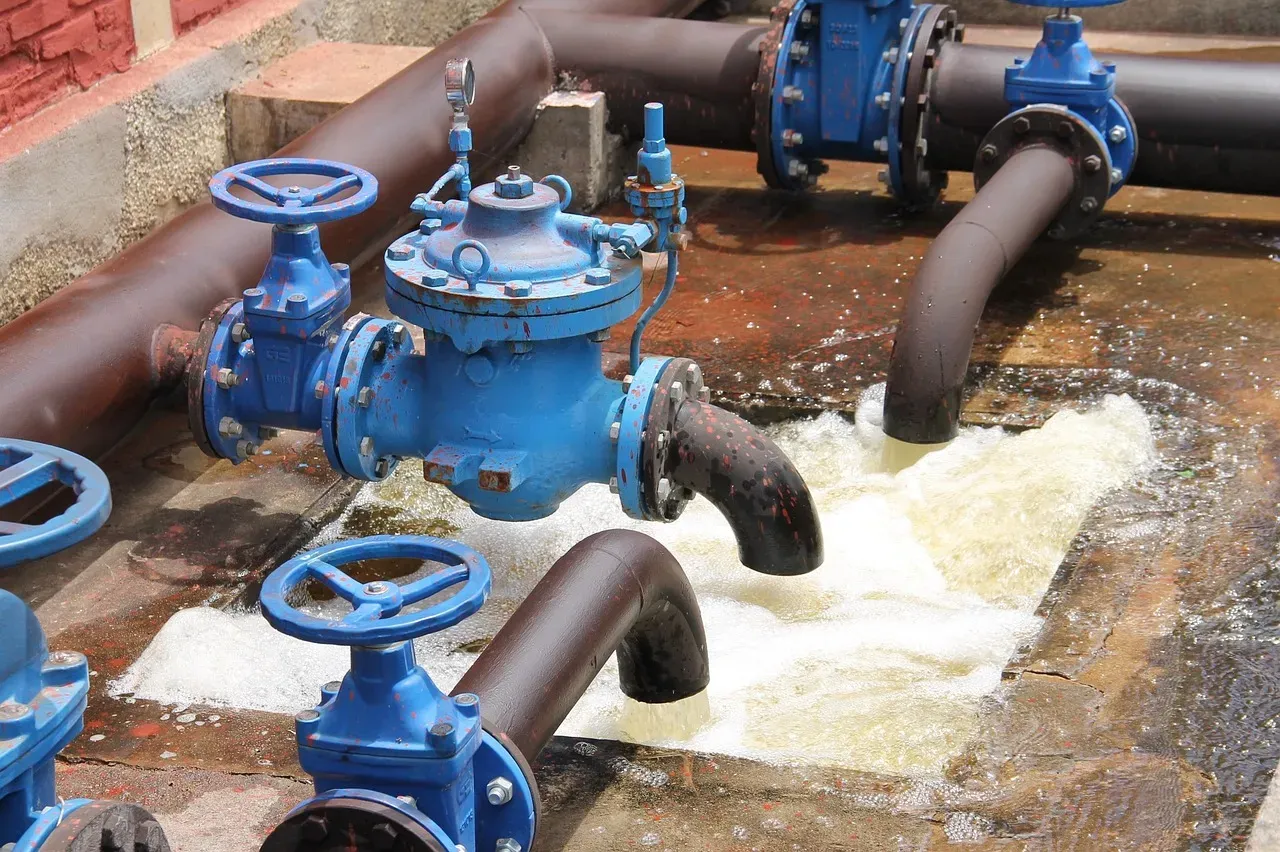
On top of natural swings, human water use has a huge impact on sinkhole risk. Agriculture, industry, and cities all pump large volumes of groundwater from Florida’s aquifers, especially during freezing nights when farmers spray crops with well water to protect them, or during prolonged dry periods. When wells pull too much water too quickly, the water table drops sharply, sometimes in just hours. That sudden loss of water support below can cause the roofs of underground cavities to crack or collapse.
This is why some of the most dramatic sinkhole outbreaks have followed intense pumping periods near heavily irrigated farmland or fast‑growing suburbs. It is not that pumping instantly creates new cavities; those have been forming for years. Instead, pumping changes the pressure and support conditions that allowed those cavities to remain stable. Once the balance is disturbed, the overlying ground can fail in a way that looks sudden, even though the underlying weakness was developing for a long time.
5. Rapid Development Piles Weight on Marginal Ground
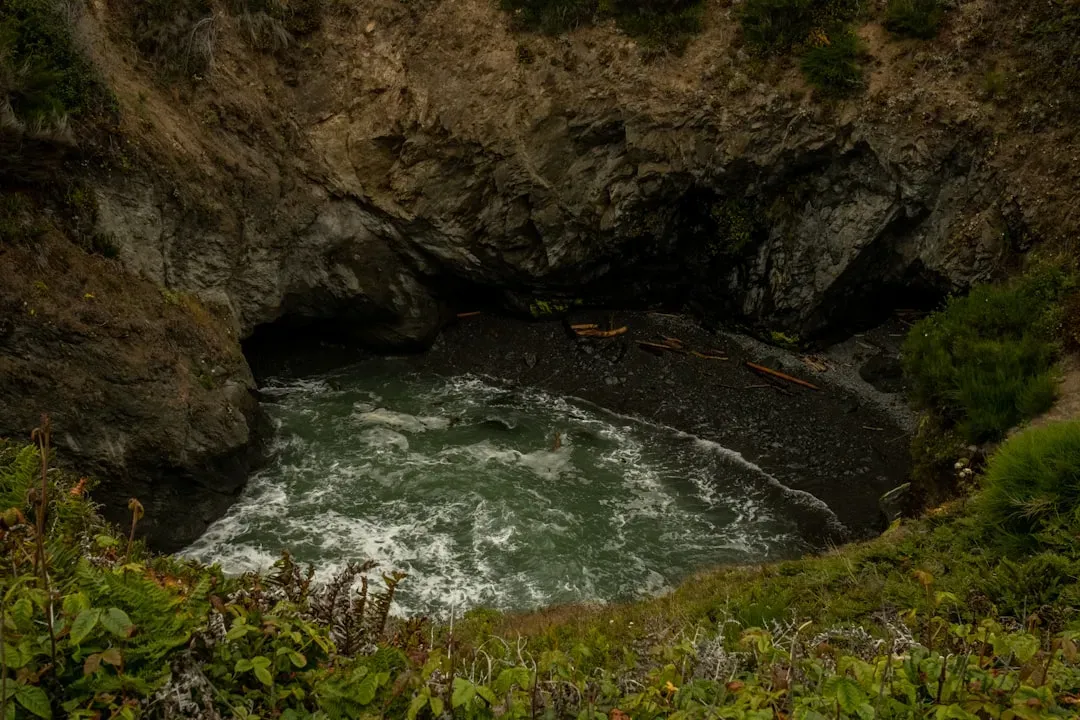
Florida’s population boom means more houses, roads, parking lots, and shopping centers being built on ground that has not always been carefully studied. When you add heavy structures and fill material on top of an area with shallow cavities, you increase the downward force on already thin rock ceilings. The extra load can be the final nudge that turns a stable void into a collapse. It is like standing on ice that was already cracked; your weight may not create the crack, but it can cause it to give way.
Construction can also change how water moves through the ground. Removing vegetation, compacting soil, and adding pavement alter drainage patterns, sometimes funneling more water into certain spots or cutting off natural flow paths. That can concentrate erosion in narrow subsurface zones or change the timing of how water fills and drains cavities. When development races ahead of detailed subsurface investigations, builders may not realize a site is vulnerable until the asphalt buckles or a backyard suddenly drops half a story.
6. Thin Soil and Loose Sediments Hide Hollow Spaces
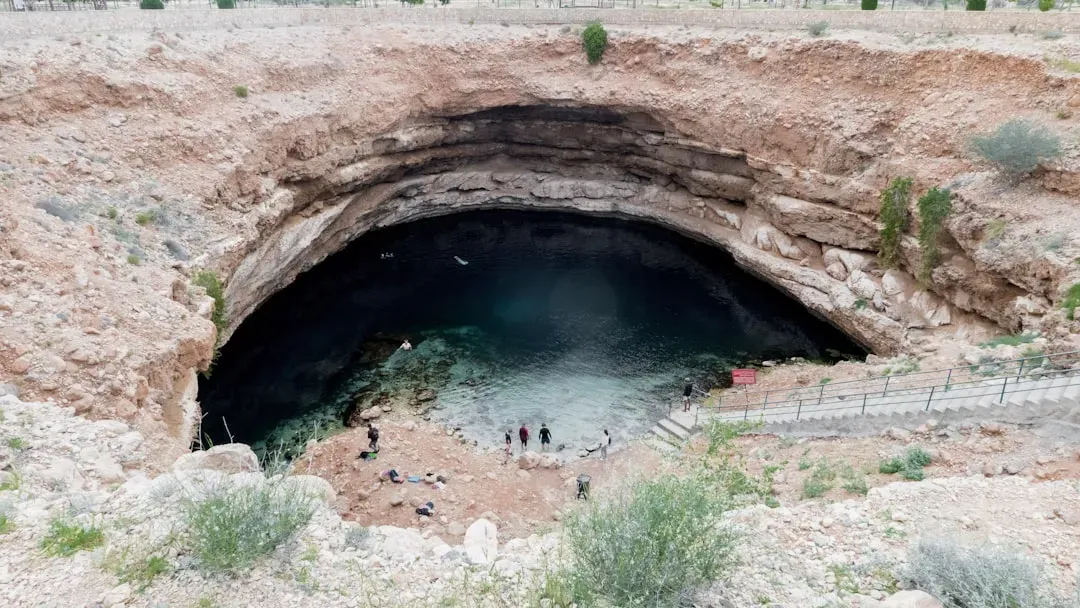
In many parts of Florida, the soil layer above the limestone is surprisingly thin or made of loose sand and clay that do not hold together strongly. That means there is not a lot of sturdy material buffering the surface from whatever is happening in the rock below. When a cavity in the limestone starts to collapse or enlarge, the overlying sediments can slump and funnel down into the void. At first, this may form a hidden, bowl‑shaped depression underground, but as more material falls in, the surface eventually breaks too.
Because these sediments are often sandy and easily washed around, they can move quickly when water flows through new cracks or openings. A small, stable void might suddenly become a much larger cavity as loose sand pours in like grains in an hourglass. By the time anyone sees a depression or small crack at the surface, a lot of the supporting material underneath could already be gone, which is why sinkholes sometimes seem to open almost out of nowhere despite looking perfectly normal the day before.
7. Coastal and Inland Karst Landscapes Are Built for Collapse
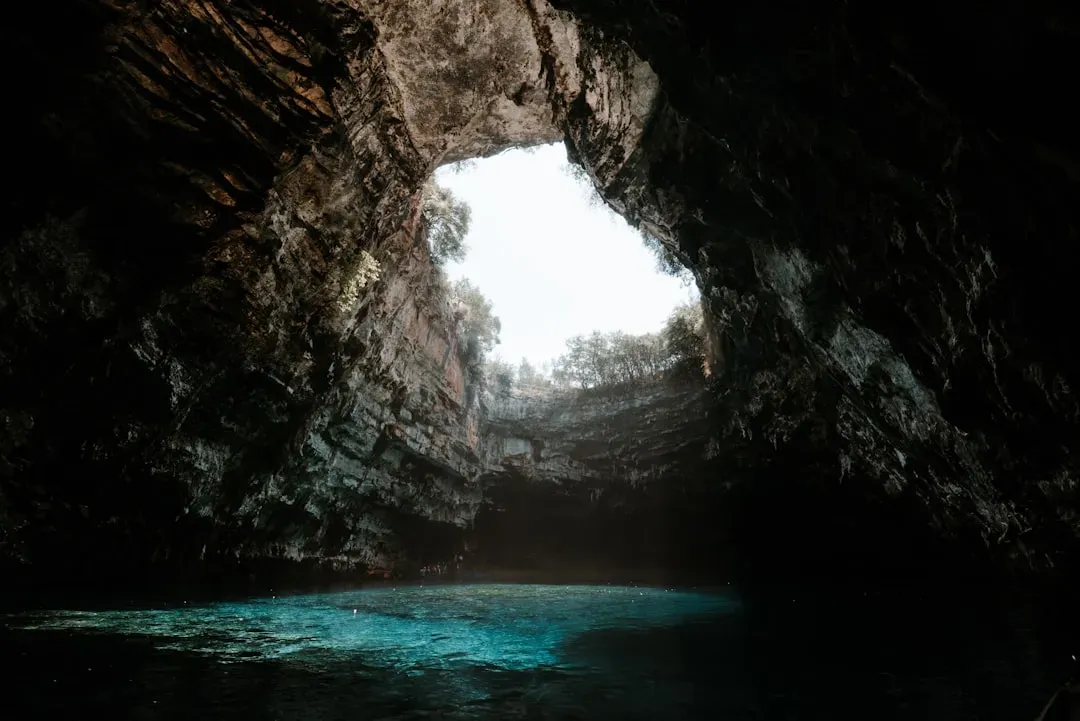
Geologists use the word “karst” for landscapes formed mainly by the dissolution of soluble rocks like limestone. Florida is a classic karst region, with features like springs, underground rivers, disappearing streams, and naturally occurring sinkholes that have existed for thousands of years. In other words, sinkholes are not a modern glitch; they are part of how this type of landscape operates. The state just happens to overlay one of the largest active karst systems in the United States.
Inland areas with slightly higher elevation often show more pronounced karst features, but even coastal zones are affected, especially where fresh groundwater mixes with seawater and speeds up rock dissolution. Over long timescales, karst terrains evolve through cycles of void formation and collapse, constantly reshaping the surface. Living in a karst region and being shocked by sinkholes is a bit like moving next to a river and being surprised that it occasionally floods. It does not make the damage less painful, but it does mean the process itself is predictable.
8. Climate Change and Sea-Level Rise Are Likely Making Things Worse
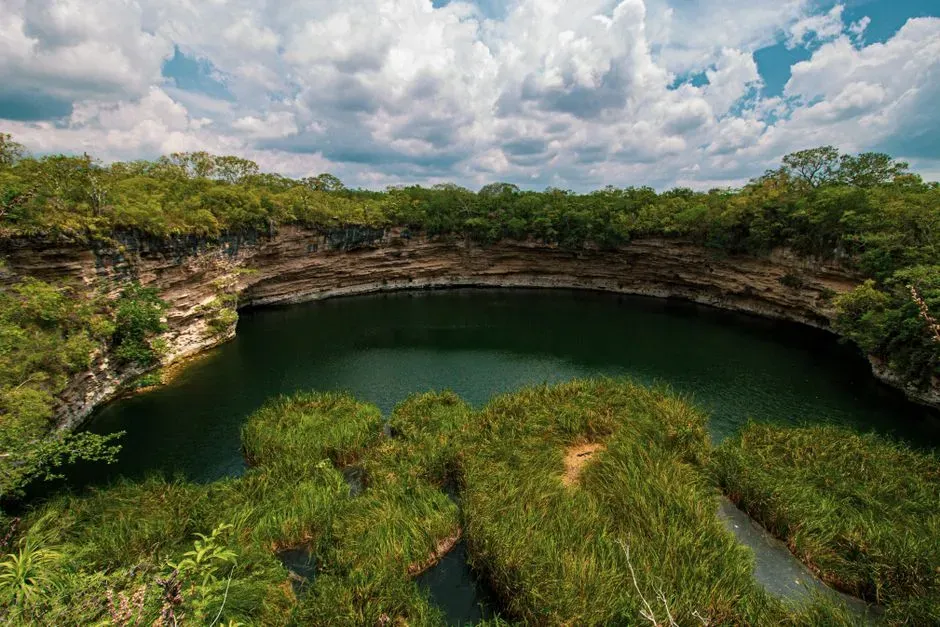
Although sinkholes have always been part of Florida’s story, modern climate trends are probably not helping. Warmer oceans feed stronger and wetter storms, which can dump staggering amounts of rain in short periods. More frequent intense rainfall means more rapid water loading on the ground, more aggressive flushing of sediments, and greater stress on already weakened rock. At the same time, longer and hotter dry spells in between can deepen droughts, pushing people and farms to pump more groundwater and widening the swings in water table levels.
Sea-level rise adds another layer of complexity. As saltwater pushes farther inland and intrudes into aquifers, it can change water chemistry and flow patterns underground. That may alter how and where limestone dissolves, potentially forming new cavities or reactivating old ones. We do not have perfect, fine‑grained forecasts for exactly where this will trigger future sinkholes, but it is reasonable to say that a more stressed and rapidly changing water system will not make a fragile, karst‑dominated landscape any more stable.
Conclusion: Florida’s Ground Is Telling Us Something – Are We Listening?
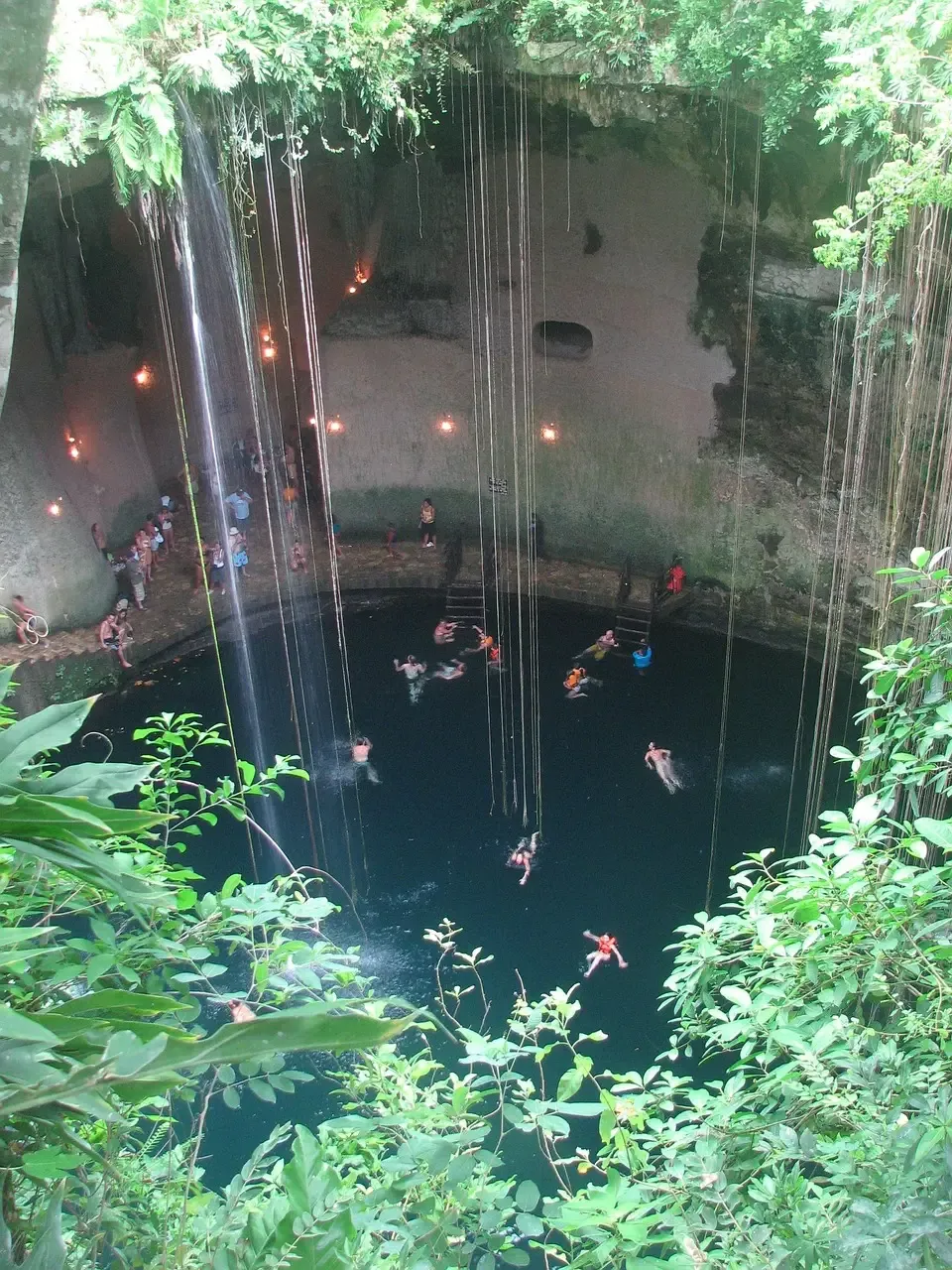
When you pull all these threads together, the picture is uncomfortably clear: Florida is not just unlucky when it comes to sinkholes; it is structurally and behaviorally primed for them. Soft, dissolving limestone, thin and shifting soils, dramatic swings in rainfall, heavy groundwater pumping, and relentless development all stack the odds against a calm, unchanging surface. From my perspective, the most frustrating part is that we already know many of these risks, yet we still build and pump as if the ground will always politely hold.
That does not mean people should abandon Florida or live in constant fear, but it does mean treating sinkholes as a serious, ongoing cost of how we live on this land, not as rare, freakish surprises. More careful mapping, stricter building standards in high‑risk areas, and smarter water management are not optional luxuries; they are basic self‑preservation in a state sitting on a dissolving foundation. The ground is literally collapsing in places to remind us there are limits to how hard we can push this landscape. The real question is whether we start listening now, or keep pretending it is just bad luck every time another hole opens up – which would you bet on?