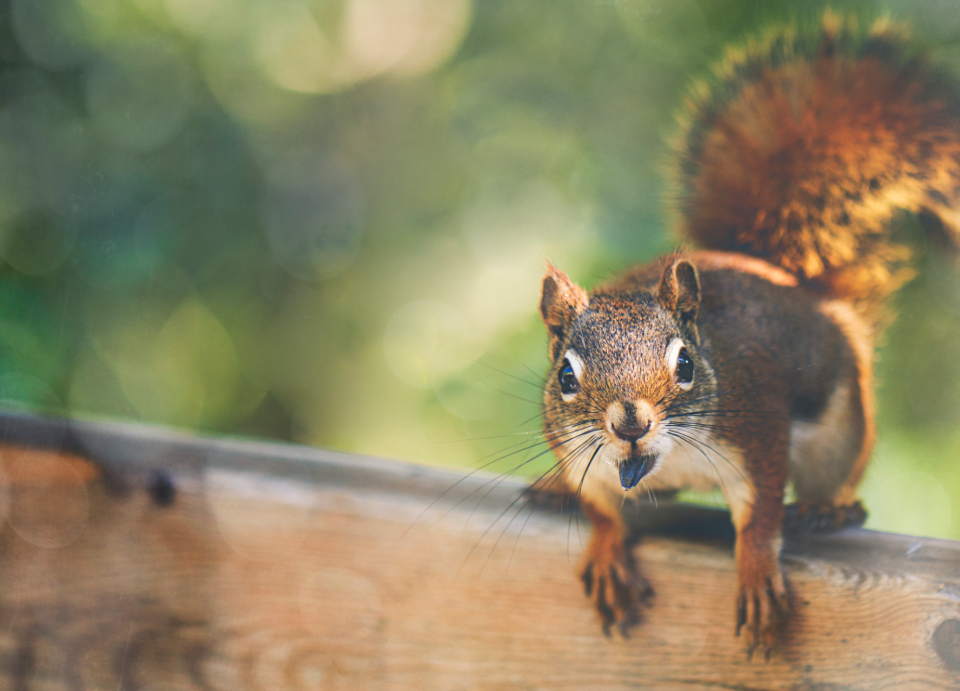
There’s a moment that feels almost cinematic: you step outside, lock eyes with a squirrel, and it freezes. Then, in a burst of energy, its tail starts whipping back and forth like a tiny furry flag. It looks intentional, targeted, even a bit dramatic. You can’t help wondering if you’ve just been insulted in squirrel language.
That small, twitching tail is not random. For squirrels, the tail is like a Swiss Army knife of communication and survival gear: it signals danger, sets boundaries, helps with balance, and even plays a role in temperature control. When a squirrel stares you down while flicking that tail, there’s a lot more going on than meets the eye – and once you understand the body language, you’ll never see that little performance the same way again.
The Squirrel Tail: A Tiny, Hyper-Expressive Signal System
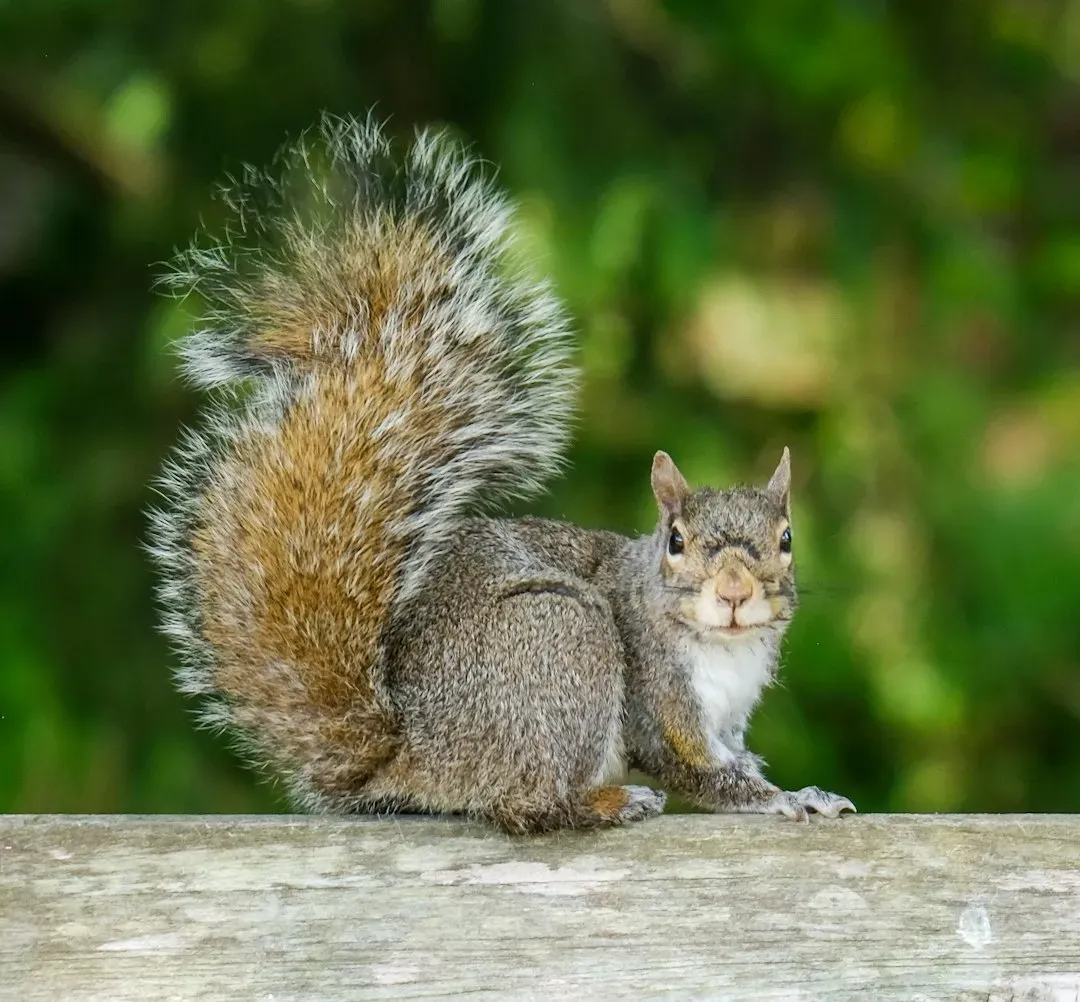
Here’s the surprising part: squirrels do not vocalize nearly as much as they use visual signals, and the tail is the star of the show. Researchers who study squirrel behavior have found that tail flicks, waves, and twitches form a sort of visual code that other squirrels recognize instantly. To another squirrel, that fluffy plume is as expressive as a human face or hands.
When you notice a squirrel staring right at you and flicking its tail, you’re essentially watching a live broadcast of its emotional state. It might be announcing that it sees you, that it’s not entirely comfortable, or that it’s ready to bolt if you move closer. You are not invisible in that moment; you’re part of the squirrel’s decision-making process, and the tail is how it’s narrating the situation to anyone paying attention.
Alarm Mode: “I See You, and I’m Not Sure You’re Safe”
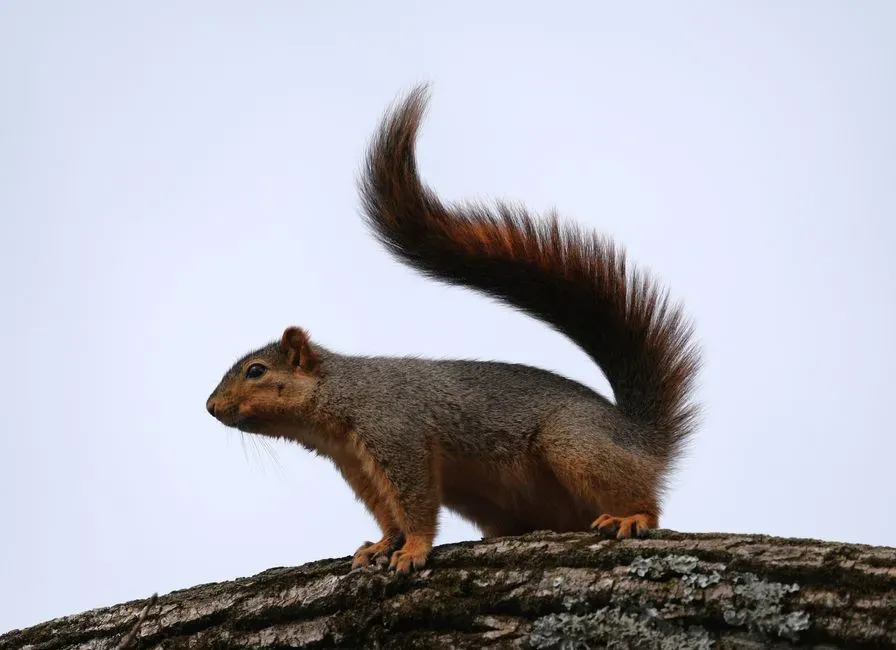
One of the most common meanings of a tail flick is a simple one: alarm. Many tree squirrels use a sharp, quick tail flick – often paired with chattering or squeaking sounds – when they detect a potential predator or threat. That threat could be a hawk, a cat, a dog, or you, standing there a bit too close for comfort. The tail movement makes the squirrel more visible, but it also signals vigilance and readiness to run.
When the squirrel locks eyes with you while doing this, it’s usually gauging how serious the danger might be. You’re essentially being scanned: Are you moving closer? Are you staring back? Are you holding something that looks like food or something that looks like a weapon? The tail’s rhythm can become faster and more intense if the animal decides you’re more threatening, a bit like someone nervously tapping their foot harder when they get more anxious.
Territory and Boundaries: “This Spot Is Mine, Back Off a Little”
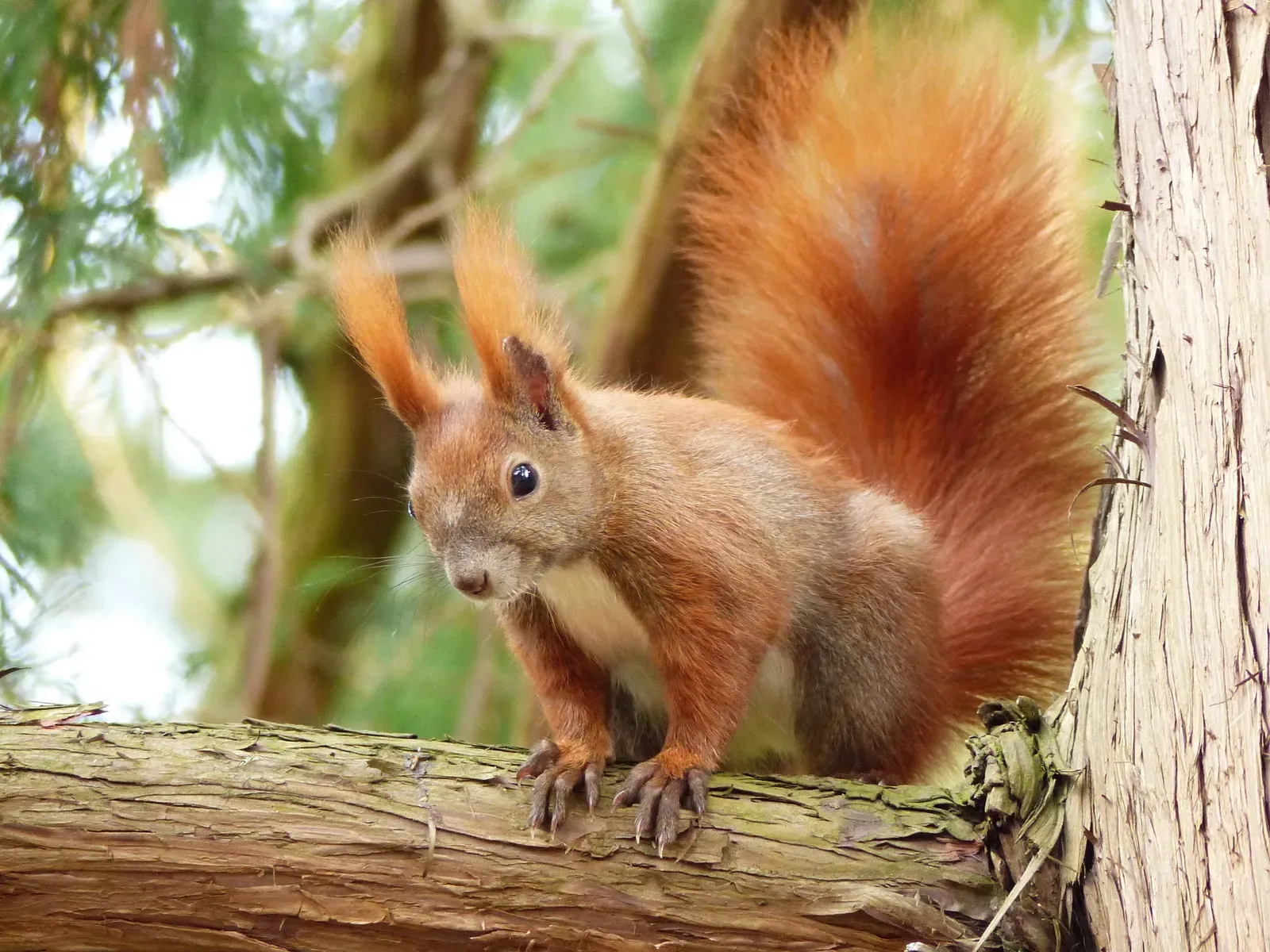
Squirrels are surprisingly territorial about certain spaces, especially areas with good food sources or prime nesting sites. A tail flick, combined with that unwavering stare, can be a way of drawing a line in the sand. You may not see any visible “territory markers,” but in the squirrel’s mind, that tree, patch of grass, or garden bed is prime real estate worth defending.
If you step into that invisible comfort zone, the squirrel might move to a higher branch, then turn, stare, and flick its tail as if saying, You’re in my bubble, human. It is not a full-on attack posture, but more like a clear boundary-setting gesture. The animal is showing that it’s willing to retreat but also willing to complain about it, and the tail is its way of pushing back without escalating to direct aggression.
Talking to Other Squirrels: “Heads Up, Something Weird Is Over Here”
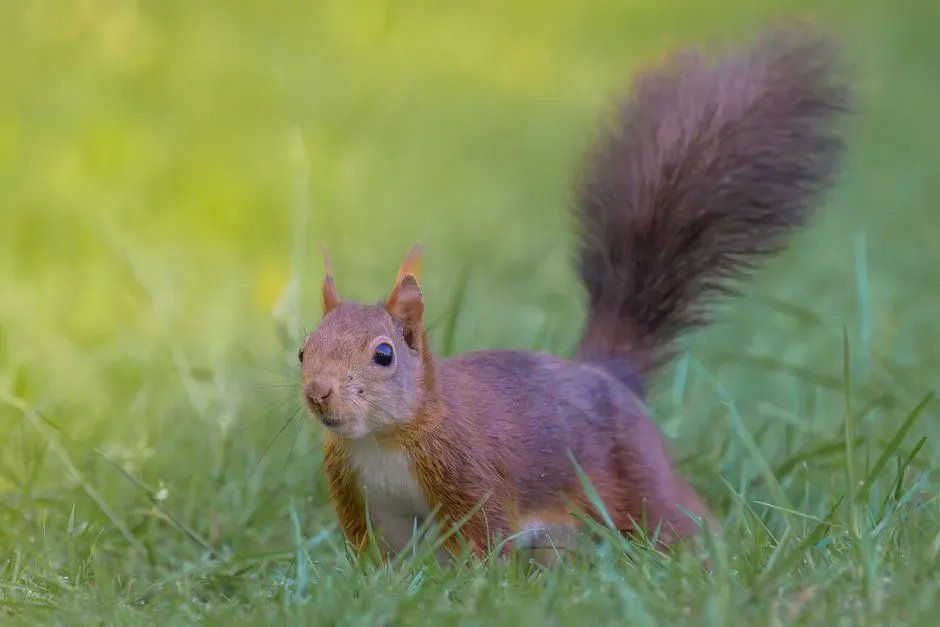
Tail flicking is not just for you; it is also for every other squirrel within visual range. These animals rely heavily on what scientists call “public information” – cues from others about where it is safe or dangerous. A squirrel flicking its tail at you while staring may be broadcasting: I see something potentially risky in this direction, everyone take note. Even if you only see one squirrel, others may be watching from higher branches or nearby roofs.
What feels like a small personal encounter is often part of a larger neighborhood communication network. Next time you see a squirrel doing this, take a moment to look around: you may spot another squirrel frozen in place, orienting its body in the same direction, quietly logging the warning. You’re not just in a one-on-one interaction; you’re on stage in a tiny urban wildlife drama, and the tail is the warning beacon.
Curiosity and Assessment: “You’re Strange, but Maybe Interesting”
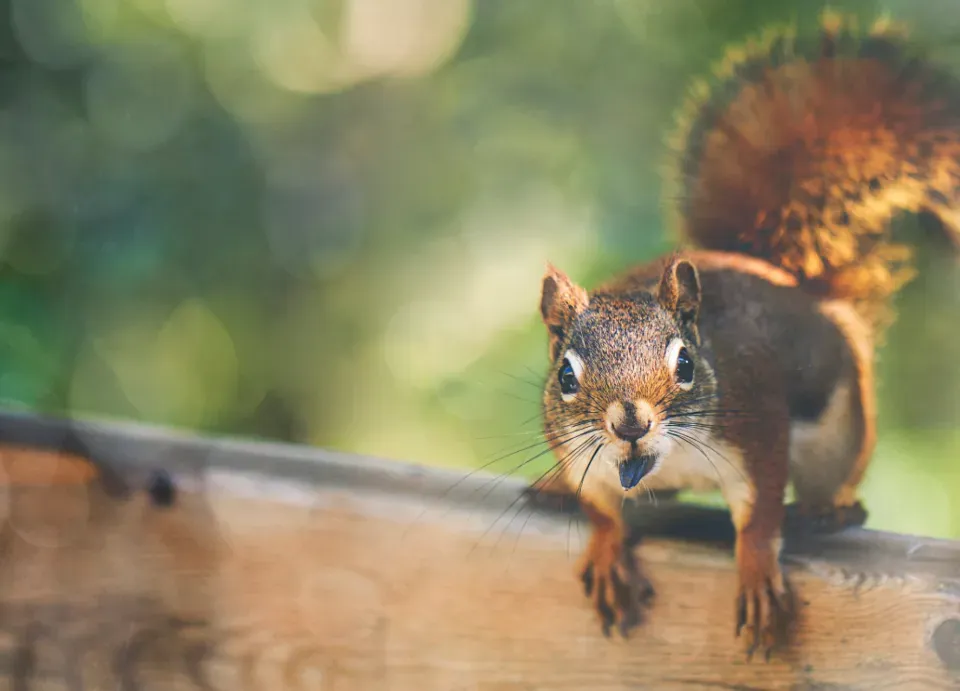
Not every tail flick means pure fear or hostility; sometimes it sits in that gray area of cautious curiosity. A squirrel used to people – say, on a college campus or in a busy park – might look at you, flick its tail lightly, and still move a little closer. The motion can be softer, less frantic, more like a skeptical eyebrow raise than a full-body panic signal.
In those moments, the squirrel is balancing risk and reward. Maybe you smell like food, maybe you’re carrying a bag that rustles like a snack, or maybe it has learned that some humans toss nuts instead of chasing. From my own observation, there’s a very recognizable look: the squirrel’s body is tense but not fleeing, the tail twitches in short bursts, and the eyes stay fixed on your hands, almost like it’s scrolling through past experiences to decide how this scene usually ends.
Different Tail Styles, Different Messages
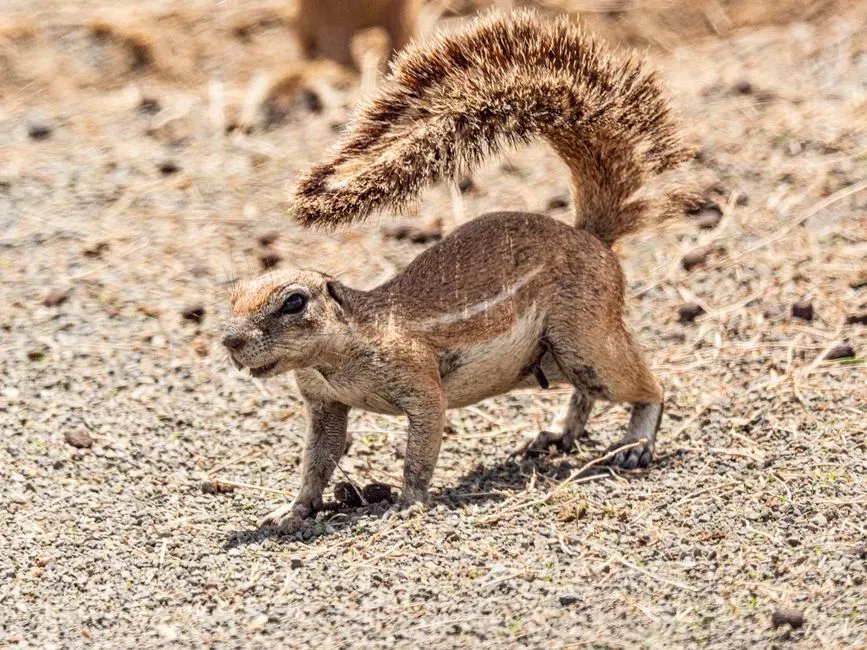
It helps to pay attention to the style of the tail movement, not just the fact that it’s moving. A rapid, sharp back-and-forth whip tends to signal higher alertness or agitation, especially when paired with sudden body freezes or head jerks. A slower, more rolling wave of the tail can happen when the squirrel is just mildly uneasy or trying to keep track of you without immediately fleeing.
There’s also the full puffed-up tail, which can make the squirrel appear larger and more noticeable. In tense encounters, that fluff can combine with stiff, insistent flicks to create a kind of visual shout: I see you and I am prepared to react. Over time, if you watch squirrels regularly, you start recognizing that these tail “accents” feel a bit like different tones of voice – sarcastic, nervous, annoyed, or wary, depending on the exact pattern.
The Stare: Why It Feels So Personal
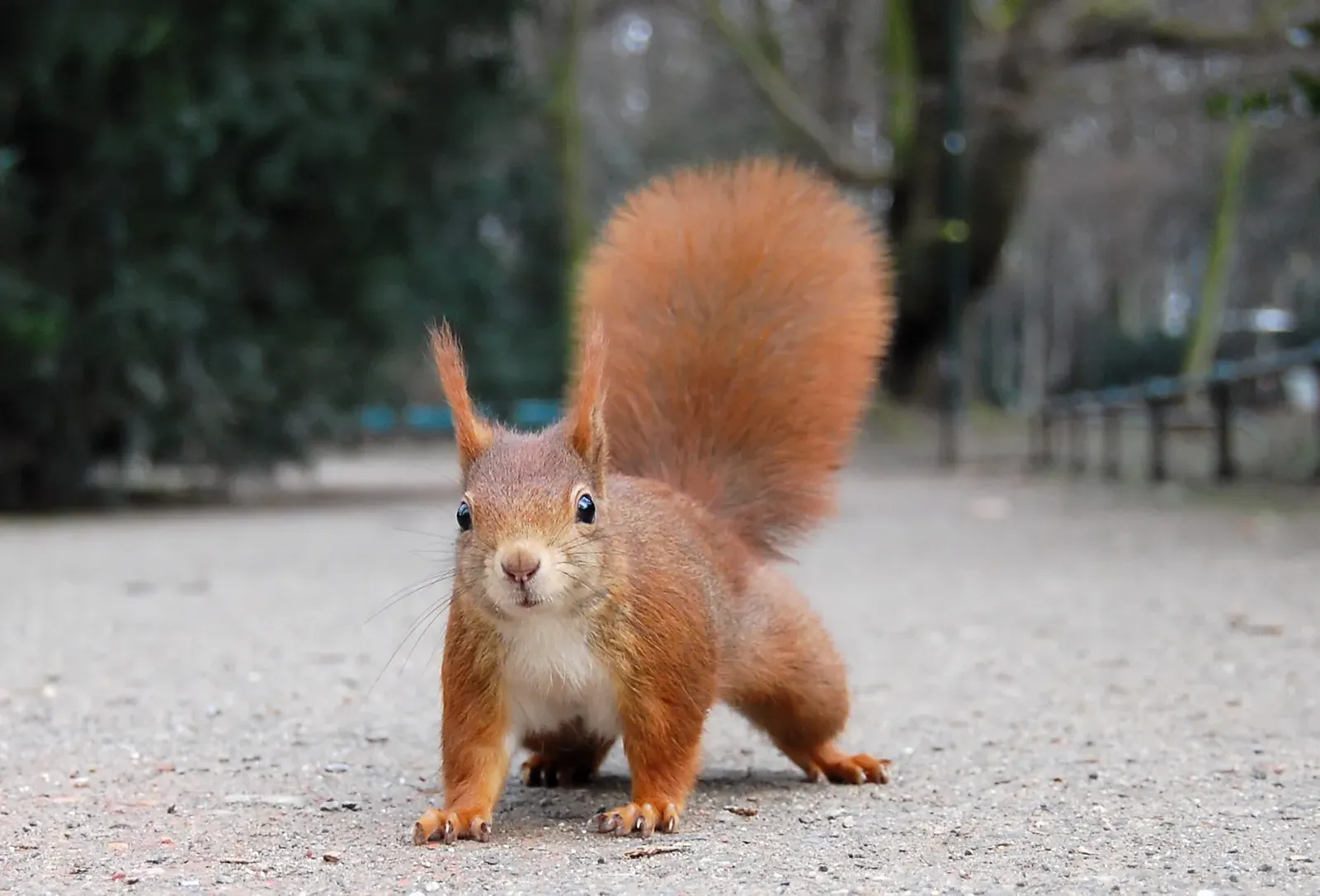
Being stared at by a tiny animal can feel unexpectedly intense. But to a squirrel, locking eyes is more about survival than social bonding. Many prey animals watch predators very closely, because as long as they can see where the potential danger is, they can time their escape better. The direct stare you feel from a squirrel is usually careful, calculated monitoring, not some secret interspecies connection.
When that stare is paired with tail flicking, you’re seeing a two-part strategy: visual tracking with the eyes, signaling with the tail. In a way, the squirrel is multitasking between managing its own fear and telling everyone else nearby that something worth watching is happening. It feels like you are being judged – and, in a sense, you are – but the judgment is practical: Are you safe, or should it run?
What You Should Do (and Not Do) When It Happens
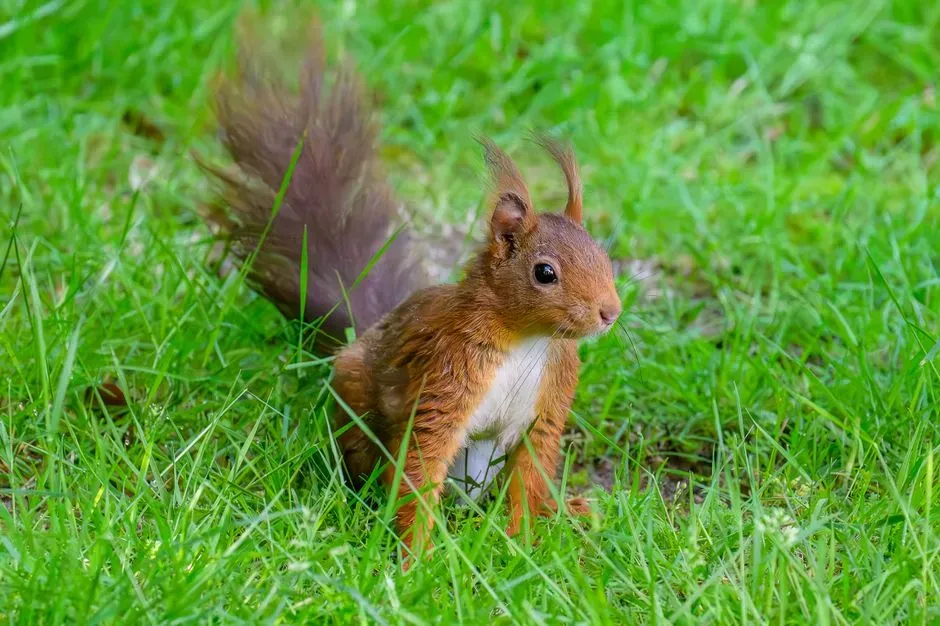
If a squirrel is staring at you and flicking its tail, the most respectful thing you can do is slow down, give it space, and avoid sudden movements. Stepping back a bit or shifting your gaze away can reduce the perceived threat, and you may literally see the animal’s tail calm down in response. That small act is your way of saying, in very rough translation, I’m not hunting you, you’re fine.
Feeding wild squirrels, however, complicates this whole communication system. When squirrels start associating humans with food, tail flicks can become less about fear and more about impatience or expectation, and that is not really good for them. Over time, they can lose some natural wariness, making them more vulnerable to people who are not as gentle. The kindest response often is simply to observe, appreciate the interaction, and let the animal stay wild rather than turning it into a tiny, demanding neighbor.
Conclusion: A Tiny Animal, a Loud Message
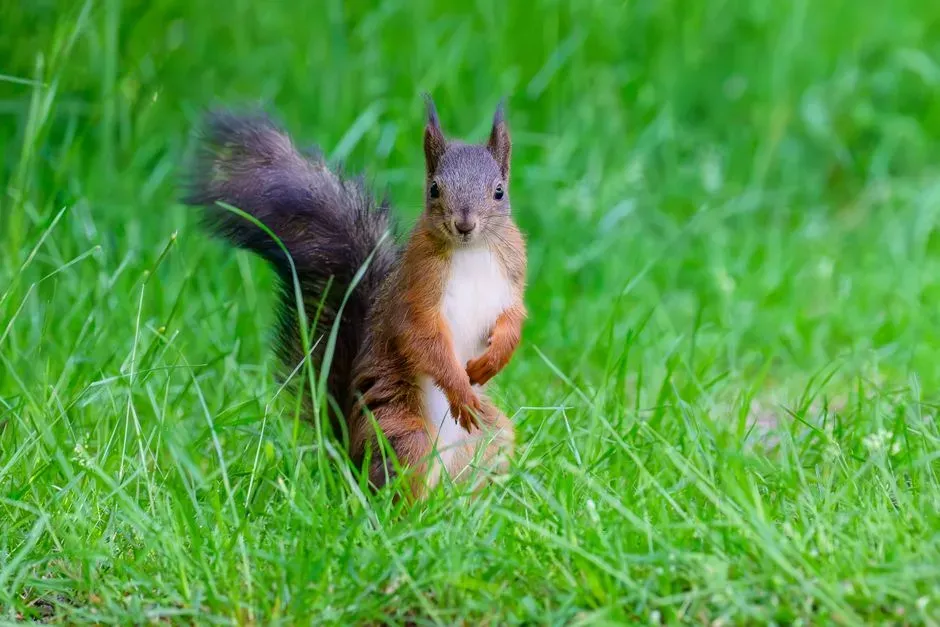
When a squirrel flicks its tail while staring right at you, it is not being random, cute, or theatrical for your entertainment. It is making a judgment call about you in real time, broadcasting that calculation to other squirrels, and trying to stay alive in a world full of fast cars, prowling cats, and unpredictable humans. To me, that little tail flick feels like one of nature’s bluntest, most honest signals: I see you, and I’m deciding what you are.
In a world where we often ignore the animals right in front of us, learning to read that signal feels like a small act of respect. It reminds us that even the most ordinary backyard moment is part of a larger conversation between species sharing the same space. Next time a squirrel locks eyes with you and that tail starts dancing, will you shrug it off – or will you recognize that you’ve just been called out by one of the sharpest survivors in your neighborhood?