When you think of Yellowstone’s supervolcano, you probably picture one sudden, world-ending blast. That doomsday image has been repeated so often in documentaries, headlines, and social media that it almost feels inevitable. But the way Yellowstone is actually behaving right now is stranger, subtler, and in some ways more unsettling than that simple disaster story.
Over the past few years, new research has revealed that the magma under Yellowstone is arranged differently than scientists once thought, that the ground is rising and falling in unexpected patterns, and that the giant system may be powered more by the shifting crust above it than by a classic deep “hot spot” below it. None of this means an eruption is imminent. It does mean the old playbook for how Yellowstone should behave no longer quite fits – and that is exactly why scientists are paying such close attention.
The Ground Is “Breathing” In New Ways
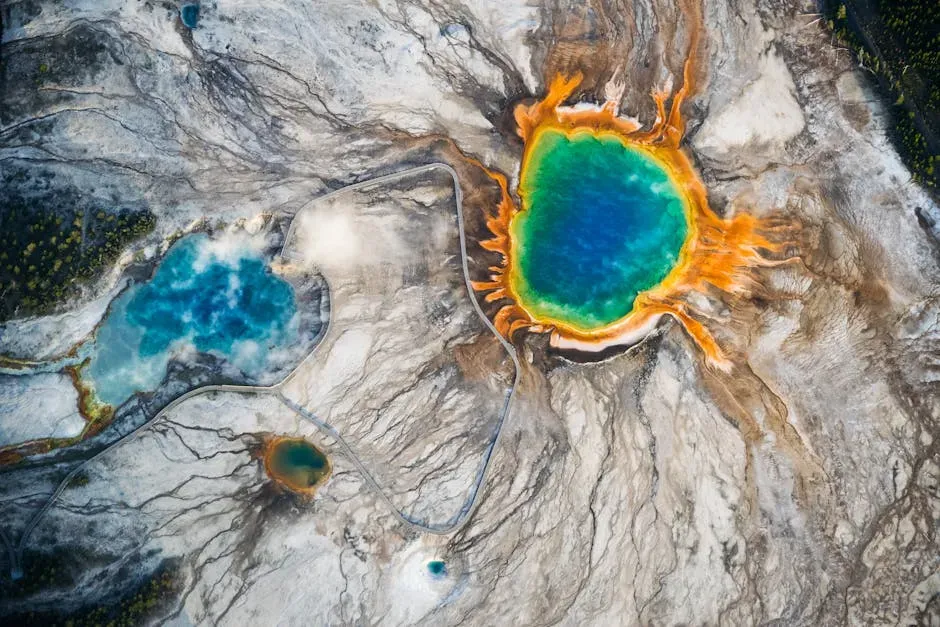
You might picture the caldera floor as solid and still, but at Yellowstone the ground literally moves up and down over years and decades, almost like a slow, uneven breath. That kind of deformation is normal for a huge volcanic system, yet recent measurements have shown a pattern that does not match what earlier models predicted. Parts of the caldera are subsiding while other segments, including an area along the northern rim, have started to rise again after a long quiet spell, with a few centimeters of uplift showing up in satellite and GPS data. ([usgs.gov](https://www.usgs.gov/volcanoes/yellowstone/science/uplift-along-north-rim-yellowstone-caldera?utm_source=openai))
For you, the unnerving part is not the size of the motion – it is small – but the fact that it changed direction and location in ways that do not line up neatly with a simple “magma filling and emptying” picture. Scientists know that groundwater, fault movement, magma intrusion, and shifting hydrothermal fluids can all drive this kind of uplift and subsidence, and Yellowstone has all of them stacked on top of each other. When the “breathing” pattern changes, it tells you something in that tangled system has shifted, even if nobody can yet say exactly which part moved first.
The Magma Reservoir Is Bigger, Messier, And Less Eruptible Than You Think
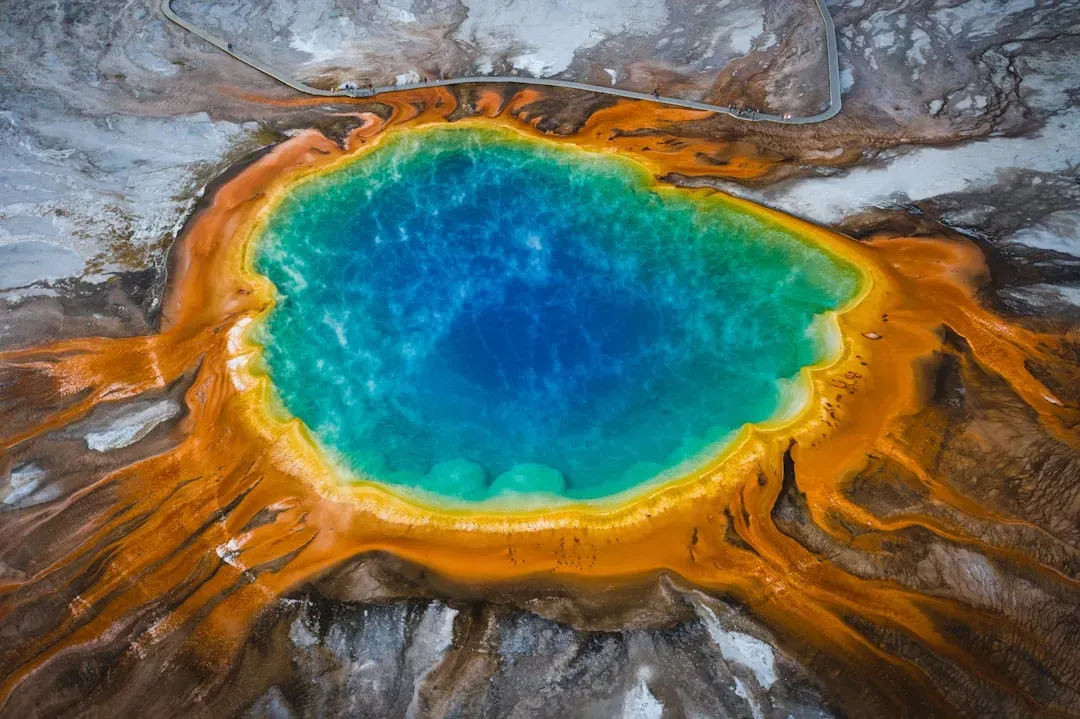
If you have heard that there is a giant pool of molten rock under Yellowstone ready to explode, you have only half the story. Imaging studies over the last decade and a half, sharpened by new magnetotelluric work published in 2025, show a broad region of partially molten rhyolitic magma beneath the caldera that contains more melt than the volume erupted in Yellowstone’s largest known supereruption. ([pubs.usgs.gov](https://pubs.usgs.gov/publication/70261473?utm_source=openai)) But “more melt” does not mean “more danger tomorrow.” Most of that body is a crystal-rich mush, with only a modest fraction actually liquid at any given time.
For an eruption on the scale that grabs headlines, you would need a much higher percentage of mobile magma assembled in one place, and right now the melt fraction appears too low for that. What should concern you is not an overnight catastrophe, but the reminder that this huge reservoir is still thermally and chemically active, evolving beneath your feet on timescales far longer than a human life. Instead of a loaded gun with the safety off, Yellowstone looks more like a vast, slowly changing industrial machine whose internal parts can jam, slip, and reconfigure in ways you are only just starting to see clearly.
The “Lid” On Yellowstone Is Real – And It’s Leaking
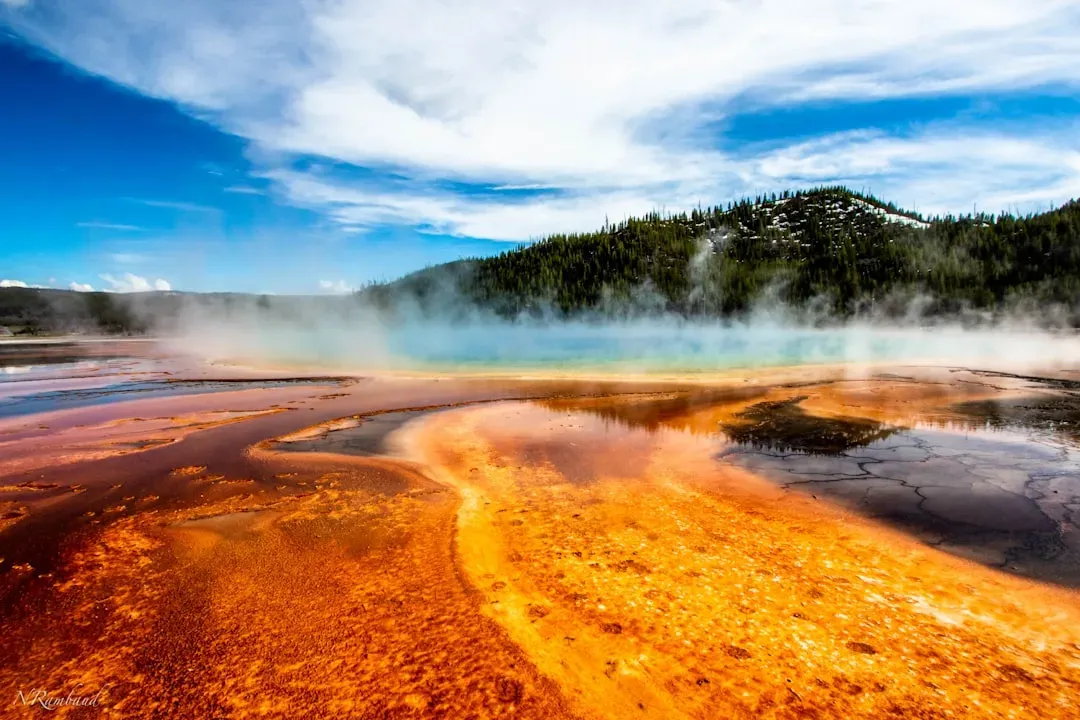
One of the most surprising recent findings is that Yellowstone seems to have a volatile-rich cap sitting a few kilometers below the surface, acting like a semi-rigid lid above the upper magma body. New geophysical models have outlined a sharp boundary where magma, crystals, and pressurized gases transition into cooler, more solid rock. ([nature.com](https://www.nature.com/articles/s41586-025-08775-9?utm_source=openai)) That cap is what keeps the system from easily blasting its way upward, because it takes enormous force to break it.
At the same time, that lid is not perfectly sealed. It “leaks” gases and fluids through fractures and vents, in a way some researchers have likened to a valve that periodically releases pressure. For you, this is a double-edged comfort: those slow releases reduce the odds of a sudden, runaway eruption in the near term, but they also mean the system is constantly moving material and energy toward the surface. The fact that scientists can now see this cap more clearly, and see that it “breathes,” changes how you should think about Yellowstone – from a dormant bomb to a vast pressure cooker with a complicated, living valve system.
It May Not Be Fueled The Way You Were Told
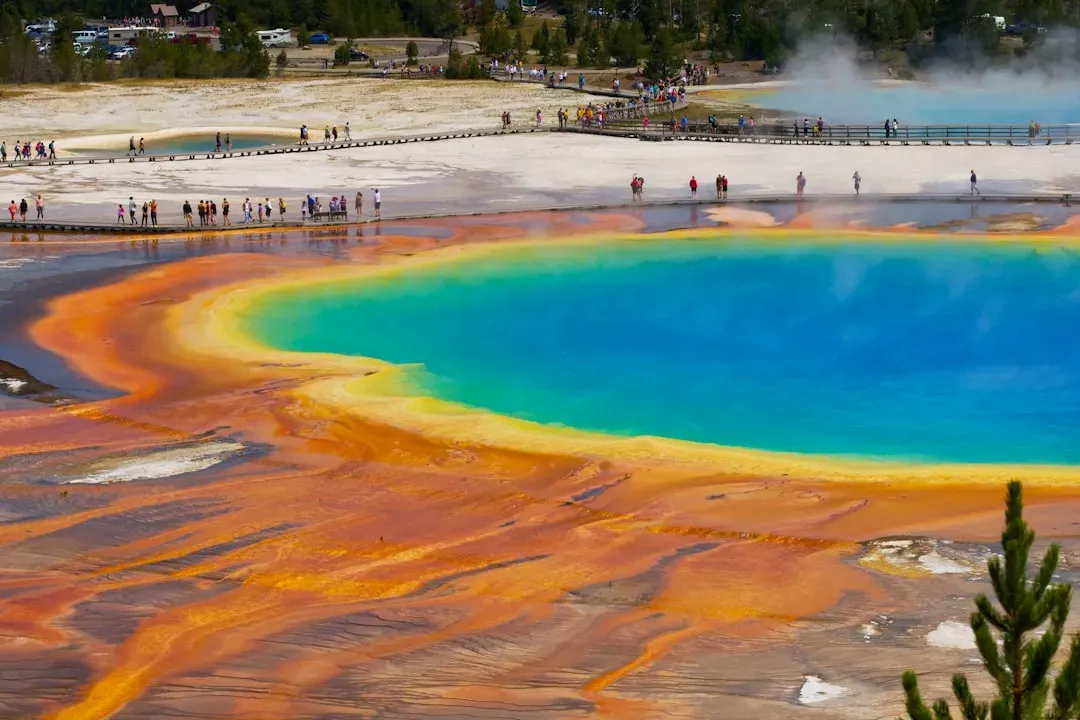
You have probably heard Yellowstone described as a classic deep mantle plume punching a neat hole in the crust as the North American plate slides over it. Recent work has started to chip away at that tidy story. New modeling suggests that shifts and stretching in the Earth’s crust itself may play a much bigger role in feeding Yellowstone’s magma than scientists previously thought, with crustal structures steering where melt accumulates and how it moves upward. ([livescience.com](https://www.livescience.com/planet-earth/volcanoes/yellowstones-volcano-may-be-fueled-in-a-very-different-way-than-we-thought?utm_source=openai))
If that is true, the volcano is not just a passive chimney over a deep, steady heat source. Instead, it behaves more like a leaky plumbing system controlled by moving pipes, broken joints, and shifting walls in the crust above. For you, the twist is that future activity could be more sensitive to regional tectonic changes than to any slow, uniform plume from below. That makes predictions trickier, because you have to track not only what is happening deep in the mantle but also how the crust around Yellowstone is being pulled, squeezed, and fractured over time.
Hydrothermal Explosions Are Becoming A Bigger Part Of The Story
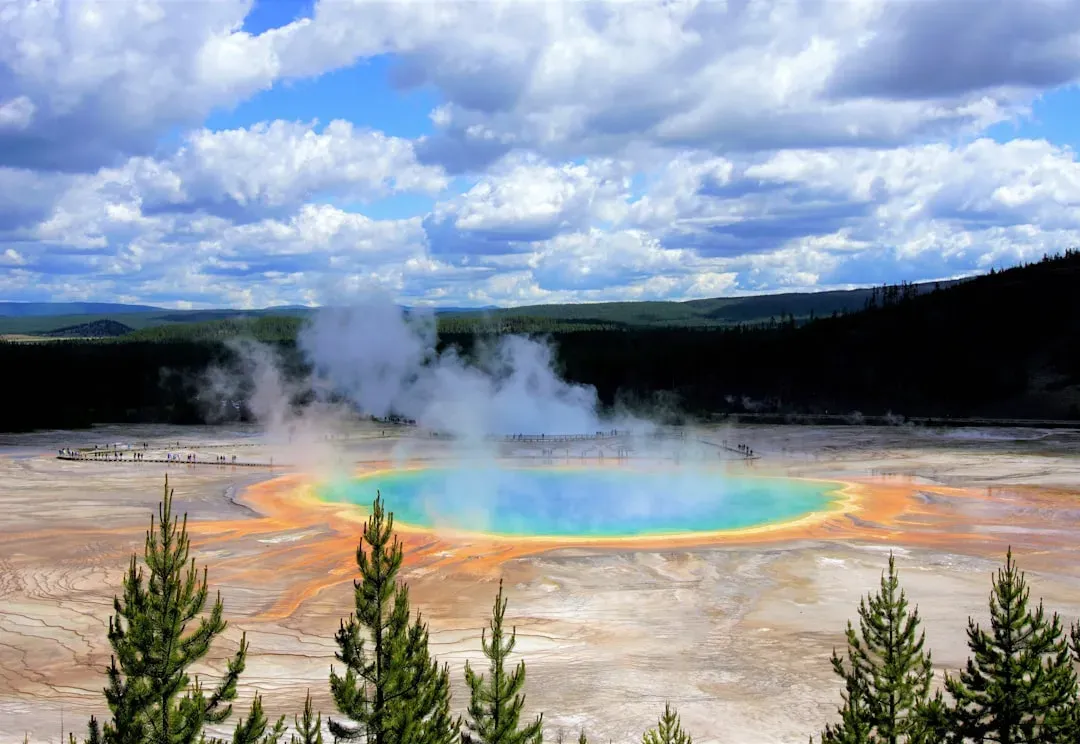
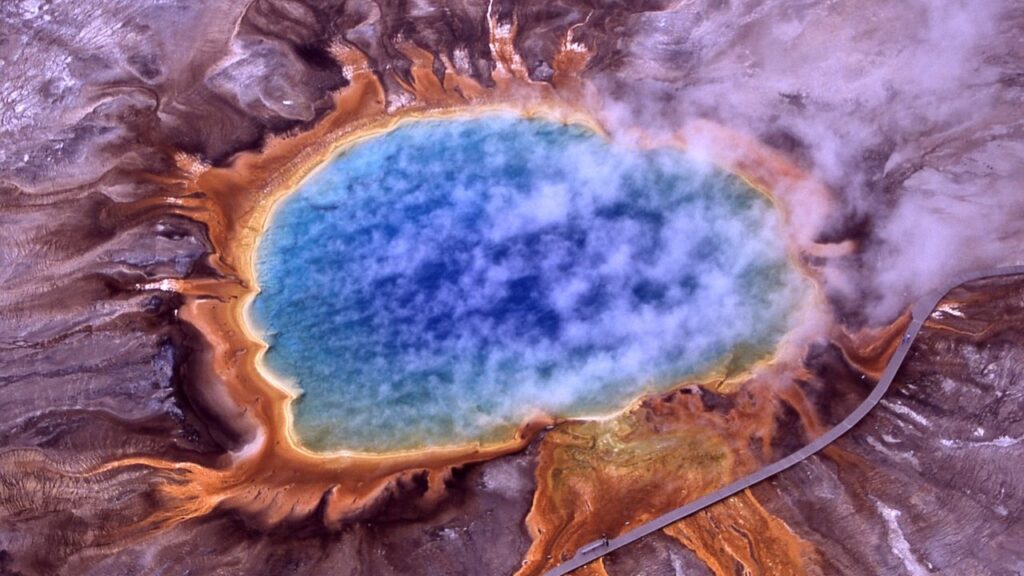
While the world obsesses over a hypothetical supereruption, the hazards you are most likely to see in your lifetime at Yellowstone are far more local and much more sudden: hydrothermal explosions. These blasts occur when water trapped underground flashes to steam, hurling rocks, mud, and boiling water without any new magma reaching the surface. In the past few years, Yellowstone has recorded small but dramatic explosions near hot springs, some of them captured by seismic and acoustic instruments and powerful enough to launch debris hundreds of feet into the air. ([pubs.usgs.gov](https://pubs.usgs.gov/publication/cir1566/full?utm_source=openai))
For you as a visitor, these events are a reminder that the park’s postcard-perfect pools and geysers sit on a restless pressure system that can fail with little or no warning. From a scientific point of view, the concern is that hydrothermal blasts are strongly tied to that leaky lid and shifting fluids above the magma reservoir. If the frequency, location, or character of these explosions changes over time, it may signal that the subsurface plumbing is reorganizing itself in ways that current models do not yet fully capture.
Yellowstone’s “Normal” Still Includes Swarms, Heat, And Change
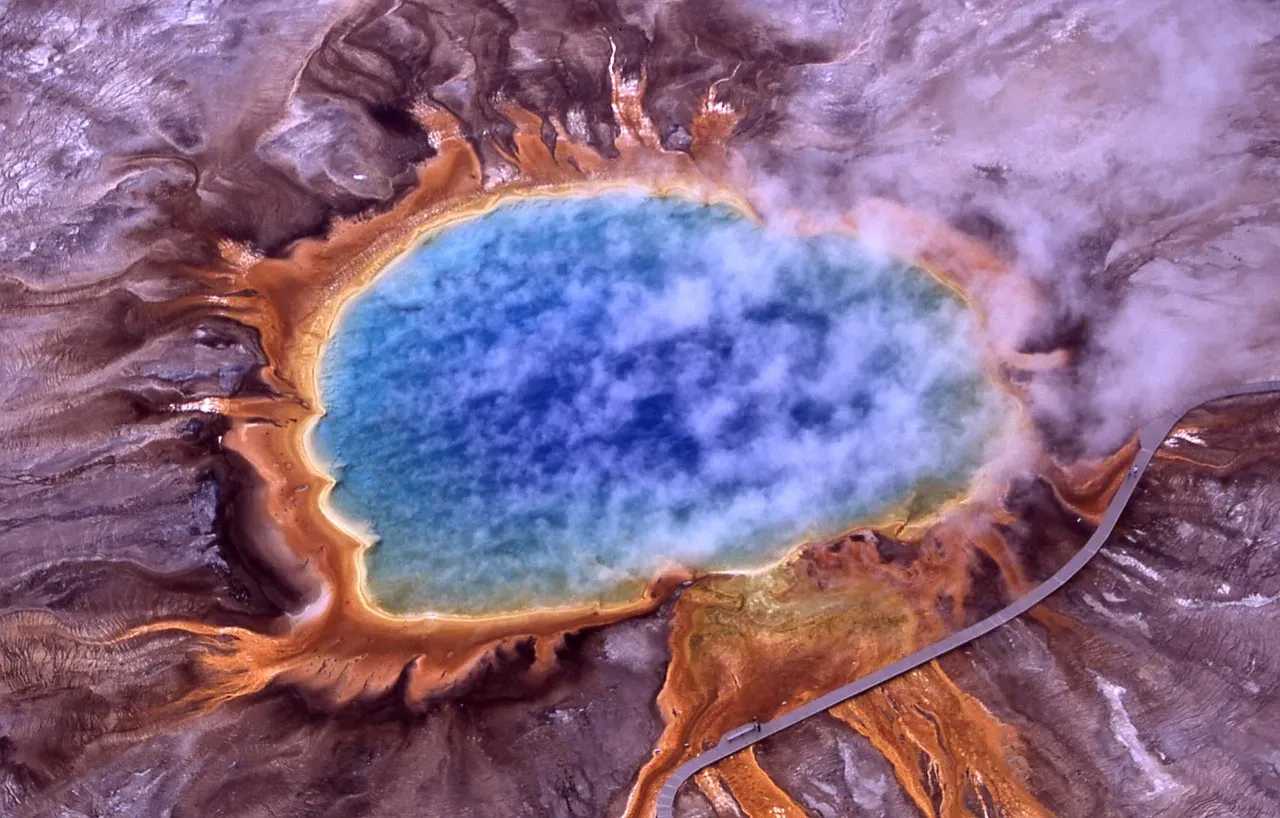
You might assume that any swarm of earthquakes or any shift in the ground means trouble is coming fast. In Yellowstone, the uncomfortable truth is that swarms, minor uplift, and intense heat flow are the baseline. The region experiences thousands of small earthquakes in a typical year, countless subtle deformation changes, and continuous release of volcanic gases and hot fluids, all without producing an eruption. ([pubs.usgs.gov](https://pubs.usgs.gov/publication/cir1566/full?utm_source=openai)) That background activity is what a large, long-lived volcanic system looks like when it is doing its usual slow work.
However, “normal” does not mean “boring.” If you look closely at the monitoring data, you see episodes where earthquake swarms cluster in new places, uplift shifts from one segment of the caldera to another, or subsidence slows unexpectedly. Each of those changes forces scientists to recalibrate what they consider routine and what they consider unusual. For you, the concern is more subtle: instead of watching for one obvious alarm bell, you are watching a noisy orchestra where the danger lies in patterns, combinations, and timing, not in any single instrument playing louder than usual.
Scientists Are Concerned – But For Nuanced Reasons
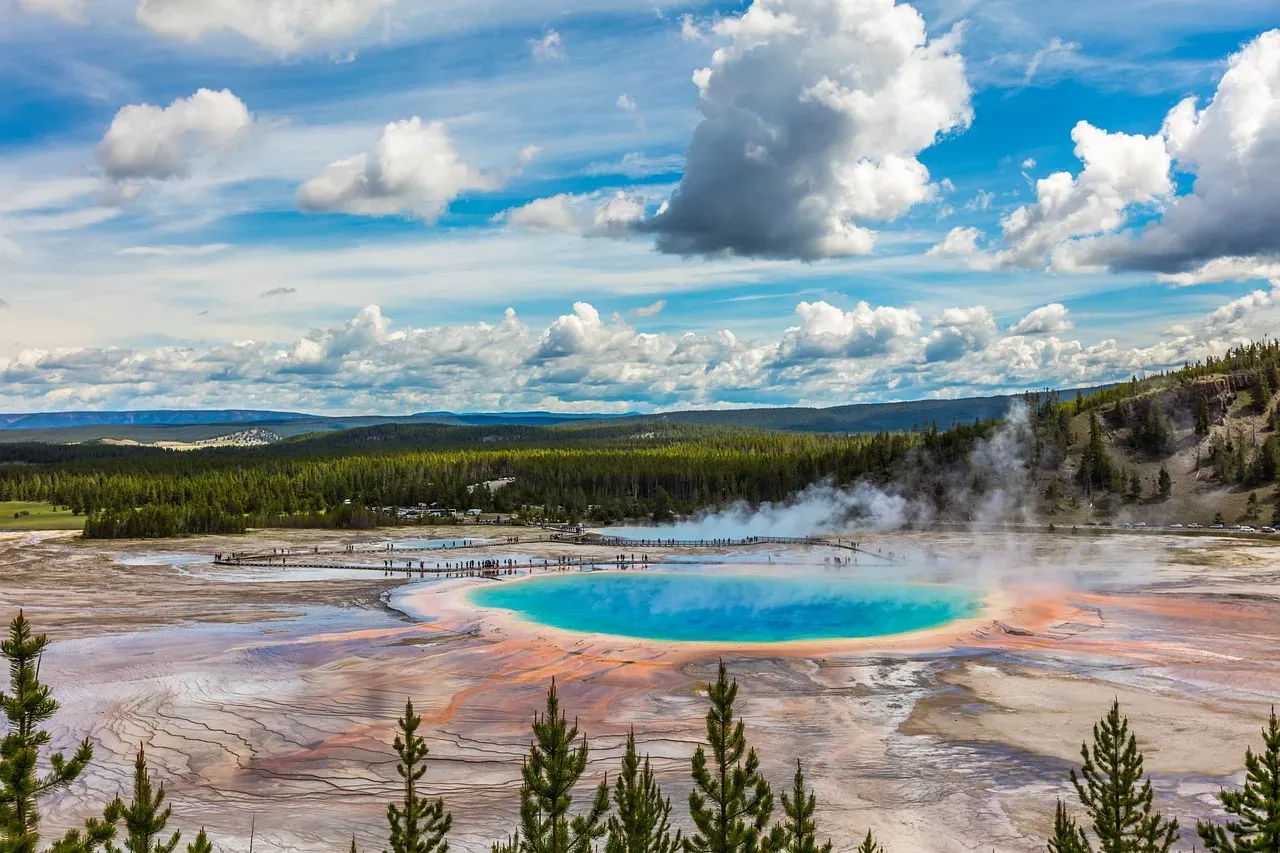
If you ask experts directly whether Yellowstone is about to erupt, the answer is still no, and the official alert level remains at normal. ([pubs.usgs.gov](https://pubs.usgs.gov/publication/cir1566/full?utm_source=openai)) The concern you should pay attention to is not immediate catastrophe but the growing realization that Yellowstone’s inner workings are more complex, more layered, and in some ways less predictable than old textbook diagrams suggested. New images of the magma cap, revised ideas about the volcano’s fuel source, and shifting patterns of ground deformation all point to a system that resists simple forecasting.
From your perspective, this means two things at once. First, the risk of a supereruption in your lifetime remains extremely low, and the most realistic hazards involve local eruptions or hydrothermal events rather than global chaos. Second, because the system is clearly alive and behaving in ways that do not always match expectations, scientists cannot afford to be complacent. The concern is a productive one: a push to keep upgrading sensors, refining models, and rethinking assumptions before rather than after Yellowstone surprises you in some new way.
What This Means For You – And Why The Mystery Matters
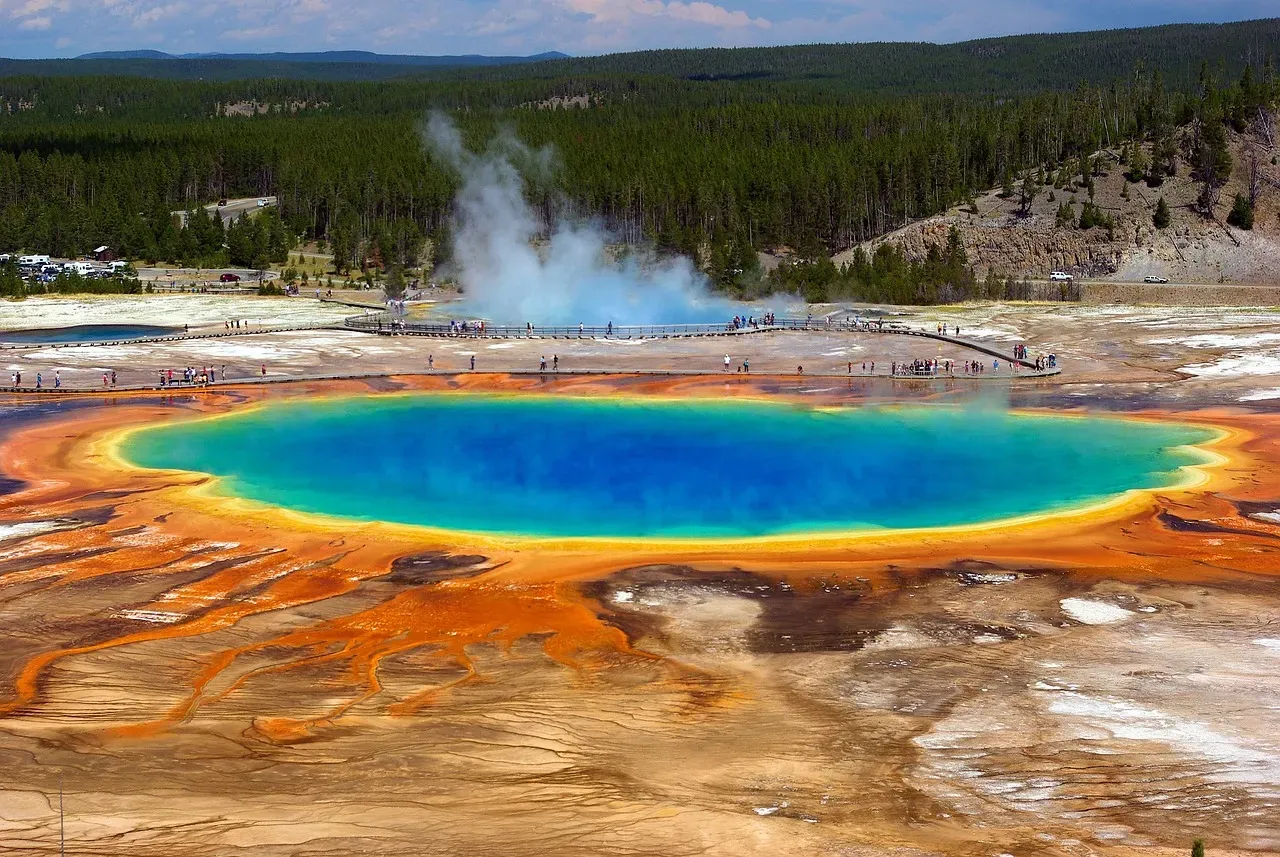
So where does all this leave you, living in a world where Yellowstone is both more reassuring and more mysterious than the movies told you? On the practical side, your best protection is the quiet, detailed work of monitoring: networks of GPS stations, seismometers, gas sensors, and satellites that watch every twitch of the caldera and every puff of steam. Those systems have already caught subtle changes like new uplift along the caldera rim and instrumentally recorded hydrothermal explosions, giving scientists a clearer picture of how the volcano flexes without erupting. ([usgs.gov](https://www.usgs.gov/volcanoes/yellowstone/science/uplift-along-north-rim-yellowstone-caldera?utm_source=openai))
On a deeper level, Yellowstone’s strange behavior forces you to accept that not every risk comes with a simple countdown clock or a tidy narrative arc. The supervolcano is not a single event waiting to happen; it is a constantly evolving machine whose gears you are only just starting to see. For me, that feels less like living next to a ticking time bomb and more like sharing a continent with a giant, restless animal – mostly sleeping, occasionally twitching, and always demanding respect. Knowing that, you have to ask yourself: is it scarier to imagine a sudden, obvious disaster, or a slow, intelligent system that keeps defying what you thought you knew?
In the end, Yellowstone’s supervolcano is behaving differently than expected not because it is gearing up for a dramatic finale, but because your expectations were too simple for such a vast and intricate system. The concern driving scientists today is really a concern about understanding: a race to keep their models honest as the data grows sharper and the picture gets stranger. You can take comfort in the fact that there is no sign of an imminent supereruption, while still recognizing that you are living in a rare moment when the inner architecture of one of Earth’s largest volcanoes is being revealed in real time. Knowing that, what do you find more astonishing – that Yellowstone has not surprised you yet, or that it almost certainly will, just not in the way you have been taught to fear?