
Stare long enough at a power outlet, a cloud, or the front of a car, and something strange happens: the object starts to feel like it is looking back at you. Two “eyes,” maybe a “mouth,” and suddenly a lifeless thing has a personality, a mood, even a name in your head. You know it is not really a face, but it feels like one so strongly that you might catch yourself smiling at it. That tiny moment of recognition is not a glitch in your perception; it is your brain doing something it has been shaped to do over millions of years.
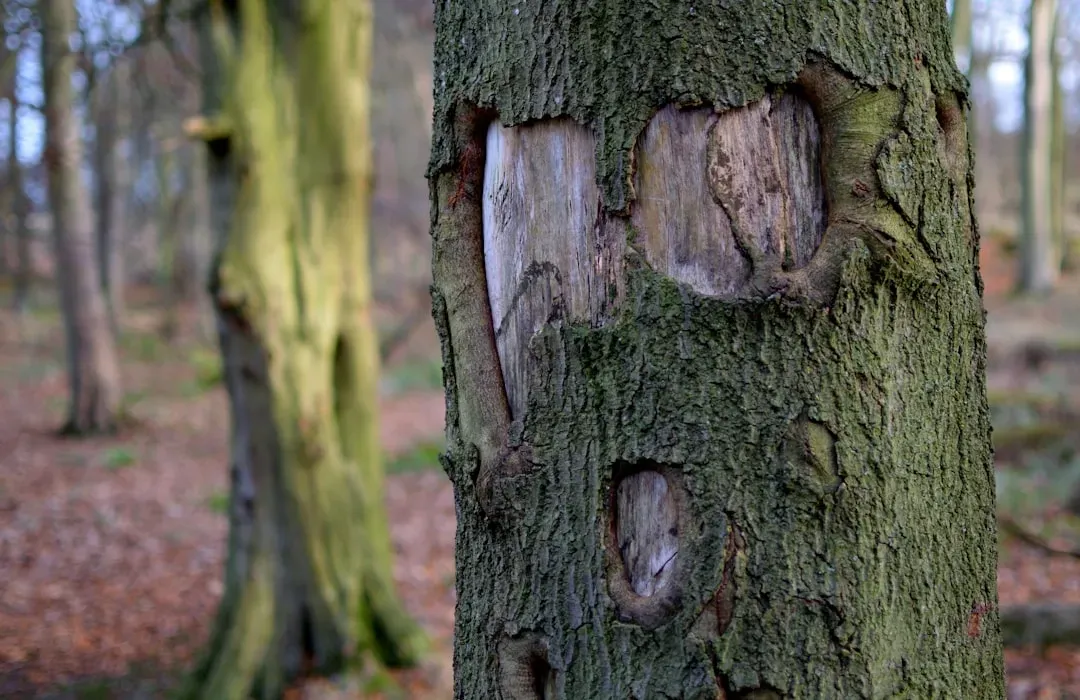
This tendency to see faces where there are none has a scientific name: pareidolia. It shows up in bathroom tiles, in tree bark, on burnt toast, and in the patterns on the moon. But behind the fun, almost silly examples lies a very deep question: why is the human brain so obsessed with faces that it would rather be wrong than miss one? To really understand that, we have to dive into evolution, brain wiring, emotion, culture, and even the way modern technology is poking at this quirk of our minds like a curious child.
The Ancient Survival Trick Hidden In Your Face Detector

Imagine you are standing at the edge of a forest at dusk. In the shadows ahead, you glimpse something that might be a human face or might just be a weird tangle of branches. If you assume it is a face and you are wrong, you feel silly. If you assume it is just branches and you are wrong, you might be dead. For early humans, this was not a thought experiment; it was daily life. It was far safer for the brain to err on the side of “that might be a face” than to risk missing a predator or an enemy staring back.
Over countless generations, this pressure shaped our visual system into something wildly biased. We developed what you could call a hyperactive face alarm, a system that fires even when the evidence is thin, low contrast, or half hidden. Seeing faces in rocks or tree bark is basically the modern side effect of that ancient rule: better a thousand false alarms than one missed threat. In other words, your brain hallucinates faces because, historically, being paranoid about faces kept your ancestors alive long enough to have you.
The Brain’s “Face Area” That Lights Up For Rocks And Toast
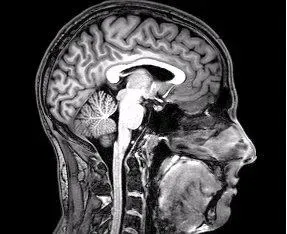
Inside your brain, there is a patch of tissue in the temporal lobe known as the fusiform face area, a region that responds particularly strongly when you see faces. Neuroscientists have put people in brain scanners and watched this area light up not just for real faces, but also for convincing fake ones in random noise, or faces made out of simple shapes. The pattern is clear: this region is tuned to hunt for face-like configurations first, and sort out the details later. It does not wait for perfection; it fires as soon as something looks even remotely face-ish.
What is wild is that the fusiform face area will still respond even when you know you are looking at a random object. That is one of the reasons pareidolia feels so compelling: the part of your brain that screams “face!” is more primitive and faster than the part that calmly says “come on, that is just the front of a car.” You experience that tug of war as a weird double awareness: you are both amused and slightly convinced. The hallucinated face is not a visual error so much as a fast, automatic guess that your slower reasoning brain has to talk down afterward.
Why Two Dots And A Line Are Enough To Fool You

Faces are incredibly complex, but the brain relies on a sort of visual shorthand: two roughly symmetrical spots above a line or shape that could be a mouth is usually enough. Think about how simple most cartoon faces are and how emotionally effective they can be. Your brain is tuned to a basic template, like a minimalist logo, and once that template is activated, you overlay the rest of the details in your imagination. It is similar to recognizing a song from just a few notes; once the pattern is suggested, your brain fills in the rest.
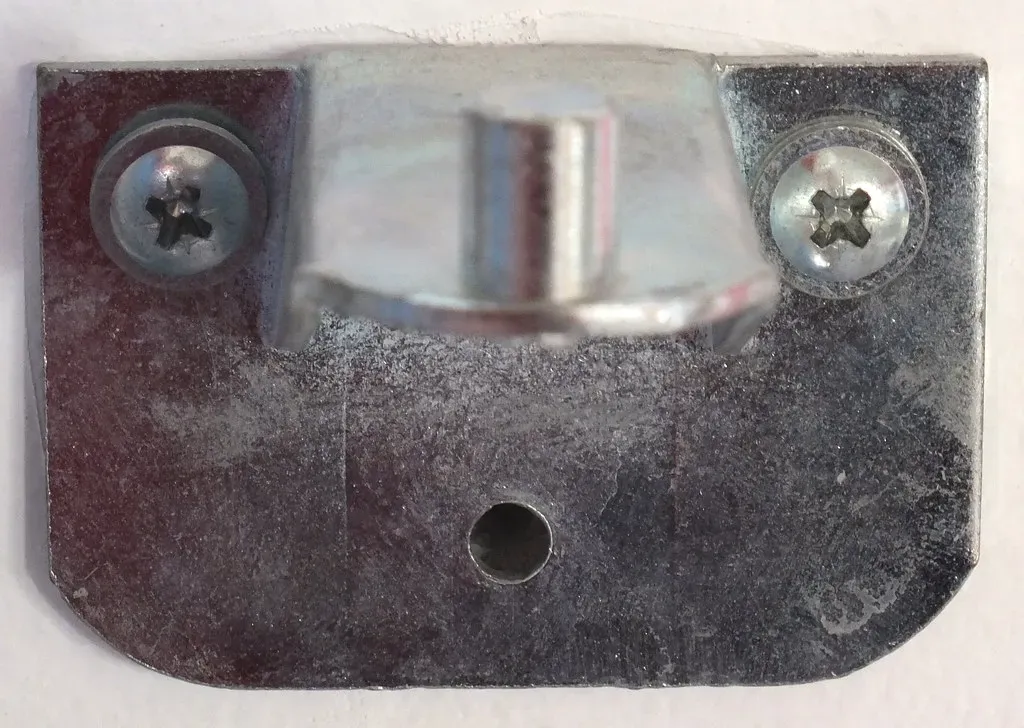
This is why you can see faces in everything from electrical sockets to house fronts. The arrangement matters more than the realism. Two window “eyes” and a door “mouth” and suddenly a building looks annoyed or tired. Your visual system cares less about whether it is a real head and more about whether the geometry matches the pattern it expects. That low bar for recognition keeps the system quick and flexible, but it also means you live in a world where the furniture, appliances, and random stains on the wall are constantly flirting with becoming characters in your mental story.
Emotions, Trust, And The Social Brain Behind Pareidolia
The brain’s obsession with faces is not just about detecting other beings; it is about instantly reading their emotions and intentions. Humans are intensely social animals, and faces are our primary emotional billboards. From the tiniest changes in eyebrows or mouth shape, we infer anger, joy, disgust, fear, attraction, and countless subtle mixtures. Because this skill is so vital for cooperation and survival, the brain heavily prioritizes it, sometimes giving emotional meaning even to fake faces in inanimate objects.
That is why a car grill can look “aggressive,” or a startled-looking building can feel vaguely comforting or comical. You are not just seeing a face; you are assigning it a mood, a personality, and sometimes even a role in a story. Your emotional system is essentially too eager to help, painting inner states onto anything that roughly resembles a face. This can be charming, but it also reveals something profound and slightly unsettling: your mind would rather live in a world full of minds than in a purely dead, mechanical landscape.
Culture, Religion, And Seeing Faces In The Sky

Throughout history, people have reported seeing faces or human-like figures in clouds, mountains, fire, and celestial bodies. Many religious and spiritual experiences have been linked to these perceptions, from sacred images appearing on walls and bread to human shapes glimpsed in smoke or light. When people already have a powerful narrative in mind – about gods, spirits, ancestors, or omens – the brain’s tendency to find faces becomes tightly woven into meaning-making. The pattern is not just visual; it is cultural and emotional.
This does not mean all such experiences are trivial or foolish, but it does suggest that our brains are naturally inclined to project humanity onto the world. In communities where certain symbols or figures are deeply revered, face-like patterns that resemble them can take on intense significance. Once people start talking about what they see, the idea spreads, and more eyes start finding the same face or figure. A random stain or arrangement of light becomes part of a shared story, powered by the same basic pareidolia that makes you see a grumpy expression in your bathroom tiles.
When Face Hallucinations Go From Quirk To Symptom
For most people, seeing a face in an empty space is harmless and even fun, but there are situations where this tendency becomes more intense or distressing. Certain neurological or psychiatric conditions can amplify pareidolia, making it harder for someone to distinguish between real and imagined faces or figures. For example, when the brain’s attention or emotional systems are dysregulated, ambiguous patterns in shadows or textures might feel ominously alive instead of playfully face-like. What is a passing illusion for one person can become a persistent source of anxiety for another.
On the flip side, some brain injuries or disorders can blunt face recognition, leading to conditions where real faces become difficult to identify, even as false faces might still occasionally pop out of patterns. This contrast highlights how finely balanced the system is. When everything works smoothly, you get a useful mix of accuracy and over-enthusiasm. When that balance is disrupted, the same mechanisms that once protected or connected you can become confusing. It is a reminder that pareidolia is not magic or madness; it is a spectrum of how our brain’s pattern detectors can tilt under different circumstances.
AI, Memes, And How Technology Plays With Our Face Bias
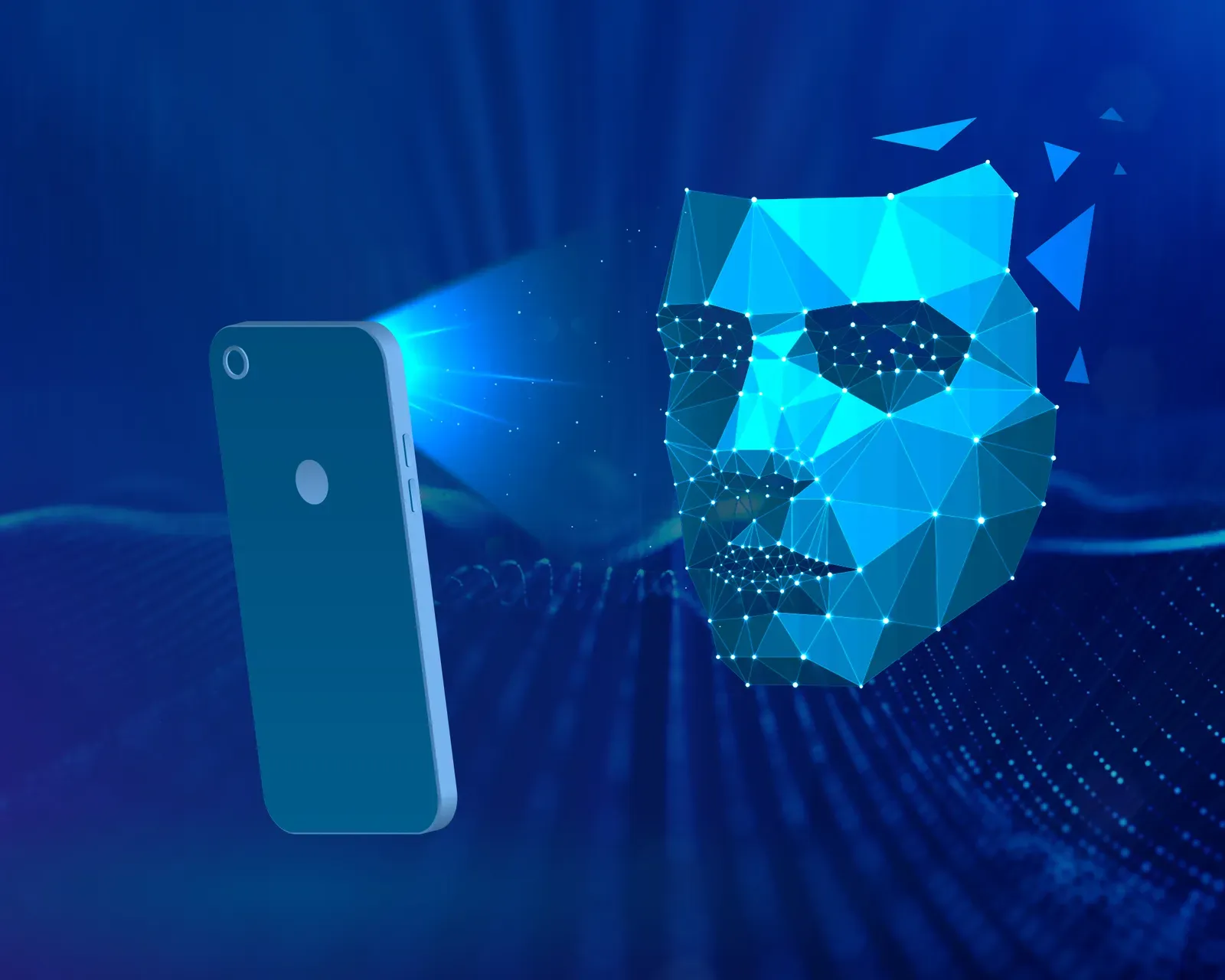
In the last few years, artificial intelligence systems have gotten eerily good at generating faces, sometimes perfect and sometimes deeply uncanny. When AI gets it slightly wrong – eyes too close together, skin too smooth, expressions a bit off – our brains react strongly because the face circuitry is finely tuned to what looks “human.” That same sensitivity that makes us see faces in clouds makes us instantly uncomfortable when a face is almost, but not quite, right. We are living in a time when our ancient wiring is being stress-tested by synthetic images at massive scale.
On social media, images of face pareidolia go viral all the time: “angry” bags, “sad” pancakes, “shocked” buildings. People share them because they tap into a universal brain quirk that feels both funny and strangely intimate. At the same time, companies and designers deliberately give products face-like features to make them more relatable, from cars with “smiles” to gadgets that seem to “wink.” In a way, technology is no longer just triggering our face hallucinations by accident; it is actively partnering with them, turning an old survival bias into a modern engine for humor, branding, and connection.
What Our Hallucinated Faces Really Say About Us

When you realize how eager your brain is to conjure faces out of almost nothing, it is tempting to shrug and file it under “weird brain glitches.” But that sells it short. The fact that you see tells a deeper story: your mind is relentlessly searching for other minds. It is biased toward connection, toward story, toward meaning, even when the world in front of you is just drywall, clouds, or a random mess. Personally, I find that comforting; it means that at a basic level, our default mode is to imagine company, not emptiness.
At the same time, I think we should be honest about the downside: this same bias can make us read intentions where there are none, or see patterns and plots in random noise. The face in the clouds is delightful; the imagined enemy in a shadowy stranger is not. In my view, the sweet spot is to enjoy the magic without surrendering to it – to laugh at the grumpy plug socket, to marvel at the “smiling” moon, and then remember that our brains are creative storytellers, not perfect cameras. Next time a wall or a car grill seems to look back at you, maybe pause and ask yourself: is this just a silly illusion, or is it a tiny window into how desperately human I am?