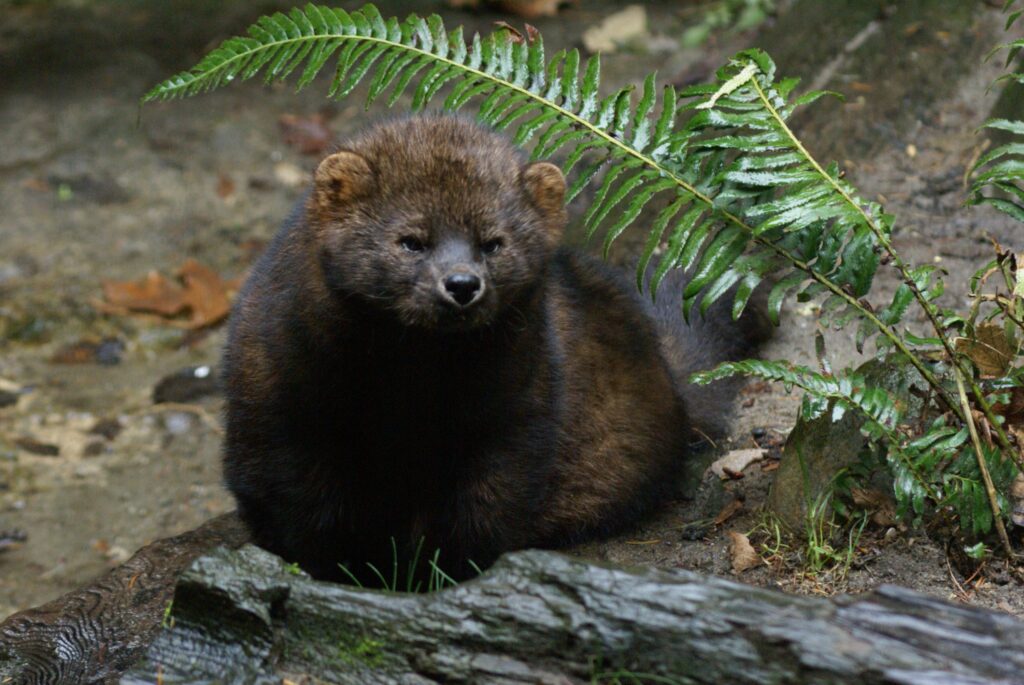

Fishers vanished from huge parts of the United States for so long that many people had never even heard of them, let alone seen one. Now trail cameras in Washington’s dark conifer forests and surprise sightings in northeastern Ohio are telling a different story: this secretive forest carnivore is quietly slipping back into places it was once wiped out. That comeback is not an accident, and it is not driven by a single cause. I still remember the first time I saw a fisher on a camera trap image: long, low, cat‑like body, big paws, that slightly mischievous mustelid face. It felt a bit like finding a ghost caught on film. Their return in Washington is the result of deliberate reintroduction, while Ohio is more of a slow, almost sneaky recolonization from neighboring states. Put together, they tell a bigger story about how forests, people, and predators are changing in the twenty‑first century.
1. Decades of Over‑Trapping and Clearing Forests Finally Started to Reverse
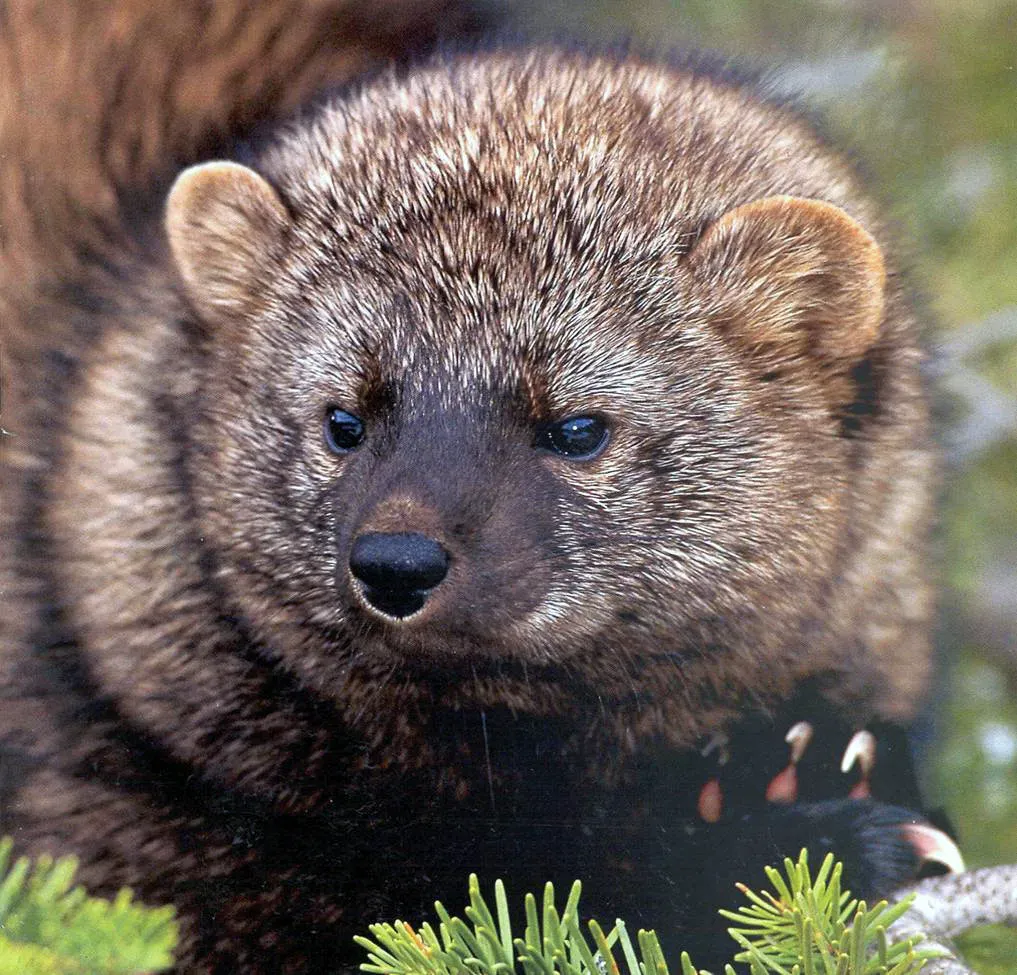
For most of the nineteenth and early twentieth centuries, fishers were hammered by two overlapping forces: relentless trapping for their fur and the systematic conversion of forests to farms, towns, and industrial timberlands. In both Ohio and Washington, that one‑two punch essentially erased them from large swaths of their historical range. Once you remove a mid‑sized carnivore that needs big trees with cavities, downed logs, and complex understory, you do not get it back just by wishing. What changed, very slowly, was us. Logging practices in many areas shifted away from old‑school, cut‑everything operations toward more regulated approaches, especially on public lands. At the same time, marginal farms in hilly and rocky terrain went out of production, letting forests creep back over abandoned fields. In Washington, this created mosaics of mid‑ and late‑successional forest that biologists later identified as suitable for fisher recovery. In Ohio, the steep, less plow‑friendly parts of the state quietly regrew into a patchwork of second‑growth woods that now act like stepping stones for wandering animals.
2. Bold Reintroduction Programs in Washington Brought Fishers Back on Purpose
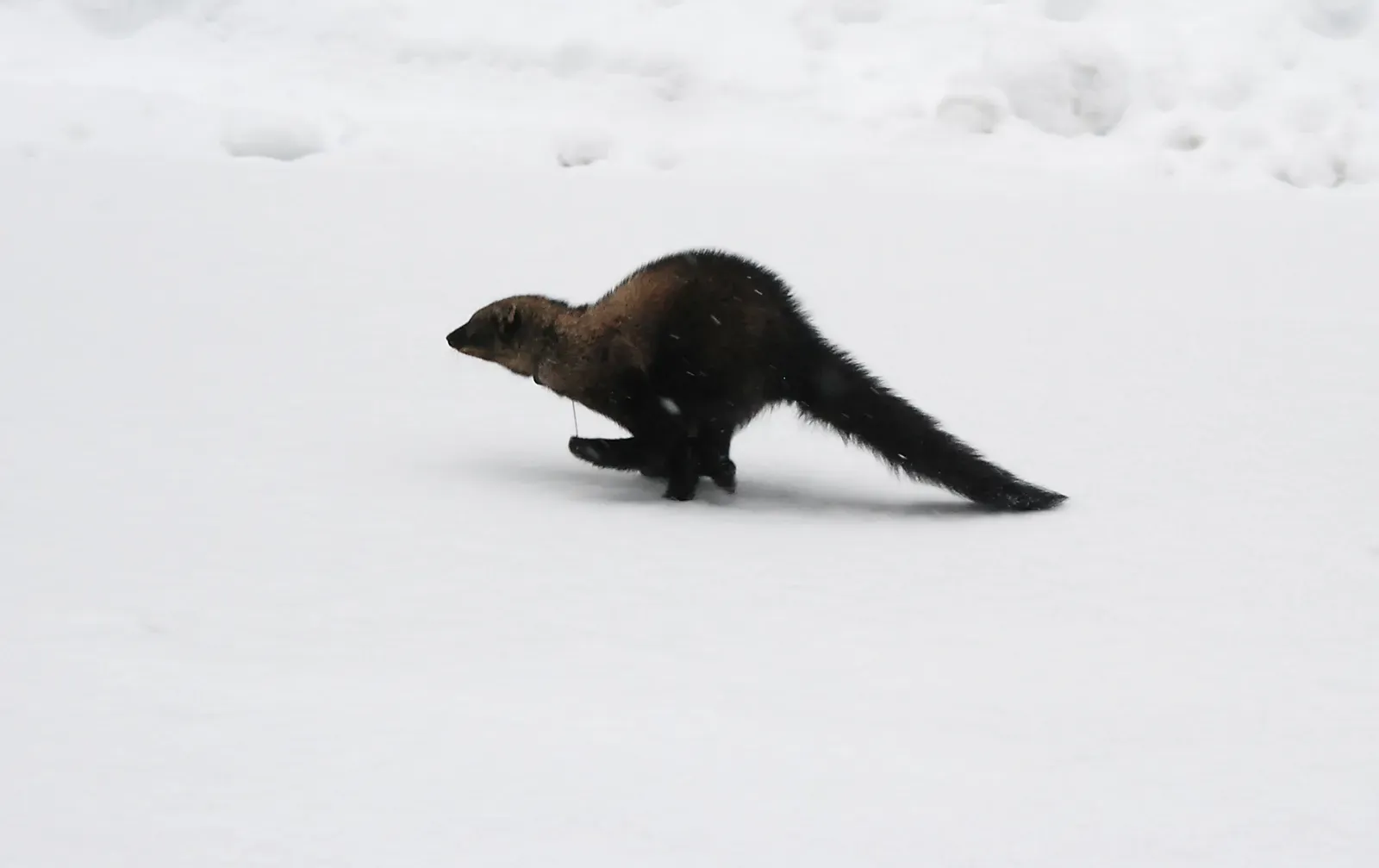
Unlike Ohio, where fishers are mostly showing up on their own, Washington made a very direct decision: if fishers were going to return, people would have to put them back. After feasibility studies showed there was enough habitat and prey, state and federal agencies, tribes, and conservation groups launched a reintroduction effort on the Olympic Peninsula in the late 2000s, followed by releases in the southern and northern Cascades. Fishers captured in British Columbia and Alberta were transported south, carefully health‑checked, fitted with transmitters, and released into remote, forested valleys. That move was controversial in the early planning stages, as reintroductions often are, but the results have been surprisingly encouraging. Monitoring has found animals surviving, breeding, and spreading out through the mountains. Washington has now translocated well over a hundred fishers into the state between Olympic and Cascade projects, enough to seed multiple breeding populations. It is one of the clearest examples in the Pacific Northwest of people literally carrying a missing carnivore back into its old haunts and then stepping back to see whether the ecosystem will accept it.
3. Forests in Both States Are Slowly Growing Older and More Complex Again
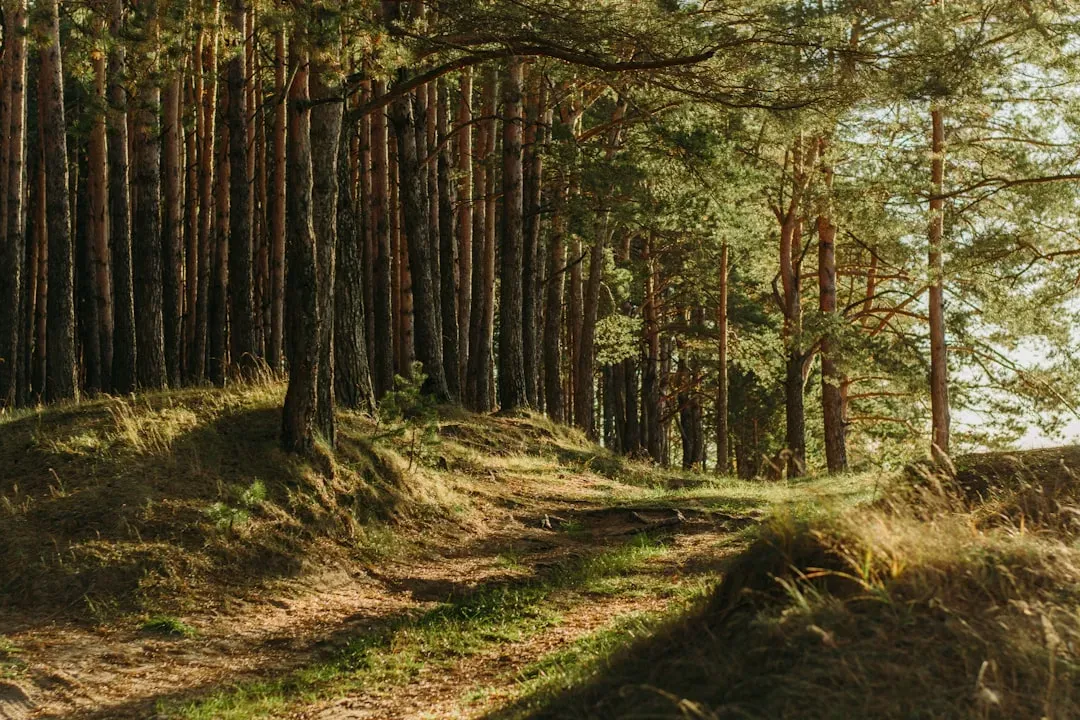
Fishers are not true old‑growth specialists, but they have a soft spot for older, structurally complex forests. They hunt snowshoe hares, squirrels, and other small mammals along downed logs, rest in tree cavities, and shuttle kits to safe den sites high in snags or big branches. That kind of three‑dimensional habitat is hard to find in a landscape dominated by clearcuts or young tree plantations that look like green toothpicks stuck into the ground. For most of the twentieth century, that was the reality across much of North America. In Washington, policies like the Northwest Forest Plan, along with habitat conservation agreements on non‑federal lands, have left more forest to age into that sweet spot for mid‑sized carnivores. In Ohio, forest recovery has been more accidental than intentional, driven by the abandonment of marginal farmland and the simple fact that people do not clear every last hillside anymore. The result is similar, though: a patchwork of thicker woods, more dead wood, and deeper shade that offers exactly the hiding spots and denning structures a fisher needs. Without that slow, quiet transformation of the forest itself, no reintroduction or natural recolonization would stick.
4. Neighboring States Became Unexpected Launchpads for Ohio’s Newcomers
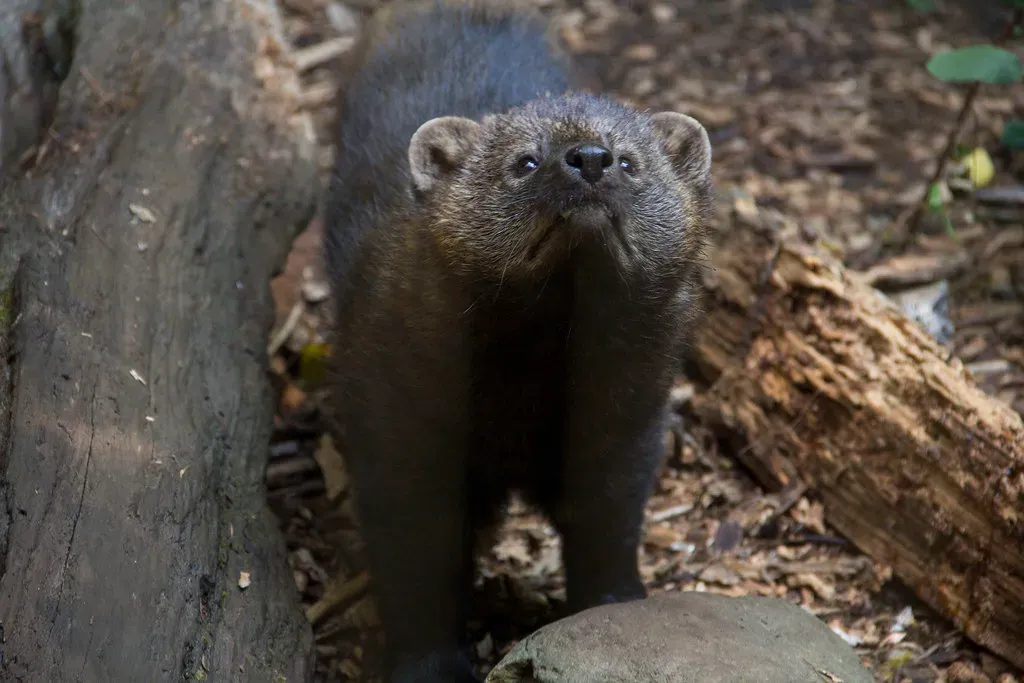
Ohio’s story is less about biologists releasing animals and more about fishers taking the initiative. Neighboring states like Pennsylvania and West Virginia invested heavily in restoring fishers decades ago, moving animals from strongholds farther north into suitable Appalachian forests. Over time, those populations grew, spread out, and started bumping into the edges of Ohio’s remaining wooded hills and river corridors. What began as a trickle of occasional wanderers is now turning into a slowly growing presence, confirmed by more camera images and track reports each year. This kind of cross‑border colonization is a reminder that wildlife does not care about our state lines. A fisher that follows a forested creek bottom does not stop at the Ohio sign on the highway and turn around. From an ecological viewpoint, the Allegheny Plateau and associated hill country are one large, mostly contiguous block of habitat that happens to be chopped into political pieces. The fact that Ohio is now getting fishers back, without directly reintroducing them, is a quiet compliment to decades of work done just across its borders.
5. Changing Public Attitudes Toward Carnivores Made Room for Their Return
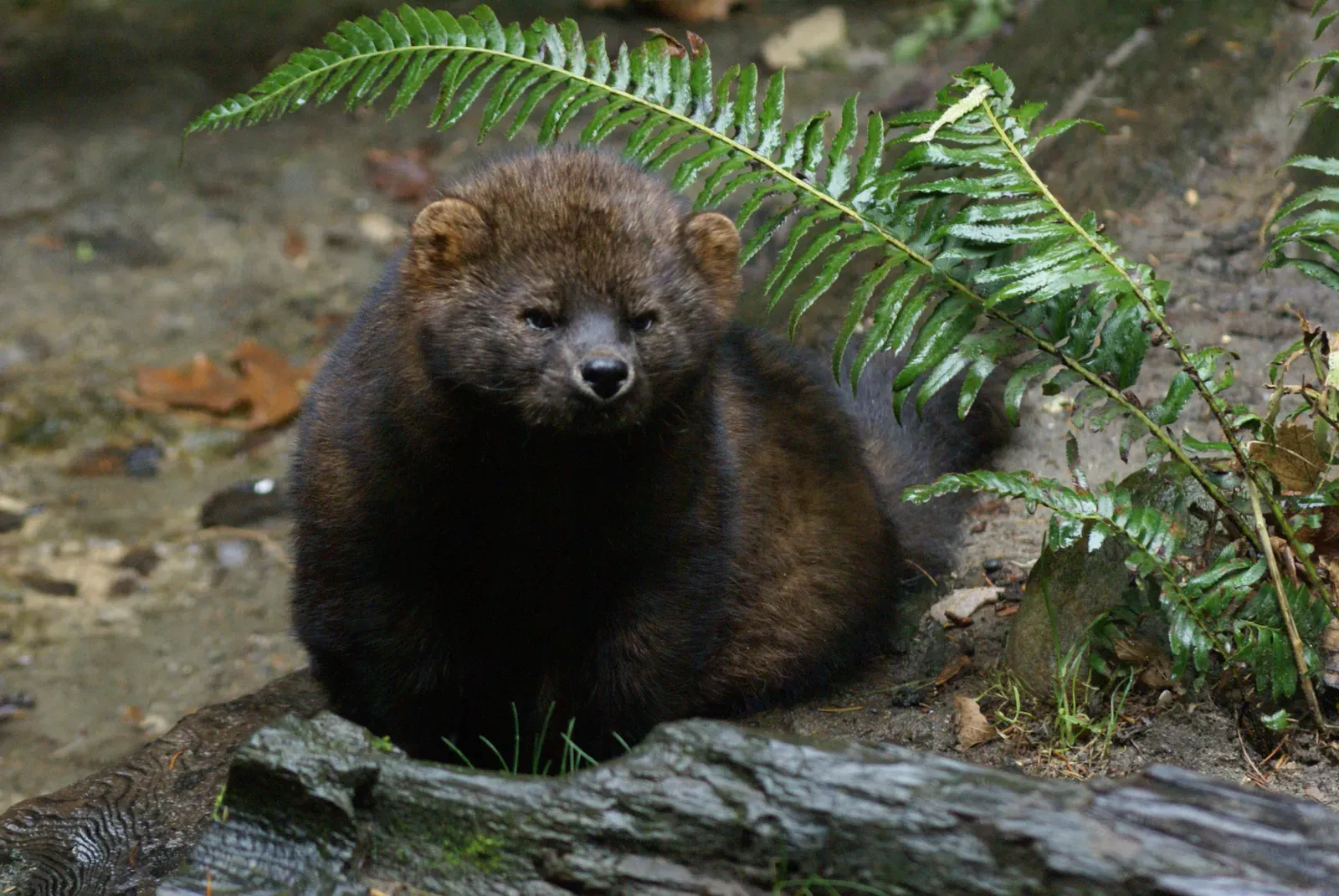
Fishers used to be treated as living nuisances: something that raided chicken coops, competed with trappers, or simply existed as fur on a pelt board. That attitude fueled aggressive trapping and persecution, which finished the job that habitat loss started. The cultural climate now is very different. Many people see carnivores as symbols of wildness, ecological health, or even local pride. A blurry trail‑cam photo of a fisher in northeastern Ohio can go mildly viral on social media, shared not with anger but with excitement. This shift matters more than it might seem. Agencies are far more willing to back reintroduction projects when they know there is at least neutral, and often positive, public interest. In Washington, local support and tribal involvement were critical to securing funding, permits, and the patience to let long‑term monitoring play out. In Ohio, the fact that most reactions to new fisher sightings are curiosity and fascination instead of calls for eradication gives the species some breathing room to establish itself. The science can lay the groundwork, but public tolerance is what allows a shy predator to slip back into our shared backyard.
6. Modern Wildlife Science Finally Gave Fishers a Fighting Chance
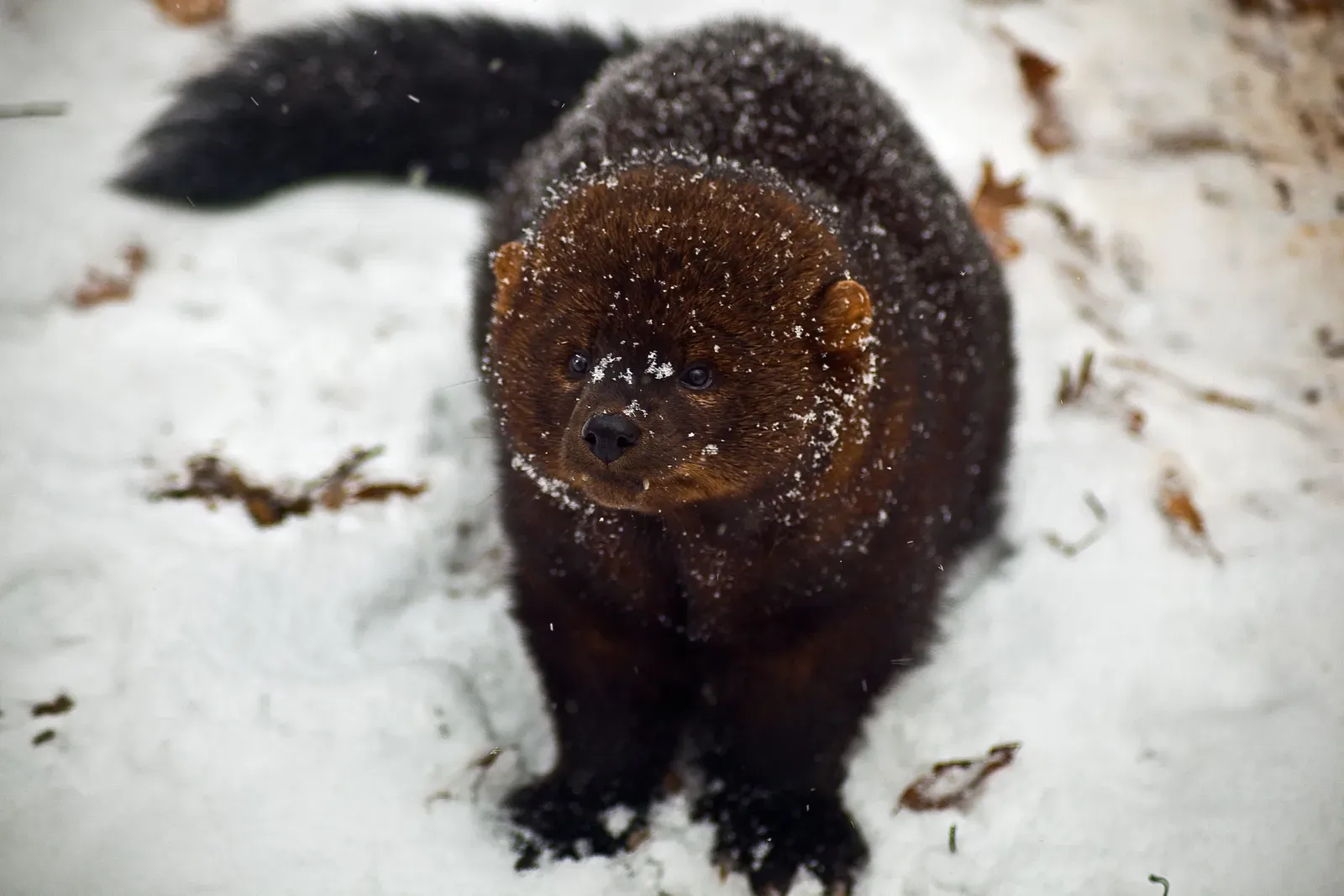
If people had tried to bring fishers back a century ago, they would have been guessing in the dark. Today, the toolbox looks very different. Biologists in Washington used radio‑telemetry to track where reintroduced fishers went, how often they survived, and what kinds of forest they actually used. Camera traps, hair snares for genetic sampling, and occupancy modeling let researchers estimate how populations are spreading even when sightings are rare. It is not glamorous work, but it is the kind of quietly rigorous science that separates wishful thinking from real recovery. Those tools also change how managers make decisions. Instead of simply dropping animals into a forest and hoping for the best, they can fine‑tune release sites, adjust sex ratios of translocated groups, and evaluate whether timber landscapes can still support viable populations. For places like Ohio, even without an active reintroduction, these same methods are now being used to confirm and track new arrivals. When a fisher appears on a camera in a patch of second‑growth woods, that single image plugs into a much larger dataset about where the species can thrive – and how much help it still needs.
7. A Deeper Desire to See Whole Ecosystems, Not Just Individual Species
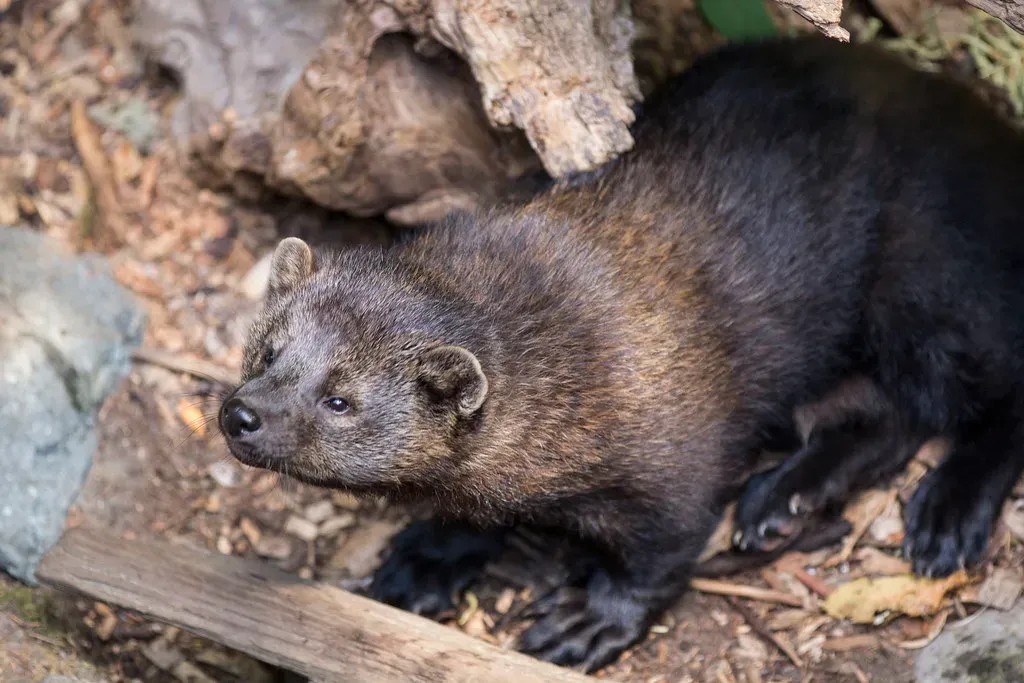
Underneath all the technical plans and progress reports, there is a quieter shift in how we think about conservation. For decades, the focus was often on single charismatic species in isolation. Now there is a growing appetite to restore functioning ecosystems, with predators, prey, scavengers, and all the messy interactions in between. Fishers may not get the headlines that wolves or bears do, but their return in Washington and Ohio is part of that bigger push to put missing pieces back into the ecological puzzle. Personally, I think that is what makes their comeback so compelling. A fisher slipping through a hemlock stand at dusk is a sign that the forest has regained enough depth and complexity to support a stealthy, tree‑climbing hunter that once had no place to hide. In Washington, that came through deliberate, coordinated action. In Ohio, it is happening more by accident and opportunity. In both cases, though, it suggests that our landscapes – and our values – are slowly bending back toward something wilder and more complete.
Conclusion: A Quiet Comeback With Big Implications
![Conclusion: A Quiet Comeback With Big Implications (By ForestWander Nature Photography (www.ForestWander.com) [1], CC BY-SA 3.0 us)](https://nvmwebsites-budwg5g9avh3epea.z03.azurefd.net/dws/499004ff0f295df8aef7cd8de34e0113.webp)
Fishers are not going to magically fix everything that is broken in these ecosystems, and it would be naive to pretend otherwise. They remain vulnerable to habitat fragmentation, rodent poisons, and future policy swings, and in some areas their numbers are still tiny. But dismissing their comeback as a minor footnote would also be a mistake. When a species once considered gone from whole regions starts to reappear, whether by design or by its own stubborn wanderings, it is a sign that we have more room for wildness than we thought. My own opinion is that we should lean into that. Not with reckless, trophy‑style rewilding fantasies, but with careful, science‑driven humility: keep protecting and reconnecting forests, keep monitoring, keep listening to local communities and tribes, and let animals like fishers write the next chapters of their own story. If a furtive mustelid can slip back into our hills and mountains after a century‑long absence, what else might we be underestimating about nature’s ability to rebound when we finally give it some space?