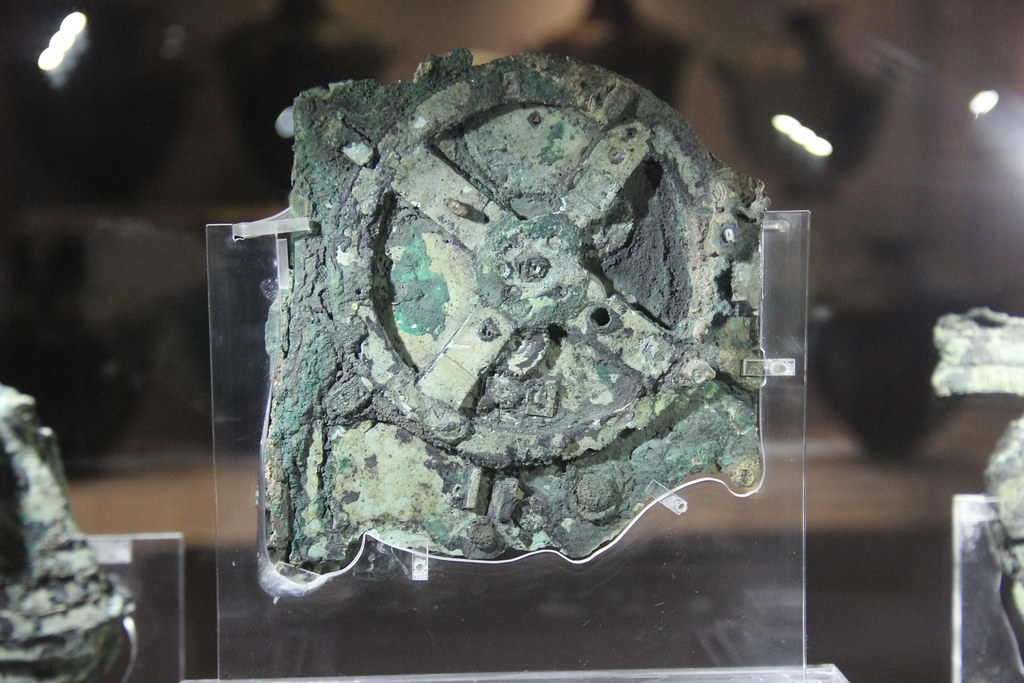

The Antikythera Mechanism is one of those artifacts that quietly rewrites everything you thought you knew about the ancient world. It sat on the seafloor for nearly two thousand years, a lump of corroded bronze, until someone realized it was not a statue, not a weapon, but a machine so advanced it feels almost out of time. The deeper researchers look into it, the stranger it gets: high‑precision gears, complex astronomical models, and design choices that simply do not show up anywhere else in surviving ancient technology. What makes it even more captivating is the silence around it. There are no other known devices like it from the same era, no workshop waste, no instruction manuals, no obvious technological “lead‑up” that gently prepares us for its existence. It appears, fully formed, like a laptop hidden inside a Roman ruin. Let’s dig into ten specific details that truly have no clear parallel in any known technology of its period, and see why this battered box of gears still keeps historians awake at night.
1. A Fully Integrated Gear Computer, Centuries Before Anything Comparable
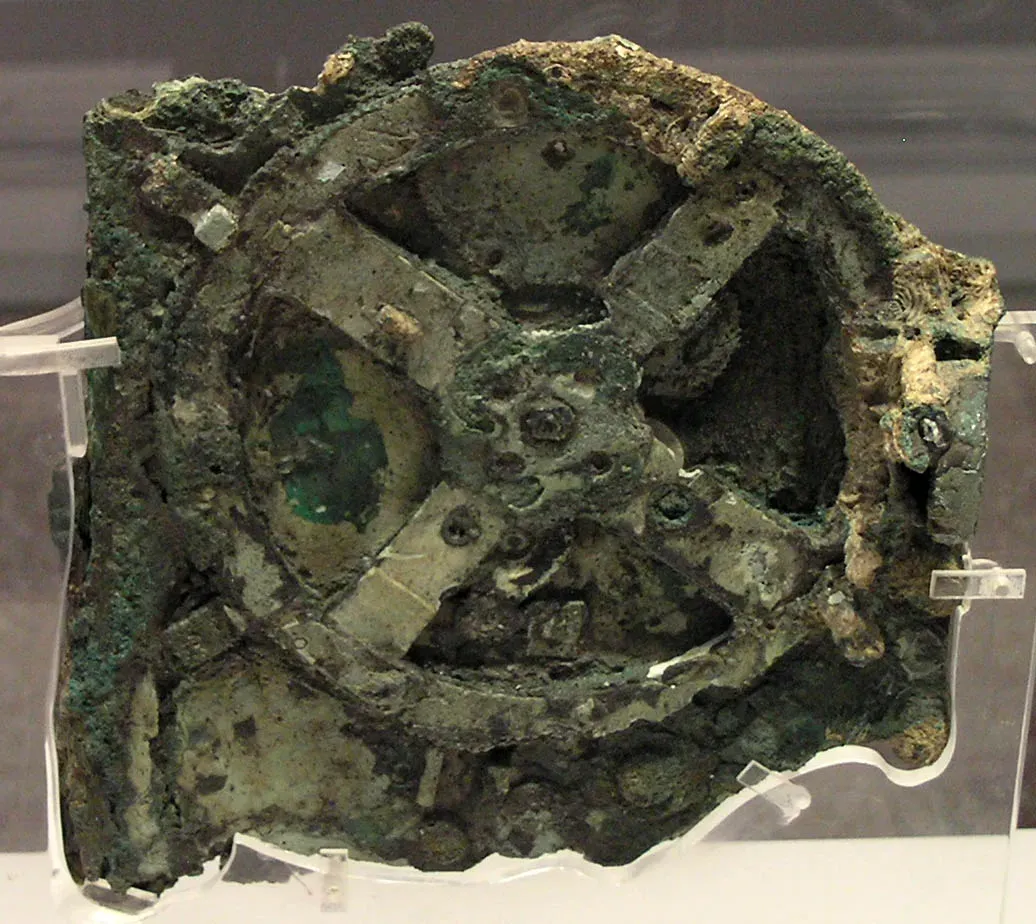
When you strip away the corrosion and 3D‑reconstruct the Antikythera Mechanism, you are left with what is essentially an analog computer, not a simple gear toy. It was designed to take a single human input – turning a crank – and translate that into multiple coordinated outputs that predicted complex astronomical phenomena. Nothing else from the ancient Greek or Roman world survives that uses gearing anywhere close to this level of integration and abstraction. Other ancient devices with gears, like simple water‑driven mills or basic transmission mechanisms, handle one task at a time: rotate this, lift that, grind grain. The Antikythera Mechanism instead embodies a whole model of the cosmos in metal, distributing motion to multiple scales and dials at once. That leap from “tool” to “computational model” is where it breaks away from every other surviving artifact of its era.
2. Over 30 Precision‑Cut Bronze Gears in a Compact, Layered Layout
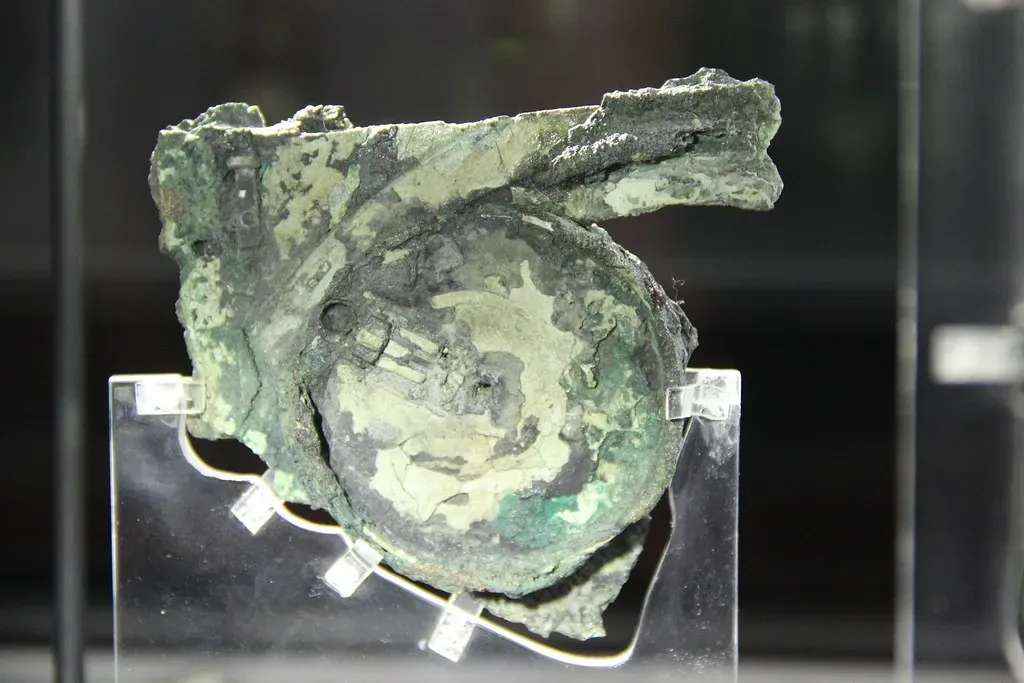
Most ancient machines we know about are big, open, and frankly a bit clunky: think of large waterwheels, cranes, or siege engines built with heavy wood and rope. The Antikythera Mechanism, by contrast, packs more than thirty interlocking bronze gears into a box roughly the size of a thick book. The teeth are cut with a level of care that implies not just skill, but specialized tools and a well‑understood gear‑making tradition we have almost no other physical trace of. It is one thing to make a single gear or even a pair. It is another to arrange many of them in carefully layered stacks, some on coaxial shafts, some on pin‑and‑slot linkages, all working in unison. That kind of compact, three‑dimensional mechanical architecture is just not something we see elsewhere in the archaeological record from the same period. It feels closer to a Renaissance clock than to the workshops of the first century BCE.
3. Modeling the Metonic and Saros Cycles Mechanically
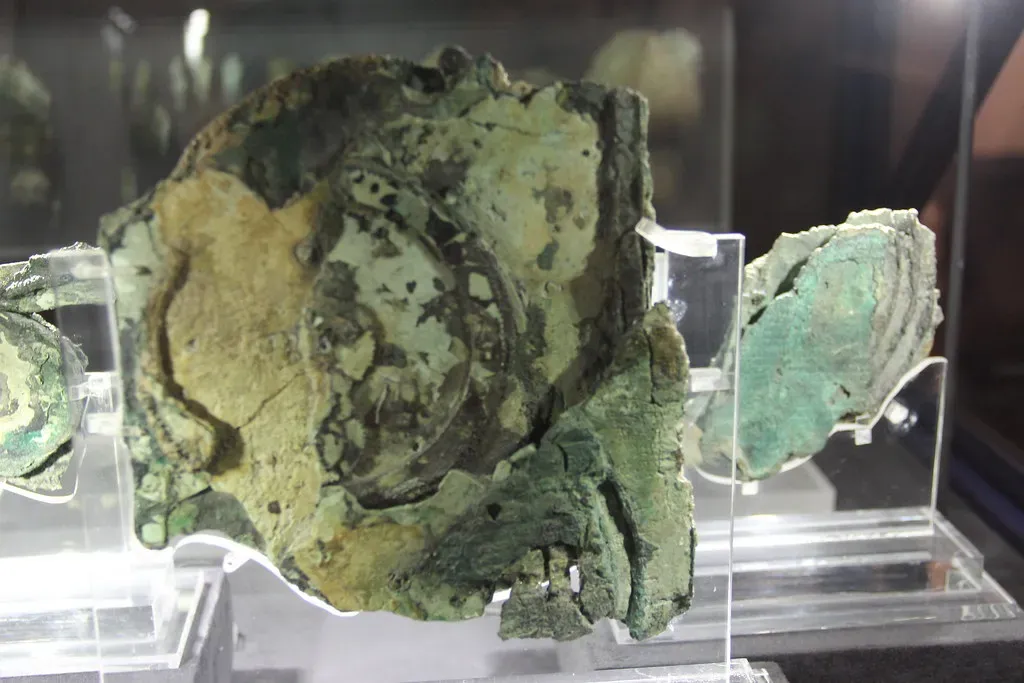
The people who built the Antikythera Mechanism did not just know that the Moon and Sun followed repeating cycles; they encoded these cycles into gear trains. The device tracks the nineteen‑year Metonic cycle, which links lunar months and solar years, and the roughly eighteen‑year Saros cycle, which predicts eclipses. Instead of a priest memorizing the pattern or a scribe writing tables, the pattern is baked into the tooth counts of tiny bronze wheels. This is not just clever; it is conceptually radical for its time. It means someone sat down, took astronomical theory that was usually expressed in numbers and geometry, and re‑imagined it as a physical machine. There is no surviving evidence of any other ancient device that mechanically implements such long‑term celestial cycles in this way, and that gap makes the Mechanism stand out like a Formula 1 car parked in a row of ox carts.
4. A Sophisticated Lunar Anomaly Mechanism Using an Epicyclic Gear Train
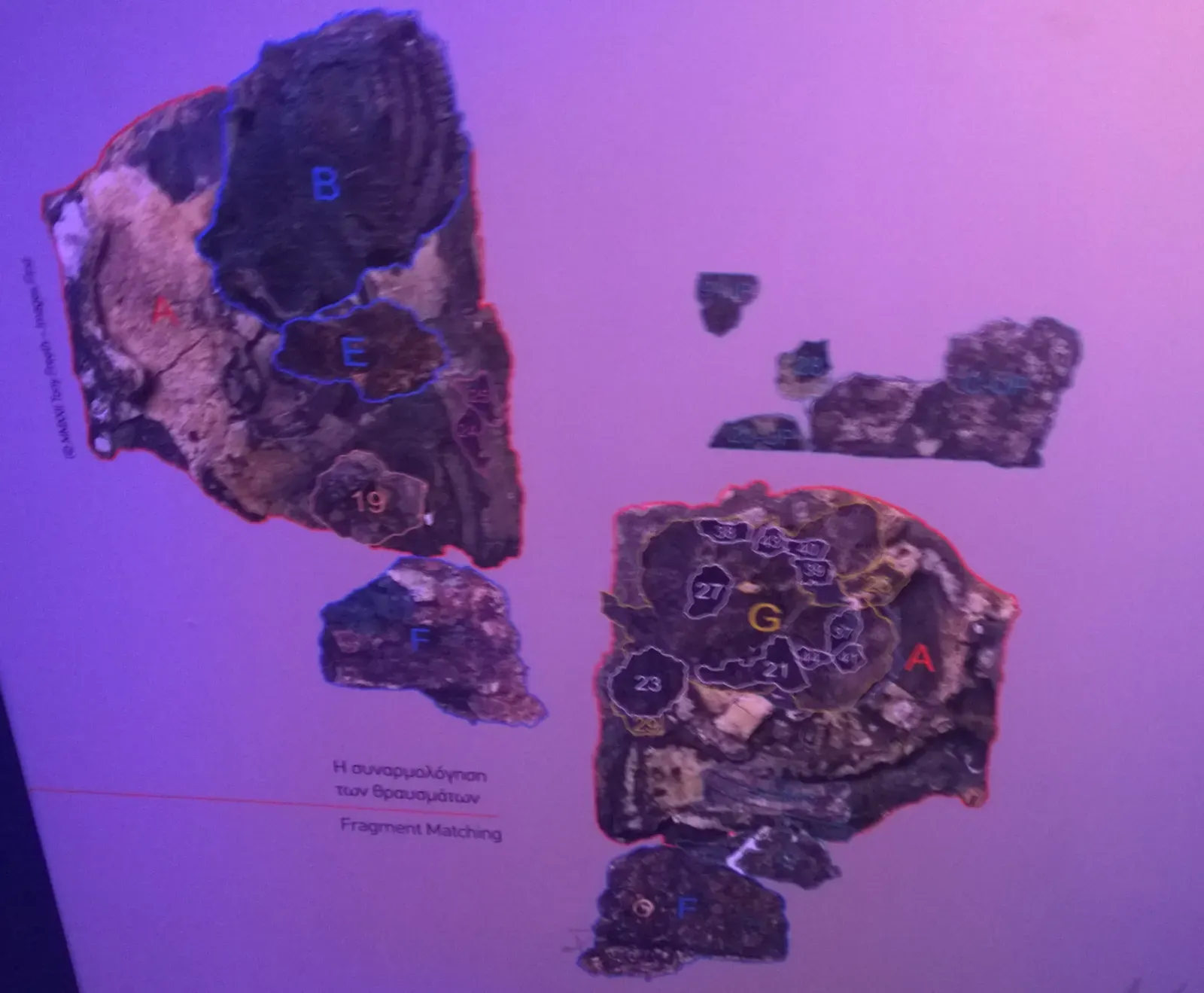
One of the most mind‑bending parts of the Antikythera Mechanism is how it handles the Moon’s irregular speed across the sky. Ancient Greek astronomers knew the Moon does not move at a perfectly constant rate; its apparent motion speeds up and slows down, something they modeled mathematically using epicycles. The mechanism takes this mathematical abstraction and turns it into hardware using an epicyclic gear train and an off‑center pin‑and‑slot system. This is not just some decorative flourish. Building a gear system that deliberately speeds up and slows down output motion in a controlled way is a serious feat of mechanical thinking. There is no known comparable gear design from the same period that manipulates motion to reflect a subtle astronomical irregularity. It is like discovering a handmade automatic transmission hiding in a world otherwise dominated by simple, fixed gear couplings.
5. Dual‑Sided Astronomical Display: Calendar, Zodiac, and Multiple Dials
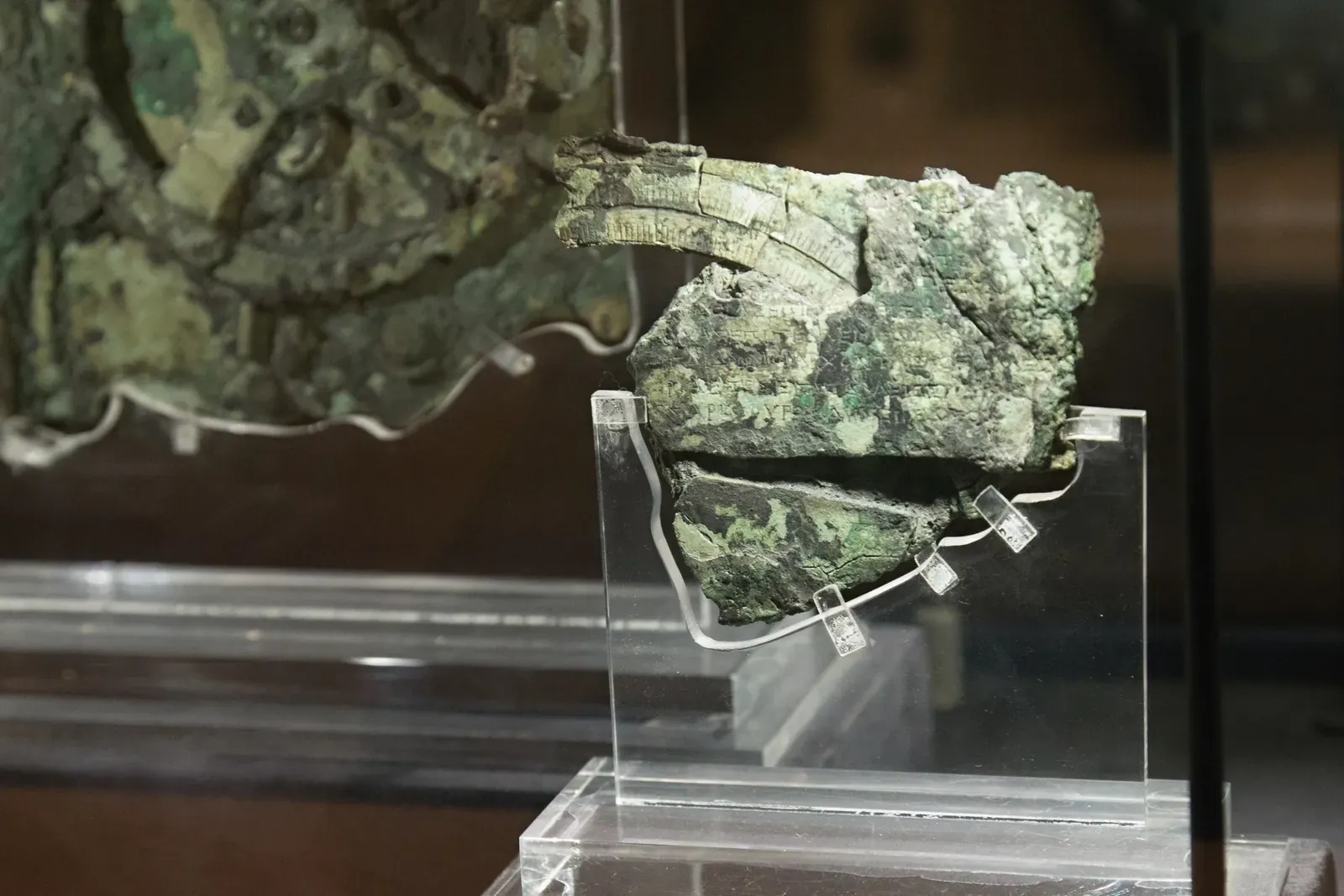
The Mechanism is not only complex internally; its “user interface” is ambitious too. The front shows the zodiac and calendar scales, along with pointers for the positions of the Sun and Moon, and likely the known planets. The back is covered with multiple spiraling dials indicating long‑term cycles and eclipses. In modern language, it is a multi‑page dashboard for the sky, all driven by one turning motion. Other ancient devices tend to display a single quantity at a time: a scale for weight, a dial for water level, or simple marks for time. Here, the maker created a layered information display, with inscriptions explaining the dials and multiple pointers giving the user different types of celestial information on one compact surface. For its era, this level of integrated, multi‑output display design in a mechanical object simply does not have a confirmed parallel.
6. Predicting Eclipses with Encoded Periodicity and Textual Annotations
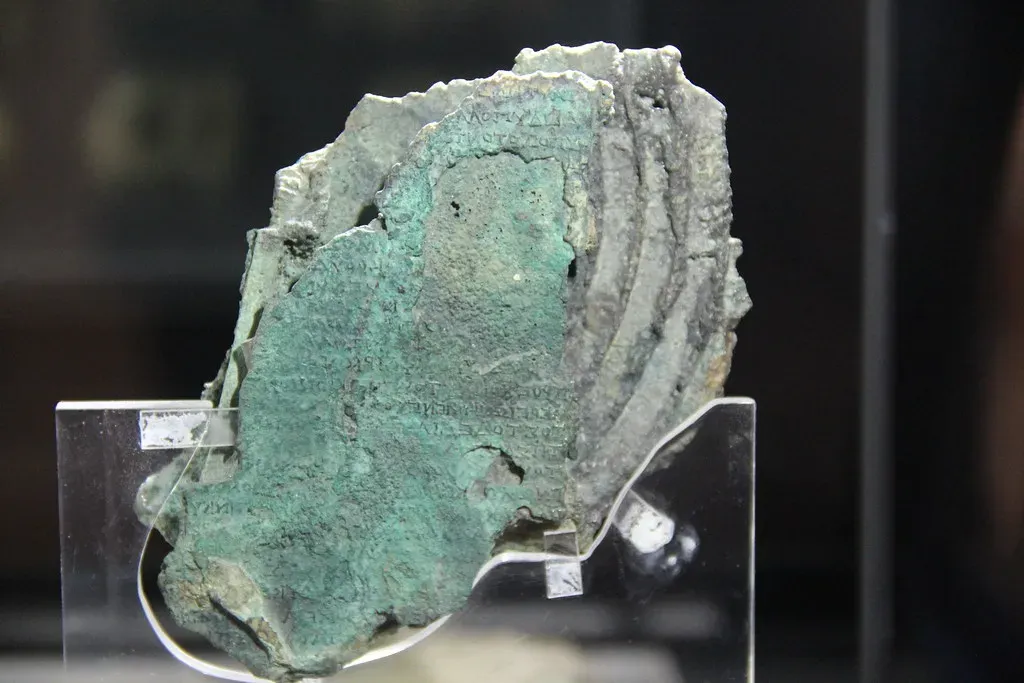
The Antikythera Mechanism does not just say “an eclipse will happen.” The back dials associate specific Saros‑cycle positions with predictions of lunar and solar eclipses, including information about their characteristics written out in tiny inscriptions. That means the device serves as both a calculator and an embedded reference guide, with the metal itself acting as both machine and memory. We do have ancient written eclipse tables and sophisticated mathematical astronomy texts, but we do not have another surviving machine that combines periodic gearing with descriptive labels to produce a kind of physical forecast tool. It is a bit like having a wall calendar that not only marks full moons, but has built‑in rules for which ones will darken the Sun or Moon, crafted entirely in bronze and geared motion instead of in ink and paper.
7. Miniaturized Engineering in a Wooden Box, Not a Monumental Machine
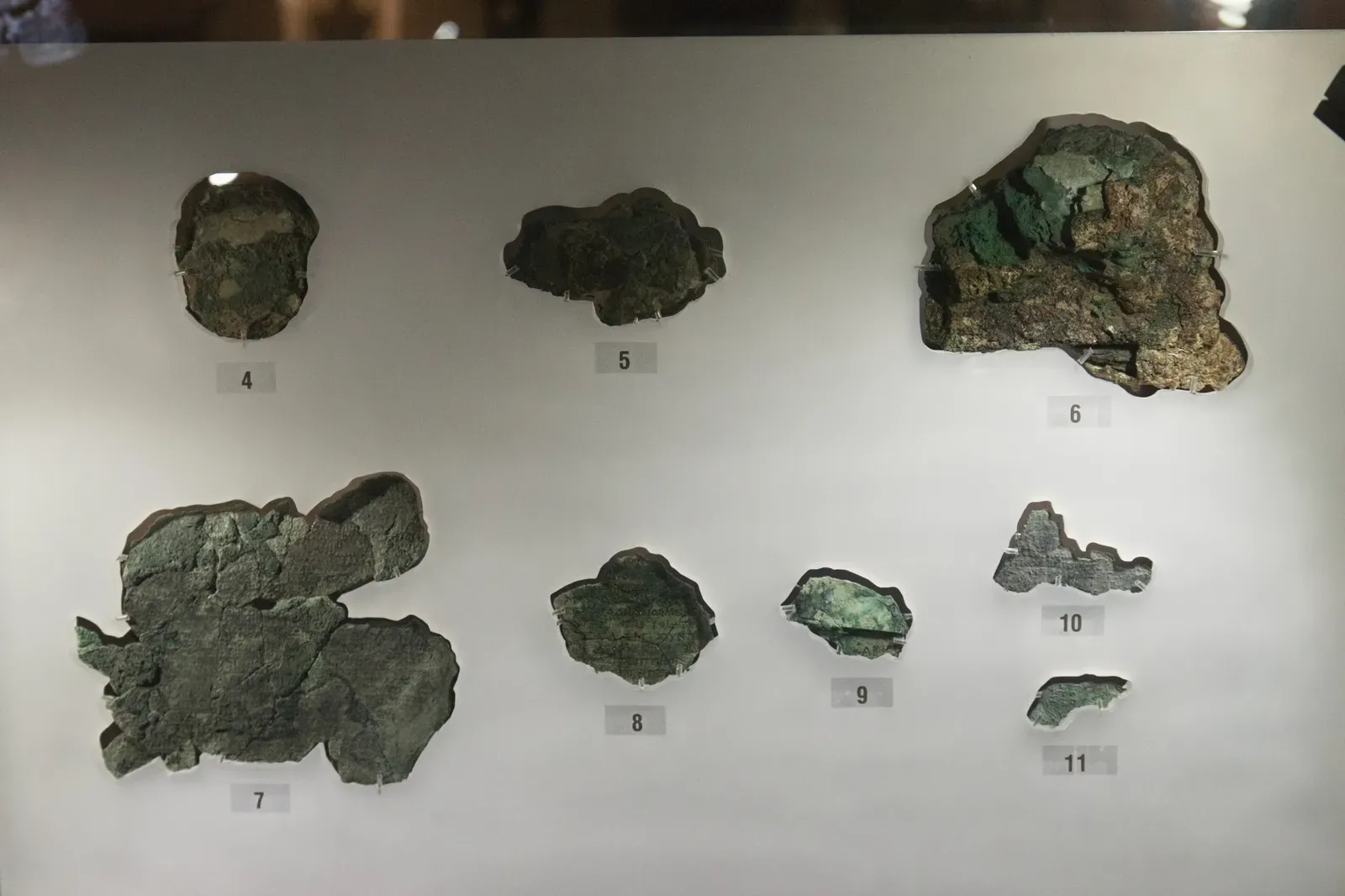
A detail that often gets overlooked is how small and portable the Mechanism probably was in its original wooden case. Many ancient mechanical marvels described in literature – like large theatrical automata or elaborate water clocks – were big public showpieces, meant to impress crowds in temples or civic spaces. This device, by contrast, seems designed to be carried, stored, and handled by individuals, maybe in a domestic or scholarly setting. To miniaturize a complex mechanism, you have to master not only the theory but also the practical side: thin plates, small shafts, precise alignment, and tight tolerances so gears do not jam. In the surviving record from the same era, we see plenty of big engineering but almost no mechanical miniaturization at this level. That mismatch raises uncomfortable questions about where the rest of this tradition went and why we have not found more like it.
8. A Fusion of Mechanical Practice and High‑End Theoretical Astronomy
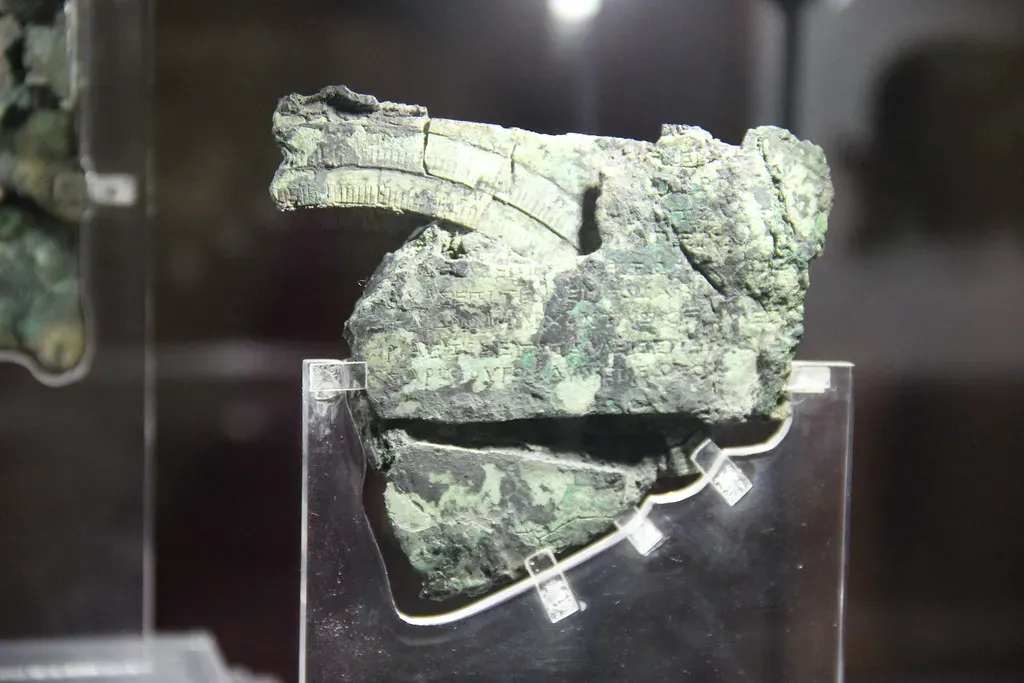
Ancient societies often kept theory and practice in separate worlds: mathematicians worked with diagrams and texts, while artisans worked with wood and metal. The Antikythera Mechanism is stunning precisely because it marries high‑level Greek astronomy with hands‑on craftsmanship in a single artifact. Someone had to understand geometric astronomical models and also know how to translate them into tooth counts, gear ratios, and physical layouts. We have texts that describe planetary models, and we have physical devices like astrolabes that offer observational help, but this deep conversion of theory into a predictive, gear‑driven model is unique among surviving objects of its time. It suggests a rare collaboration or an unusually cross‑trained individual – an engineer‑astronomer whose work did not leave behind a recognizable school or clear line of technological descendants.
9. A Level of System Design That Implies an Invisible Technological Ecosystem
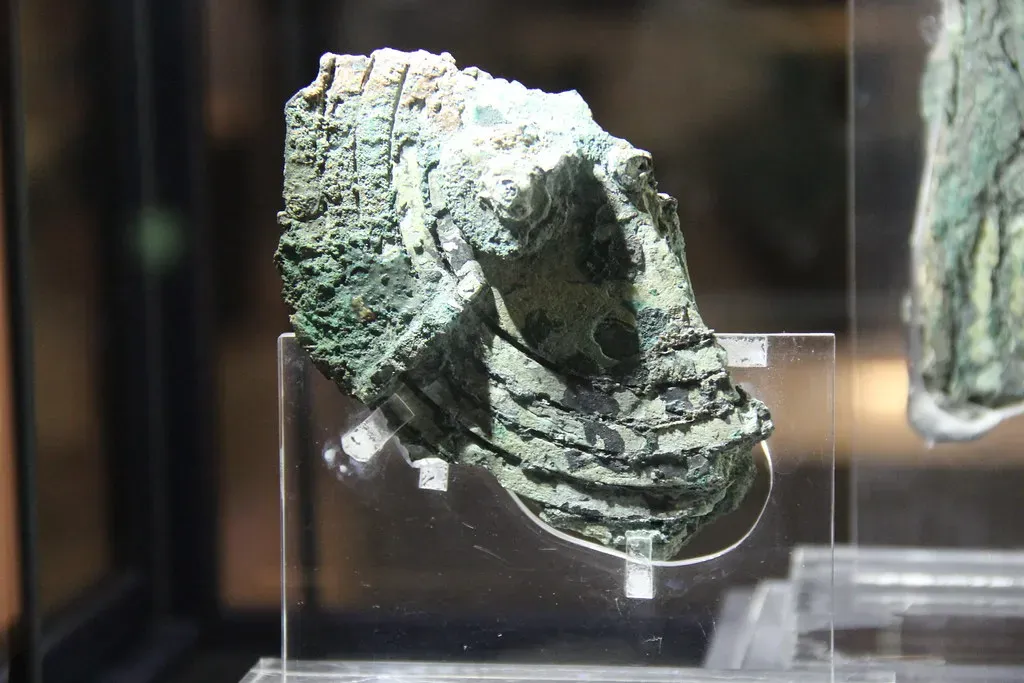
Looking at reconstructions, you get the sense that the Antikythera Mechanism is not a first attempt. It is too polished, too coherent. That implies a whole ecosystem that we have barely glimpsed: workshops, apprentices, previous prototypes, maybe even simpler versions made earlier. Yet from the archaeological record, nothing else this complex has surfaced from the same period or context, leaving this sophisticated device standing almost alone. This isolation is technologically bizarre. Usually, when a culture reaches the point of making something this advanced, we find a spectrum of related artifacts: broken parts, experimental pieces, written manuals, or simpler cousins. With the Antikythera Mechanism, we instead have an almost eerie silence, as if we have stumbled across a single surviving chapter ripped from an otherwise lost book of mechanical history.
10. An Artifact That Forces Us to Rethink the Timeline of Complex Machines
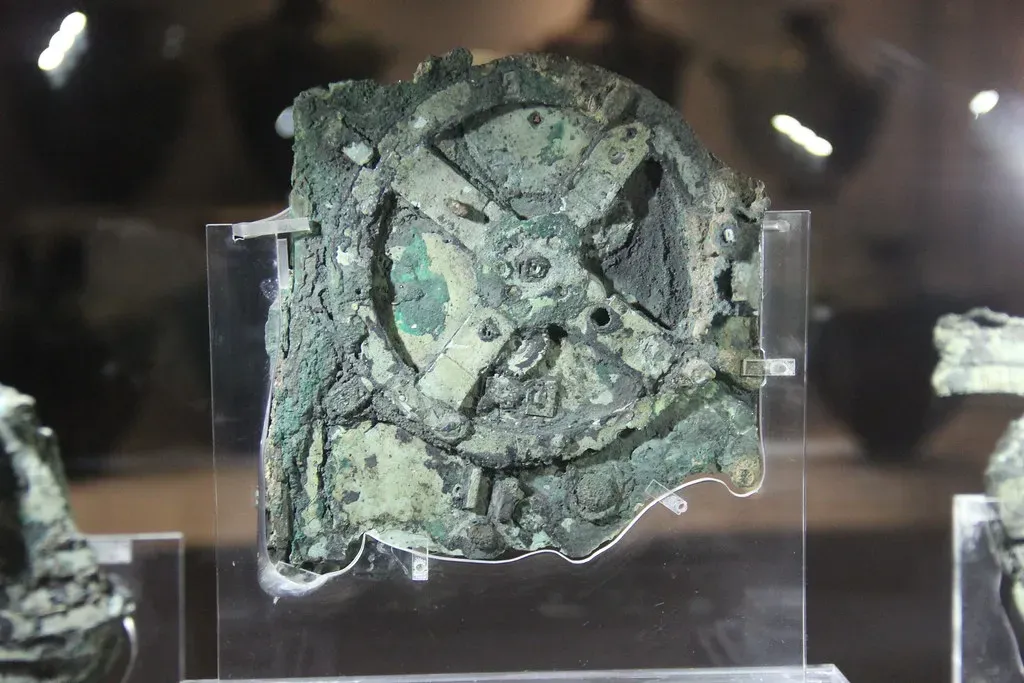
For a long time, many people casually assumed that intricate geared machines really began in the medieval or early modern period, with astronomical clocks in European cathedrals. The Antikythera Mechanism pushes that story centuries backward. It shows that people in the ancient Mediterranean were not just capable of big stone buildings and simple machines; they could also design deeply intricate, purpose‑built computers in metal. To me, the most unsettling part is what this implies about lost knowledge. If a civilization could make something this advanced and yet leave so little trace of its wider use, how many other technological “spikes” have come and gone without a sound? The Mechanism is a humbling reminder that our view of history is built from fragments – and that sometimes, a single corroded box of gears is enough to prove we may be underestimating the past by more than a little.
Conclusion: A Lone Machine That Refuses to Be Ordinary
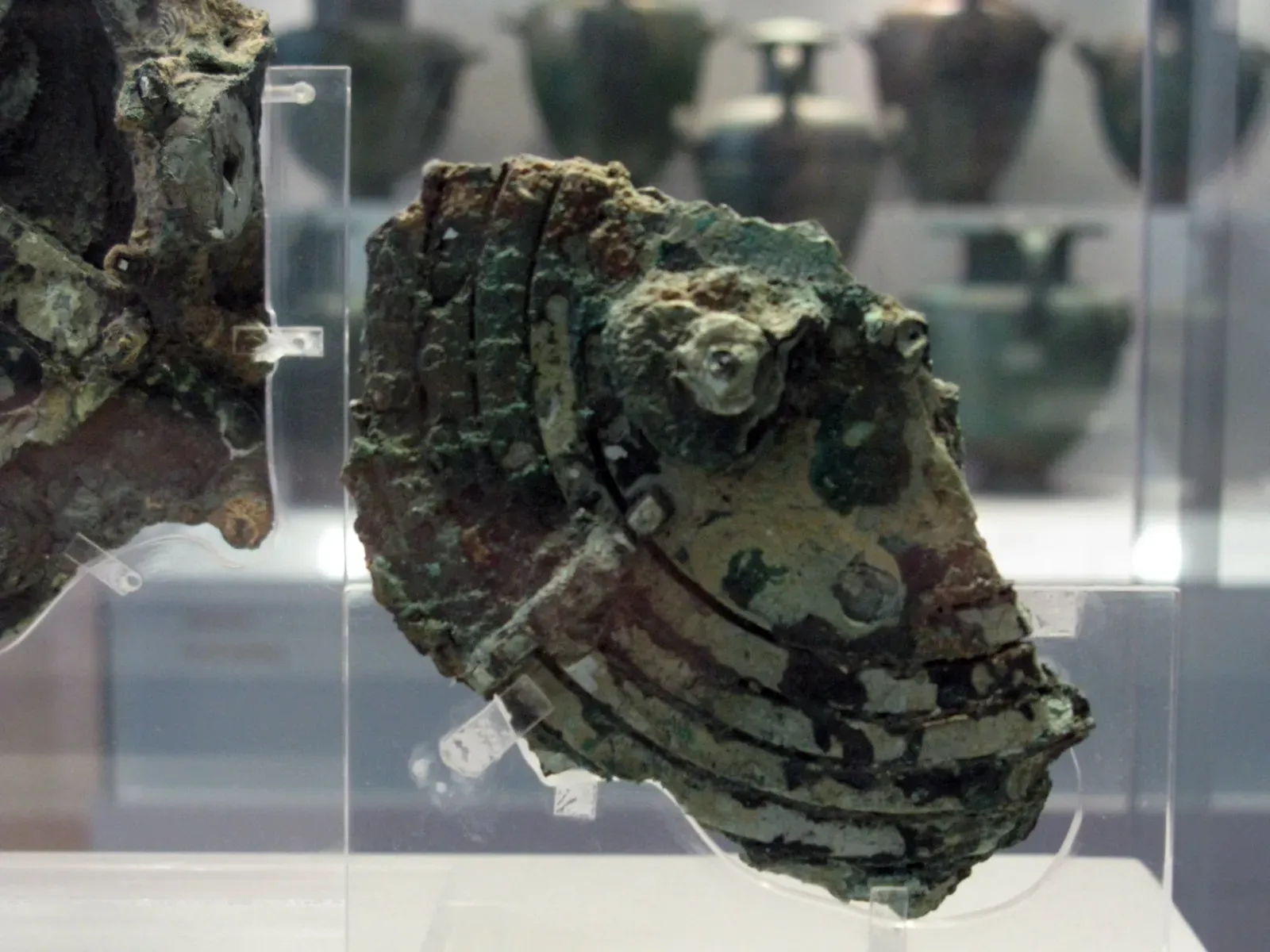
The Antikythera Mechanism sits at an awkward crossroads between what we thought the ancient world could do and what this small box of gears proves it actually did. Its integrated gearing, encoded astronomical cycles, miniaturized engineering, and data‑rich displays all break the pattern suggested by the rest of the archaeological record. It looks less like an outlier and more like the last surviving witness of a missing chapter in the history of technology. My own feeling is that there is nothing “mystical” about it – no need to invoke lost super‑civilizations – but there is also no comfortable way to fold it neatly into our old narratives. It is evidence that sophisticated ideas can bloom, peak, and vanish, leaving behind only a single, battered artifact to tell the story. The real question is not whether the ancient Greeks were capable of this – they clearly were – but how much else like it we have yet to find, or have already lost forever. When you picture the ancient world now, can you still see it without that quiet little bronze computer ticking away in the background?