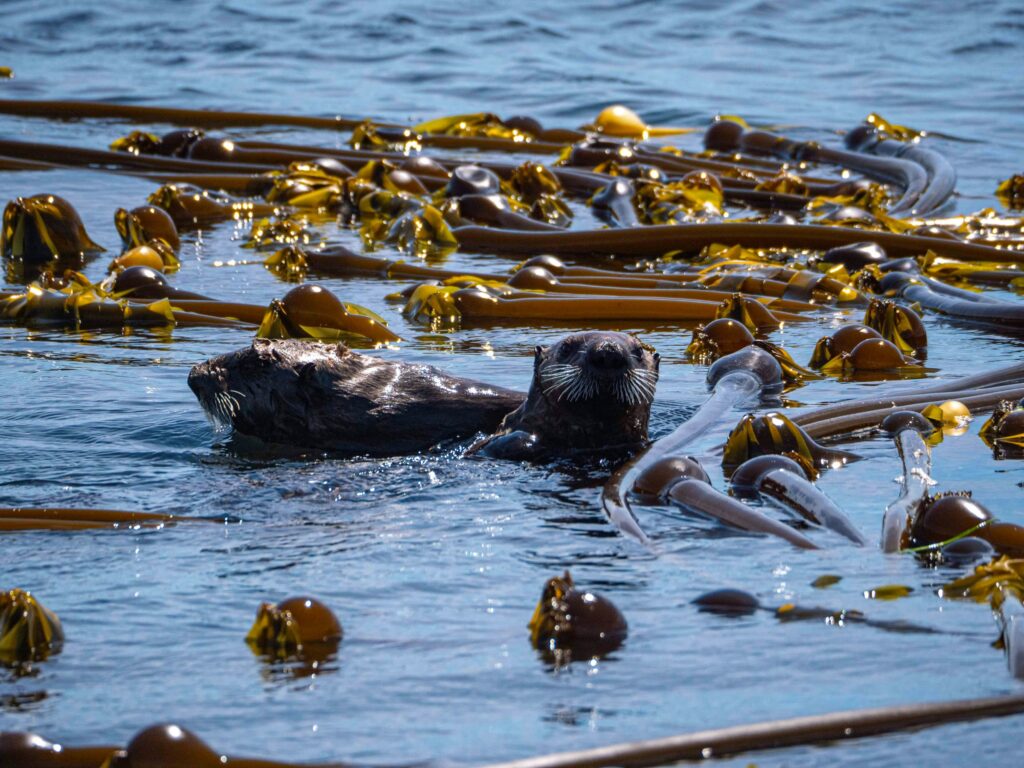

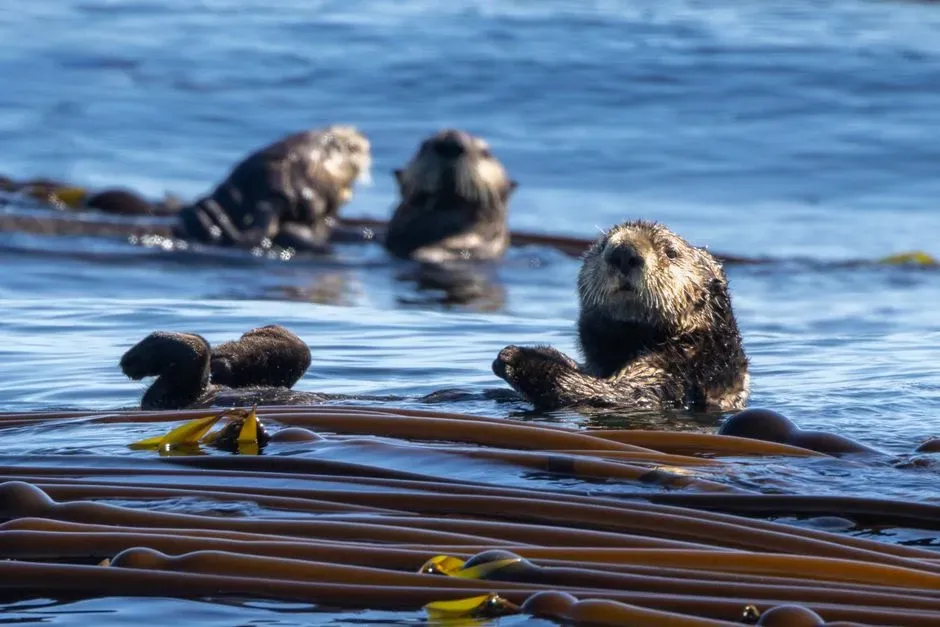
If you picture a sea otter, you probably see a fluffy little face, paws in the air, maybe holding a rock or a clam. Cute, right? But hidden under that cuteness is something a lot more powerful: sea otters are quietly holding together one of California’s most important coastal ecosystems.
California’s kelp forests have been hit hard in the last decade by marine heatwaves, urchin explosions, and shifting ocean conditions. In all that chaos, sea otters turn out to be one of the few players actually pushing things back toward balance instead of further off the rails. Once you see how much they do for kelp forests, it’s honestly hard to look at them as just “adorable animals” ever again.
1. Sea otters keep sea urchins in check before they explode
Imagine giving free rein to millions of tiny lawnmowers in a forest and then being surprised when there are no trees left. That is basically what happens when sea urchins run wild without predators: they chew through kelp holdfasts, the root-like anchors, and turn vibrant forests into what scientists call urchin barrens, bare rock with a few purple urchins clinging to life. Sea otters are one of the most effective natural brakes on this process because sea urchins are one of their favorite foods.
When otters are present, they selectively hunt the biggest, juiciest urchins, the ones that do the most damage to kelp and produce the most offspring. By constantly picking off these large urchins, otters keep the whole urchin population smaller, less destructive, and more in balance with what the kelp forest can support. Without this top-down pressure, urchins can multiply and overgraze so intensely that kelp forests collapse faster than they can recover, especially during warm-water events or after disease wipes out other urchin predators.
2. Their hunting behavior physically reshapes the seafloor community
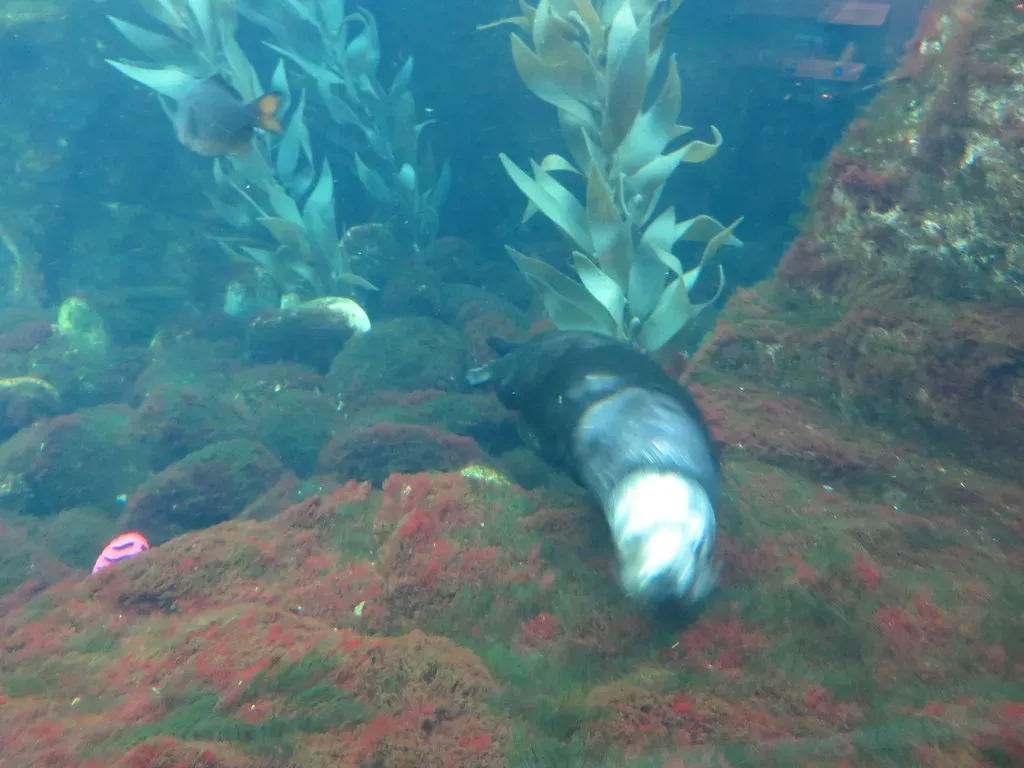
Sea otters are not gentle eaters. They dig, pry, hammer, and rummage through cracks and crevices on the rocky seafloor, constantly disturbing patches of habitat as they search for crabs, snails, abalone, and urchins. This physical disturbance might sound destructive, but it actually prevents any single grazer or competitor from completely taking over the bottom. In a way, otters are like perpetual gardeners, pulling out dominant species before they can choke out everything else.
That constant turnover opens up small spaces where young kelp can attach and grow. It also makes room for a more diverse set of algae and invertebrates, which collectively help stabilize the habitat and spread risk: if one species gets hammered by disease or heat, others can fill in the gap. So otters are not just controlling numbers of prey; their foraging literally rearranges the neighborhood on the seafloor in a way that keeps kelp forests flexible and more resilient to shocks.
3. Sea otters indirectly boost kelp growth and carbon storage
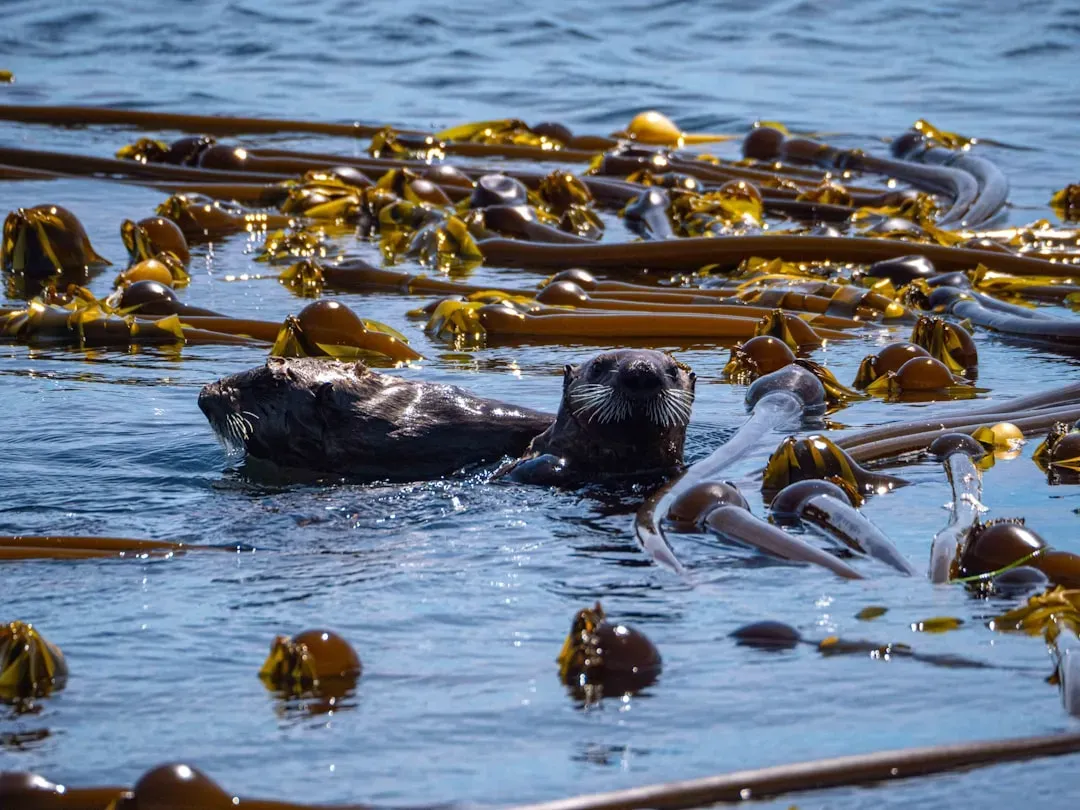
By eating urchins and other kelp grazers, otters free up a lot of kelp that would otherwise be turned into bite marks and empty stipes. That means thicker, taller kelp canopies that capture more sunlight, produce more oxygen, and support more life from top to bottom. When kelp thrives, it pulls carbon dioxide out of the water and the atmosphere through photosynthesis, turning it into biomass that can be stored for a while in the forest or carried away when kelp fronds break off and sink.
Scientists still debate exactly how much carbon otter-protected kelp forests can stash away, and it’s easy to oversell them as a magic climate fix. But there is solid evidence that where otters are present and healthy, kelp tends to be denser and more productive than in nearby areas without otters. In a warming world, any natural ally that both strengthens ecosystems and slightly improves carbon uptake is worth paying attention to, even if it cannot solve climate change on its own.
4. Kelp forests with otters support richer biodiversity
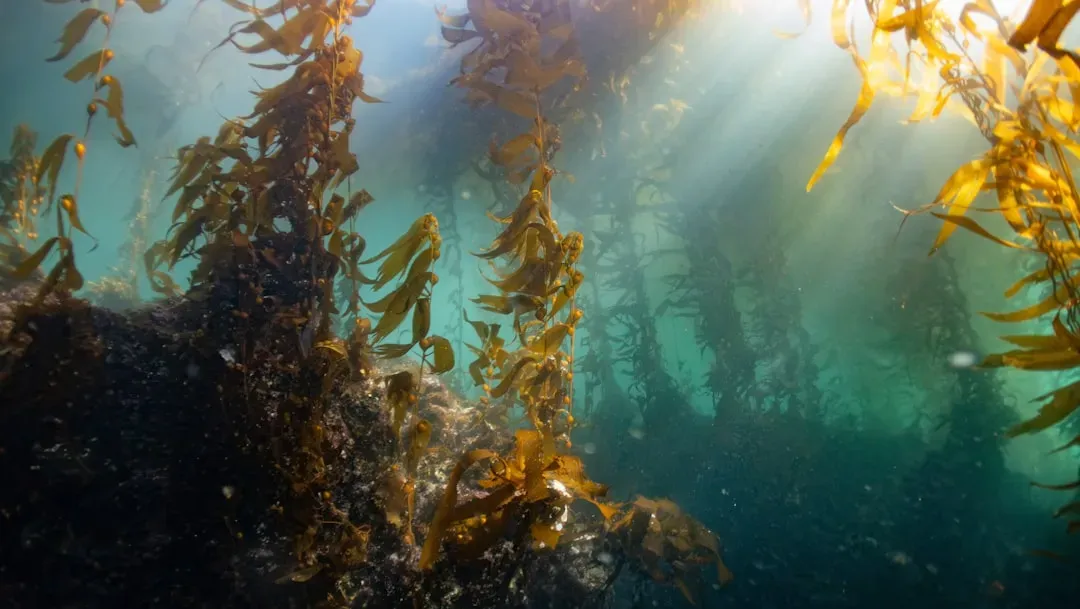
Walk through a healthy kelp forest, and it feels like an underwater city: fish weaving between fronds, snails grazing on blades, crabs hiding under rocks, and sea stars creeping slowly along. When otters do their job as top predators, that underwater city tends to have more stories, more side streets, and more residents. By stopping urchins from stripping the place bare, they make it possible for a wide variety of species to find both shelter and food among the kelp.
More complex kelp stands also create different layers of habitat from the canopy near the surface down to the holdfasts on the rock. Juvenile fish can hide in the dense lower kelp, adult rockfish can cruise through midwater, and seabirds can forage near the top where small schooling fish gather. That layered structure collapses when kelp disappears, and so does much of the life that depends on it. Otters do not single-handedly create that biodiversity, but in California they are one of the main reasons it can persist in the face of so many pressures.
5. Otters help coastal communities by supporting fisheries and tourism
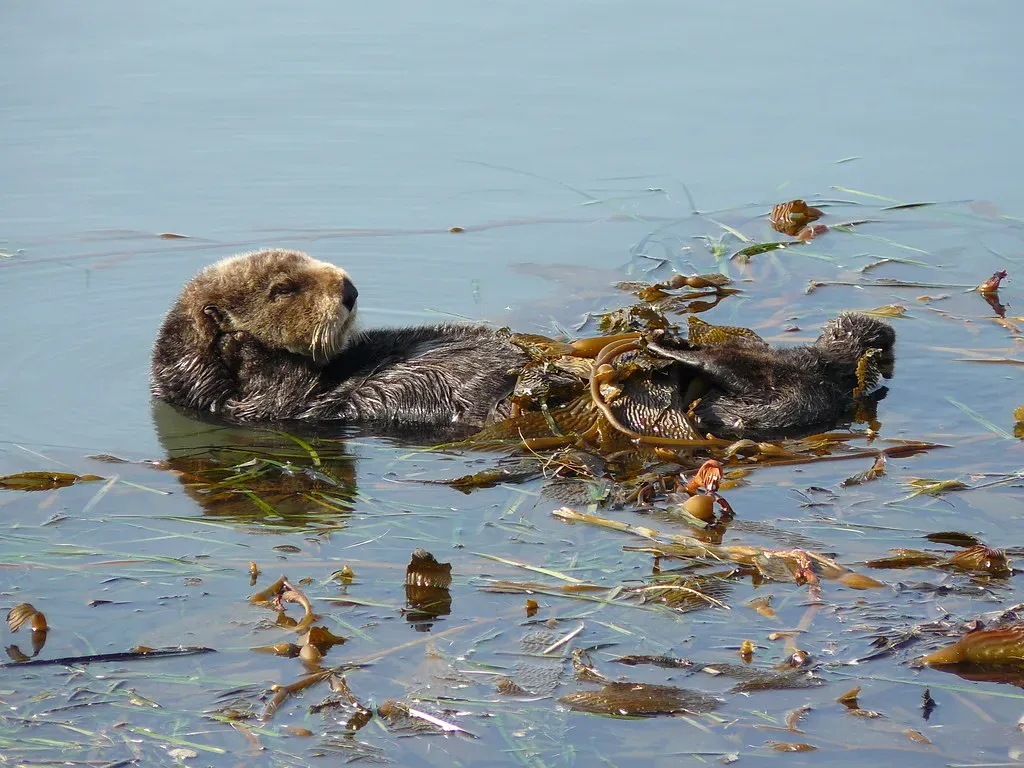
Here is where things get complicated and frankly a little contentious. Some fisheries, especially those targeting urchins or abalone, can see otters as competitors for valuable shellfish. But when you zoom out beyond any single species, kelp forests with otters tend to support more stable fish communities over time, which can benefit certain commercial and recreational fisheries. Bigger, healthier kelp forests can provide nursery grounds for rockfish, lingcod, and other species that people care about catching.
On top of that, otters themselves are a tourism magnet. Coastal towns in California that have visible sea otter populations see people traveling specifically to watch them raft up in kelp, dive for food, and groom in the surf. Those visitors spend money in local businesses, take boat tours, and support jobs built around healthy coastal ecosystems rather than extractive boom-and-bust cycles. If we are honest, the economic value of a living, thriving kelp forest with otters probably outweighs the short-term gains of squeezing a few more shellfish out of an already stressed system.
6. Sea otters make kelp forests more resilient to environmental change
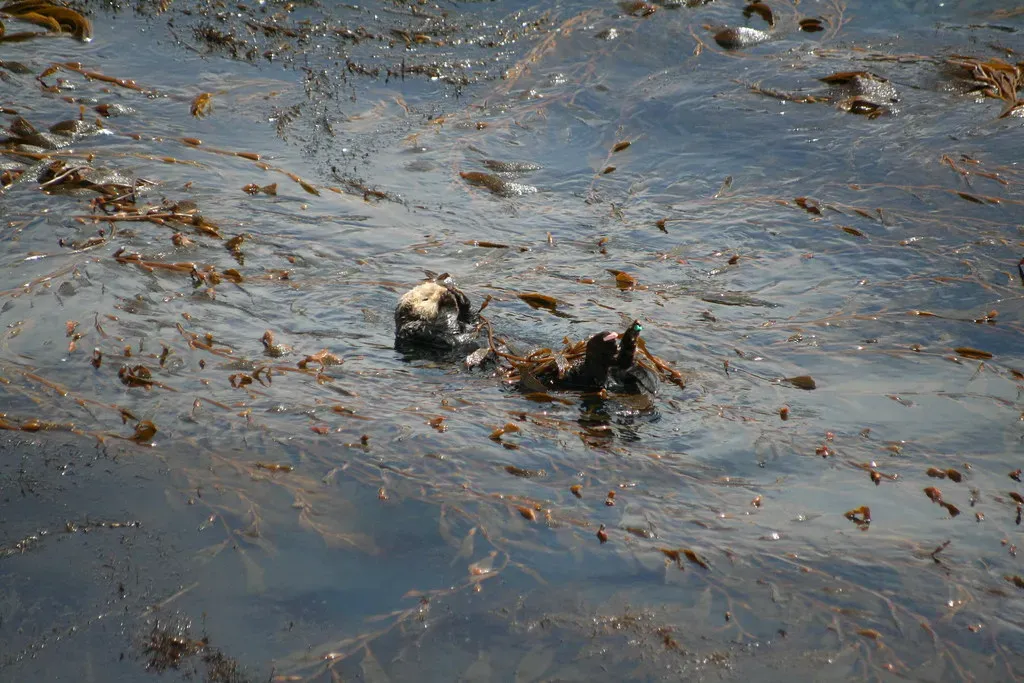
California’s oceans are not the same as they were a generation ago, and they are not going back. Marine heatwaves, shifting currents, and more frequent extreme events have already knocked kelp forests down in many regions, especially where other stressors like disease have hit at the same time. In that context, sea otters are less a luxury and more a resilience tool: they give kelp forests a better shot at surviving and recovering in a harsher world.
By holding urchin numbers down, maintaining a more varied seafloor community, and allowing kelp to grow thicker and taller, otters reduce how far the ecosystem falls when conditions go bad. Even if a warm-water event kills off a lot of kelp, the system can bounce back faster if hungry urchins are not waiting in massive numbers to devour every new blade. You can think of otters as a kind of ecological shock absorber, softening the blow of environmental stress so the forest has a chance to rebuild itself instead of tipping into a long-term barren state.
7. Their recovery is a test of what California really values on its coasts
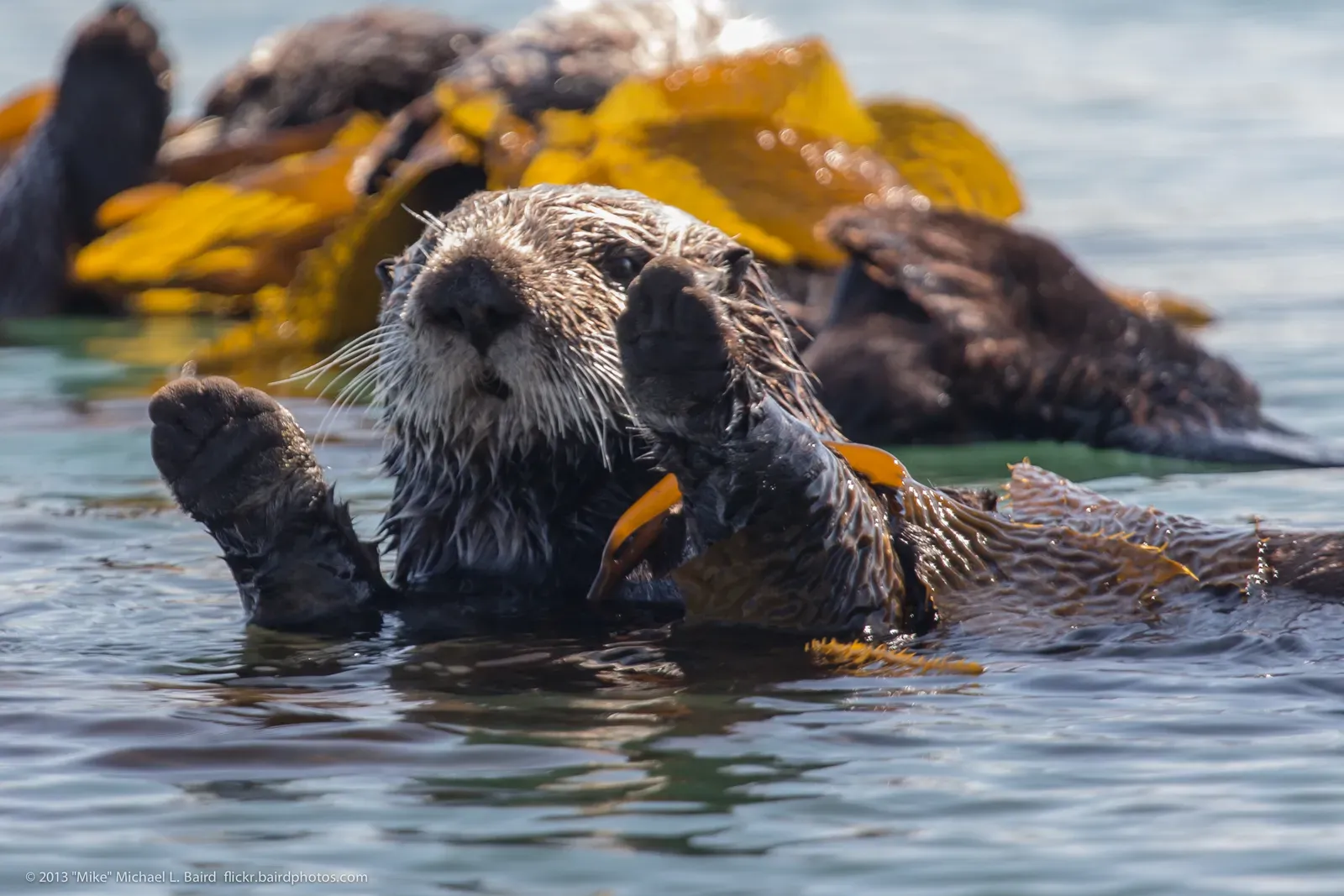
It is easy to say we care about healthy oceans and thriving wildlife; it is harder when that commitment runs up against development, fisheries, and short-term profit. Sea otters sit at the center of that tension. They matter to kelp forests because of what they eat and how they hunt, but they also matter as a symbol of whether California is willing to share its coast with a top predator that does not always fit neatly into human plans. How we handle otter recovery will say a lot about the kind of coastline we are building for the future.
In my view, leaning into otter recovery is not just an emotional choice because they are cute; it is a rational bet on long-term ecosystem health. A coast with otters, robust kelp forests, and all the messy, dynamic life that comes with them is more interesting, more resilient, and frankly more honest than a coast stripped down to whatever is easiest to harvest. If California wants kelp forests that still exist and still function thirty or fifty years from now, making room for sea otters is not optional; it is the baseline.
Conclusion: Sea otters are not a bonus, they are the backbone
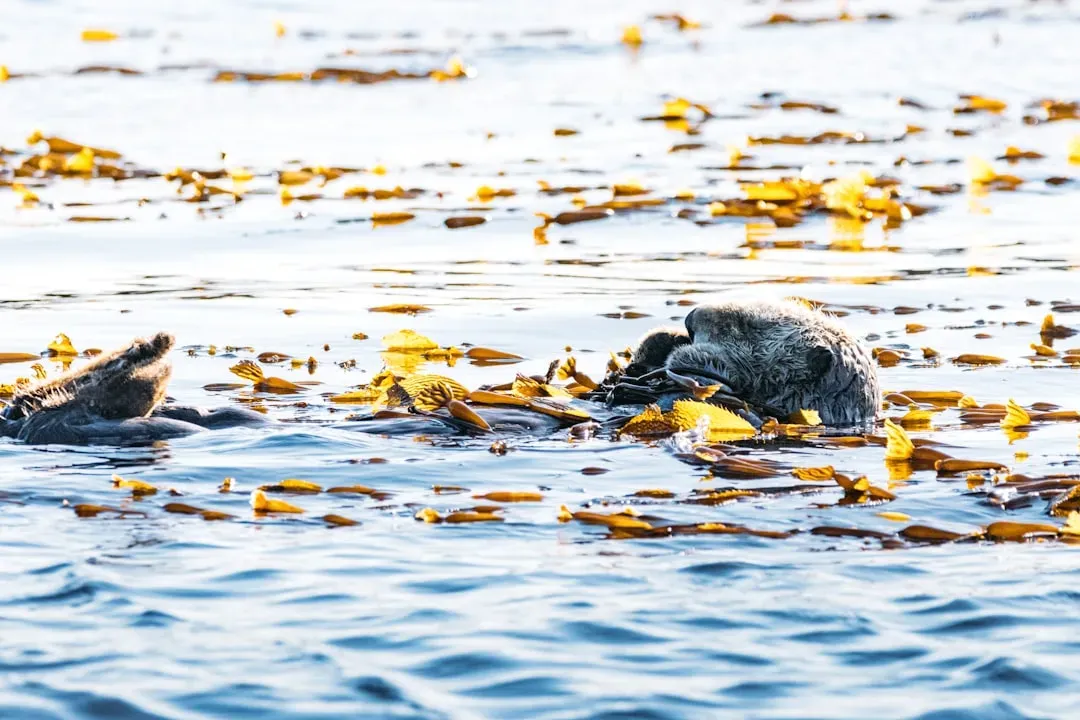
When you strip away the sentiment and the social media photos, sea otters are still one of the most important players in California’s kelp forests. They keep urchins in line, reshape the seafloor, indirectly boost kelp growth and carbon storage, support a richer web of life, and make the entire system more resilient to the shocks that are already here. The fact that they are also deeply charismatic is almost a distraction from how hard they are working behind the scenes just to keep these underwater forests alive.
My honest opinion is that treating otters as negotiable, as something we can “allow” only where they do not bother anyone, is backwards. The default should be that they belong, and if our uses of the ocean cannot coexist with them, maybe it is our uses that need to adapt. Next time you see a sea otter floating on its back in a kelp bed, it is worth asking yourself: are we looking at a cute animal, or at the small, furry backbone of an entire coastal ecosystem – and which one matters more for the future we say we want?