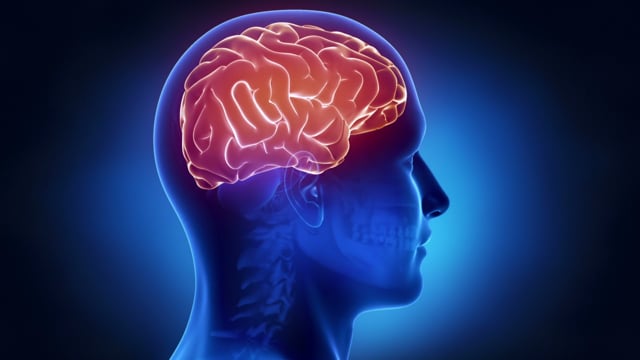
You have probably had a moment that made your skin crawl for no obvious reason: a sudden chill, a knot in your stomach, or a sense that something terrible was about to happen. Later, you found out there really was a crisis unfolding nearby, or someone had just been badly hurt. Experiences like that make you wonder if your brain is quietly scanning for danger and even for death in the background, long before you consciously notice anything.
Modern neuroscience does not claim that you have a magical sixth sense. But it does suggest that your brain is an insanely sensitive prediction machine, constantly reading subtle cues from bodies, faces, sounds, and environments. Some researchers now think that, in extreme situations, this prediction system can lock onto the pattern of “life ending,” creating the eerie feeling that death is in the air. You are not sensing a ghost; you are picking up on biology, probability, and risk before you can put words to it.
The Brain As a Survival Radar, Not a Crystal Ball
When you walk into a room, you might feel like you are just “seeing what is there,” but your brain is actually doing something closer to radar. It takes tiny fragments of information – how tense people look, the smell in the air, unusual silence, the way furniture is knocked over – and rapidly compares them with memories of past situations, including those linked with serious injury or death. You experience the result as a gut feeling rather than a neat, logical explanation.
This survival radar is powered by areas like your amygdala, insula, and prefrontal cortex, which constantly work together to estimate danger levels. They do not know the future, but they are very good at spotting patterns that usually mean something bad is either happening or about to happen. When the pattern looks close to “irreversible harm,” you feel it as dread, a sense that something final is unfolding. That is why your body sometimes reacts as if a line is being crossed, even before you consciously realize why.
How Your Senses Quietly Detect Signs of Failing Life

You might assume that sensing death would require some mystical perception, but a lot of it comes down to senses you already use every day, just pushed to their limits. Your brain can register tiny changes in skin color, breathing rhythm, and body posture in the people around you. If you have ever looked at someone and instantly known they were extremely unwell, that was your visual system decoding a flood of biological signals you could never fully describe.
Your nose and ears chip in, too. You may not consciously notice the smell of blood, infection, or extreme stress hormones on sweat, yet your brain definitely does. Sudden silence after a loud crash, strange gasping sounds, or unnatural stillness can all trigger deep alarm. Over time, especially if you have cared for sick people or witnessed accidents, your brain quietly builds a library of “this is what humans look and sound like when they are close to dying,” and it can pull that file almost instantly.
Threat Circuits: Why Your Body Reacts Before You Can Think

When danger is even possible, your brain’s priority is not to keep you calm; it is to keep you alive. That is why your heart can start racing before you have any idea what is wrong. The amygdala can trigger a stress response in your body within fractions of a second, based on raw sensory input that never gets translated into clear thoughts. You feel it as a jolt of fear, a lump in your throat, or the urge to move away from a situation without knowing exactly why.
In situations where death is likely – like a serious car crash, a collapsing building, or a medical emergency – these threat circuits can go into overdrive. You might notice tunnel vision, distorted time, or an eerie sense of watching events from outside your body. Your nervous system is reallocating resources, shutting down less urgent functions and flooding your muscles with energy. What you remember later as “I sensed death” often started as your threat circuits quietly deciding, in an instant, that this could be the end for someone in front of you, or even for you.
Predictive Brains: How You Anticipate the End Before It Arrives
One of the most surprising ideas in modern neuroscience is that your brain is not mainly reacting to the world; it is predicting it. At every moment, your brain is guessing what should happen next and comparing that guess with reality. When things match, you feel normal. When they do not, you feel surprise, anxiety, or that creepy sense that something is very wrong. This prediction engine is especially tuned to patterns that matter for survival, like when a body is moving from struggling to still, or when sound shifts from chaotic to disturbingly quiet.
If you spend enough time in intense environments – hospitals, disaster zones, dangerous jobs – your prediction system gets better at forecasting when life is about to slip away. You might start recognizing subtle sequences: the way someone’s breathing changes, the look in their eyes, or how other people around them react. Your conscious mind might only notice a vague heaviness or certainty that the outcome is going to be bad, but underneath, your brain is essentially running statistics and concluding that death is now the most likely next step.
Why Some People Are More Sensitive to Death Cues Than Others
You have probably met people who seem to know when a situation is about to turn tragic, and others who appear oblivious until it is too late. This is not just personality; it is also training, exposure, and biology. If you work as a nurse, paramedic, firefighter, or in any role that deals with life and death, your brain is constantly being calibrated. You get repeated feedback about what early warning signs really matter and which ones are false alarms, and your nervous system adjusts over time.
Genetics and past trauma also play a role. If you have gone through serious danger yourself, your brain may become hypervigilant, scanning for any hint that a threat is returning. That can mean you sometimes overpredict disaster, but it can also mean you notice real danger before others do. In contrast, if you have led a very sheltered life, your system may be less tuned to the specific nuances of dying, so you might miss cues that others would immediately feel in their bones.
What This Means for You: Listening to Your Gut Without Losing Your Head

Knowing that your brain is wired to pick up on serious danger can actually be empowering. When you get a strong, persistent bad feeling in a situation – especially if there are concrete signs of risk like reckless driving, medical distress, or escalating conflict – it is worth listening. Your nervous system does not always come with subtitles, but it is often responding to real-world cues that you have learned about over a lifetime. Taking a step back, calling for help, or checking on someone is a rational way to respect those signals.
At the same time, you live in a world where anxiety, stress, and constant bad news can make your internal alarm system oversensitive. If you feel like you are constantly sensing doom, that is less about actual death nearby and more about your brain being stuck in high alert. In that case, what helps is not trying to predict the worst, but learning how to calm your system: sleep, movement, therapy, and supportive relationships. Your gut feeling is a tool, not a prophecy, and using it well means balancing intuition with clear-eyed observation.
Conclusion: A Brain Built to Notice When Life Is on the Line
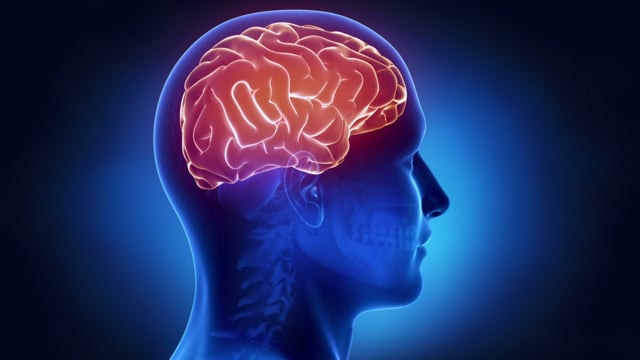
When you strip away the myths, the idea that you can sense death nearby turns out to be less supernatural and more deeply human. Your brain is designed to obsess over survival, to detect shifts in breathing, color, movement, sound, and mood long before your conscious mind catches up. In rare, intense moments, that hidden processing can rise to the surface as a powerful sense that something final is unfolding, that a line is being crossed from life toward its end.
You will probably never know how many close calls your nervous system has quietly helped you avoid, or how many times it has nudged you to pay attention when someone’s life was in danger. What you can do is respect that ancient radar without surrendering to fear, notice its signals, and pair them with thoughtful action. In a world where life can change in a heartbeat, is it really so surprising that your brain has evolved to feel when the stakes are that high?