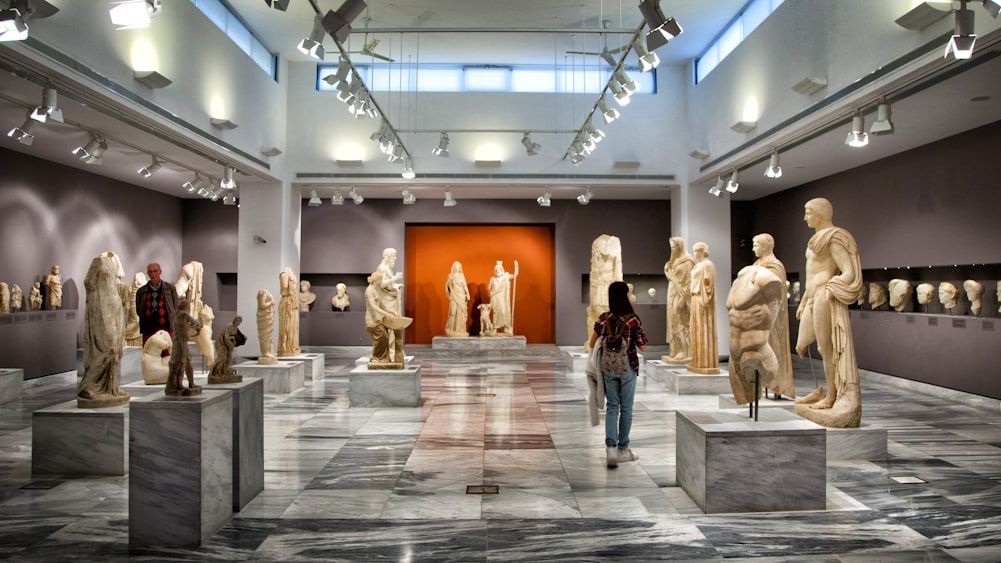

There is something strangely unsettling about knowing that some of the most important objects from human history are not in glass cases, but in basements, bank vaults, and anonymous storage crates. We like to imagine that the past, once unearthed, is immediately shared with everyone, yet a surprising number of major finds have spent years or even whole lifetimes out of sight. Sometimes it is politics, sometimes looting, sometimes pure academic caution that keeps them hidden, but the result is the same: a secret history just below the surface.
In this article, we’ll walk through a dozen real archaeological discoveries that were kept away from the public eye for long stretches of time. Some were locked up in museum stores, others in private collections, and a few were quietly studied by specialists for years before anyone outside a small circle even knew they existed. Think of it as opening a series of sealed envelopes from the past: each one changes how we see ancient people, and each one reminds us how much of history still sits in the dark.
The Dead Sea Scrolls Bottleneck: Ancient Texts in Scholarly Limbo
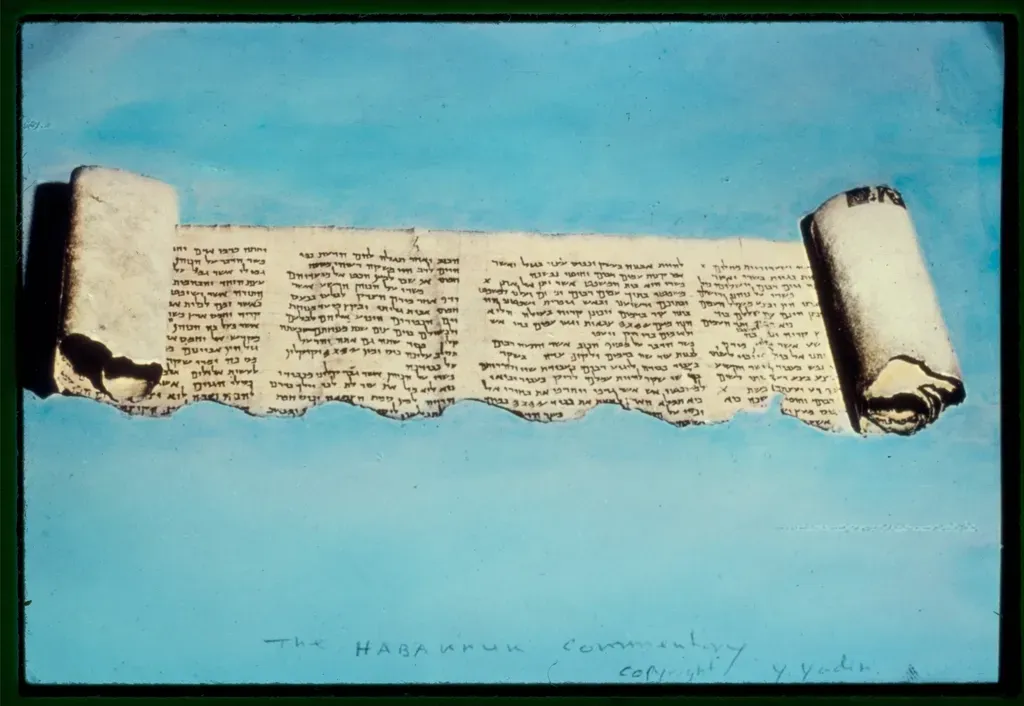
Few stories capture the tension between discovery and access more than the Dead Sea Scrolls. Found beginning in the late 1940s in caves near Qumran, these two‑thousand‑year‑old Hebrew and Aramaic manuscripts completely reshaped our understanding of Judaism in the Second Temple period. Yet for decades, only a small, tight‑knit group of scholars could see many of them, while the wider academic world and the public were kept at arm’s length. It was like having the key chapters of a book on human religious history locked in a private reading room.
For roughly about forty years after their discovery, photographs and fragments of some scrolls remained unpublished or extremely hard to access, leading to growing frustration and even conspiracy theories. Eventually, pressure from other researchers, journalists, and governments pushed for wider release, and the material slowly opened up. Looking back, the episode is a stark example of how knowledge can be delayed not because of technology or funding, but because of human control over who gets to see what. It still colors debates about who “owns” the past and who gets first rights to interpret it.
The Oxyrhynchus Papyri: A City Dump Turned Quiet Treasure Vault
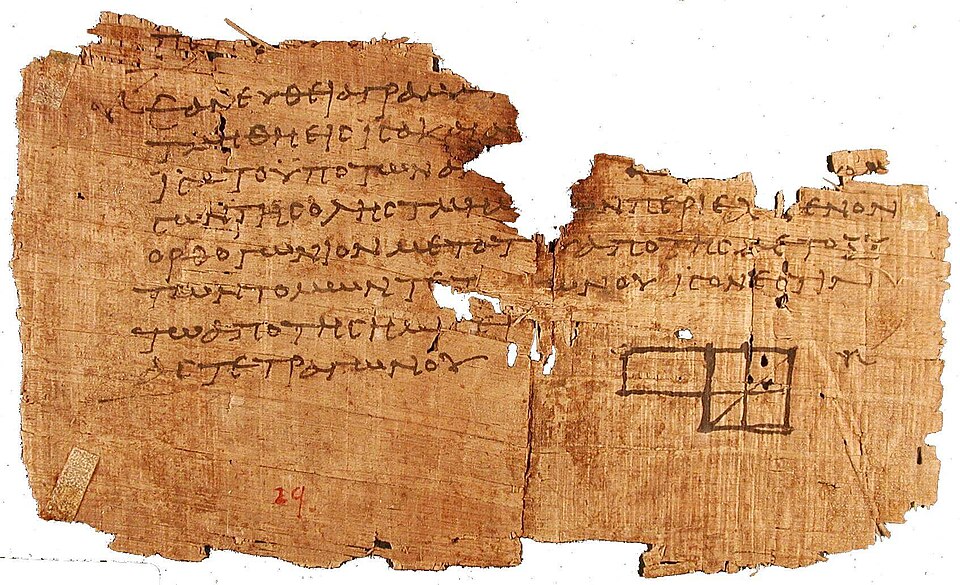
In the late nineteenth and early twentieth century, archaeologists excavating the ancient Egyptian town of Oxyrhynchus pulled out mountains of papyrus from an old rubbish heap. Hidden in that sun‑baked trash were lost plays of Greek dramatists, forgotten gospels, private letters, tax lists, and everyday scribbles that give a raw, intimate look at life under the Roman Empire. Yet despite the dramatic promise, the vast majority of these texts have never been displayed for the public and have trickled into print painfully slowly.
Huge numbers of papyrus fragments remain stored in archives and boxes at institutions like the University of Oxford, where specialists painstakingly piece, decipher, and publish them over years and decades. From the outside, that can feel infuriatingly slow: an entire ancient city’s paper trail exists, but most of us will never lay eyes on it. At the same time, the Oxyrhynchus project is a reminder that archaeology is not only about spectacular statues and golden masks; it is also about boxes of fragile, brown scraps quietly sitting in climate‑controlled rooms, hiding stories that may not see the light of day for generations.
The Saqqara Cache of Animal Mummies: Years in Storage Before the Spotlight
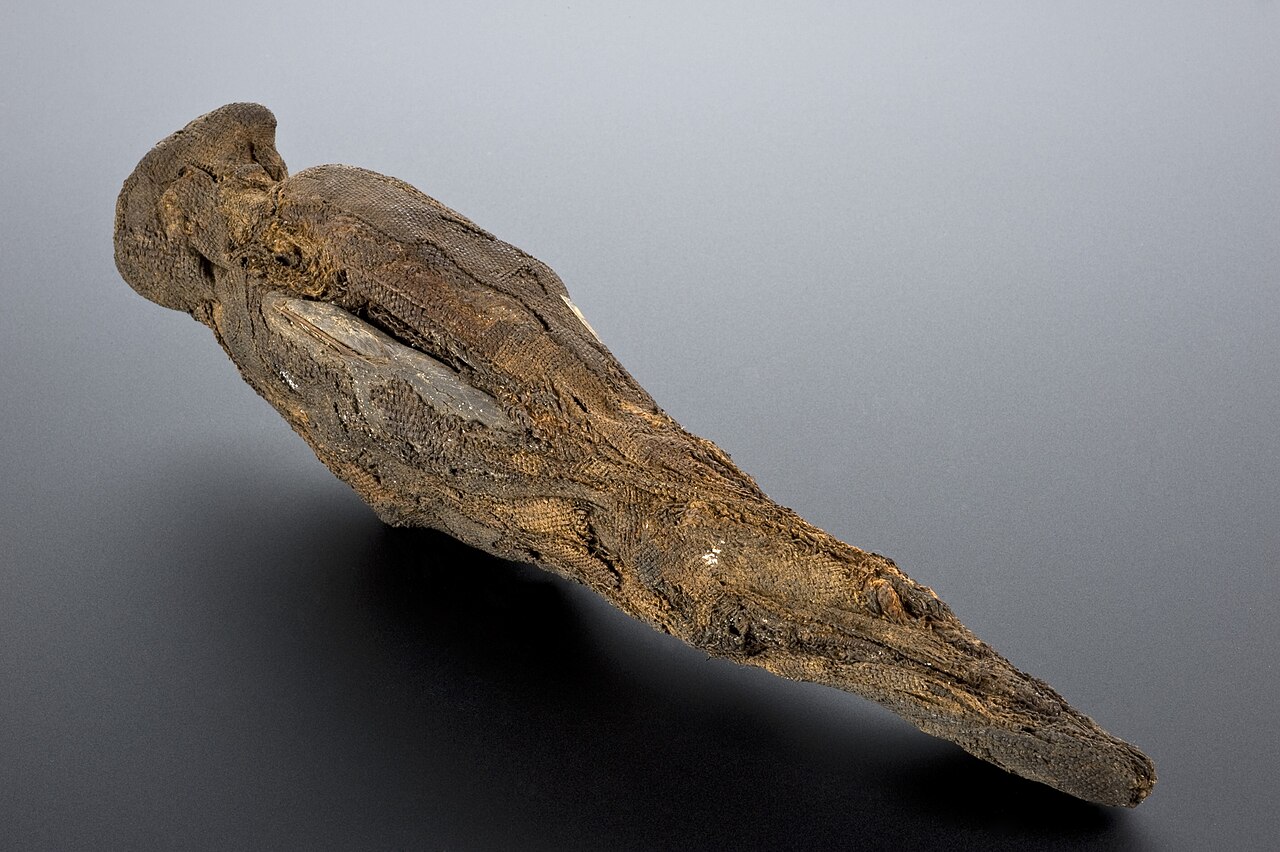
Egypt’s Saqqara necropolis has been excavated for more than a century, but recent decades have seen a wave of discoveries of animal mummies and associated structures that upended how we think about sacred animals and temple economies. Vast underground galleries filled with mummified ibises, cats, crocodiles, and other creatures show that animal cults were industrial in scale, involving breeding, sacrifice, and offerings on a staggering level. What many people do not realize is that substantial numbers of these mummies and associated objects spent long stretches in storerooms before anyone outside the field paid attention.
For years, crates of animal mummies were logged, labeled, and tucked away while excavators focused on grander human burials that seemed more glamorous to funders and media. It took newer, more scientific approaches – CT scans, isotopic analysis, and careful zooarchaeology – to pull these “secondary” finds back into the spotlight and reveal their real importance. To me, this is one of the most striking examples of how museum basements can literally hold an unseen economy of the ancient world, waiting for a shift in questions and technology before they become headline material.
The Antikythera Shipwreck’s Overlooked Fragments: Tech History in a Crate
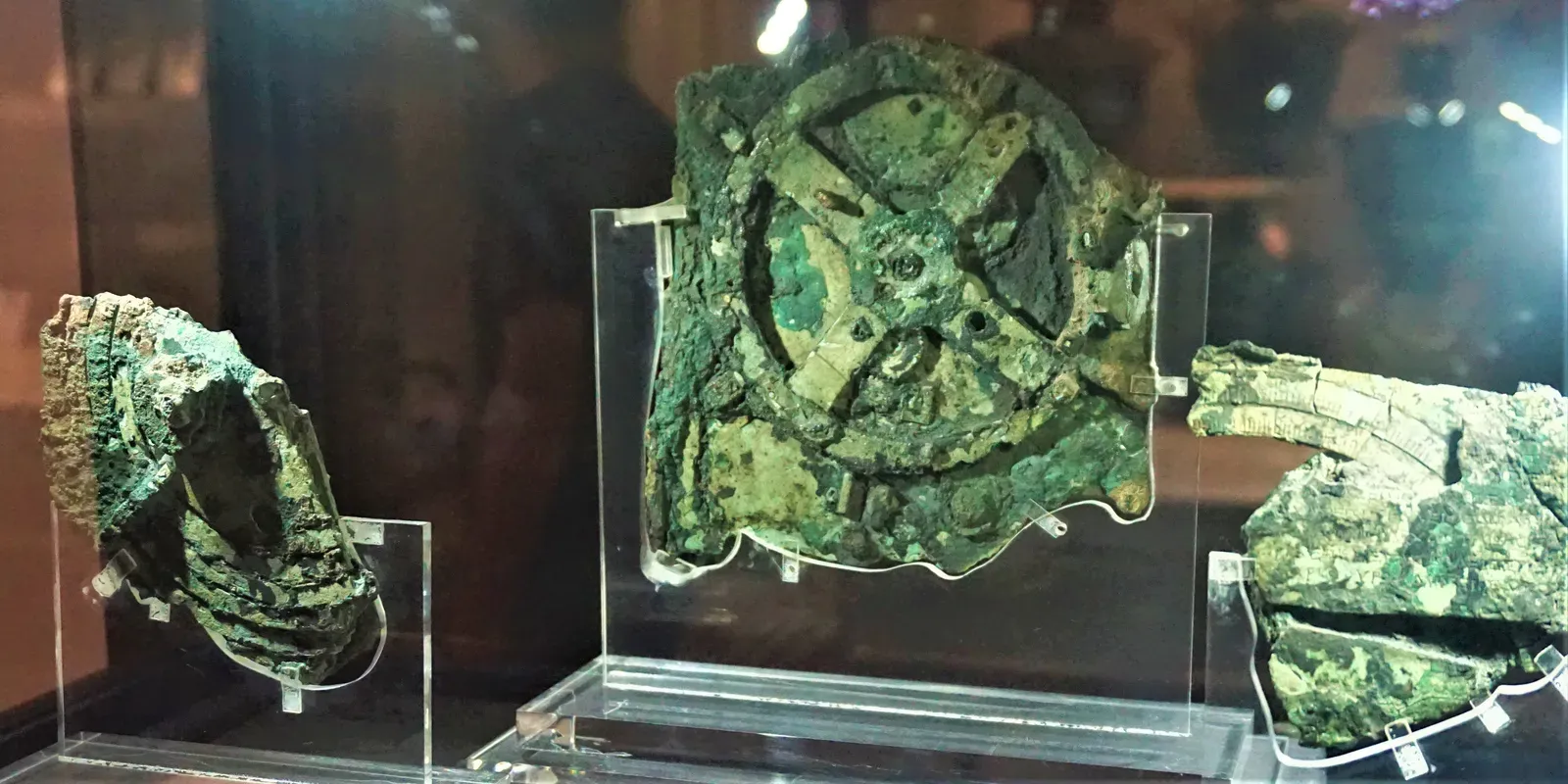
The Antikythera shipwreck, found off a Greek island in the early twentieth century, is famous today for yielding a corroded bronze mechanism often described as the world’s first known complex geared device. What is less well known is that, for decades, many fragments from the same wreck sat in storage, unrecognized for what they were. Some pieces that likely belonged to the mechanism or its housing were just lumps of encrusted metal in museum trays, overshadowed by statues and more photogenic artifacts.
Only with renewed dives, re‑examination of old crates, and the use of advanced imaging did archaeologists and engineers begin to realize that important clues to the machine’s design had been there all along. That quiet gap between discovery and recognition is sobering: a revolutionary piece of ancient engineering was effectively hiding in plain sight. It is a powerful argument for revisiting old finds with fresh eyes and better tools, instead of assuming that the most important work was done the first time someone brushed the mud off.
The Varna Gold Hoard: Wealth in a Drawer Before It Changed Prehistory
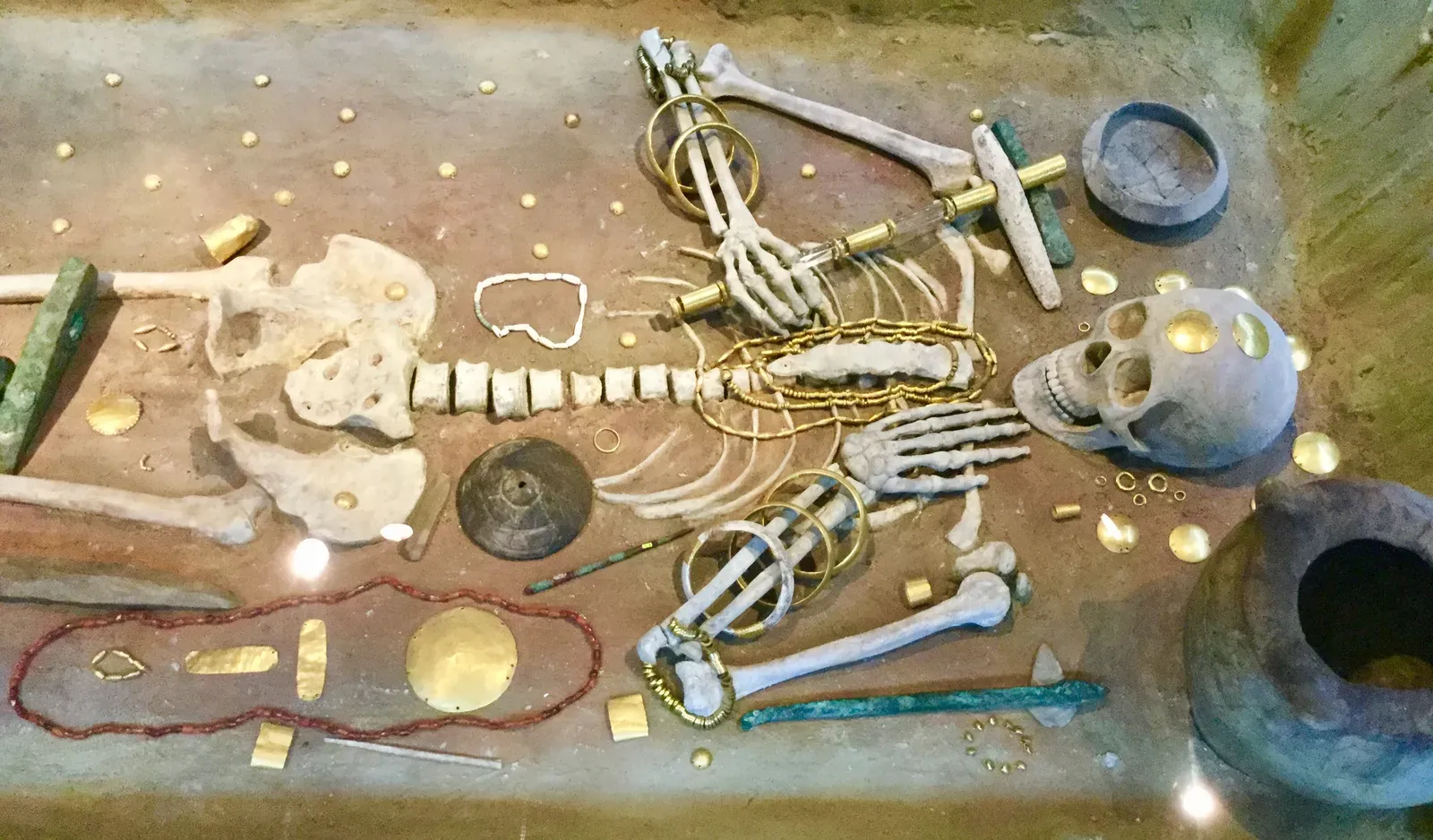
When graves at the Varna cemetery on Bulgaria’s Black Sea coast were first uncovered in the 1970s, archaeologists realized they had found some of the earliest known gold ornaments in the world. These richly furnished burials, dating back to the fifth millennium BCE, challenged the idea that complex social hierarchies and displays of wealth only appeared much later in places like Mesopotamia or Egypt. Yet for years after the excavation, much of the material remained out of sight, stored in museum facilities and known mainly to specialists.
Part of that delay had to do with politics, limited resources, and the difficulty of presenting such a dense, complex burial assemblage to the public in a way that did it justice. Gradually, as exhibitions and publications caught up, the Varna graves began to receive the international attention they deserved. Still, it is fair to say that for a surprisingly long time one of the most significant prehistoric gold hoards on Earth was effectively hidden behind the scenes. As someone who cares about deep prehistory, I find that both understandable and deeply frustrating.
The Lascaux Cave’s Replicas: Original Masterpiece Closed in the Dark
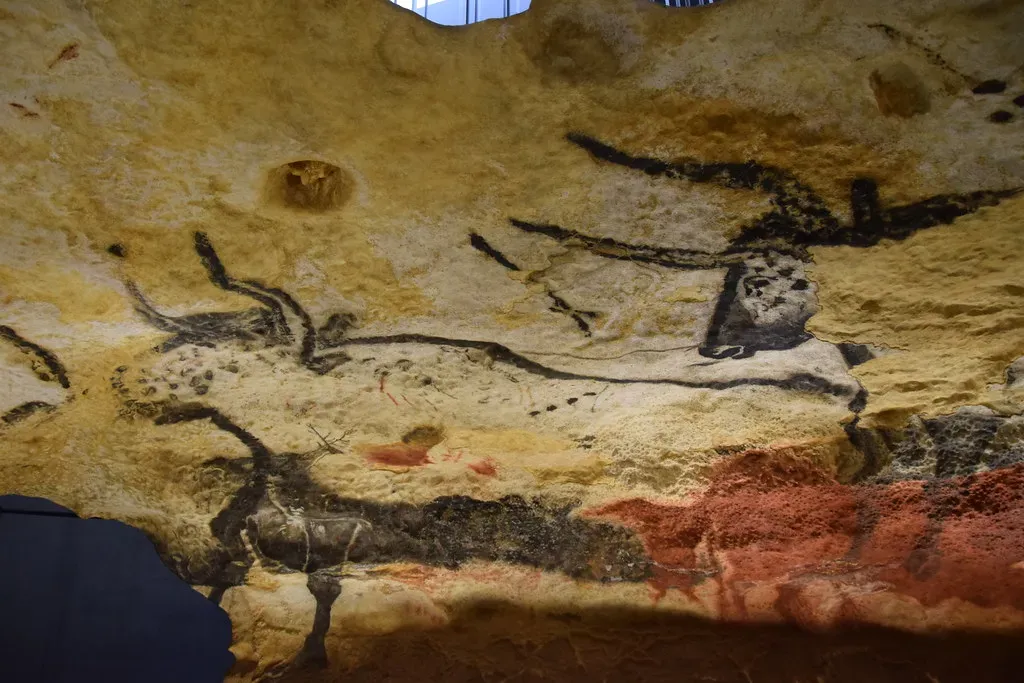
The paintings in France’s Lascaux Cave are among the most famous images ever created by humans, showing animals painted with stunning energy around seventeen thousand years ago. After their discovery in the 1940s, the cave quickly became a magnet for visitors, which turned out to be a disaster for the fragile environment inside. Humidity, carbon dioxide, and microbes carried on shoes and clothes began to damage the art, forcing authorities to close the original cave to the public in the 1960s. For most of the world, the authentic paintings vanished from view.
To give people something to see, highly detailed replicas were created, and these copies have become tourist attractions in their own right. Meanwhile, the real walls remain in a restricted zone, accessible only to a very small group of specialists under carefully controlled conditions. The situation is a stark example of how preservation can require hiding what we value most. I think it also raises an honest question: is seeing an exact replica enough, or is there something irreplaceable about standing in the actual space where Paleolithic artists once held flickering lamps?
The Sutton Hoo Ship Burial Treasures: Years of Quiet Conservation
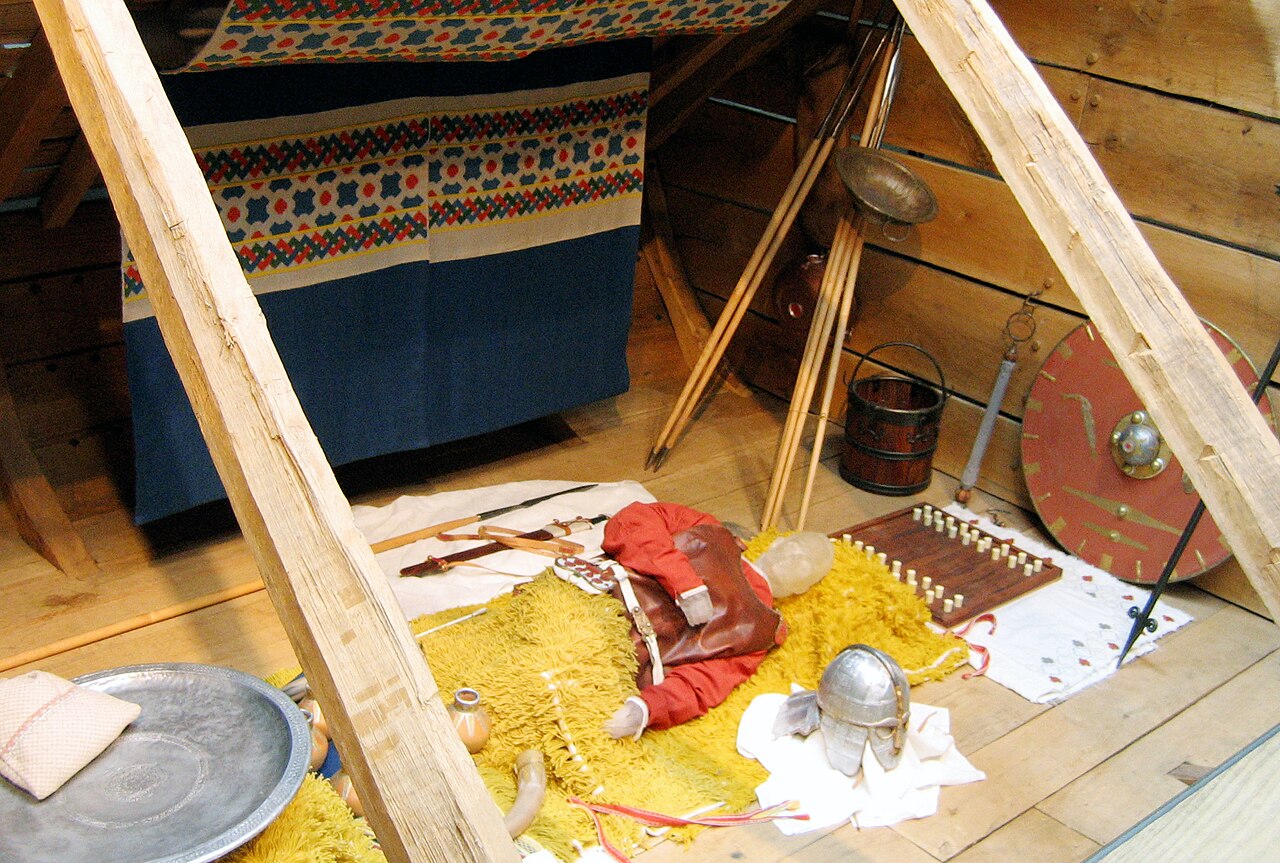
Discovered on the eve of the Second World War in England, the Sutton Hoo ship burial revealed a wealth of early medieval artifacts, including an iconic helmet, exquisite metalwork, and textiles that hinted at high‑status connections across Europe. The find was sensational from the start, showing that so‑called “Dark Age” England was anything but culturally backward. Yet much of the assemblage spent considerable time away from public view, undergoing delicate conservation and study while war and post‑war realities took priority.
In the decades following the excavation, access to key pieces was limited, and publication came in stages rather than all at once. Some of this was simply down to the complexity of the material: conserving corroded iron and fragile organic remains is slow, painstaking work. From a public perspective, though, it meant that the full story of Sutton Hoo emerged only gradually, and large parts of the treasure effectively lived in a twilight zone between discovery and display. This pattern, where world‑class artifacts pass years in laboratories and archives, is far more common than museum labels tend to admit.
The “Hidden” Maya Codices and Fragments: Locked Away Amid Authenticity Debates
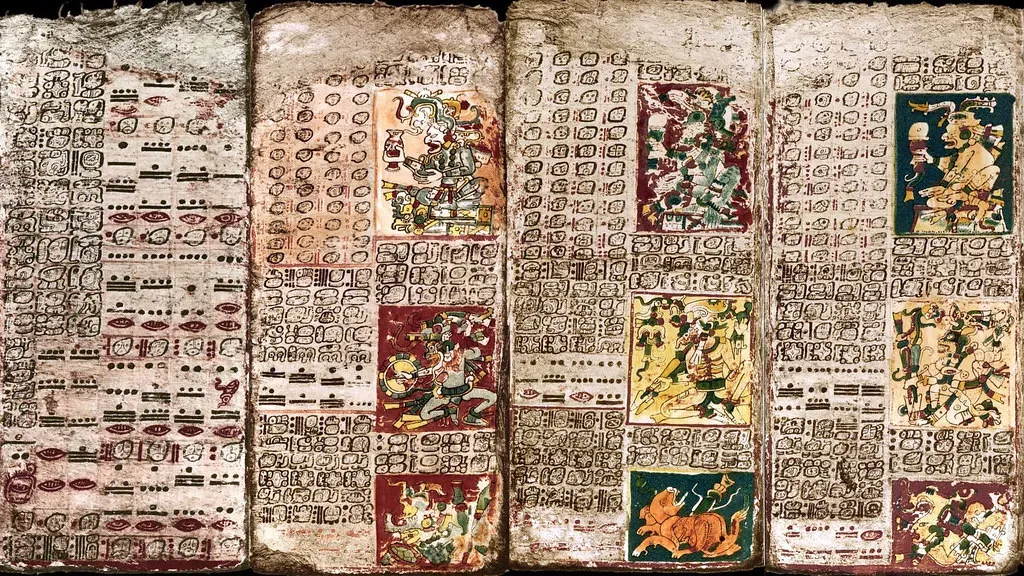
Only a tiny handful of pre‑Columbian Maya screenfold books survived Spanish conquest and climate, and even among those, several were for a long time treated with suspicion. Concerns about forgeries meant that some genuine codices and related fragments spent decades in library vaults or private holdings, shown to only a few researchers. While debates raged about pigment chemistry and bark‑paper fibers, the wider public barely knew these objects existed, let alone appreciated what they revealed about astronomy, ritual, and royal politics.
In some cases, the very fact that an item was controversial or poorly documented made curators wary of putting it on display. Instead, photographs and technical reports circulated in narrow academic circles, while the physical artifacts stayed largely out of sight. From my point of view, that caution is understandable but also costly: it delays broader conversations about how to understand, and sometimes re‑evaluate, evidence from colonized cultures. It also means that, hidden in special collections and secure drawers, there may still be Maya texts we have not fully recognized for what they are.
The Gokstad and Oseberg Viking Ships’ Buried Finds: Not Just the Hulls
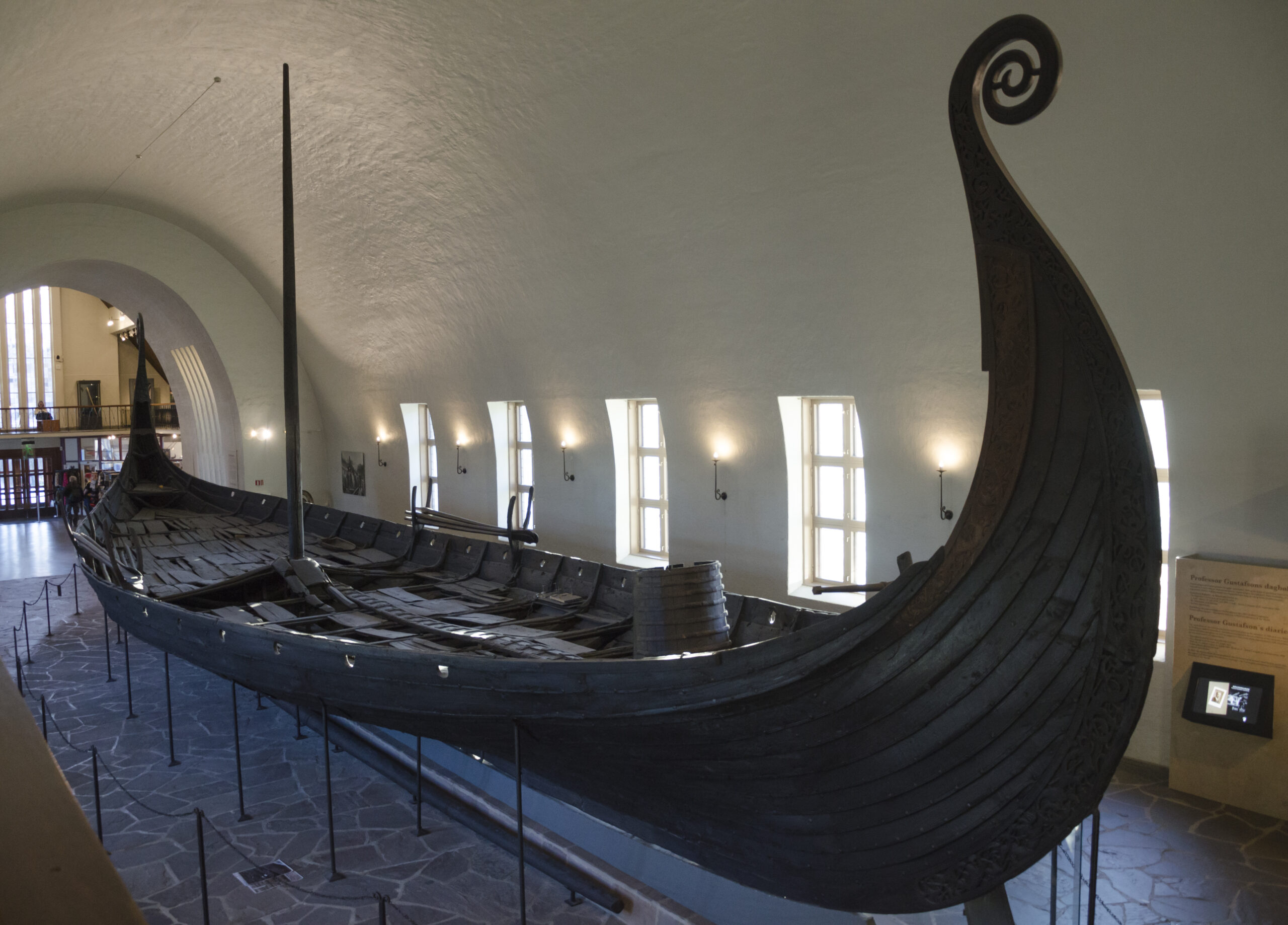
The spectacular Viking ships from Gokstad and Oseberg in Norway are tourist magnets, with their sleek wooden hulls drawing crowds who want to stand inches from the past. What far fewer visitors realize is that these burials also contained an enormous range of smaller objects – textiles, carved wood, tools, sledges, and animal remains – that were excavated and then largely withdrawn into storage. Some of the richest organic materials deteriorated quickly after excavation, forcing urgent conservation that took them off public display for long stretches.
Even today, many of the more fragile or fragmentary pieces from these ship burials spend most of their time in study collections, not in the main galleries. When researchers return to them with new scientific methods, they sometimes pull out revelations that never make big headlines: traces of dyes in cloth, wear patterns on tools, or imported materials that reveal distant trade links. To me, the famous hulls act like billboards for a deeper story that still mostly lives in back rooms, reminding us that what you see in a museum case is only the tip of the archaeological iceberg.
The Terracotta Army’s Undisplayed Warriors: Thousands Still Underground
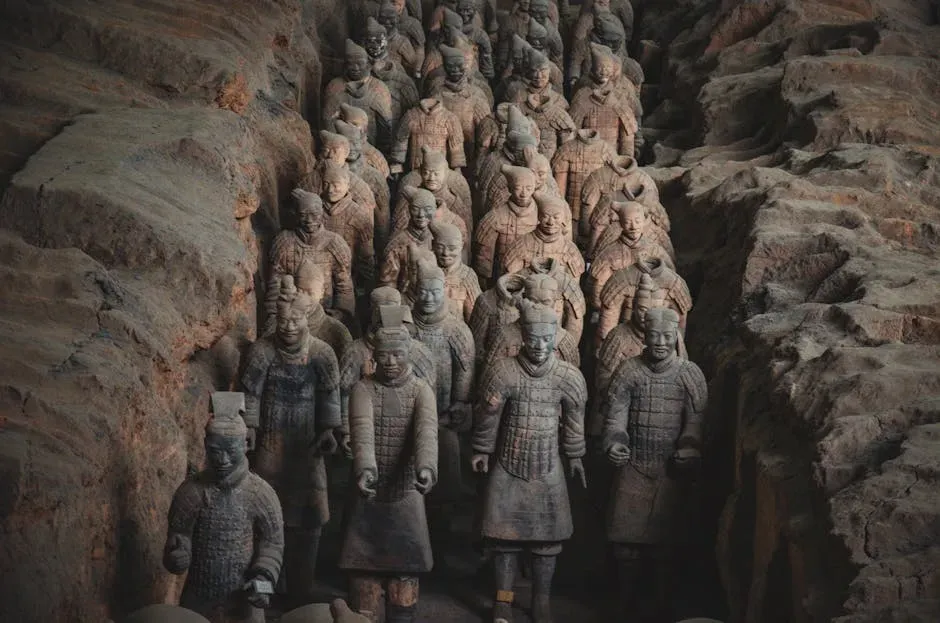
China’s Terracotta Army, guarding the tomb of the first emperor near Xi’an, is an almost mythic archaeological spectacle. Visitors see ranks of life‑size soldiers, horses, and chariots, each figure with individual facial features and armor details. Yet the site actually contains thousands of figures that remain unexcavated or only partially uncovered. Archaeologists have deliberately left large sections untouched because current conservation techniques cannot fully protect the original pigments and materials once they are exposed to air and light.
There are also many fragments and less visually dramatic pieces that are recovered but kept in depots or laboratories rather than presented in glossy exhibitions. In a sense, the most famous army in world archaeology is still mostly hidden, literally buried in the ground just a short distance from tour groups. I see this as a cautious but wise strategy: a decision to keep large parts of the past invisible now in the hope that future scientists will be better equipped to care for them. It is delayed gratification on the scale of centuries.
The Uluburun Shipwreck Cargo: Bronze Age Globalization in Storage Trays

The Uluburun shipwreck, off the coast of modern‑day Turkey, is one of the richest Bronze Age wrecks ever found. Its cargo included raw copper and tin ingots, luxury goods like glass and ivory, and objects from regions stretching from the Near East to the central Mediterranean. The excavation and recording process were meticulous, yielding a mind‑boggling volume of small finds: beads, tools, seals, and containers. Yet only a carefully curated selection of these objects appears in museum displays or popular books.
The rest, though cataloged, often live in drawers and storage cabinets, accessible mainly to specialists who request to study them. For the broader public, the story of Uluburun is usually told through a handful of photogenic items and a reconstruction drawing, while the enormous documentary power of the full assemblage remains out of sight. I find this deeply symbolic of the whole discipline: our understanding of Bronze Age trade is built not only on spectacular gold and weapons, but on endless low‑key fragments stored away in foam‑lined boxes, quietly holding the details of who traded with whom and how.
Unprovenanced Private Collections: Important Objects No One Can See Properly
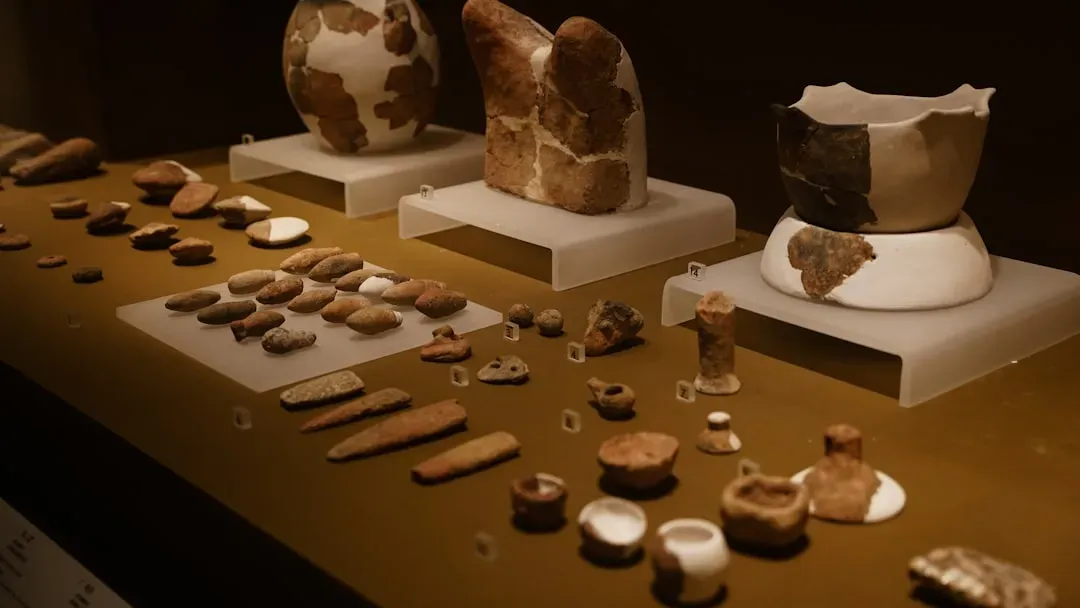
Alongside museum storerooms and restricted sites, there is another realm where archaeological finds can vanish : private collections. Looted statues, inscribed tablets, ritual objects, and entire hoards sometimes disappear into the hands of wealthy buyers. Even when these owners allow scholars to briefly inspect or photograph pieces, the artifacts may not be systematically published, and the public rarely gets anywhere near them. The result is a shadow archive of the ancient world, scattered through apartments, vaults, and estate houses.
From an archaeological perspective, this is more than just annoying; it actively damages our ability to understand the past. Objects ripped from their original context lose much of their meaning, and long periods in private hands can erase or distort what little we know about where they came from. I think this is one of the most troubling “hidden for decades” categories, because it is driven not by conservation or careful scholarship but by secrecy and market value. Every time a cuneiform tablet or carved stele disappears into a private safe, we lose a chance for a shared conversation about our shared history.
Conclusion: The Past We Do Not See Is Still Shaping Us
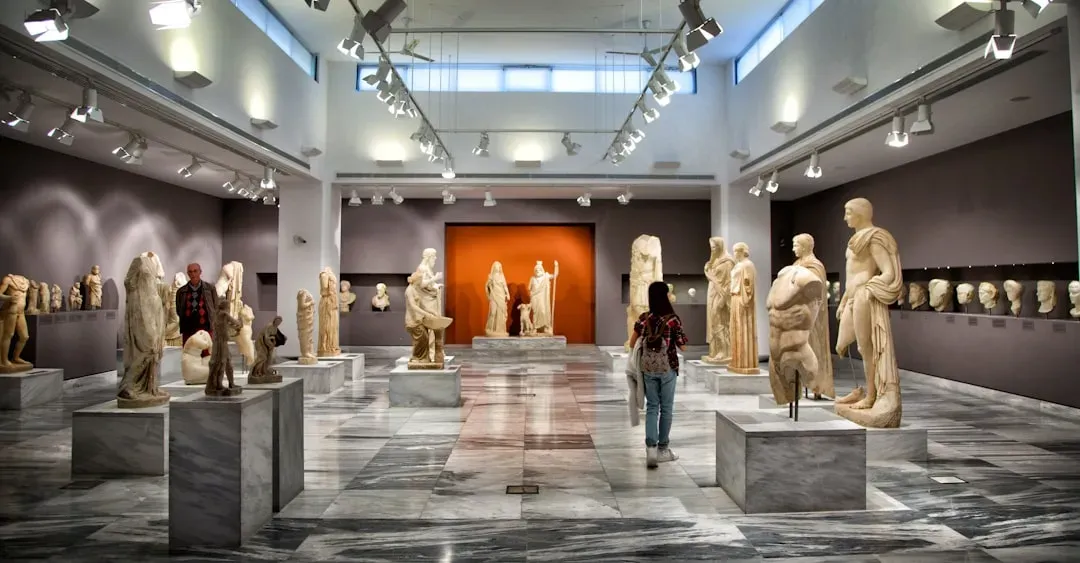
Stepping back from these twelve cases, a pattern emerges that feels both inspiring and uncomfortable. On the one hand, hiding finds can be a form of care: closing off decorated caves, delaying excavation, and keeping fragile materials behind the scenes can genuinely protect them for the future. On the other hand, prolonged secrecy, narrow scholarly control, and private hoarding can turn archaeology into a gated garden, where only a few people get to smell the flowers while everyone else peers through the fence. The tension between preservation, expertise, and public access is not going away; if anything, it is sharpening as technology makes it easier to share images and data instantly.
Personally, I lean toward the view that the default should be openness, with careful exceptions rather than blanket restrictions. Virtual models, high‑resolution photography, and creative exhibition design can bring hidden finds into public awareness without putting the originals at risk. But this only works if institutions and individuals accept that the past is not a private luxury good; it is a common inheritance. In the end, maybe the real question is not how many discoveries are hidden from view, but how many could be shared more honestly and imaginatively right now. When you think about it, how much of our own history do we quietly keep in the dark?