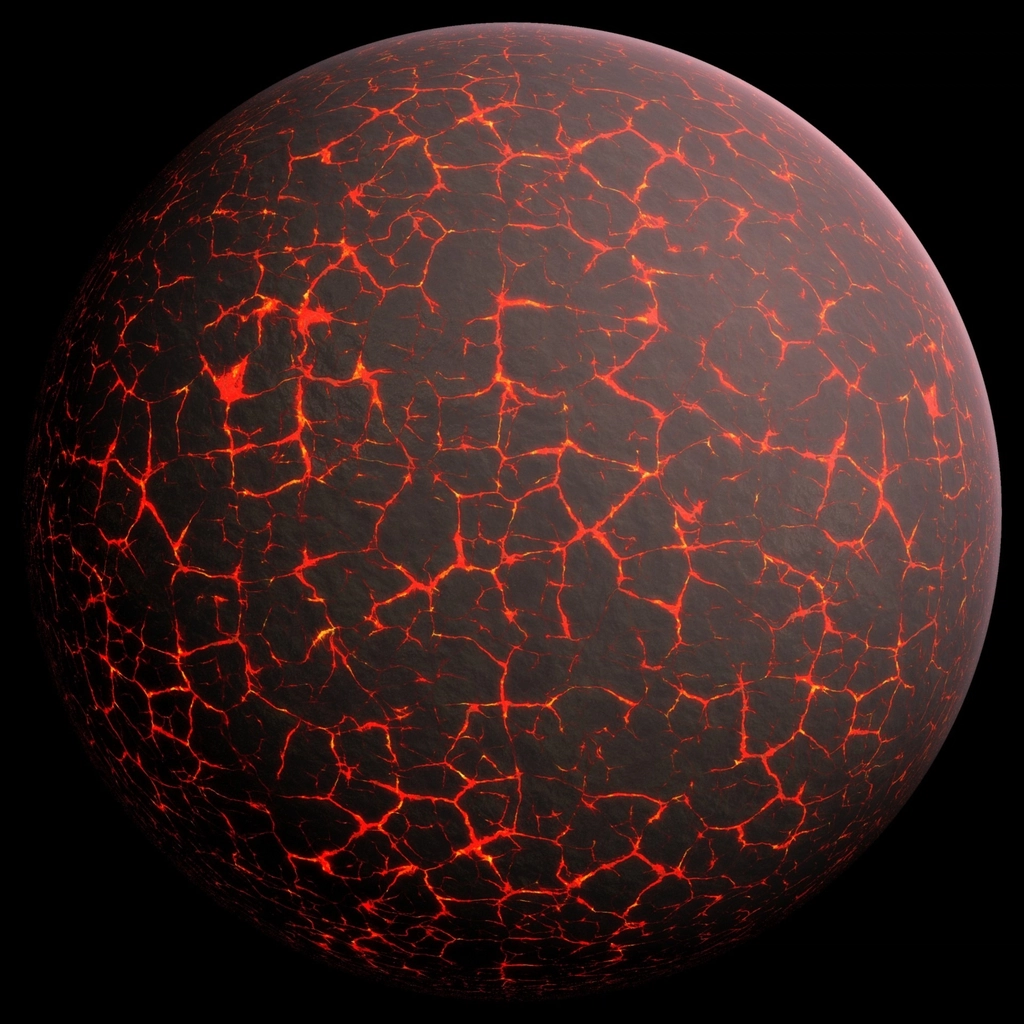
Picture a world where the ground itself flows like lava under a sky heavy enough to crush most familiar ideas of weather. That was Earth billions of years ago, according to the evidence scientists have pieced together from ancient minerals and models of planetary formation. The planet started out so different from anything we see today or in most stories that it challenges what counts as extreme.
A Surface That Stayed Molten For Millions Of Years
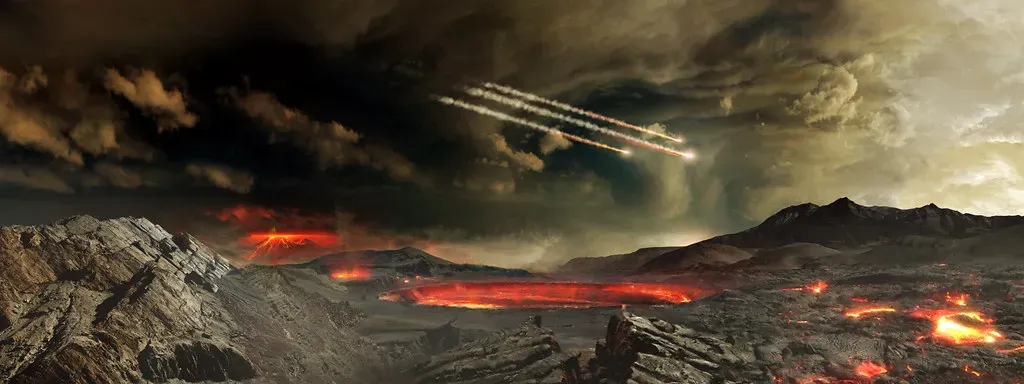
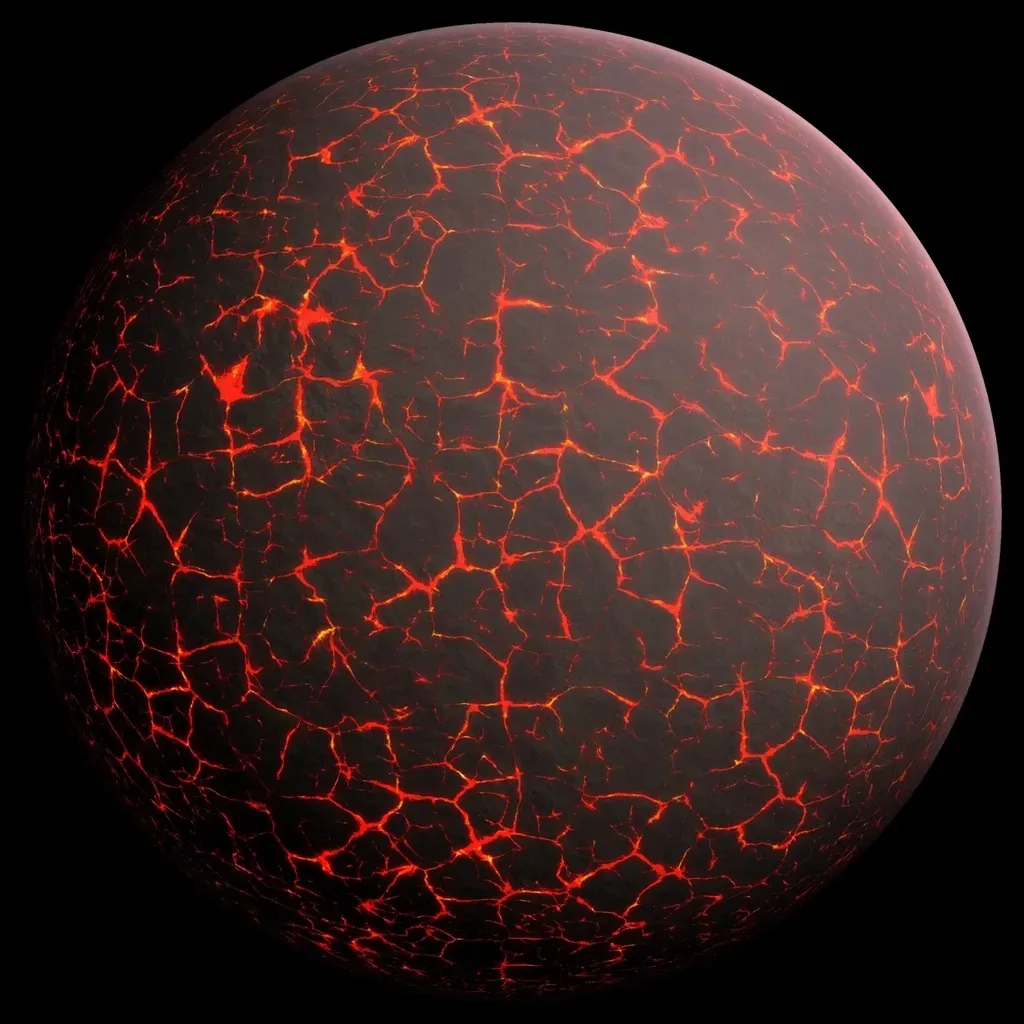
You step onto a landscape where rock never fully hardens because heat from the planet’s formation keeps everything in motion. Convection currents in the mantle push fresh molten material upward while older rock sinks back down, creating a restless sea of magma that covers much of the globe. Internal heat flow runs nearly three times higher than modern levels, so the crust forms only in patches before getting swallowed again.
Scientists trace this chaos to the Hadean eon when Earth accreted from dust and planetesimals. Zircon grains dated to around 4.4 billion years ago hint that some cooler spots allowed early crust to stabilize, yet the overall picture remains one of constant resurfacing. The result feels nothing like the solid continents or ocean basins we know now.
An Atmosphere Dense Enough To Trap Extreme Heat
You look up and see a sky packed with carbon dioxide at pressures over twenty times today’s levels, mixed with water vapor, methane, and ammonia. This thick blanket keeps surface temperatures around 230 degrees Celsius even as the young Sun shines weaker than it does now. The pressure allows liquid water to exist despite the heat, turning the air into something closer to a greenhouse on overdrive.
Models show this reducing atmosphere resembles conditions on gas giants more than anything breathable. Volcanic outgassing and comet deliveries add to the mix, while hydrogen and helium escape slowly into space. Standing there, the air itself would feel alien, heavy, and chemically unlike the nitrogen-oxygen mix that surrounds us today.
Oceans That Boiled And Condensed In Cycles
You watch steam rise from vast bodies of water that form and evaporate repeatedly as the crust cools unevenly. Early oceans appear under that crushing atmosphere, with liquid water stable only because the high pressure raises its boiling point. Yet impacts and internal heat keep stirring everything, so shorelines shift constantly and the chemistry stays far from balanced.
Evidence from those same ancient zircons points to liquid water as early as 4.4 billion years ago. The oceans likely started acidic or alkaline depending on the balance of gases and rock weathering. You would notice the water tasting nothing like modern seas, rich in dissolved volatiles that set the stage for later changes.
A Sky Filled With Constant Meteor Showers
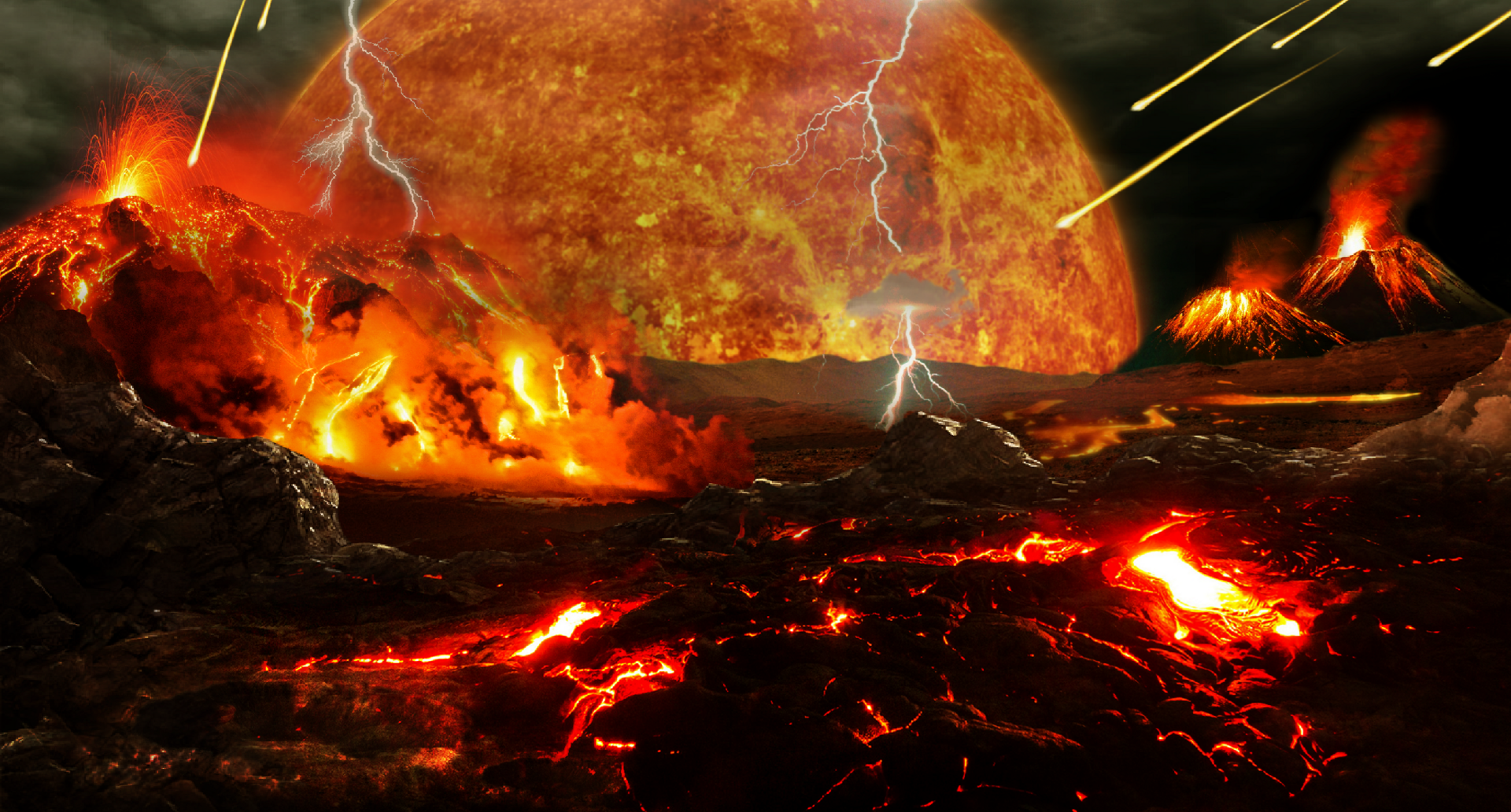
You duck as fragments from space slam into the surface at regular intervals during the late heavy bombardment phase. These impacts deliver water and organic compounds while also melting fresh patches of crust and lofting debris into the air. The sky glows with trails that never fully fade before the next wave arrives.
Geologic records and cratering models suggest this barrage lasted hundreds of millions of years. Each strike releases enormous energy that resets local conditions and mixes materials from deep inside the planet with those from space. The surface never gets a chance to settle into anything familiar.
Climate Swings That Flip Between Inferno And Icebox
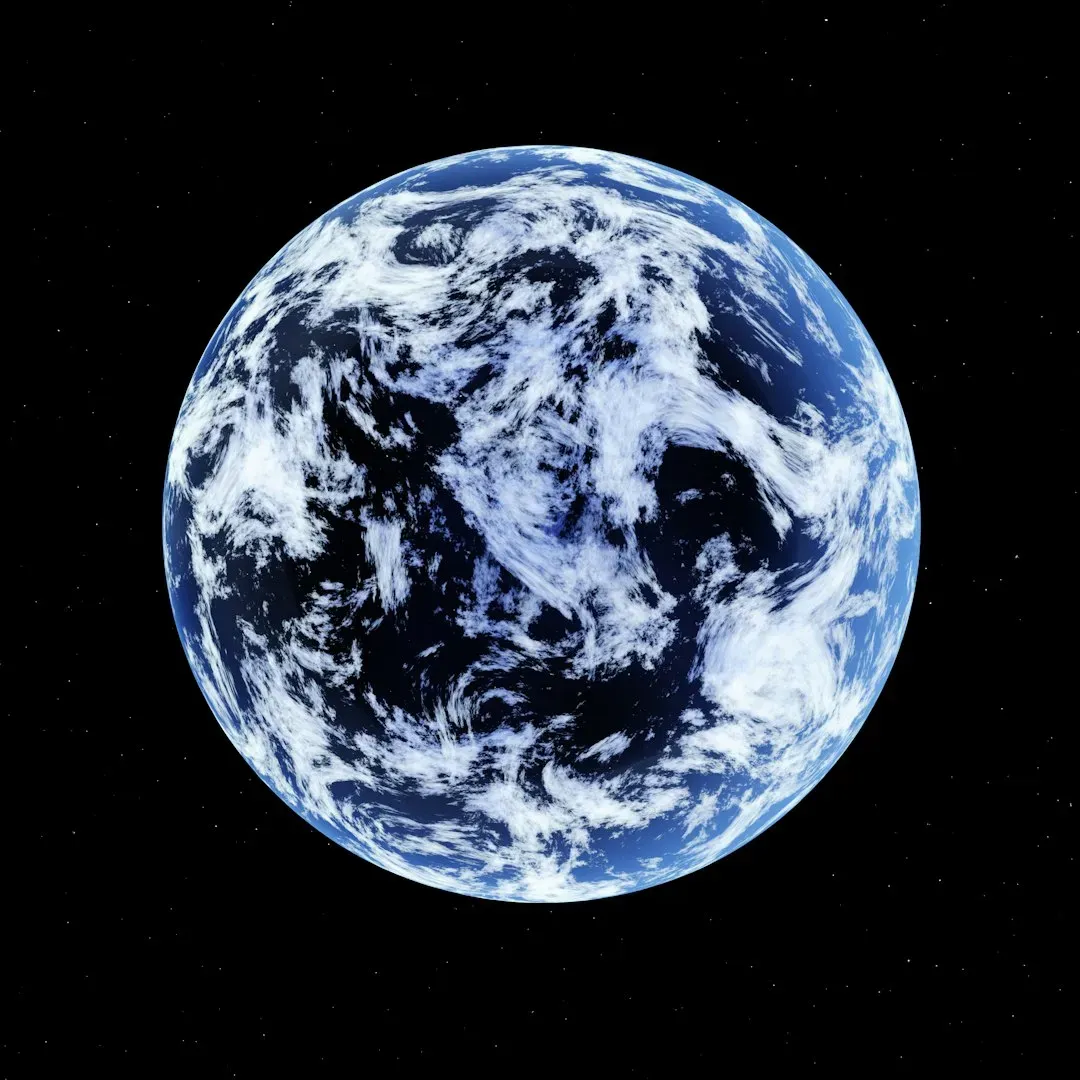
You experience stretches where global temperatures hover near or above boiling, followed by periods when the planet freezes over almost completely. Low carbon dioxide levels from rapid weathering of impact debris can drop surface readings below freezing even in the Hadean, creating alkaline oceans under a thin greenhouse. Later Proterozoic snowball events push average temperatures to around minus 50 degrees Celsius with ice reaching the equator.
Recovery from these freezes involves massive carbon dioxide buildup that triggers hothouse conditions up to plus 50 degrees Celsius. The swings happen on geologic timescales yet feel abrupt compared with today’s gradual changes. Evidence from glacial deposits at low latitudes and cap carbonates supports these dramatic shifts that no modern climate model fully replicates in fiction.
Chemistry That Favored Strange Pre Life Reactions
You notice minerals and gases interacting in ways that produce complex organic molecules without any biology yet present. Reducing conditions allow methane and ammonia to participate in reactions that build amino acids and other building blocks under ultraviolet light or hydrothermal vents. The ocean pH stays circumneutral to basic in many models, creating environments quite unlike today’s slightly alkaline seas.
Impact ejecta weathering consumes carbon dioxide and alters the balance further, favoring cold alkaline settings in some reconstructions. These conditions differ sharply from the oxygen-rich, biologically influenced chemistry we take for granted. Scientists see them as plausible cradles for the first self replicating systems, though the exact pathways remain under study.
Crust That Lacked Stable Continents For Ages
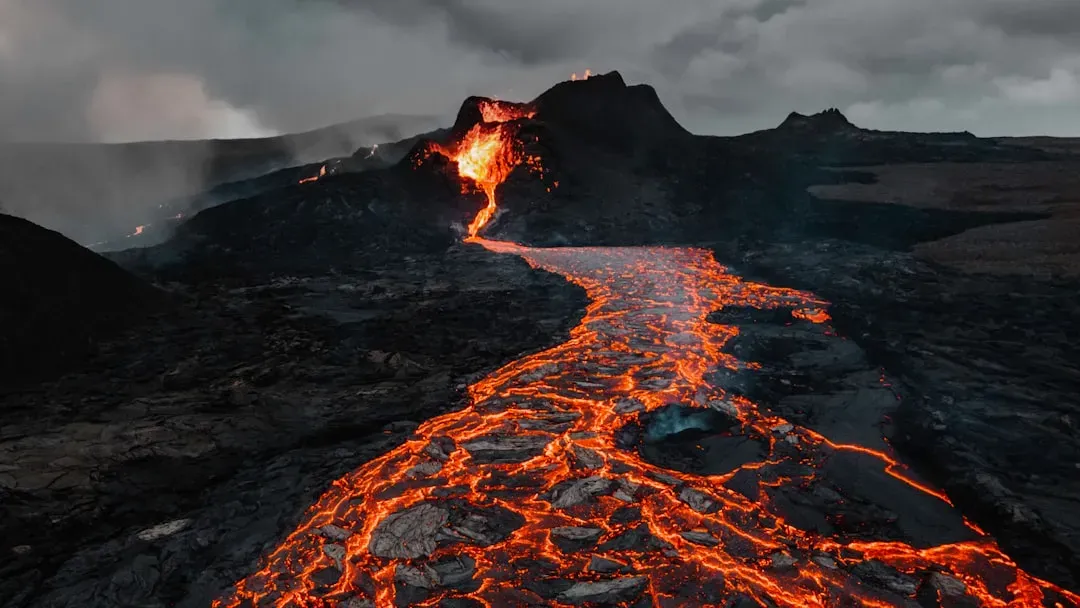
You walk across a surface where true continents have not yet formed because plate tectonics operates differently or not at all in the earliest phases. Lighter rocks rise slowly while heavier material sinks, but repeated melting prevents large landmasses from persisting. The oldest preserved fragments come from places like the Jack Hills in Australia or greenstone belts in Canada, dated around 4.28 billion years old.
Most of that primordial crust has long since been recycled, leaving only tiny mineral clues. Without familiar mountain ranges or stable shorelines, the geography stays fluid and dominated by volcanic features. The planet looks more like a patchwork of lava fields and shallow seas than the varied terrain of later eras.
Skies That Held No Free Oxygen For Billions Of Years
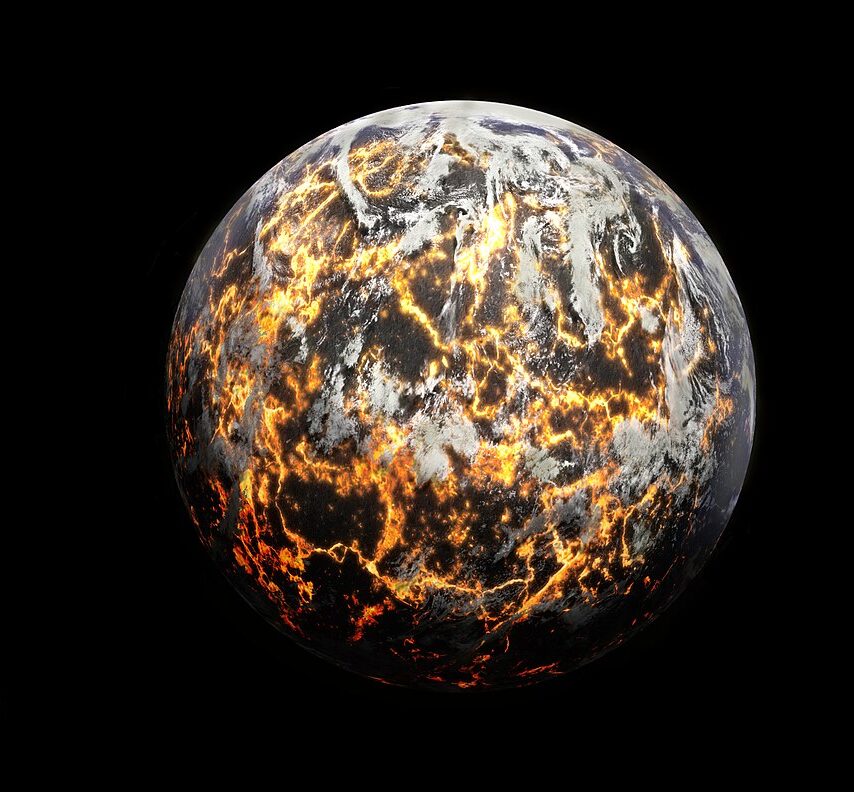
You breathe air without the oxygen that now makes up roughly one fifth of our atmosphere, so rust never forms on exposed iron and fires cannot start in the usual way. Early life, when it appears in the Archean, consists of simple microbes that produce oxygen only gradually through photosynthesis. Stromatolites in Western Australia dated to 3.48 billion years ago mark some of the first visible signs of this slow transformation.
The shift to an oxygen rich world takes another two billion years or more, reshaping the entire surface chemistry along the way. Until then the atmosphere stays reducing, preserving compounds that would quickly break down today. This long delay sets Earth apart from any quick evolution toward familiar conditions that stories often assume.
The evidence from zircons, glacial deposits, and atmospheric models shows how these extremes shaped the only home we have ever known. What began as a world of fire, ice, and unfamiliar chemistry eventually settled into the blue planet we recognize, carrying the memory of those stranger times in every rock and breath of air.