
Have you ever found yourself wandering beneath a canopy of ancient trees, only to be stopped in your tracks by a symphony of sounds so otherworldly, so electrifying, that it felt like you’d stepped into a scene from a science fiction movie? In the darkness of New Zealand’s forests, the air pulses with clicks, chirps, hums, and ethereal whistles. The experience is both magical and a little unnerving. What is it about these forests that creates such a supernatural soundscape after sunset? The answer lies in a mesmerizing blend of evolution, unique wildlife, and the secrets of the southern night.
The Unique Chorus of New Zealand’s Nocturnal Life
As the sun dips below the horizon, New Zealand’s forests come alive with a nightly concert that’s unlike anywhere else on Earth. Instead of the usual silence or simple cricket chirps, listeners are greeted by an orchestra of native species each claiming their place in the dark. The nocturnal birds, insects, and amphibians of these islands have evolved to fill the night with their voices. Their calls, ranging from the metallic chime of the morepork owl to the rhythmic stridulations of wētā insects, create a tapestry of sound that feels almost alien to outsiders. For many visitors, these sounds evoke both wonder and a sense of stepping into another world.
Echoes of Ancient Evolution
New Zealand’s forests are home to creatures that have been evolving in isolation for millions of years. Because there were few mammalian predators, birds and insects developed their own unique ways of communicating and surviving. Many native species, like the kiwi and the tuatara, are living fossils—reminders of a prehistoric era. Their calls have evolved not just for communication, but for navigating dense forests under cover of darkness. The resulting soundscape is a living history lesson, echoing with the voices of creatures whose ancestors walked the land when dinosaurs still roamed.
Meet the Morepork: The Forest’s Night Watcher
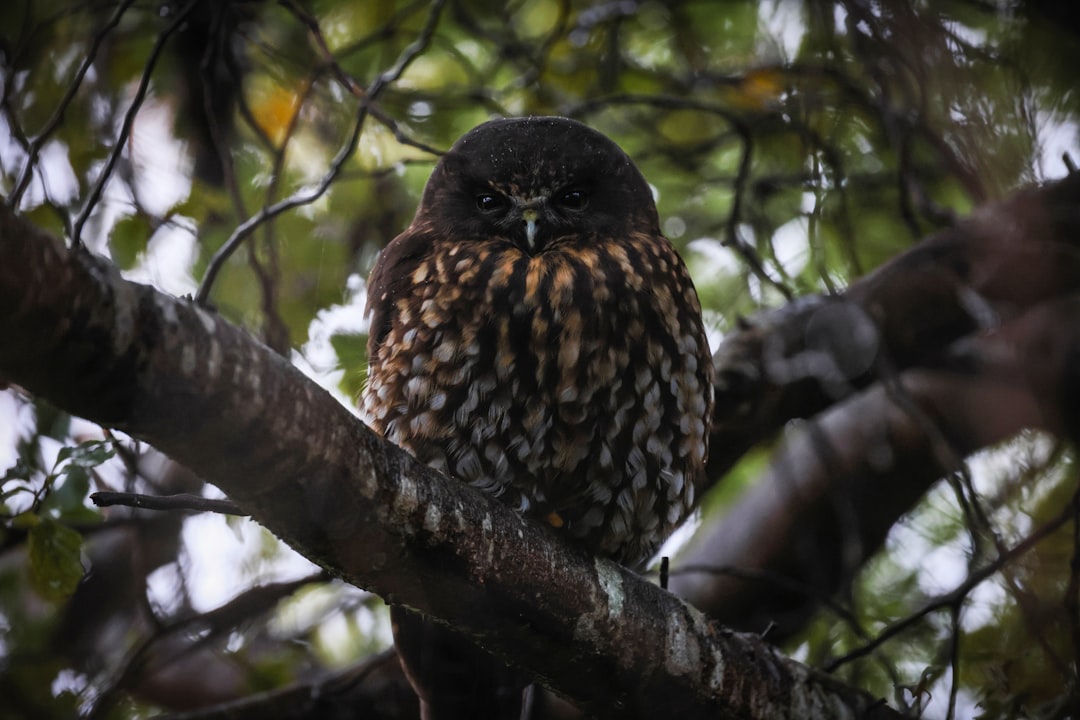
Perhaps the most iconic voice in this nocturnal chorus is the haunting call of the morepork, or ruru, New Zealand’s native owl. Its name comes from its distinctive “more-pork” cry, which rings through the trees as darkness falls. The morepork’s call is both a territorial warning and a way to attract mates, but to human ears, it’s an eerie, almost digital-sounding signal in the night. This owl’s ability to thrive in both wild bush and urban parks means its voice is often the soundtrack to Kiwi childhoods, adding a sense of mystery to even the most familiar landscapes.
Wētā: The Insect Sound Engineers
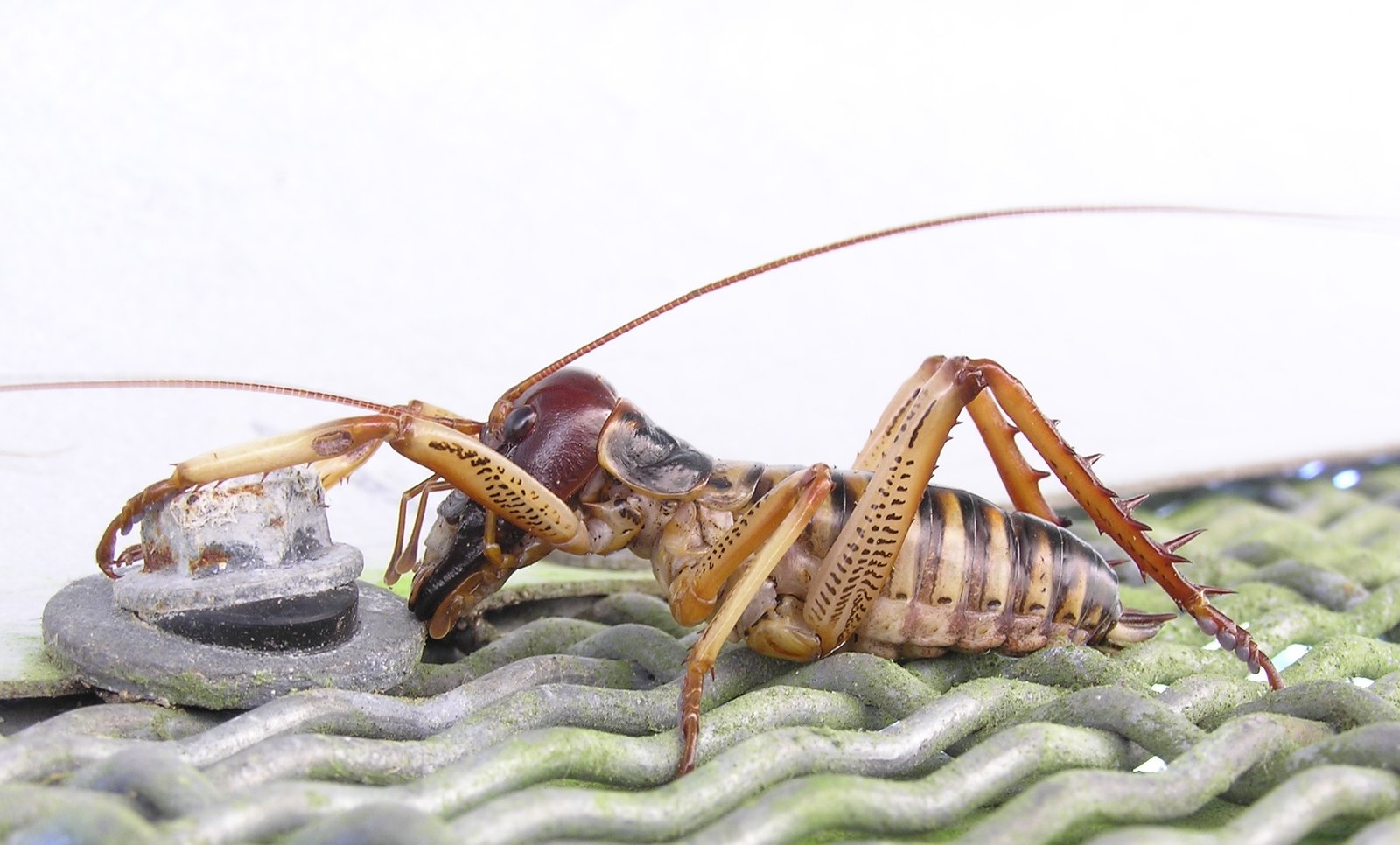
If you listen carefully, beneath the owl’s call you’ll hear the clicks and rasps of wētā insects—one of New Zealand’s most fascinating creatures. These cricket-like insects, some as big as a mouse, use their legs and wings to create rhythmic, percussive songs. Each species of wētā produces its own unique sound, from sharp chirps to deep, rattling buzzes. Their nighttime music not only helps them find mates, but also serves as a warning to would-be predators. For many, the wētā’s cacophony is the closest thing to an alien soundtrack on Earth.
Glowworms and the Hum of Hidden Life
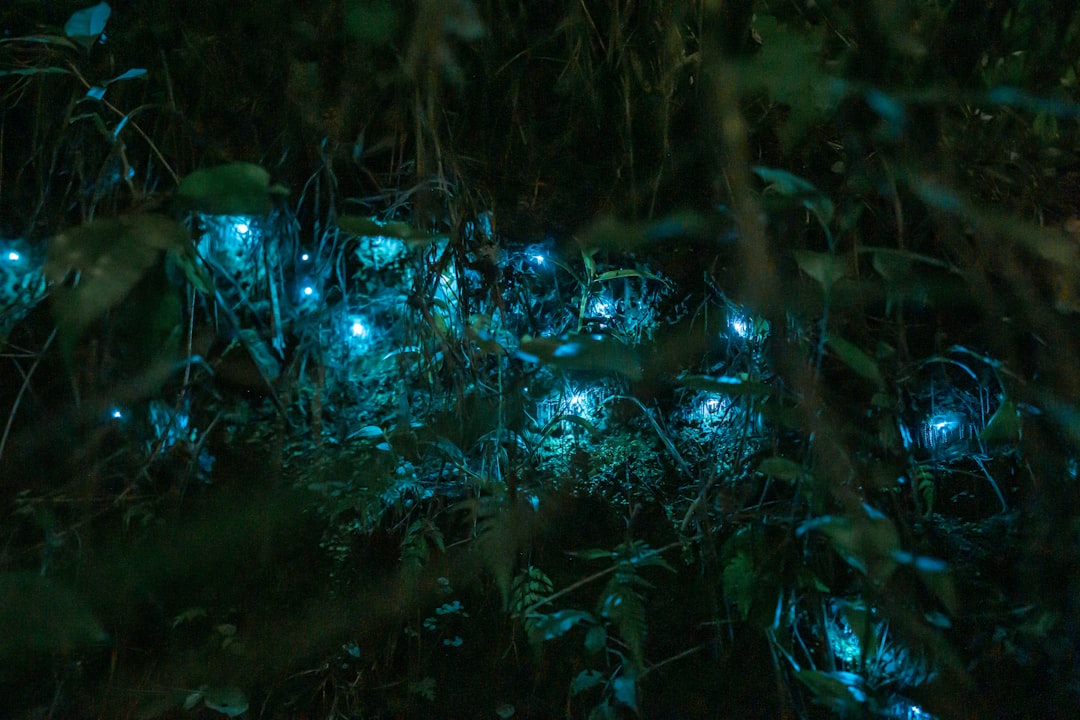
Adding to the sci-fi atmosphere is the presence of glowworms, tiny larvae that light up the forest with blue-green bioluminescence. While their lights are silent, the damp caves and forested banks where glowworms dwell are filled with the sounds of dripping water, fluttering wings, and the muffled movements of other creatures. The combination of visual and auditory sensations can feel like stepping into a futuristic dreamscape. The glowworms’ glow often draws in insects, amplifying the nightly drama as predators and prey interact in the shadows.
Frogs with Ancient Voices
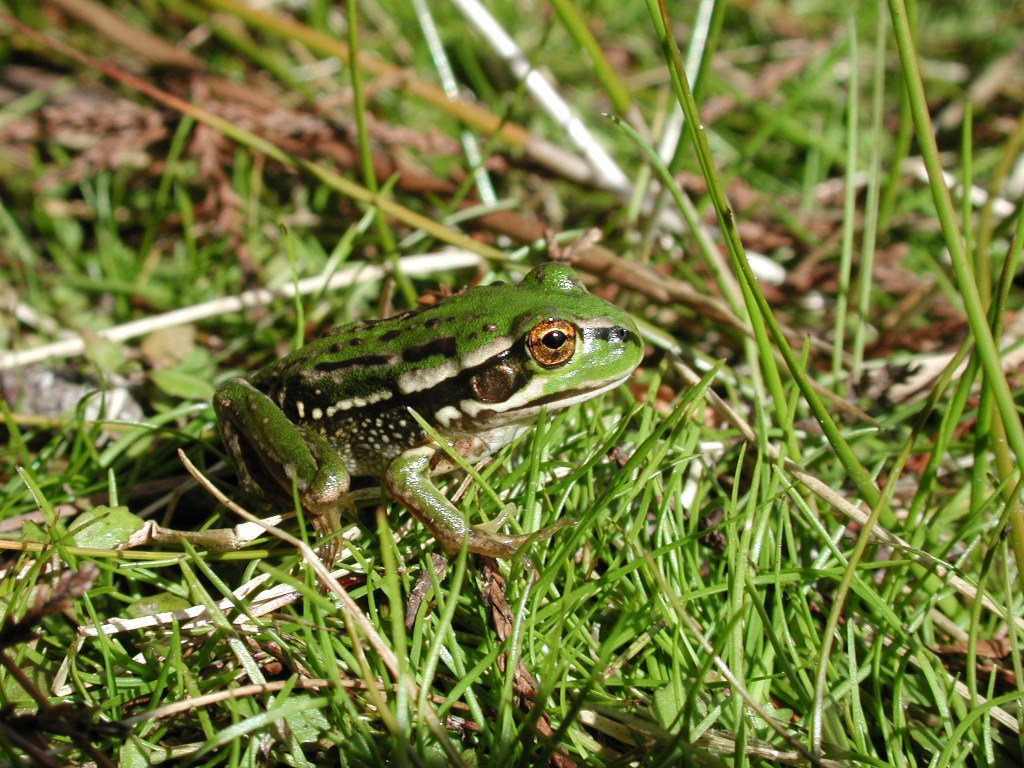
New Zealand’s native frogs, such as the Archey’s and Hochstetter’s frogs, add yet another layer to the night’s symphony. Unlike most frogs around the world, these ancient amphibians have soft, high-pitched calls that sound almost like whispers or digital beeps. Because these frogs lack eardrums, their calls are subtle and mysterious, often going unnoticed unless you are listening closely. Their presence is a reminder of the forest’s deep evolutionary history and the ongoing mysteries that lurk just out of sight.
Flightless Birds and Ground Dwellers
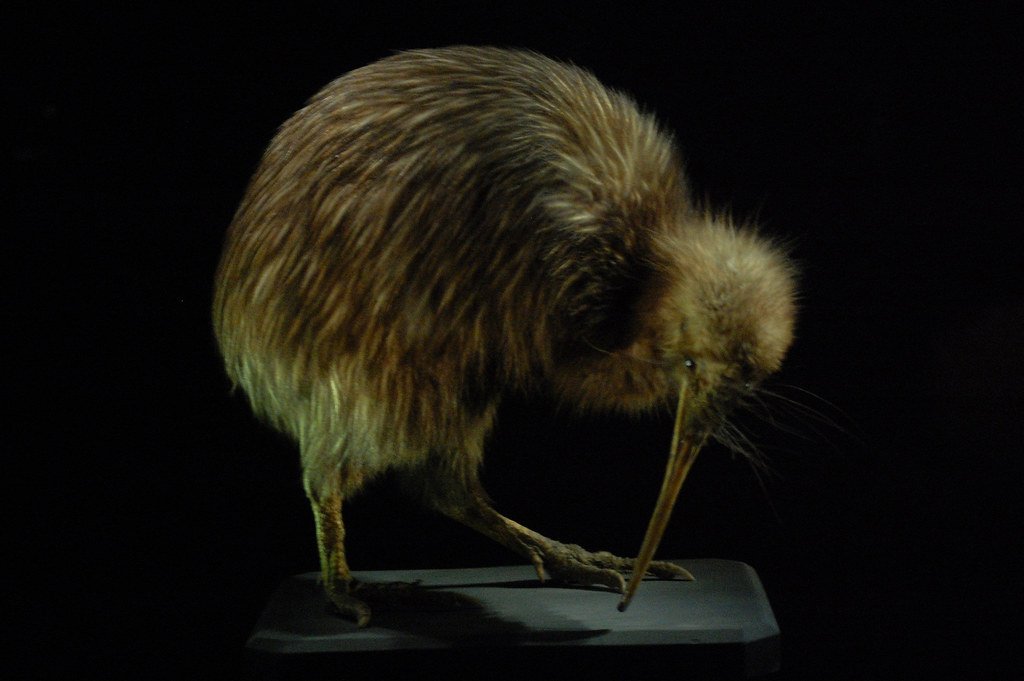
The kiwi, perhaps New Zealand’s most famous resident, is another nocturnal contributor to the forest’s soundscape. Although shy, kiwis emit a range of grunts, whistles, and snuffles as they forage through the leaf litter. These sounds are often mistaken for those of much larger animals, adding to the sense of strangeness that pervades the forest. The kakapo, a flightless parrot, also adds to this chorus with its booming, low-frequency mating calls—an audio oddity that can travel for kilometers through dense bush.
The Absence of Mammalian Predators
One of the reasons New Zealand’s forests sound so unusual is the absence of native land mammals, except for bats. With no foxes, wolves, or large cats stalking the night, the birds and insects have filled the sonic void. This absence has allowed their calls to become more complex, more frequent, and, in some cases, louder than in ecosystems where mammals dominate. The result is a nightscape that is richly layered and full of surprises, with every sound coming from a creature uniquely adapted to island life.
Echoes of the Past, Warnings for the Future
Sadly, the chorus of New Zealand’s forests is not as loud as it once was. Habitat loss, introduced predators, and climate change have silenced many native voices. Conservationists are working tirelessly to restore this lost soundscape, reintroducing species and creating predator-free sanctuaries. Each successful rewilding effort brings back a note in the island’s nocturnal symphony, reminding us of what’s at stake and what can still be saved. The nighttime sounds of the forest are not just beautiful—they are a call to action to protect this unique corner of the planet.
Listening for the Unexpected: A Forest Experience Like No Other
Whether you’re a seasoned scientist, a traveler chasing adventure, or simply someone who loves the thrill of the unknown, New Zealand’s nighttime forests offer an experience like no other. The mingling of ancient calls, bizarre insect rhythms, and eerie silences creates an atmosphere that is at once enchanting and humbling. For those who listen closely, every night brings a new discovery—proof that our world is still full of wonders waiting in the shadows.