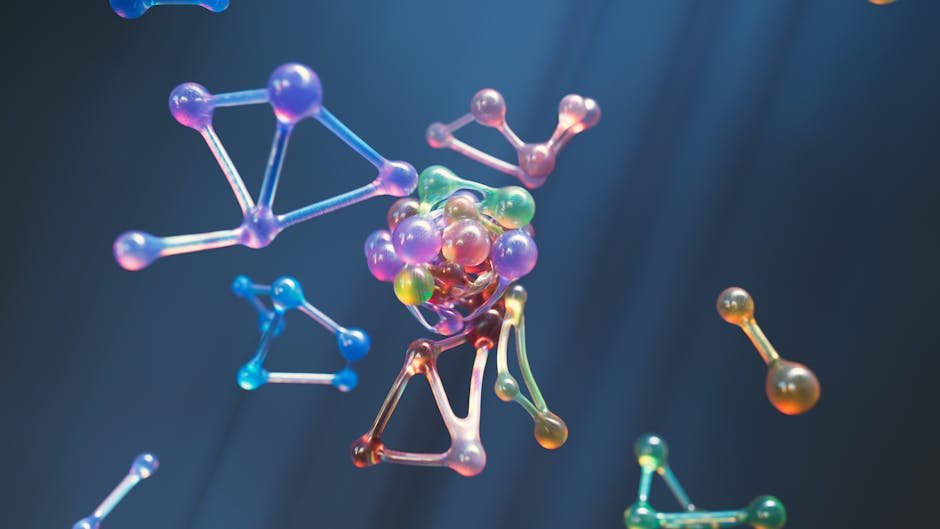
Nanotech’s Everyday Roots and Cellular Leap (Image Credits: Pexels)
Scientists have pioneered a method in nanomedicine that slips into human cells to reprogram them for healing. These minuscule carriers deliver genetic instructions, enabling cells to produce vital proteins or suppress harmful ones precisely where needed. This innovation promises to transform treatment for disorders rooted in protein imbalances, with recent regulatory nods marking tangible progress.[1]
Nanotech’s Everyday Roots and Cellular Leap
Nanotechnology operates at scales a billion times smaller than a meter, already embedded in sunscreens, waterproof fabrics, and smartphone components. Researchers now apply this precision to medicine, harnessing the body’s own molecular processes to combat disease. At the core lies the central dogma of biology: DNA provides the blueprint in the nucleus, messenger RNA carries instructions to the cytoplasm, and ribosomes assemble proteins from amino acids.[1]
The body fine-tunes protein levels through RNA interference, a natural regulatory system. Nanomedicine amplifies this by introducing synthetic RNA packaged in protective lipid nanoparticles. Administered intravenously, these fat-like bubbles target organs such as the liver, fusing with cell membranes to release their payload unharmed.
Dialing Protein Production: mRNA and siRNA in Action
Lipid nanoparticles serve as stealthy couriers, navigating the bloodstream to reach specific cells. Once inside, they unleash their cargo to either boost or curb protein synthesis. This upstream intervention surpasses traditional drugs, which act on proteins after production.
For amplification, synthetic mRNA delivers flawless genetic codes, prompting ribosomes to churn out missing proteins. In contrast, small interfering RNA (siRNA) pairs with target mRNA, recruiting cellular enzymes to shred it and halt excess production. Antisense oligonucleotides offer a similar silencing effect. The process mimics adjusting a factory line – efficient and targeted.[1]
- Lipid nanoparticles encase fragile RNA for safe transit.
- Particles fuse with cell membranes via endocytosis.
- mRNA instructs protein assembly in the cytoplasm.
- siRNA degrades unwanted mRNA transcripts.
- Effects last until the RNA degrades naturally.
Hemophilia A: Restoring Clotting Power
Patients with Hemophilia A suffer from genetic mutations that produce defective factor VIII mRNA, yielding insufficient clotting protein. Minor injuries trigger prolonged bleeding, such as nosebleeds persisting for hours. Nanomedicine counters this by supplying lab-made mRNA encoding correct factor VIII instructions.
Liver cells absorb the nanoparticles, transcribe the mRNA, and generate functional factor VIII. This on-site production bypasses the faulty genome, offering sustained relief without daily infusions. Clinical advancements highlight liver cells’ prowess as protein factories in such therapies.[1]
SiRNA Triumphs Against Lipid Overload
Familial chylomicronemia syndrome stems from excess apolipoprotein C3 (ApoC3) protein, which impairs triglyceride clearance and risks pancreatitis, heart disease, and stroke. Plozasiran, an siRNA therapy, intervenes by binding ApoC3 mRNA, prompting its destruction and slashing triglyceride levels.
Regulators acted decisively: the U.S. FDA approved Plozasiran for adults with the syndrome, as detailed in their official announcement, while Health Canada followed suit.[1] Double-stranded siRNA unravels inside cells; one strand guides the silencing machinery with pinpoint accuracy. Patients now access this injectable option, reducing reliance on restrictive diets or risky procedures.
| Disease | RNA Type | Target Protein | Outcome |
|---|---|---|---|
| Hemophilia A | mRNA | Factor VIII | Increased clotting ability |
| Familial Chylomicronemia Syndrome | siRNA (Plozasiran) | ApoC3 | Reduced triglycerides |
Challenges and the Road Ahead
Delivery precision remains key, as nanoparticles must evade immune detection and home in on target tissues. Ongoing research refines these carriers for broader applications, from cancer to rare genetic conditions. Materials scientists collaborate with biologists to enhance stability and specificity.
Millions consume pills daily for chronic issues like high cholesterol, yet nanomedicine shifts toward root-cause fixes. Personalized dosing could minimize side effects and optimize efficacy. As approvals mount, this field edges closer to mainstream use.[1]
- Nanomedicine reprograms cells via RNA to balance proteins precisely.
- Lipid nanoparticles enable safe intracellular delivery.
- Approvals like Plozasiran pave the way for genetic disorder treatments.
Nanomedicine redefines therapy by empowering cells as autonomous healers, potentially easing burdens from lifelong medications. This internal strategy holds vast promise for precision medicine. What advancements excite you most? Share in the comments.