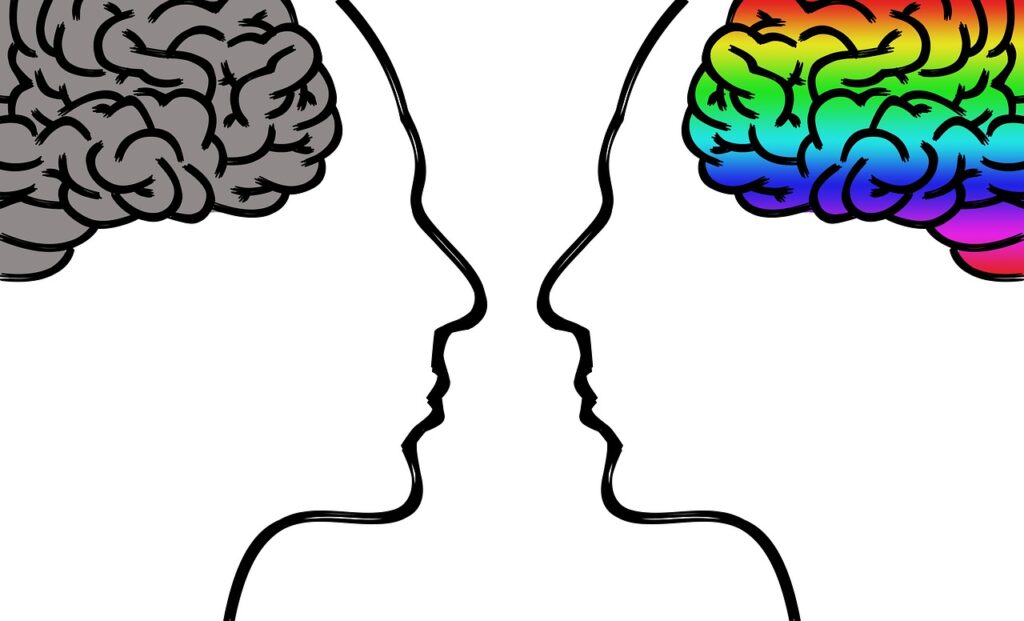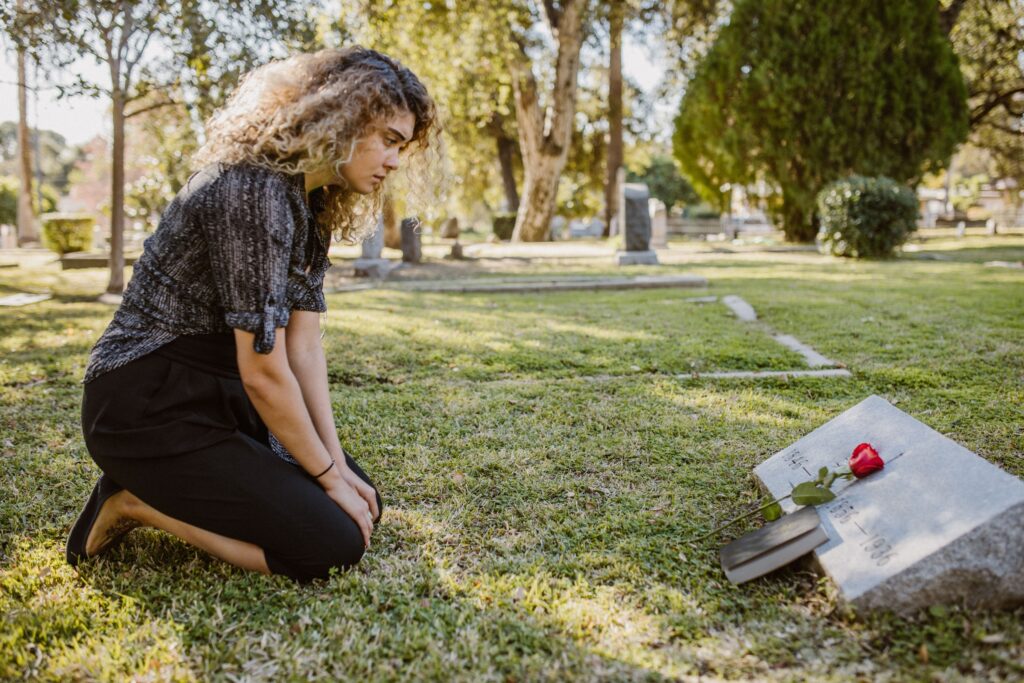

You live in a world where almost every culture, from ancient desert tribes to modern megacities, has some story about what happens after you die. When you step back and look at that, it is honestly startling. Entire civilizations that never met, never traded, never shared books or scrolls, still ended up imagining that death is not the end. You might tell yourself that you are a rational person, focused on this life, but notice how often you still talk as if something continues: you say someone “is in a better place,” or that a loved one is “watching over you.” Even if you are not religious, the idea of a complete, blank nothing can feel strangely unnatural. So why do you, and almost every human society before you, reach for some kind of afterlife?
The Terror of Death and Your Need to Make It Bearable
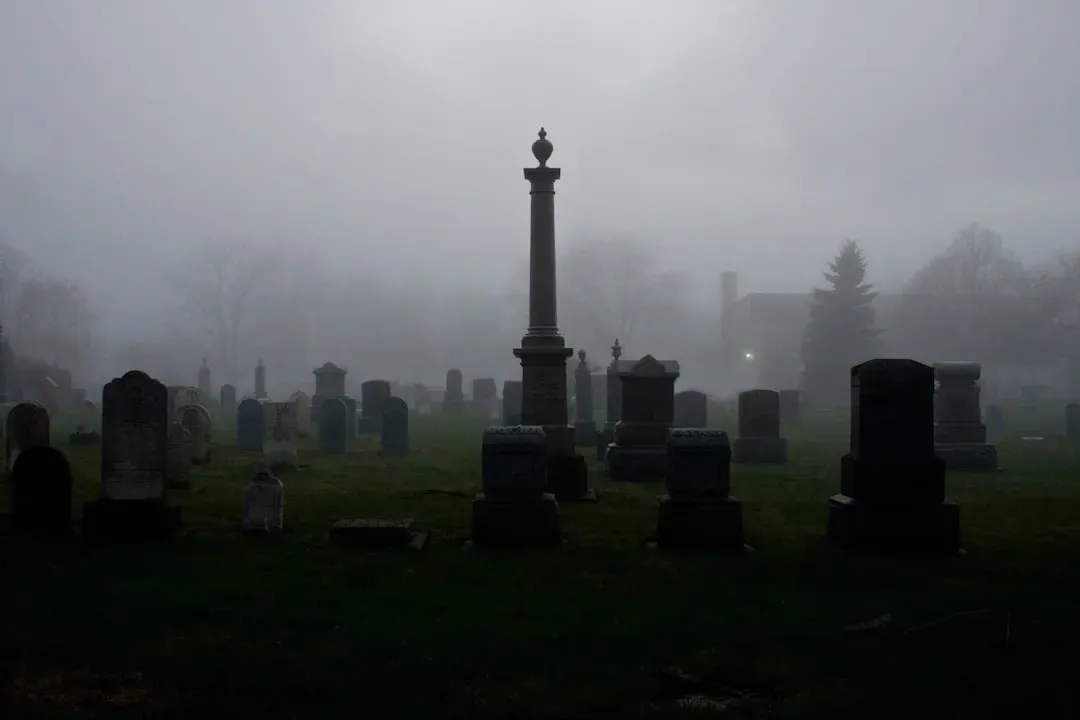
You know you are going to die. That sounds obvious, but it is one of the most brutal psychological facts you live with. At some level, you understand that everything you love, build, and struggle for will be interrupted by something you cannot control. Your brain is not built to sit comfortably with that kind of knowledge, so it looks for ways to soften it and make it less threatening. An afterlife – whether it is heaven, rebirth, or becoming part of a great cosmic pattern – works like a shock absorber for the fear of nonexistence. When you picture yourself meeting loved ones again, or continuing your journey in another form, death stops feeling like a cliff and more like a doorway. You might still fear the pain of dying, but the idea that your story goes on turns panic into something closer to acceptance. Even if you do not literally believe every detail, just having a narrative where you do not vanish helps you keep functioning without being paralyzed by dread.
How Your Brain Struggles to Imagine “Nothing”

Try this right now: picture you not existing at all. Not sleeping. Not floating in darkness. Not being bored. Just… nothing. You will probably find your mind slipping into some image – darkness, silence, drifting – as if it cannot help but turn “nothing” into “something.” Your mind is built to imagine, to simulate, to tell stories. Absolute nothingness is not really a story; it has no viewpoint, no time, no “you” inside it, so your brain does not know what to do with it. Instead, you naturally imagine some version of continued experience. You still see, still feel, still remember. Maybe you are in a garden, maybe in a new body, maybe in a place of light, maybe walking through familiar streets. Even if you try to be purely materialist, your everyday language and instincts keep slipping into imagining some sort of ongoing presence. It is not just cultural programming; it is also the way your cognitive machinery works, constantly projecting you into a future.
Love, Grief, and Your Refusal to Let Go Completely
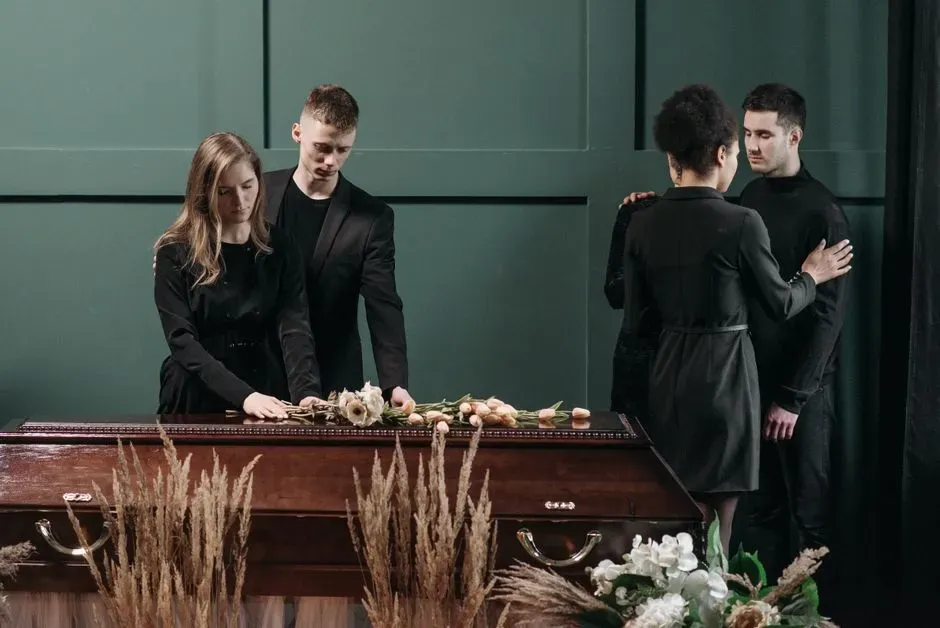
Think of the last time someone you cared about died, or even the last time you imagined losing someone you love. Your mind does something interesting: it keeps talking to them. You might hear their voice commenting on your choices, or feel they would be proud, or catch yourself thinking about what they would say in a certain moment. Emotionally, you keep the relationship going, even when you know they are physically gone. The idea of an afterlife gives that ongoing inner relationship a home, a place where your love and your memories “go” instead of staying suspended in mid-air. Grief is not just sadness; it is the pain of a bond that no longer has a physical target. Believing that the person still exists in some form, somewhere, can make that pain bearable. You can imagine them safe, at peace, or continuing a journey that you will one day join. Across cultures and history, you see the same pattern: rituals, prayers, offerings, and quiet conversations with the dead. Whether you call it heaven, the ancestors, or a spirit world, the afterlife allows your heart to say, “I have not entirely lost you.”
Morality, Justice, and Your Hunger for a Fair Ending
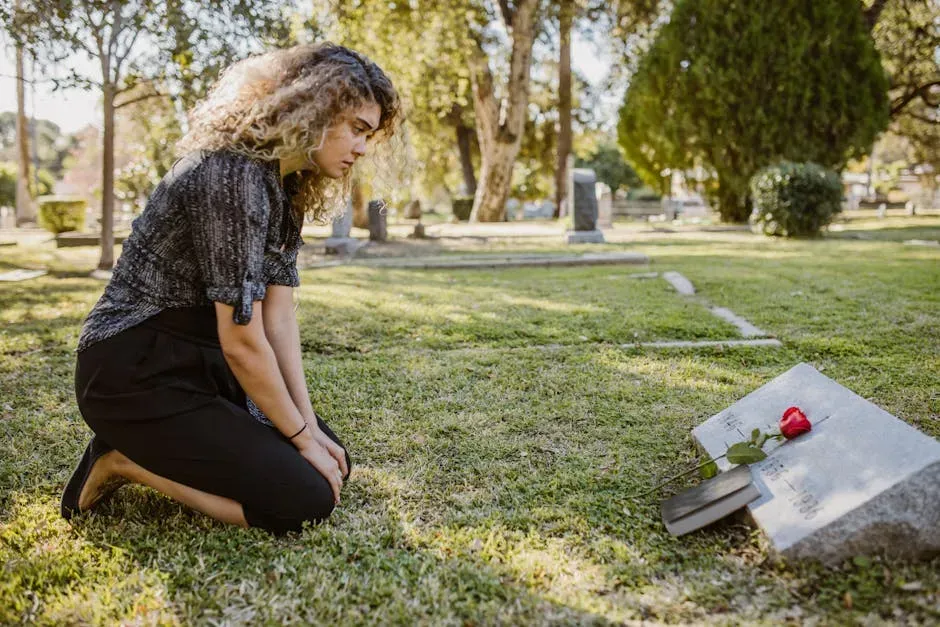
You have probably seen it: cruel people who never seem to face consequences, and kind people who suffer more than they deserve. Your sense of justice hates that. Deep down, you want the universe to feel fair, for good deeds to matter and evil to be accounted for. An afterlife that includes judgment, reward, or correction makes moral sense to you in a way that pure randomness does not. It says that, in the long run, what you do actually counts, even if earthly life looks unfair. When you believe that generosity, courage, and honesty are noticed beyond this life, you get a powerful reason to keep acting well even when you are not being watched. On the flip side, imagining some kind of consequence for deliberate cruelty can restrain impulses you might later regret. That does not mean you only behave for a cosmic prize or out of fear of punishment, but the feeling that there is a larger moral arc can help you stay aligned with your values, especially when doing the right thing is costly.
Culture, Storytelling, and the Traditions You Inherit
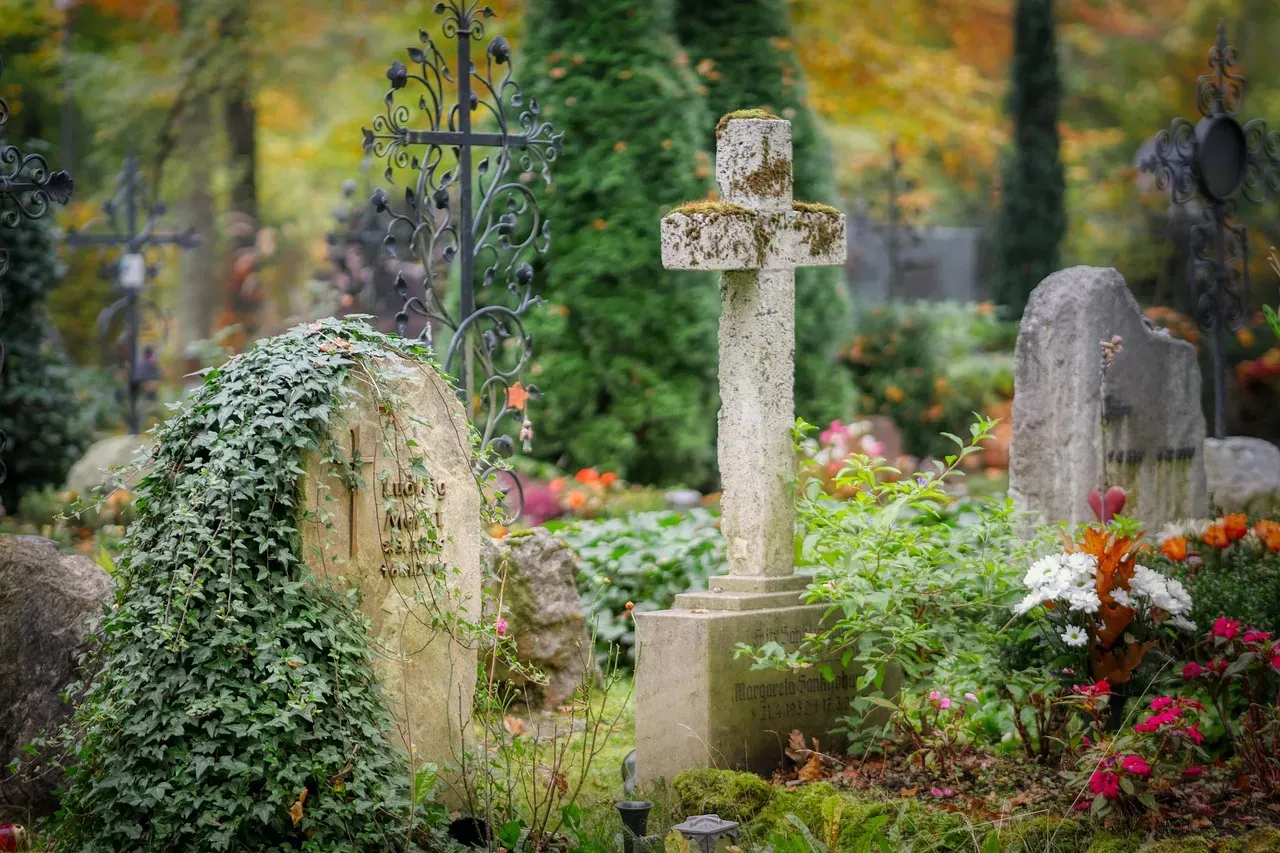
From the time you were a child, you were surrounded by stories – folktales, religious teachings, movies, novels – that fill your imagination with scenes of what might come after death. Even if you later question those stories, they form the mental furniture you reach for when you try to make sense of loss and meaning. Your culture gives you a vocabulary: heavens and hells, reincarnation, ancestral realms, ghostly lingering, or becoming one with nature. You do not invent your afterlife ideas from scratch; you remix what you have absorbed since early childhood. Over generations, societies refine and reinforce these ideas through rituals, art, and everyday speech. Funerals, memorials, holidays for the dead, and casual phrases all keep the sense of an ongoing existence alive. If you grow up hearing that the dead “look down on you” or “walk beside you,” those images feel emotionally true long after you have stopped thinking literally about harps or pearly gates. Culture hands you a script for what death means, and you tend to follow that script, even when you improvise or rewrite parts of it for yourself.
Near-Death Experiences and Strange Moments at the Edge
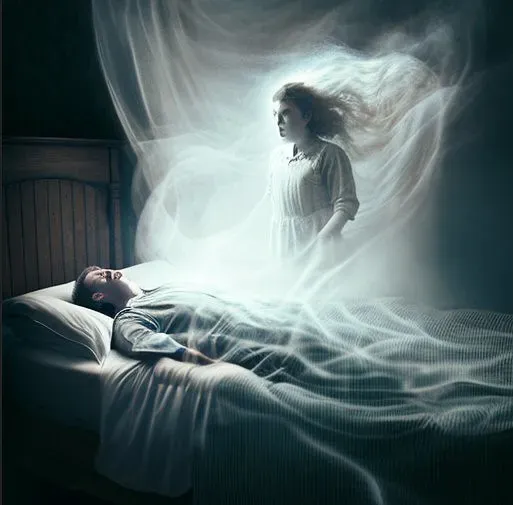
You have likely heard stories – maybe from someone you know, maybe from documentaries or books – about people who were close to death and reported vivid experiences: tunnels, lights, floating above their body, meeting beings or relatives, feeling overwhelming peace. These near-death experiences are not simple to pin down. On one hand, they can be linked to brain activity under extreme stress, lack of oxygen, or certain chemicals; on the other hand, the patterns repeat across many cultures, which makes you wonder if they hint at something deeper. You are left with a mix of neuroscience and mystery. For you personally, these reports can be powerful, even if you stay skeptical. If someone you trust describes something that feels more real than a dream, it is hard not to imagine that there might be some layer of consciousness that stretches beyond a failing body. You might not take any single story as proof, but together they create a background hum: maybe death is a transition, not a total shutdown. Your mind files those stories away and pulls them out when you are facing your own fear and uncertainty.
Your Desire for Meaning in a Short, Fragile Life

Life is short, and you feel that in your bones. You watch years slip by, relationships change, bodies age, and opportunities disappear. If you believe this brief flicker is all there is, you might feel pressure to squeeze every possible experience into a limited window – or you might feel a kind of pointless ache. An afterlife offers another way to see things: this life becomes a chapter, or a test, or a preparation, or a necessary step in a longer journey. That does not automatically make everything easier, but it can soften the harsh edge of finality. When you see your actions as part of a story that continues, it becomes easier to endure sacrifices, losses, and long stretches of struggle. You can frame your pain as meaningful, your growth as significant beyond just a few decades. The details differ – maybe you imagine becoming part of a divine presence, maybe you see yourself living again in another body, or reuniting with those you love – but the function is similar. You are trying to live in a world where suffering and beauty coexist, and the belief that your story does not suddenly vanish can keep you from giving in to despair.
Social Bonds, Ritual, and the Way Afterlife Beliefs Hold You Together
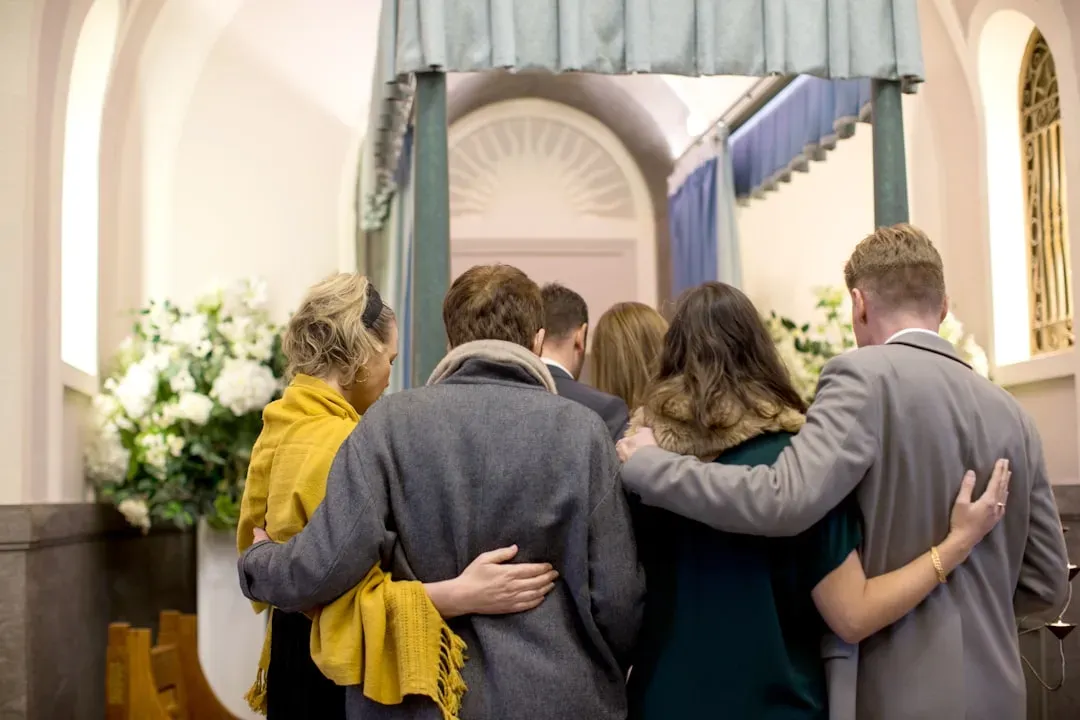
You do not just believe alone; you believe with others. Shared ideas about what happens after death pull families, tribes, and nations into tighter circles. When you attend a funeral, light a candle, say a prayer, or visit a grave, you are not only comforting yourself – you are reinforcing a shared understanding of what life and death mean. Those rituals wrap grief in structure, giving you something to do with your hands and your words when your heart does not know what to do. Communities that share afterlife beliefs often feel more connected across generations. You might see your grandparents, yourself, and your children as part of a single, ongoing line that stretches beyond the grave. That sense of continuity can encourage you to care for the vulnerable, to respect your elders, and to think about the kind of legacy you leave behind. In that way, imagining an afterlife is not only about you escaping death; it is also about weaving you into a story that binds you to everyone who came before and everyone who will come after.
Conclusion: Living Better Because You Know You Will Die

Whether you picture heaven, rebirth, a quiet merging with the universe, or nothing at all, you are shaped by the fact that you know your life will end. Imagining an afterlife is one of the most human ways you have found to push back against that finality, to insist that love, justice, and meaning do not just evaporate. It helps you bear grief, tame fear, guide your moral choices, and stay connected to the people you have lost. Even if you are skeptical of specific doctrines, you can probably feel why the idea of life beyond death has such a powerful grip on your heart. In the end, perhaps the most important question is not whether every image of an afterlife is literally true, but how thinking about what comes after changes how you live now. Does it make you kinder, braver, more present with the people you love? Does it inspire you to leave the world a little better than you found it? You might never know with certainty what waits beyond your last breath, but you do get to decide how that mystery shapes the way you use the breaths you have. What kind of story do you want your life – and whatever might follow – to tell?