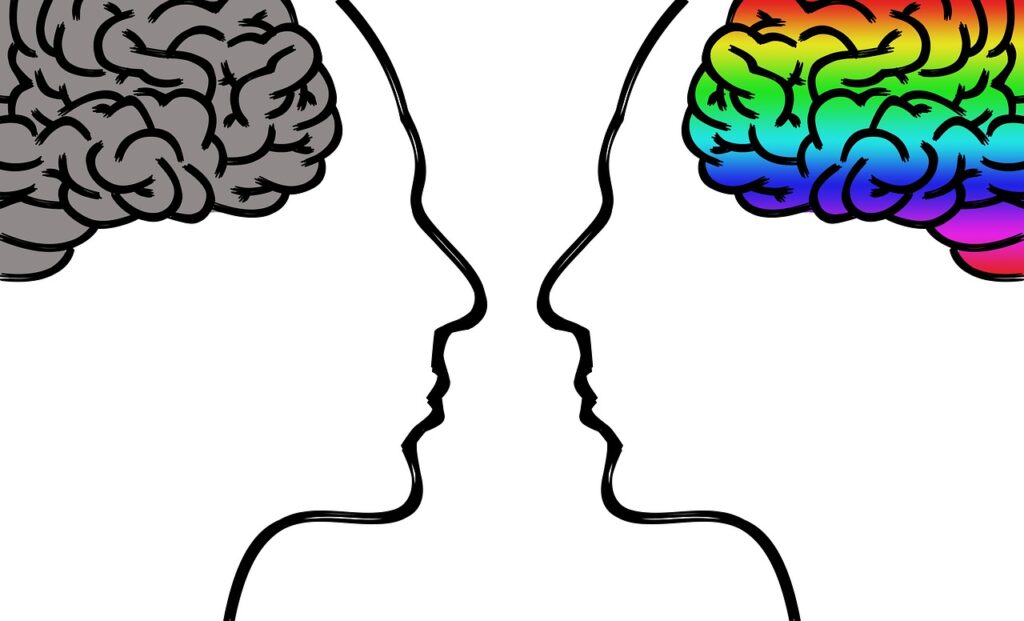

You know that feeling when you walk into a crowded room and instantly tense up, but the second you sit down with a dog, a cat, or even just watch birds outside, your body quietly exhales? You might have told yourself you’re weird, too sensitive, or just bad at people. In reality, what you are feeling is not a character defect. It is your nervous system doing exactly what it was built to do: scan for safety and respond to whatever feels least threatening. When you are near animals, your brain is dealing with a kind of presence it can finally stop “decoding.” There is no hidden social agenda, no complicated subtext, no emotional guessing game. Your nervous system reads that as unconditional and predictable, which for a lot of people feels more like home than any office party, family gathering, or date ever has. You are not broken for feeling this way; you are responding to a different kind of connection, one your body happens to trust more.
You Are Not Awkward or Broken – You Are Wired for Safety
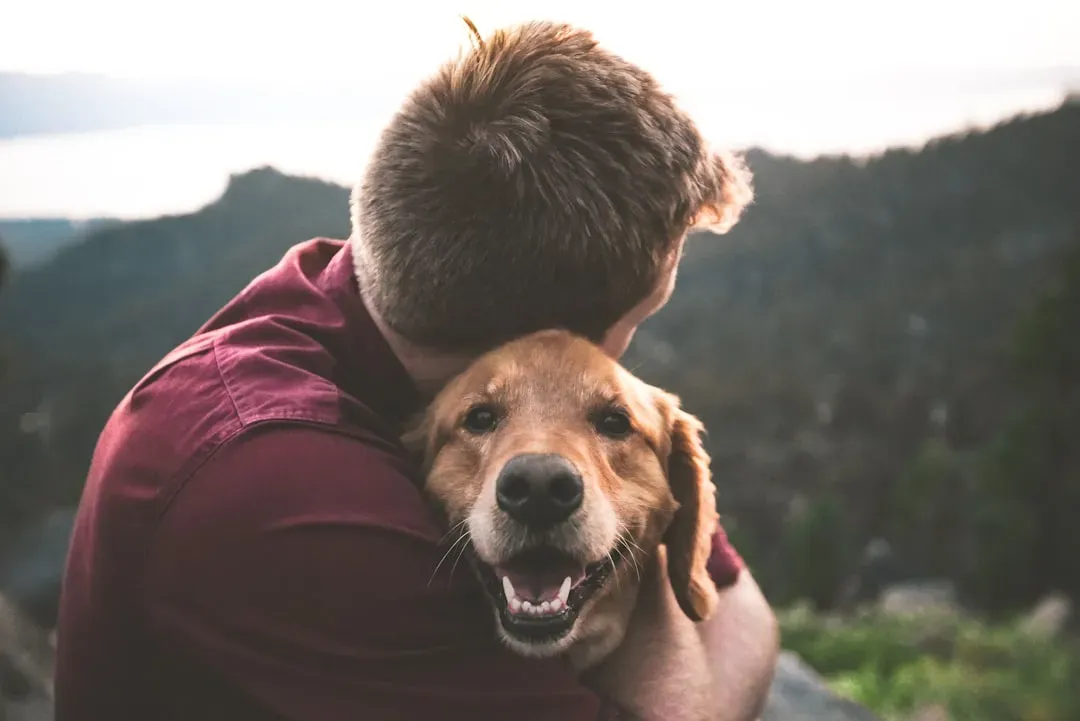
If you feel calmer sitting on the floor with a dog than making small talk at brunch, that does not mean you are socially defective. Your brain is constantly running a background safety check, deciding where you can relax and where you need to be “on.” With people, that system gets flooded with questions: What do they think of you? Are you saying the right thing? Are you being judged? Even if nobody is actually judging you, your body often behaves as if they might be. Animals, on the other hand, collapse all that noise into something simple: Are you safe, kind, and consistent? If yes, they stay. If not, they leave or react. There is no silent evaluation, no silent competition, no subtle criticism to decode. When your nervous system finds an environment that does not demand constant social analysis, it lets you drop your guard. That sense of relief you feel with animals is not immaturity; it is your biology finally catching a break.
Social Anxiety Is Often a Nervous System Problem, Not a Moral Failing

You might label yourself “socially anxious” or “bad at people,” but what is really happening under the surface is a stress response. Your body prepares for potential threats in social settings almost the same way it prepares to escape danger: your heart rate changes, your muscles tense, your thoughts speed up, and your mind starts scanning for anything that could go wrong. It feels personal, but it is really physiological. With animals, that same response often does not get triggered, or at least not as intensely. You are not waiting to be interrupted, rejected, laughed at, or misunderstood. A dog does not care if you paused too long before answering. A cat does not think less of you if you cancel plans. When you notice how much easier it feels to “just be” around animals, you are actually noticing how your nervous system behaves when it does not sense social threat. It is not that you cannot handle people; it is that your body has learned to brace around them.
Why Your Brain Registers Animals as Unconditional
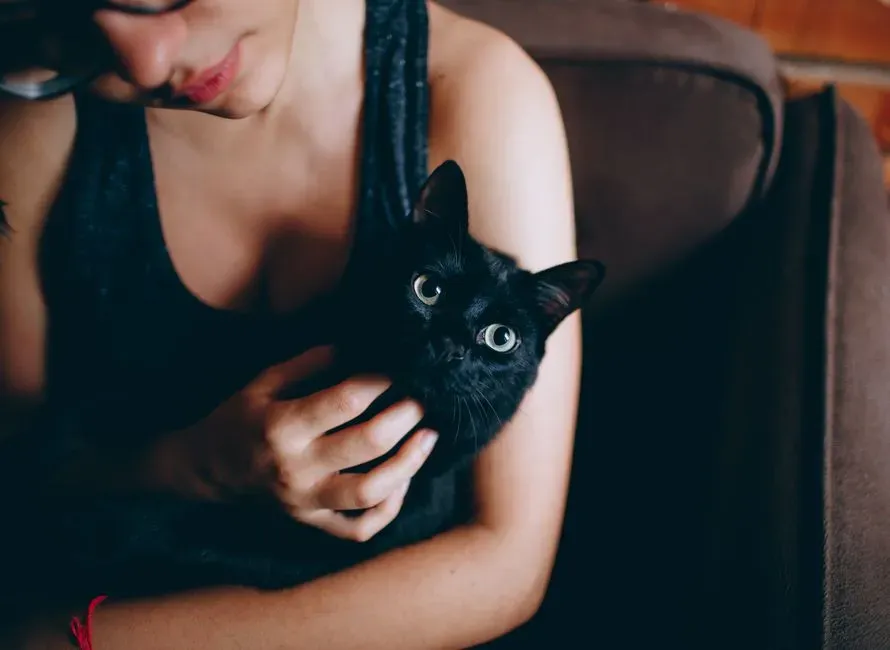
Your brain is constantly trying to predict other beings’ behavior: Will they hurt you, ignore you, accept you, or demand something from you? Humans are complex and unpredictable, with shifting moods, unspoken expectations, and layered histories. Your brain has to work overtime to keep up. Animals, by comparison, operate with obvious, straightforward signals: relaxed body, tail wag, purr, soft gaze, approach or retreat. Your brain reads those patterns quickly and tags them as low risk. On top of that, many of your experiences with animals may have been explicitly safe or soothing, which teaches your nervous system to attach a calm response to their presence. If an animal responds positively to you, it usually is not because you said the clever thing or looked the right way. It is because you showed up gently, consistently, and respectfully. Over time, your brain links “animal nearby” with “I do not have to perform,” and that feels profoundly unconditional.
Animals Lower Your Stress Chemistry in Real Time

When you pet a dog, sit with a purring cat, or even watch fish swim, your body often shifts into a calmer state almost without you noticing. Your heart rate can settle, your breathing slows, and your muscles soften. This is your nervous system moving out of fight-or-flight mode into something closer to rest-and-digest. It is not magic; it is a biological adjustment to a presence your brain reads as safe. You might also feel your thoughts become less critical and more present. Instead of replaying conversations or worrying about how you come across, you focus on the warmth of fur, the rhythm of breathing, or the silly way an animal tilts its head. Your attention lands in the moment, and your stress chemistry follows. This is why, for many people, an hour with an animal can be more regulating than an entire day spent “performing” around other humans.
Human Relationships Come With Social Agendas Your Body Can Feel

Even in the most loving human relationships, there are roles, expectations, and unspoken rules. You are someone’s child, partner, friend, coworker, or parent, and each role comes with a script your nervous system knows it has to navigate. You might worry about disappointing someone, burdening them, saying too much, saying too little, or not matching their emotional energy. Even when nothing is actually wrong, your body is often braced to manage those possibilities. With animals, that entire layer of social agenda falls away. You are not required to impress them, comfort them perfectly, keep up a conversation, or guess what they are secretly thinking. Your presence, your tone of voice, and your consistency matter more than your timing or phrasing. Your nervous system can tell when a relationship is relatively free of hidden demands, and it responds with less tension. If animals feel easier than people, it is because the “contract” between you and them is so much simpler.
Your Past Experiences Teach Your Nervous System Whom to Trust
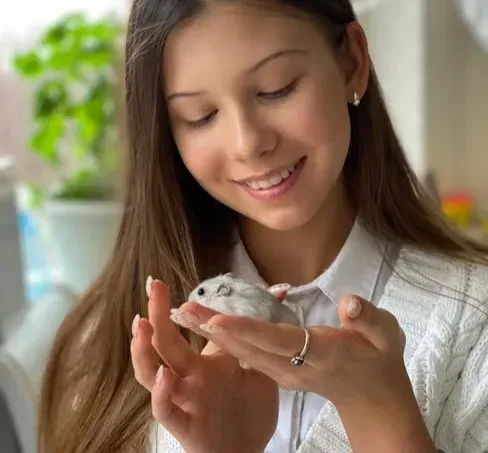
If you have been judged, mocked, excluded, or misunderstood in the past, your nervous system learned from those moments. It does not forget. Even if you consciously know not everyone will hurt you, your body may still react as if social spaces are unpredictable and dangerous. That is not overreacting; it is your system trying to protect you using old data. Being around people can start to feel like walking through a room full of emotional tripwires. Animals may have played a very different role for you. Maybe they were there when nobody else was, or they gave you comfort without questions when your world felt chaotic. Those moments become powerful signals your nervous system stores: “Here, I am safe. Here, I am accepted.” So when you now find yourself preferring a quiet evening with a dog over a loud party, it is not because you failed at being social. It is because your body remembers where it has consistently found safety.
Finding Connection Without Forcing Yourself to Be “More Social”
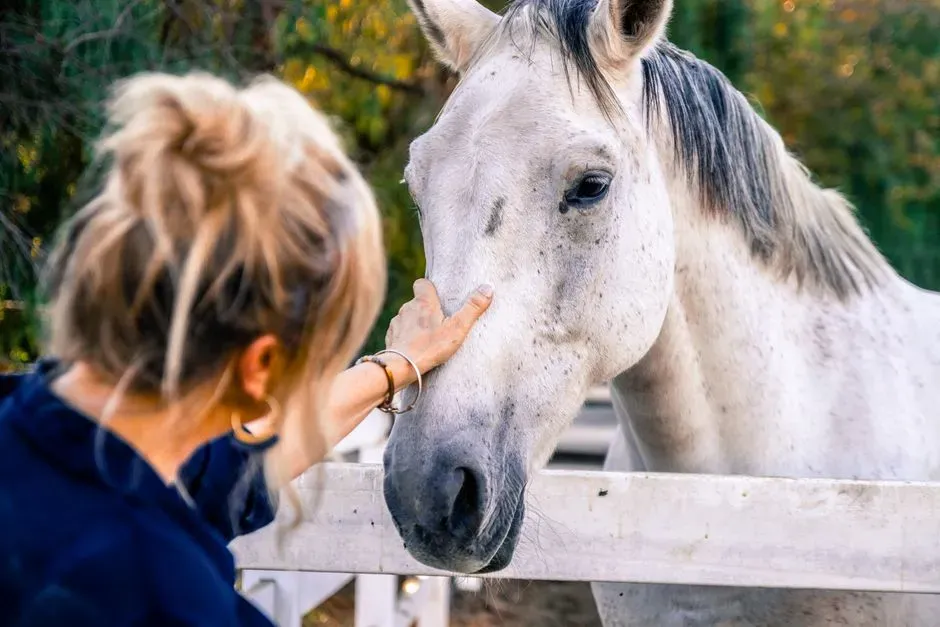
You do not have to fix your love for animals or force yourself to become a different kind of person. Wanting to spend time with creatures that regulate your nervous system is actually wise. It means you are paying attention to what helps you feel grounded. Instead of seeing this as avoidance, you can see it as one valid way your body restores itself. From that calmer place, it often becomes easier to approach human relationships more selectively and safely. You can also use what works with animals as a guide for people: look for humans who feel predictable, kind, and nonjudgmental, the ones your body does not instantly tense around. Start with smaller, lower-stakes interactions and notice how your nervous system responds. You are allowed to build a life that includes both deep animal connection and carefully chosen human connection. You are not choosing between “real” relationships and “fake” ones; you are choosing environments where your body can relax enough for real connection to happen.
How to Work With Your Nervous System Instead of Fighting It

If you want to feel less overwhelmed around people, the goal is not to bully yourself into more exposure while ignoring how distressed you feel. A more compassionate approach is to start where your body already feels safe, like with animals or in quieter, more predictable settings, and gradually expand your comfort zone. You can notice early signals of overwhelm – tight chest, shallow breath, racing thoughts – and step back before you are completely drained. This is not weakness; it is skillful self-regulation. Practices like slow breathing, grounding your senses, or even briefly picturing a calm moment with an animal before entering a social situation can help your nervous system feel less threatened. You are teaching your body that it can be in contact with people without abandoning its need for safety. Instead of seeing your preference for animals as something to “get over,” you can treat it as a clue: your system responds best to interactions that are steady, kind, and agenda-free. That is not a flaw; it is a standard.
Conclusion: Your Comfort With Animals Is a Signal, Not a Shame

If you feel less alone sitting with a dog than mingling at a party, that does not mean you are broken, stunted, or antisocial. It means your nervous system recognizes safety where the social script is simple and the acceptance feels genuine. Animals offer a kind of direct, wordless reassurance that your brain does not have to analyze to trust, and that can feel more deeply connecting than any forced conversation ever has. You are allowed to honor that truth without apologizing for it. Instead of asking what is wrong with you, you might start asking what your body is trying to tell you about the kind of presence it needs. Your connection with animals is not second-rate or childish – it is a real, valid form of relationship that reveals how profoundly you are wired for safety, not performance. When you think about it that way, is it really surprising that your nervous system chooses the company it can finally relax in?