
Look up at the Moon tonight and you’re staring at an ancient cosmic coincidence that feels almost like a magic trick: no matter when you look, the same face is turned toward you. For thousands of years, that unchanging view fed myths about a hidden “dark side,” secret civilizations, and unreachable worlds. Only in the past century did astronomers crack the deeper story, uncovering not just how this happens, but what it reveals about how gravity sculpts entire solar systems. This is not a simple quirk of orbital motion; it’s a fossil record of violent beginnings, slow-motion braking, and the quiet power of time. And the more closely scientists study it, the clearer it becomes that Earth’s familiar Moon is a key to understanding countless other worlds we have yet to explore.
The Hidden Clues in a Familiar Face
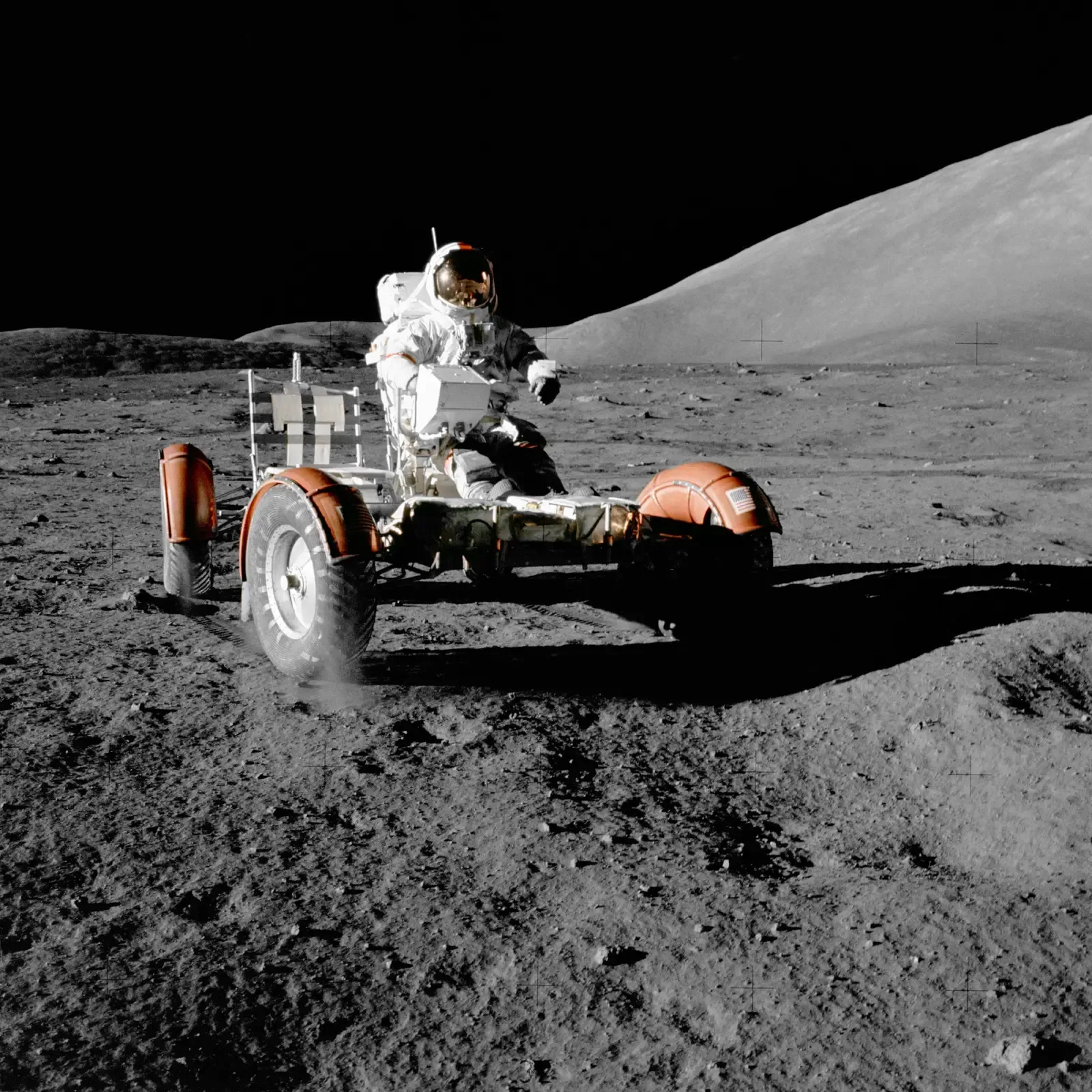
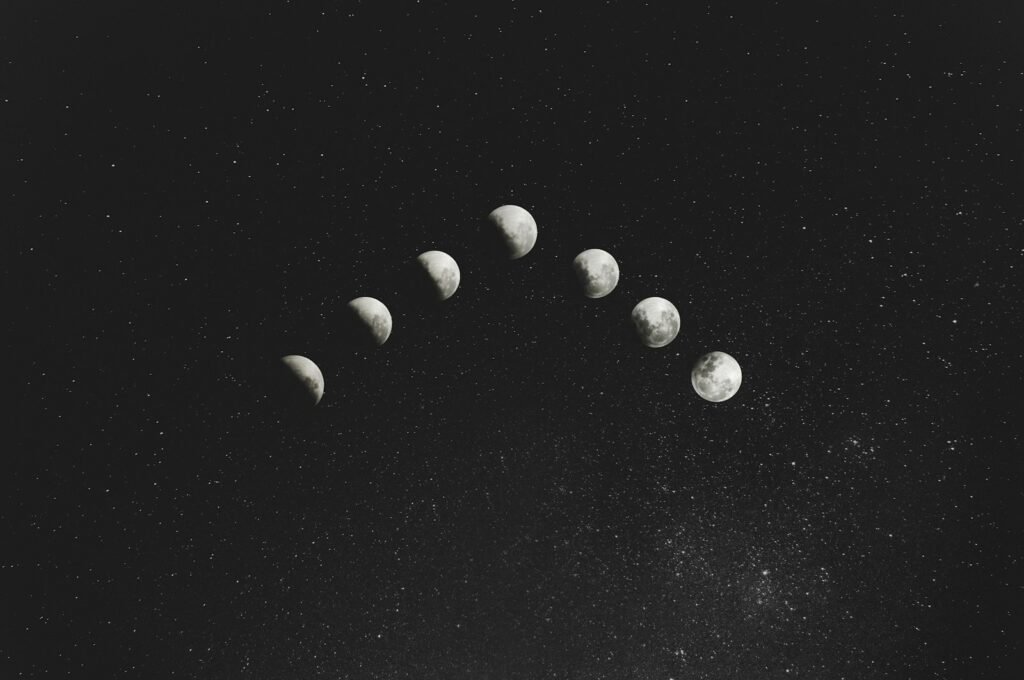
The eerie part is how normal the Moon looks at first glance: a mottled disk, the same familiar craters and dark maria night after night, as if frozen in the sky. That reliability hides a subtle truth: the Moon is actually spinning, but it rotates at precisely the same rate that it orbits Earth. Astronomers call this state tidal locking, and it means one hemisphere is always turned toward us while the other stays out of view, except from orbiting spacecraft. When I first learned that, it felt counterintuitive; if something is rotating, shouldn’t we eventually see all sides? Yet the Moon’s steady face is a hint that powerful gravitational forces have been quietly reshaping its motion for billions of years.
In fact, the Moon wobbles slightly – what astronomers call libration – so over time we can see a bit more than half of its surface, roughly about three fifths in total. That small tip-and-tilt is like the Universe’s admission that nothing is perfectly rigid or perfectly aligned. The near side we know is dominated by large, dark basalt plains formed by ancient lava flows, while the far side is more heavily cratered and surprisingly different in composition. Those contrasts are not random; they point to an early history of intense heating, asymmetry, and impacts. Every bright full Moon is therefore a kind of cosmic mask, and the fact that the same mask always faces us is the first clue that gravity has been sculpting both Earth and Moon since their fiery beginnings.
From Violent Birth to Gravitational Grip
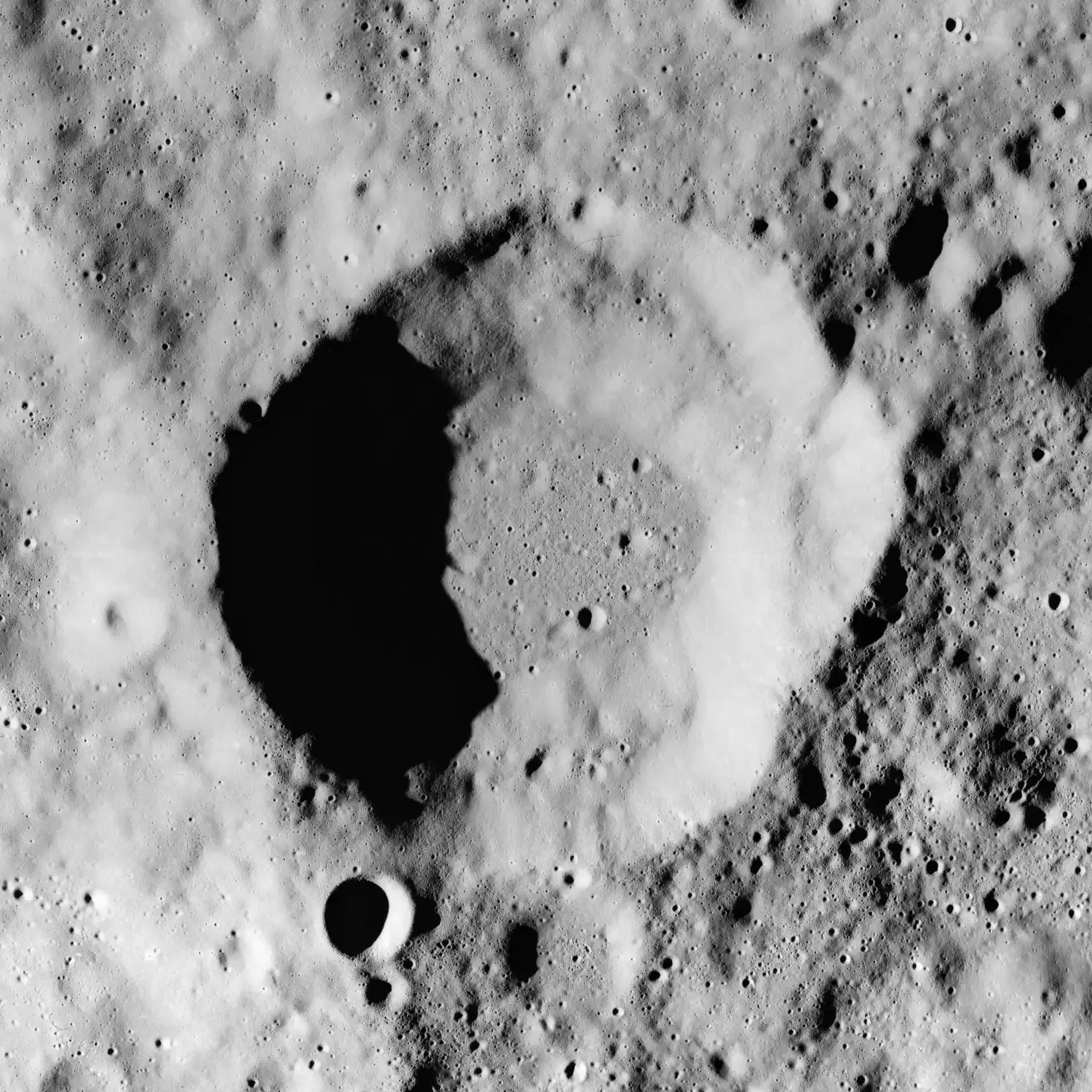
The leading story of how the Moon came to be would put any science fiction blockbuster to shame. Around four and a half billion years ago, a Mars-sized object likely slammed into the young Earth, ejecting a halo of rock and vapor that eventually coalesced into the Moon. In those early days, the newborn Moon orbited much closer to Earth, and it rotated much faster – there was no reason for it to show us just one side. But Earth’s gravity raised enormous tidal bulges in the still-molten or semi-molten Moon, stretching it slightly out of shape. As the Moon rotated, those bulges constantly shifted, like a heavy backpack swinging on your shoulders as you twist around.
That constant reshaping created friction inside the Moon, converting rotational energy into heat and gradually slowing its spin. Over millions of years, the Moon’s rotation rate decreased until it matched its orbital period, reaching a stable configuration where the bulges lined up with Earth and stopped shifting as much. By that point, the Moon had essentially “locked in” one side toward us, entering the synchronous rotation we see today. The process did not stop there – Earth’s own rotation has been slowed by the Moon’s gravity as well, lengthening our days from just a few hours in the deep past to the roughly twenty-four hours we experience now. What we see in the sky is therefore the end result of an ancient gravitational negotiation between two worlds.
The Subtle Mechanics of Tidal Locking
At its core, tidal locking is about gravity’s ability to stretch and torque rotating bodies. Any massive object, like Earth, pulls more strongly on the near side of a smaller companion than on its far side, creating a difference in gravitational pull known as a tidal force. This produces a gentle stretching, turning a spherical moon or planet into something slightly elongated, like a squashed ball. If that distorted body rotates at a different rate than it orbits, the bulge is never quite aligned with the line connecting the two objects. Gravity then tugs on the misaligned bulge, creating a torque that slows, or in some cases speeds up, the rotation.
Over vast stretches of time, this torque adjusts the rotation until the bulge points straight at the larger object, locking one hemisphere into permanent view. The speed of this process depends on several factors, including the distance between the bodies, their masses, and how rigid or squishy their interiors are. Soft, molten, or partially fluid interiors dissipate tidal energy more efficiently, so they can lock faster. For the Moon, this interplay of internal friction, orbital distance, and mass set a time scale of hundreds of millions of years to settle into the configuration we see now. It’s an elegant example of how slow, relentless physics can carve order out of the chaos left behind by planetary collisions.
Other Worlds, Same Trick: Moons Across the Solar System
Once astronomers understood why the Moon keeps one face toward Earth, they started noticing the same pattern almost everywhere they looked. The vast majority of large moons in our solar system are tidally locked to their parent planets. Jupiter’s moons Io, Europa, Ganymede, and Callisto all keep one hemisphere pointed toward the giant planet, while Saturn’s moon Enceladus does the same in its icy orbit. This is not a rare cosmic curiosity; it is the default outcome for moons that spend enough time orbiting close to a massive world.
Those tidal forces do more than set rotation periods. They can knead a moon’s interior, generating heat that powers geysers, volcanoes, and potentially subsurface oceans. Europa’s likely global ocean and Enceladus’s dramatic water plumes are both thought to be maintained by tidal heating driven by their locked dances around giant planets. Astronomers now see tidal locking as a common ingredient in making potentially habitable environments beyond Earth. In that sense, the same physics that keeps one side of our Moon always facing us may also be helping keep alien oceans warm and active, far from the Sun’s direct light.
A Universe of Two-Faced Worlds: Exoplanets and Extreme Daysides
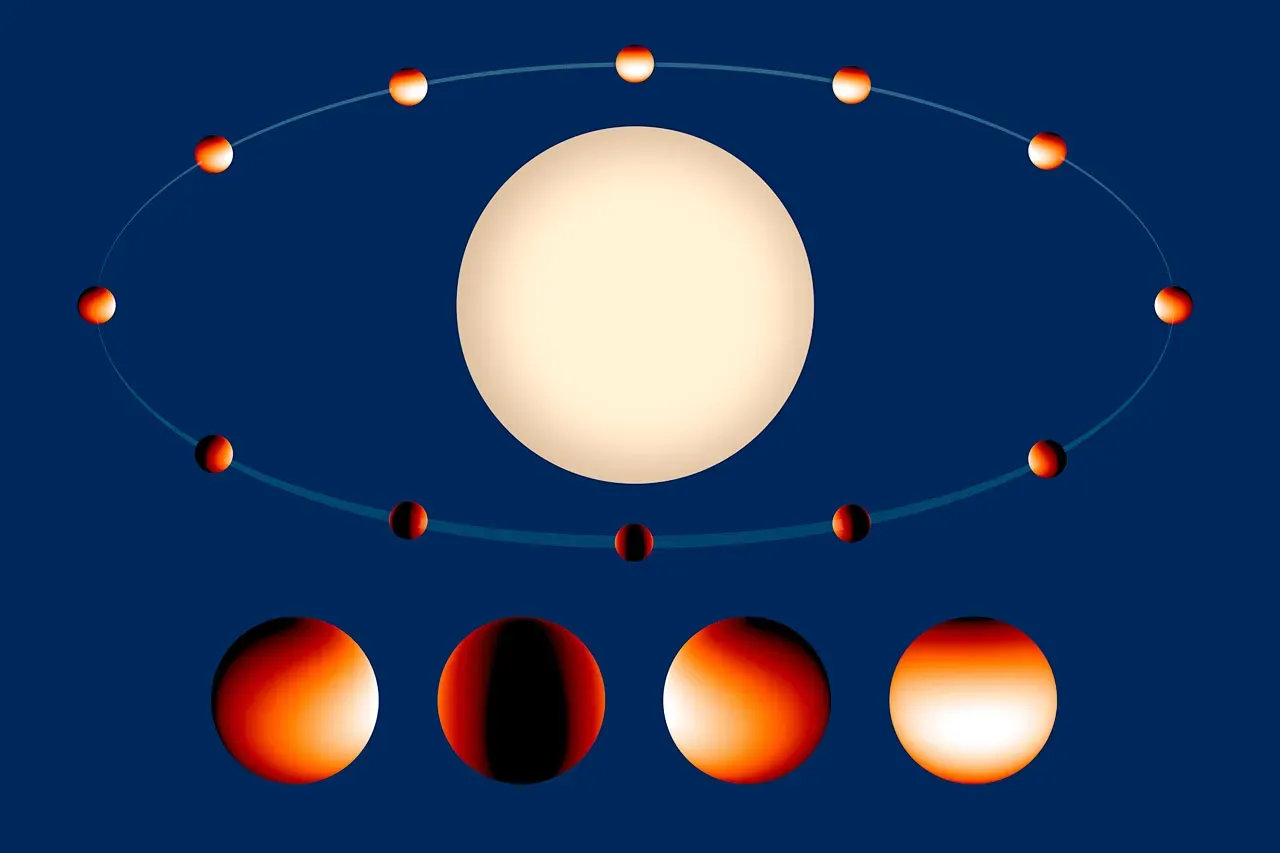
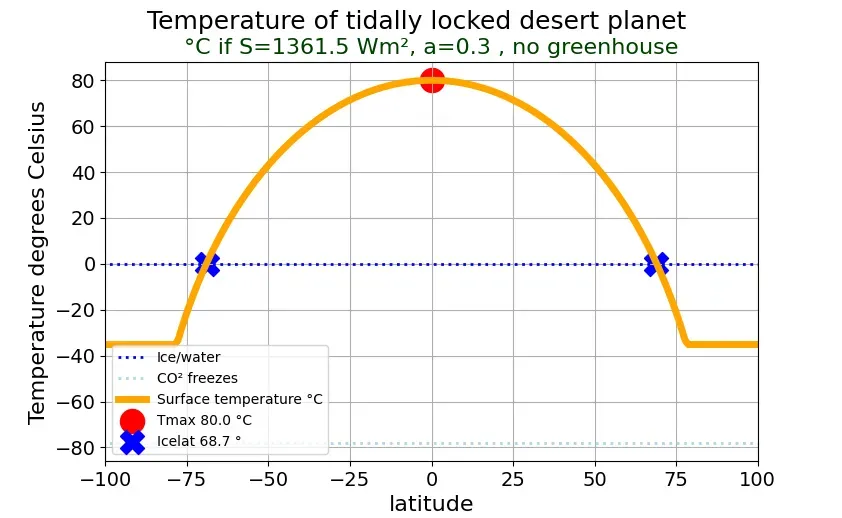
The story turns even stranger once we leave our solar system and consider planets orbiting other stars. Many of the exoplanets discovered so far orbit very close to their parent stars, especially the so-called hot Jupiters and super-Earths found by missions like Kepler and TESS. At such short distances, tidal forces become enormous, and the same locking process that shaped our Moon can freeze a planet’s rotation relative to its star. The result is a world with a permanent dayside facing the star and a permanent nightside shrouded in darkness, with no sunrise or sunset ever sweeping across the surface.
For a long time, scientists assumed that such tidally locked exoplanets would be inhospitable, with one hemisphere scorched and the other frozen solid. Newer climate models suggest a more nuanced picture, especially for planets with thick atmospheres or oceans that can transport heat. Winds could carry energy from the blazing dayside to the cold nightside, creating habitable twilight zones around the planet’s terminator line. In some scenarios, that ring of eternal dusk might be the most comfortable place for life to emerge. Our familiarity with the Moon’s locked face is now shaping how researchers model these distant, two-faced worlds and assess whether they could host life.
Why It Matters: Time, Tides, and the Story of Earth
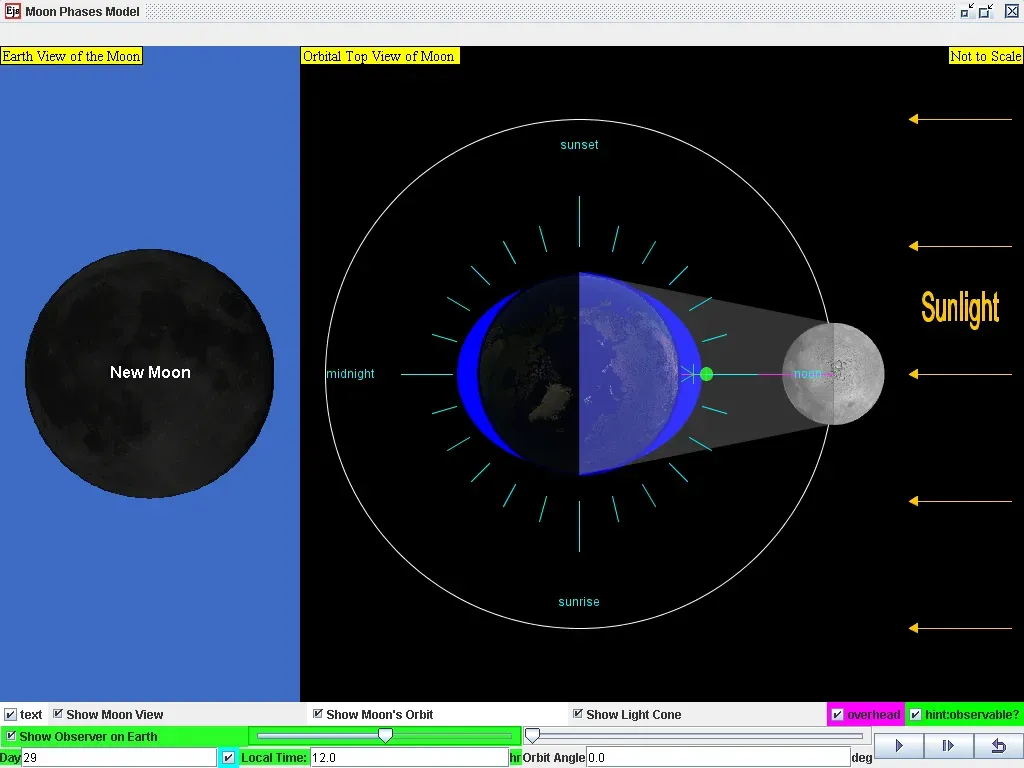
It might be tempting to see the Moon’s fixed face as a mere astronomical curiosity, but its consequences reach directly into Earth’s history. The gravitational interaction that locked the Moon has also been gradually pushing it away from us and slowing Earth’s spin. Geological and fossil evidence suggests that in the distant past, Earth’s days were shorter and the number of days in a year was higher. Tides were stronger, too, with the young Moon closer in the sky and its pull more intense on our oceans. Those tides helped stir coastal environments, mix nutrients, and shape the habitats where early life evolved.
From a broader standpoint, the Earth–Moon system is a natural laboratory for studying long-term orbital evolution and planetary stability. Without the Moon, Earth’s axial tilt might have wandered much more over time, driving wild climate swings that could have made complex life less likely. The same tides that slowed the Moon’s rotation and fixed its face may also have helped stabilize conditions on our own world. When scientists study tidal locking today, they are not just crunching orbital equations; they are tracing how gravity can shape the destinies of worlds, including our own, over billions of years.
The Future Landscape: A Changing Dance in Deep Time
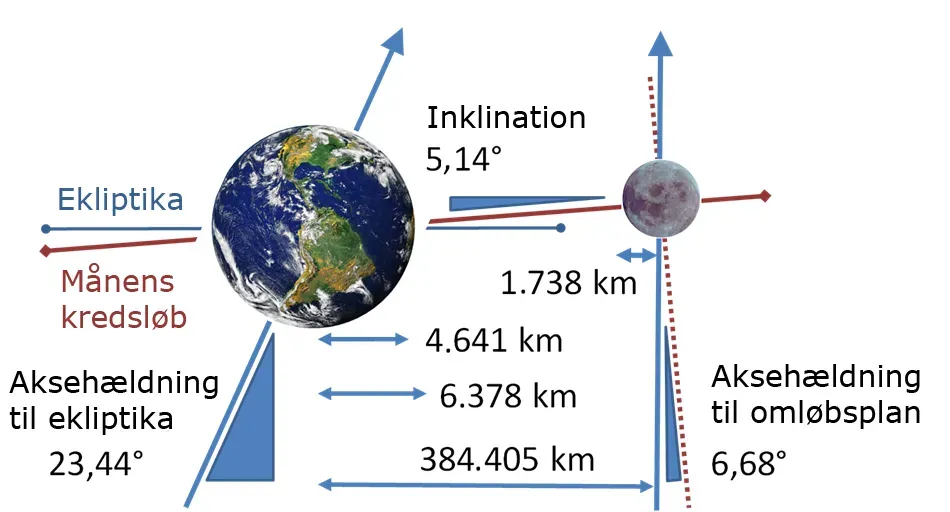
The locking of the Moon’s face toward Earth feels permanent on human timescales, but the gravitational dance is still evolving. Laser ranging experiments, which bounce light off reflectors left on the lunar surface by Apollo astronauts, show that the Moon is slowly drifting away from Earth by a few centimeters each year. As it recedes, the tidal forces between Earth and Moon weaken slightly, further lengthening Earth’s day over immense spans of time. At the same time, Earth’s own rotation continues to slow, and the balance of angular momentum in the system keeps shifting. None of this will be noticeable across a single human lifetime, but across hundreds of millions of years, the changes add up.
Astronomers also use these dynamics to predict what will happen in more extreme environments, such as planets orbiting close to red dwarf stars. There, tidal locking may occur much faster, and strong flares from the star could strip atmospheres or alter potential biospheres. Future telescopes will probe these worlds in more detail, looking for heat patterns and atmospheric signatures that betray a locked rotation. By comparing their behavior to the well-understood Earth–Moon system, scientists hope to refine models of planetary evolution, climate, and habitability. The Moon, in other words, is our nearby test case for understanding the fates of countless other locked worlds throughout the galaxy.
How You Can Engage With the Moon’s Strange Stillness
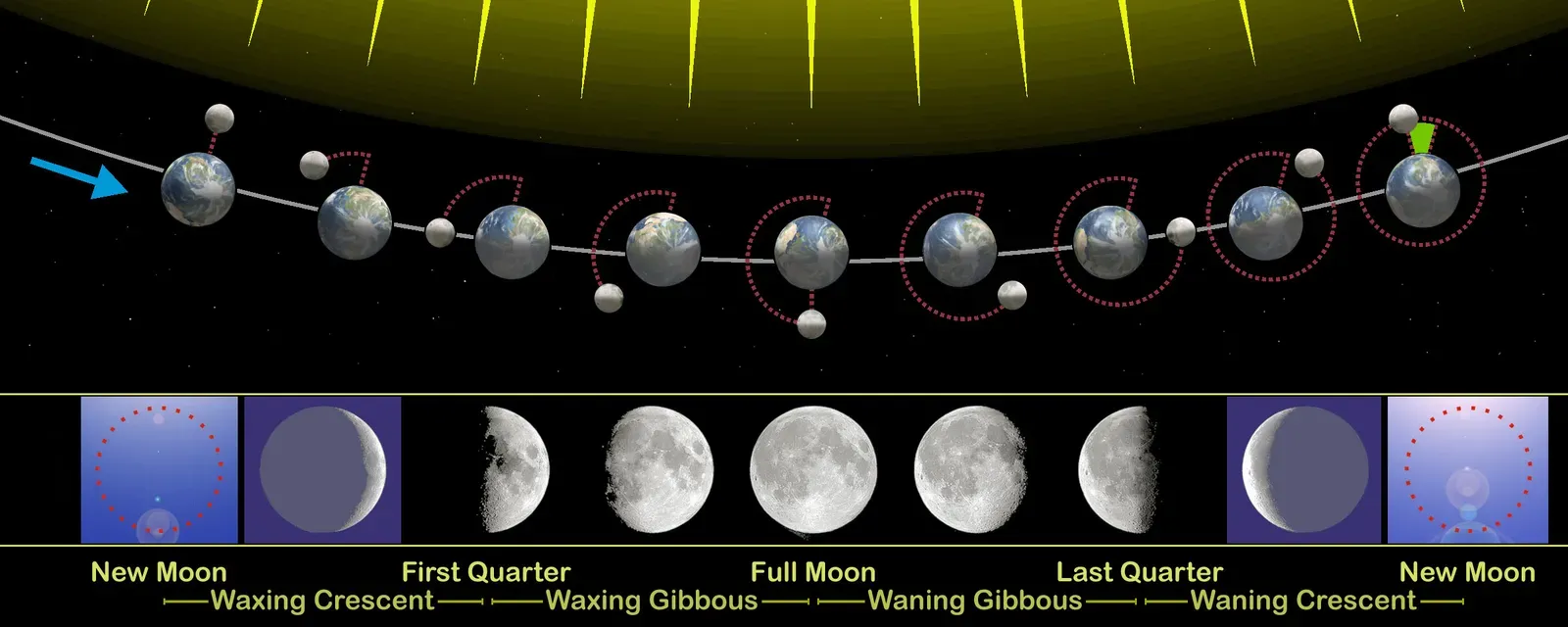
You do not need a telescope or a physics degree to connect with the deep science behind the Moon’s unchanging face. The next clear night, step outside and really look at it; try to picture the hidden hemisphere you can never see from Earth, and imagine the slow braking of its spin over billions of years. Simple tools like smartphone astronomy apps can help you trace the Moon’s path, phases, and subtle wobbles, making the mechanics of its motion feel more real. If you have binoculars, scan the bright craters and dark plains and remember that the far side looks markedly different, shaped by the same gravity that locked the Moon in place. That small act of attention turns an everyday sky object into a living story of planetary evolution.
You can also support organizations and space missions that study the Moon and other tidally locked worlds, from public space agencies to university research programs. Educational outreach, citizen science projects, and local astronomy clubs offer ways to learn more and share that knowledge with others. Even conversations with friends and family about why the same side of the Moon always faces Earth can spark curiosity and a deeper appreciation for our place in the cosmos. When we collectively care about these questions, it strengthens the case for continued exploration and scientific investment. The next time you catch the Moon out of the corner of your eye, will you see just a familiar face – or a reminder of the invisible forces shaping worlds across the Universe?
Suhail Ahmed is a passionate digital professional and nature enthusiast with over 8 years of experience in content strategy, SEO, web development, and digital operations. Alongside his freelance journey, Suhail actively contributes to nature and wildlife platforms like Discover Wildlife, where he channels his curiosity for the planet into engaging, educational storytelling.
With a strong background in managing digital ecosystems — from ecommerce stores and WordPress websites to social media and automation — Suhail merges technical precision with creative insight. His content reflects a rare balance: SEO-friendly yet deeply human, data-informed yet emotionally resonant.
Driven by a love for discovery and storytelling, Suhail believes in using digital platforms to amplify causes that matter — especially those protecting Earth’s biodiversity and inspiring sustainable living. Whether he’s managing online projects or crafting wildlife content, his goal remains the same: to inform, inspire, and leave a positive digital footprint.