
There is a strange shiver that runs through the mind when you really let the thought land: one day, the light will simply go out. Not the lights in your room, not the lights in your city, but the light of awareness itself – the quiet, constant sense of being you. For many people, this is more unsettling than any physical pain or illness; it feels like staring at the edge of a cliff that has no bottom.
What makes it even more unnerving is how normal everything feels right now. You can read these words, think your thoughts, remember your morning, plan your evening – and yet this entire stream of experience is tied to something that can be snapped, slowly or suddenly. That tension between how solid life feels and how easily it can vanish is exactly why consciousness feels so fragile when we confront death.
The Brain’s Delicate Machinery Behind Our Sense of “I”
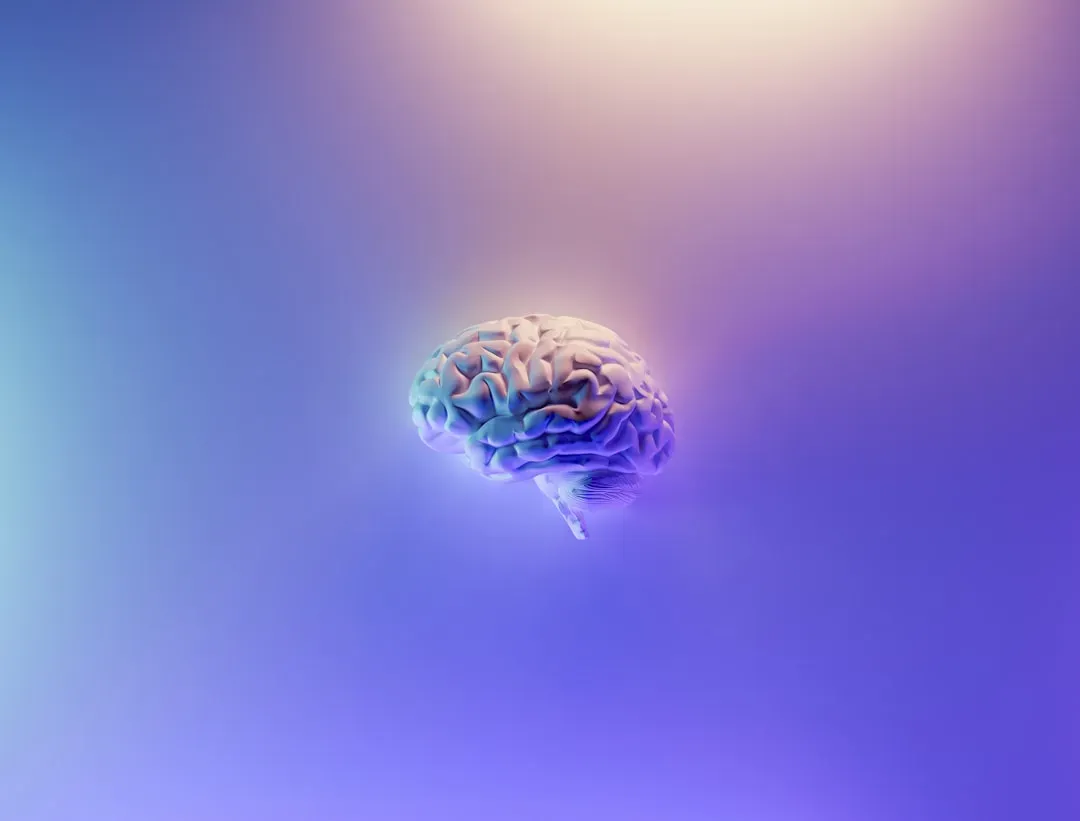
It is tempting to imagine consciousness as some kind of immaterial glow, but every moment of experience depends on physical machinery that is surprisingly vulnerable. Billions of neurons fire in coordinated patterns, passing signals through tiny gaps, relying on balanced chemicals and steady blood flow. A brief lack of oxygen, a small bleed, or an electrical storm in the wrong region can radically distort, mute, or even completely erase awareness.
You see this fragility in everyday medical realities: a concussion can steal memories, anesthesia can shut off the sense of “I” like a light switch, and certain seizures can momentarily dissolve any sense of self at all. The fact that changing sodium levels or disrupting a cluster of cells can alter who we seem to be makes consciousness feel less like a solid crystal and more like a delicate flame, always at the mercy of its fuel and container.
Why the Thought of “Nothingness” Overloads the Mind
One reason death feels so threatening is that the mind is not built to simulate its own absence. You can imagine floating in space, going blind, or waking up in a strange room, but you cannot actually picture a state in which you are not conscious at all. The instant you try, you still picture something – a dark room, the color black, silence – and in all those images you are still there, experiencing it.
This creates a kind of cognitive error: we keep trying to stretch imagination past its limit, and we repeatedly crash into a blank wall. That repeated failure makes death feel uncanny and unreal, even when we intellectually accept it. The brain, exquisitely tuned to predict next moments, suddenly sees a horizon beyond which prediction becomes impossible, and that mismatch generates fear, vertigo, and the sense that consciousness is standing on thin ice.
The Survival Circuits That Turn Death Into a Psychological Earthquake
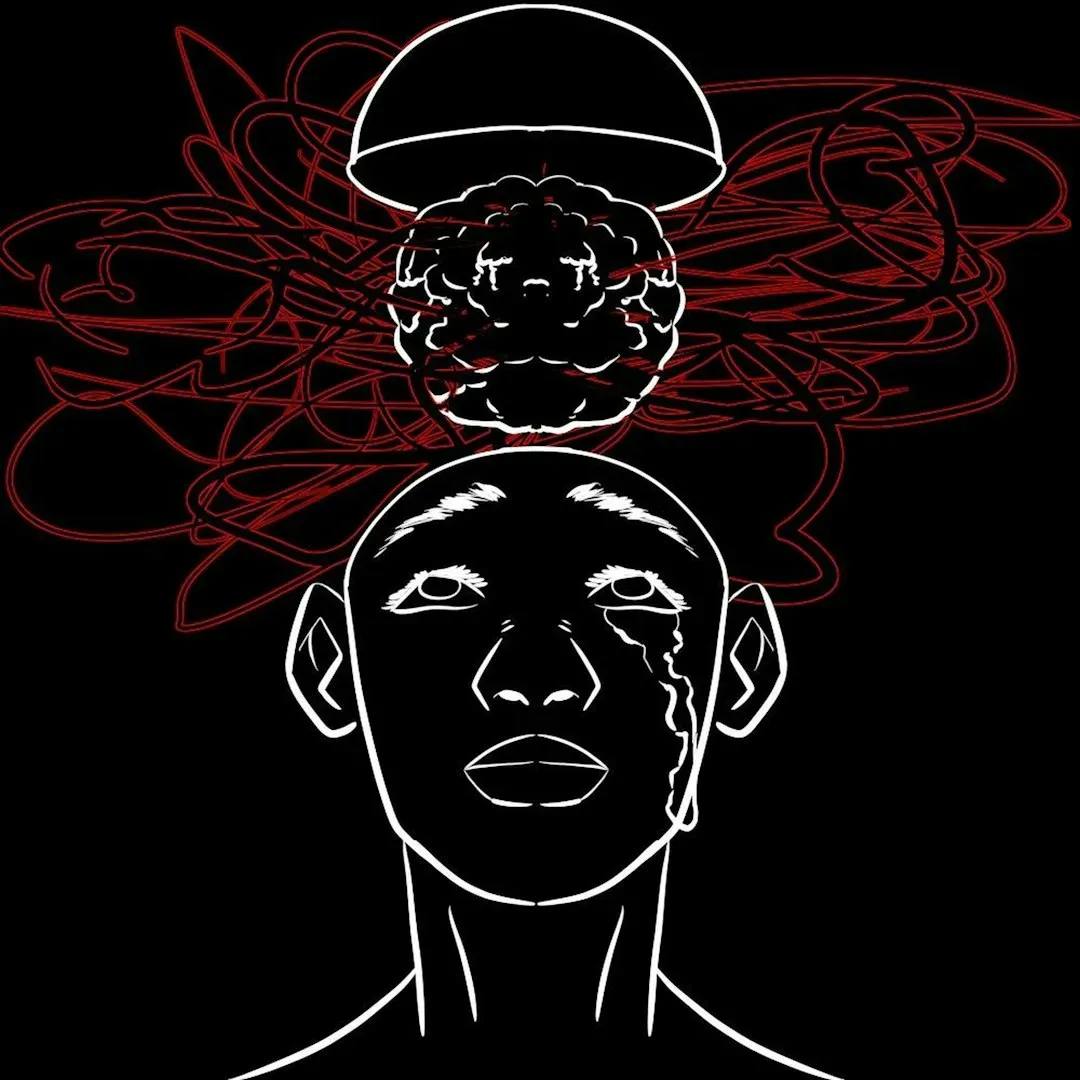
Layered beneath our philosophy and spirituality are primitive neural circuits that treat threats to survival as red alerts. Regions deep in the brain, like the amygdala and brainstem centers, constantly scan for danger and trigger waves of anxiety, racing heartbeats, and compulsive attention whenever our survival is on the line. The idea of death, even when merely imagined, can light up some of the same systems that respond to immediate physical danger.
Because these survival circuits evolved to keep a body alive at almost any cost, they are not neutral observers; they are biased alarm systems. When you contemplate your own end, they do not calmly weigh probabilities – they amplify dread. This bodily alarm then feeds back into your thoughts, making death feel not just conceptually serious but emotionally catastrophic, as if something infinitely precious and precarious is being held over a fire.
Identity as a Story That Can Suddenly Stop
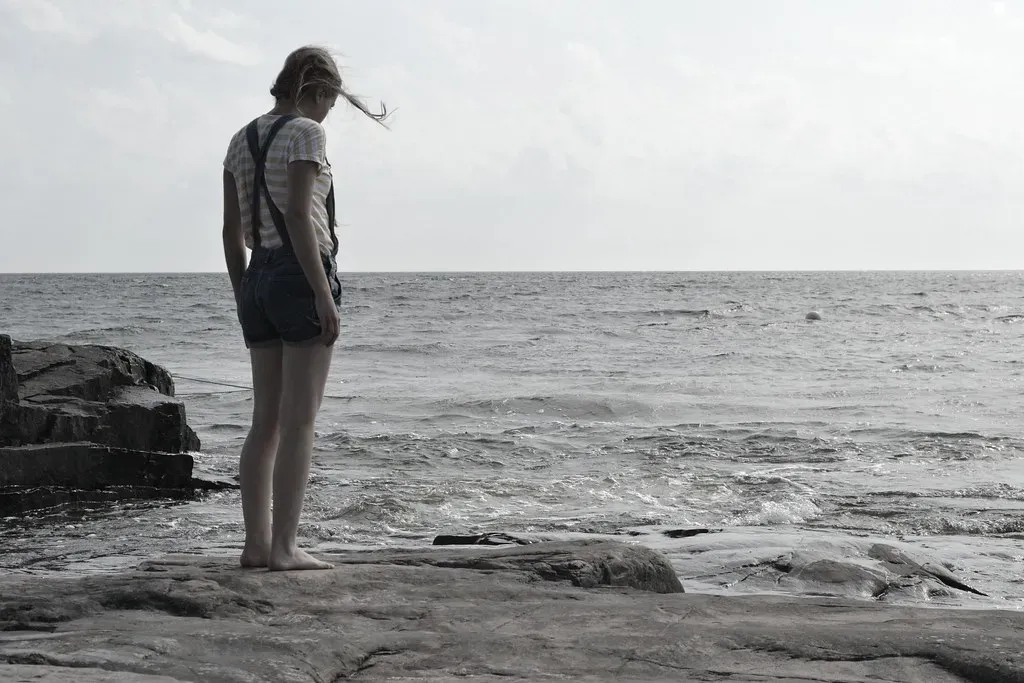
Another reason consciousness feels so fragile is that a large part of who you think you are is a story running in your head. You narrate your life: where you came from, who hurt you, what you achieved, what you hope for. Memory, personality, and goals all weave together into a sense of self that stretches from past to future. Death appears in that story like an abrupt full stop, an ending where the narrator also disappears.
We are used to stories where something continues – another chapter, a sequel, someone else carrying the tale. The idea that the main character and even the storyteller both cease together throws our narrative sense into shock. It is not just that the story ends; it is that the capacity to tell any story at all is suddenly gone, and that makes the continuity of identity feel paper-thin, like pages that can be scattered by a single gust of wind.
How Memory Loss and Brain Disorders Expose Our Vulnerability
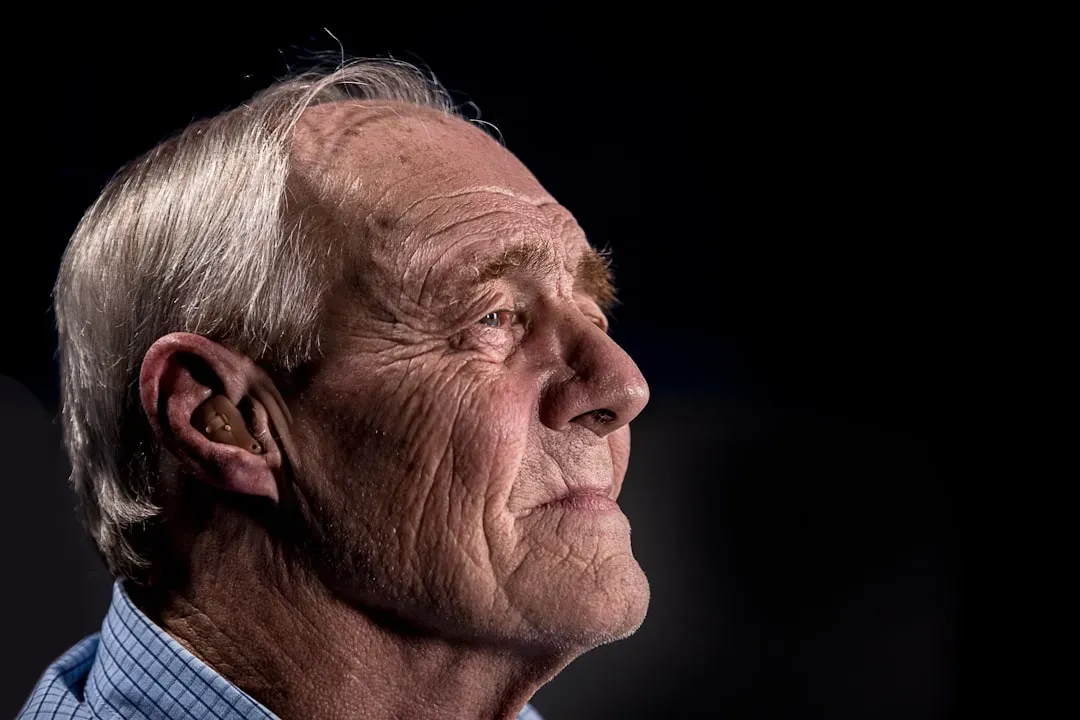
Diseases that affect the brain make the fragility of consciousness painfully visible. In conditions like Alzheimer’s disease and other forms of dementia, memories that once felt permanent can fade, fragment, or vanish entirely. A person can fail to recognize family, forget entire decades, or lose the ability to follow simple conversations, even while their body remains present.
These changes show that the sense of self we lean on every day depends on biological processes that can deteriorate gradually, not only disappear suddenly at death. Watching someone you love change in this way is like seeing the scaffolding of a mind come loose piece by piece. It reinforces the unsettling idea that consciousness is not a fixed object you own but an active process that can weaken, stall, and finally halt.
On a more personal level, people who suffer strokes, brain injuries, or severe infections sometimes wake up with altered personalities, shifted preferences, or missing chunks of time. Even when recovery is possible, it is impossible to ignore the lesson: a blood clot the size of a seed can rewrite parts of who you are. That knowledge lingers in the background when we think about death, making the whole structure of awareness feel frighteningly easy to damage.
The Clash Between Our Intuition of a Soul and the Weight of Neuroscience
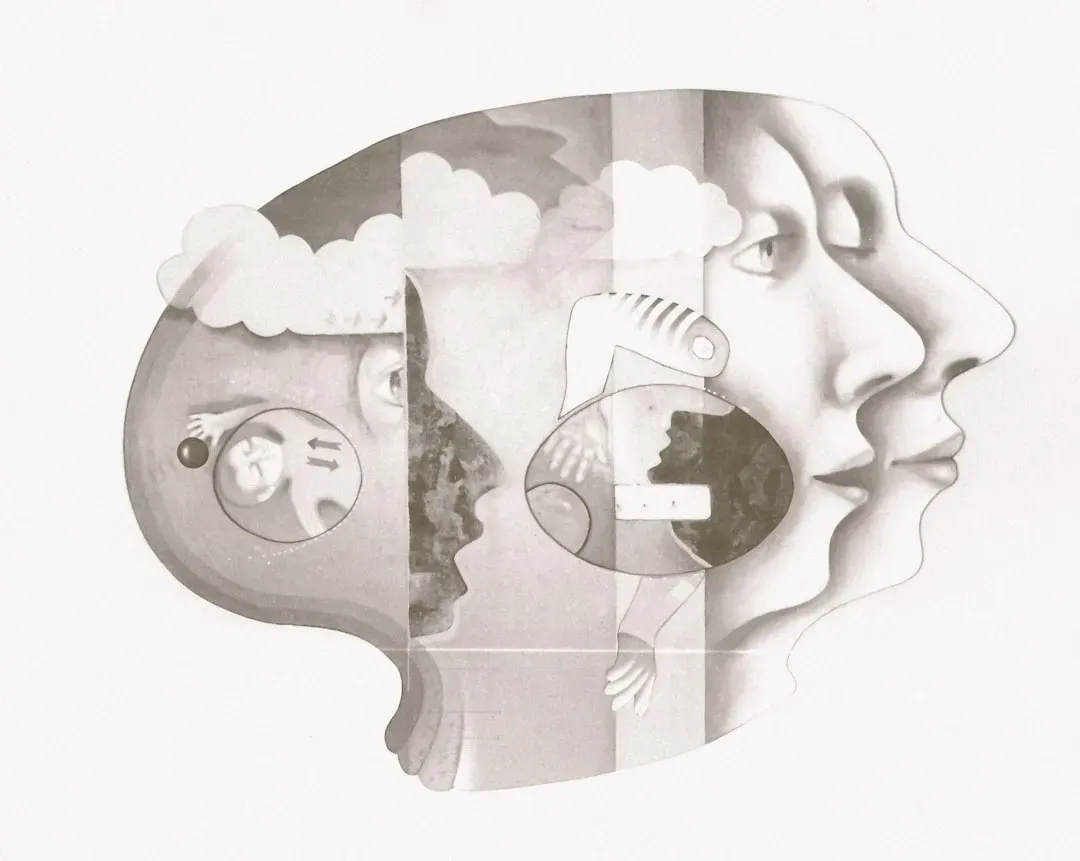
Across cultures and centuries, many people have felt that there is something more to consciousness than the brain – something like a soul, essence, or spirit. Intuitively, it can feel wrong to say that all of our rich inner life is just the result of electrical and chemical activity. This intuition can be comforting, because if consciousness is more than the body, maybe it can survive the body’s breakdown.
At the same time, modern neuroscience keeps pointing in a stark direction: tamper with the brain and you tamper with experience. Certain regions link tightly to language, others to self-awareness, others to emotion regulation, and when these areas are damaged, consciousness changes in systematic ways. When you put these two forces side by side – the feeling that we must be more than meat and the evidence that our awareness tracks the meat very closely – you get a tension that makes consciousness feel caught between permanence and complete dependence.
Culture, Religion, and the Stories We Tell About What Comes Next

How fragile consciousness feels is not just about biology; it also depends heavily on cultural stories about what happens after death. In some traditions, death is framed as a transition, a doorway, or a return, and consciousness or soul is said to continue in another realm or another life. For many people, this framing can soften the sense of total annihilation, transforming fear into a mixture of curiosity, hope, or acceptance.
In more secular or skeptical cultures, the dominant narrative is often that when the brain stops, consciousness simply ends, and there is no ongoing observer. This view can feel sharply final, almost brutally so, especially when contrasted with earlier beliefs a person may have grown up with. That cultural shift can heighten the sense that consciousness is something slippery and easily lost, making the idea of death feel like the ultimate, irreversible delete rather than a mysterious next chapter.
The Strange Comfort and Terror of Near-Death Experiences

Accounts of near-death experiences add another layer of complexity. Some people who come close to dying report vivid perceptions, altered time, feelings of detachment from the body, or a powerful sense of peace, even when their brain function is heavily compromised. These reports have led some to argue that consciousness might not be entirely confined to normal brain activity and might, somehow, persist beyond it.
However, there are also scientific explanations that link these experiences to unusual patterns of brain activity, surges of neurotransmitters, and the brain’s attempts to make sense of failing input. The fact that we do not yet fully understand how these episodes arise keeps the uncertainty alive. For some, that uncertainty is comforting, a hint that the story might not end at death; for others, it underscores how little we truly know about the conditions that support or distort consciousness.
Can Understanding Death Make Consciousness Feel Less Fragile?

There is a quiet hope underneath much of this exploration: if we can understand consciousness and death more clearly, maybe they will feel less terrifying. Some people find that learning about the brain’s mechanisms and the universality of death brings a grounded calm, like turning on a light in a dark room. Seeing death as a natural endpoint of a biological process, not a cosmic betrayal, can make individual awareness feel like a rare and finite gift rather than a guarantee that has been stolen.
Others find peace in more philosophical moves: accepting that you cannot experience your own non-existence, or recognizing that the fear of death is, in a way, evidence of how deeply you care about being alive. Shifting attention from the unknowable state after death to the very knowable richness of the present moment can transform fragility from a threat into a reason to savor. The same way you handle a fragile glass with more appreciation and care, you might handle your own consciousness with more tenderness once you accept how easily it could have never been here at all.
Conclusion: Fragility, or the Very Thing That Gives Life Its Weight?
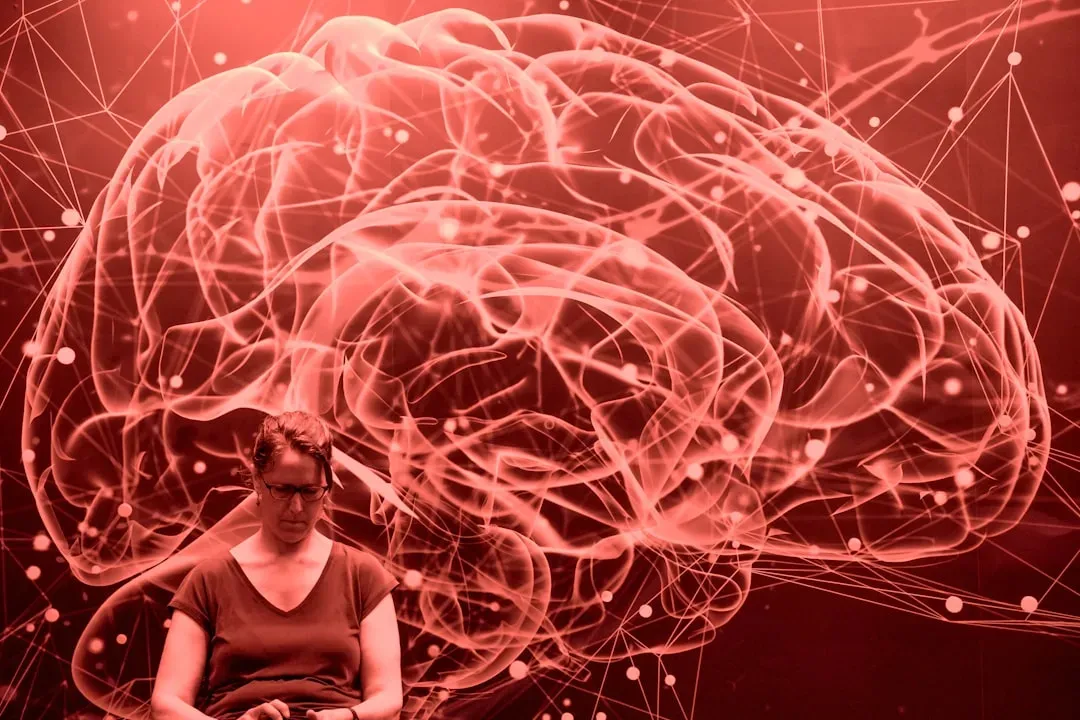
To me, the fragility of consciousness is not just a bug in the system; it is part of what gives life its strange, vivid intensity. Knowing that awareness depends on breakable tissue, limited time, and a thousand biochemical conditions makes each ordinary experience feel less ordinary. A laugh with a friend, the taste of coffee, the sting of a mistake – all of it exists on a tiny, temporary stage that could go dark at any moment.
I do not think we can fully remove the fear around that, and I am not convinced we should. Some fear is really a distorted form of love: love of being here, of noticing, of caring. If consciousness felt indestructible, we might drift through life half-asleep; because it feels fragile, we have a chance to be awake. The real question, perhaps, is not whether death makes awareness too delicate to bear, but whether that very delicacy is what finally pushes us to live as if our moments actually matter – and how else could they?