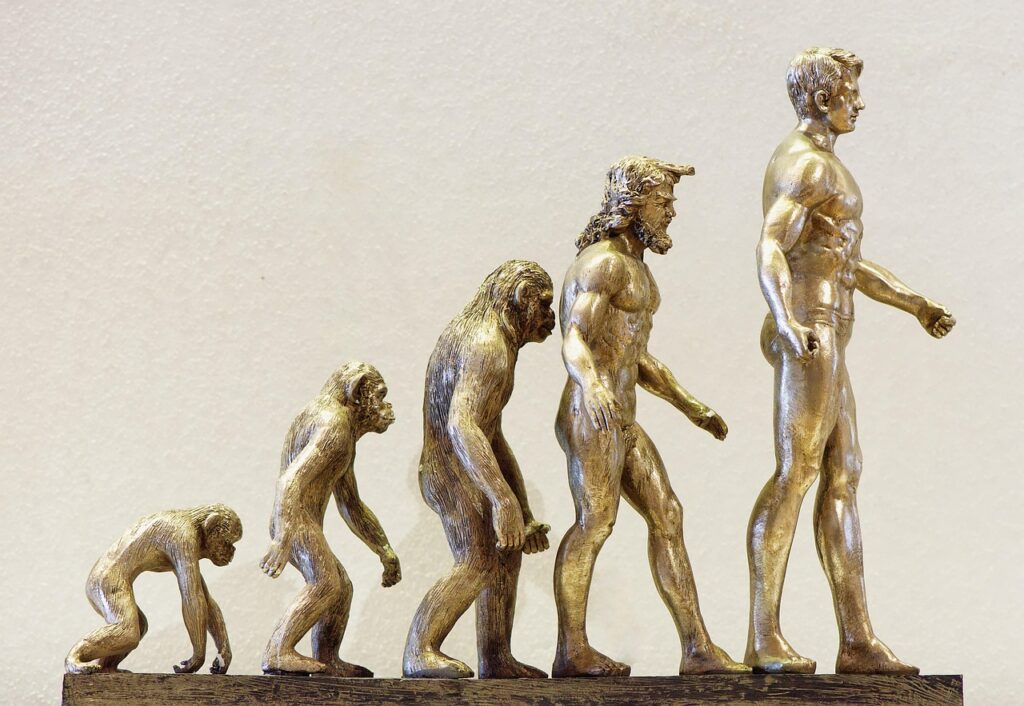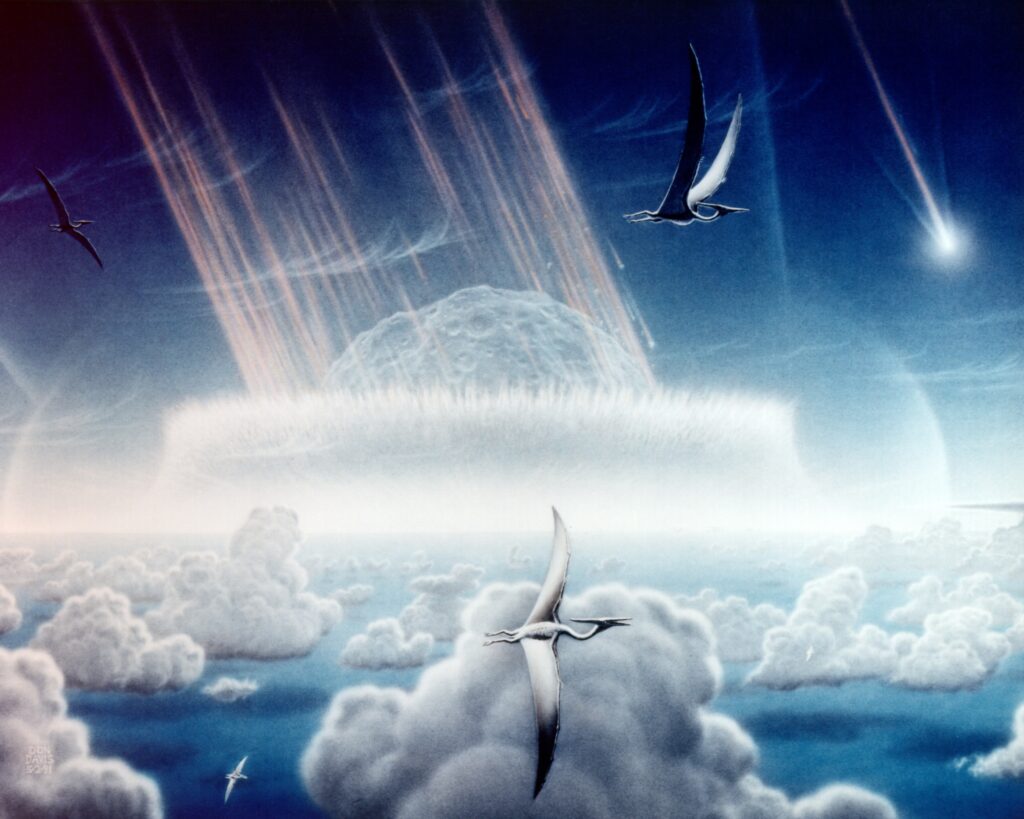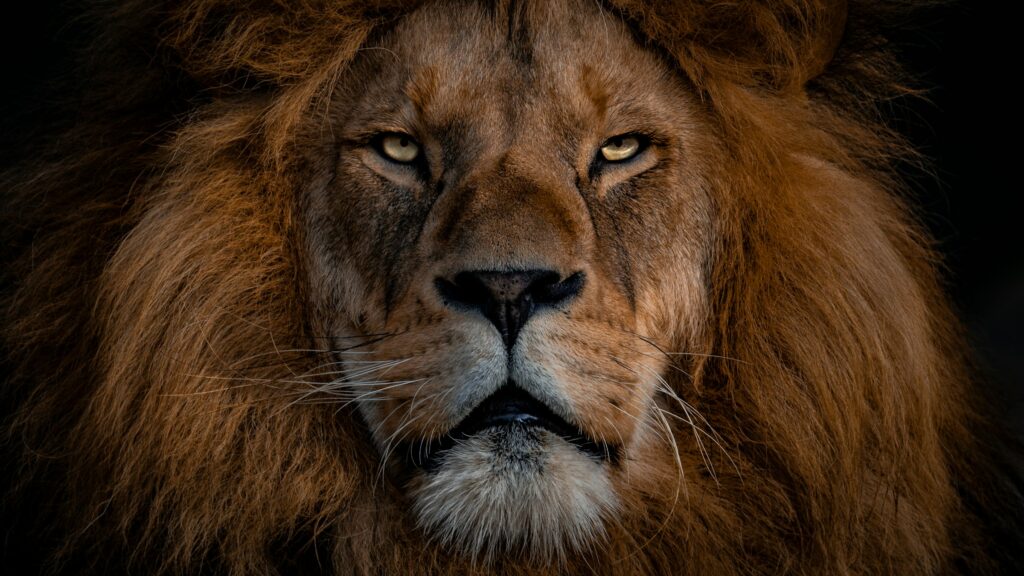

You probably know the feeling: your pulse jumps during a shark documentary, you root for the tiger in a nature clip for just a second too long, or you get chills watching a movie monster tear across the screen. On paper, these are the exact creatures your ancestors tried very hard to avoid, yet you seek them out from the safety of your couch, your phone, or a zoo railing. That strange mix of fear, respect, and awe is not an accident. It is one of the deepest psychological echoes you still carry from a world where teeth and claws decided, very literally, who lived to tell the story. When you look at a lion or an orca today, you are not just seeing an animal; you are brushing up against a very old relationship. For a staggeringly long stretch of human history, your species was not at the top of the food chain. Large cats, wolves, crocodiles, giant birds of prey, and even massive snakes shaped where people slept, when they moved, and how they cooperated. Your nervous system, your attention, and even your imagination were forged in that environment, and they have not entirely updated to the relatively safe world you move through now.
You Live With a Predator Brain in a Mostly Predator-Free World

Think about it: your day is full of cars, screens, and coffee shops, not stalking tigers, yet your body still reacts to sudden threats as if something with fangs just stepped out of the bushes. That is because your basic emotional wiring was built in a landscape where failing to notice a predator even once could end your genetic line. Your brain still prioritizes anything that looks, moves, or behaves like a serious threat, even when the danger is only pixels on a screen. This mismatch creates a curious tension. Your logical mind knows the shark on your TV cannot hurt you, but your ancient survival systems light up anyway. You feel the rush, the focus, the heightened awareness, and instead of running, you lean in. You are, in a sense, running very old software on very new hardware, and powerful predators are one of the fastest ways to boot that software up.
Why Your Attention Snaps to Teeth, Claws, and Yellow Eyes
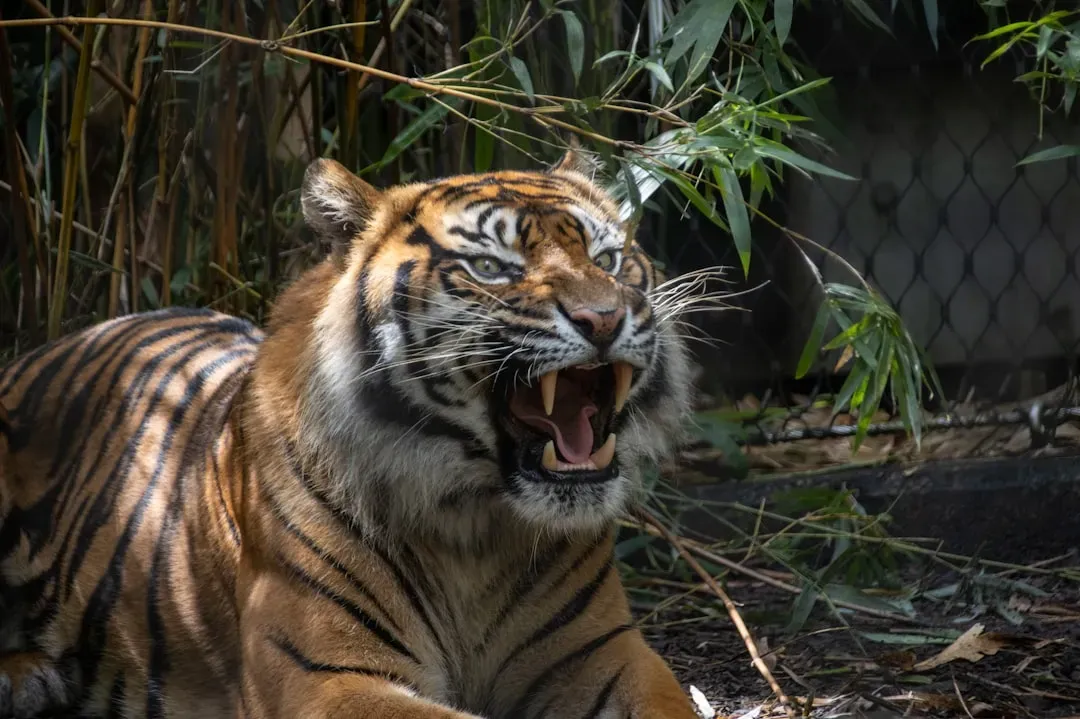
Your attention is not neutral. It is biased toward anything that could have killed your ancestors, and large predators were high on that list. If something moves fast, has forward-facing eyes, sharp edges, or an unpredictable pattern, your brain tags it as important. You might not consciously think “danger,” but your body quietly shifts into a more alert state, just in case. This is why you can scroll past a dozen peaceful landscapes, then stop dead on a photo of a wolf mid-snarling or a close-up of a crocodile’s eyes. Your visual system gives priority to potential threats long before your thinking mind forms a narrative around them. Deep down, you are still running a survival strategy: better to notice the possible predator and be wrong than to miss it once and never get a second chance.
Predators Helped Shape How You Cooperate and Tell Stories
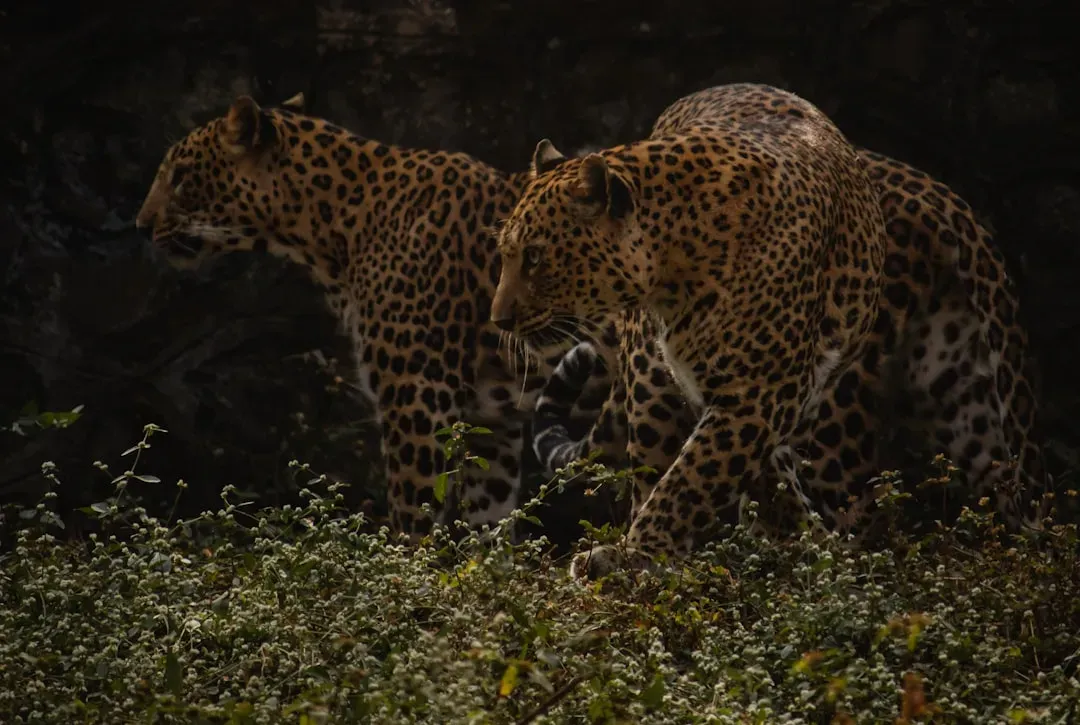
You do not only react to predators as an individual; your ancestors learned to survive them together. Large carnivores pushed humans to share information, watch each other’s backs, and build social rules around who guards, who scouts, and who warns the group. In that sense, the presence of powerful predators helped shape some of the cooperative instincts you still rely on in daily life. Stories were one of your ancestors’ best tools. Around fires and in shelters, people passed along tales of where the lions hunted, how the crocodiles ambushed, and what signs to watch for in the grass. Over time, those tales blurred survival tips with drama, turning predators into recurring characters charged with danger, mystery, and meaning. When you enjoy a gripping creature story today, you are tapping into that same tradition of learning through shared fear and fascination.
Fear and Awe: The Emotional Cocktail Predators Trigger
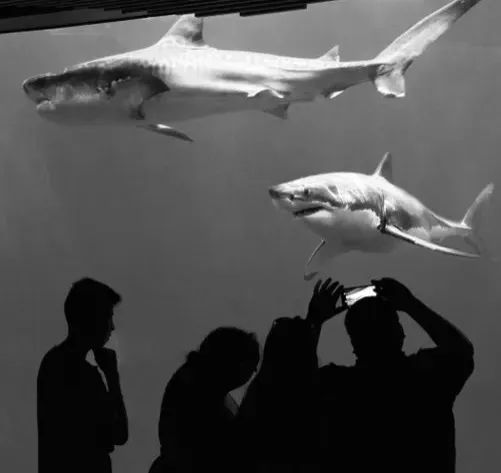
When you look at a powerful predator, you often feel more than simple fear; there is also awe, maybe even a slight admiration. This emotional mix makes sense when you remember what those animals represent: raw power, mastery of a niche, and an almost perfect fit to their environment. Your mind is wired to notice and respect things that stand at the extreme edges of ability, even if those abilities could be used against you. That awe can feel almost spiritual at times. Standing in front of a lion at a zoo or watching a shark glide through deep water can make you feel small, vulnerable, but also strangely connected to something bigger than your everyday worries. It is as if your nervous system recognizes an ancient rival and, in the same breath, a kind of teacher that forced your species to become careful, clever, and cooperative.
From Saber-Toothed Cats to Movie Monsters and Supervillains
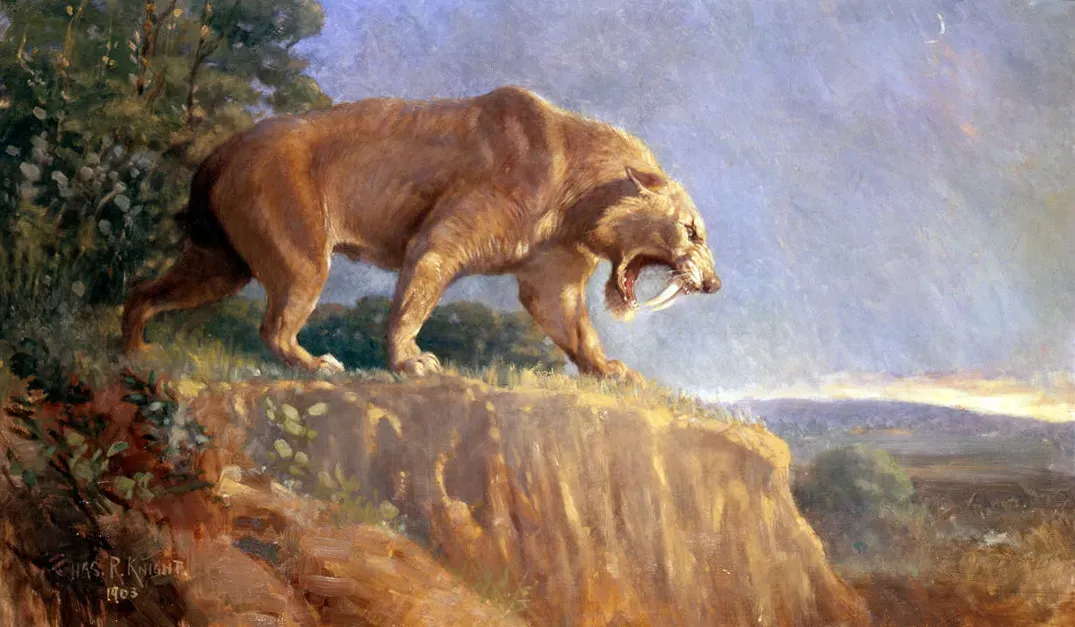
Even when you are not looking at real predators, you surround yourself with fictional ones. The giant shark in a summer blockbuster, the dragon in a fantasy series, the cunning alien stalking a spaceship crew – all of them borrow traits from the real hunters that once shared the landscape with your species. Forward-facing eyes, sharp teeth, powerful limbs, and a relentless focus show up again and again in your entertainment. You might tell yourself you are just in it for the thrill, but your brain is also rehearsing danger from a safe distance. Each time you watch a character face down a monstrous predator, you rehearse what courage, strategy, and sacrifice look like under extreme pressure. It is a way of playing out those old predator-prey dynamics without ever stepping outside your living room, like a sandbox version of ancient life-or-death scenarios.
Why You Root for Apex Predators Even When You Shouldn’t
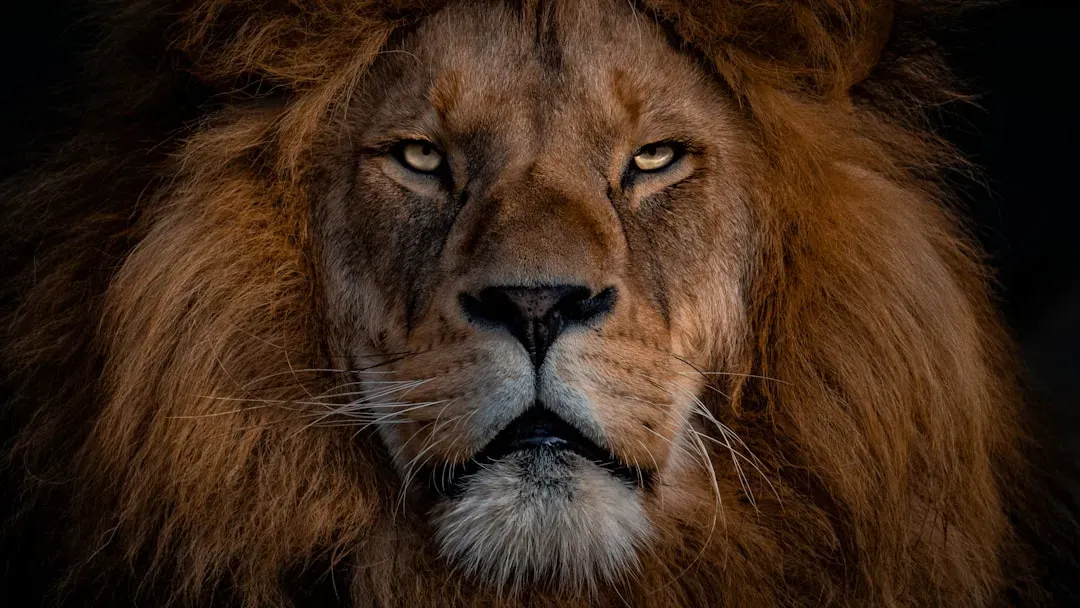
If you have ever secretly cheered when the shark escapes or felt disappointed when the big cat is captured, you have bumped into another strange twist of your mind. You are not just scared of predators; you are also drawn to their competence. There is something deeply compelling about a creature that is so perfectly adapted to its role that it seems almost unstoppable, even when that role once involved hunting people like you. Some of this pull comes from identification. On a symbolic level, you sometimes project your own desire for power, freedom, and fearlessness onto these animals. The predator becomes a stand-in for the untamed part of you that refuses to play by modern rules. You know, rationally, that a tiger loose in your city would be a disaster, yet emotionally, you may still feel a flicker of satisfaction when the wild refuses to be fully controlled.
Modern Life Has Blunted the Risk but Not the Instinct

Today, especially if you live in an urban or suburban environment, you are unlikely to be stalked by anything larger than a stray dog. The true physical danger from big predators is vastly lower than it was for your ancestors. Yet your emotional systems have not shrunk to match that drop in risk, which is why a spider can still make you jump and the roar of a big cat on video can raise goosebumps along your arms. In some ways, your world has turned predators into a kind of emotional spice rather than a daily threat. You visit them at zoos, stream them in documentaries, or wear them on sports logos and tattoos. You get the psychological jolt of facing something dangerous, but with escape hatches everywhere: a pause button, a safety fence, an off switch. The instinct remains; the context has changed.
Conservation, Ethics, and Your Complicated Loyalty to the Wild
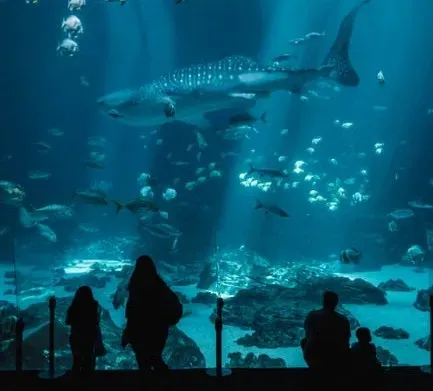
Your fascination with powerful predators is not just about thrills; it also shows up in how you think about protecting them. Many people feel a stronger emotional pull to save large carnivores than less charismatic species, even when those smaller creatures may be more critical to certain ecosystems. You might care deeply about the fate of wolves or big cats partly because they sit so squarely at the center of your ancient fear-and-awe circuitry. At the same time, living alongside real predators in modern landscapes can be messy. You may admire wolves from afar but feel very differently if they threaten livestock or pets. That tension between respect for the wild and the desire for safety mirrors the old balancing act your ancestors had to manage. You are still trying to share a world with apex predators, just with far more fences, laws, and ethical debates layered on top.
What Your Predator Fascination Really Says About You
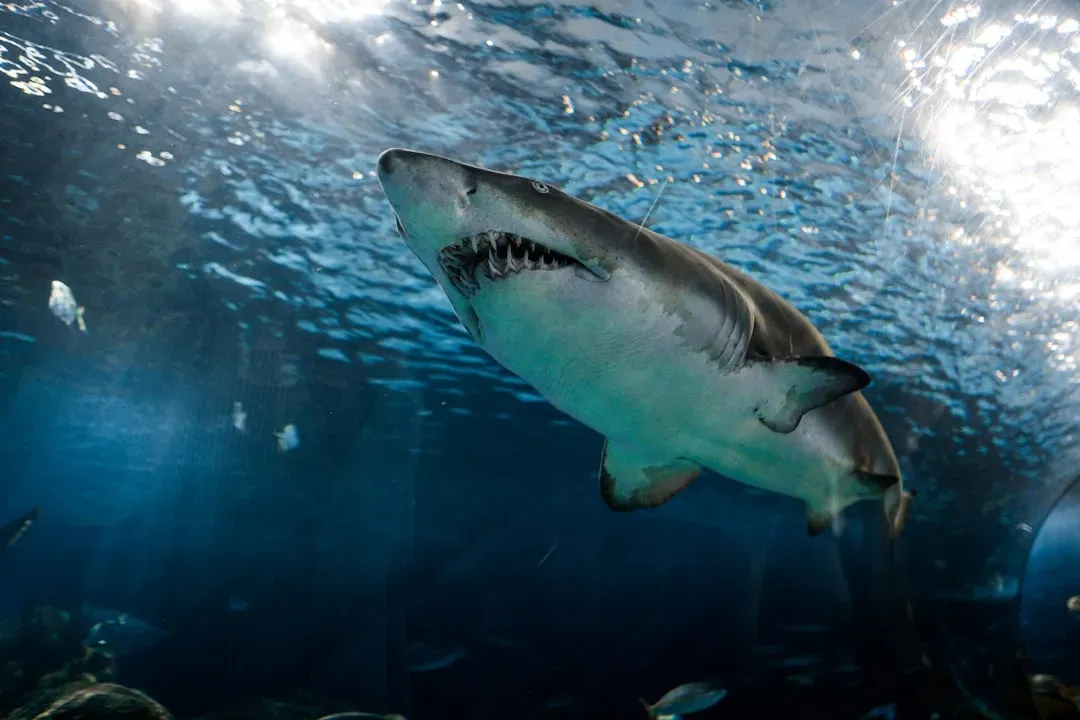
When you catch yourself binge-watching shark clips or staring a bit too long at a photo of a snarling tiger, you are not being weird; you are being human. Your mind is revealing some of its oldest priorities: notice danger, study power, and remember the forces that can erase you in an instant. In that sense, powerful predators are like mirrors reflecting back both your vulnerability and your unlikely success as a species that learned to survive alongside them. If anything, your ongoing obsession is a reminder that you are not as removed from the ancient world as your modern gadgets might suggest. Somewhere inside you, the same nervous system that once scanned for footsteps in the dark now scans movie trailers, documentaries, and news stories for the same patterns. The predators have mostly moved off your doorstep and onto your screens, but your deep response to them remains. You walk through cities, not savannas, but you still carry the memory of the savanna in your bones. Every shiver at a shark fin, every held breath at a lion’s roar, every conflicted cheer for the unstoppable monster on screen is a quiet echo of that older world. The next time you feel that rush while watching a powerful predator, you might ask yourself: are you just entertained, or are you remembering what it once meant to stay alive?