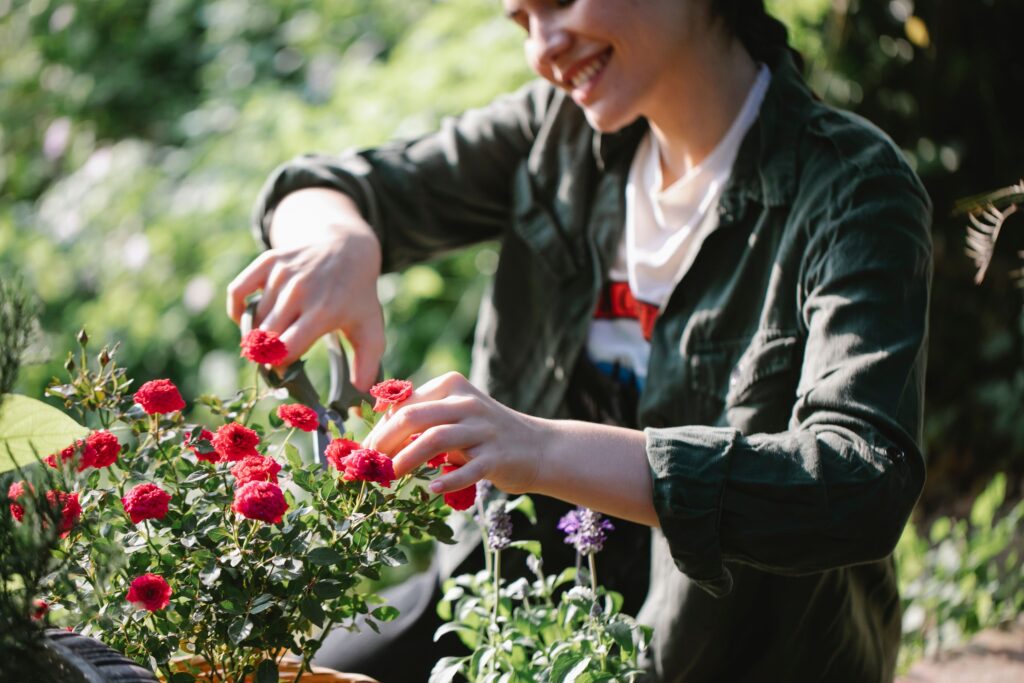
Your grandmother swore the moon told her when to plant. Your neighbor swears by coffee grounds. Somewhere along the way, gardening turned into a game of telephone, passed down through generations without a single lab test to back it up.
Here’s the uncomfortable part: agronomists finally ran the numbers on this stuff, and the results split right down the middle. Some backyard “rules” turned out to be quietly brilliant, hiding real plant science under folksy language. Others have been sabotaging gardens for decades while everyone kept nodding along. Stick around, because #6 is the one nurseries are still getting wrong.
#1 – Rotate Your Crops Every Year, No Exceptions
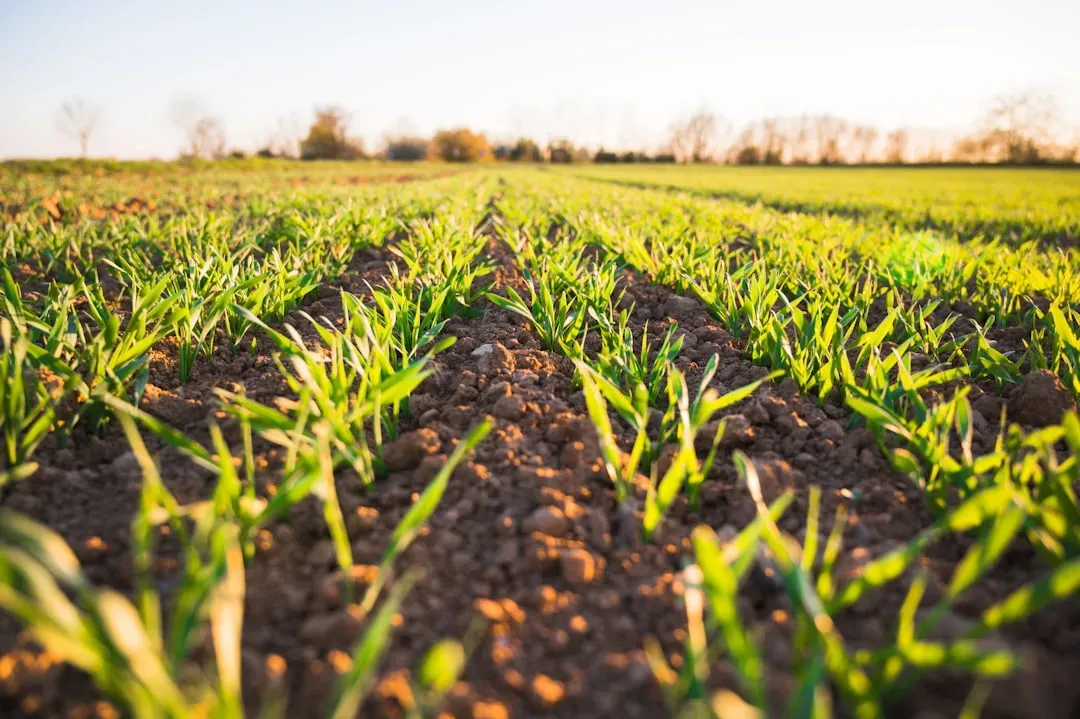
This one isn’t folklore – it’s practically gospel in modern agronomy, and for good reason. Planting the same crop family in the same spot year after year lets soil-borne diseases and pest larvae build a permanent home base, quietly waiting for their favorite host to return.
Agronomists confirm that rotating unrelated plant families breaks the life cycle of pathogens and pests almost completely. Nematodes, blight spores, and beetle larvae that overwinter in soil rely on next season’s identical crop for survival. Switch the family, and they starve.
There’s a nutrient angle too. Different plants pull different ratios of nitrogen, phosphorus, and potassium from the soil, and rotating crops prevents the lopsided depletion that leads to stunted growth and chronic fertilizer dependence.
This trick has been in use since Roman times, and it’s still standard advice on every university extension website today. But that’s nothing compared to what we found about #2.
#2 – Deadhead Spent Blooms for More Flowers
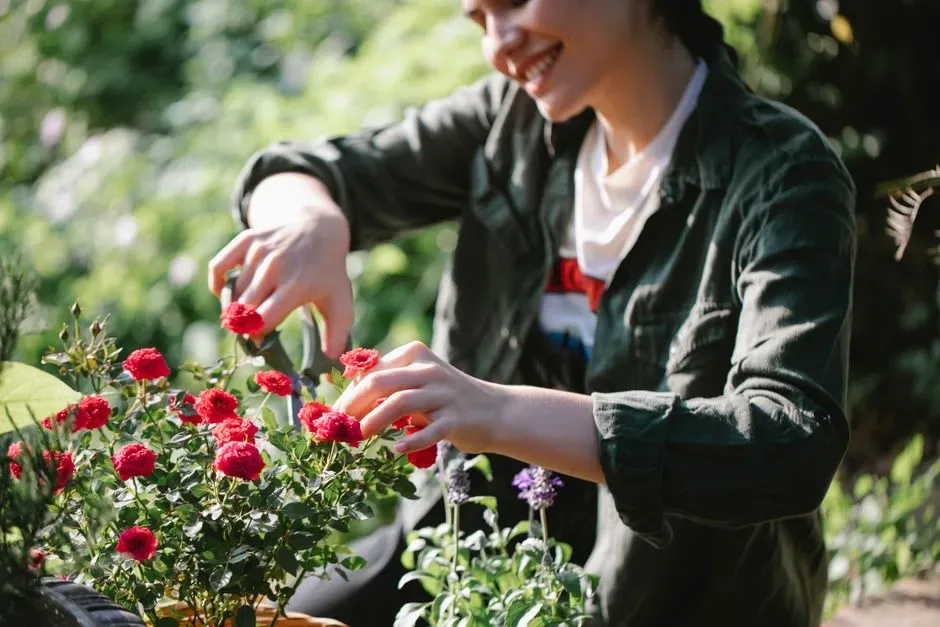
Grandma’s insistence on snipping off dead flowers wasn’t just tidiness – it’s backed by real plant biology. Once a flower fades and starts forming seeds, the plant redirects its energy toward reproduction instead of making new blooms.
Deadheading interrupts that process. By removing the spent flower before it sets seed, you trick the plant into producing more flowers in an attempt to reproduce. This is especially effective on repeat-bloomers like petunias, marigolds, and roses, where agronomists have measured significantly extended bloom windows on deadheaded plants versus untouched ones.
There’s a caveat many people miss, though. Not every flower benefits equally, and some perennials grown for seed heads or fall interest – think coneflowers left standing for the birds – are better left alone late in the season.
Deadhead selectively, not universally, and you’ll get the best of both worlds: more blooms all summer, and a little wildlife bonus once the season winds down.
#3 – Mulch to Lock In Moisture and Choke Out Weeds
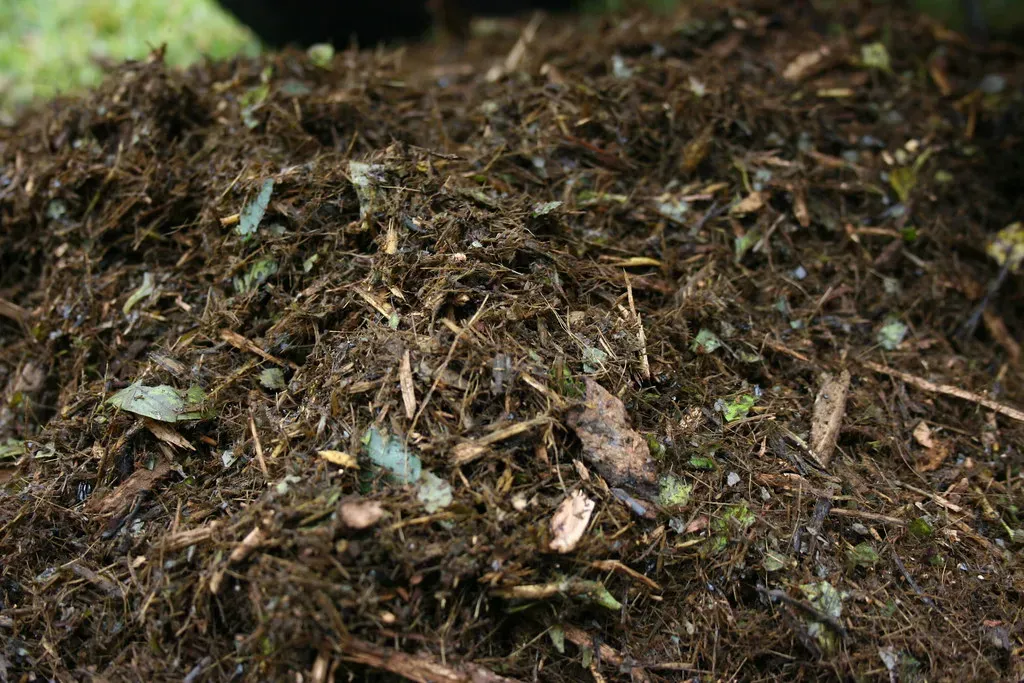
If there’s one old rule agronomists never questioned, it’s this one. Mulch works, and it works through several mechanisms at once, not just one simple trick.
A two-to-three-inch layer of organic mulch blocks sunlight from reaching weed seeds, preventing germination before it even starts. At the same time, it slows soil moisture evaporation by as much as 70 percent, dramatically cutting how often you need to water. That’s not a rounding error – that’s the difference between daily watering and watering twice a week.
Organic mulches like shredded bark, straw, or compost add a bonus most people underestimate. As they break down, they slowly feed the soil food web, improving structure and fertility for free.
Quick Compare
- Organic mulch (bark, straw, compost): feeds the soil as it breaks down, needs topping off yearly
- Inorganic mulch (gravel, landscape fabric): lasts for years, adds no nutrients to soil
- Both types: block weed germination and cut down on watering frequency
Inorganic mulches like gravel skip that benefit but still win on weed suppression and moisture retention. Either way, bare soil is the real enemy here, not the mulch debate itself.
#4 – Plant Tomatoes Deep for a Stronger Stem
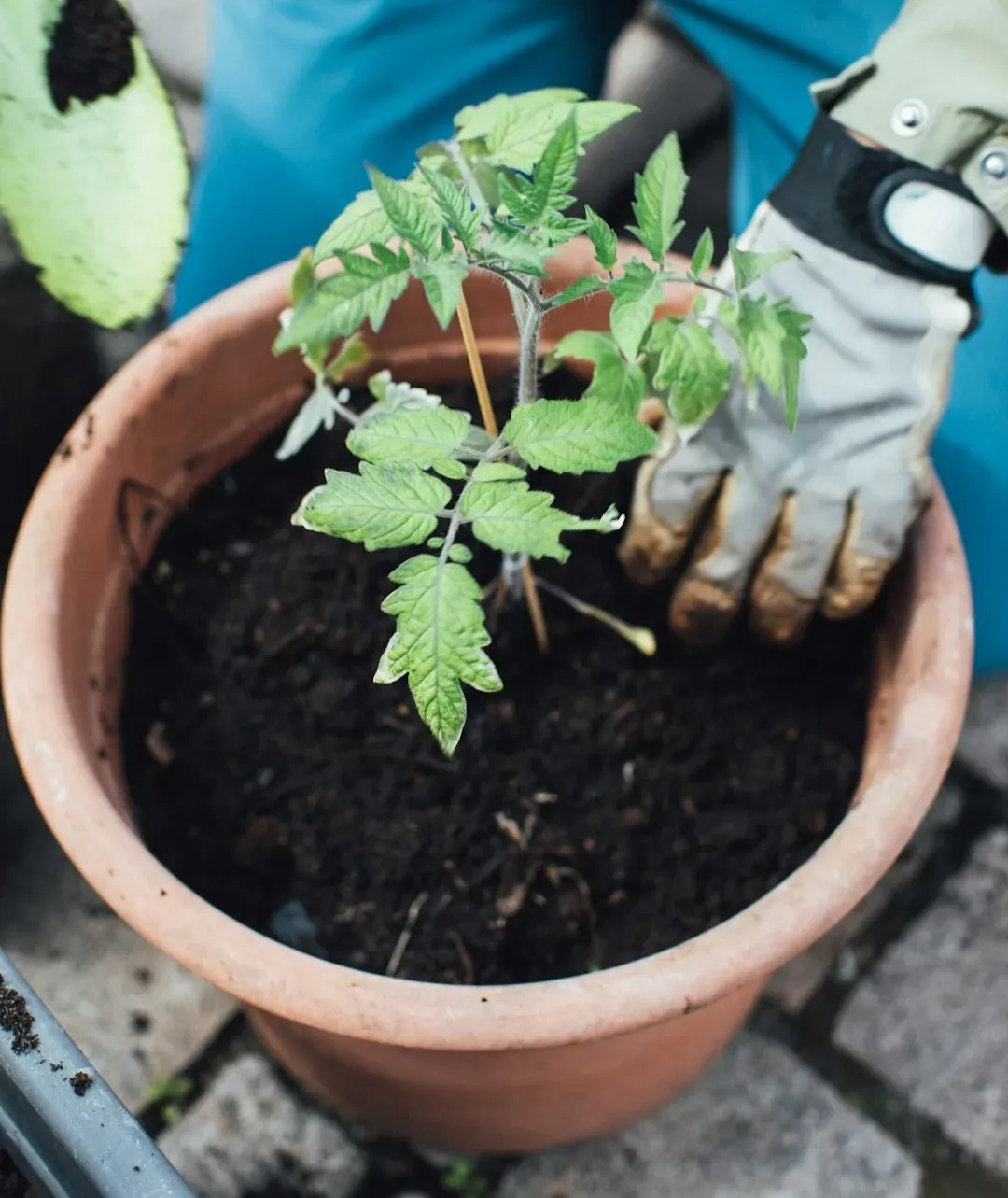
This one sounds almost too good to be true, but it holds up under real scrutiny. Unlike most plants, tomatoes have a strange trick built into their stems: tiny hair-like bumps can turn into actual roots if buried underground.
Agronomists confirm that burying two-thirds of a tomato seedling’s stem – right up to the top set of leaves – encourages these dormant root primordia to activate. The result is a significantly larger, more stable root system than a shallow-planted seedling could ever develop on its own.
A bigger root system means better water uptake, stronger nutrient absorption, and noticeably improved drought resistance during peak summer heat. It’s a rare case where an old backyard trick isn’t just correct – it’s actively recommended by commercial tomato growers today.
Few other vegetables share this trait, which is exactly why this rule is specific to tomatoes and doesn’t transfer to peppers or eggplants, despite belonging to the same nightshade family.
#5 – Companion Plant Marigolds With Vegetables
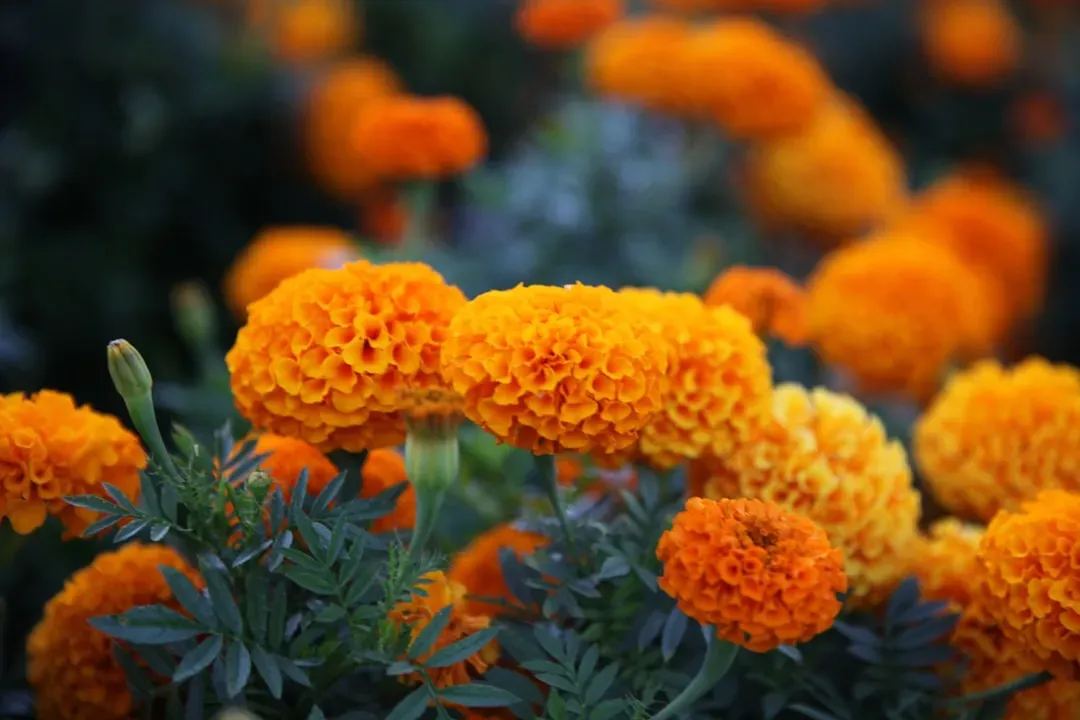
Here’s where things get interesting, because this old rule is only half right – and the half that’s true isn’t the half most people believe. The popular claim is that marigolds broadly repel garden pests through scent alone. Turns out, that’s mostly folklore.
The real science is narrower and more specific: certain marigold varieties release a compound from their roots that suppresses root-knot nematodes in the soil, a microscopic pest that damages tomato and pepper roots. This effect has been measured in controlled agricultural trials, not just backyard anecdotes.
What marigolds don’t reliably do is repel aphids, whiteflies, or larger pests through smell, despite the widespread belief. Many experts now argue the marigold-as-pest-shield myth has been overstated for decades, riding on the coattails of one legitimate nematode-fighting property.
Plant them for soil health and pretty borders – just don’t expect them to be a pesticide substitute.
#6 – Add Sand to Clay Soil to Improve Drainage
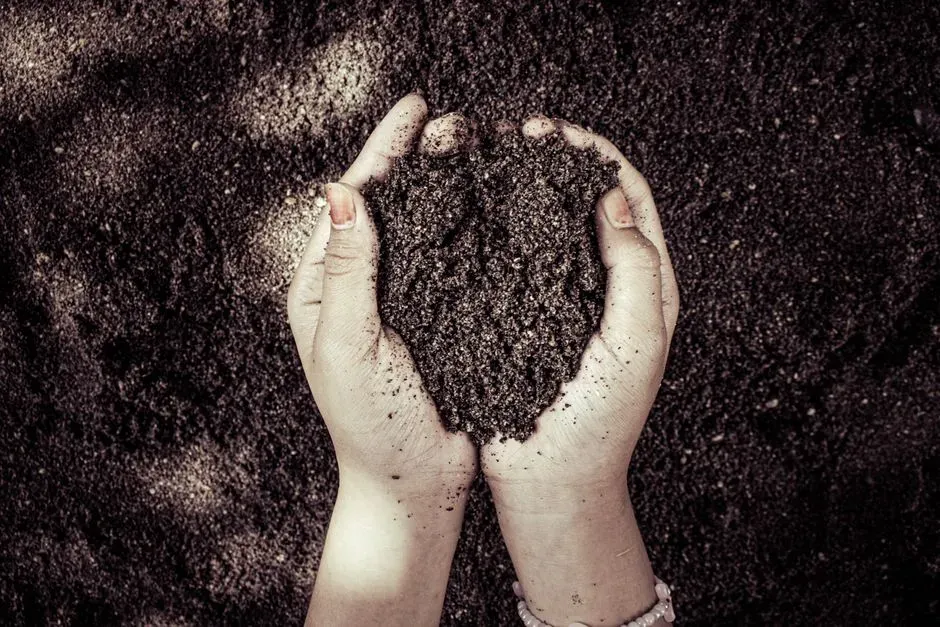
This is one of the most persistent gardening myths still being repeated in nurseries today, and agronomists want it retired for good. The logic seems sound on paper: sand is loose, clay is dense, so mixing them should loosen things up.
In reality, the opposite happens. When sand particles combine with fine clay particles, they can pack together into a substance with the consistency of concrete, actively worsening drainage instead of improving it. Soil scientists have documented this outcome repeatedly, and it’s now considered a textbook example of well-intentioned advice gone wrong.
The actual fix agronomists recommend is organic matter – compost, aged manure, or leaf mold – which creates air pockets and improves structure without the concrete risk.
Worth Knowing
- Compost worked into clay soil improves structure over one to two growing seasons
- Gypsum can help loosen compacted clay without the sand-and-concrete risk
- Raised beds sidestep the clay problem entirely on especially tough sites
If you’ve been hauling bags of sand into your clay-heavy yard for years, it might be time to stop and switch strategies entirely before you accidentally pave your own flower bed.
#7 – Water in the Evening to Save Moisture
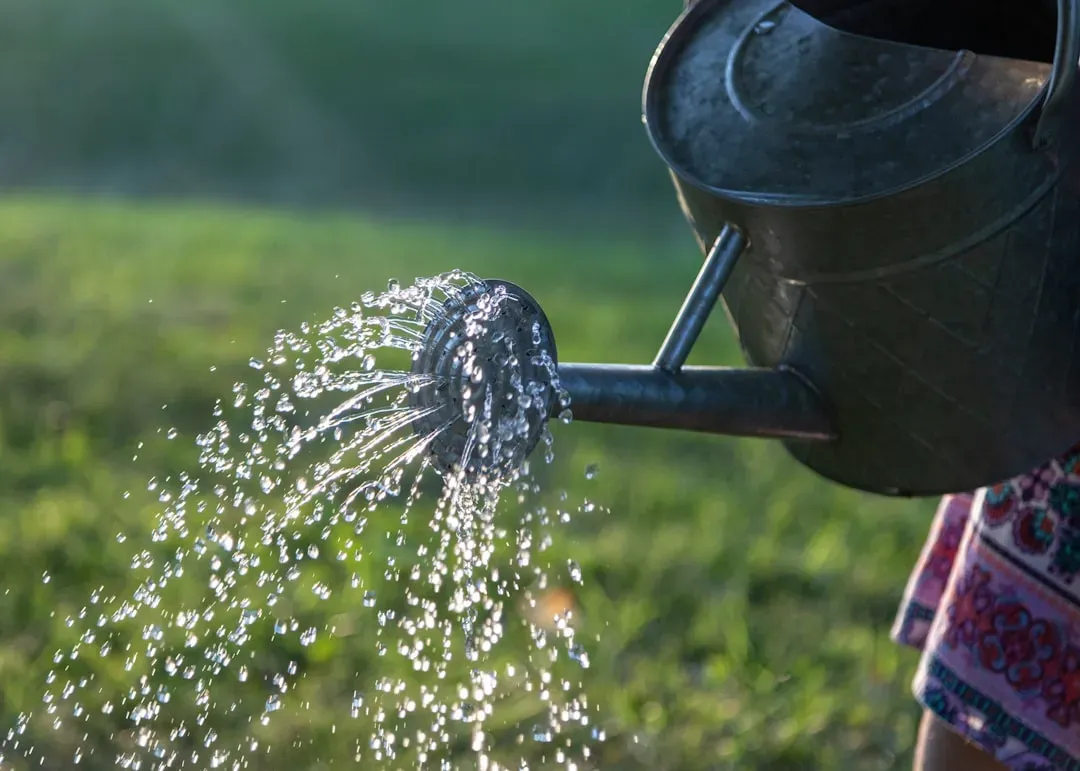
This rule sounds logical: cooler evening temperatures mean less evaporation, so your water goes further, right? Turns out, agronomists have flagged this as one of the riskier pieces of old advice still floating around.
Watering in the evening does reduce evaporation – that part is true. But it also leaves foliage and soil surfaces damp overnight, creating ideal conditions for fungal diseases like powdery mildew and blight to take hold. Cooler nighttime temps combined with prolonged moisture is a textbook recipe for fungal outbreaks, something morning watering largely avoids.
Morning watering lets excess moisture evaporate off leaves during the day while still soaking into the root zone before peak heat arrives.
Most extension services and commercial growers now actively recommend against evening watering for exactly this reason, even though the “save water” logic behind it isn’t entirely wrong – it’s just outweighed by the disease risk.
#8 – Sprinkle Coffee Grounds to Acidify Soil
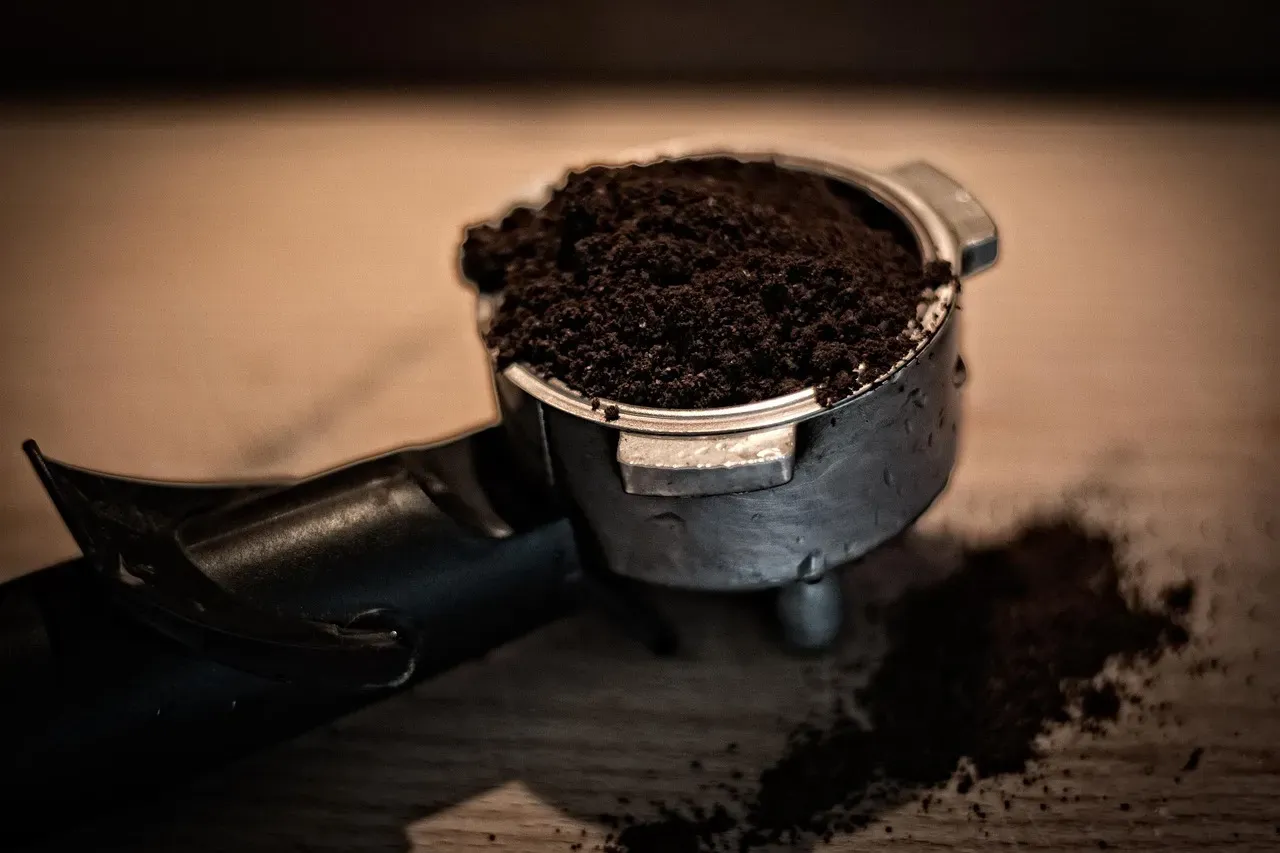
Coffee grounds have a cult following in gardening circles, and the acidification claim is the one that refuses to die. Here’s the twist agronomists keep pointing out: it depends entirely on which grounds you’re using.
Fresh, unused coffee grounds are indeed acidic. But used coffee grounds – the kind most gardeners actually have on hand after brewing – are nearly neutral, with a pH close to 6.5 to 6.8, not the strongly acidic 4 to 5 range people assume. That means the “acidify your blueberries” trick mostly doesn’t work with everyday leftover grounds.
What used grounds are genuinely good for is adding organic matter and modest nitrogen to compost piles, and improving soil texture over time. It’s a useful amendment, just not for the reason most people think.
If your soil pH test says you need real acidification, sulfur or specialized fertilizers will get you there far more reliably than your morning brew ever could.
#9 – Add Eggshells for a Quick Calcium Boost
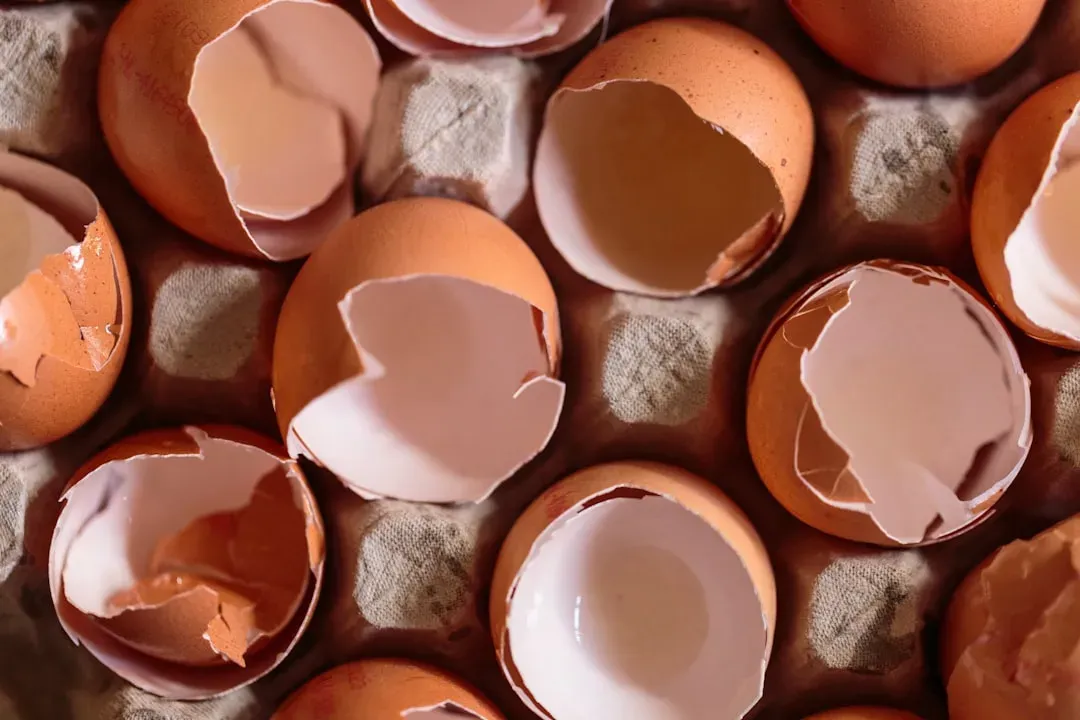
The eggshell trick shows up in nearly every gardening forum as a natural fix for blossom end rot in tomatoes, which is genuinely caused by calcium deficiency. The problem is timing, not chemistry.
Eggshells do contain calcium carbonate – that part checks out. But eggshells decompose extremely slowly, often taking years to fully break down and release usable calcium into the soil, far too slow to help a plant struggling right now. By the time the calcium becomes bioavailable, the growing season is long over.
At a Glance
- Fastest fix: foliar calcium spray, absorbed within days
- Medium fix: powdered agricultural lime, works over weeks to months
- Slowest fix: whole eggshells, often years to fully break down
Agronomists suggest crushing eggshells into a fine powder to speed decomposition slightly, but for an actual fast-acting fix, calcium sprays or amendments designed for immediate uptake work dramatically better.
Eggshells aren’t useless – they’re a slow, long-term soil amendment, not the instant rescue remedy most gardeners believe they are.
#10 – Never Water Leaves in Full Sun or They’ll Scorch
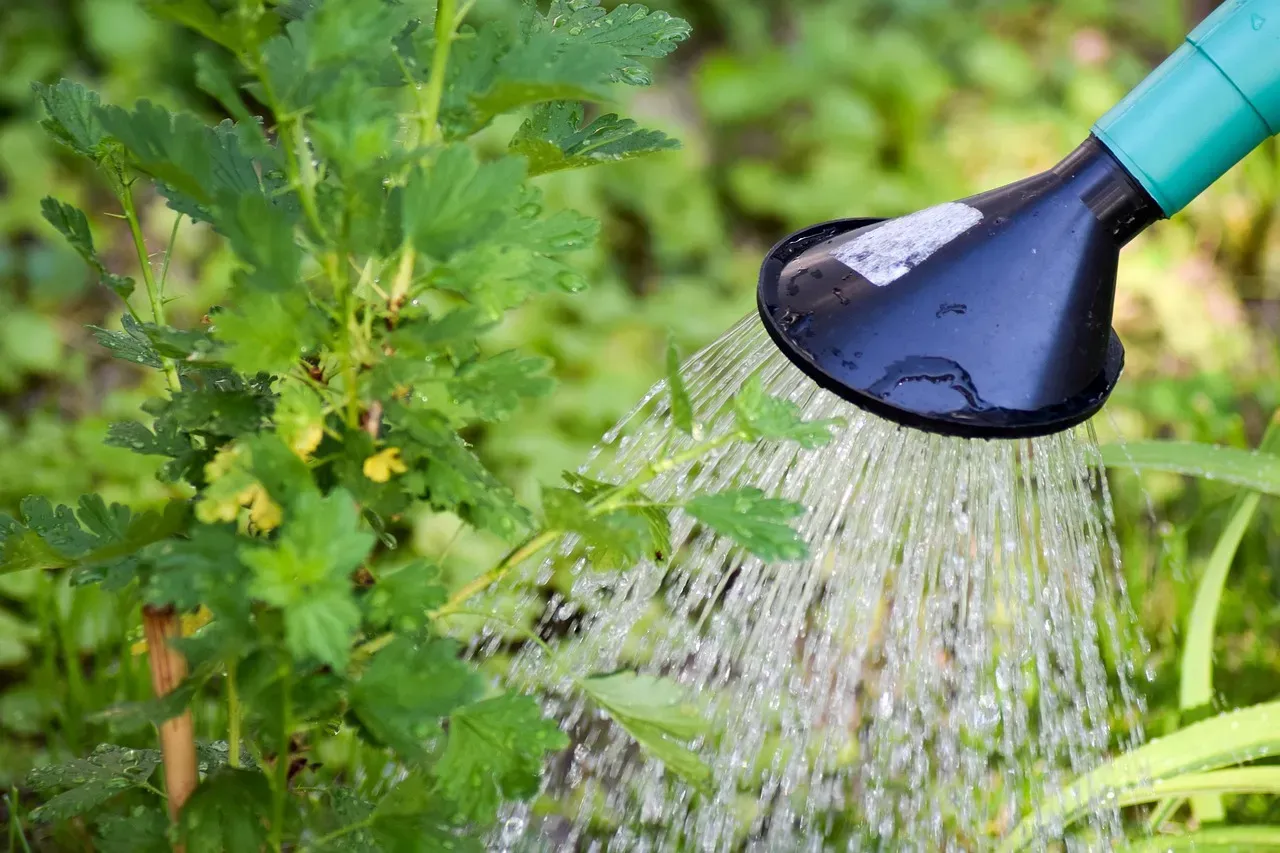
This is one of the most widely repeated warnings in home gardening, and it’s also one agronomists have spent real effort debunking. The claim is that water droplets act like tiny magnifying lenses, focusing sunlight and burning leaf tissue.
Physics and field trials disagree. Studies testing this exact scenario found no meaningful leaf scorching from droplets on flat or slightly curved leaves, because water evaporates too quickly and droplet geometry doesn’t create the kind of focused burn point the myth describes. Some hairy or waxy leaf surfaces show minor localized effects, but nothing close to the dramatic scorching people picture.
The real reason to avoid midday watering isn’t scorching – it’s efficiency. A large percentage of water applied in full midday sun simply evaporates before it reaches the roots.
Water in the morning if you can, not because of burn risk, but because it’s simply more effective at actually reaching your plants’ roots.
#11 – Pinch Back Seedlings for Bushier Growth
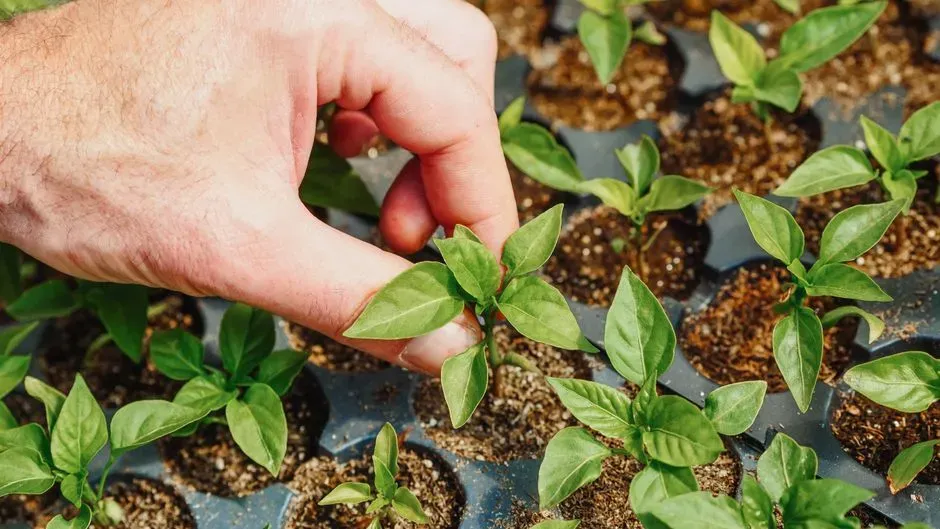
This rule is a favorite among experienced growers, and the science behind it is genuinely elegant. Most plants exhibit something called apical dominance, where the topmost growing tip suppresses side branches by producing a hormone called auxin.
Pinching off that top growth tip removes the auxin source. Without that suppressive hormone signal, the plant redirects energy into dormant side buds, producing a fuller, bushier plant with more stems and, eventually, more flowers or fruit. This has been confirmed repeatedly in horticultural research and is standard practice for basil, mums, petunias, and many vegetable seedlings.
Prune to the shape of the plant’s natural tendency, working with it rather than against it.
Luther Burbank
Timing matters more than people realize. Pinch too early and you risk stunting overall size; pinch too late and the plant has already locked into a single-stem growth pattern that’s harder to reverse.
Done at the right stage – usually after the third or fourth set of true leaves – it’s one of the most reliable, low-effort tricks in the entire gardening playbook.
#12 – Follow the Moon Phases for Planting
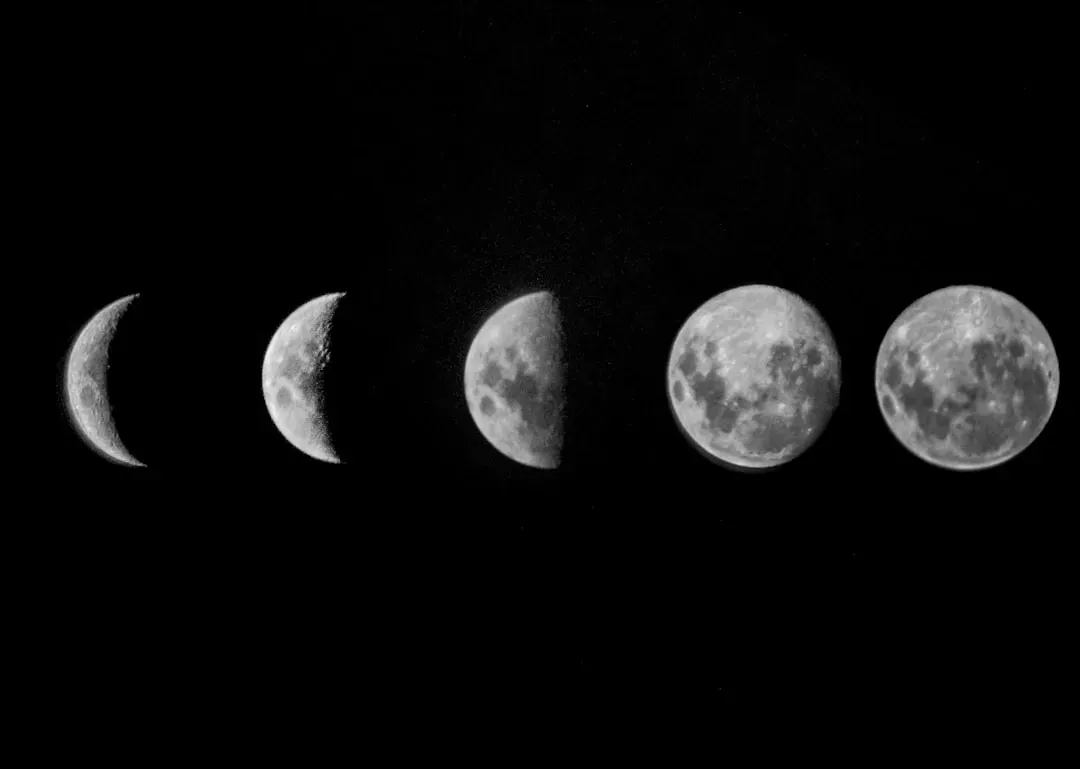
This is the rule that generates the most heated debate in gardening circles, and agronomists remain firmly skeptical. The tradition holds that root vegetables should be planted during a waning moon and above-ground crops during a waxing moon, based on the idea that lunar gravity affects soil moisture the way it affects ocean tides.
The problem is scale. Soil moisture is influenced by gravitational pull on a scale so small it’s essentially undetectable compared to factors like rainfall, temperature, and irrigation, and no controlled agricultural study has found a statistically significant yield difference tied to lunar planting calendars. Multiple attempts to replicate the effect scientifically have come back inconclusive at best.
Fast Facts
- Traditional method: root crops during a waning moon, leafy or fruiting crops during a waxing moon
- No controlled agricultural study has confirmed a real yield difference tied to moon phase
- The practice spans centuries and shows up across many unrelated farming cultures
That hasn’t stopped the practice from surviving for centuries, and plenty of longtime gardeners insist it works for them, moon charts pinned to the shed wall and all.
Whether that’s genuine lunar influence or simply consistent seasonal timing dressed up in mystical language remains an open, and honestly kind of fun, debate.
The Bottom Line
Old gardening wisdom is a mixed bag, and that’s the real takeaway here. Crop rotation, mulching, deadheading, deep tomato planting, and pinching back seedlings are all scientifically solid – proven, repeatable, and worth following without hesitation. But sand in clay soil, evening watering, coffee ground acidification, and the sunlight-scorching myth deserve to be retired for good.
Honestly, the moon-phase debate is the one that should stay controversial – there’s zero hard data backing it, yet millions of gardeners swear by it anyway. Sometimes tradition outlives evidence simply because it feels right, and there’s a strange kind of comfort in that.
Which of these surprised you the most? Did we get one wrong, or miss a rule your family still swears by? Drop it in the comments – we want to hear which old-school trick you’re never giving up, science be damned.