The “Year Without a Summer” wasn’t a myth passed down through folklore. It’s frozen, dated, and chemically fingerprinted in a tube of compressed snow drilled two miles into Greenland’s ice sheet. Most people assume history’s worst winters live only in diaries, tax records, and frostbitten folklore.
Turns out, ice cores hold a far more brutal and precise record – one that survives even when every human witness and written account has vanished or lied. Scientists can now pinpoint the exact year, and sometimes the exact season, that a volcano on the other side of the planet froze crops, triggered famines, and rewrote the course of empires. Here’s what glaciologists actually found buried in the ice.
#1 – The Younger Dryas Frozen Ice Cores Caught Red-Handed
Roughly 12,900 years ago, Earth was climbing out of the last Ice Age when something slammed the brakes on the warming trend. Nobody knew exactly what, until ice cores talked.
The Atlantic-European realm experienced an abrupt relapse to near-glacial conditions, known today as the Younger Dryas. For decades, researchers struggled to line up European cave and lake records with the Greenland ice timeline because the clocks simply didn’t match. The fix came from an unlikely source: a German cave formation, not the ice itself.
Scientists eventually used a volcanic sulfur spike identified in a speleothem from Germany to link the Laacher See eruption to a previously unidentified sulfate spike in the Greenland ice-core record. That single sulfur signature became the Rosetta Stone connecting European chronology to polar ice chronology. The synchronization revealed something surprising: the eruption predates the onset of the Younger Dryas cooling by about 150 years, both in Greenland and in Europe.
#2 – The Eruption That Melted Ice Sheets
Here’s the twist nobody expects: sometimes volcanic ash in ice cores doesn’t signal cooling. Sometimes it signals catastrophic melting, and the evidence sat buried in Scandinavian clay for 13,000 years.
Researchers built an exceptionally well-dated annual glacial varve chronology recording the melting history of the Fennoscandian Ice Sheet at the end of the last deglaciation, roughly 13,200 to 12,000 years ago. What they found upended assumptions about volcanic winters automatically meaning colder ice sheets. Abrupt ice melting events coincide with volcanogenic aerosol emissions recorded in Greenland ice cores – meaning ash, not just gas, changed the game entirely.
The mechanism wasn’t the cold at all. Enhanced ice sheet runoff is primarily associated with albedo effects from ash deposition, meaning dark, soot-like ash absorbed sunlight and accelerated melt even while the atmosphere itself cooled. Climate and snowpack simulations now show evidence for enhanced runoff under volcanically forced conditions, despite atmospheric cooling – a paradox most textbooks skip entirely.
#3 – The 536 AD Winter That Historians Call “The Worst Year to Be Alive”
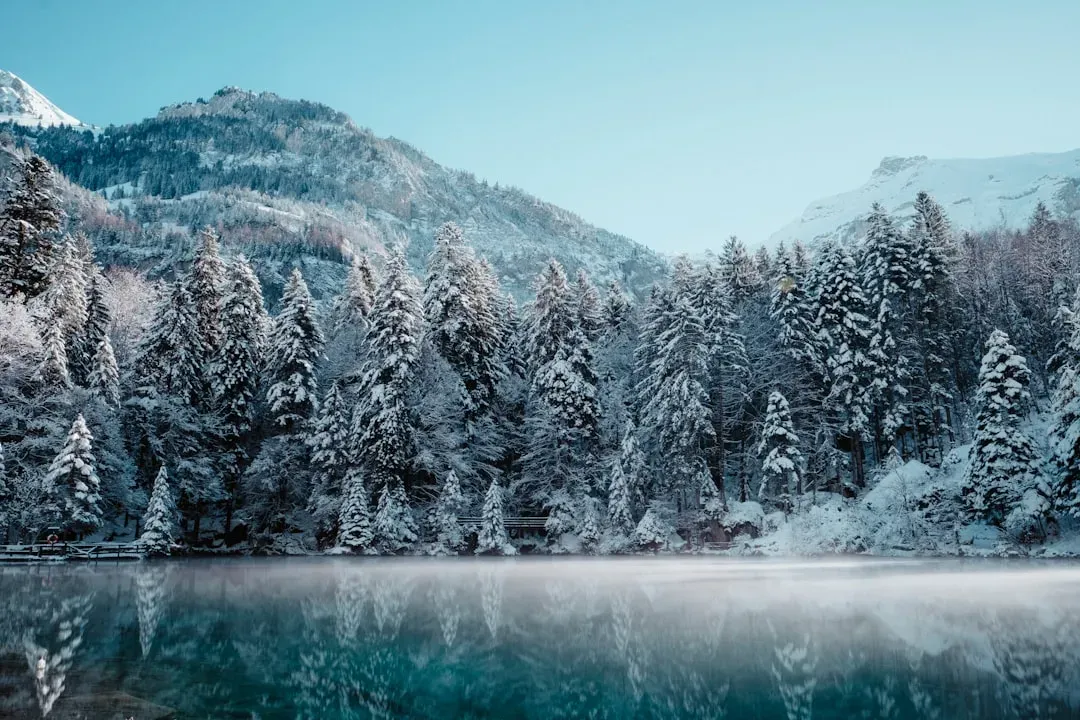
Forget the Black Death or the 1918 flu. One Harvard historian says the true worst year in human history was 536 AD, and ice cores proved him right.
Medieval historian Michael McCormick has argued 536 was worse to live through than 1349, when the Black Death wiped out half of Europe, or 1918, when the flu killed 50 to 100 million people. This isn’t guesswork. A mysterious fog plunged Europe, the Middle East, and parts of Asia into darkness, day and night, for 18 months. For fifteen centuries, nobody could prove what caused it.
Ice cores finally cracked the case. Ice cores from Greenland and Antarctica show sulfate spikes at 536 and again at either 539 or 540, tied to two volcanoes so large and violent they launched sulfur gases and particles miles into the sky. The fallout reflected sunlight away from Earth’s surface and triggered severe global cooling – one 2016 study found average global temperatures dropped by as much as 3.6 degrees Fahrenheit, and crops across northern Europe simply failed.
Fast Facts
- Two separate volcanic eruptions struck in 536 and again in 539 or 540 AD
- The resulting fog blacked out the sun over Europe, the Middle East, and Asia for roughly 18 months
- Global temperatures dropped by as much as 3.6°F, according to a 2016 study
- Harvard historian Michael McCormick has called it the worst year to be alive in recorded history
#4 – Two Copycat Winters Ice Cores Caught a Century and Four Centuries Later
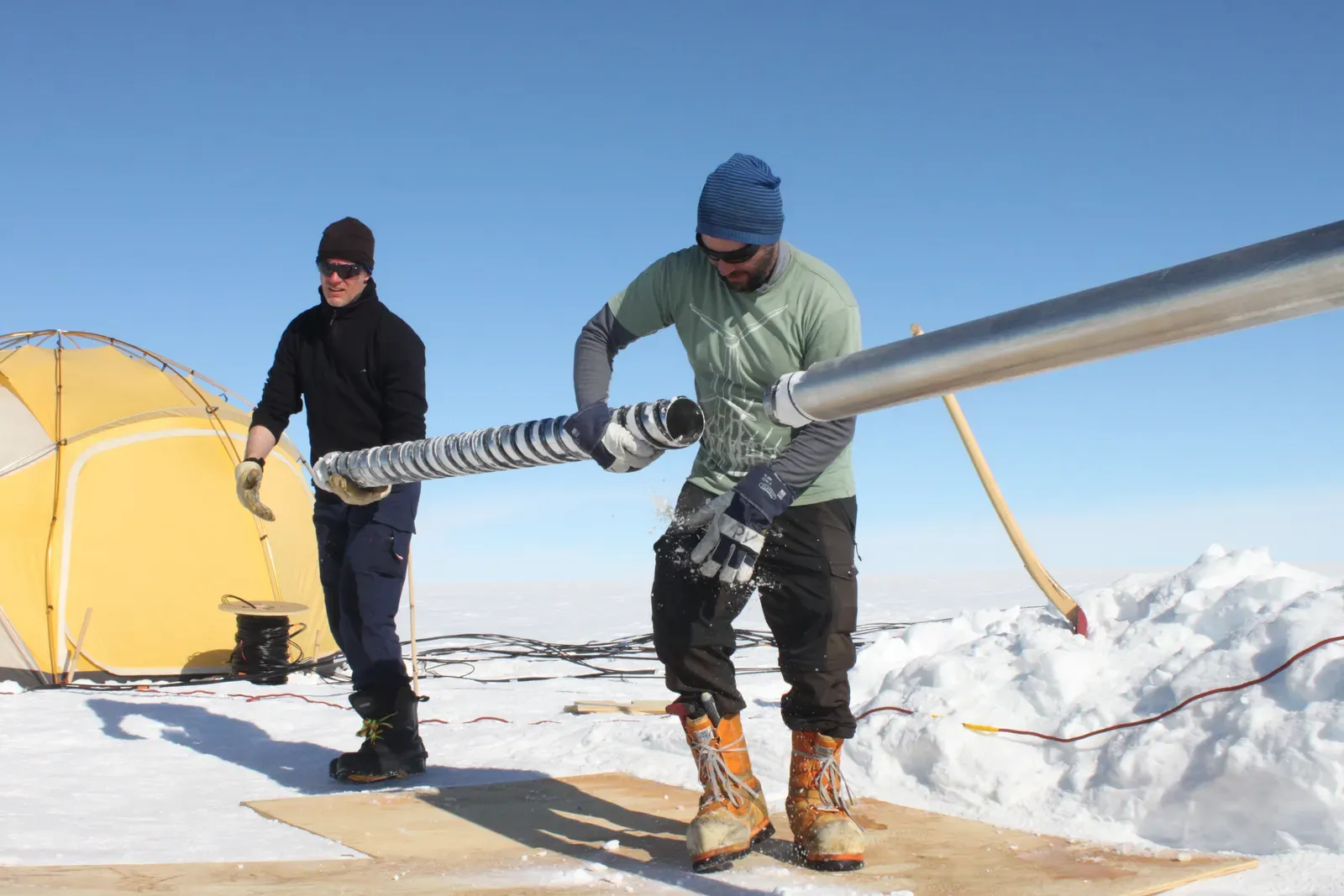
Most people don’t realize 536 wasn’t a one-off disaster. Ice cores show the Northern Hemisphere got hit by nearly identical volcanic winters in 626 and 939 AD, and almost nobody remembers either one.
Tropical volcanoes and large high-latitude eruptions in 536, 626, and 939 AD injected sulfate and ash into the high atmosphere, dimming the skies over Europe so severely that eyewitnesses recorded the effect independently across different regions. These weren’t isolated blips. They were recurring climate shocks that history books largely gloss over in favor of the more famous 536 event.
The pattern reveals something experts now argue is underappreciated: cooling didn’t come from single eruptions acting alone. Climatic impact was strongest and most persistent after clusters of two or more large eruptions – meaning back-to-back volcanic punches, not single blasts, produced the worst winters on record.
#5 – The Seventeen Dark Days of 797 AD Nobody Believed Until the Ice Confirmed It
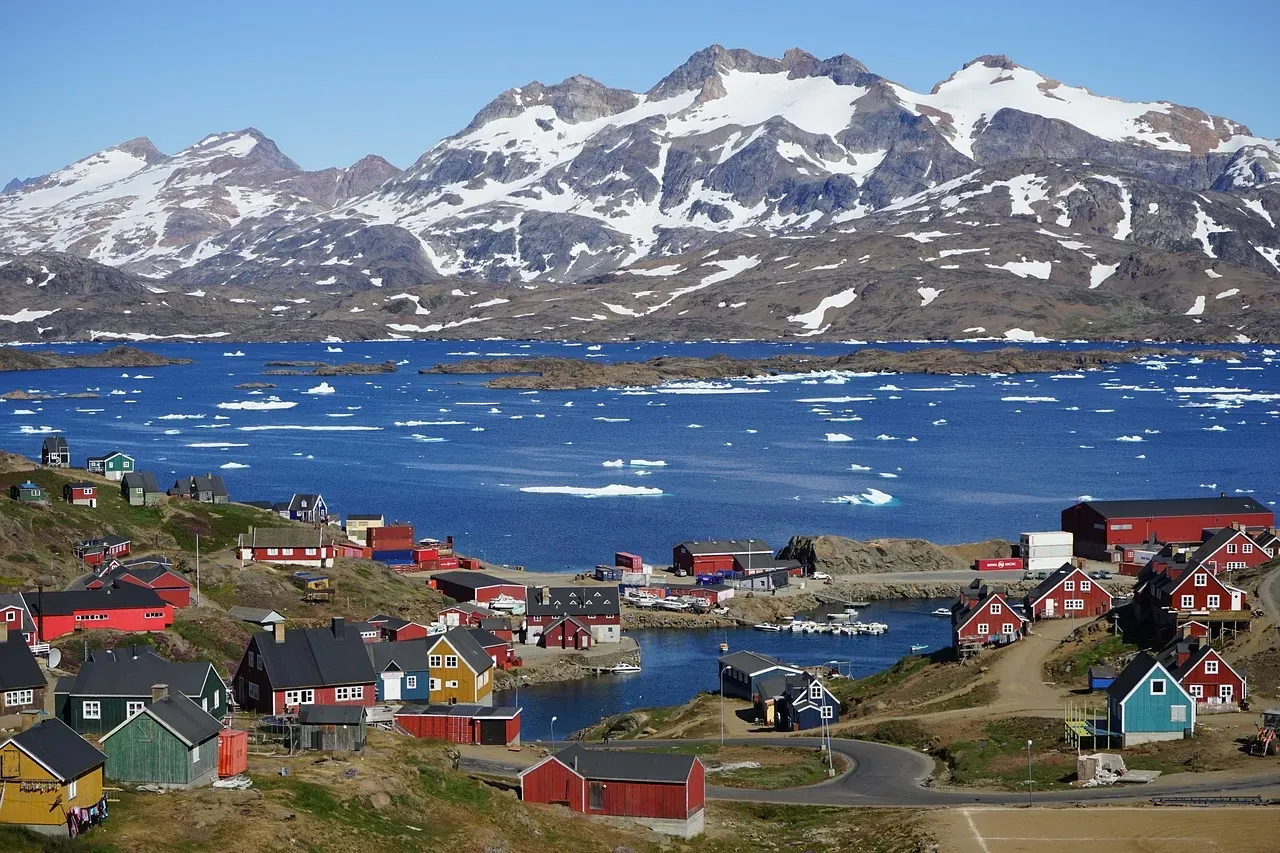
Charlemagne’s court chroniclers wrote that the sun vanished for seventeen straight days in 797 AD. For over a thousand years, historians assumed it was religious exaggeration.
Then researchers went looking in the ice. A core recovered at the Crete station in Greenland showed that the largest acidity peak between 626 and 934 falls in the year 798, plus or minus two years – meaning between 796 and 800. That’s an uncomfortably tight match for a “myth” that supposedly wasn’t real.
Other researchers pushed the sulfate peak even earlier, linking it to the North Greenland Eemian Ice Drilling project, with a claimed sulfate spike between 793 and 795 and reports of crop failures from the Carolingian Empire between 792 and 794. Whichever exact year is correct, tree rings back up the ice: significant impairment of plant growth from cold in these years shows up clearly in modern Switzerland’s tree-ring data.
#6 – The 1257 Eruption That Was Bigger Than Tambora and Almost Forgotten
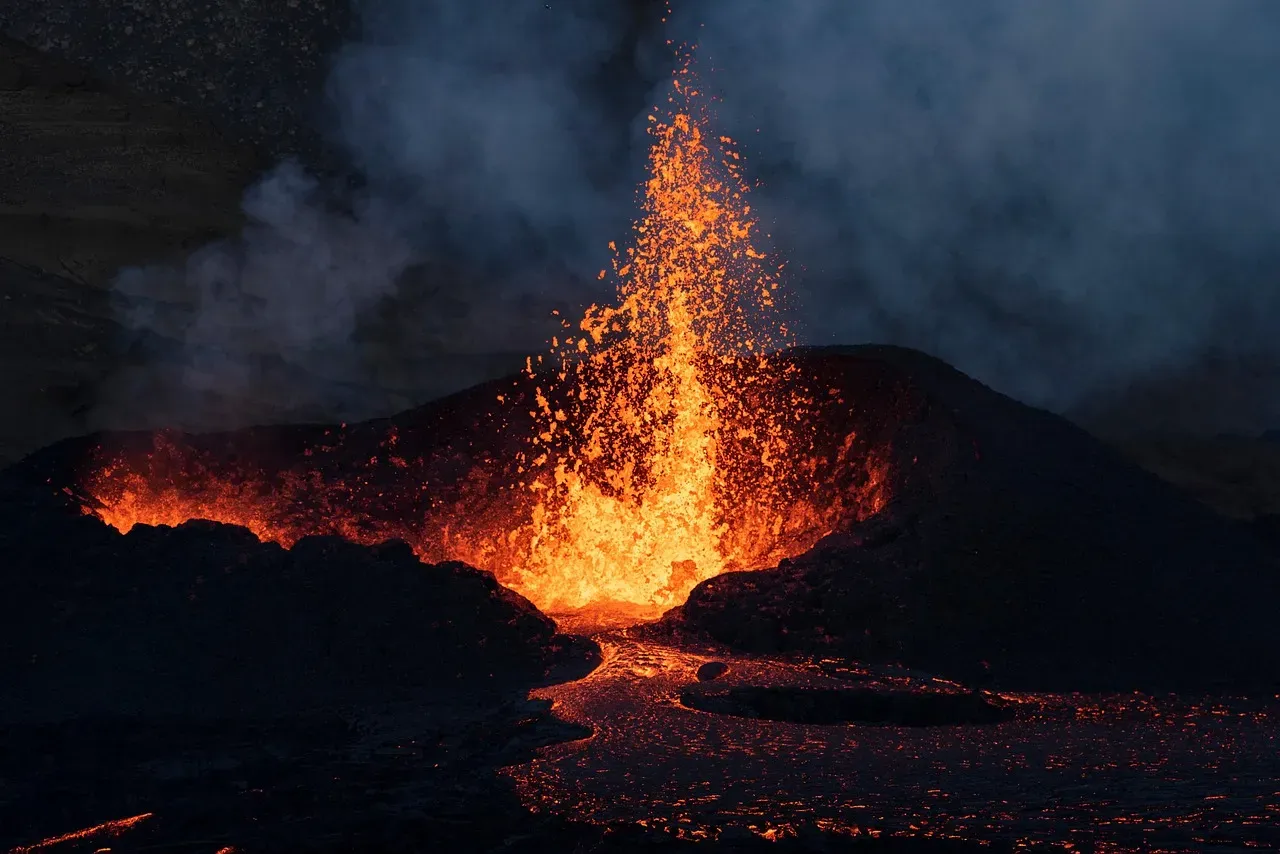
Here’s a controversial take most casual history buffs will argue with: the single most destructive volcanic winter of the last millennium wasn’t Tambora in 1815. It was a nameless volcano nobody could even locate until 2013.
The eruption of Samalas in Indonesia in 1257 ranks among the largest sulfur-rich eruptions of the Common Era, with sulfur deposition in ice cores reaching twice the volume of Tambora. For decades, scientists knew ice cores showed a massive spike but had zero idea which volcano caused it. Clive Oppenheimer, a volcanologist at the University of Cambridge, found that the 1257 eruption may have been the largest release of sulfur in the past 7,000 years.
The scale gets more absurd the closer you look. Its traces have been found in both Arctic and Antarctic ice layers – a level of global dispersion only possible from a colossal eruption – with an estimated 40 cubic kilometers of rock and ash ejected, and the finest particles reaching altitudes of up to 40 kilometers. European chronicles from the following summer describe devastating cold, relentless rainfall, and widespread flooding, while crops failed and famine spread.
Quick Compare
- Samalas (1257): ~40 cubic km of rock and ash ejected; sulfur output roughly double Tambora’s and about eight times Krakatoa’s
- Tambora (1815): ejected an estimated 100 cubic km of ash, pumice, and aerosols; cooled global temperatures by roughly 3°C (5.4°F)
- Krakatoa (1883): a smaller sulfur signature than either Samalas or Tambora, yet still enough to color sunsets worldwide for months
#7 – The Mass Grave the Ice Core Helped Solve
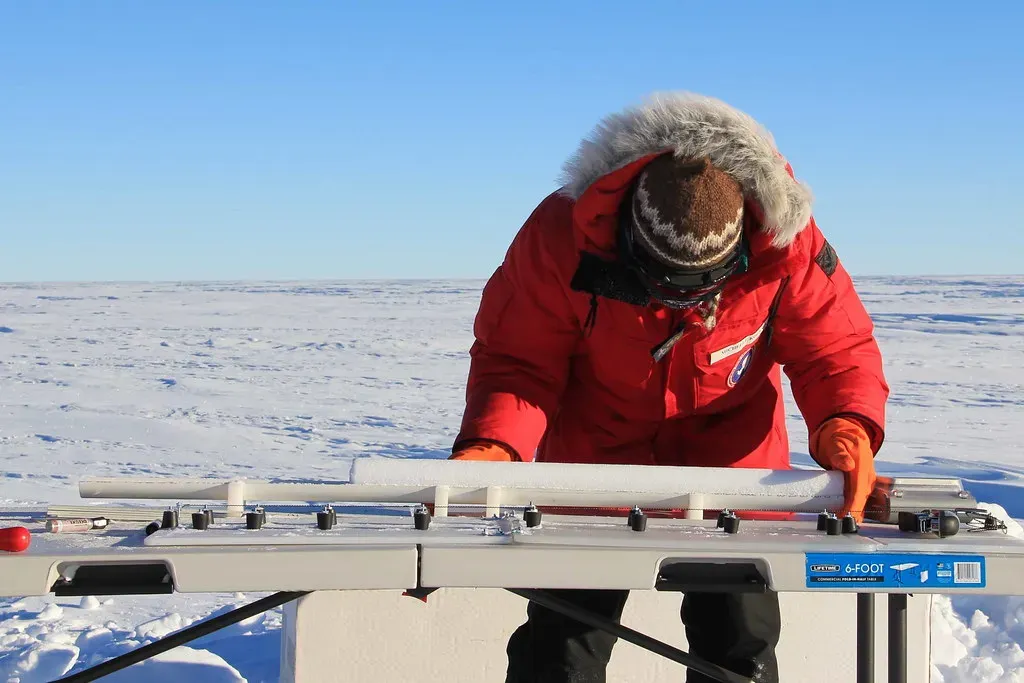
Secretly, one of London’s grimmest archaeological mysteries was cracked by a volcano’s sulfur signature in polar ice – and the timing is almost too perfect to be coincidence.
Archaeologists determined a date of 1258 for a mass burial of thousands of medieval skeletons in London, potentially linked to climatic perturbations in the Northern Hemisphere caused by the Samalas eruption. Thousands of bodies, dumped in a single pit, dated to the exact year after ice cores show the sulfate spike peaked. That’s not proof of causation, but it’s an uncomfortably tight correlation experts keep circling back to.
Medieval chronicles add texture the ice can’t provide alone. Northern European records document initial warming in the early winter of 1258, just following the eruption, followed by extensive wet and cold conditions in 1259 that may have impacted crops and contributed to famine in some regions. The weather flipped from unusually warm to catastrophically wet almost overnight – exactly the volatile pattern ice-core sulfate spikes predict.
#8 – The Winter That May Have Kick-Started a 600-Year Cold Snap
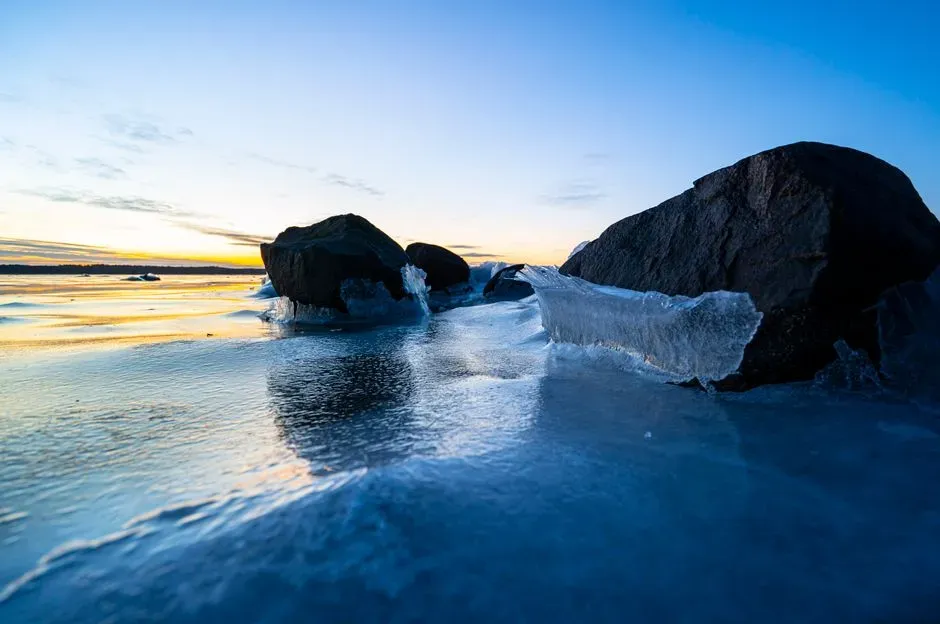
Most people think the Little Ice Age started gradually. Ice cores suggest it may have begun with a single, violent shove – and scientists are still arguing about it.
A severe tropical eruption in 1257, possibly Samalas, was followed by three smaller eruptions in 1268, 1275, and 1284, which never let the climate recover. Rather than one bad winter, the ice shows a chain reaction: eruption after eruption preventing any real thaw for decades. A second gut-punch came almost two centuries later, when a mystery eruption in 1452 or 1453 triggered a fresh pulse of cooling.
This is where the controversy lives. Some researchers argue volcanoes alone can’t explain a six-century freeze, and they have a point – cold summers can be maintained by sea-ice and ocean feedbacks long after volcanic aerosols clear out. Others counter that no single eruption could cause such long-term change; it had to be a sequence of large eruptions, with Samalas likely leading the charge.
#9 – The Sunless Century Ice Cores Linked to a Quiet Sun
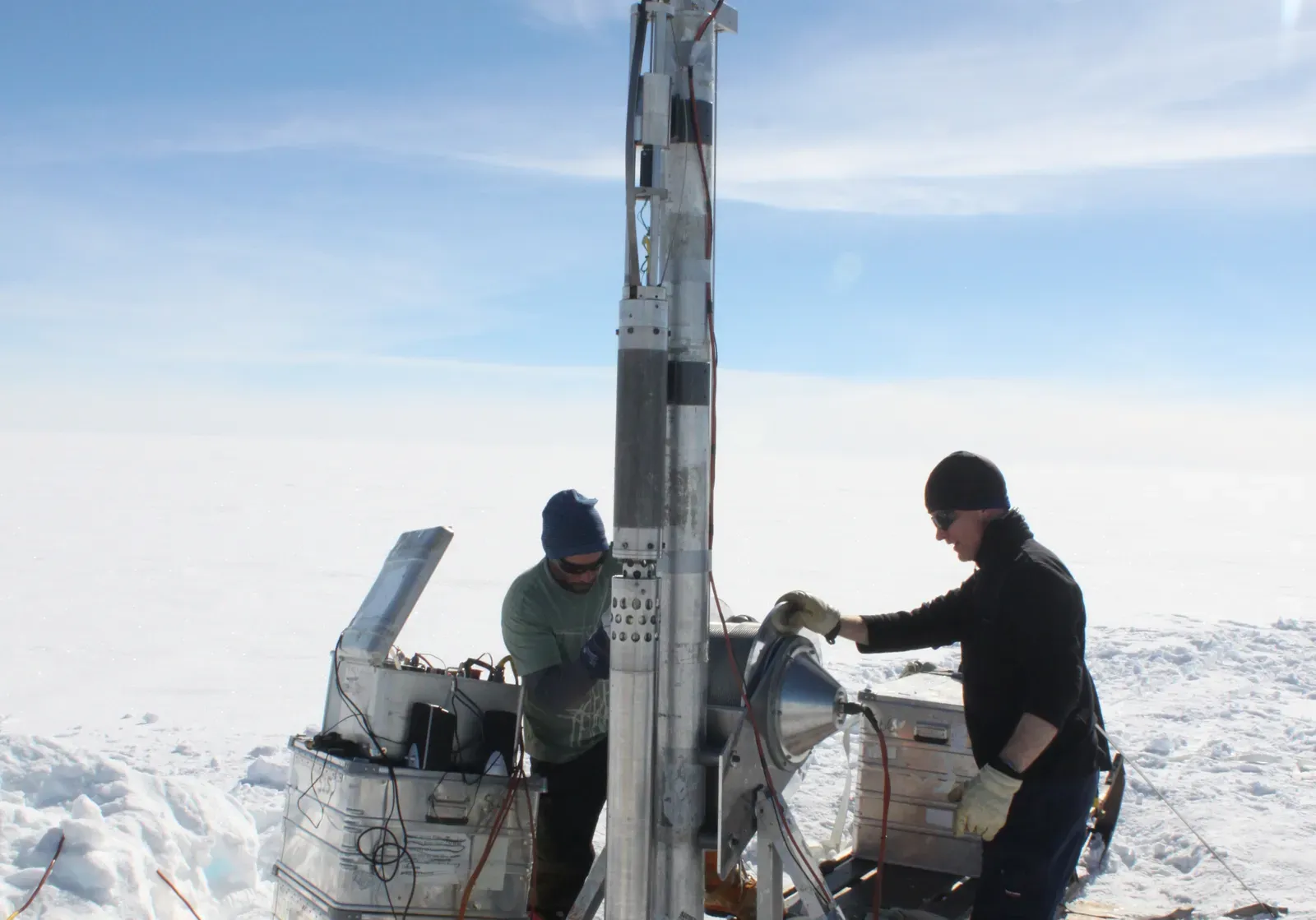
Not every historic winter came from a volcano. Some of the coldest decades in the ice-core record line up with a period when the sun itself simply went quiet for seven decades straight.
This stretch, known as the Maunder Minimum, ran from 1637 to 1719 – more than 200 years into the Little Ice Age. That timing detail matters more than people realize. It means the sun’s dimming couldn’t have started the freeze, only prolonged it.
Here’s the friction point worth arguing about in the comments: some climate commentators still credit the Maunder Minimum as the primary cause of the Little Ice Age, but ice-core and ocean researchers increasingly disagree. Recent research instead points toward a dramatic weakening of the Gulf Stream, caused by warm ocean currents pushing far into the Arctic and breaking up the sea ice. The sun’s quiet spell was real, but the ice cores insist volcanoes and ocean circulation did the heavy lifting first.
#10 – The Icelandic Fissure That Poisoned a Continent’s Air
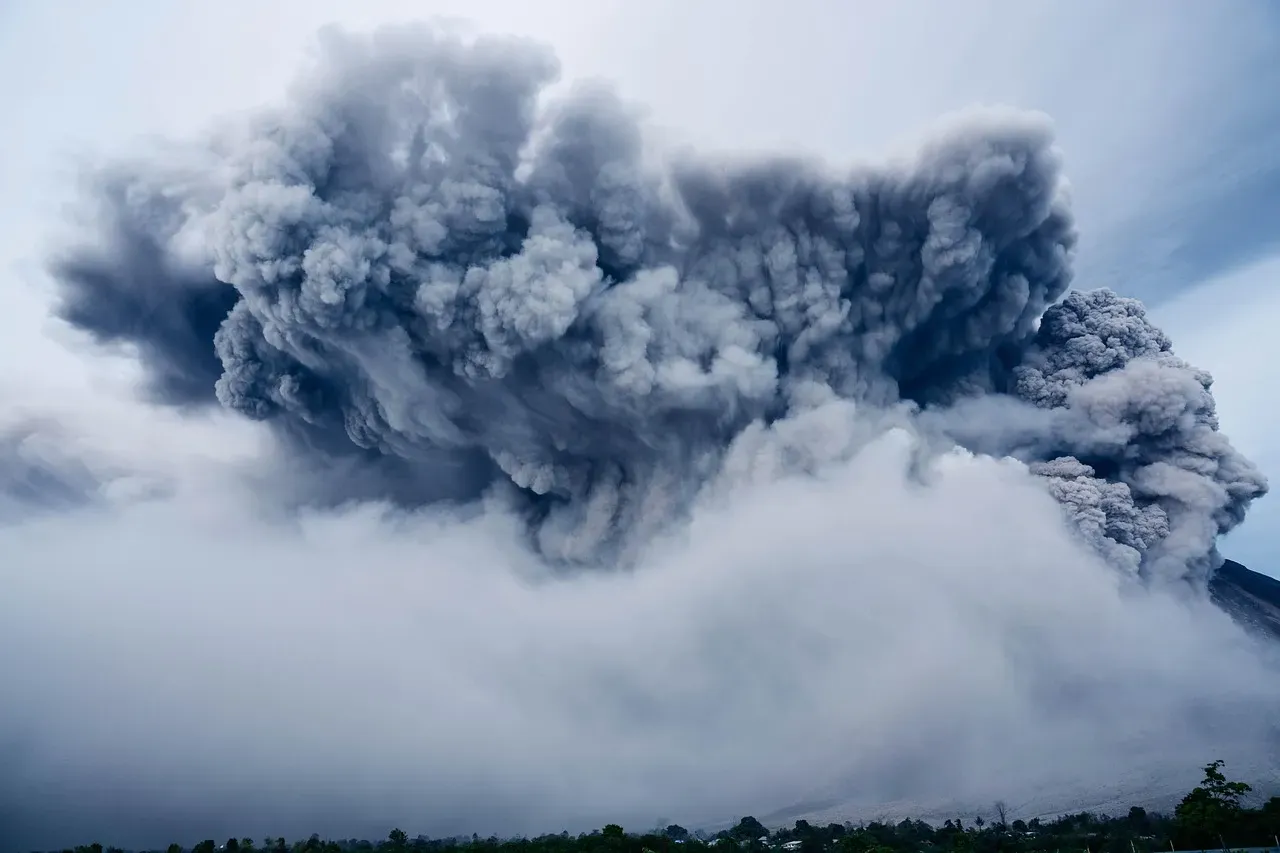
In 1783, a crack in the Icelandic landscape opened up and quietly became one of the deadliest weather events in European history. Its fingerprint is still sitting in the ice today.
The eruption of Laki in Iceland was big enough to be detected in ice cores as a sulphate-rich layer from sulphuric acid aerosol fall-out. Unlike a single explosive blast, Laki was a long, slow fissure eruption that pumped toxic gas into the sky for months, not days. That distinction matters for the historical record: this wasn’t a single bad winter, it was a poisoned atmosphere lingering across an entire growing season.
Researchers note that Laki’s effects didn’t end when the lava stopped flowing. Volcanogenic cooling episodes typically last just a few years, but Laki, and later Tambora, likely prolonged the cold conditions of the broader Little Ice Age rather than causing it outright. That’s a subtle but important correction to the popular narrative that treats every cold snap as its own isolated event.
Worth Knowing
- The Laki eruption lasted eight months during which time about 14 cubic km of basaltic lava and some tephra were erupted
- Haze from the eruption was reported from Iceland to Syria
- In Iceland, more than 60% of the livestock perished within a year, and the ensuing famine caused the death of about 20% of the human population
- Estimates put the eruption’s death toll at roughly a fifth to a quarter of Iceland’s entire population
#11 – The Year Without a Summer, Confirmed Layer by Layer
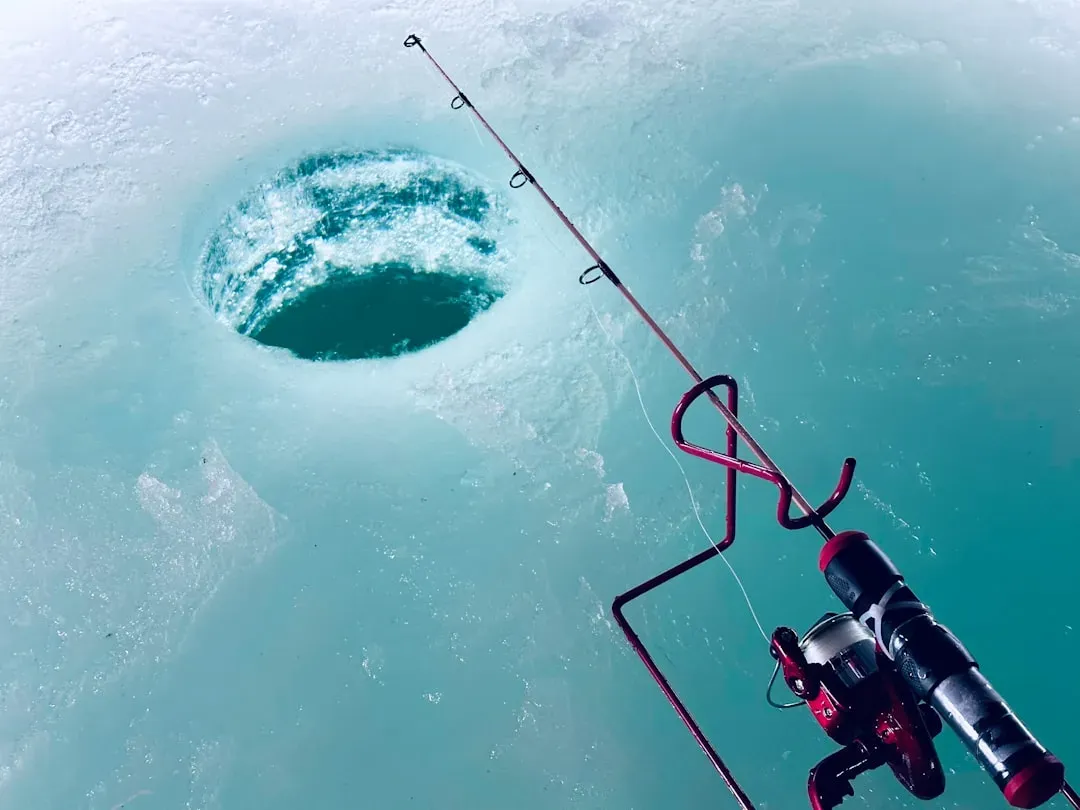
Everyone’s heard of 1816’s “Year Without a Summer.” Almost nobody realizes ice cores show it was arguably the second-worst volcanic winter of the entire millennium – not the first.
The 1815 eruption of Tambora blanketed the atmosphere with ash, and the following year brought frost and snow to New England and Northern Europe in the middle of June and July. Farmers watched crops die in the middle of summer. Livestock starved. Grain prices spiked across two continents at once, all traceable back to a single Indonesian mountain.
Yet when scientists directly compared ice-core sulfate signatures, Tambora came up short against its 1257 predecessor. Samalas introduced sulphate levels at least eight times greater than Krakatoa in 1883 – and even double what Tambora produced in 1815. Tambora gets all the fame. The ice says Samalas deserved it more.
#12 – The Modern Winter Written in Lead and Soot, Not Just Sulfate
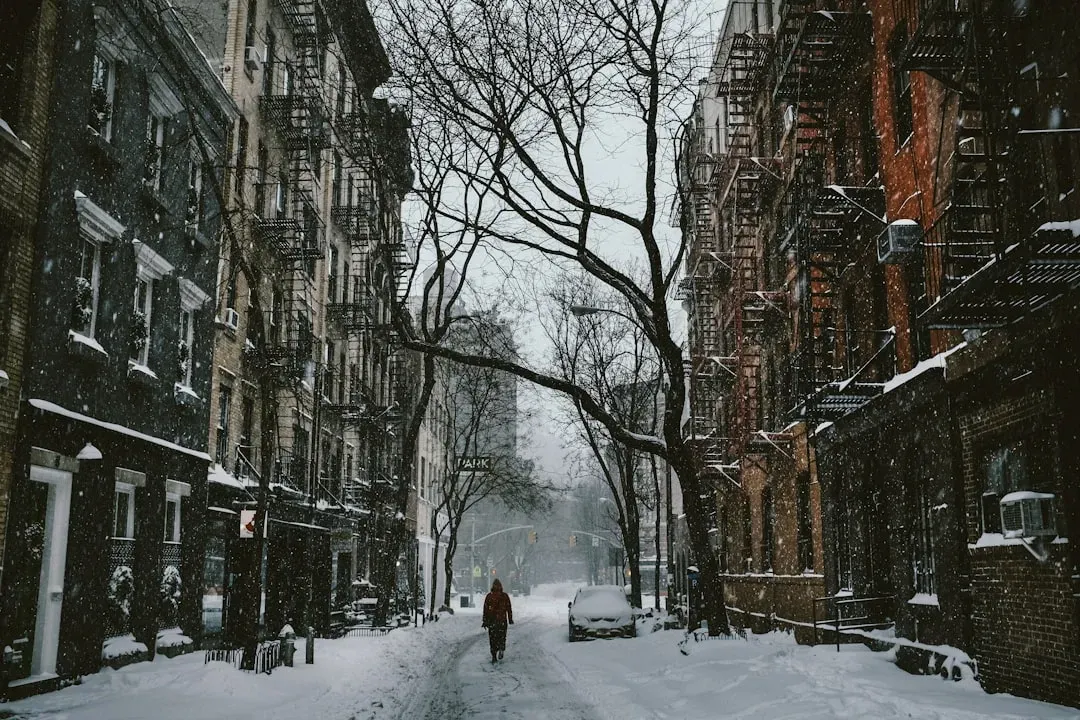
The final entry on this list isn’t ancient at all. It’s happening in our own lifetimes, and ice cores are recording it in real time, layer by layer, every single winter.
Ice cores help scientists compare atmospheric conditions before and after the Industrial Revolution, when humans began burning fossil fuels on a massive scale. Unlike ancient volcanic winters that show up as sulfate spikes, this modern signature is chemical pollution: lead, black carbon, and industrial dust, stacked year after year like an accusatory diary entry frozen in place.
What makes this final winter different from every other entry on this list is permanence. Scientists weave together the different threads of information ice cores provide into one continuous picture of Earth’s past climate, because the gas bubbles trapped inside capture the composition of our well-mixed atmosphere while the ice itself records everything else. Every winter from here forward is being logged automatically, whether we like what it says or not.
At a Glance
- Ancient winters show up as sulfate spikes; modern winters show up as lead, black carbon, and industrial dust
- Trapped gas bubbles preserve the actual composition of the atmosphere from the year the snow fell
- Unlike a single volcanic event, industrial-era layers accumulate continuously, year after year
- This is the only entry on the list still being written into the ice today
The Bottom Line
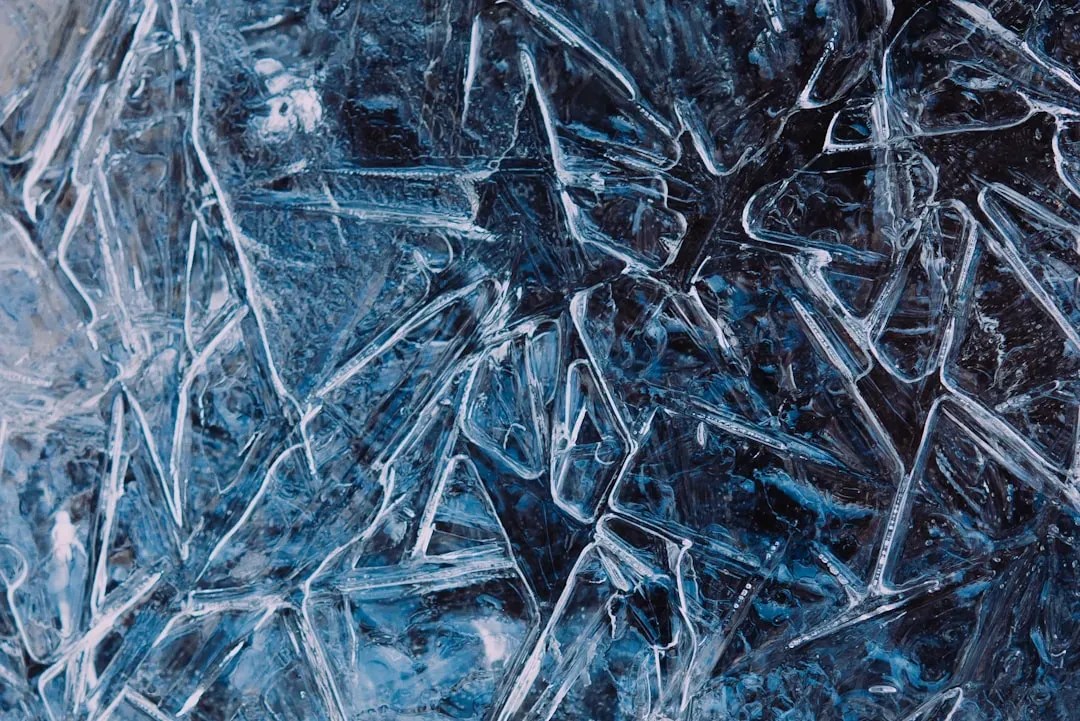
Ice cores don’t care about mythology, national pride, or which historian wrote the loudest account. They record sulfate, ash, and soot with a precision no manuscript can match, and that precision has quietly rewritten which winters actually mattered most.
Samalas in 1257 deserves far more fame than Tambora ever got. The 536 AD “mystery cloud” wasn’t superstition – it was two real volcanoes, confirmed centuries later in frozen gas bubbles. And frankly, the most alarming winter on this entire list isn’t ancient at all. It’s the one currently being written into the ice right now, one industrial layer at a time.
Which historic winter surprised you most? Drop your pick in the comments.