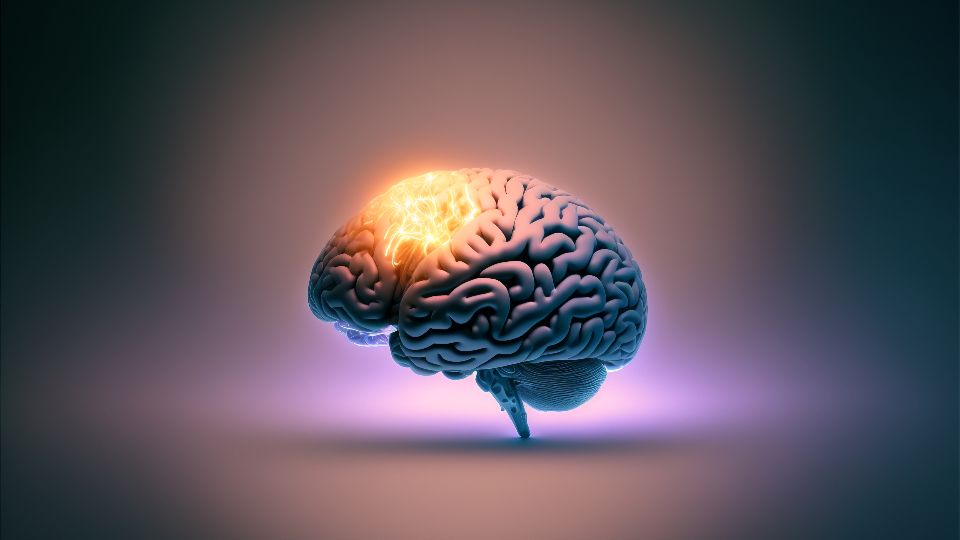
Imagine knowing you had only eleven conscious minutes left. You probably picture panic, flashing memories, maybe some kind of mystical tunnel of light. The reality, according to what scientists have been able to piece together so far, is both stranger and more down to earth than the stories you usually hear. Your brain does not flip off like a light switch; it moves through a carefully choreographed collapse, full of last-ditch efforts, strange bursts of organization, and a quiet fading of the self.
Here’s the twist: a lot of what you think would matter in those final moments actually does not show up in the data. Your brain is not playing your “life movie” in high definition or revealing some secret truth you have been missing. Instead, it is doing what it has always done: trying to keep you alive for as long as possible, protecting you from overwhelming pain, and shutting systems down in a surprisingly structured way. When you walk through what might be happening minute by minute, the picture is eerie, humbling, and oddly comforting at the same time.
The First Shock: Your Brain’s Last Fight to Stay Alive
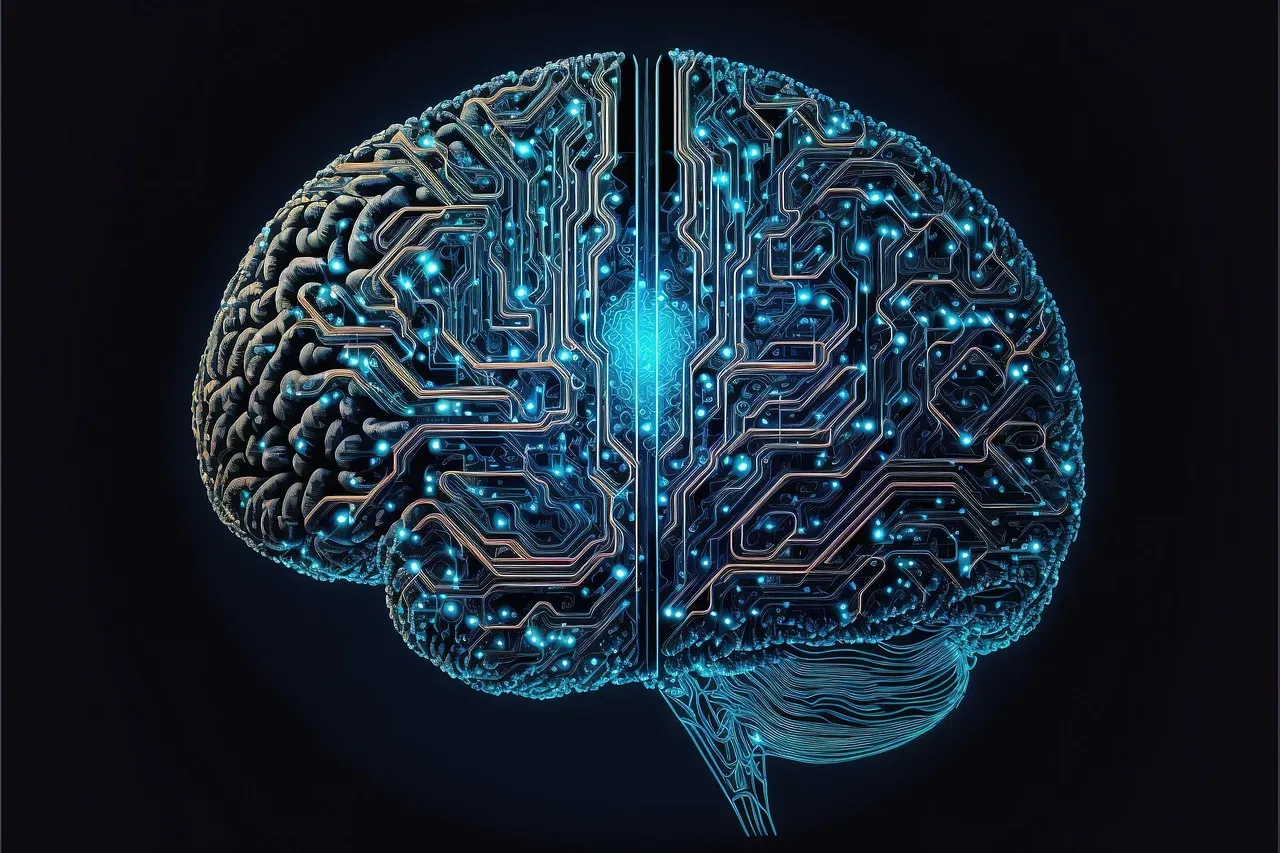
In the earliest of those final eleven minutes, your brain is still acting like a stubborn survivor. You are not dealing with a peaceful glide; you are dealing with a system that is scrambling to fix a catastrophic problem. If blood flow suddenly drops, your brain senses the crisis within seconds and floods chemical signals to boost blood pressure, redirect oxygen, and keep vital regions online. You do not feel those tiny adjustments, but they are happening behind the scenes like a frantic emergency crew patching leaks in a sinking ship.
At the same time, you may notice something strange: your awareness might narrow. Instead of taking in the whole room, you might lock onto a single sound, a face, or even your own breathing. That tunnel-like focus is not mystical; it is your brain prioritizing what feels most crucial for survival right then. You can think of it as a power-saving mode, where nonessential processing is dialed down so core functions and immediate threats get all the attention. Even at the edge of collapse, your brain is not trying to be profound – it is trying to buy you a little more time.
Energy Crisis: When Your Brain Starts Rationing Consciousness
As those minutes tick by, the main story is energy. Your brain is ridiculously hungry under normal conditions, burning a large share of your body’s fuel just to keep neurons chatting with each other. When oxygen and glucose start disappearing, that whole system can’t keep running at full speed. So your brain begins triage: less vital networks get dimmed first, and more basic ones are protected for as long as possible. You might experience this as feeling faint, foggy, or strangely detached, as if your thoughts are moving through thick syrup.
You can picture what is happening like a city in a rolling blackout. Neighborhoods go dark one by one, but hospitals and critical infrastructure get backup power. In your head, high-level thinking, long-term planning, and complex self-reflection are the neighborhoods that lose power early. Core functions like breathing, heart rhythm regulation, and primitive emotional circuits get priority. You might still hear voices or feel someone’s touch, but your ability to make sense of it, to form solid memories or weigh big decisions, is already slipping away because the energy bill can no longer be paid in full.
Disappearing Self: How Your Sense of “You” Starts to Unravel
One of the most unsettling parts of this process is what happens to your sense of self. Your everyday “you” depends on a network of brain areas that stitch together memories, body awareness, emotions, and your ongoing thoughts into one continuous story. When oxygen is dropping and neurons are failing, that story does not abruptly stop; it starts to fray. You might feel time warping, your body boundaries blurring, or a weird calm stepping in where you would expect panic. That is not necessarily you becoming wise in an instant – it is your self-system losing structure.
This is also why near-death reports can sound so wildly different. With circuits flickering out in a patchy pattern, you might feel like you are floating, or that the room is far away, or that nothing is quite real anymore. Your brain is struggling to keep a coherent “me” online while large chunks of the normal supporting network are dropping out. It is like trying to listen to a symphony when instruments keep cutting in and out at random; for a while, you still recognize the music, but eventually it turns into scattered, fading notes.
Strange Clarity: Why Your Brain Can Spike With Activity Before It Fades
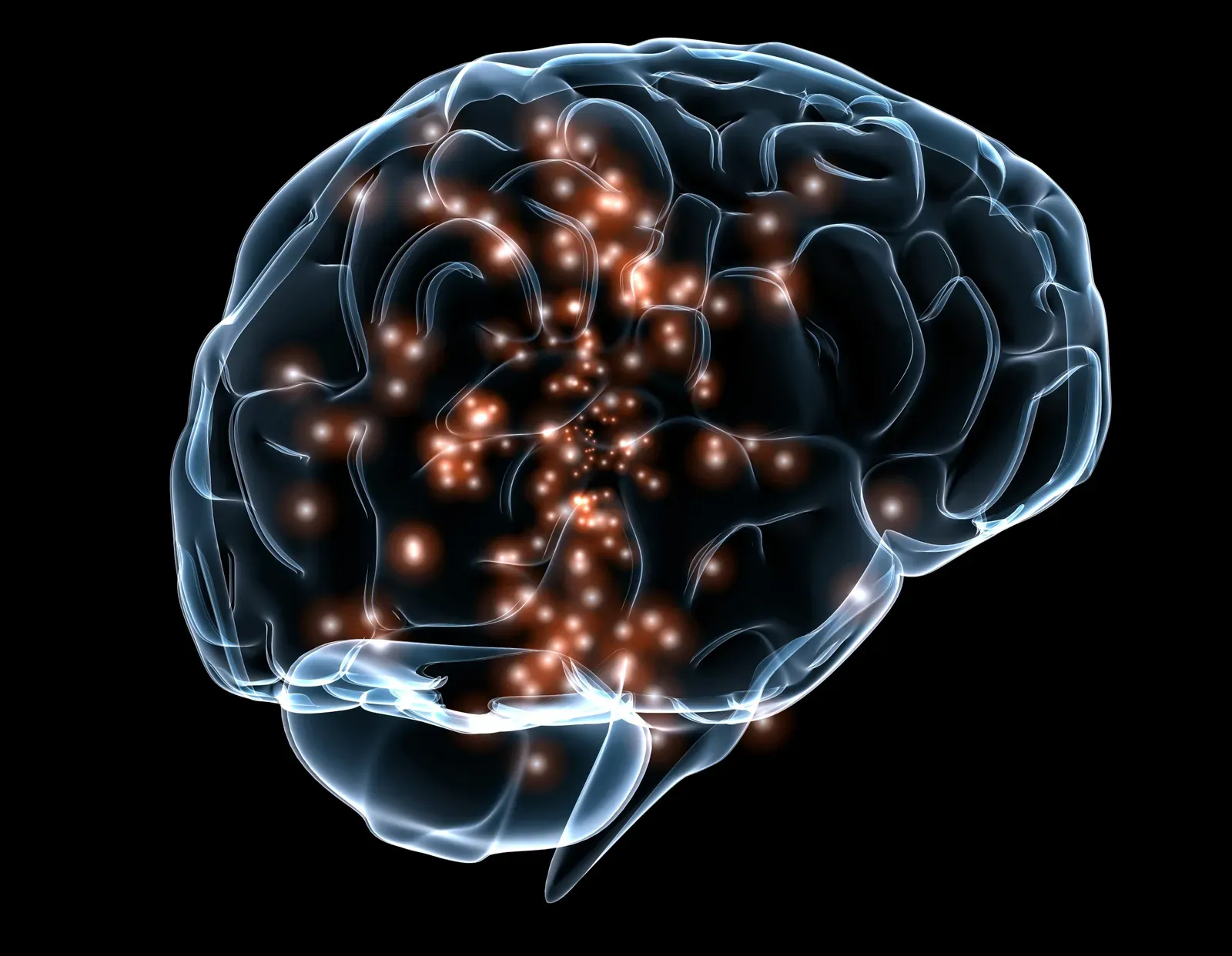
Here is one of the most surprising things researchers have noticed: just before the final shutdown, some brains show a brief surge of organized activity. You would think everything would just flatten out, but instead, certain frequencies and patterns can suddenly flare up, almost like a last burst of fireworks. If you were still aware during that window, you might experience unusually vivid sensations, sharp flashes of memory, or a sense that time has stretched or slowed. It can feel, subjectively, like a moment of intense clarity in the middle of collapse.
Scientists are still careful about what they claim here, because your experience and the brain data are hard to line up perfectly. But this spike likely reflects networks firing chaotically as inhibition fails and the normal balance between signals breaks down. In other words, the brakes go first, and neurons that were usually kept in check suddenly fire together. To you, it could feel meaningful, even transcendent; to your brain, it is simply what happens when a finely tuned system loses control in an organized way before it completely goes dark.
Pain, Panic, and Protection: How Your Brain Tries to Shield You

You might assume those last minutes are nothing but terror and agony, but your brain has built-in ways to mute the worst of it. In extreme stress or injury, your system can flood itself with natural painkillers and dampen certain emotional circuits. That is why some people in severe accidents report a strange calm or numbness instead of the horror you would expect. If your body is beyond saving, your brain’s priorities shift from escape to protection from overwhelming suffering, and it leans hard on every chemical trick it has.
Conscious panic needs a certain level of organized brain function. As networks disconnect and energy fails, your capacity to feel intense, sustained fear can actually drop. You might drift into a more detached state, where events seem distant or dreamlike, even if they are physically close. This is not guaranteed or universal, and the path can be messy, but your brain is not indifferent to your experience on the way out. It is wired to reduce unbearable pain when it can, and as your conscious systems fade, the emotional volume knob is often turning down too.
Memories, Life Reviews, and Why Your Brain Loves Stories
You have probably heard about “life flashing before your eyes,” and your storytelling brain loves that image. What science suggests, though, is more subtle. When networks involved in memory and self-processing are destabilized, you might get rapid, vivid recollections or emotional snapshots from different points in your life. It is not necessarily a full, orderly movie; it is more like a drawer of photographs being yanked open and scattered. Some moments might stand out sharply, especially those loaded with strong emotion or meaning.
Your brain is built to organize experience into a story, and it tries to keep doing that even while it is failing. So if random fragments of memory surface in those minutes, your mind may weave them together into something that feels coherent and important. From the inside, it can feel like a powerful review or revelation. From the outside, it is your narrative machinery working with whatever is left of the network, trying to maintain a sense of continuity as the ability to hold that story slowly dissolves.
The Final Fade: When Consciousness Slips Beyond Reach

By the time you are in the last of those eleven minutes, conscious experience itself is shrinking. The electrical rhythms that usually mark wakefulness and awareness lose their clear patterns, and large populations of neurons stop firing in a coordinated way. You might drift in and out of very shallow awareness, with flashes of sensation or thought that do not fully connect. Eventually, subjectively, there is no more “you” to notice the fading; consciousness does not slam into a hard wall so much as thin out until there is nothing left to observe the process.
What happens after that point – whether anything continues in any form – is a question science cannot answer for you. Neuroscience can tell you about the breakdown of networks, the loss of information integration, and the point where the brain no longer supports awareness as we understand it. But that hard edge between the last spark of experience and complete absence remains mysterious. From the brain’s perspective, though, the story ends with a quieting: activity dwindles, signals flatten, and the theater of the mind closes without an audience left inside to watch the curtain fall.
Why Understanding These 11 Minutes Might Change How You Live

Knowing what likely happens in those final minutes can feel eerie, but it can also be grounding. Instead of imagining some dramatic cosmic test, you see a system you have lived with your whole life doing what it always does: regulate, protect, and then let go when it can no longer hold things together. That understanding can soften some of the fear, because you are not facing a monster you do not recognize – you are watching the same familiar brain follow its last, predictable steps under impossible conditions.
It might also nudge you to think differently about the time you do have. If the end is mostly a biological unwinding rather than a grand revelation, the meaningful moments are not hiding in the last eleven minutes; they are scattered all through the ordinary days you are living right now. Your brain is already shaping your reality, choosing what to focus on, what stories to tell, and how to protect you from overload. The deeper question becomes less about your final sparks of awareness and more about how you use all the millions of minutes before that to build a life that feels worth living. What would you want your brain to be remembering, if it ever did pull open that drawer one last time?