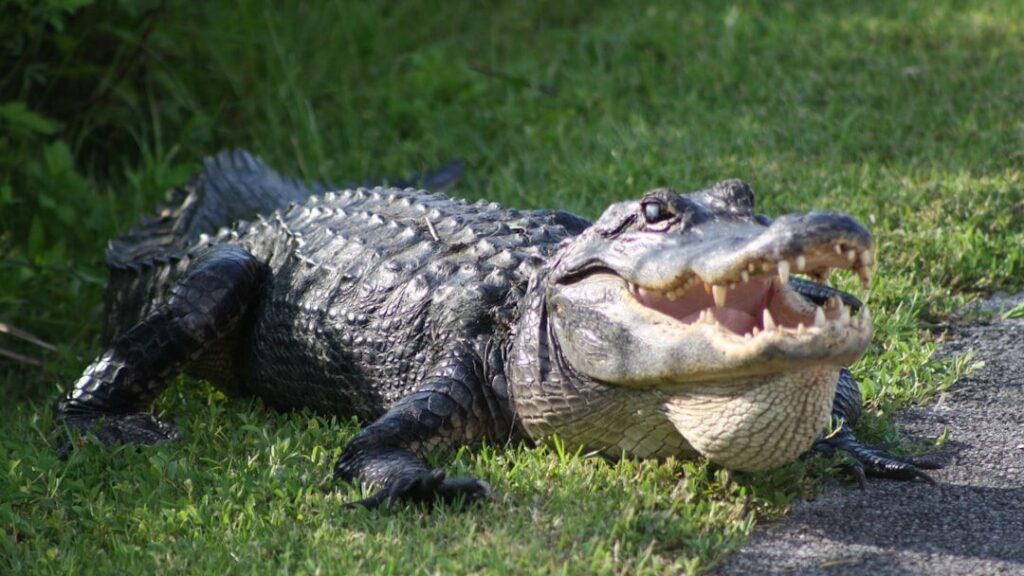
There is something unforgettable about the first time you spot an alligator in Florida. The water looks perfectly calm, then suddenly you notice that pair of dark eyes just above the surface, watching. In that moment, your brain does a quick tug-of-war between awe and fear. Part of you wants to get closer for a better look; the wiser part of you wants to back away and pretend you never saw it. How you handle those next few seconds matters far more than most visitors realize.
Alligators are not movie monsters stalking every trail, but they are powerful, wild predators that deserve serious respect. They are protected by law, common in many freshwater areas, and increasingly overlap with where people live, walk dogs, fish, and paddle. That means almost anyone spending time outdoors in Florida has a real chance of encountering one. The good news is that with a little knowledge, clear boundaries, and calm behavior, you can enjoy Florida’s wild side without becoming a news story. Let’s walk through what to do, what not to do, and how to stay safe while still appreciating these ancient reptiles.
Understand Where You Actually Might Meet an Alligator
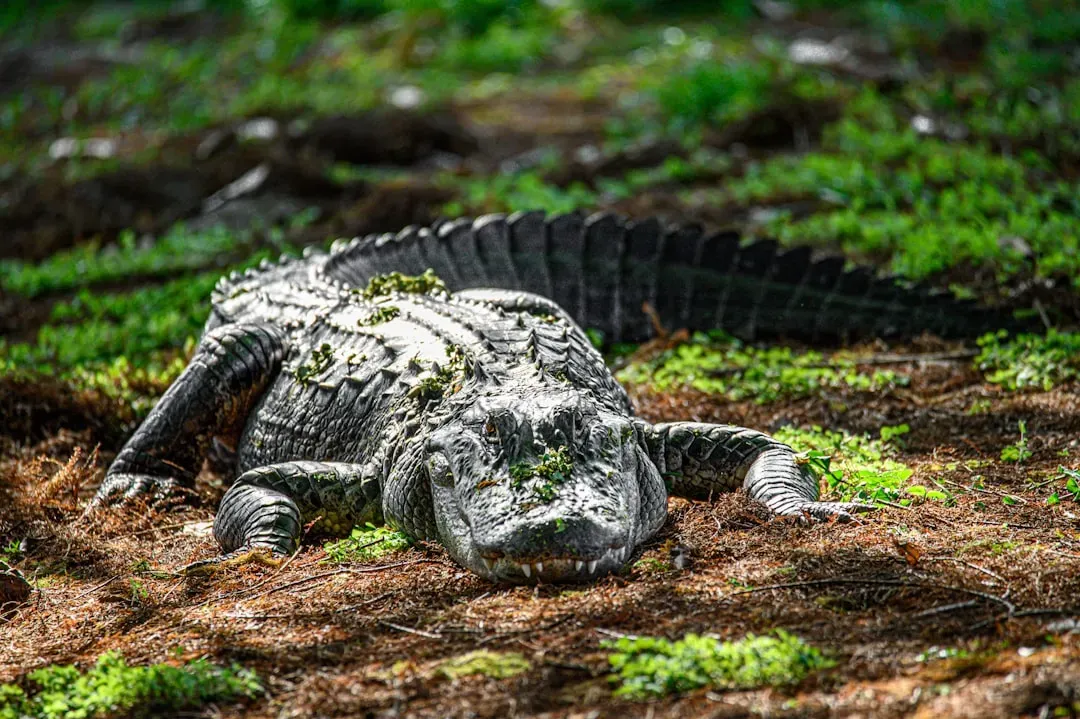
It shocks many newcomers to learn that in Florida, any body of fresh or brackish water larger than a puddle can potentially hold an alligator. That includes ponds in gated communities, golf course water hazards, retention ponds near shopping centers, roadside canals, and slow-moving creeks. Alligators are especially fond of warm, shallow water with plenty of cover, where they can hide along the bottom and ambush prey. So if you are near water that looks like it could support fish, birds, or turtles, it can probably support an alligator too.
That does not mean there is an alligator lurking behind every lily pad, but it does mean you should never assume a lake or canal is “gator-free” just because you do not see one. Alligators are masters of staying low and still, with only their nostrils and eyes above the surface. Many people who claim they have never seen a gator in their neighborhood are probably walking past them more often than they realize. So the first rule is mental: anywhere near natural-looking water in Florida, act as if a hidden alligator could be present, and set your behavior around the shoreline accordingly.
Recognize Alligator Behavior So You Don’t Panic
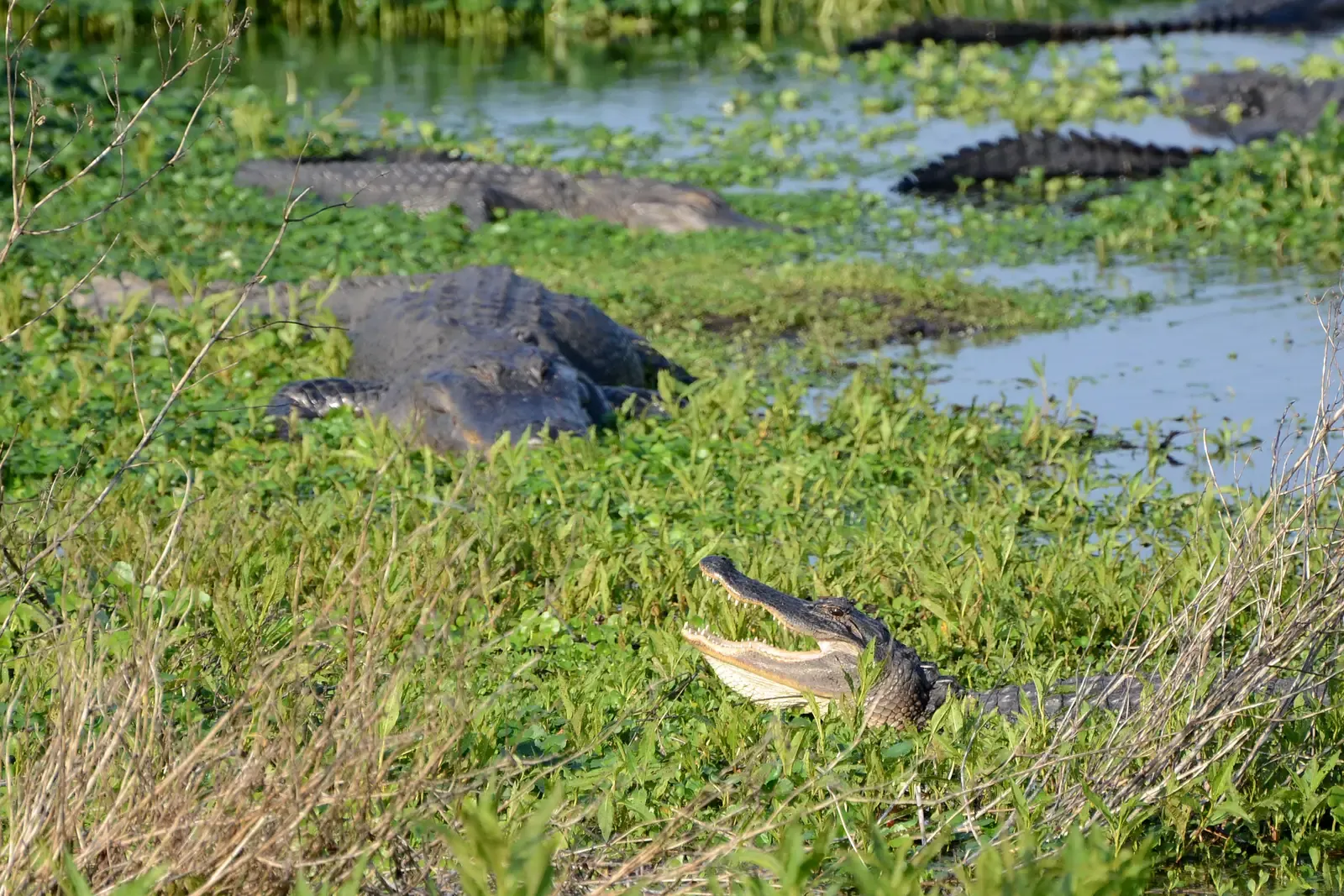
When you know what a calm, normal alligator looks like, you are less likely to overreact or do something risky. Most healthy wild alligators avoid direct confrontation with humans if given a clear escape route. You will usually see them basking on a bank with their bodies stretched out, lounging partially in the water, or floating like a log with just the top of their head visible. They may slowly sink under the surface when they notice you, or simply watch you pass without moving. That still, watchful behavior might feel eerie, but it is usually a sign the animal is simply being cautious, not gearing up to attack.
Problems start when alligators associate people with food, or when people get too close and block the animal’s way back to the water. A gator that starts approaching you in a straight line on land or in the water, especially in a place where people feed wildlife, is not behaving naturally and should be treated as a serious red flag. Hissing, lifting its body higher off the ground, or rushing toward you in short bursts are also classic signs that you are too close. Understanding these body-language cues lets you respond early and calmly, instead of waiting until things feel truly dangerous.
What To Do in the Moment: Stay Calm, Back Away, Create Space
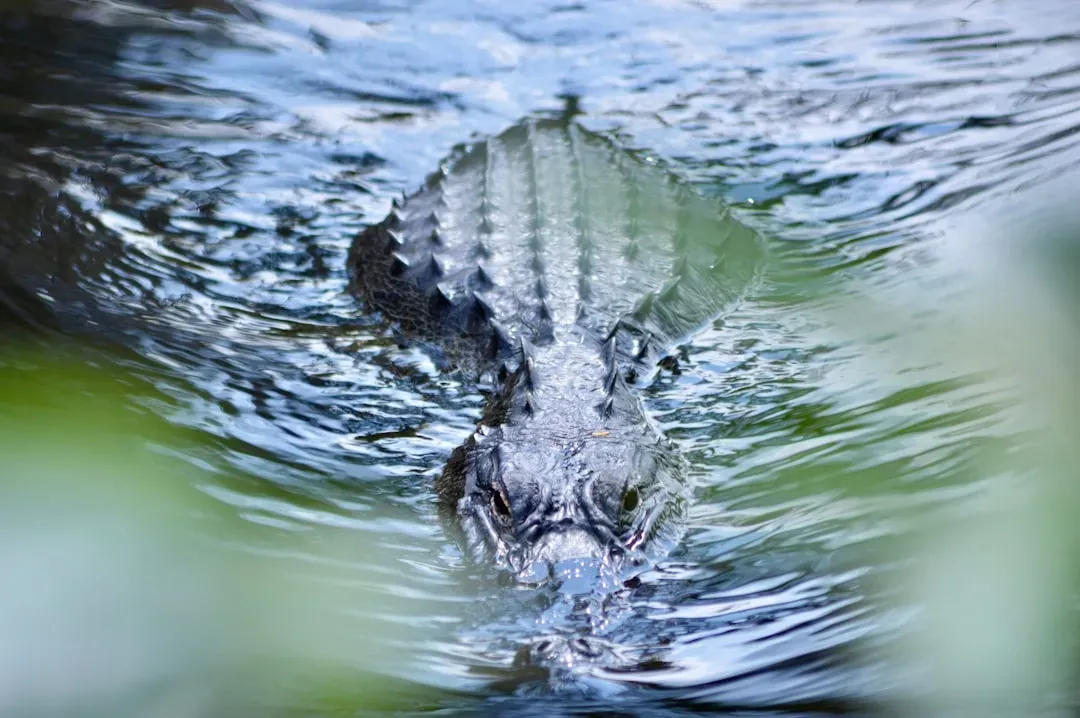
If you suddenly notice an alligator nearby, your first job is not to run, scream, or yank out your phone for a close-up video. Your first job is to create distance without triggering a chase response. In most cases, the safest move is surprisingly simple: stop where you are, keep your eyes on the animal, and slowly back away in a straight line, giving it a wide berth. You do not need to make dramatic zigzags; that old advice is more myth than science. Alligators can sprint in short bursts, but they are not distance runners, and a calm retreat usually gives them no reason to follow.
As you move away, keep kids and pets close and controlled, and do not turn your back completely until you have a comfortable space between you and the water’s edge. If the gator is on land between you and the water, avoid walking around it in a tight arc; that can make it feel cornered. Instead, backtrack the way you came and choose a different route. In most everyday encounters, that is all you need to do. The alligator returns to doing alligator things, and you walk away with a good story instead of a close call.
How To Keep Kids and Pets Safe Around Gator Waters
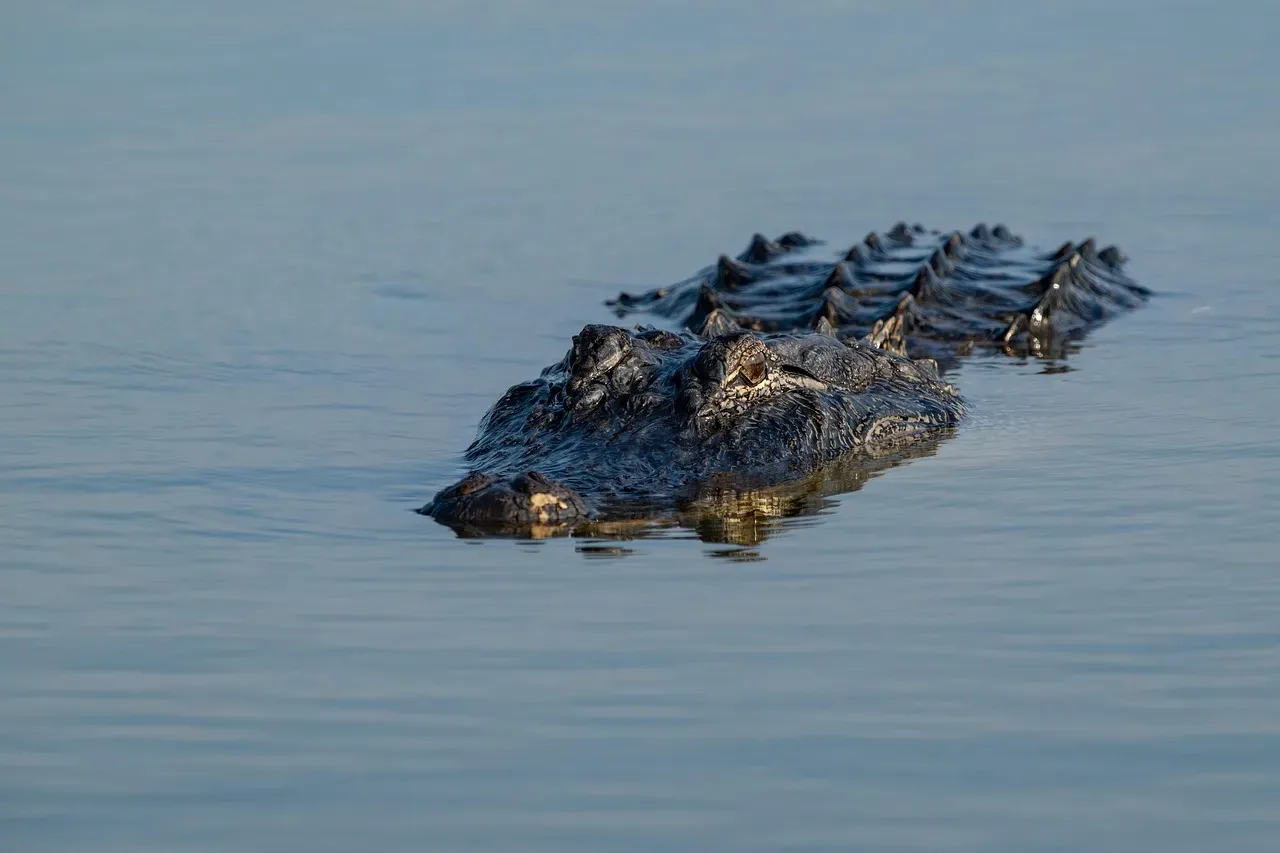
From a safety perspective, small children and pets are the ones you must think about first when you are in alligator country. To a large predator, a dog splashing near the water’s edge can look a lot like natural prey. That is not because the alligator is “targeting” pets in some special way; it is simply responding to movement and sounds it has evolved to hunt. The safest habit is strict but simple: do not let kids or pets play, wade, or drink from the shoreline of lakes, ponds, canals, or marshes in Florida, especially at dawn and dusk when alligators often move and hunt more actively.
Leashes are not just a courtesy here; they are a safety tool. A dog that darts ahead out of sight, or chases a bird toward the water, can end up in serious danger before you even realize what is happening. Keep children close to you, explain in age-appropriate language why they must not approach the water, and set clear physical boundaries: no sitting with feet dangling, no chasing ducks at the edge, no throwing sticks into the water for the dog to fetch. Those might feel like tiny sacrifices in the moment, but they close off some of the highest-risk situations around alligators.
Never Feed, Tease, or Try To Get a Closer Photo
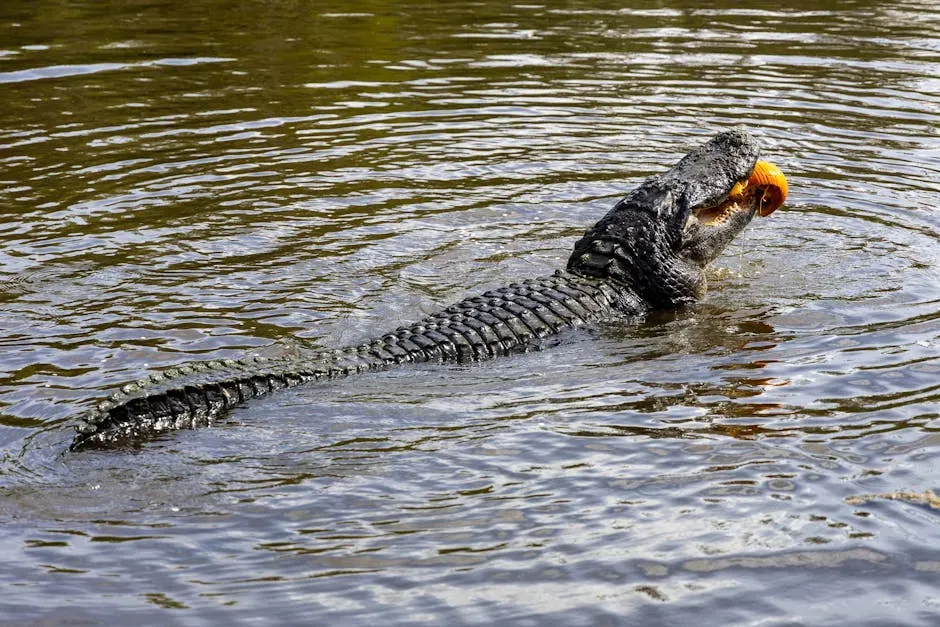
If there is one rule that could prevent a huge number of dangerous encounters, it is this: do not feed alligators, not even once, not even a little. Feeding wild gators teaches them that humans are a source of easy meals, and that is when they start approaching people and hanging around fishing spots, docks, and picnic areas. Once an alligator has learned this habit, it often has to be removed and euthanized because it has become too bold around people. So what might feel like a fun, rebellious moment for a social media clip can literally be a death sentence for that animal later.
Teasing or harassing alligators is just as serious, and in many places, it is also illegal. Throwing things at them, trying to touch the tail, creeping dangerously close for a “crazy” selfie, or letting children walk up for a better look all shove the situation toward a bad outcome. A good mental check is to ask yourself whether you would be comfortable doing the same thing inches away from a hot stove burner. Just because an alligator seems sluggish or uninterested does not mean it cannot move in a sudden burst. Respect the invisible line: admire from a distance, zoom in with your camera, and let the animal stay wild.
What If an Alligator Acts Aggressive or Blocks Your Path?
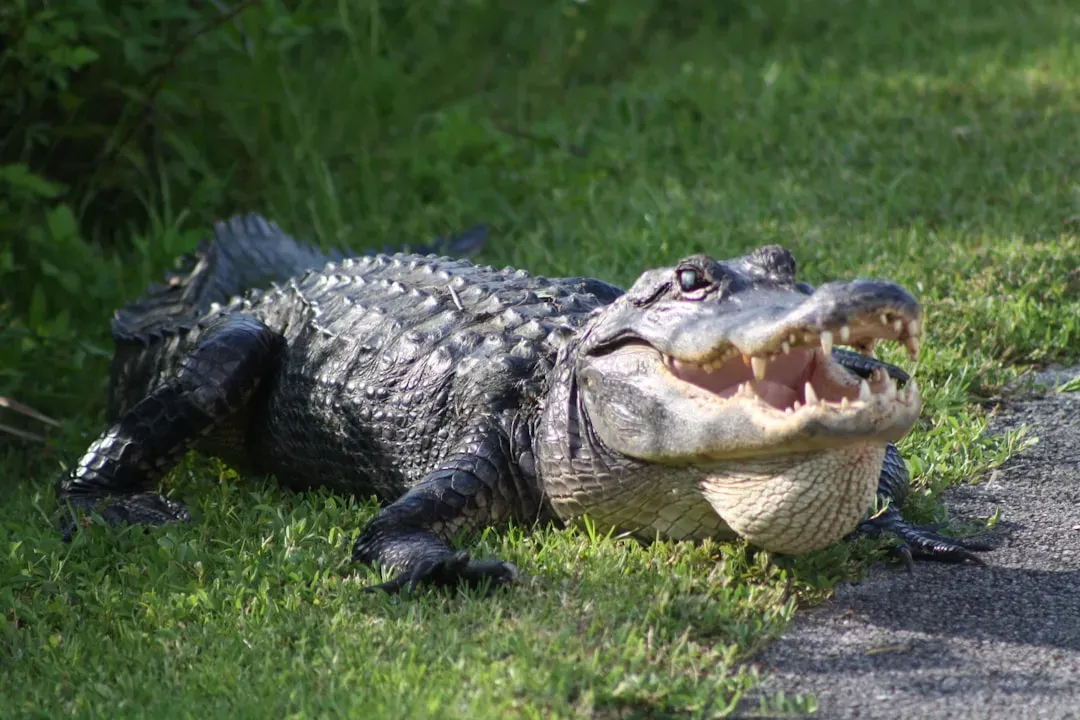
Every now and then, you might run into a situation that feels more serious: an alligator parked right on a trail, blocking the only practical way forward, or one that seems to edge closer as you move. Do not treat this like a test of bravery. Turn around, keep your group together, and take an alternate route if possible. There is no shame in abandoning a path or changing your plans because a large predator has claimed a sunning spot you wanted to use. Wildlife does not read your schedule, and it does not care that your favorite fishing spot is “yours” on Saturday mornings.
If the animal seems unusually bold, such as approaching you repeatedly or lingering very close to heavily used paths or yards, that may be a sign it has been fed by people or has lost its natural wariness. In those cases, the best move is to leave the area and report the behavior to local wildlife authorities or property management, especially if this is near homes, playgrounds, or popular parks. It can feel dramatic to make that call, but early reports give professionals a chance to intervene before a dangerous encounter happens. Ignoring a problem alligator rarely makes it go away.
Rare But Serious: If an Alligator Lunges or Bites
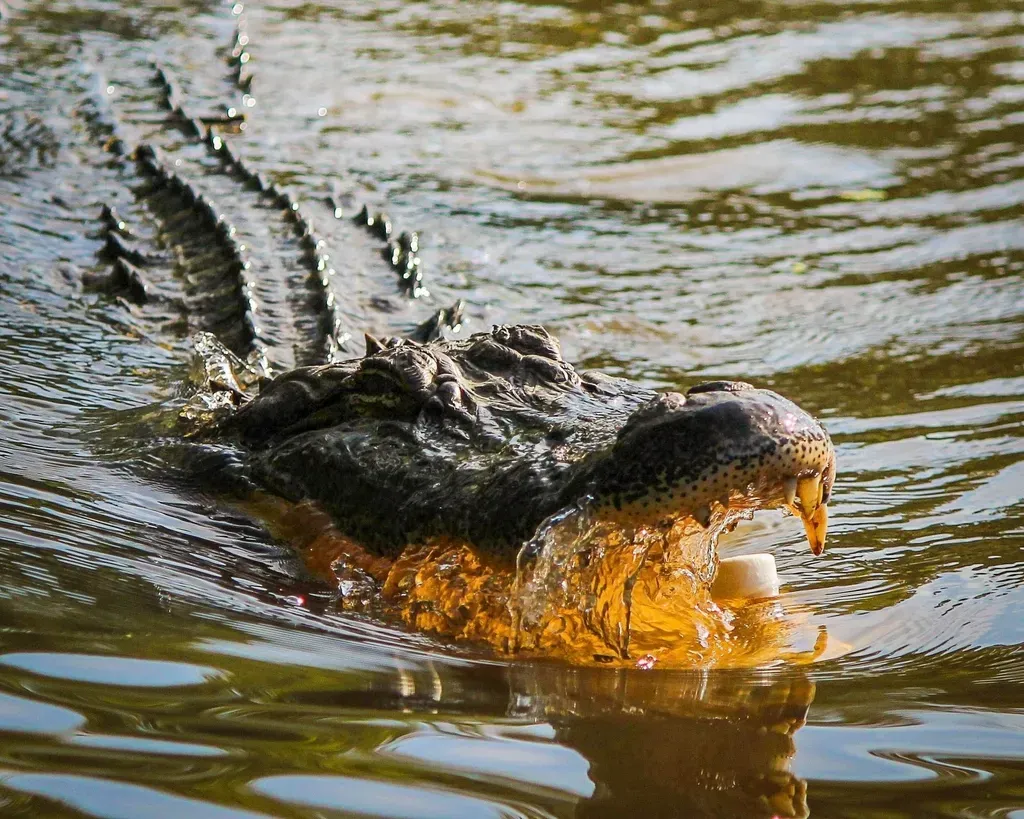
The truth is that serious alligator attacks on people are rare compared to how often humans and gators share space. Still, rare is not the same as impossible, and it is worth knowing what to do in the worst case. If an alligator lunges at you on land, your first priority is to get away as fast as you can in a straight line, heading for higher ground or a structure if possible. They can move fast for a short distance, but if you get out of that short burst and put obstacles between you and the animal, the advantage shifts quickly in your favor.
If an alligator actually grabs you, especially in the water, the situation becomes extremely serious. Fight back with everything you have, focusing on the most sensitive areas: the snout, head, and especially the eyes. Striking, kicking, or gouging these areas can sometimes cause the animal to release you. As soon as you are free, get to shore or solid ground immediately and seek medical help, even if the wound looks small. Alligator bites can involve crushing force and bacteria, and they always deserve professional medical care. These scenarios are unlikely, but having a mental plan beats freezing in panic.
Calling in the Experts: When and How To Report a Gator
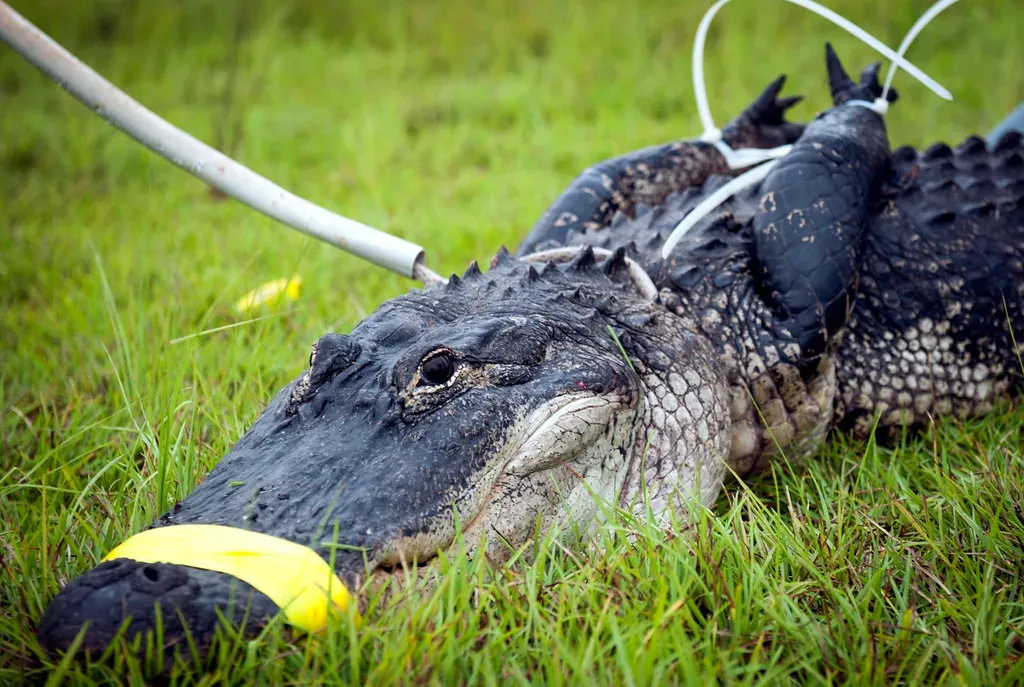
Florida has structured programs specifically for dealing with alligators that are in places they should not be or behaving in worrying ways. If you see an alligator repeatedly approaching people, lingering near yards or playgrounds, or blocking access or acting boldly near busy paths, it is time to let experts know. Use official wildlife agency hotlines or your local non-emergency numbers to report the situation, and be ready to give specific details: location, size estimate, what it was doing, and how often you have seen it. You are not “bothering” anyone by speaking up; you are giving them a chance to prevent something worse.
In my experience living around Florida wetlands, most reports turn into calm, practical visits where professionals inspect the site, give advice, and sometimes monitor the situation rather than immediately removing the animal. But in cases where an alligator is clearly a threat, they may decide to capture and remove it for public safety. That outcome is not fun for anyone, which is exactly why feeding and harassing alligators is taken so seriously. The earlier people follow the rules and the sooner risky behavior is reported, the more likely it is that both humans and gators can peacefully share the same spaces.
Living With Alligators: A Personal Take on Respect and Responsibility
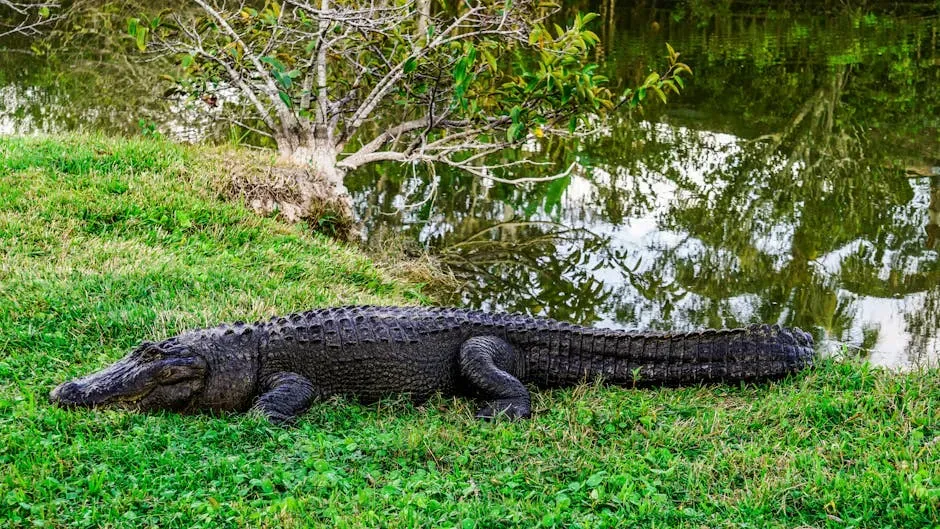
Spending time in Florida, I have come to see alligators less as villains and more as tough, silent neighbors who were here long before we built neighborhoods, golf courses, and playgrounds on their wetlands. I still feel a jolt of adrenaline every time I notice one a bit closer than I expected along a trail, but I have also learned that most of those moments are entirely manageable when you stick to a few core habits: keep your distance, keep pets away from the water, never feed wildlife, and back off instead of testing boundaries. These are not complicated rules. The hard part, honestly, is resisting the human urge to get closer for a thrill.
In my view, if you choose to live in or visit Florida, you are also choosing to live with wild reptiles that command respect. That is not a problem to be solved; it is a responsibility to be owned. We can either treat alligators like props for viral videos and then act shocked when there are consequences, or we can accept that sharing space with predators means changing our behavior a bit. I think the trade-off is worth it. You get sunsets over mirror-still lakes, the thrill of spotting a prehistoric-looking shape in the reeds, and the reminder that not everything in this world is tame or under our control. Next time you see those dark eyes in the water, will you treat that moment as a cheap spectacle, or as a chance to practice real respect for the wild?