Imagine an animal that looks a bit like a tiny dragon, walks like an anteater in armor, and curls into a perfect ball when it is scared. Now imagine that this same creature is disappearing so fast that whole forests are falling silent. That animal is the pangolin, and even though most people have never seen one in the wild, it holds the grim title of the on Earth.
There is something heartbreakingly ironic about pangolins. They are shy, gentle insect-eaters that just want to be left alone to rummage for ants, yet they’ve been dragged into the center of a global illegal trade worth billions. The story of the pangolin is not just about poaching and crime; it’s also about culture, misunderstanding, and how slowly the world wakes up to a crisis once it is almost too late.
The Pangolin’s Unbelievable Biology: A Walking Suit of Armor
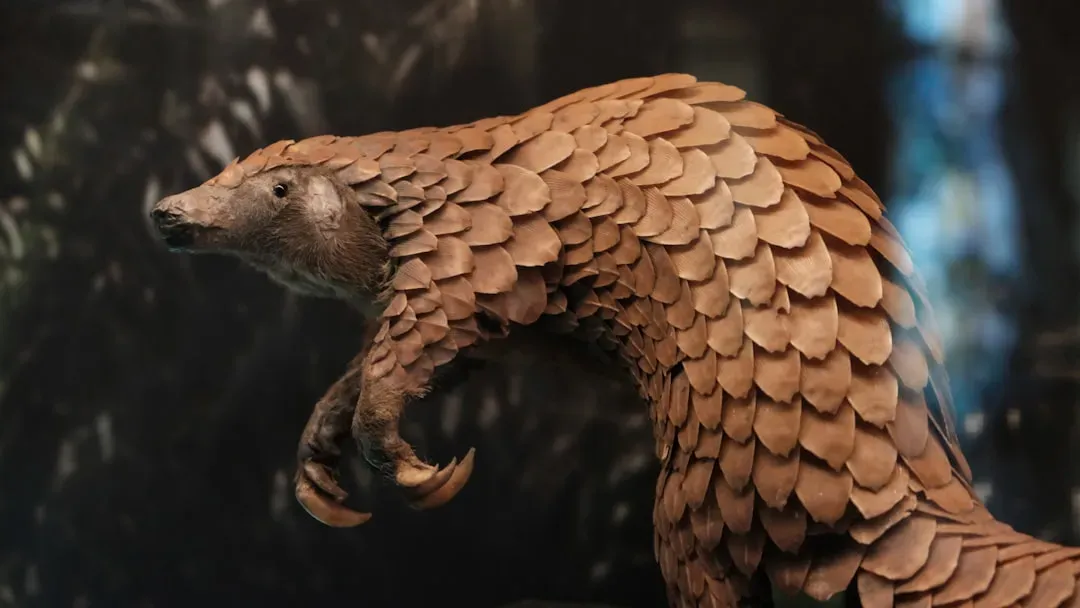
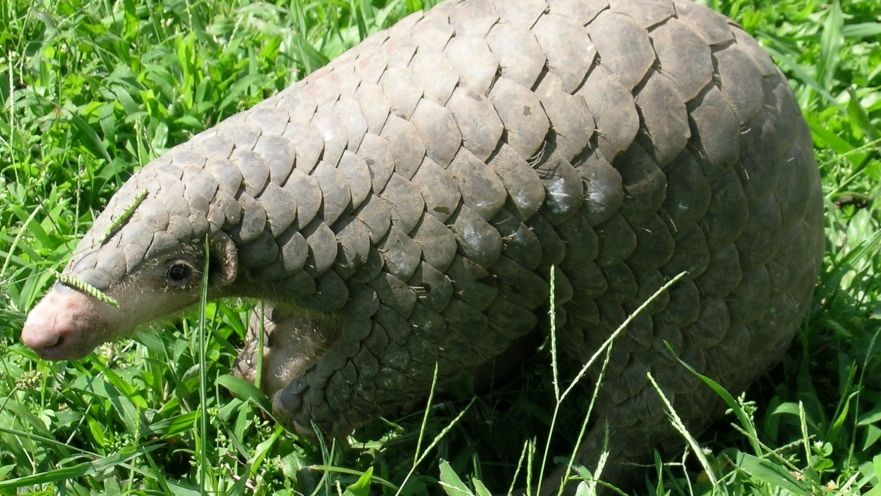
The first shocking thing about pangolins is their appearance. Their bodies are covered in overlapping scales made of keratin, the same material found in human fingernails and hair, giving them a strange, armored look that seems almost prehistoric. When threatened, a pangolin curls into a tight ball, tucking its soft belly inside and presenting only its hard scales to predators, a defense that works amazingly well against lions but tragically not at all against humans.
There are eight known species of pangolins in the world, four in Africa and four in Asia, ranging from forest dwellers to savanna specialists. Some species are adept climbers with strong tails that help them balance in trees, while others spend their time digging burrows and hunting on the ground. All of them are insectivores, using long, sticky tongues that can be longer than their own bodies to slurp up ants and termites from nests they tear open with powerful claws. This strange mix of features makes the pangolin feel like an animal assembled from spare parts, but each trait is perfectly tuned to a very specific way of life.
The Quiet Lives of Nature’s Shy Insect Hunters
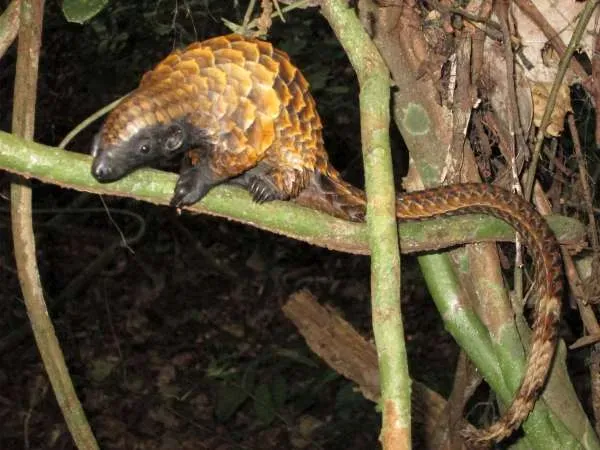
Pangolins are largely solitary and mostly nocturnal, which is one reason so few people have ever seen one in the wild. At night, they shuffle through leaf litter or along branches, guided by a strong sense of smell to find hidden insect colonies. They do not have teeth, so instead of chewing, they swallow small stones and have muscular stomachs that grind their food, a bit like internal grit-powered blenders.
These animals are surprisingly important to ecosystems, even if they rarely make headlines. A single pangolin can consume tens of thousands of ants and termites in one night, adding up to millions over a year. By controlling these insect populations, they help protect vegetation and even human structures from being overrun. In that sense, they quietly provide a natural pest-control service, saving forests and farmlands without anyone really noticing or saying thank you.
Why Pangolins Are
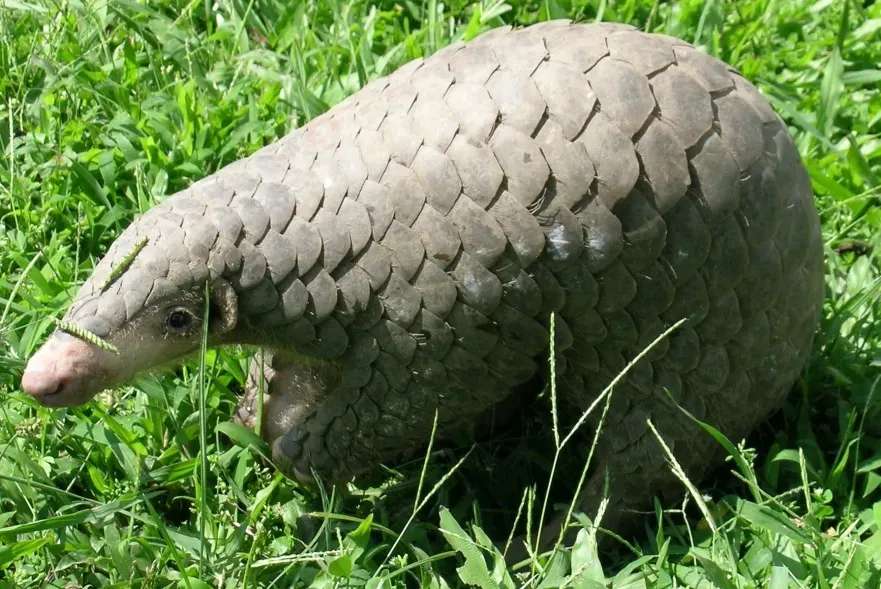
So how did this shy, bug-eating animal become ? The short answer is that pangolins are trapped at the crossroads of demand for both their meat and their scales. In some parts of Asia, pangolin meat has been treated as a luxury, served in certain restaurants as a status symbol for those who can afford it. Their scales have been used in traditional remedies for a wide variety of claimed benefits, despite the fact that these scales are made from the same material as human nails.
As wild populations in Asia have declined, trafficking networks have increasingly targeted African pangolin species, turning the entire group into a global commodity. Shipments intercepted by authorities have contained tons of frozen meat and dried scales, suggesting that thousands of animals can be represented in a single large seizure. Even if the exact numbers are difficult to verify, enforcement agencies and conservation groups consistently describe the trade as massive, organized, and brutally efficient. It is not a handful of hunters; it is a chain that stretches from rural communities right up to international criminal networks.
Inside the Illegal Trade: From Forest Floor to Black Market
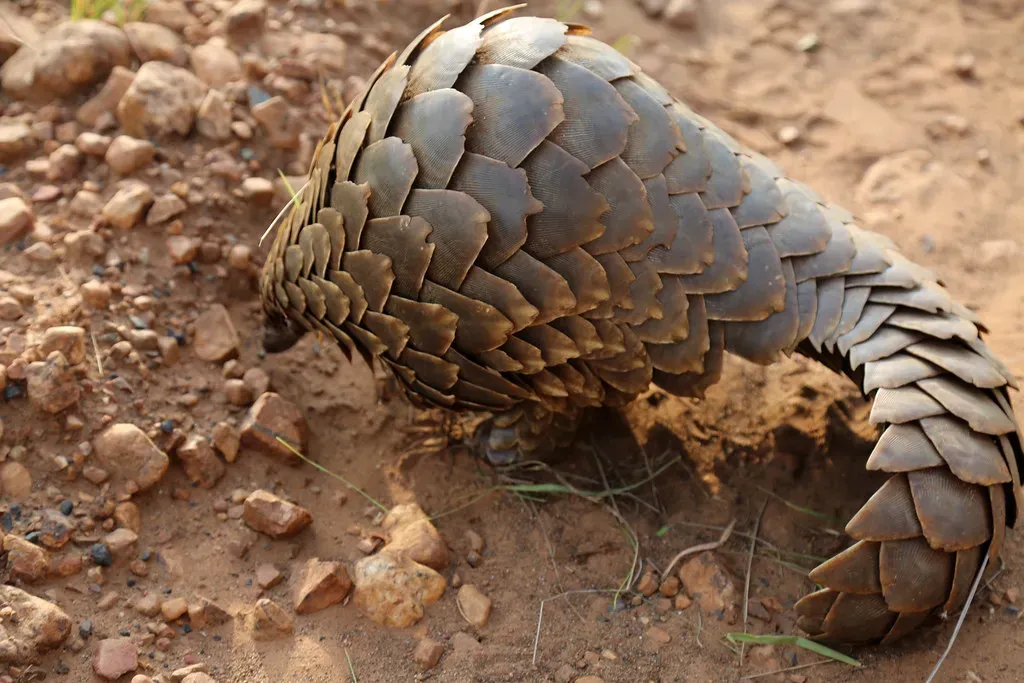
The journey of a trafficked pangolin usually starts in remote forests or savannas, where local hunters set traps or track the animals with dogs. Because pangolins roll into a ball when scared, they are tragically easy to pick up and carry, offering almost no resistance. For people in rural areas with limited income sources, catching a pangolin can feel like winning a grim lottery, since intermediaries may pay what seems like a generous amount compared to other local work.
From there, the animal, or more often its meat and scales, moves through a hidden supply chain. Middlemen consolidate products, smugglers conceal them in shipments, and corrupt officials sometimes look the other way. The final buyers may be many countries and many flights away from where the pangolin originally lived and foraged. By the time authorities intercept a shipment, the animals are almost always dead and unrecognizable, reduced to frozen carcasses or bags of dried scales. This long, secretive journey is part of what makes the trade so hard to stop.
Conservation on the Edge: Laws, Protection, and Their Limits
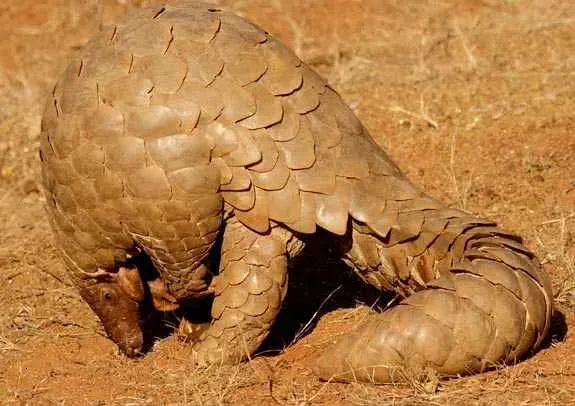
In response to this crisis, pangolins are now among the most legally protected mammals in the world on paper. International agreements have banned commercial trade in pangolins and their parts, and many countries have national laws that classify them as fully protected species. Despite this, enforcement has struggled to keep pace with demand and the profits available to smugglers, and illegal trade has continued even after new protections were introduced.
Conservationists and law enforcement teams have made some real progress, with more seizures, more arrests, and growing public awareness in recent years. Public campaigns are slowly chipping away at the social status associated with eating pangolin meat or possessing their scales. Still, laws and awareness campaigns alone are not enough if the economic pressures and cultural beliefs that fuel demand are left untouched. Without consistent funding, local community support, and political will, legal protection risks becoming a promise written in ink instead of a shield that actually saves living animals.
Can Pangolins Recover? Hope, Rescue Stories, and Hard Realities
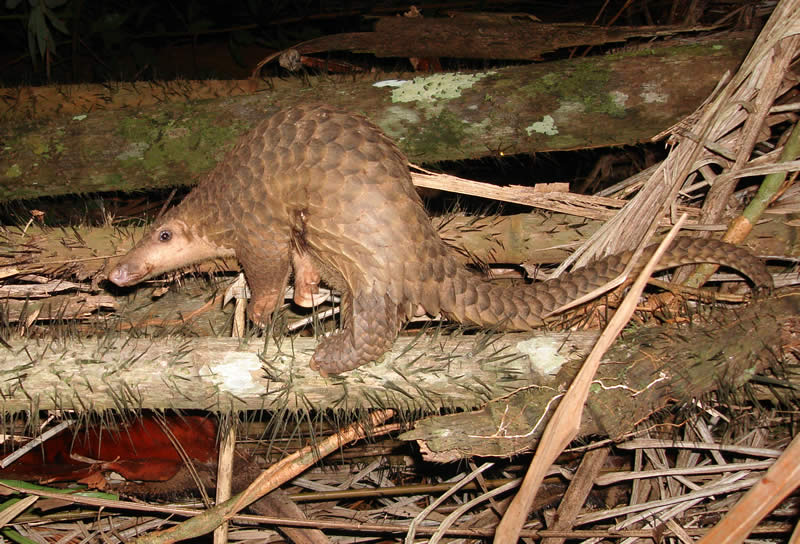
Despite everything, there are reasons not to give up on pangolins. Around the world, small but determined teams are rescuing trafficked animals, rehabilitating them, and releasing them back into protected areas whenever possible. Some of these pangolins adapt well, finding food and burrows, while others struggle because they arrive injured, stressed, or too weak after long periods in cramped captivity. These stories can be emotionally difficult, but they also show that individual animals can be saved when people care enough to try.
Scientists are also racing to fill in the many gaps in what we know about pangolin biology and behavior. Basic questions about how many pangolins remain in the wild, how far they travel, and how quickly they can reproduce are still not fully answered. This makes conservation planning a bit like trying to fix a sinking ship while still discovering how large the hull actually is. Even so, each rescued animal, each new study, and each community that chooses to protect pangolins rather than poach them adds another thread of hope to an otherwise fragile future.
What Their Story Says About Us: Ethics, Culture, and Responsibility
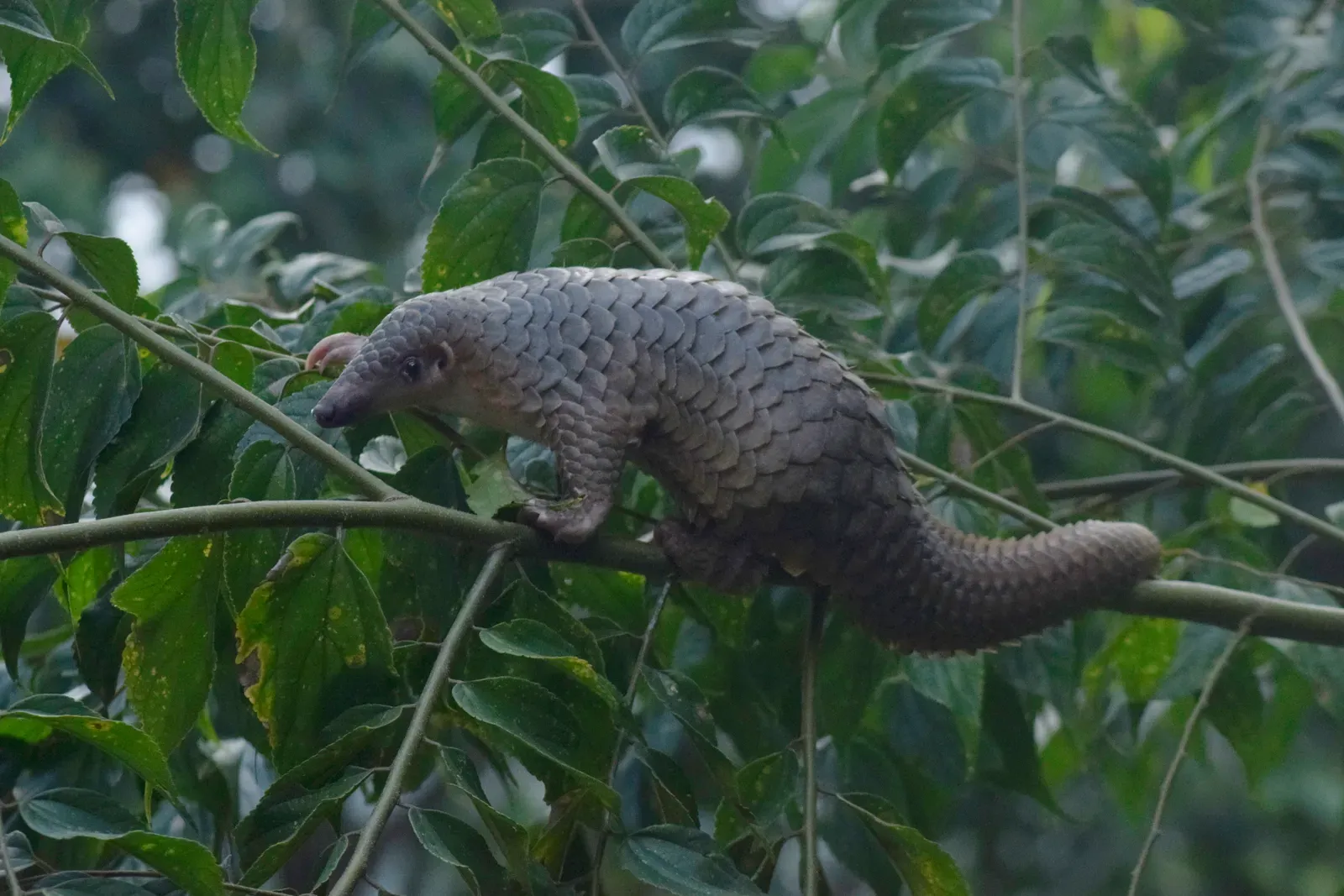
In my view, the most unsettling thing about the pangolin crisis is how clearly it reflects human priorities. We have turned a gentle, insect-eating mammal into a commodity because of beliefs about status and unproven health claims tied to its body parts. At the same time, we often treat scientific evidence about ecosystems and extinction as something abstract and negotiable, something we can worry about later. Pangolins pay the price for that gap between what we want to believe and what the facts actually support.
But their story can also be an invitation to do better. If cultures and markets can change quickly enough to drive a species toward the brink, they can also change in ways that pull it back. Supporting organizations that fight wildlife trafficking, refusing to buy products made from wild animals, and backing policies that protect habitats are all tangible, modern choices. In a sense, deciding what happens to pangolins is deciding what kind of species we want to be: one that treats living creatures as raw material, or one that understands that some things simply should not be for sale.
Conclusion: A Small Animal With a Big Question for Humanity
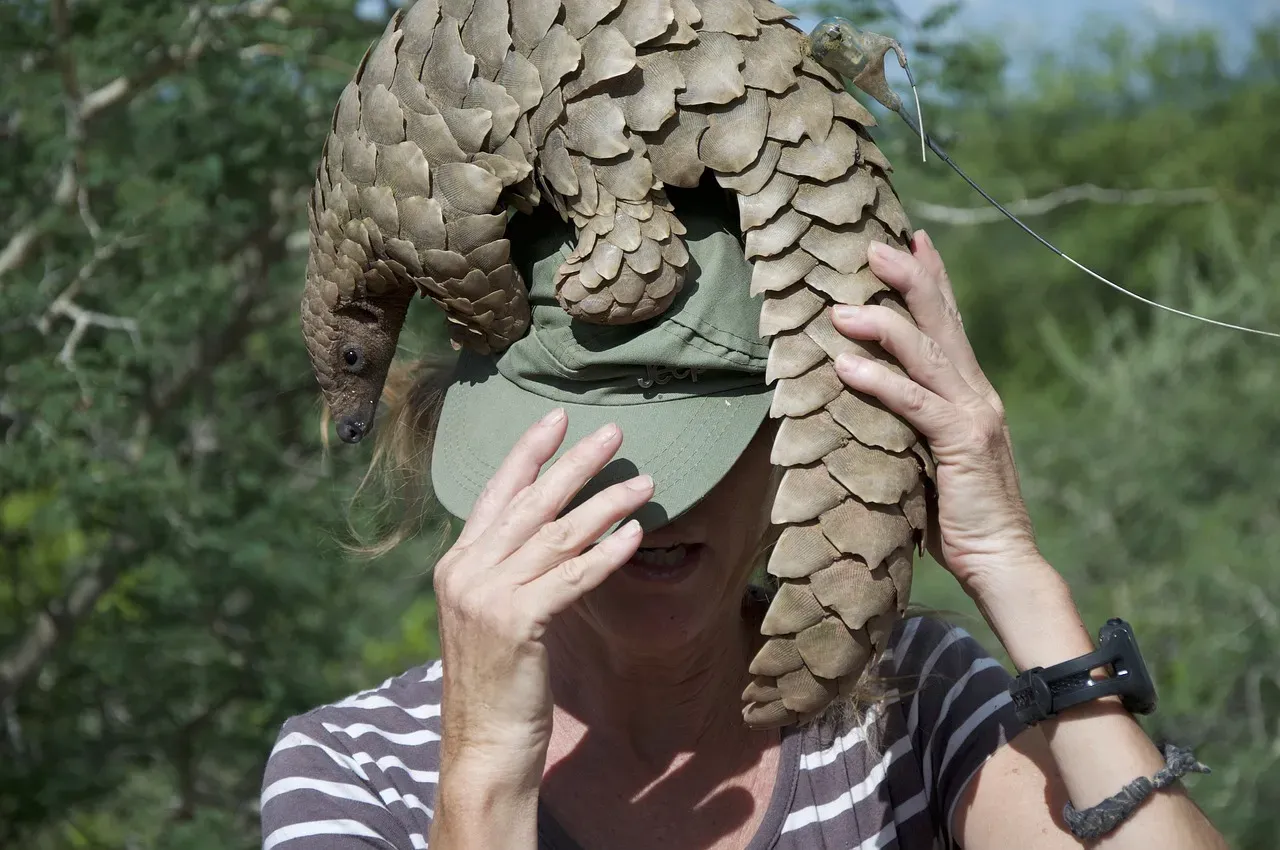
When I think about pangolins, I keep coming back to their instinctive response to danger: they curl into themselves and hope their armor will be enough. That instinct worked for millions of years, but it fails completely against modern trafficking networks and global demand. The uncomfortable truth is that whether pangolins survive will have far less to do with their biology than with our willingness to value them for more than what their bodies can be sold for. From where I sit, it feels like a moral failing that such a quiet creature has to rely on our last-minute concern to escape extinction.
At the same time, I do not think their fate is sealed. We have the knowledge to protect them, the laws to defend them, and the capacity to change our habits and beliefs when we choose to. If we eventually manage to tell future generations that we pulled pangolins back from the edge, that will say something hopeful about us too. In the end, this is not just a story about a strange, scaly mammal; it is a test of how far we are willing to go to protect something simply because it is rare, remarkable, and irreplaceable. If a small, shy pangolin can make the world ask itself what truly matters, what answer do you think we deserve?