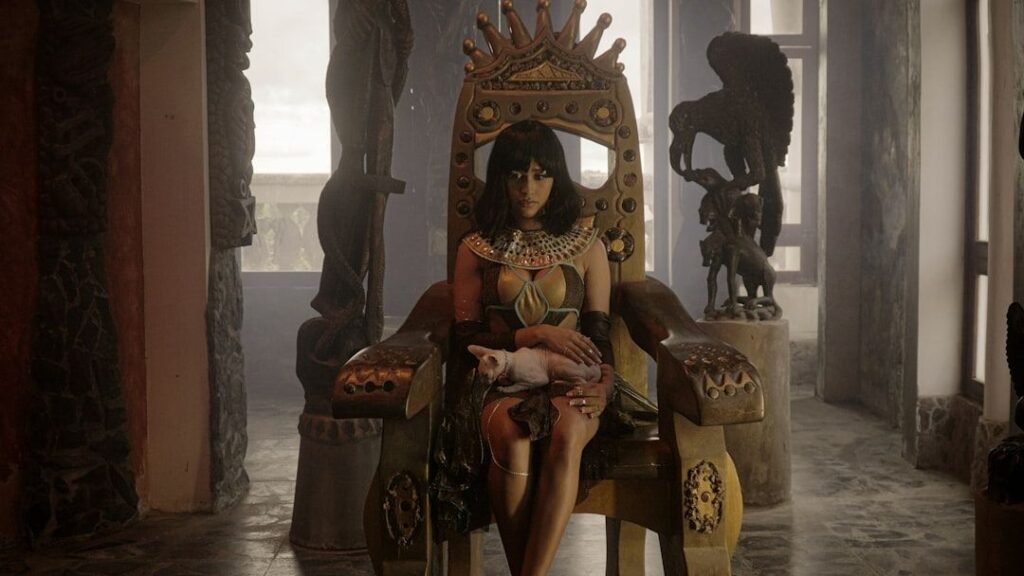
Cleopatra is one of those names that instantly feels larger than life. You picture the dramatic eyeliner, the tragic romance with Anthony or Caesar, the snake, the fall of a queen. But the real woman behind the legend is far stranger, more strategic, and frankly more impressive than the movie version almost anyone grows up with. Once you start peeling back the myths, you find a ruler who played a high‑stakes geopolitical game and very nearly won.
What surprised me when I first dug into Cleopatra’s story is how much of what we “know” is built on Roman propaganda and later imagination. The Romans needed a villain; Hollywood needed a spectacle. In between, the complex reality of a brilliant, multilingual, politically savvy queen got flattened into a caricature of seduction. So let’s flip that script and look at seven aspects of Cleopatra that rarely make it into the casual conversation, but absolutely should.
She Was Not Egyptian by Blood – But She Was by Choice
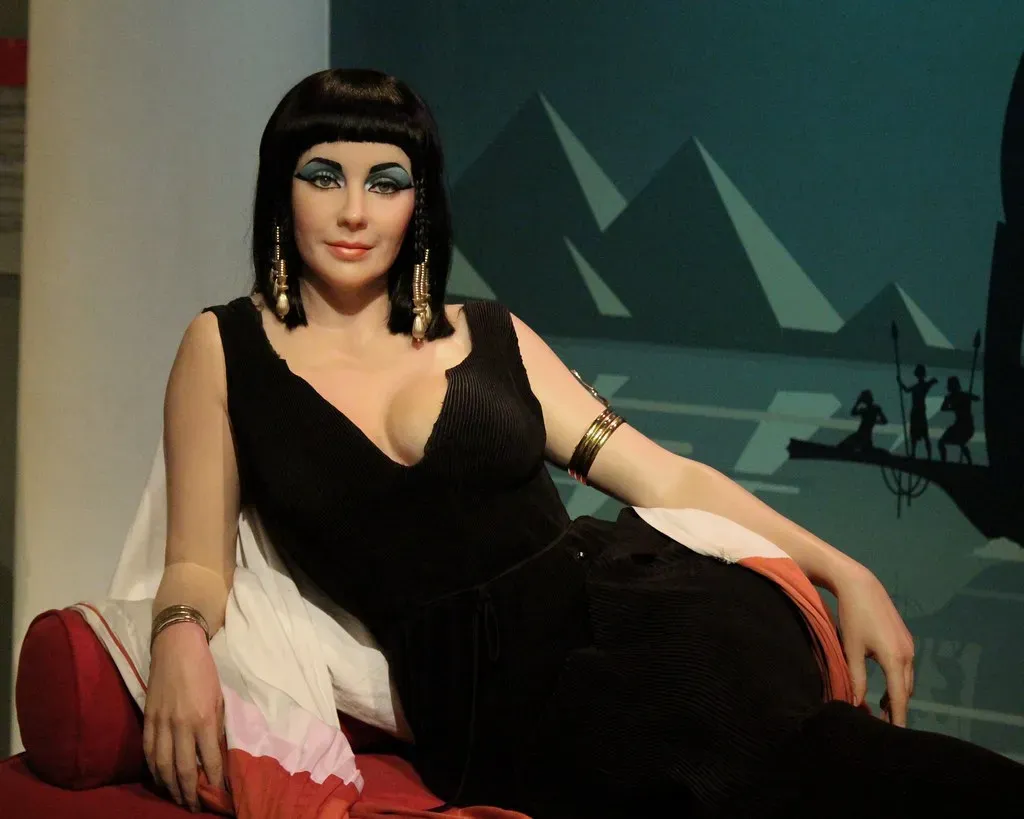
One of the most surprising facts about Cleopatra is that, biologically speaking, she wasn’t Egyptian at all. She belonged to the Ptolemaic dynasty, a ruling family of Macedonian Greek origin that took over Egypt after Alexander the Great’s conquests. For generations, these rulers stayed very Greek: they spoke Greek, married within their own line, and kept themselves at a distance from their Egyptian subjects. In other words, they were outsiders sitting on an Egyptian throne.
Cleopatra was different. Unlike her predecessors, she actively embraced Egyptian language, religion, and imagery. She took Egyptian royal titles, portrayed herself as a traditional pharaoh, and connected herself closely with Egyptian deities. In modern terms, you could say she “localized” her brand, but that undersells how radical this was in her context. She was a foreign‑born queen who decided to become Egyptian in culture and identity, a political move that helped her win support among her people and made her far more than a colonizer in a crown.
She Was One of the Very Few Ptolemies Who Actually Spoke Egyptian
It sounds almost unbelievable, but for roughly three centuries, the Greek rulers of Egypt largely didn’t bother to learn the local language. Greek was the language of power, administration, and the elite. The native Egyptian tongue was seen as something for priests, scribes, and everyday people, not for the royal court. Cleopatra, according to ancient sources, broke sharply with this pattern and was known for speaking Egyptian as well as Greek.
On top of that, she reportedly spoke several other languages, communicating with neighboring rulers without interpreters. That kind of linguistic flexibility isn’t just a cute trivia detail; it’s a power move. When you can talk directly to your subjects and your allies, you control your own message, and you signal respect. It’s like a modern leader showing up and answering questions in multiple languages on live TV. To me, that alone already makes her feel more like a savvy contemporary stateswoman than an ancient stereotype draped in gold.
Her Image as a “Seductress” Was Largely Roman Smear Campaign
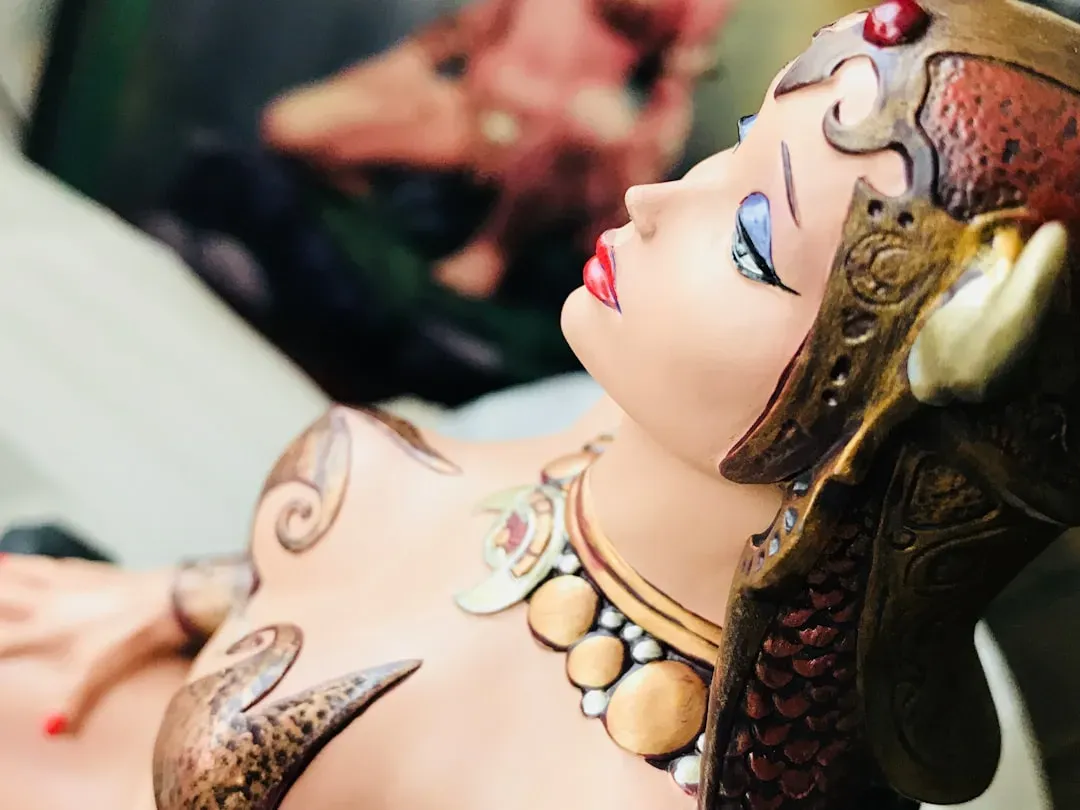
If you learned about Cleopatra through films or pop culture, you probably absorbed the idea that her main political tool was seduction. That image was deliberately constructed, mainly by her Roman enemies. Writers close to Octavian (the future emperor Augustus) had every reason to portray her as a dangerous foreign temptress who bewitched noble Roman men and threatened the moral fabric of their society. Turning Antony’s political ally into a scheming femme fatale made it easier to win public support for war.
When you step back and look at the pattern, the story feels painfully familiar: a powerful woman reduced to her sexual appeal to discredit her intelligence and political skill. Cleopatra’s alliances with Julius Caesar and Mark Antony absolutely had a romantic dimension, but they were also calculated strategic partnerships between rulers. Framing her as someone who relied on seduction alone ignores the fact that these men needed her fleets, her money, and her legitimacy just as much as she needed their military backing. It’s less a love story and more two power players trading what they could offer.
She Was a Ruthless, Hands‑On Political Operator in a Violent Dynasty
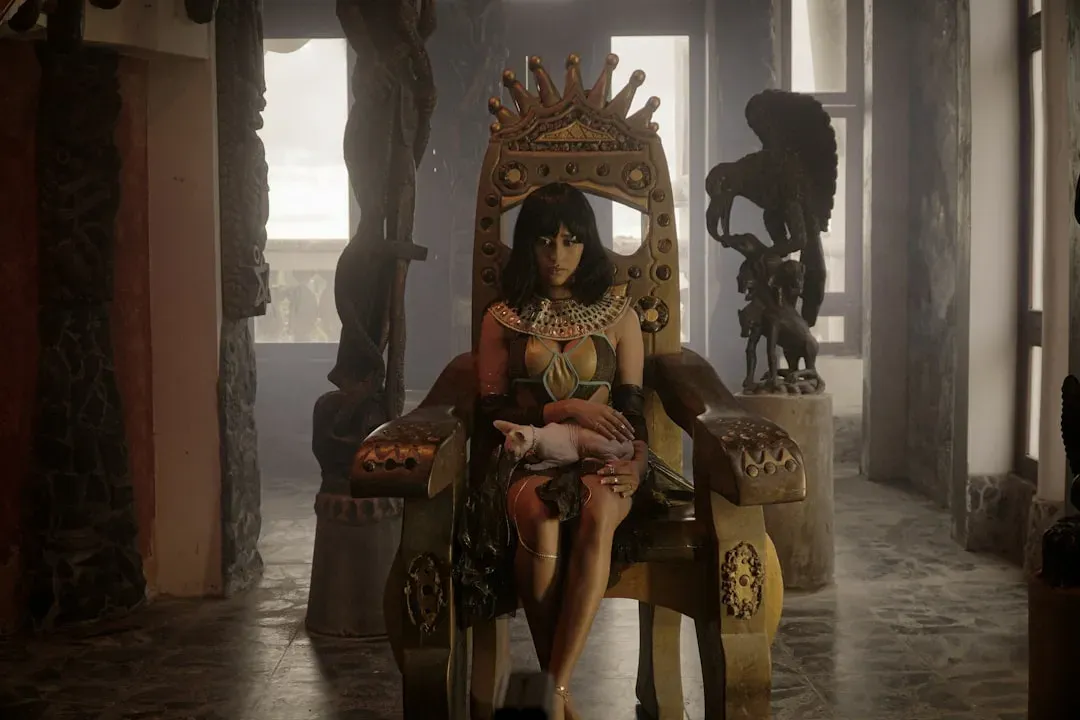
It’s easy to imagine Cleopatra as a glamorous outlier in a peaceful palace, but the reality of her family life was brutal. The Ptolemies were notorious for internal rivalries, sibling marriages, coups, and political murders. Cleopatra herself came to the throne with a co‑ruler brother, was pushed into exile, and then clawed her way back with military help. That arc is closer to a gritty political thriller than a romantic drama. She did not simply inherit stability; she fought for survival in a family that regularly killed its own.
There is strong evidence that Cleopatra made hard, even ruthless choices to secure her position, including maneuvering against siblings and rivals. This does not make her uniquely cruel so much as very much a product of her world, where the line between “victim” and “usurper” was razor thin. I personally find it more honest to acknowledge this side of her: she was charismatic and learned, but also capable of the same cold calculations we admire in male rulers. If you picture her as a blend of brilliant diplomat and hardened operator, you’re probably closer to the truth than the soft‑focus legends suggest.
She Carefully Crafted Her Public Persona as a Living Goddess
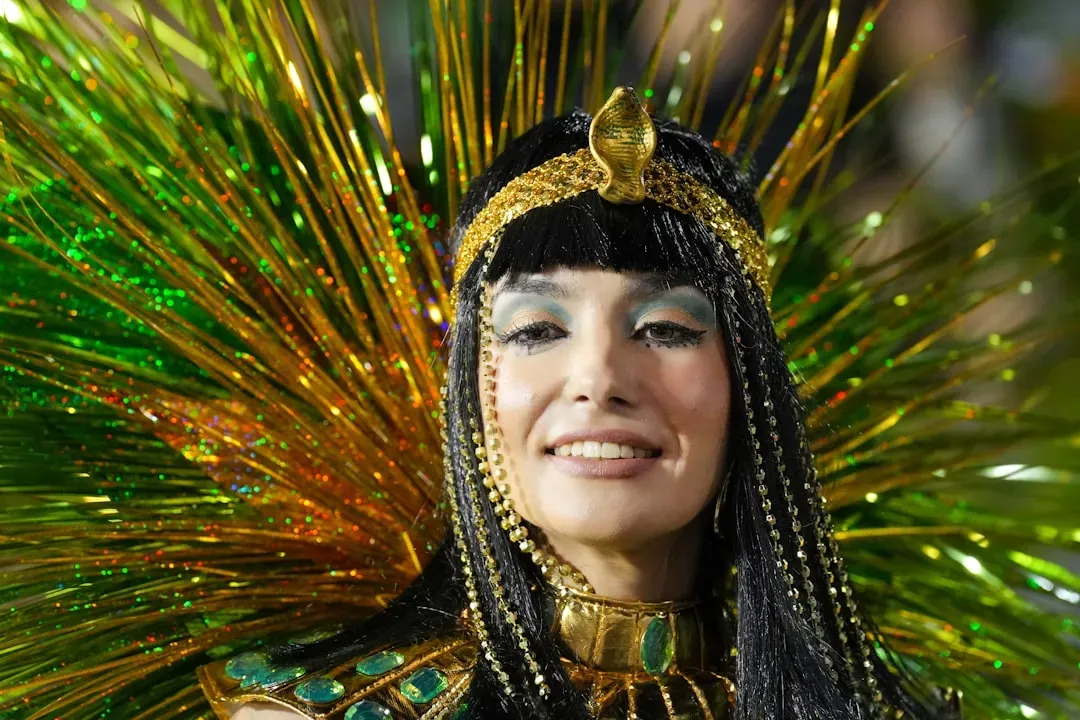
Cleopatra didn’t just rule; she staged herself. In Egypt, pharaohs had long been seen as divine or semi‑divine, and she leaned into that tradition with skill. She associated herself with powerful goddesses like Isis, presenting herself as a cosmic mother, protector, and guarantor of fertility and order. This wasn’t random religious enthusiasm, it was calculated image‑making. By blending Greek and Egyptian religious symbols, she managed to speak simultaneously to different communities within her kingdom.
She did the same abroad. In her famous meetings with Antony, she appeared in dazzling, theatrical displays that made her seem otherworldly and impossibly rich. Think of it as the ancient equivalent of a perfectly orchestrated social media rollout, only with gilded ships instead of Instagram. These performances were expensive, risky, and totally intentional. Cleopatra understood that in high‑level politics, perception often is power. If people believe you’re destined, favored by the gods, or simply untouchable, they behave differently around you.
Her Egypt Was a Scientific and Cultural Powerhouse, Not Just a Backdrop
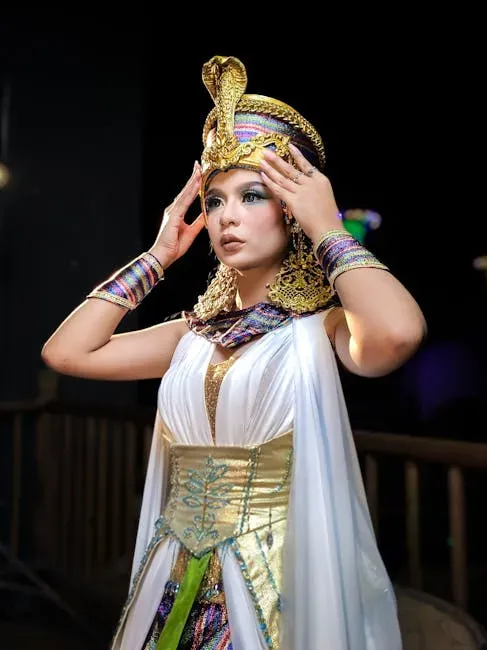
People often treat Cleopatra’s Egypt as a fading, exotic stage set for Roman drama, but that does the country a real disservice. Alexandria, her capital, was one of the intellectual centers of the ancient world, home to the famous Library and the great Museum, where scholars debated astronomy, mathematics, medicine, and literature. Cleopatra’s own education would have immersed her in this world of ideas, so when we talk about her as “educated,” we’re not talking about a few lessons in poetry and manners. We’re talking about a woman at the top of a culture that prized research and discovery.
Economically, Egypt under her rule was vital to the Mediterranean – especially for its grain, which helped feed huge populations including Rome itself. That meant Cleopatra controlled something like the energy supply of her day. When she negotiated with Romans, she wasn’t just an ornamental queen; she was the leader of a state that sat at the crossroads of trade and knowledge. I think that’s one of the big reframes we miss: Cleopatra wasn’t orbiting Rome. Rome was increasingly dependent on, and obsessed with, the wealth she commanded.
Her Death Story Is Less Certain – and More Political – Than Most People Think
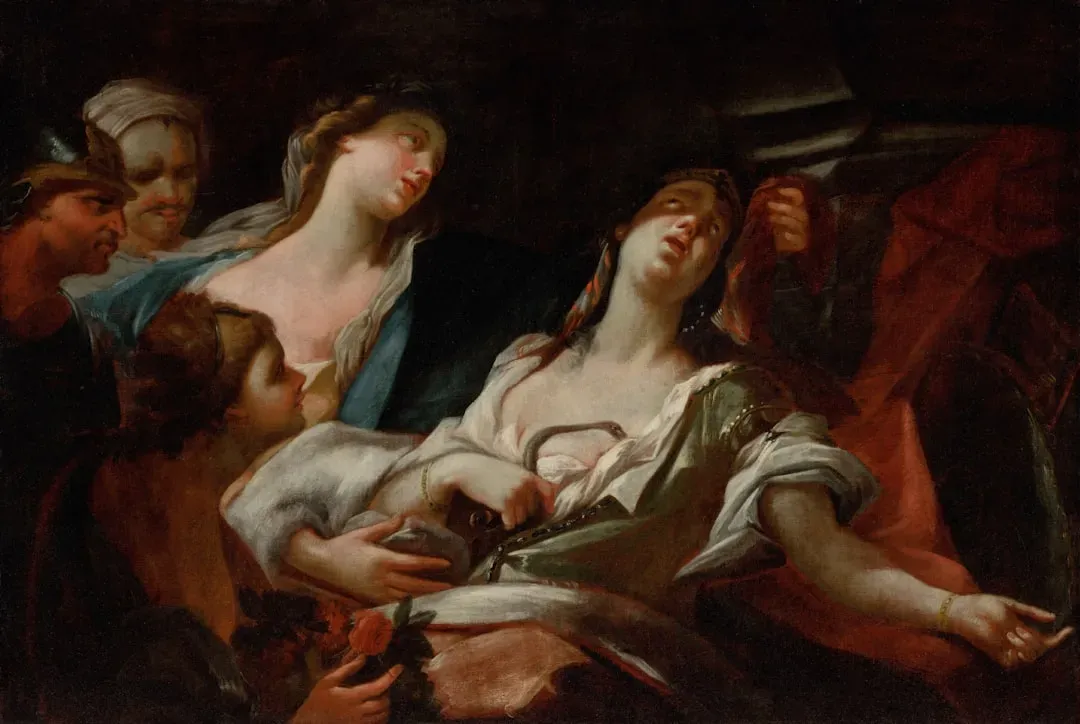
Almost everyone has heard the story: Cleopatra, defeated and cornered, kills herself using a poisonous snake, usually dramatized as an asp. It is a haunting image, and the Romans knew that. The convenient part of this tale is that it wraps everything up with a neat, symbolic bow: the exotic queen destroyed by her own “serpentine” nature, or by the wild forces she embodied. But when historians look closely at the evidence, the method of her death is less clear than the legend implies.
What is clear is that her death was politically useful to Octavian. A living Cleopatra would have been a constant rival symbol and potential rallying point in the East. A dead Cleopatra, framed as a tragic, self‑destructive foreign queen, made a perfect cautionary tale to justify the new Roman order. Whether she truly died by snakebite, by a different poison, or in some more controlled scenario, we probably will never know with full certainty. Personally, I find that uncertainty makes the story more powerful, not less. It reminds us that what survives is often what serves the victors, not what actually happened.
Cleopatra’s True Legacy Says More About Us Than About Her
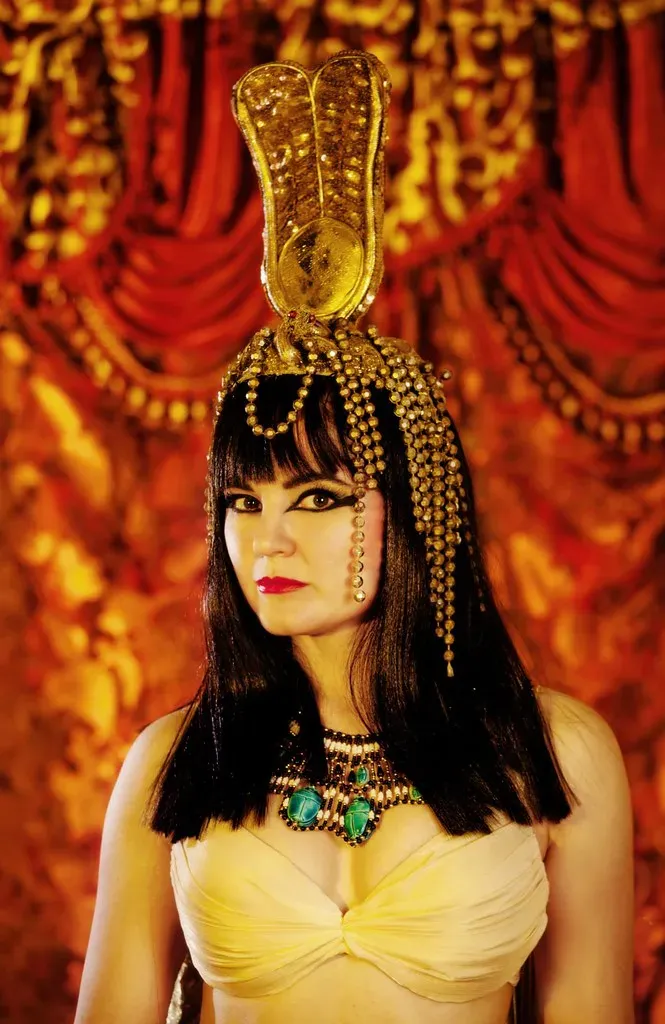
When you zoom out from the individual details, Cleopatra’s story becomes a mirror. Different eras have remade her in their own image: the seductive destroyer, the Orientalized exotic queen, the tragic romantic heroine, the feminist icon of power. Each of these versions captures a sliver of truth and distorts others. I think the most fascinating thing is how stubbornly the shallowest image – Cleopatra as pure seduction – refuses to die, even in the face of evidence that she was a sharp, multilingual, deeply political ruler.
In my opinion, the fairest way to see her is not as a flawless heroine or a villain, but as a complex human being navigating an almost impossible situation at the end of her world. She gambled big, made alliances that were as strategic as they were personal, and went down fighting for her dynasty’s survival. The fact that so many people still know her name, while most of her male contemporaries are forgotten, says something about the power of her story – and about our hunger for complicated women in history. When you think of Cleopatra now, will you still see the snake and the eyeliner first, or the polyglot strategist ruling a fragile empire on the edge of Rome’s shadow?