If you ask people which Chinese zodiac sign they secretly wish they had, the dragon almost always comes out on top. There’s something instantly magnetic about it: powerful, mythical, unpredictable, and a little bit dangerous. Even in a world obsessed with data and rational explanations, the idea of being born under a dragon sign still feels like you’ve been handed a secret badge of destiny.
But what does the dragon really symbolize in the Chinese zodiac, beyond the usual clichés of power and luck? When you dig into old myths, folk beliefs, and modern interpretations, you discover a surprisingly layered picture. The dragon isn’t just a symbol of success; it also reflects big emotions, moral challenges, and the eternal tug‑of‑war between ego and responsibility. Let’s unpack what this legendary creature really says about personality, fate, and the way people see themselves.
The dragon as a symbol of power and authority
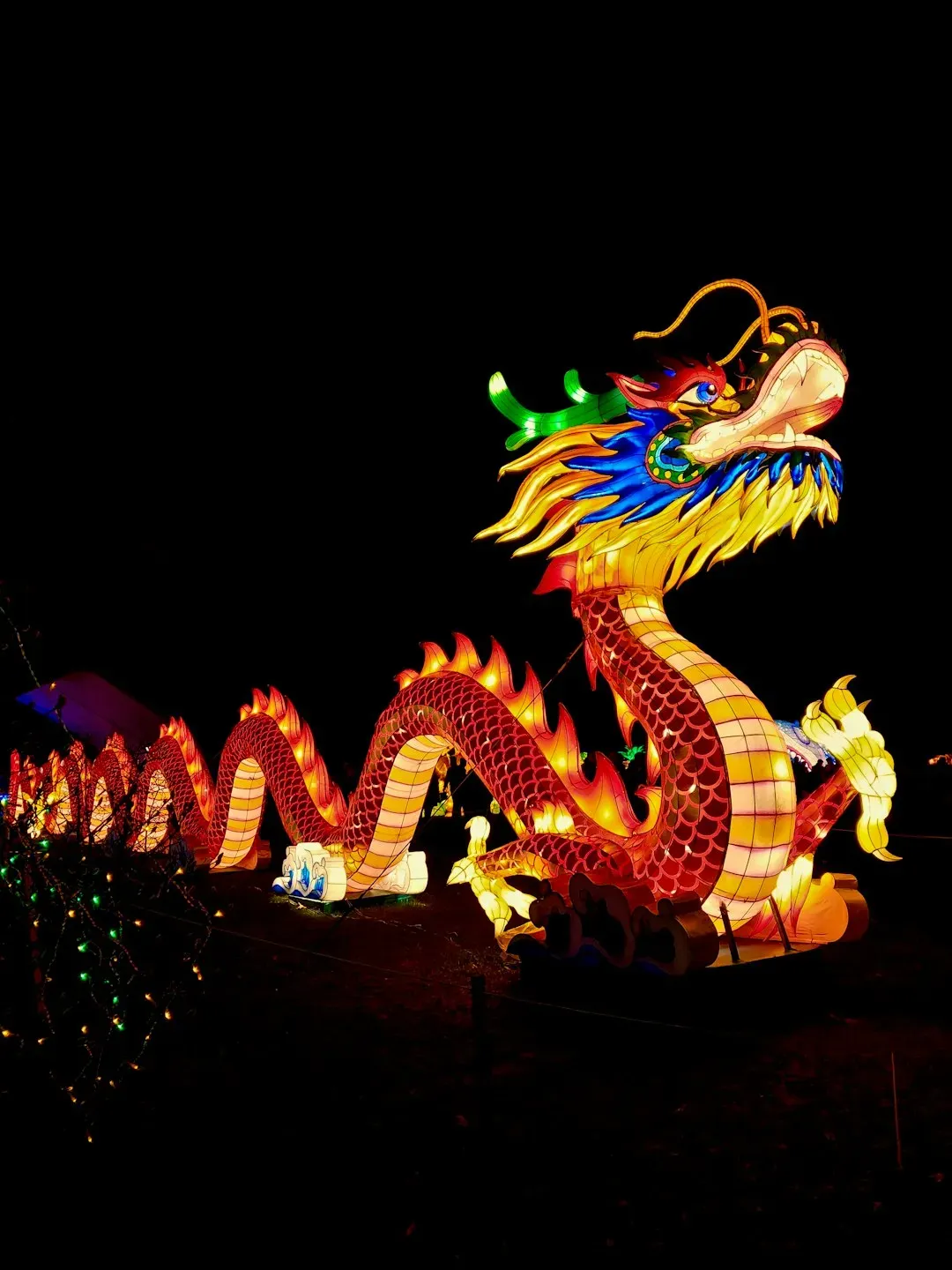
The first thing most people associate with the Chinese dragon is raw power. In traditional Chinese culture, dragons were not the villains you see in many Western stories; they were seen as noble, cosmic beings connected to the emperor, the heavens, and the forces that control the world. Being born in the Year of the Dragon was often viewed as a sign of natural authority, a kind of symbolic permission to lead, command, or influence others.
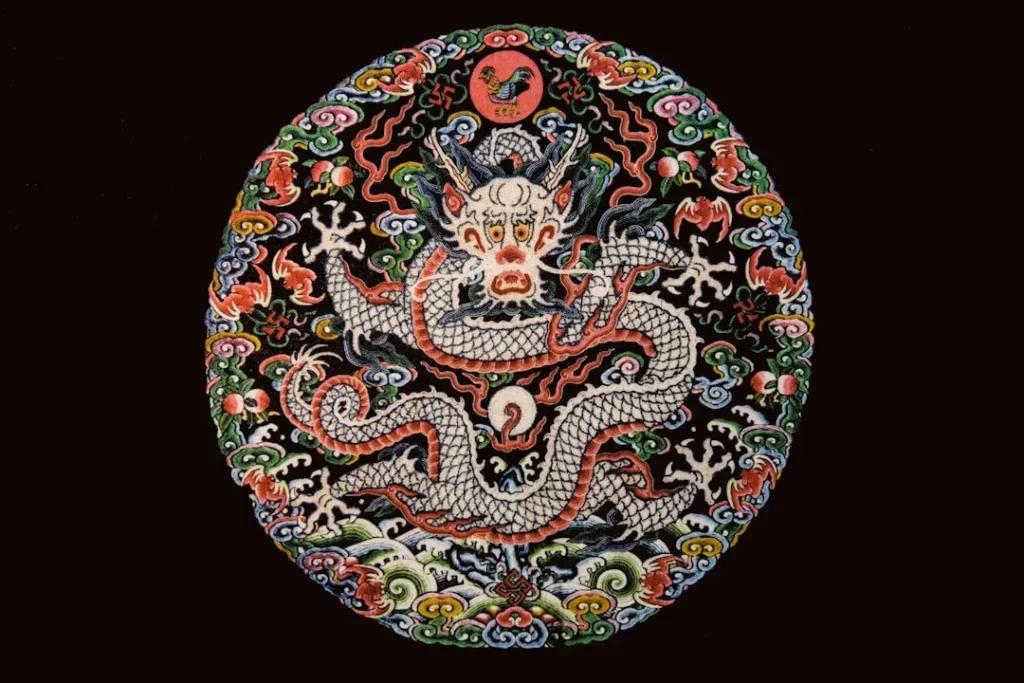
Historically, the dragon appeared on imperial robes, thrones, and flags to represent supreme status and legitimacy. That connection still lingers today in how people talk about dragon personalities: confident, commanding, sometimes a little intense. When someone is called a “dragon type,” it often implies they have a presence that fills the room, the way a storm rolls in and alters the entire sky without saying a word.
Ambition, drive, and the hunger to do something big
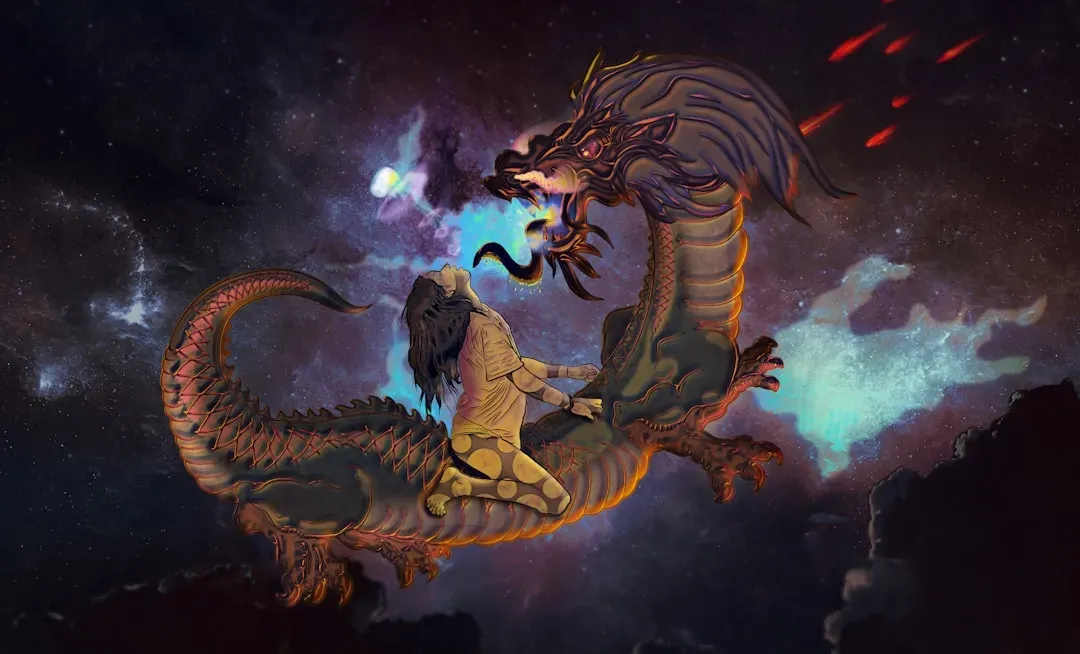
In the Chinese zodiac, the dragon is closely linked to ambition and the urge to build or achieve something meaningful. Dragon years are often seen as times of bold moves, new beginnings, and high‑energy change. People born under this sign are frequently described as driven, idealistic, and unwilling to settle for a small life. They’re the ones who want to leave a mark, not just get by.
This ambitious streak can be inspiring but also exhausting. On the bright side, dragons can push projects, teams, or even families forward in powerful ways, acting like an emotional engine that keeps everyone going. On the other hand, that same intensity can turn into restlessness or frustration if reality doesn’t keep up with their big internal vision. It’s like driving a sports car on a narrow village road – there’s always the temptation to floor it, even when the path isn’t built for that speed.
Luck, prosperity, and the promise of good fortune
The dragon is one of the most strongly “auspicious” symbols in the entire Chinese zodiac. It’s often linked with prosperity, success, and favorable opportunities – so much so that some families try to plan for dragon‑year babies, hoping to give their children a lucky start in life. In traditional beliefs, a dragon year can be a good time to launch businesses, start daring projects, or make big life decisions.
Of course, life doesn’t magically become easy just because of a zodiac animal, but the symbolism itself shapes expectations and attitudes. People often walk into dragon years with more optimism, energy, and willingness to take risks, and that mindset alone can tilt outcomes in a more positive direction. In a way, the dragon’s promise of fortune is less about guaranteed rewards and more about encouraging a confident, forward‑leaning approach to whatever comes next.
Creativity, charisma, and the flair for drama
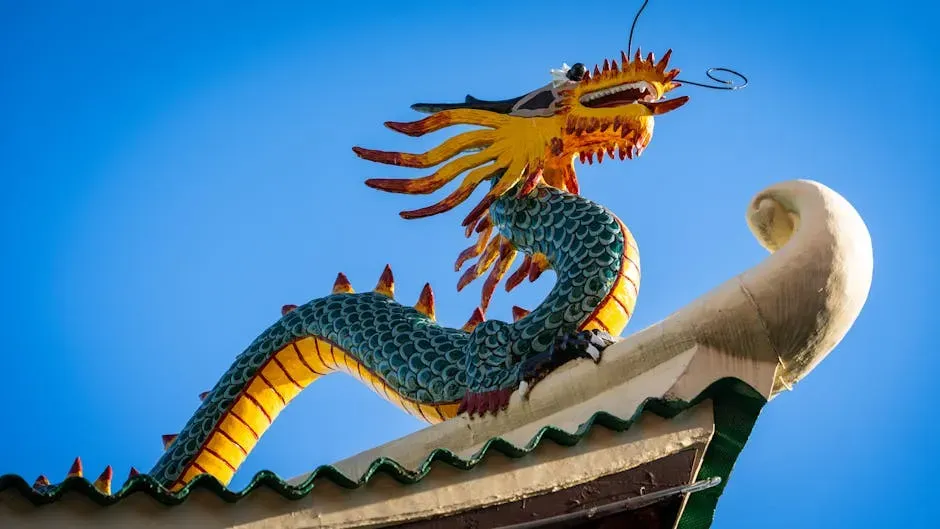
Beyond power and luck, the dragon is also tied to a certain creative spark and theatrical flair. The sign is often linked with originality, bold ideas, and a taste for doing things differently. People influenced by dragon energy might gravitate toward roles where expression, imagination, or performance matter – whether that’s art, entrepreneurship, public speaking, or simply being the one who tells the best stories at dinner.
There’s also a social magnetism built into this symbol. Dragons are frequently described as charismatic, the kind of people who draw attention without trying too hard. That charisma can be a gift, opening doors and creating connections. But it can also create pressure: once people see you as the “fireworks” in the group, it can feel hard to show up quietly, to be uncertain, or to admit vulnerability without disappointing the crowd that expects a show.
The dragon’s fiery temper and potential for excess
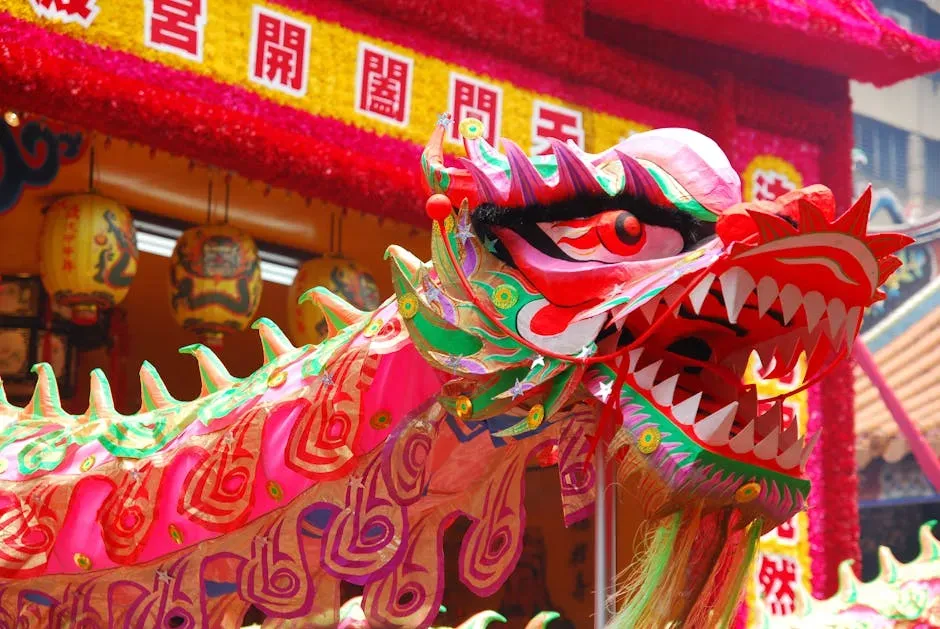
Every powerful symbol has a shadow, and the dragon is no exception. Alongside courage and ambition, the dragon can also represent impulsiveness, pride, and a tendency toward extremes. In personality terms, this can show up as quick tempers, stubbornness, or a refusal to back down even when it might be wiser to yield. The same flames that light the way can scorch everything if they go unchecked.
In more everyday language, dragon types can sometimes be “a lot” – emotionally intense, opinionated, and unwilling to play small. That can be thrilling in a relationship or on a team when things are going well, but it can turn into loud arguments or dramatic exits when conflicts arise. The symbolism here is a gentle warning: raw passion is powerful, but without self‑restraint and reflection, it can feel like living next to a volcano that’s always rumbling in the background.
The dragon as a guardian and protector
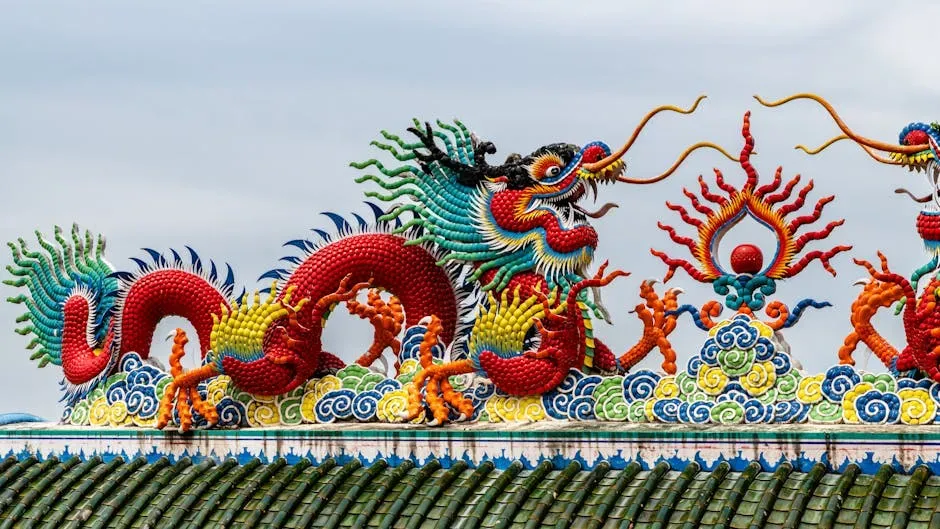
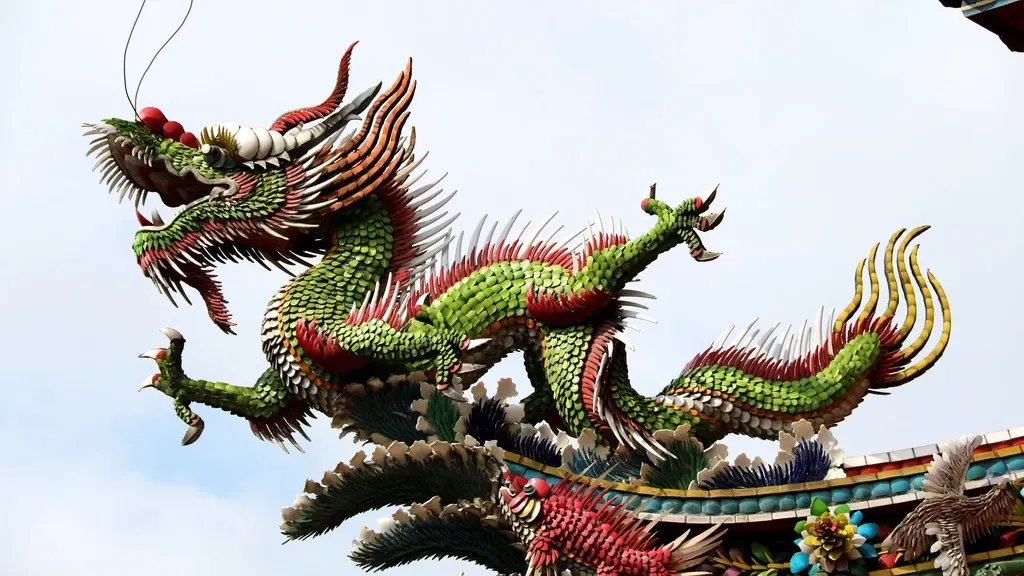
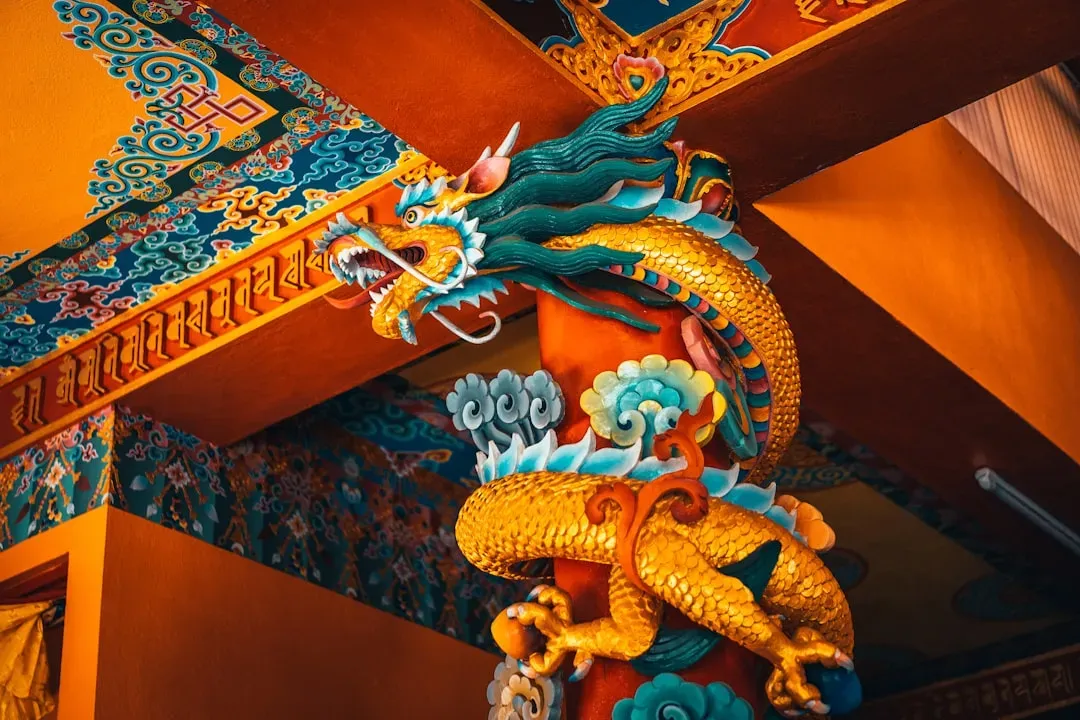
Despite the fiery side, the Chinese dragon is also a deeply protective symbol. In art and architecture, dragons often appear as guardians of temples, gates, and treasures, keeping watch over sacred or important spaces. This imagery has carried over into how people interpret dragon personalities: fiercely loyal to those they care about, willing to step in and stand up when someone is threatened or treated unfairly.
That protector energy can show up in small, human ways – a dragon‑sign friend who defends you in a tough meeting, a dragon‑sign parent who pushes hard because they want you to “have more than they did,” or a partner who turns very serious when they sense you’re being taken advantage of. Sometimes it can come off as overbearing, but beneath that intensity is usually a strong instinct to shield, guide, or uplift. The dragon is not just a lone, roaring creature; it’s also a guardian hovering over the people and values it holds dear.
Spiritual symbolism: between heaven, earth, and water
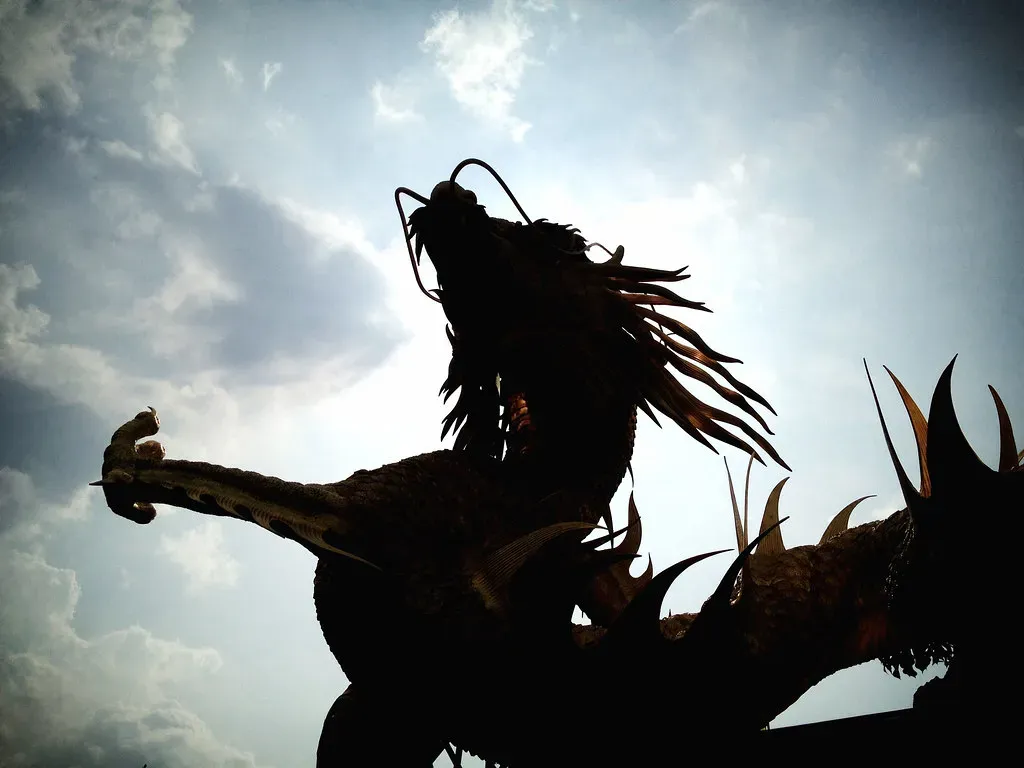
In traditional Chinese cosmology, the dragon isn’t just a big lizard with wings; it’s a composite creature that connects multiple realms. It moves through clouds, rides the wind, and is often associated with rain and water, which are essential for life and agriculture. That link to the sky and the elements gives the dragon a spiritual dimension, suggesting a bridge between human effort and the larger forces of nature and fate.
As a zodiac symbol, this can be interpreted as a reminder that dragon energy is about more than just personal ego and achievement. It also hints at intuition, vision, and the ability to sense patterns that others miss, almost like reading invisible weather in a room or a situation. On a more poetic level, the dragon can represent the part of us that longs to rise above the daily grind and touch something bigger – purpose, meaning, or a sense that our story fits into a wider, mysterious pattern.
How the dragon energy feels in modern life
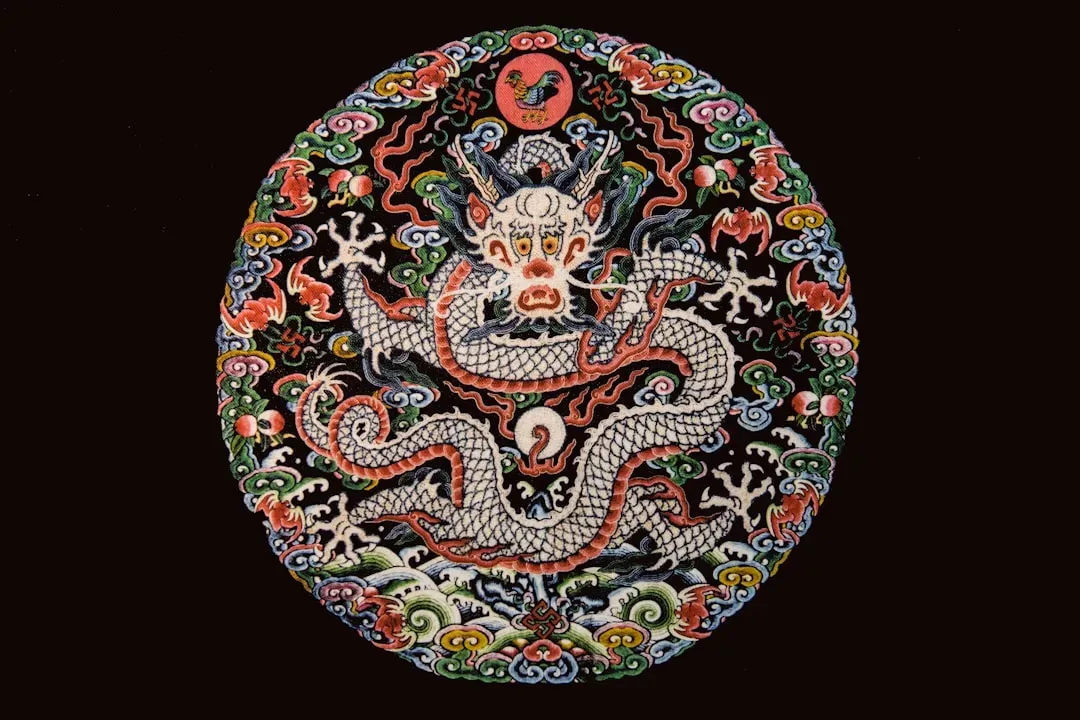
In today’s world, the dragon symbol still shows up everywhere – from fashion and tattoos to business branding and social media aesthetics. People are drawn to its mix of mystery, confidence, and rebellious elegance. In a culture that often rewards visibility and boldness, dragon traits like fearlessness, ambition, and charisma can feel especially relevant and desirable. It fits naturally into an era that tells us to “stand out” and “go big or go home.
But living like a dragon in the twenty‑first century also comes with tension. Constant hustle culture can push dragon types into burnout, and the expectation to be impressive can make it hard to slow down, admit doubts, or choose a quieter life. Personally, I think the deeper wisdom of the dragon is not just “be powerful,” but “learn to carry your power wisely.” The symbol challenges us to balance fire with empathy, ambition with humility, and visibility with inner peace – because a dragon that knows when to soar and when to rest is far more impressive than one that just breathes flames nonstop.
Conclusion: why the dragon still matters
When you strip away the superstition and look at the dragon symbol with clear eyes, what you’re left with is a surprisingly modern archetype: ambitious, emotional, creative, protective, and sometimes a bit too intense for its own good. The Chinese zodiac dragon is less about fantasy and more about how humans wrestle with power – how we chase big dreams, how we handle our tempers and egos, and how we decide what to do with the influence we have. In that sense, whether you were born in a dragon year or not, this symbol holds up a vivid mirror.
My honest opinion is that the dragon’s real gift is not luck or status, but self‑awareness. It challenges us to ask: What kind of power do I have – over myself, over others, over my little corner of the world – and am I using it in a way I’d be proud to look back on? The dragon reminds us that it’s possible to be both fierce and kind, both ambitious and grounded. And that raises a simple but uncomfortable question: if you had the heart of a dragon, would you be ready to handle it?