When you imagine your heart stopping, you probably picture everything shutting down at once, like flipping off a light switch. In reality, what happens inside your body is much stranger and more unsettling: you do not simply turn off, you slowly unravel. Your cells do not all die at the exact same moment your pulse disappears; instead, they enter a frantic, last-ditch struggle to stay alive, burning through their remaining resources in a kind of microscopic panic.
In the very first hour after your heart stops, your body becomes a battlefield between life and death at the cellular level. Some cells give up almost immediately, while others keep working, adapting, and even sending signals. If you could zoom in and watch this in real time, you would see a chaotic mix of order breaking down, emergency systems activating, and a surprising amount of activity that continues long after you would be considered clinically dead.
Your Blood Flow Stops, But Your Cells Keep Acting Like Nothing Happened (At First)
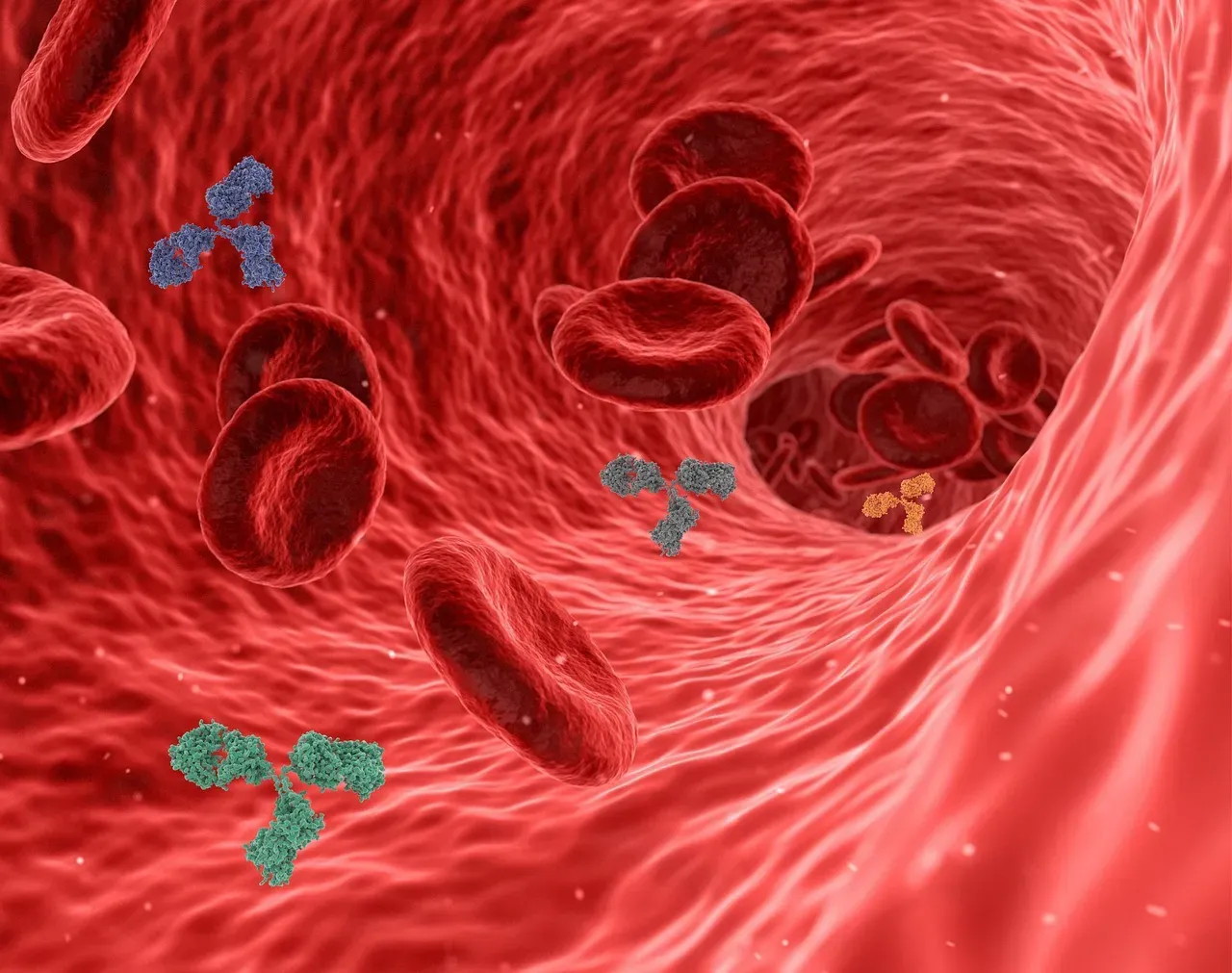
The moment your heart stops beating, blood stops circulating, and oxygen delivery to your tissues comes to a screeching halt. From the outside, this looks like a clear, simple transition: you stop breathing, your pulse disappears, and your brain activity drops rapidly. But on the inside, your individual cells do not instantly realize that something irreversible has happened. For a short time, they keep doing what they were doing, running on the oxygen and nutrients they already have on hand.
You can think of this like a city that suddenly loses all deliveries and electricity, but still has batteries, canned food, and fuel in storage. Your cells dip into these emergency reserves, mainly stored energy molecules like ATP and glycogen, trying to maintain their basic functions. At first, there is a kind of eerie normality at the microscopic level: enzymes are still working, ion pumps are still running, and your cell membranes are still intact. It is only as those reserves start to run out that things begin to go downhill very fast.
Oxygen Vanishes, and Your Cells Switch to “Desperate Mode” Metabolism
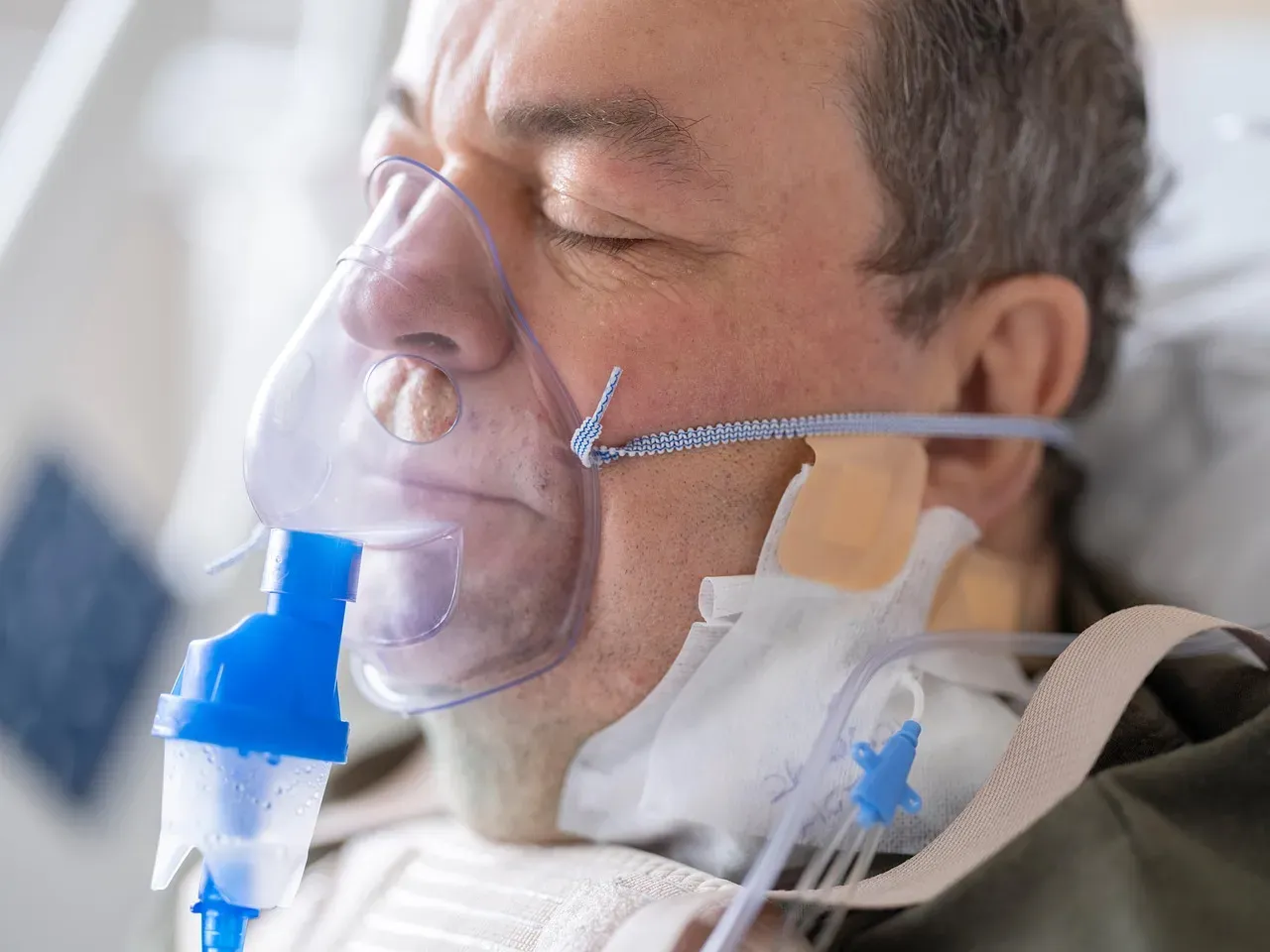
Without fresh oxygen coming in, your cells are forced to abandon their preferred, high-efficiency way of making energy. Normally, you rely on aerobic metabolism, using oxygen to squeeze a lot of ATP out of glucose in your mitochondria. When your heart stops, the supply chain for oxygen is abruptly cut, and your cells are pushed into anaerobic metabolism instead, a backup system that is faster but wildly inefficient and dirty.
In this desperate mode, your cells start breaking down glucose without oxygen, producing far fewer ATP molecules and a lot of lactic acid as a byproduct. You can picture it like your cells going from a well-organized power plant to a smoky, jerry-rigged generator in a basement. This shift buys a few more minutes of survival, especially for some tissues, but it comes at a cost: the lactic acid builds up, your cellular environment becomes more acidic, and the machinery inside your cells starts to work less and less reliably as the minutes tick by.
Your Brain Cells Are the First to Suffer and Begin to Fail
Your brain is incredibly demanding when it comes to oxygen and energy. Even when you are resting, your brain is consuming a large share of your body’s oxygen and glucose, and it has almost no real storage capacity. When your heart stops, your brain cells are some of the first to feel it. Within just seconds, neurons begin to lose their ability to maintain electrical activity, leading to loss of consciousness and a rapid decline in organized brain function.
At the cellular level, your neurons are struggling to keep ion gradients across their membranes, which they need to send signals. As ATP production collapses, ion pumps slow down, and your brain cells cannot keep sodium, potassium, and calcium in their proper places. This sets off a chain reaction: electrical activity fades, brain waves flatten, and your brain as an organized, thinking system essentially shuts down. Yet, strangely, small pockets of brain cells may remain metabolically active for minutes, and under certain circumstances, some of this damage can be partially reversed if circulation is restored quickly enough.
Ion Pumps Fail, and Your Cells Start to Swell and Lose Control
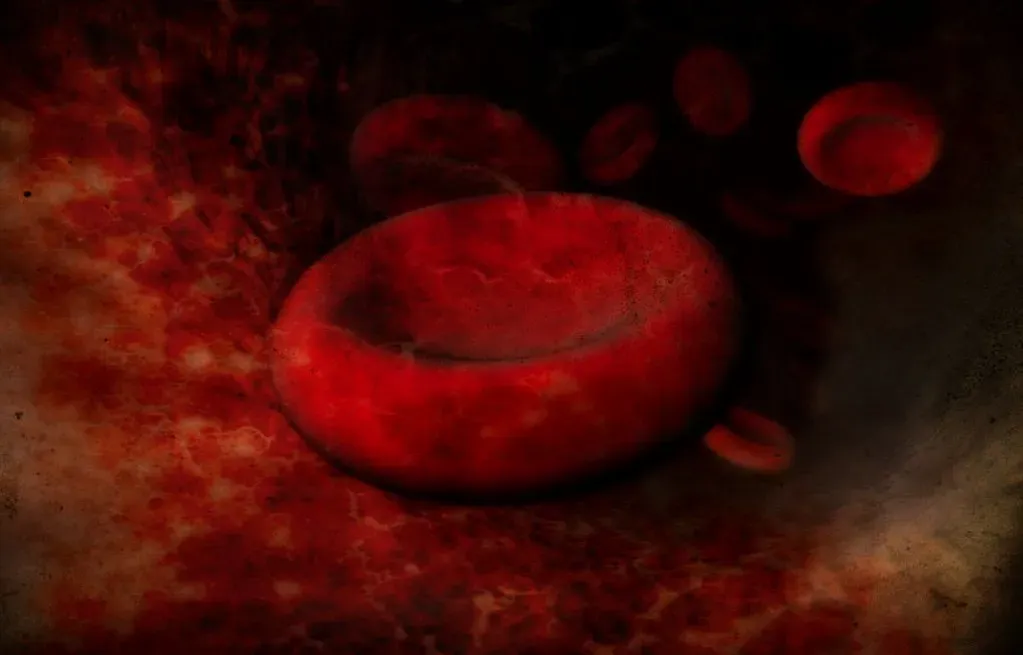
Across your body, one of the earliest and most important failures after your heart stops is the breakdown of ion pumps in your cell membranes. These tiny molecular machines use ATP to constantly move ions like sodium, potassium, and calcium across the membrane to maintain a delicate balance. When ATP runs out, those pumps slow and finally stop, and the balance collapses. Sodium and water rush into cells, while potassium leaks out, causing your cells to swell and their internal environment to become chaotic.
As this happens, the electrical stability of your cells disappears. In muscle cells, this can contribute to rigid, locked fibers later on, and in neurons, it means they can no longer send or coordinate signals. The swelling and ion imbalance also stress your cell structures and organelles, stretching membranes and triggering harmful reactions. You can imagine your cells as carefully balanced water balloons that suddenly take on too much fluid and start to bulge in all the wrong ways, straining every part of their internal architecture.
Calcium Floods In and Triggers Self-Destruction Pathways
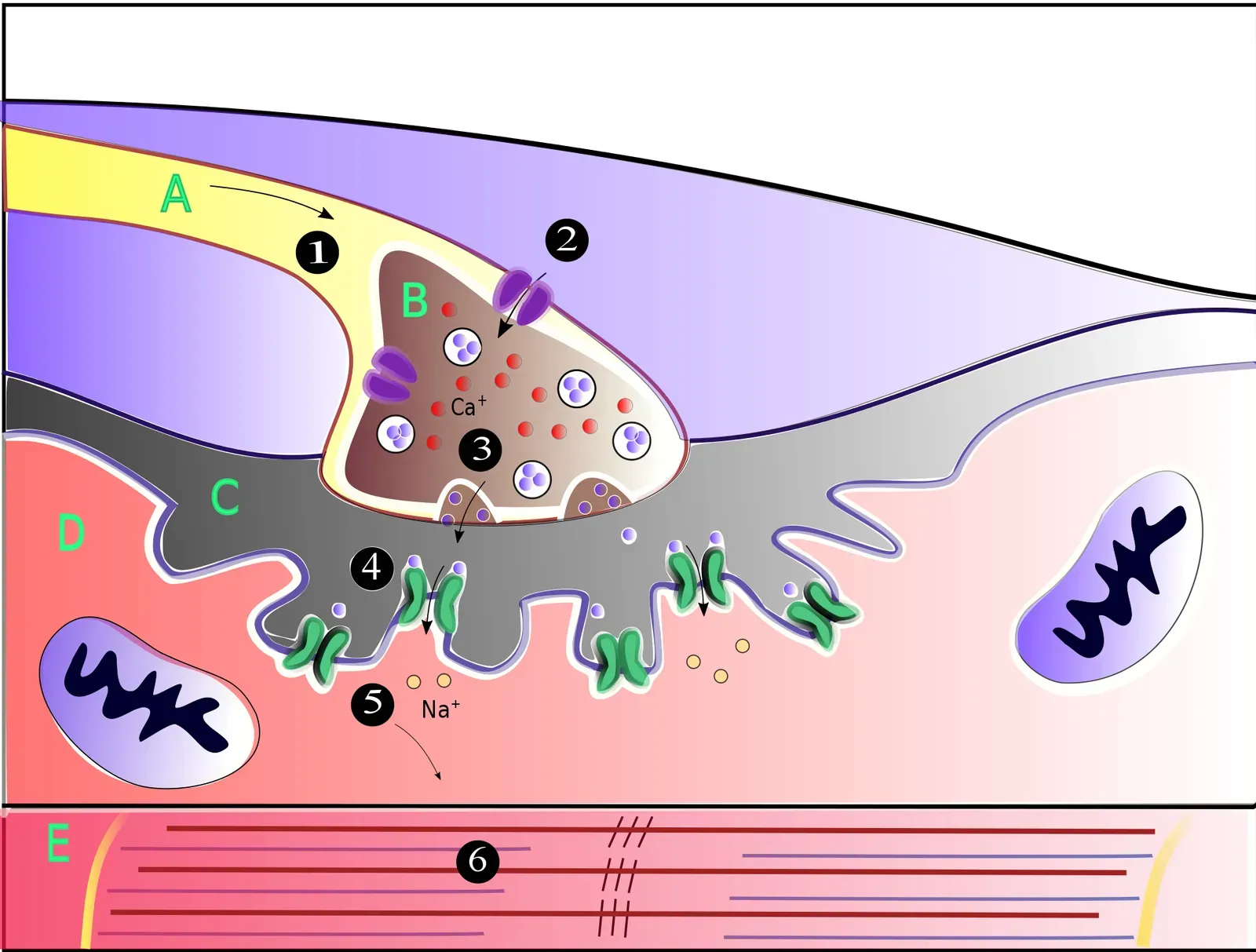
Calcium is one of the most powerful and tightly controlled ions in your cells. Under normal conditions, calcium levels inside your cells are kept extremely low, and brief, controlled spikes are used as signals for things like muscle contraction, hormone release, and gene regulation. When your heart stops and energy levels crash, that tight control breaks down. Calcium begins to flood into cells through channels that no longer have the power to regulate themselves properly, and stores of calcium inside the cell are released in an uncontrolled way.
This surge in calcium is like pulling every fire alarm at once. High calcium levels activate enzymes that start cutting apart proteins, lipids, and even DNA. It also damages mitochondria, pushing them further into dysfunction. At first, some of these changes are attempts at controlled cell death, a kind of organized exit called apoptosis. But as time passes and damage builds, the line between controlled self-destruction and chaotic collapse blurs, and many cells tip into more disorganized, catastrophic forms of death.
Your Mitochondria Turn From Powerhouses Into Sources of Damage
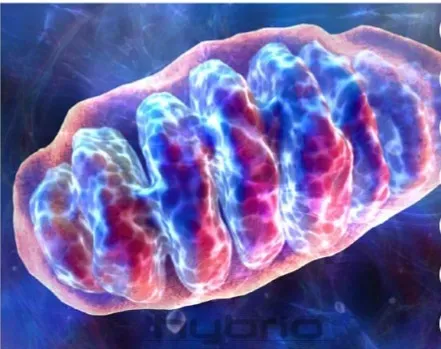
You have probably heard mitochondria described as the powerhouses of your cells, but after your heart stops, they become something darker. Without oxygen, the normal electron transport chain in your mitochondria backs up and malfunctions. Electrons leak out and interact with nearby molecules in damaging ways, creating reactive oxygen species, often called free radicals. These unstable molecules can attack proteins, fats, and DNA, making the internal situation far worse once some oxygen returns.
Ironically, if circulation and oxygen are partially restored during resuscitation, your mitochondria can briefly surge back to life and, at the same time, release a storm of reactive oxygen species. This phenomenon, often described as reperfusion injury, means that the very act of bringing oxygen back to struggling cells can cause additional harm if the damage has already gone too far. Inside that first hour, your mitochondria are sitting at the crossroads between potential recovery and irreversible collapse, and the balance between those outcomes depends heavily on how quickly and effectively blood flow is restored.
Some Tissues Hang On Longer Than Others, and Death Spreads Unevenly
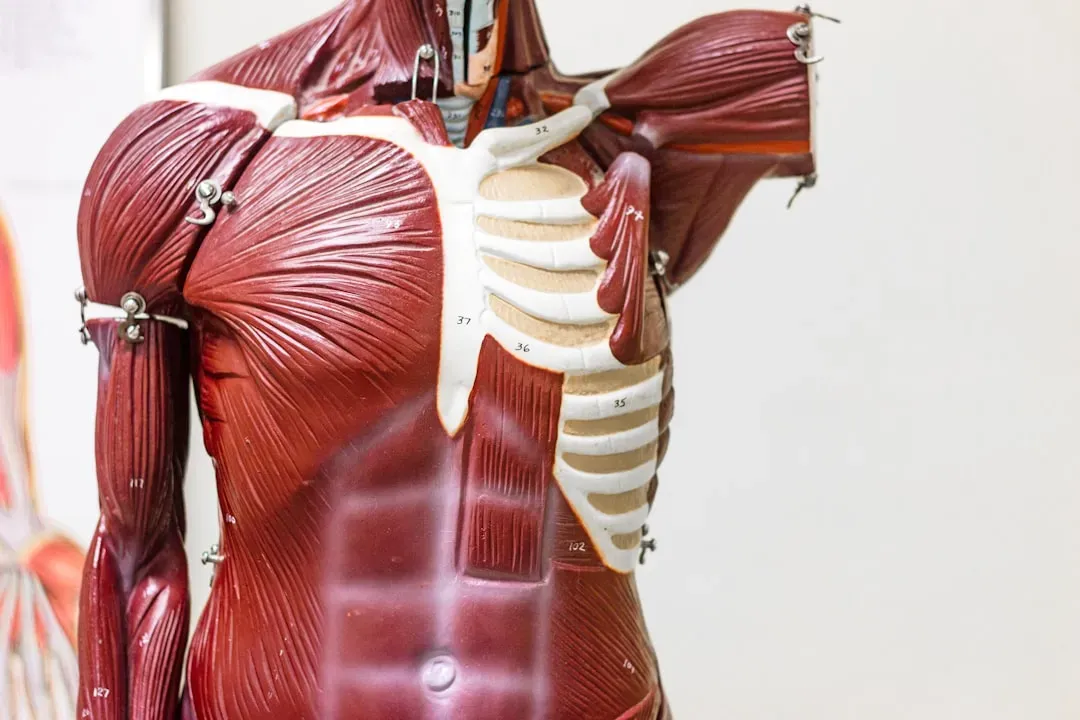
One of the most surprising things about the hour after your heart stops is how uneven the process really is. Your brain and heart muscle are among the most vulnerable, losing function within minutes. But other tissues, like your skin, certain connective tissues, and parts of your muscles, can survive much longer without blood flow. Some cell types stay viable for dozens of minutes, or even hours, especially if the environment is cool, which slows down biochemical reactions.
This uneven timeline means that death is not a single moment but a wave that passes through your body at different speeds. While your consciousness is long gone by this point, individual cells and tissues are still in various stages of struggle, adaptation, and breakdown. In experimental settings, some cells and tissues can even be coaxed back into activity after surprisingly long periods without normal circulation, which has major implications for organ donation, emergency medicine, and how you think about the boundary between life and death.
Your Immune System and Microbes Begin to Reshape the Battlefield
Within the first hour, your immune system is already shifting from its normal, coordinated surveillance role into something more chaotic. Immune cells that were once patrolling your tissues begin to lose direction as chemical gradients fade and blood flow ceases. Some immune cells release inflammatory molecules as they die or become stressed, while others simply go offline. The finely tuned balance between protection and overreaction falls apart as signals become scrambled and energy runs out.
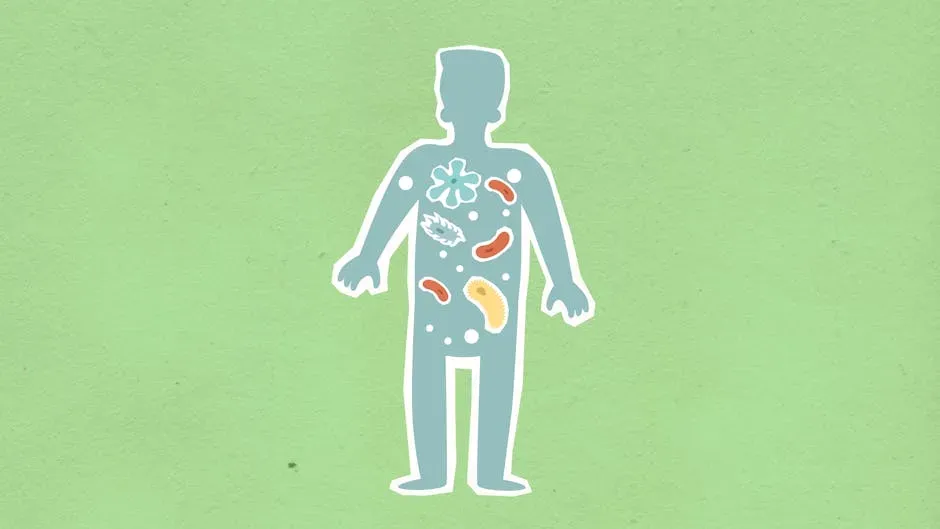
At the same time, the microbes that live in and on you start to enter a new phase of their relationship with your body. In that first hour, they are mostly still where they were, but the barriers that keep them in check, like tight cell junctions and active immune responses, are beginning to weaken. Over time, they will spread more freely, contributing to decomposition. Even within that first hour, the stage is being set: your cells are becoming leaky, your defenses are fading, and your microbiome is quietly preparing to move from coexistence to takeover.
Cell Death Is Not Instant: Some Cells Can Still Be Saved
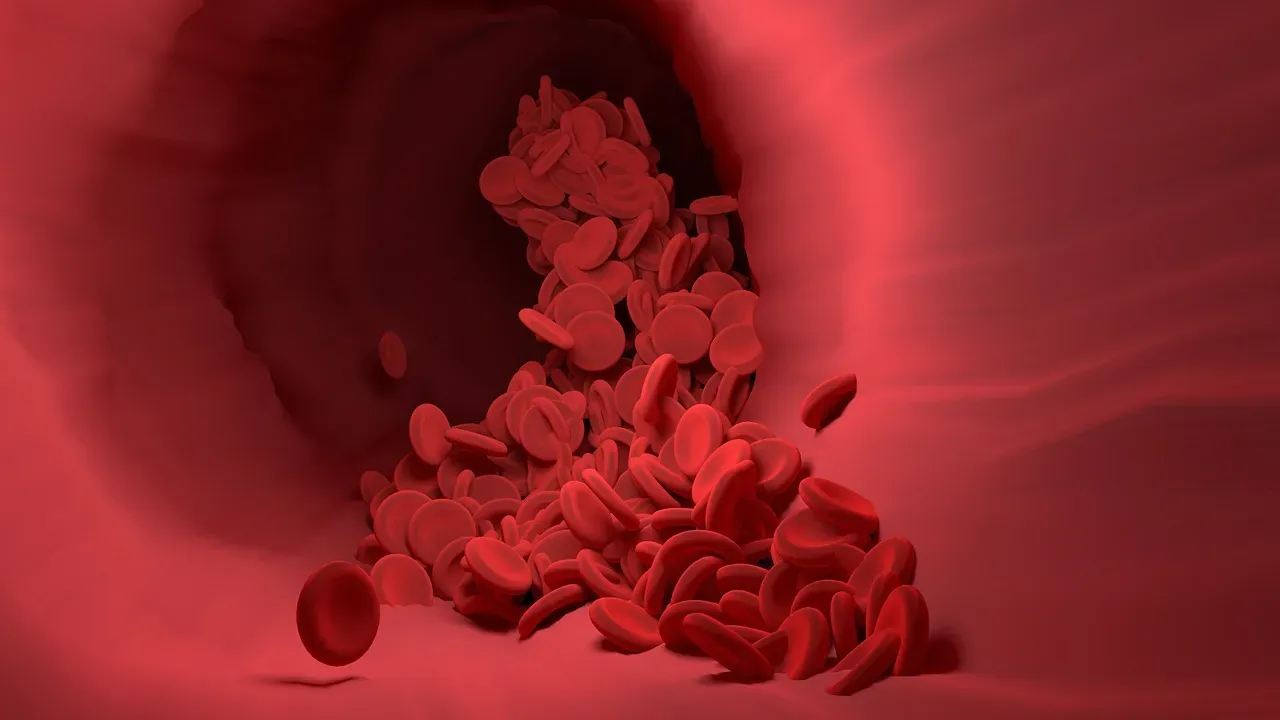
Perhaps the most important and hopeful part of this entire story is that within much of that first hour, many of your cells are not yet irreversibly dead. They are damaged, starved, and stressed, but some of those changes can be rolled back if blood flow and oxygen are restored in time. This is why cardiopulmonary resuscitation, defibrillation, and cooling techniques can sometimes bring people back from what looks like complete failure. At the cellular level, you are buying time for ion pumps to restart, for acidic conditions to normalize, and for mitochondria to regain organized function.
That said, there is a limit. As minutes turn into tens of minutes, more and more cells cross a threshold where their membranes rupture, their DNA is fragmented, and their internal structures are beyond repair. The window of possible recovery gradually narrows, especially for your brain. Still, it is striking how much activity remains inside you after your heart stops, and how much modern medicine is really a race against this slow, spreading wave of microscopic collapse. In a very real sense, the story of that first hour is not just about death arriving, but about how long your cells fight to stay alive.
Conclusion: The Hour After Your Heart Stops Is a Battle, Not a Switch
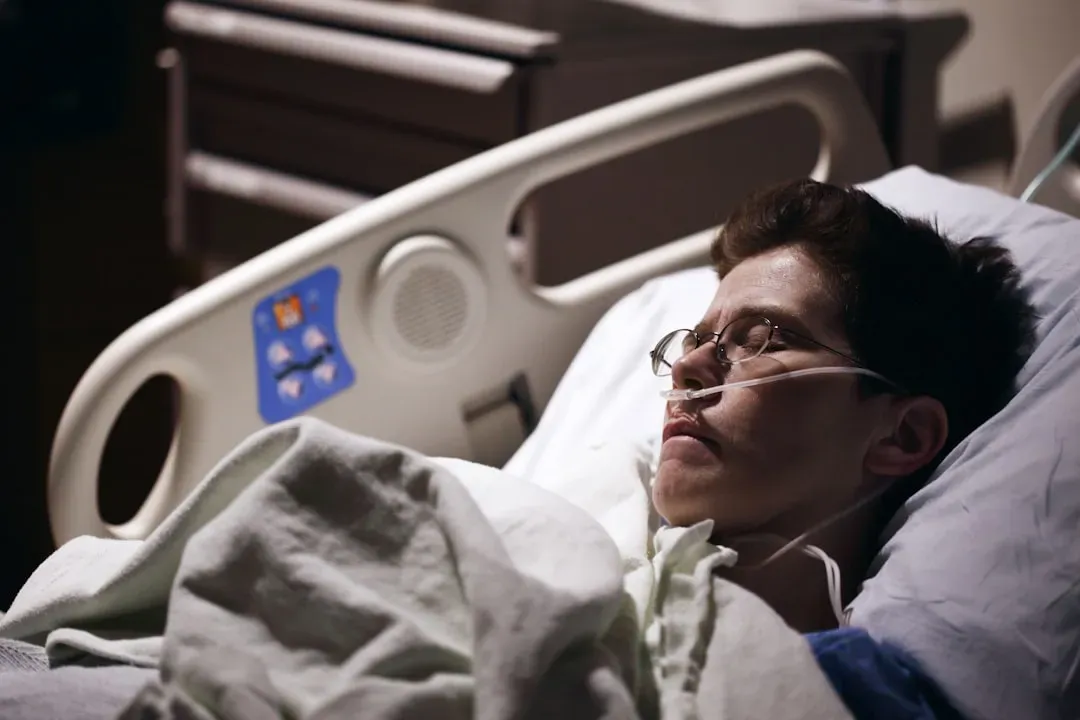
When you zoom in on what happens in the hour after your heart stops, the idea of death as a single, precise instant makes far less sense. Instead, you see a series of overlapping processes: energy failure, ion imbalance, acid buildup, calcium overload, mitochondrial dysfunction, and gradual structural breakdown. Some of your cells surrender quickly, while others hang on, adapting and improvising until their resources finally run out. The whole thing looks less like a power being shut off and more like a city slowly going dark block by block.
Understanding this slow unraveling changes how you think about resuscitation, organ donation, and even the meaning of the word dead. It also highlights just how hard your cells work for you every second of your life, and how fiercely they try to keep going even when the odds are stacked against them. Next time you feel your heart beating, you might remember that, deep down, your cells are constantly negotiating the fine line between order and chaos. Does it surprise you to realize how long the fight continues after the last heartbeat?