Death feels like a cliff edge from the outside, a split second where someone is here and then simply gone. Inside the body, though, that moment is less like an off switch and more like a chain reaction unfolding in slow motion. In the first hour after your heart stops, your cells do not all agree at once that life is over. Some cling on, some malfunction spectacularly, and some quietly begin the long process of decay. It is eerie, oddly beautiful, and a lot more organized than most of us expect.
I still remember the first time I read a detailed medical description of what happens right after death. It was not mystical at all; it was chemistry, physics, and biology grinding on even after consciousness had checked out. That contrast has stuck with me. Understanding those sixty minutes does not make death less sad, but it does make it less mysterious. In a strange way, knowing the science can feel reassuring: you are not a light that suddenly goes out, you are a complex system gently winding down.
The Final Heartbeat: When Death Officially Begins
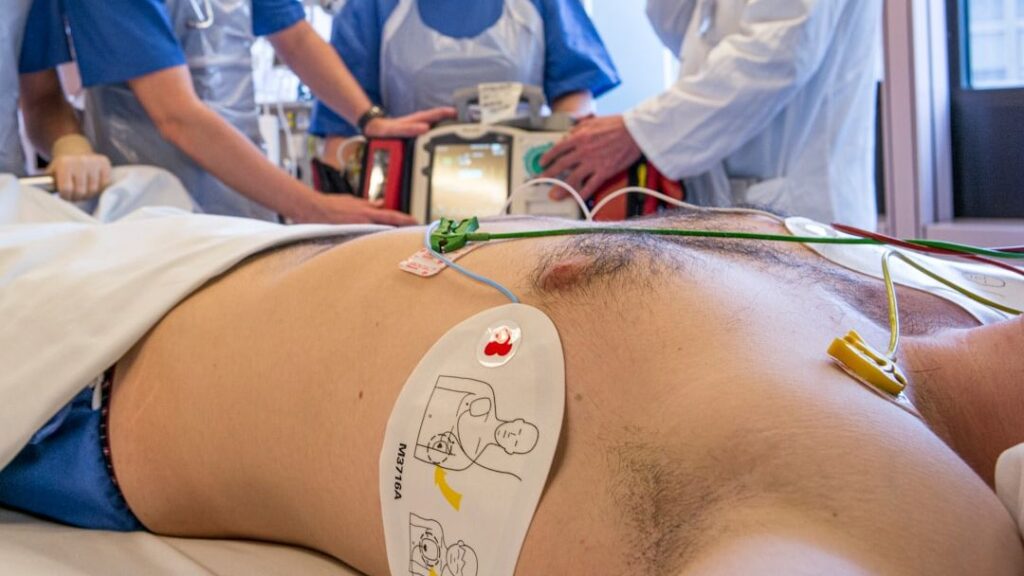
The first hour after you die starts with one deceptively simple event: your heart stops beating. Medically, that is usually the moment doctors use to declare death, because once the heart is no longer pumping, blood stops delivering oxygen to your organs. Within seconds, your blood pressure crashes to zero, circulation halts, and every cell in your body suddenly loses its main lifeline. It is like a city where every delivery truck vanishes at once; things do not fall apart immediately, but nothing new arrives either.
The brain is the most demanding organ, so it feels the loss of oxygen first. In roughly about ten to twenty seconds after the final heartbeat, the brain’s electrical activity plummets, which is why awareness fades so quickly. That is the point where, from your perspective, experience ends. From the body’s perspective, though, this is only the opening moment. Your cells are still loaded with nutrients and oxygen for a brief time, and the machinery of life keeps trying to run, even as the main power supply has gone offline.
Oxygen Cutoff and the First Waves of Cellular Panic
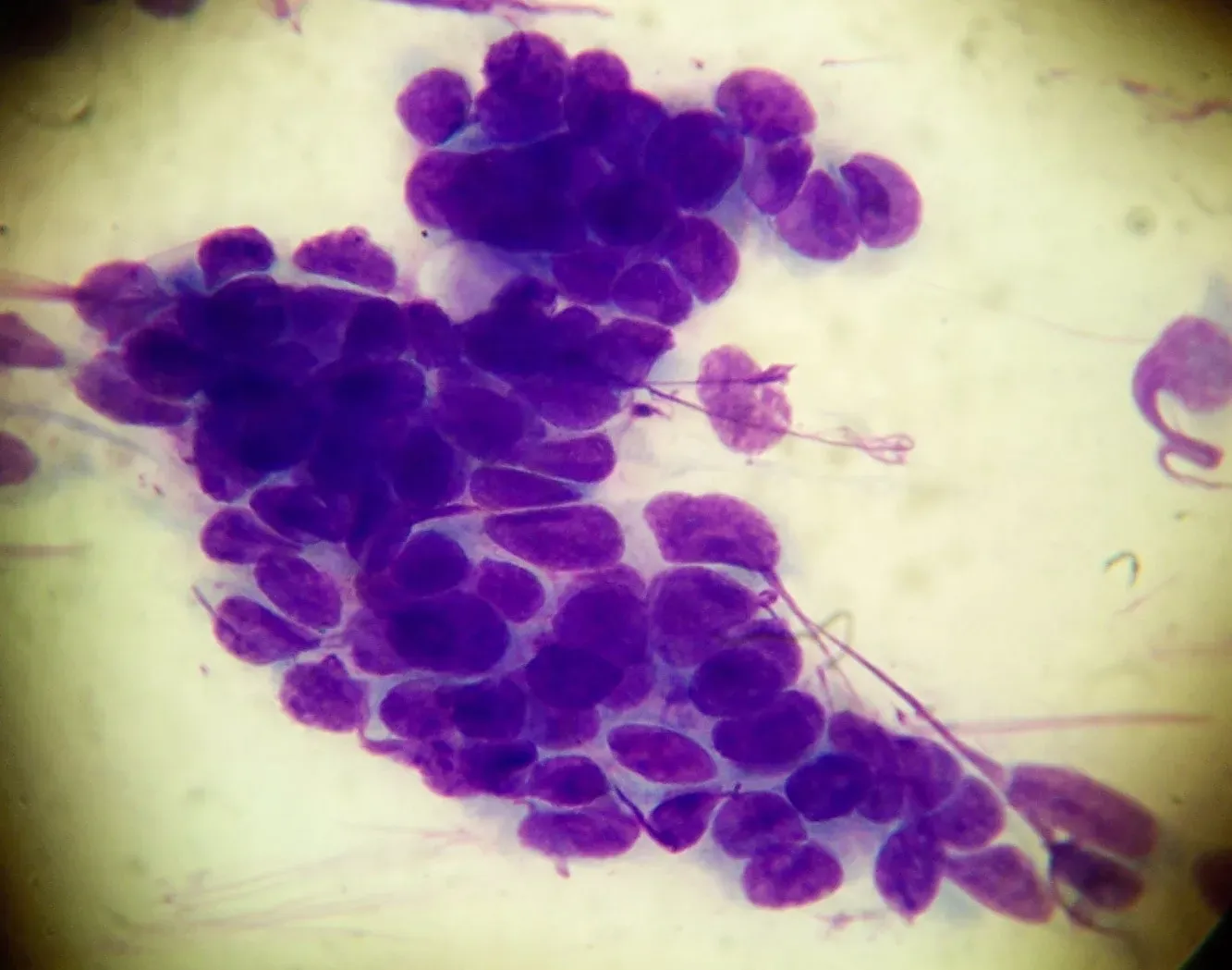
Without fresh oxygen, your cells flip from their preferred, efficient way of making energy to an emergency backup mode. They shift into anaerobic metabolism, which is like trying to run a household on candlelight after the power goes out. Energy production drops sharply, and lactic acid starts to accumulate. This changes the internal acidity of cells, making their environment harsher and harder to survive in. The first minutes after death are less about instant destruction and more about this quiet metabolic struggle.
As that struggle continues, the delicate balance of salts and fluids inside and outside cells begins to waver. Ion pumps in cell membranes, which normally use energy to keep sodium, potassium, and calcium in their proper places, can no longer do their jobs. Calcium seeps where it should not, triggering enzymes that begin to damage proteins and membranes. It is not cinematic; there is no dramatic explosion. Instead, it is a slow, microscopic cascade of small failures that collectively mark the beginning of true cellular death.
Brain Activity, Consciousness, and the Last Electrical Echoes
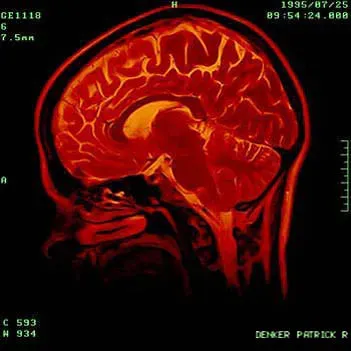
Most people imagine that once the heart stops, the brain shuts off like a computer being unplugged. Reality is subtler. After circulation ceases, the brain’s organized electrical signals stop within a few tens of seconds, and that is when consciousness is thought to vanish. Yet small pockets of neurons can still show residual electrical activity for several minutes. In some cases, researchers have recorded a brief surge in certain brain waves just after the heart stops, although what that means for awareness, if anything, remains uncertain and controversial.
What is clearer is that, within this first hour, the brain rapidly becomes structurally damaged if blood flow is not restored. Nerve cells are extremely sensitive to oxygen loss; their internal environment becomes toxic, and they swell and begin to break down. If resuscitation does not happen within minutes, the damage becomes irreversible. By the time you are deep into that first postmortem hour, any remaining electrical flickers are just that: echoes of a system that no longer supports anything like a mind or a self.
Muscles, Nerves, and Those Unsettling Postmortem Twitches

One of the most surprising things that can happen in the early period after death is movement. Even after the brain has shut down, some muscles and peripheral nerves can remain excitable for a short time. They may respond to lingering chemical signals or even to external stimuli, leading to small twitches, jerks, or reflex-like motions. To someone at the bedside, that can look deeply unsettling, almost as though the person is trying to move again, but it does not reflect any conscious control.
Inside the muscle fibers, the loss of oxygen and energy quickly changes how they function. Normally, muscle contraction and relaxation depend on a careful cycling of calcium and the presence of energy molecules. As energy dwindles and calcium regulation fails, the machinery starts to lock up. In the first hour, this sets the stage for rigor mortis, the well-known stiffening of the body, although full rigor usually takes several hours to develop. Early on, you have this odd mix: a body that is going still overall, yet may show sudden, brief flickers of motion from tissues that have not quite realized the game is over.
Circulation Stops, Blood Settles, and Skin Begins to Change
Once the heart is silent, gravity becomes the main force acting on your blood. With no circulation to keep it moving, blood begins to settle into the lowest parts of the body. Over the first hour or so, this pooling gradually creates areas of purplish discoloration under the skin, called livor mortis. It does not happen instantly, and at first the color changes can be faint and patchy, but they are an early, visible sign that the body has shifted from a living system to a still object obeying simple physics.
At the same time, your skin starts to lose its normal warm tone and elasticity. Without active circulation and body heat, it slowly cools and can take on a slightly pale or waxy appearance. This cooling, known as algor mortis, is affected by the environment: a cold room speeds it up, a warm one slows it down. In the first hour, the temperature drop is usually modest, but the trend has begun. Doctors and investigators sometimes use these color and temperature changes later as clues to estimate how long it has been since death occurred.
Organs in Slow Collapse: Heart, Lungs, Gut, and Beyond
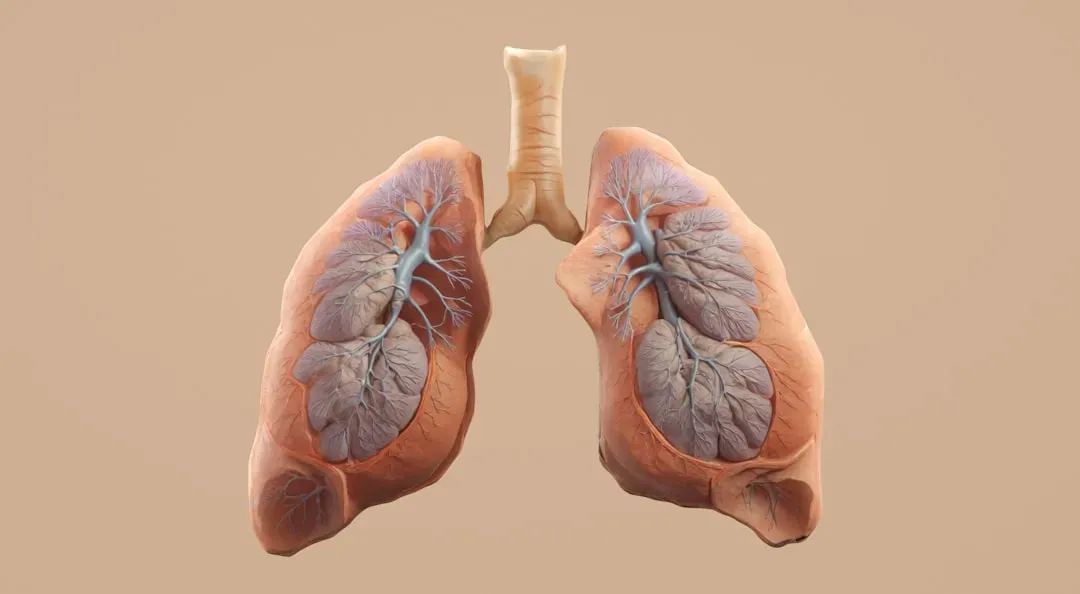
Even though the whole body is affected once the heart stops, not all organs shut down at the same pace. The heart muscle itself, oddly enough, can sometimes show tiny, uncoordinated contractions for a short period, but it no longer pumps effectively. The lungs, no longer driven by the rhythm of breathing, simply sit still in the chest, and any remaining air in their tiny sacs is gradually absorbed or redistributed. The kidneys, liver, and other major organs, cut off from fresh blood, begin their own decline as cells struggle in the increasingly acidic, low-energy conditions.
One of the quietest yet most important shifts happens in the gut. The trillions of bacteria that live in your intestines have relied on your body’s immune system to keep them in check and in place. After death, that immune supervision starts to vanish. The gut wall slowly loses integrity, and bacteria begin to explore beyond their usual borders. This early bacterial migration does not dramatically transform the body in the first hour, but it marks the opening move in the later process of decomposition that will unfold over many hours and days.
The First Steps Toward Decomposition and the End of Cellular Order
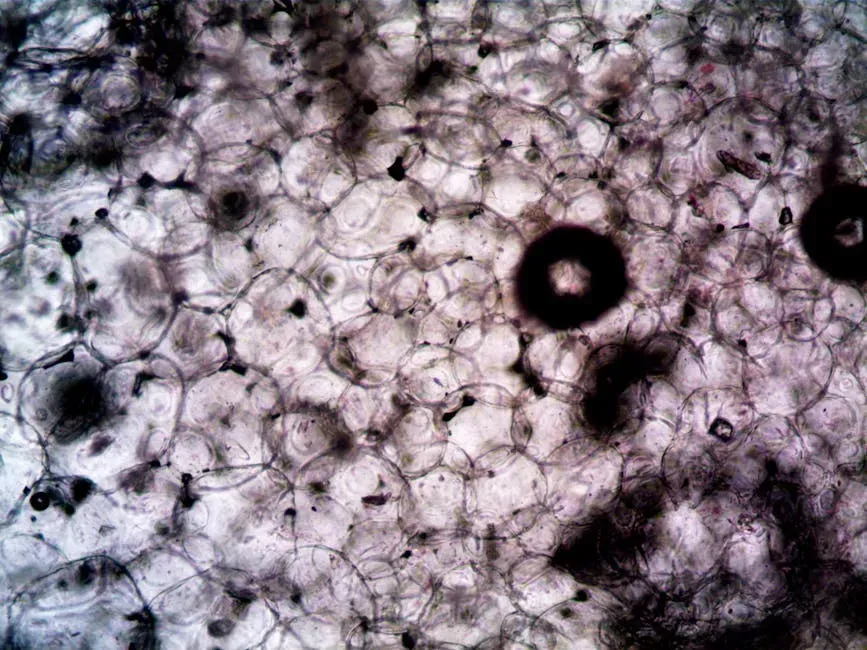
Inside your cells, the loss of energy leads to a kind of chemical self-destruction. Enzymes that were once neatly contained in structures like lysosomes start to leak into the surrounding cell space. These enzymes are designed to break down proteins, fats, and other components when needed, but after death they no longer have guidance or limits. They begin digesting the cell from the inside, a process sometimes described as self-digestion. In the first hour, this is just beginning, yet it is already eroding the microscopic architecture that defined living tissue.
Meanwhile, your resident bacteria, especially in the gut but also on the skin and in other moist areas, are still very much alive and active. They take advantage of the changing environment and the absence of immune defenses. They feed on available nutrients, produce gases, and gradually spread through tissues. You could think of this as the body handing the reins over to its microbial passengers. The first hour is more like the prelude than the main act of decomposition, but the direction is clear: complex order gives way to simpler chemistry, and the body starts the slow process of returning its ingredients to the world.
How the First Hour Shapes What Comes Next
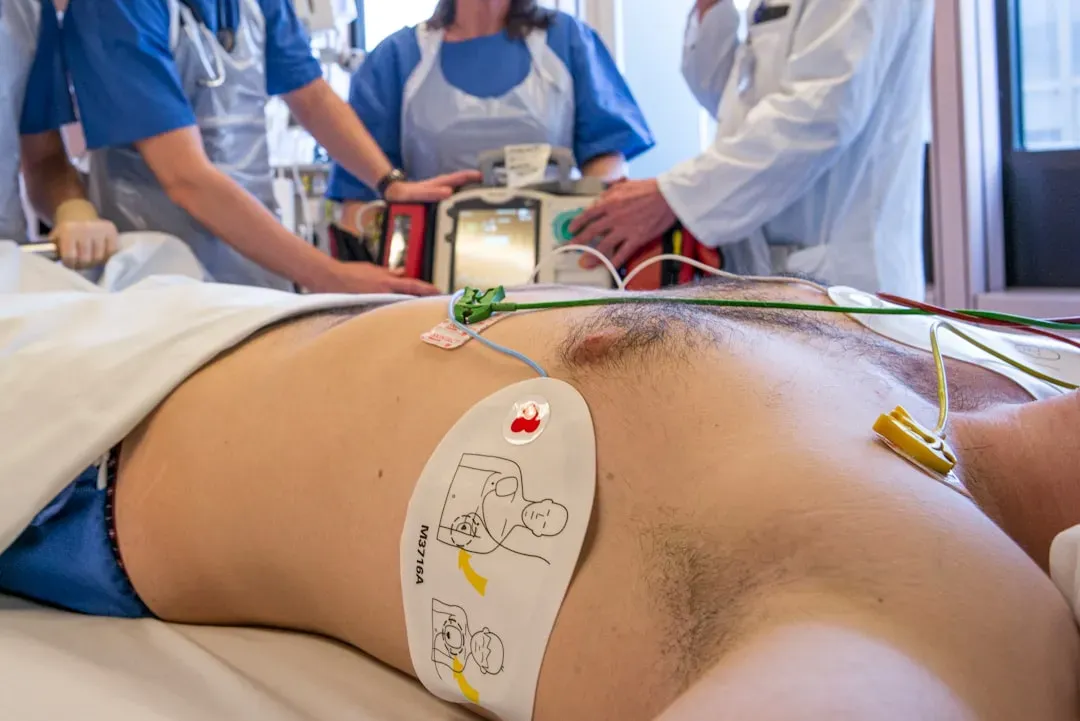
That first hour after you die is not just an eerie curiosity; it quietly dictates what is possible afterward. In a hospital or emergency setting, whether you are resuscitated or not depends very heavily on how much time has passed since the heart and brain lost oxygen. Early in that window, you might still be pulled back with your mind largely intact. Deeper into the hour, even if your heart could be restarted, the brain damage would likely be too severe for anything resembling your former self to return. From an ethical point of view, that reality matters far more than any comforting story we might prefer.
Outside of medicine, the first hour also sets the stage for how your body will be preserved, studied, or laid to rest. The speed of cooling, the settling of blood, and the earliest steps of decomposition all shape how investigators reconstruct events and how families experience seeing their loved one. Personally, I think there is something grounding in knowing these details. Death is not magic and not punishment from the universe. It is a predictable, physical unraveling of a system that has been fighting entropy since the day you were conceived. For me, that makes the time we do have while everything is still humming along feel strangely precious.
Conclusion: Why Knowing This Makes Life Feel Different
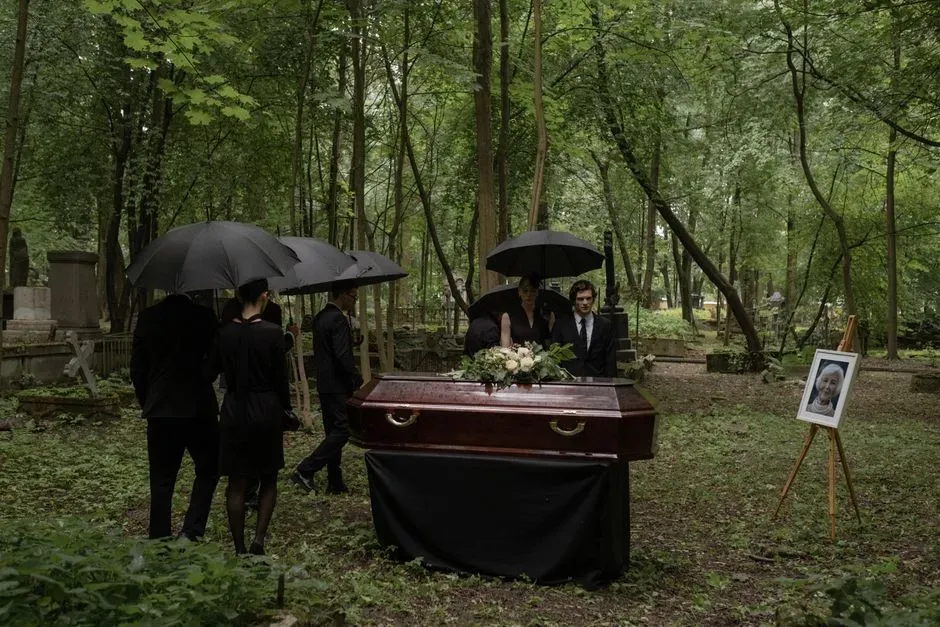
When you zoom in on the first hour after death, the scary mystery gives way to a cold but oddly elegant logic. Cells panic without oxygen, the brain goes dark, muscles lose their coordination, blood obeys gravity, bacteria start reclaiming space, and chemistry quietly takes over from consciousness. None of it is romantic, but it is deeply consistent with everything we know about how living systems work. In my view, facing that science head‑on is far more respectful than hiding behind vague ideas about people just “passing away” as if they simply slipped into another room.
My opinion is that understanding this process should not make you more afraid of death; it should make you more awake to life. Knowing your body will one day go through this calm, relentless unwinding highlights how temporary your current clarity, emotions, and choices really are. You are a carefully balanced storm of electricity and chemistry, and one day that storm will quiet down in exactly the ways described here. The question that lingers for me is not how to avoid that hour – it is guaranteed – but what you choose to do with the countless other hours you still have before it arrives.