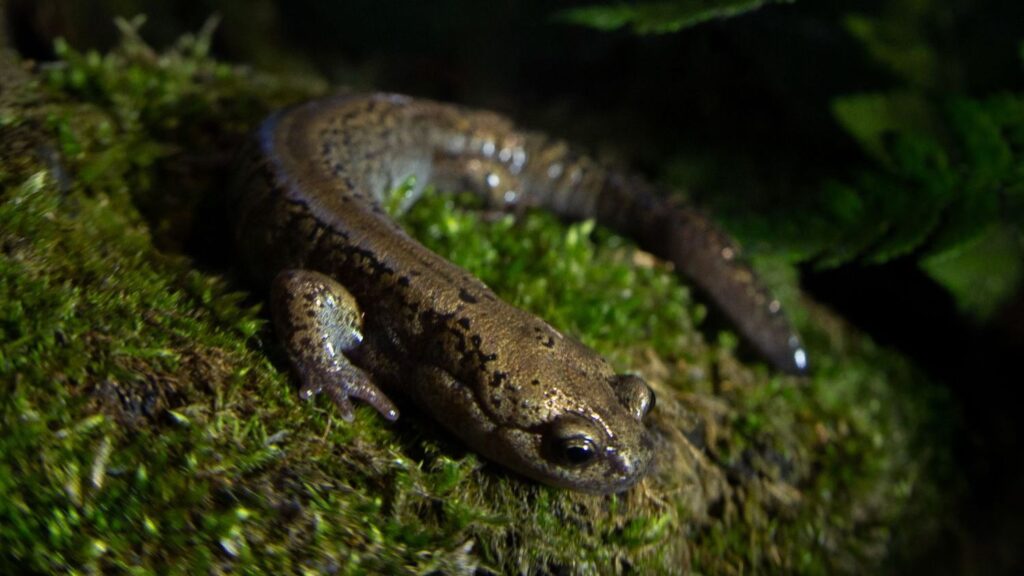
You’ve probably heard of animals that hibernate, slow down, or migrate to get through winter. But the Siberian salamander takes the idea of “surviving the cold” to a level that sounds almost unbelievable. You are not just talking about an animal that shrugs off a bit of frost; you are dealing with a creature that can be completely frozen solid, thaw out, and walk away like nothing happened.
When you look closer at how this little amphibian survives, you start to question what you thought you knew about life, death, and the limits of the body. You are seeing strategies that feel closer to science fiction than biology class, yet they are very real, quietly unfolding in the remote, brutal landscapes of Siberia. By the time you finish this article, you will see a tiny salamander as one of the toughest survivors on the planet.
The Salamander That Treats Liquid Nitrogen Weather Like A Minor Inconvenience
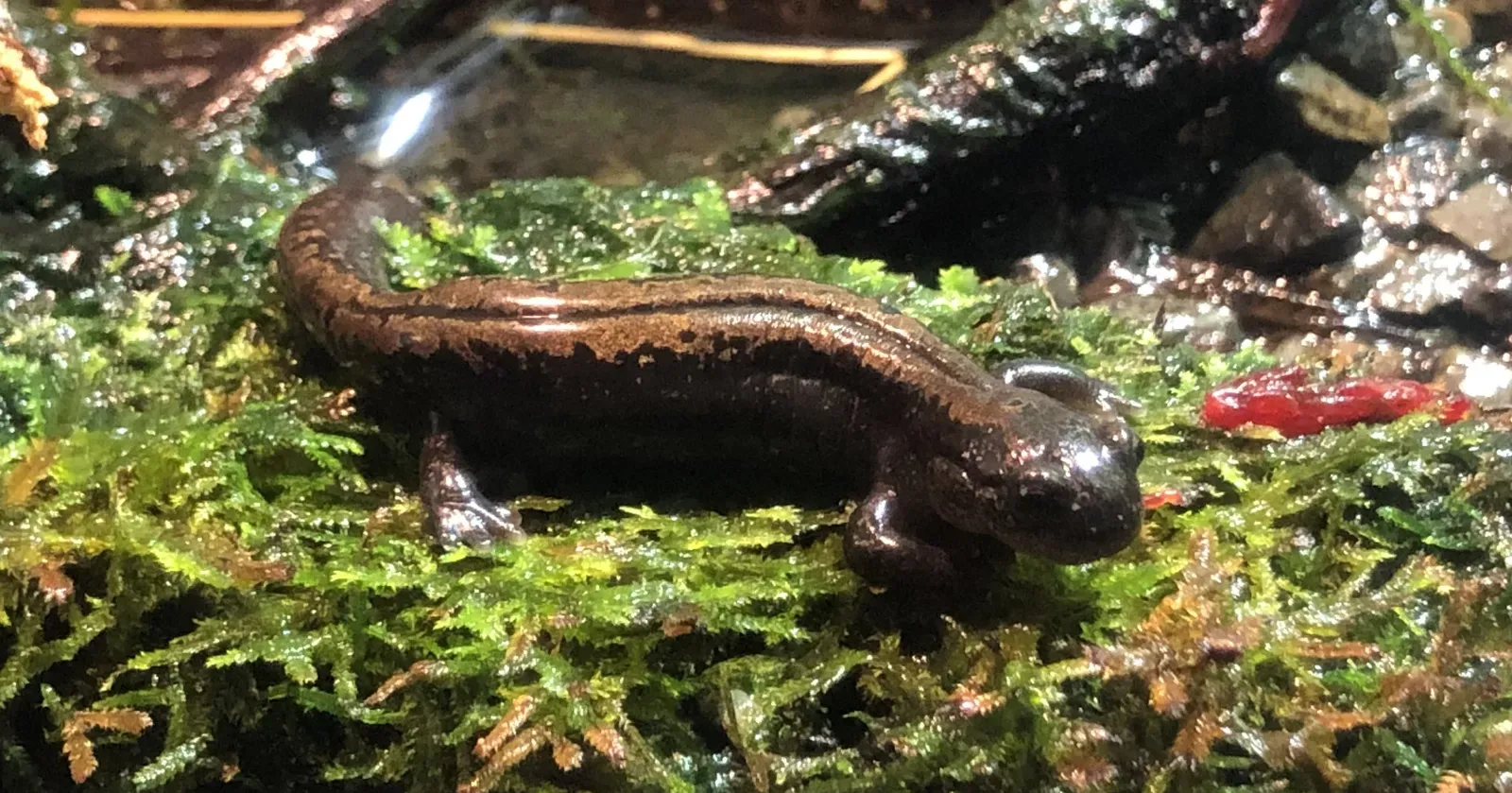
Imagine stepping outside into a night so brutally cold that metal snaps, trees burst, and car engines die, yet your body just keeps going. That is more or less what the Siberian salamander deals with in parts of its range, where air temperatures can drop well below what most vertebrates can tolerate. You are looking at conditions that would kill most small animals in minutes, and yet this salamander has evolved to treat them like a seasonal annoyance.
Instead of escaping the cold, you see it embrace a radical solution: allowing its body to actually freeze. In the wild, individuals have reportedly survived being encased in frozen soil for years, staying motionless and ice-cold before finally waking up when the ground thaws. It is as if you buried a living battery in the permafrost and then turned it back on many winters later, with the system booting up like nothing happened.
How You Survive Being Frozen Solid Without Shattering Like Glass
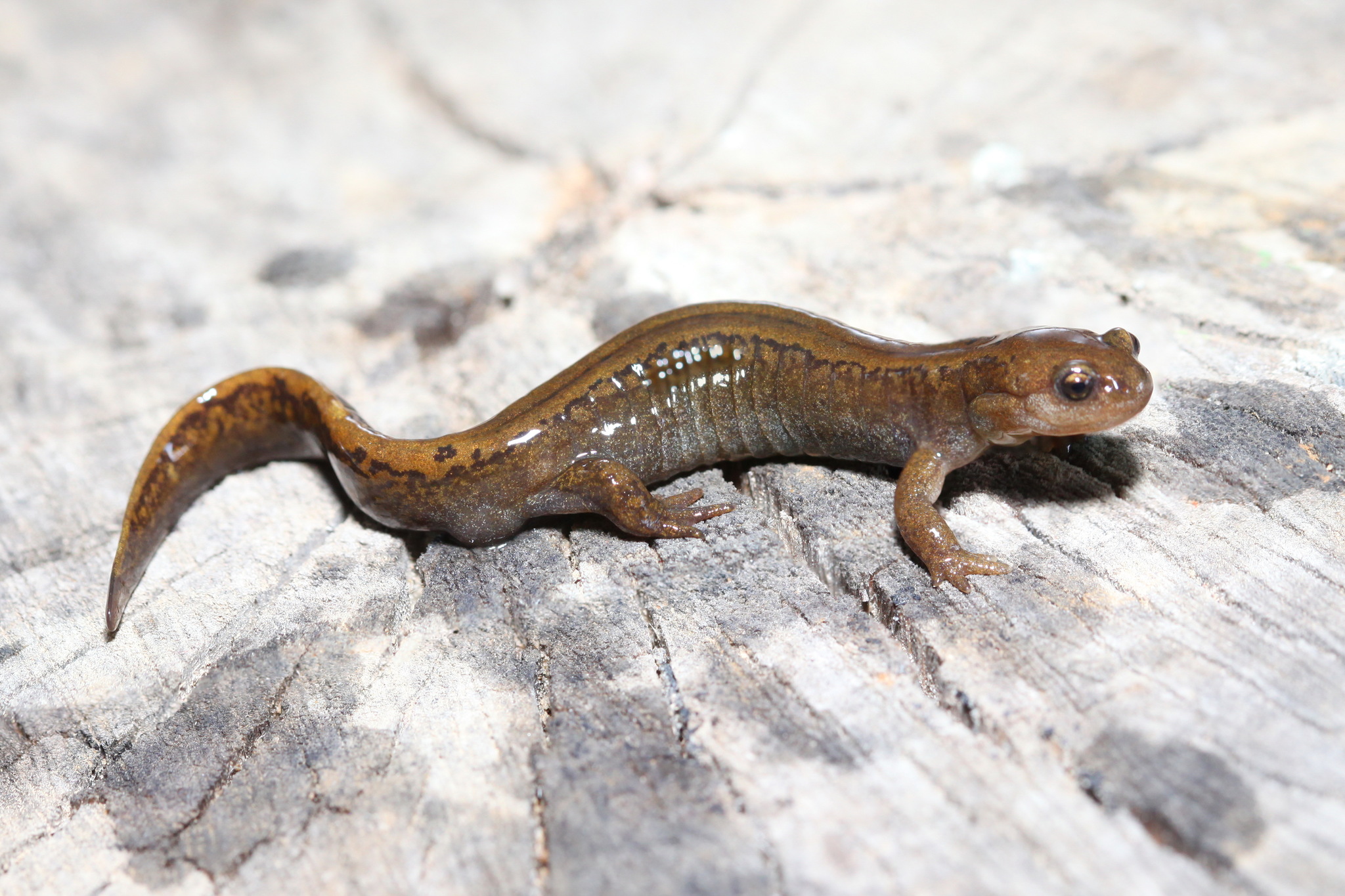
Now picture water freezing inside your cells. Normally, that is a death sentence, because sharp ice crystals rip delicate membranes apart and your organs fail. If this happened in your body, you would not get a second chance. But the Siberian salamander flips the script by setting up its tissues in a way that lets ice form in safer places while protecting what truly matters.
As temperatures plunge, you see this salamander ramp up natural compounds in its body that act a bit like antifreeze and stabilizers. These substances help control where and how ice forms, pushing freezing to spaces outside the cells and limiting damage. When spring finally returns and the ice melts, its cells are still intact, and you watch the animal switch back from near-total shutdown to active life as if it just woke from a deep sleep, not a frozen coma.
The Biochemical Magic: Your Body As A Living Antifreeze Factory
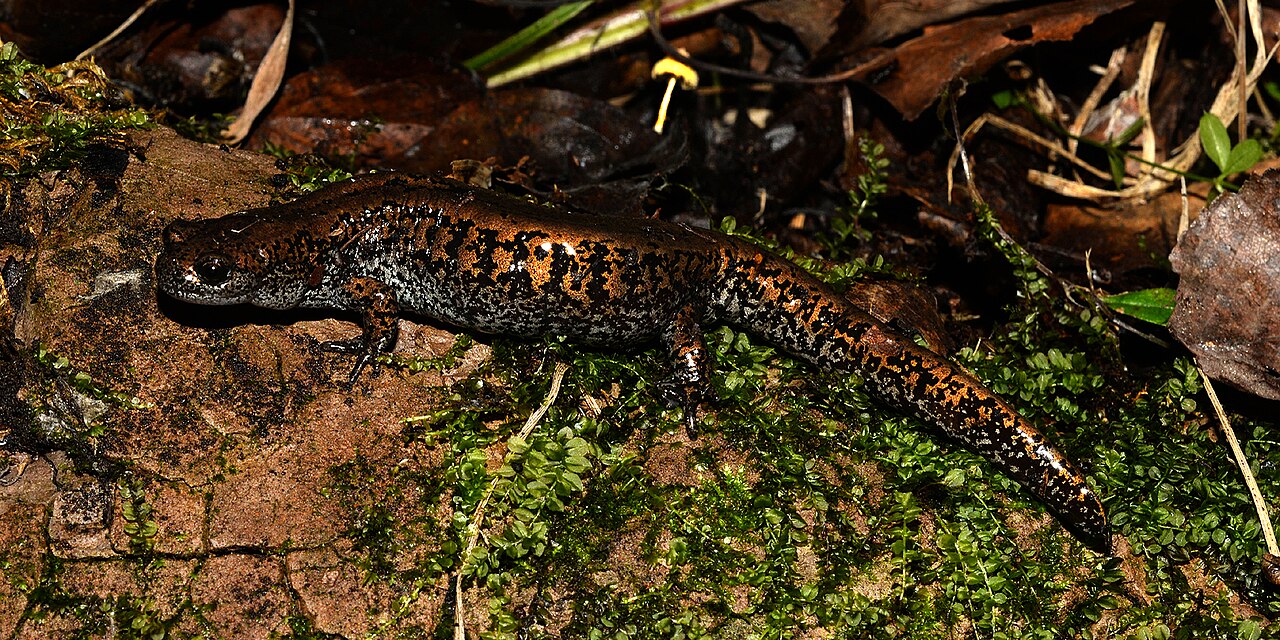
If you look under the hood, the salamander’s survival trick is a biochemical balancing act that you, as a human, simply cannot match. When the cold hits, its body starts stockpiling certain sugars and other cryoprotective substances that help lock its cells into a safer state. Think of it like wrapping each cell in a protective bubble so that when ice appears nearby, the most fragile parts are cushioned.
These molecules help reduce the amount of water trapped inside cells and stabilize proteins and membranes so they do not fall apart during freezing and thawing. You are essentially watching a tiny lab technician at work inside the animal, quietly adjusting concentrations, shifting fluids, and preparing every cell for a long, frozen pause. The result is a body that can endure conditions that would normally turn living tissue into ruined slush.
Life On Pause: What Happens To Your Body During A Years-Long Freeze
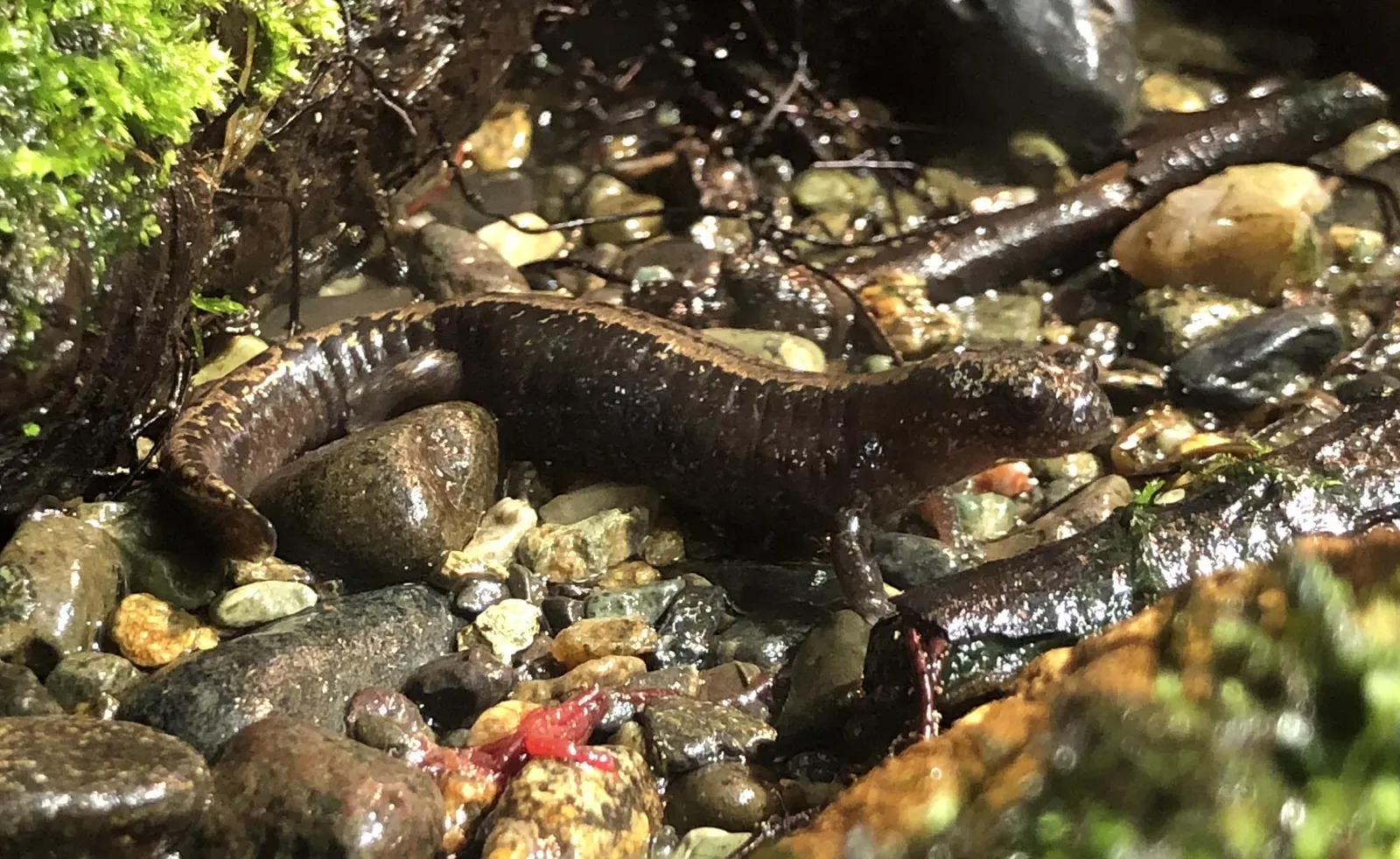
When the Siberian salamander freezes, almost everything you associate with being alive grinds nearly to a halt. Metabolism drops to a tiny fraction of normal, movement disappears, and there is no feeding, no hunting, and no visible activity at all. If you picked one up in this state, you would swear you were holding something dead, not a living vertebrate waiting for spring.
But inside, essential structures are preserved in a kind of ultra-slow stasis, like a movie paused on a single frame for months or even years. You are seeing an extreme version of what you might call “survival minimalism,” where every unnecessary process is shut down to save energy and avoid damage. When thawing finally starts, the body slowly reclaims fluid balance, restores blood flow, and restarts normal biochemical reactions, and the animal simply carries on with its life cycle.
Where You Find This Ice-Proof Survivor In The Wild
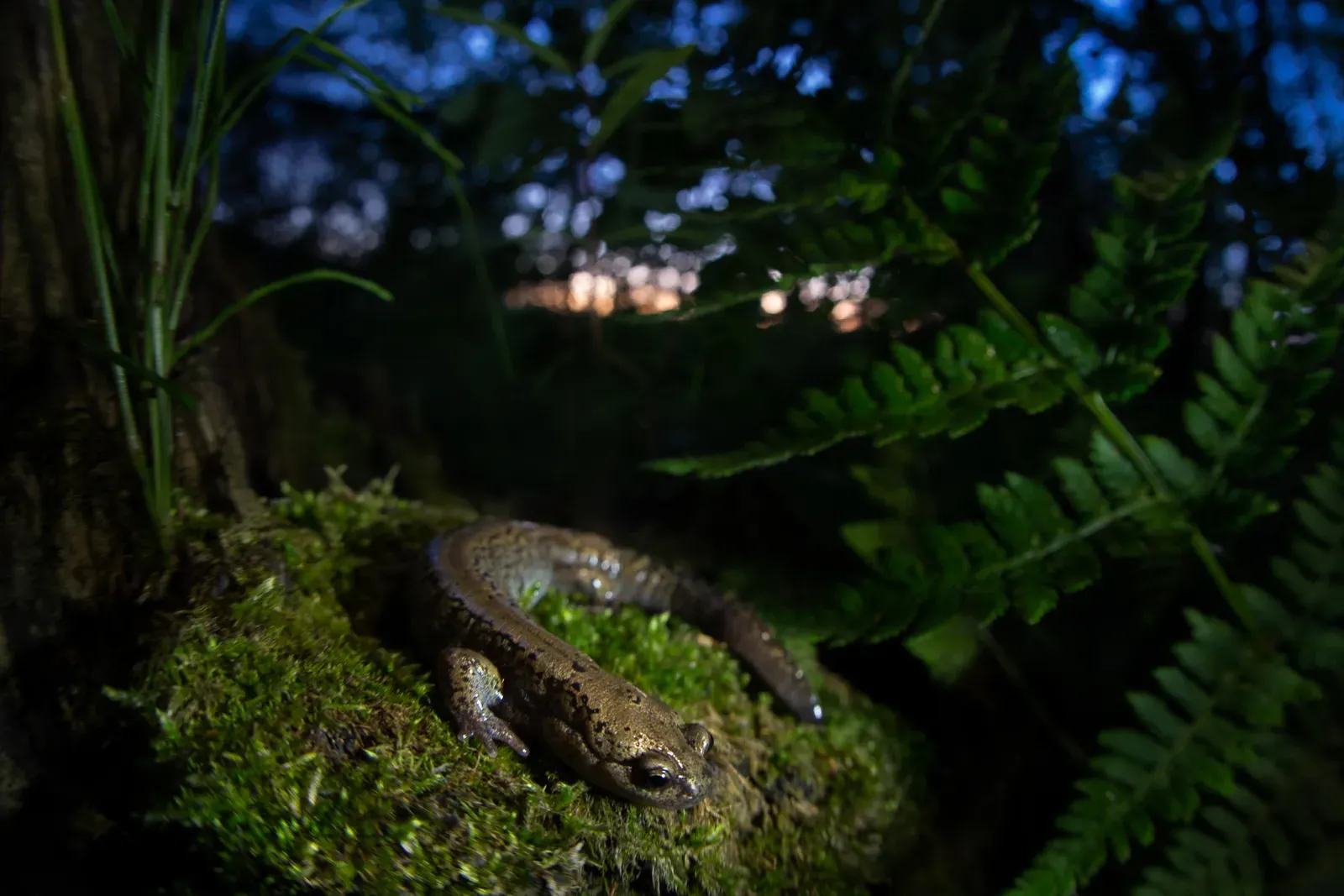
To understand why such an extreme survival trick evolved, you need to picture the salamander’s home. It lives in parts of northeastern Asia, including Siberia, where winters are not just cold but viciously long and deep, with frozen ground and brutal temperature swings. You are dealing with landscapes where the soil itself can stay locked in ice, forming permafrost layers that last for ages.
In these regions, hiding under a log or burrowing a little deeper is not enough; the environment will eventually freeze solid around you. That is where this salamander’s strategy makes sense: instead of fighting a hopeless battle to stay above freezing, it just rides out the cold in the frozen ground. You see it tucked away in soil, leaf litter, and shallow burrows, perfectly adapted to a world where winter can be more like a hard stop than a gentle slowdown.
Why You Probably Won’t See This Trick In Most Other Animals
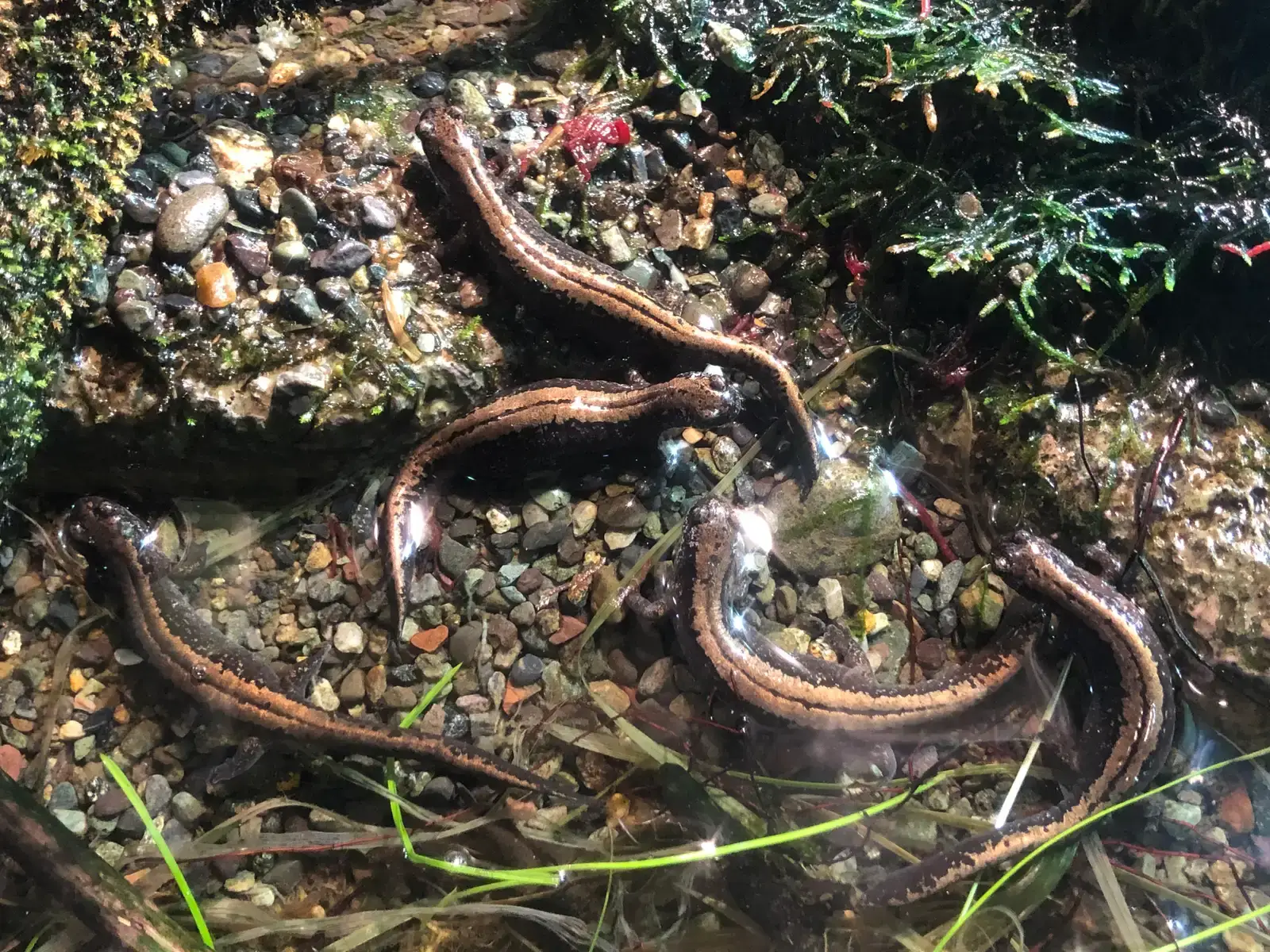
You might wonder why more animals do not copy this wild strategy. After all, if freezing solid works so well for the Siberian salamander, why are you not watching flocks of frozen birds thaw out in spring? The answer is that evolving this adaptation takes a very specific mix of body size, physiology, and environmental pressure that many species simply do not have. For most animals, the cost and complexity would outweigh the benefits.
Reworking your entire biology to tolerate ice inside and around your tissues is not a small tweak; it is a deep rewrite of how your body handles water, energy, membranes, and stress. Many species have gone a different route, using migration, hibernation, or seasonal breeding instead of full-body freezing. The Siberian salamander represents one of evolution’s more extreme solutions, and you are lucky enough to witness it in a form that actually works in the harshest real-world testing ground imaginable.
A Tiny Animal, A Massive Lesson In Survival
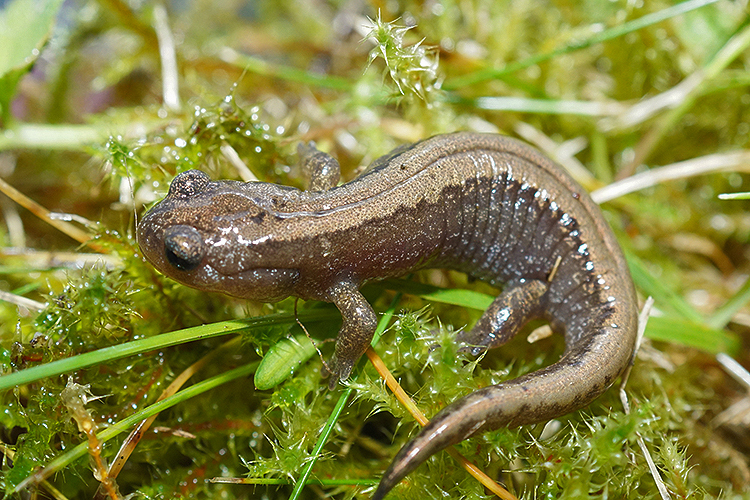
When you step back from all the details, the Siberian salamander’s story hits you with a simple, powerful idea: life can bend far more than you expect before it breaks. You see an animal that lets its body freeze, shuts nearly everything down, and still manages to pick up where it left off when the world thaws. It is a quiet kind of heroism, happening out of sight, in places most people will never visit.
For you, it is a reminder that survival is not always about brute force or constant motion; sometimes it is about surrendering to the storm in exactly the right way, trusting that you have the tools to start again. The next time you complain about a chilly day, you might think of this salamander sleeping in its icy tomb, waiting patiently for spring. Who would have guessed that one of the planet’s toughest survivors would fit in the palm of your hand?