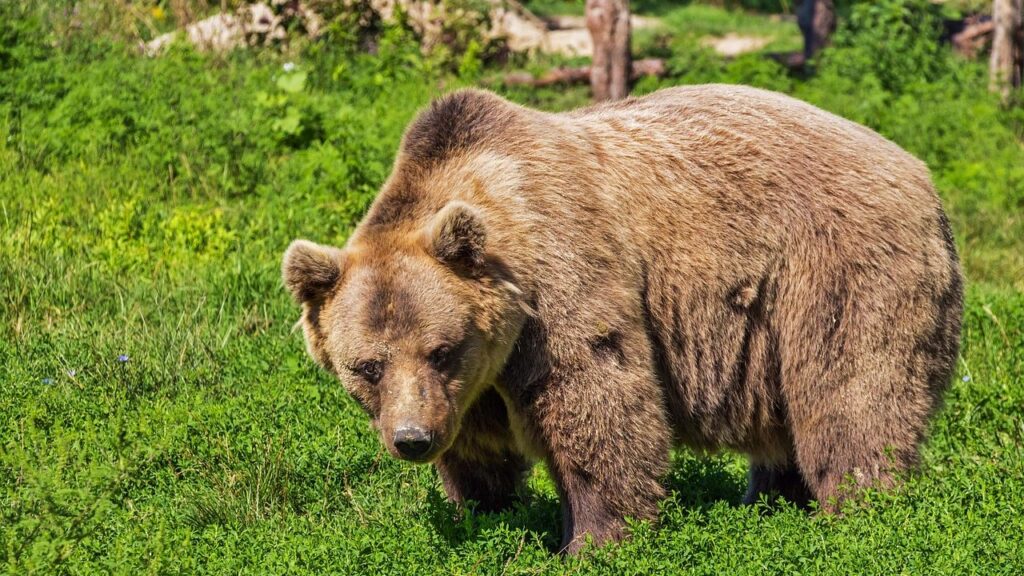
You probably picture a bear encounter as a dramatic movie scene: you scream, you run, you scramble up a tree, and somehow it all works out. In real life, those instincts can get you seriously hurt. When you cross paths with a grizzly, what you feel like doing is almost always the exact opposite of what you actually should do.
The good news is that you have more control than you think. You can stack the odds in your favor long before you ever see a bear, and even in the scariest face‑to‑face moment, small decisions matter a lot. If you know what to do, you can turn a potentially deadly situation into a tense but survivable story you tell later back at the trailhead.
Most People’s First Instincts Are Dead Wrong

When you suddenly see a grizzly on the trail, your body goes into panic mode. Your heart races, your muscles tense, and some deep, ancient part of your brain screams at you to run as fast as you can. That urge makes perfect emotional sense, but for grizzlies, a fleeing human can look a lot like prey, and you do not want to flip that switch in the bear’s mind.
Another common reaction is to shout, wave wildly, or throw things right away. You might feel like you need to “fight back” from the start, but that can turn a neutral or surprised bear into an agitated one. Most bears actually want to avoid you; it is our panicked, chaotic behavior that can push them toward a defensive charge. When you understand that your instincts are wired for drama, not safety, you can start choosing actions that truly protect you.
Before You Ever See a Bear: Trail Habits That Save Lives
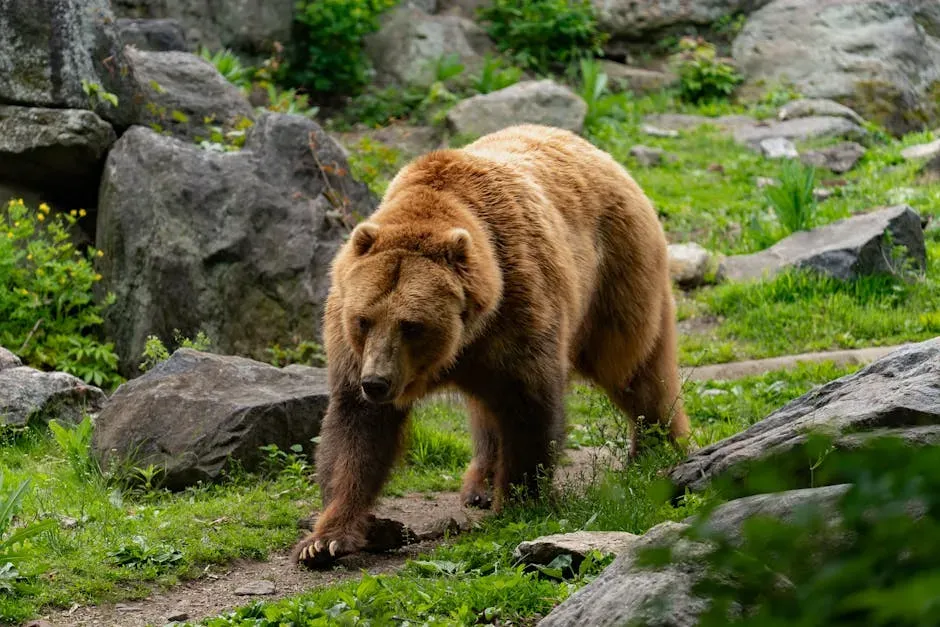
The safest bear encounter is the one that never happens at close range, and you have more power over that than you might think. When you hike quietly with headphones in, you turn yourself into a jump scare for wildlife. A surprised grizzly at short distance is one of the most dangerous situations you can create without meaning to.
Instead, you make yourself predictable and noisy in a calm way. Talk with your hiking partners, occasionally call out, or lightly clap when visibility is low, especially near streams, in thick brush, or on blind curves. Travel in groups whenever you can; a small cluster of people is far less likely to be targeted than a lone quiet hiker. Keep food tightly sealed, avoid leaving snacks or garbage behind, and know the local bear activity by checking with rangers before you head out.
The Moment You Spot a Grizzly: Freeze Your Feet, Not Your Brain
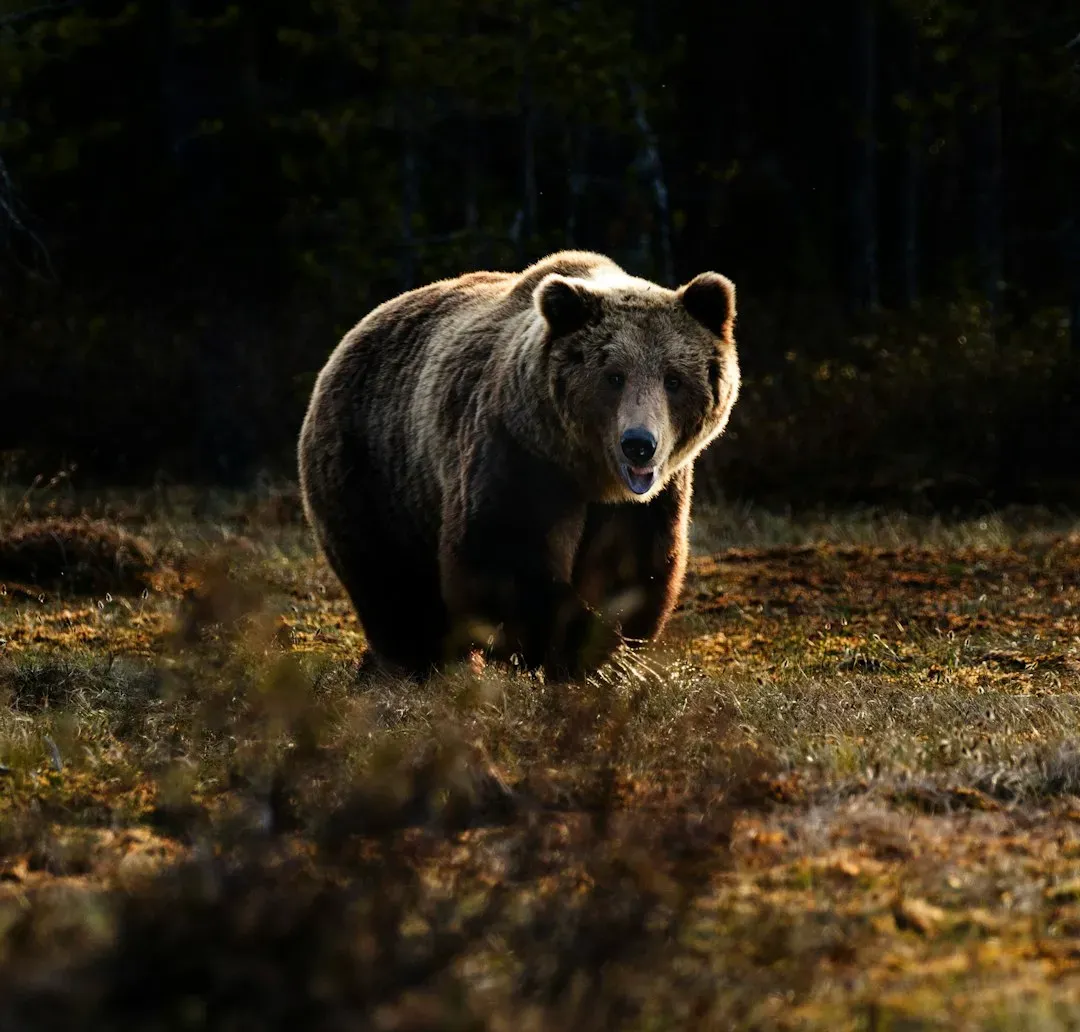
If you suddenly notice a grizzly ahead of you on the trail, your first job is very simple: stop moving. You do not walk closer for a better look or a photo, and you definitely do not rush away in a sprint. Just stand still, plant your feet, and take a quick breath while you size up the situation.
Speak in a low, calm voice so the bear can understand that you are a human and not another animal. Avoid direct, hard staring, which can feel like a challenge, but do keep your eyes on the bear so you can read its behavior. Slowly move a bit to the side if you can, not directly toward or directly away, and start to assess whether the bear has noticed you, seems stressed, or is just minding its own business. In those first few seconds, your calm is your best piece of safety gear.
How to Read a Grizzly’s Body Language (And What It Means for You)
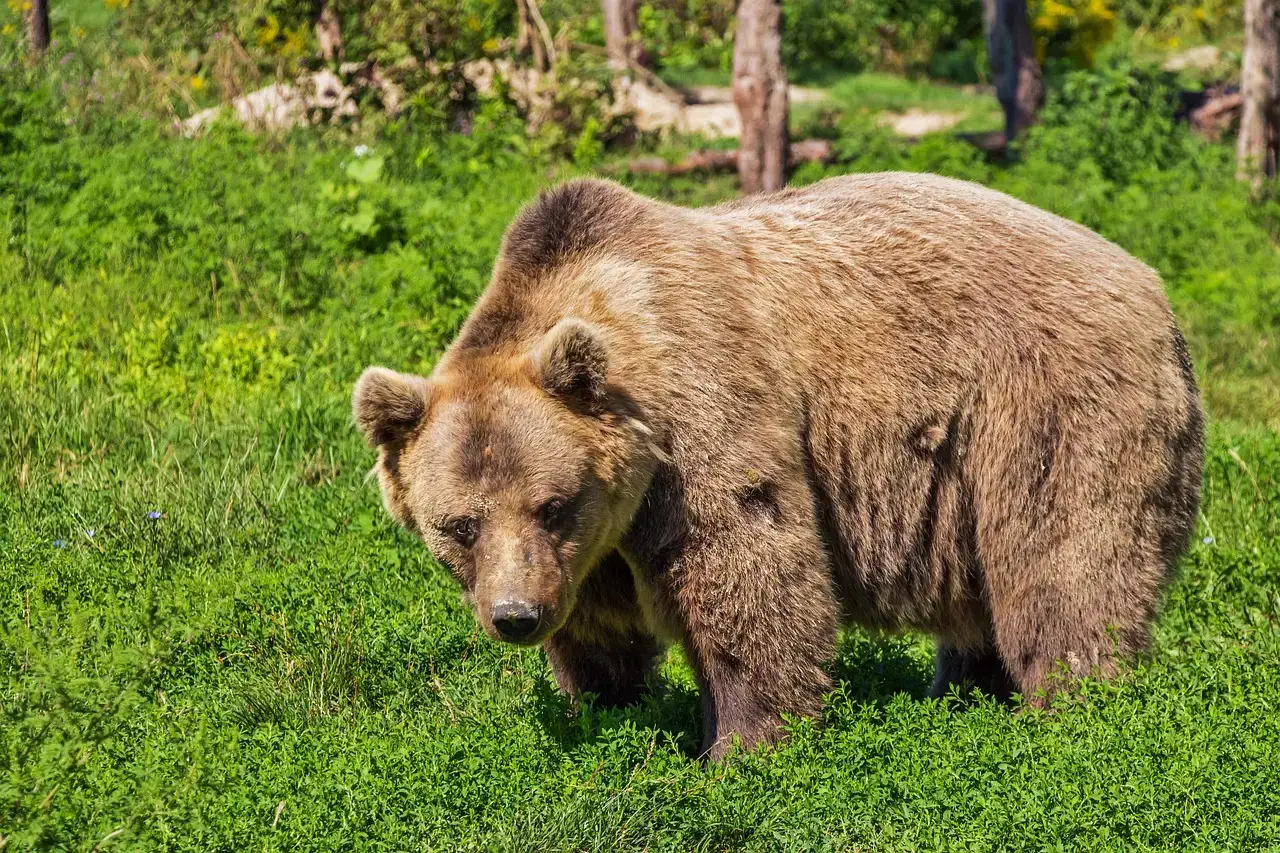
Once you spot the bear, you need to quickly figure out what kind of encounter you are in. A grizzly that lifts its head, sniffs the air, and then goes back to feeding or walking away is probably not focused on you. That kind of situation may allow you to slowly back out, giving the bear lots of space while avoiding sudden movements or loud noise.
If the bear is huffing, jaw‑popping, swinging its head, or pawing the ground, that is classic stress and warning behavior. It is saying you are too close or making it uncomfortable. A bear that lowers its head and charges in a straight, determined way, especially without a lot of warning signs, may be showing more serious intent. Learning the difference between a bluff display meant to scare you off and a determined approach can help you choose whether to stand your ground, back away, or prepare to use bear spray.
Never Run, Rarely Climb: What Actually Works to Create Distance
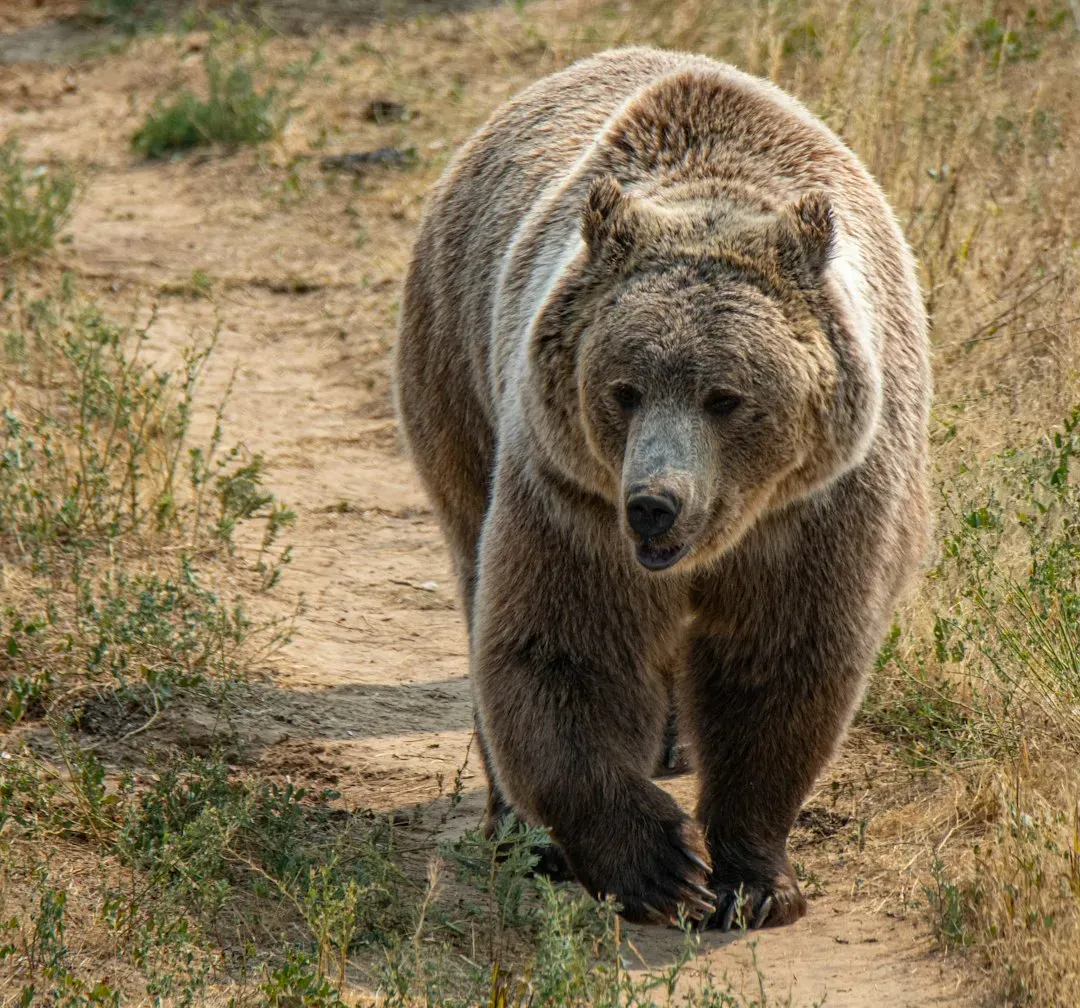
The advice to never run from a grizzly is not just a slogan; it is grounded in hard reality. Grizzlies can move far faster than you over short distances, even on steep ground. If you bolt, you may trigger a chase instinct, turning what might have been a defensive situation into a pursuit, and you will not win a speed contest against a bear built like a truck with legs.
Climbing a tree is also much less helpful than people assume. Grizzlies can climb better than most humans, especially under stress, and while you scramble in panic, you lose awareness of what the bear is actually doing. Your safer move is usually to slowly back away at a diagonal, keeping the bear in sight, talking softly, and increasing distance without inviting a chase. Distance created calmly is far more valuable than height gained in a frantic rush.
Bear Spray: How to Carry It, When to Use It, and What It Really Does
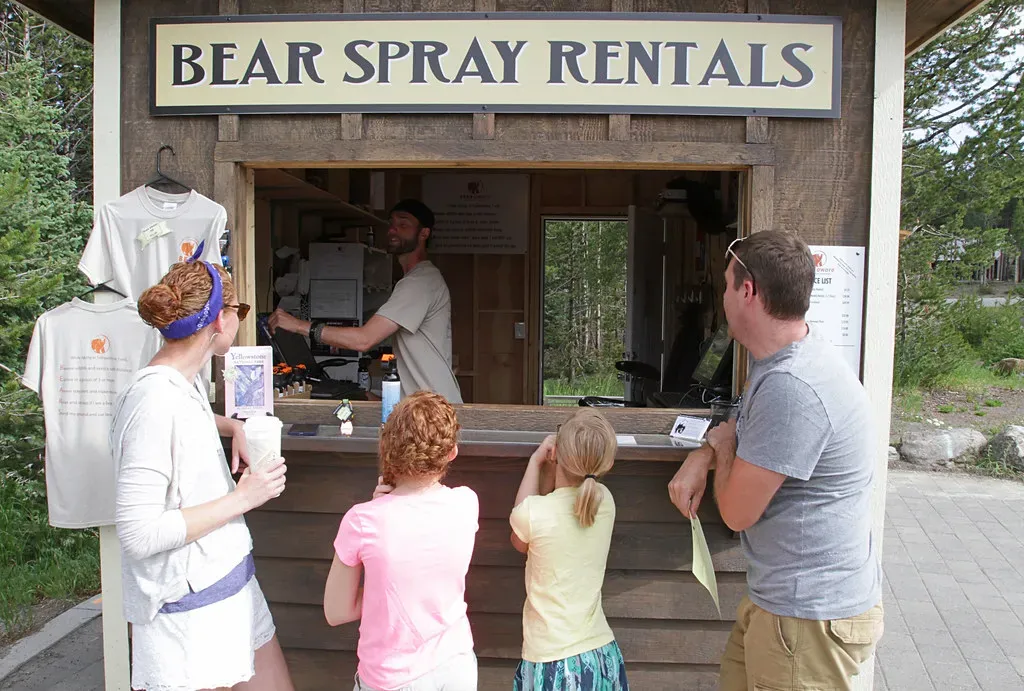
If you hike in grizzly country without bear spray, you are basically walking around without a fire extinguisher in a cabin full of candles. You hope nothing goes wrong, but you have given yourself fewer options if it does. The key is to carry your spray on your chest strap or hip belt where you can reach it instantly, not buried deep in your pack or hanging loose where you might drop it.
You should practice the motions in your mind: pull the canister out, remove the safety, aim slightly downward toward the bear’s face, and be ready to spray a cloud when the bear is within a few car lengths. Bear spray is not a magic force field; it is a powerful deterrent that creates a painful cloud for the bear to pass through. Used correctly, it has prevented many serious injuries, but its effectiveness depends on your timing, your aim, and your ability to stay focused when your adrenaline is screaming.
Bluff Charge vs. Real Charge: How to React When a Bear Runs at You
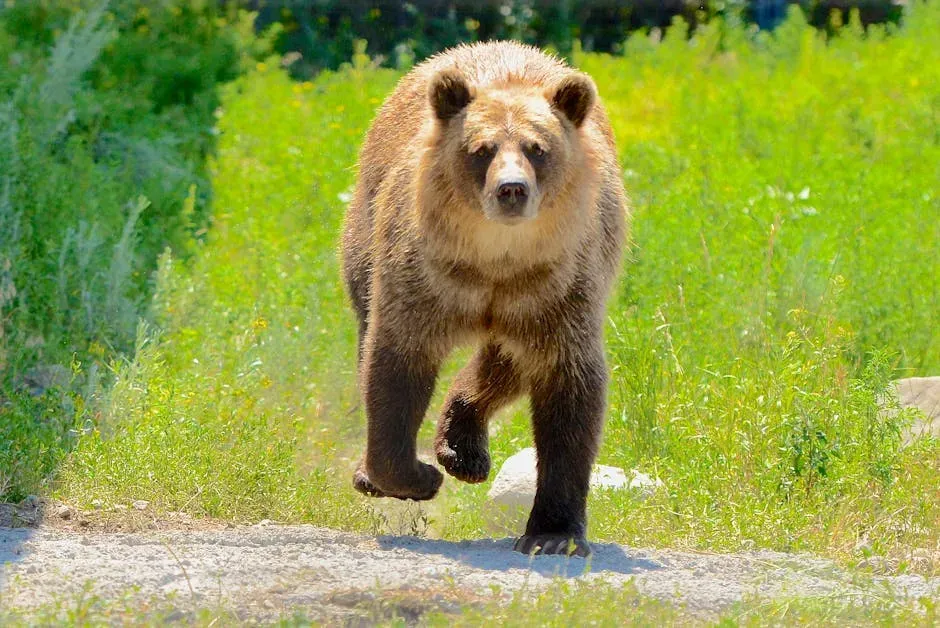
One of the most terrifying moments you can experience on a trail is a grizzly suddenly running toward you. Many of these charges are actually bluffs meant to scare you into leaving quickly. The bear may thunder toward you, then stop short, veer aside, or bounce around as it tries to intimidate you. Your job is to stand as firm as you can, avoid screaming or flailing, and be ready with your spray if it keeps coming.
A real attack charge, while rarer, can look more locked‑in and deliberate, with the bear coming straight at you without obvious hesitation. In that moment, you use your bear spray if it is within range, aiming for a cloud between you and the bear. If the bear makes contact despite that, how you respond next depends on whether it seems to be acting defensively or treating you like prey, but in any kind of charge, your first priority is not to turn and run.
When a Grizzly Makes Contact: Defensive vs. Predatory Attacks
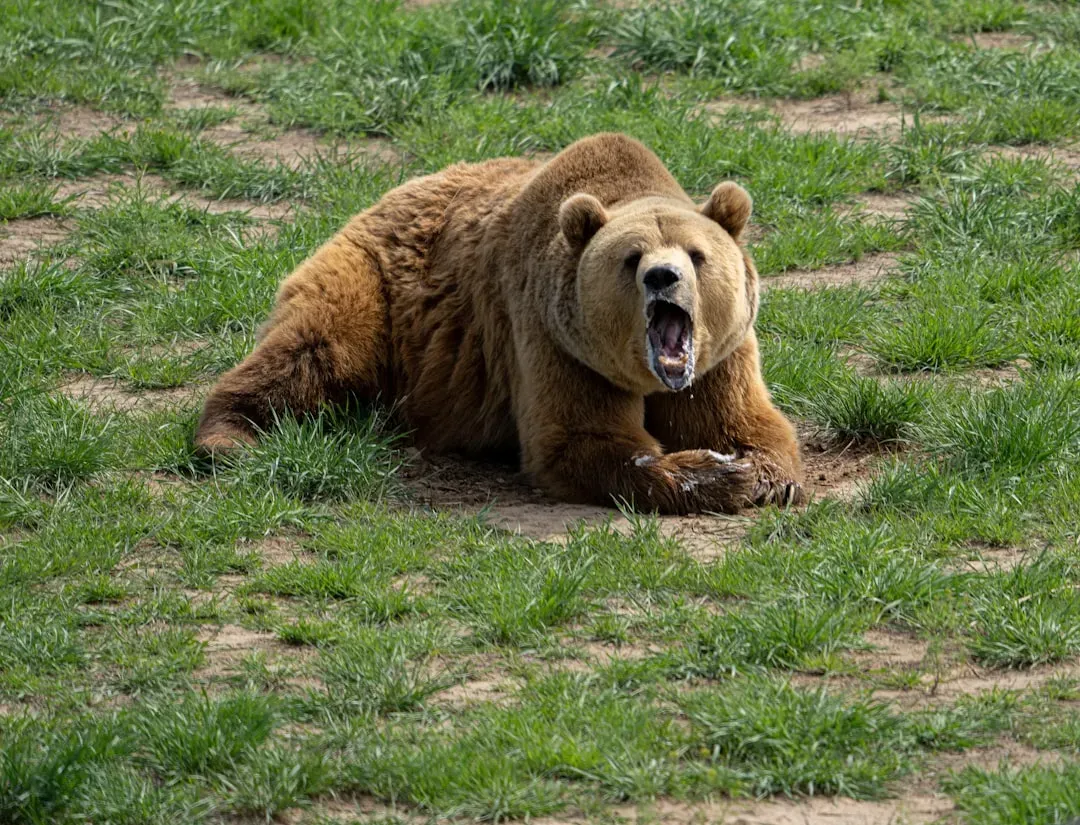
If a grizzly actually hits you, that is the nightmare scenario everyone imagines, but even then, what you do still matters a lot. Many grizzly attacks are defensive: the bear is surprised, guarding cubs, or protecting food, and its goal is to neutralize what it sees as a threat. In that kind of situation, playing dead can reduce the duration and severity of the attack, because you are signaling that you are no longer a danger.
To play dead effectively, you lie flat on your stomach, clasp your hands behind your neck, and spread your legs so the bear has a harder time flipping you. You stay as still and quiet as possible, even if the bear paws or bites at you briefly. If, however, the bear appears to be stalking you, following you over distance, or continuing to attack long after you are motionless, it may be acting in a more predatory way. In that rare but serious situation, you fight back with everything you have, aiming for the bear’s face and sensitive areas, because your passivity is not likely to stop it.
How to Hike Smarter in Grizzly Country So You Rarely Need Any of This
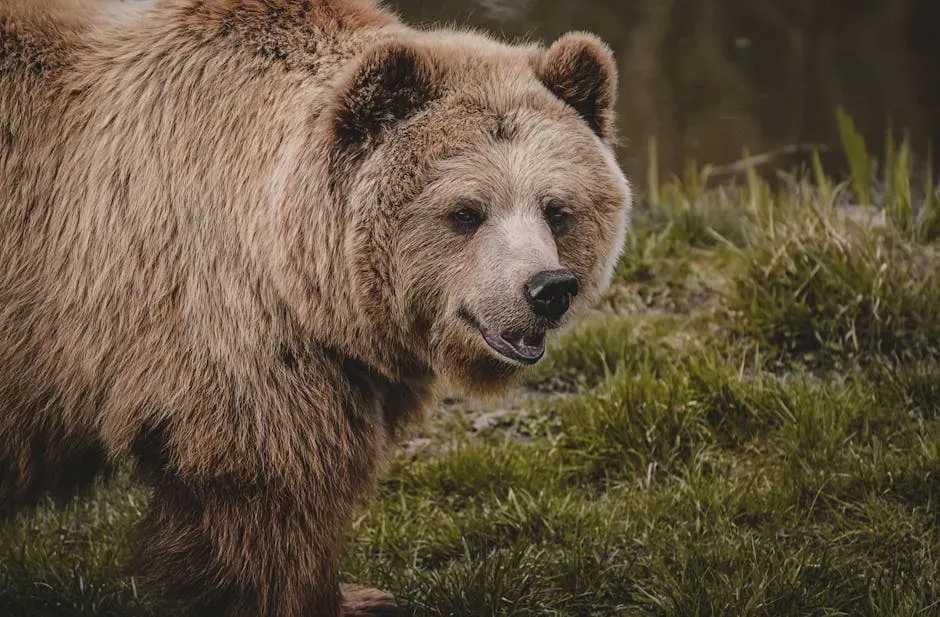
The most practical wisdom about grizzlies is that prevention beats reaction every single time. You choose your trails with awareness: look up which areas have frequent bear activity, avoid hiking at dawn and dusk when bears are especially active, and stay away from carcasses or strong animal smells that might signal a feeding site. If you see fresh tracks, large scat, or dug‑up ground, you treat those as serious signs you are in someone else’s kitchen.
You also manage your own behavior off the trail. Store your food properly at camp, follow local rules for bear canisters or hangs, and never leave packs unattended with snacks inside, even “just for a minute.” If you hike with dogs, keep them leashed; a loose dog can run off, find a bear, then bring it back to you in a panic. When you combine good preparation, loud and predictable movement, and respect for bear habitat, you dramatically cut the chances of ever needing to remember how to respond in a close encounter.
Conclusion: Fear Less, Respect More
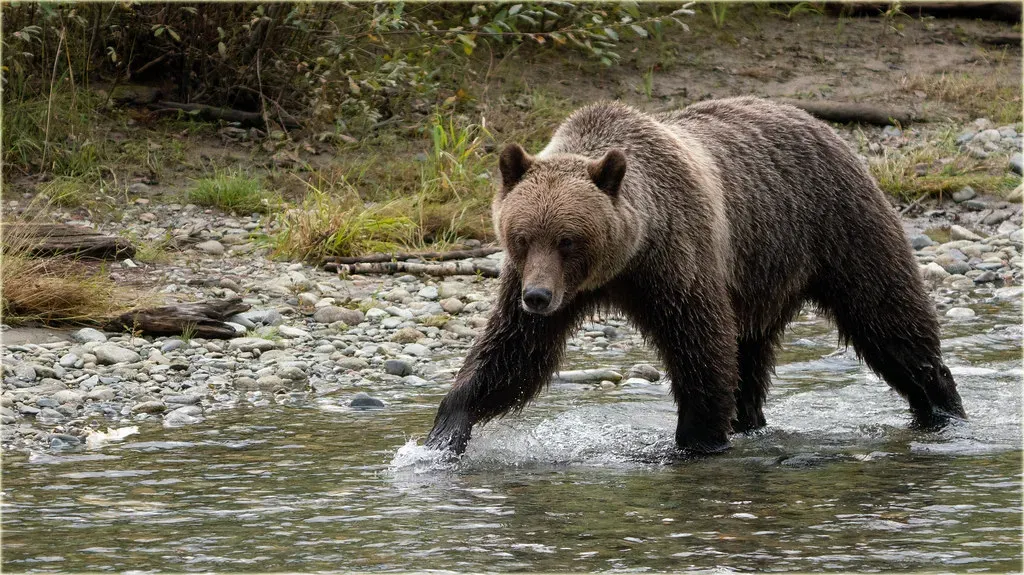
Encountering a grizzly on the trail is one of those moments that can rewrite how you see wild places forever. The point is not to turn you into a nervous wreck who never leaves the parking lot; it is to shift you from fear and guesswork to respect and preparation. When you understand that running, screaming, or trying to out‑climb a bear are instincts that work against you, you start to see how much safer you are when you act with knowledge instead of panic.
If you carry bear spray where you can actually reach it, make noise in the right places, read body language, and know when to stand your ground or play dead, you are no longer just hoping for luck. You are taking responsibility for your own safety in a wild landscape that was the bear’s home long before you arrived. So the next time you lace up your boots for grizzly country, will you trust your gut reactions, or will you trust what you now know?