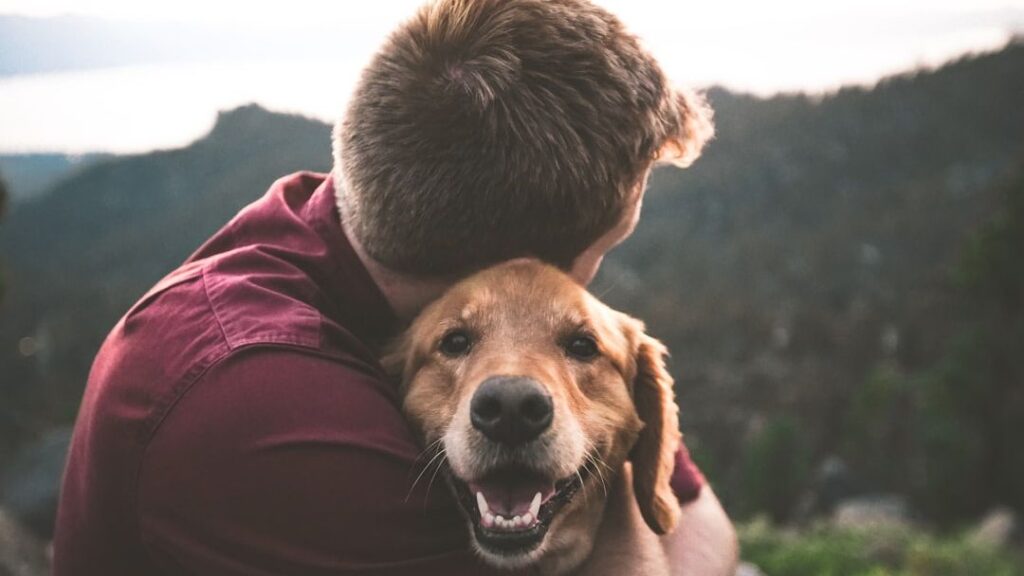
You probably already feel it: the longer your dog lives with you, the deeper and easier your bond seems to get. What used to be pure chaos and chewed-up shoes slowly turns into a quiet understanding, where a single glance or tiny movement from you makes your dog lift their head, wag their tail, or follow you from room to room. It is not just in your head; a growing body of research suggests that as dogs grow older in a stable, loving home, their emotional attachment to you tends to deepen rather than fade.
This does not mean every dog becomes clingy or anxious, and it certainly does not mean you are doing something wrong if your senior dog still acts pretty independent. It means that, on average, years of shared routines, repeated positive experiences, and mutual trust quietly carve out a powerful emotional connection. You become your dog’s most predictable and meaningful point of reference in a confusing world, and that steady presence reshapes how they feel, behave, and even how their brain responds to you over time.
The Science of Canine Attachment: Why Your Dog Treats You Like Family
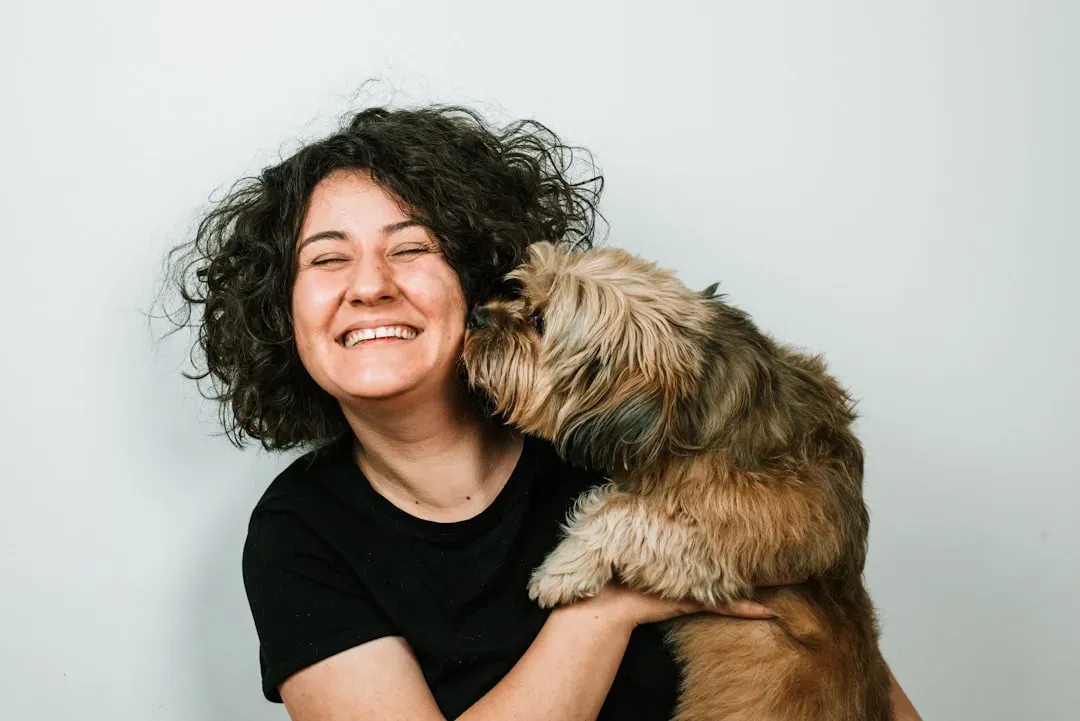
When you look at your dog gazing up at you, you might think you are just imagining the almost childlike affection in their eyes, but psychology and neuroscience say there is something very real going on. Studies using simple behavioral tests, where dogs can choose between exploring a room or seeking their owner, show that most dogs behave a lot like human toddlers in a strange place: they check in with their person, use them as a “secure base,” and feel safer when that person is nearby. As your dog ages beside you, this secure base effect tends to get stronger because your presence has been paired with safety, comfort, food, and relief from stress more times than you could ever count.
Inside your dog’s brain, this growing attachment shows up in measurable ways. Imaging studies have found that familiar human scents can activate reward-related areas in the canine brain more than unfamiliar people or even other dogs. Over the years, your smell, your voice, and your routines become powerful emotional cues that signal safety and reward. The more years you spend together, the more those neural pathways are rehearsed and reinforced, which is a big reason you sometimes feel like your dog is not just attached – they are emotionally invested in you on a deep, almost family-like level.
Age, Experience, and Trust: How Time Quietly Deepens Your Bond
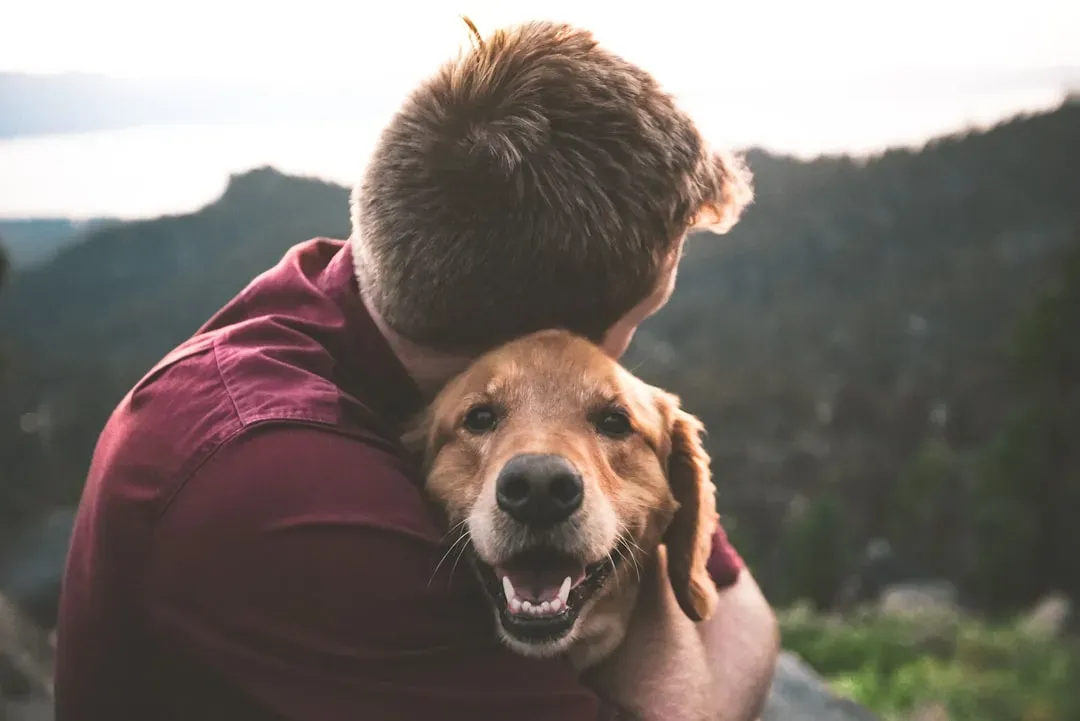
Think about your shared history with your dog: the first shaky walks, the messy training sessions, the moves, breakups, holidays, vet visits, and lazy Sunday mornings. Every one of those moments is a tiny data point your dog stores away, teaching them whether you are someone they can lean on. Over the years, you repeatedly show up with food, comfort, play, and relief from discomfort, and that consistency builds trust in a way that one-off big gestures never could. For many dogs, that long timeline of reliable care is exactly what turns basic attachment into something much deeper and more emotional as they age.
As your dog gets older, they also become more experienced at reading you. They learn how you sound when you are stressed, how you move when you are about to leave, and how your body shifts when you are settling down for a cuddle. All that pattern recognition gives them a kind of emotional roadmap to you, and it lets them predict your behavior with surprising accuracy. This predictability is incredibly comforting for an animal that cannot control most things around them, so their attachment often becomes less frantic and more quietly intense, like an old friendship that no longer needs constant reassurance.
From Hyper Puppy to Velcro Senior: How Attachment Style Can Shift Over Time
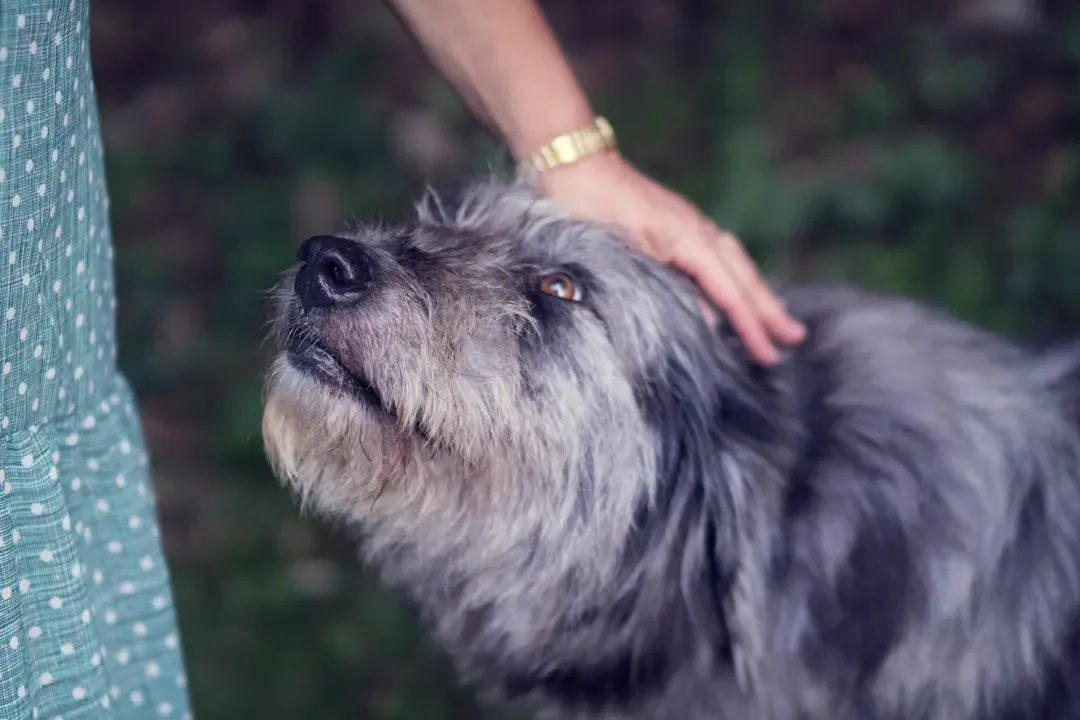
If you think back to puppyhood, your dog’s attention was probably scattered in a hundred directions at once: every sound was thrilling, every person was a potential friend, every leaf was worth investigating. Attachment was there, but it was layered under curiosity, fear, and raw energy. As dogs move through adolescence into adulthood and then senior years, their priorities naturally shift. They tend to spend less energy on nonstop exploration and more on staying close to what feels safe and meaningful – and that often means you.
Over time, this can look like your dog following you room to room, showing more interest in resting near you than running laps at the park, or seeking you out more quickly when something feels off. It does not necessarily mean your dog is becoming needy; it may simply mean your bond has matured. Just like humans who often feel more rooted in long-term relationships as they age, many dogs shift from wild, scattershot enthusiasm toward a calmer but stronger attachment, where your presence becomes the emotional anchor for their day.
Routines, Rituals, and the Power of Everyday Moments
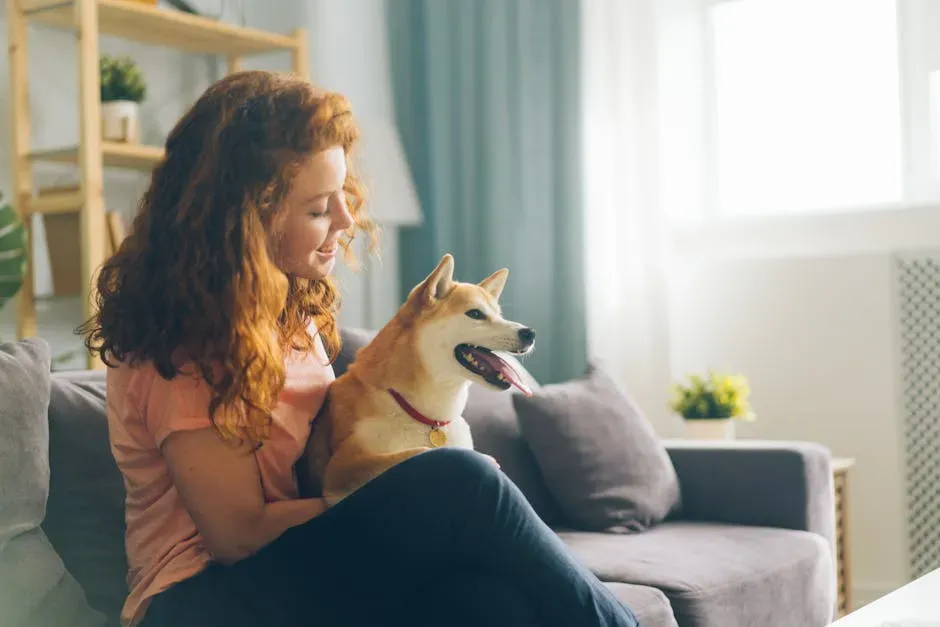
You might underestimate how much your daily rituals matter, but your dog definitely does not. That morning walk you sometimes rush through, the predictable sound of your keys, the little game you play before bed – those repeated patterns are like emotional scaffolding for your dog’s life. Over the years, those routines teach your dog that no matter how chaotic the outside world feels, certain good things reliably happen with you, at roughly the same times, in roughly the same ways. That predictability is one of the strongest building blocks of deep attachment.
As your dog ages, their tolerance for change often shrinks, and the emotional weight of these rituals grows. A familiar route, a certain blanket on the couch, your usual spot at the table – all of it reassures them that the core of their world is intact. Because you are the one delivering and participating in these rituals, your dog’s sense of safety becomes tightly tied to you. Over long stretches of time, this turns small moments – like saying goodnight or coming home from work – into powerful emotional signals that reinforce just how attached they feel.
Oxytocin, Touch, and Why Cuddling Hits Different as Years Go By
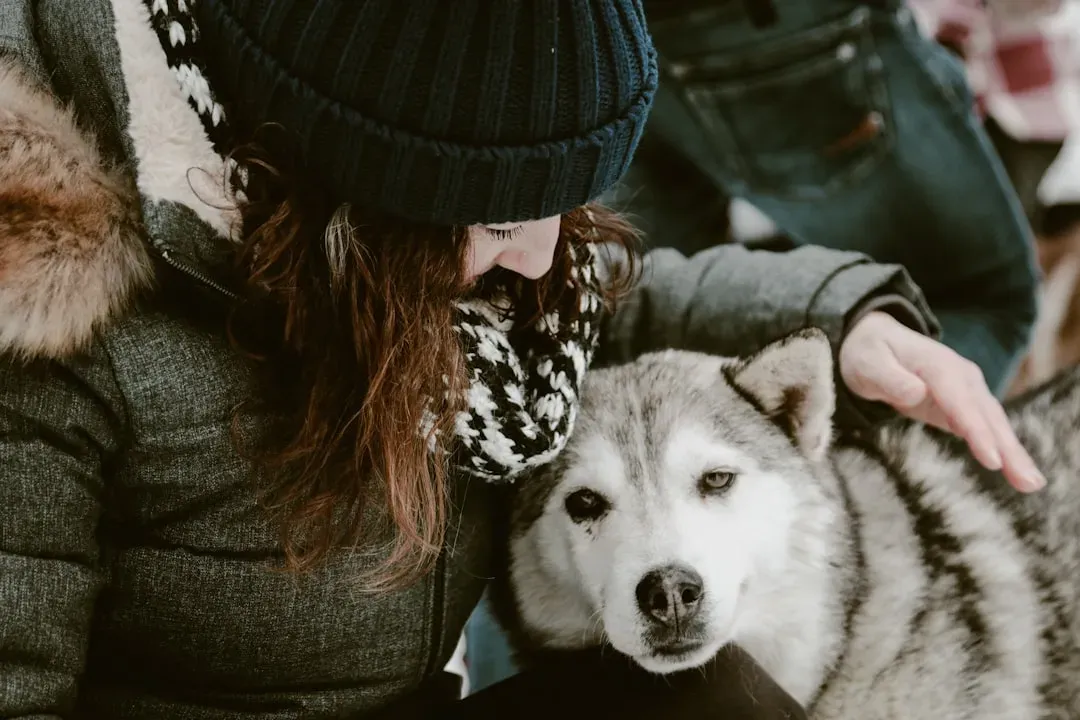
When you stroke your dog’s ears or rest your hand on their chest, there is more going on than simple comfort. Physical contact between humans and dogs is known to increase oxytocin, a hormone often linked to bonding and emotional warmth, in both species. What is especially important is that these effects are not one-off; your dog’s brain is learning, again and again, that your touch equals safety, relief, and pleasure. As years pass and you repeat this countless times, those cuddles become emotionally charged, not just physically soothing.
For many older dogs, touch actually seems to matter more than ever. Maybe their eyesight is not what it used to be, or loud noises startle them more, but the feeling of your hand becomes a stable signal that they can relax. When you curl up together on the couch, your dog is essentially bathing in a familiar chemical and emotional pattern that has been built over years. This is one big reason why senior dogs often seem especially attached to “their” person; your touch and presence are not just nice – they are deeply woven into how your dog calms themselves and feels safe.
Separation, Aging, and When Attachment Edges into Anxiety

As your dog grows more attached, you might see that closeness show up in ways that are sweet – like waiting by the door – or in ways that are a little worrying, like pacing when you leave or vocalizing more than they used to. In older dogs, especially, physical changes like hearing loss, cognitive decline, or pain can make the world feel more confusing and unpredictable. In that context, your absence can feel bigger and harder to handle, because you are their main guide and comfort. The stronger the bond, the more disorienting it can feel when that bond is temporarily out of reach.
That does not mean a deep attachment automatically leads to separation anxiety, but it does mean you need to keep an eye on how your dog copes as they age. If you notice new clinginess, restlessness, accidents in the house, or distress when you prepare to leave, it may be their way of saying the world feels different now. Supporting them with gentle departures, calm routines, enrichment toys, and, when needed, veterinary guidance can help them feel secure. You are not just dealing with “bad behavior”; you are helping a deeply attached animal navigate the emotional cost of depending so strongly on you.
Reading the Signs: How Your Dog Shows Their Growing Attachment
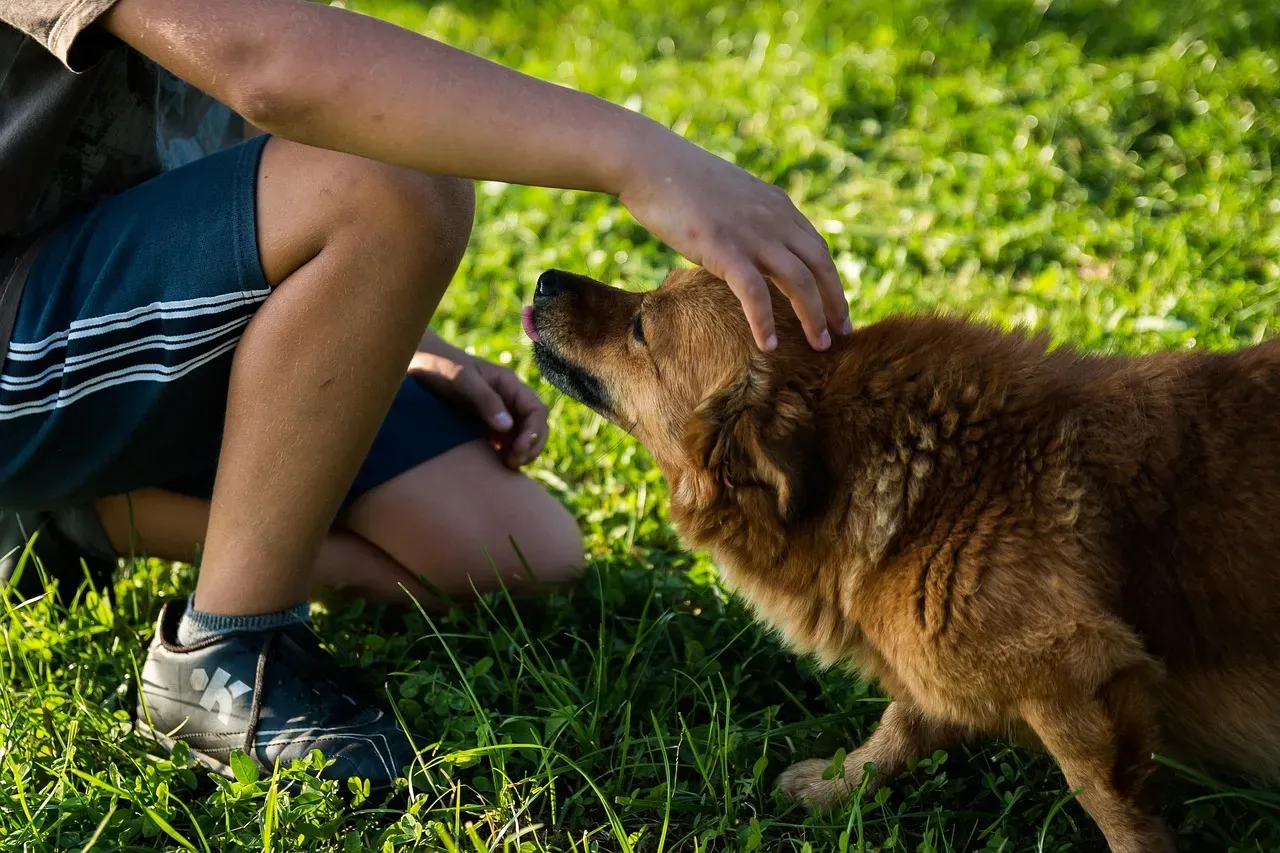
You might not realize how many little ways your dog is telling you they are emotionally glued to you. Maybe they do not go wild when you come home anymore, but they quietly follow you, settle where they can see you, or check in with a nose nudge throughout the day. They may sleep where your scent is strongest, look to you before reacting to a strange noise, or seem calmer in new places as long as you are there. These are all subtle signals that your presence is a stabilizing force that gets more important with time.
As the years add up, you might also notice that your dog cares less about being everyone’s best friend and more about their inner circle, with you at the center. They may greet strangers politely but return to your side quickly or lose interest if you are not involved. That narrowing of social focus is common in aging animals and humans alike, and in dogs it often highlights just how central you have become. When your dog chooses to be with you, over and over, even when more exciting options exist, that is attachment that has been carefully shaped by years of shared life.
How You Can Nurture a Healthy, Deep Attachment at Every Life Stage
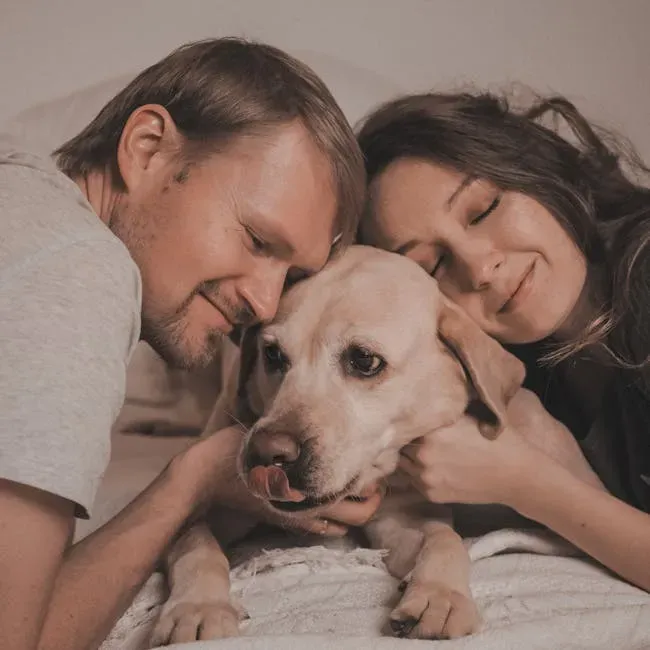
The beautiful thing about canine attachment is that you are not just a passive recipient of your dog’s love; you are actively shaping it every day. When your dog is young, responding consistently, using kind training methods, and making sure experiences are mostly positive lays the groundwork for healthy trust. As they move into adulthood, maintaining routines, providing mental and physical stimulation, and being emotionally stable around them help that trust harden into a secure bond rather than an anxious one.
With senior dogs, the work shifts slightly. You support their aging body and mind by adjusting exercise, making the home easier to navigate, adding more comfort, and being extra patient when they seem confused or slower. You also spend intentional time together, not just coexisting in the same space. Simple things like gentle brushing, slow sniff walks, and unhurried cuddles keep signaling that you are still here, still reliable, still their safe person. In a way, you are paying back years of unconditional loyalty by making sure their deepening attachment feels like a blessing, not a burden.
Conclusion: Growing Old Together Is the Quiet Miracle
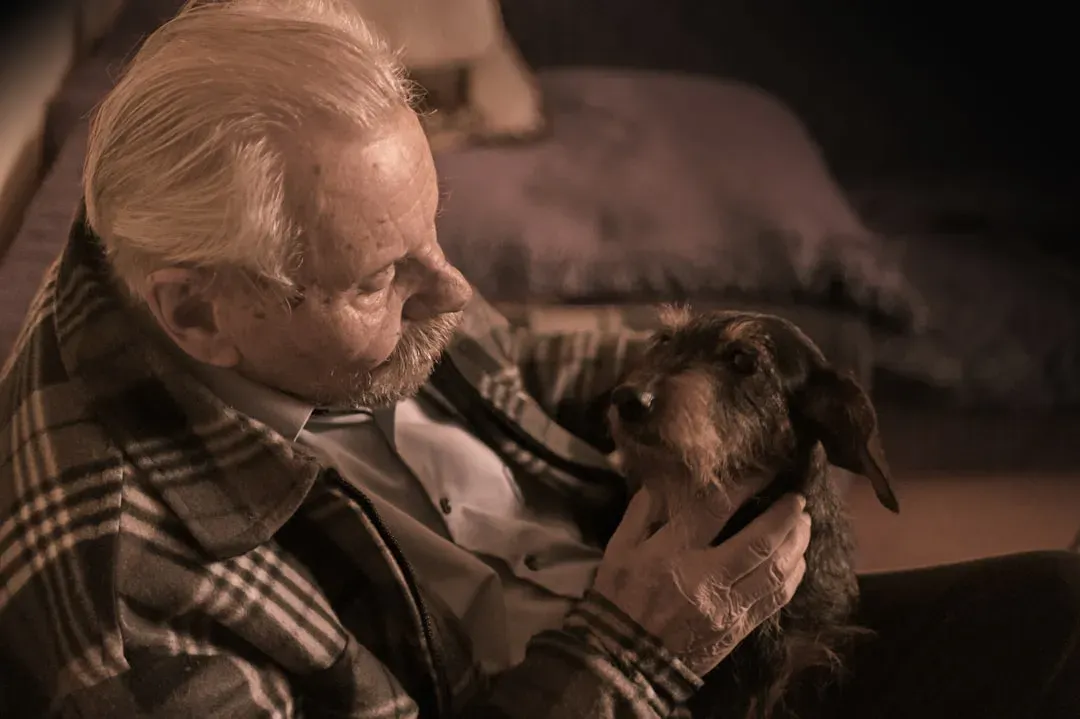
When you look at an old dog resting at their person’s feet, what you are really seeing is a lifetime of micro-moments layered into something powerful and quiet. Psychology and biology both point to the same truth: as your dog ages beside you, every shared routine, every reassuring touch, every time you show up when they are scared or in pain slowly deepens their emotional attachment. It is not dramatic or flashy, but it is profound – a kind of cross-species companionship that many people never experience with another human, let alone an animal.
The remarkable part is that you do not have to do anything extraordinary to earn this bond; you just have to keep being there, as consistently and kindly as you can, year after year. Your dog’s growing attachment is their way of saying that in a world full of noise and uncertainty, you are the one thing that makes steady sense. When you think about how rare that kind of trust really is, does it change how you see the gray hairs on their face and the way they quietly follow you from room to room?