You probably know your dog better than anyone else does, yet they still manage to surprise you with some truly bizarre habits. One minute they’re zooming around the living room like a furry missile, the next they’re spinning in circles before lying down, or staring at you while they poop as if you’re their personal security guard. It’s funny, endearing, and sometimes a little confusing.
Underneath all those weird quirks, though, there’s real science at work. Your dog’s odd behaviors are usually not random at all; they’re shaped by evolution, instincts, body language, and even subtle changes in their brain chemistry. When you understand the “why” behind these behaviors, you stop seeing them as random weirdness and start seeing them as your dog’s way of coping, communicating, and surviving in a human world.
1. Zoomies: Why Your Dog Suddenly Sprints Like a Maniac
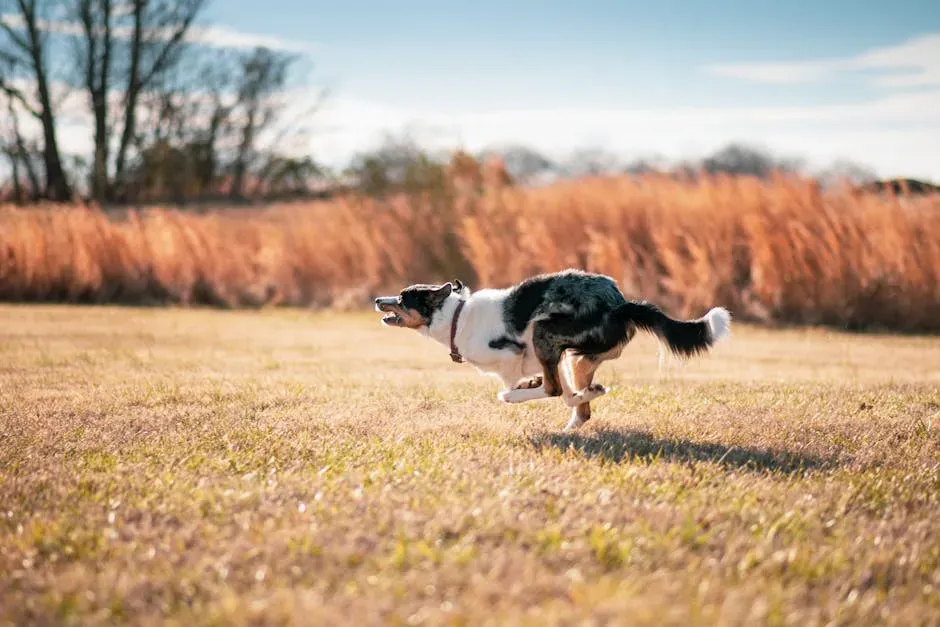
You know that moment when your dog suddenly rockets around the house or yard, doing wild loops and skids for no obvious reason? That’s called a Frenetic Random Activity Period, usually just called the zoomies. You’re basically watching your dog release a sudden burst of pent-up energy and stress, a bit like you needing to pace after sitting through a long, boring meeting. After a bath, a grooming session, or an exciting playtime, your dog’s nervous system can get revved up, and sprinting full speed is their way of hitting the reset button.
Physically, zoomies help your dog burn off excess energy and even regulate their arousal level, especially if they’ve been confined or overstimulated. You’ll notice they often happen at predictable times, like in the evening or after you come home from work, when excitement and built-up energy collide. As long as your dog is not slipping on hard floors or crashing into furniture, you don’t need to stop it – zoomies are normal and healthy. If they start happening constantly or look frantic, though, that can be a sign your dog needs more structured exercise and mental enrichment in daily life.
2. Spinning in Circles Before Lying Down

When your dog spins a couple of times before curling up to sleep, it might look like pointless fussing, but you’re actually seeing a behavior rooted in ancient survival instincts. Wild canids would circle to trample down grass, check for snakes or insects, and create a safer, more comfortable nest for resting. Even though your dog now has your plush couch or a memory foam bed, their brain is still wired to “set up camp” before they settle.
You also see spinning connected to anxiety or high arousal, especially in small or highly energetic breeds. If your dog does one or two calm turns, that’s normal bedtime prep. But if you notice endless circling, pacing, or difficulty lying down, you may be dealing with pain, joint issues, or obsessive tendencies. In that case, you’re not just watching a cute quirk – you’re seeing a potential red flag that deserves a vet check, especially as your dog gets older.
3. Staring at You While Pooping

It can feel a bit awkward when your dog locks eyes with you while they’re doing their business, but from your dog’s perspective, you’re playing a critical role. When your dog squats to poop, they’re in a vulnerable position: their ability to move fast is reduced, and they’re focused on one job. Instinctively, they’re relying on you, their trusted “pack member,” to act as lookout and keep them safe while they’re exposed. That intense stare is basically your dog asking, “You’ve got my back, right?”
There’s also a subtle communication element here. Your dog may be checking in with you to read your body language, especially if you tend to react strongly during walks. If you always sound annoyed, rush them, or yank the leash while they’re going, they can start to associate bathroom time with tension. When you stay relaxed and calm, you help your dog feel safer and more confident, which can even reduce issues like refusing to potty on walks or only going in super secluded spots.
4. Eating Grass Even When They’re Not Sick
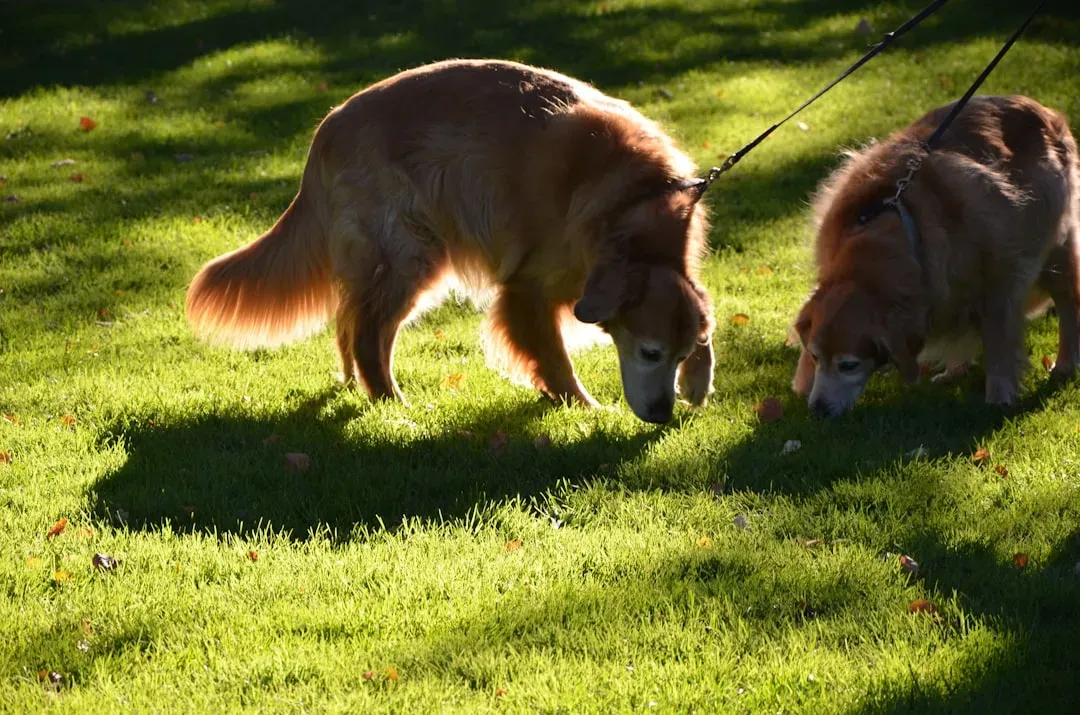
Watching your dog casually nibble grass like a tiny cow can be confusing, especially if they’re not throwing up afterward. You might assume it always means your dog is sick, but the science suggests something more nuanced. Some dogs do eat grass to self-induce vomiting when they feel nauseous, but many dogs simply seem to enjoy the taste or texture, or they use it to add a little roughage to their diet. You’re seeing a behavior that may be a leftover from wild ancestors, who ate whole prey – stomach contents and plant matter included.
As long as your dog is otherwise healthy, not obsessively grazing, and the grass is not treated with chemicals, you typically don’t need to panic. However, if you notice your dog suddenly eating a lot more grass, acting lethargic, or vomiting frequently, that’s a different story. At that point, it’s smart to treat the grass eating as a symptom and talk to your vet about possible stomach irritation, parasites, or food sensitivities. Your dog may be trying to tell you their gut is unhappy long before you see anything else obvious.
5. Humping Things (and Sometimes People)
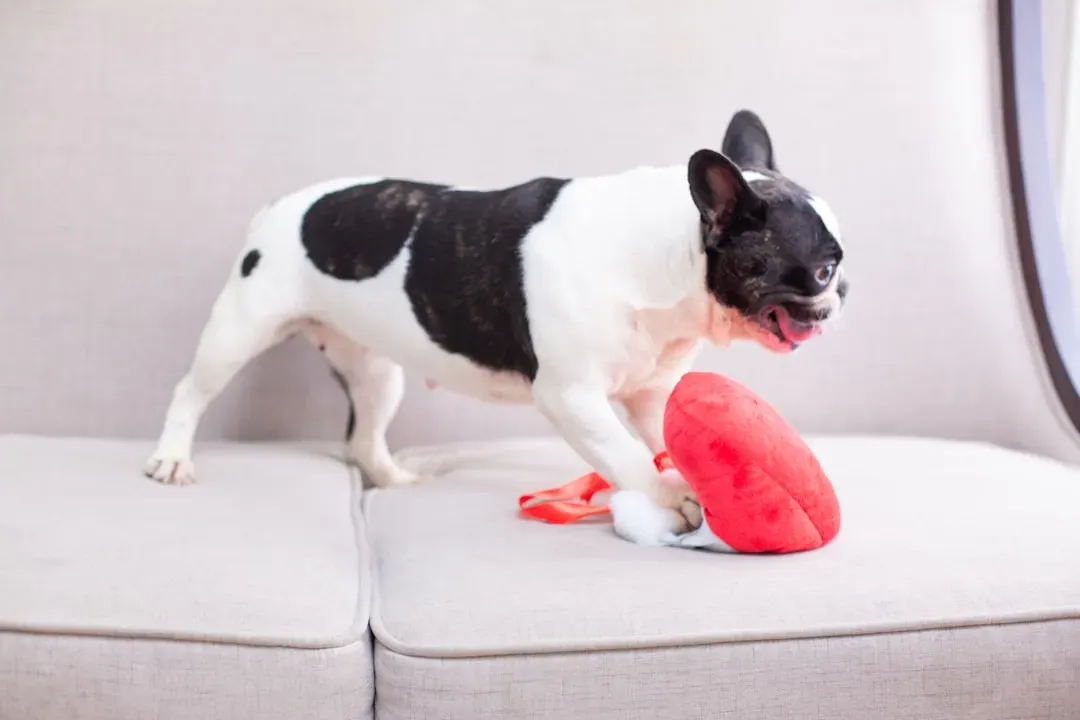
When your dog starts humping a pillow, another dog, or worse, your guest’s leg, it’s easy to assume it’s always sexual. In reality, humping in pet dogs often has more to do with arousal, stress, habit, or social communication than mating. You might notice your dog mounting during intense play, when visitors arrive, or when they’re overexcited and not sure what to do with all that energy. In those moments, humping can function like a pressure release valve for the nervous system.
Of course, intact dogs may also hump for hormonal reasons, but even neutered or spayed dogs do it, which tells you there’s more going on than just sex drive. If the behavior is occasional and easily redirected, you don’t need to be alarmed. But if your dog humps compulsively, gets snappy when interrupted, or seems unable to calm down, that points to anxiety, frustration, or a lack of mental and physical outlets. In that case, you can help by giving clearer structure, teaching incompatible behaviors like “sit” or “go to bed,” and making sure your dog’s daily routine properly challenges both their body and brain.
6. Sniffing Other Dogs’ Butts So Intently
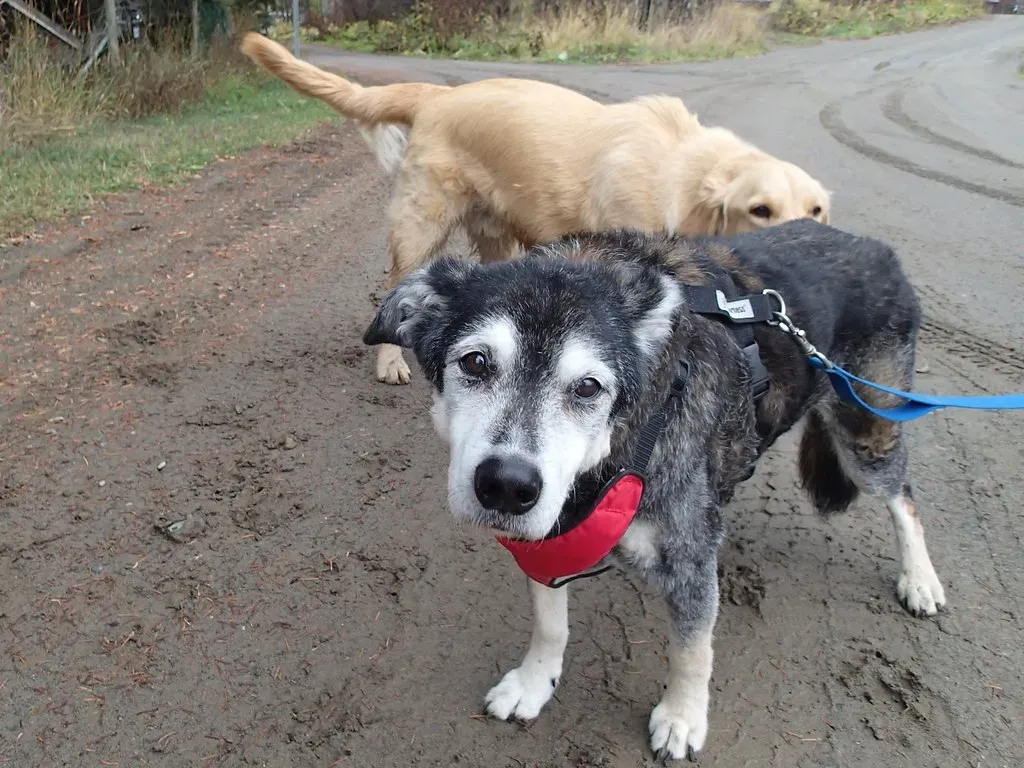
When your dog goes straight for another dog’s rear end, it might feel embarrassing, but from your dog’s perspective it’s completely normal and very efficient. Your dog’s sense of smell is wildly more powerful than yours, and the anal glands around the anus release a cocktail of chemicals that carry detailed information. In just a few sniffs, your dog can gather data about the other dog’s sex, health, stress level, and even what they’ve been eating. It’s like you scrolling someone’s entire social media profile in five seconds.
When you yank your dog away every time they try to sniff, you’re basically cutting off their version of a handshake and introduction. That said, you still need to watch body language on both sides: stiff posture, hard staring, or a frozen tail can mean tension and a risk of conflict. The sweet spot is allowing brief, polite sniffing while keeping the leashes loose, staying calm, and moving the dogs apart calmly if one seems overwhelmed. You give your dog essential social information while still protecting everyone’s safety.
7. Rolling in Disgusting Smells
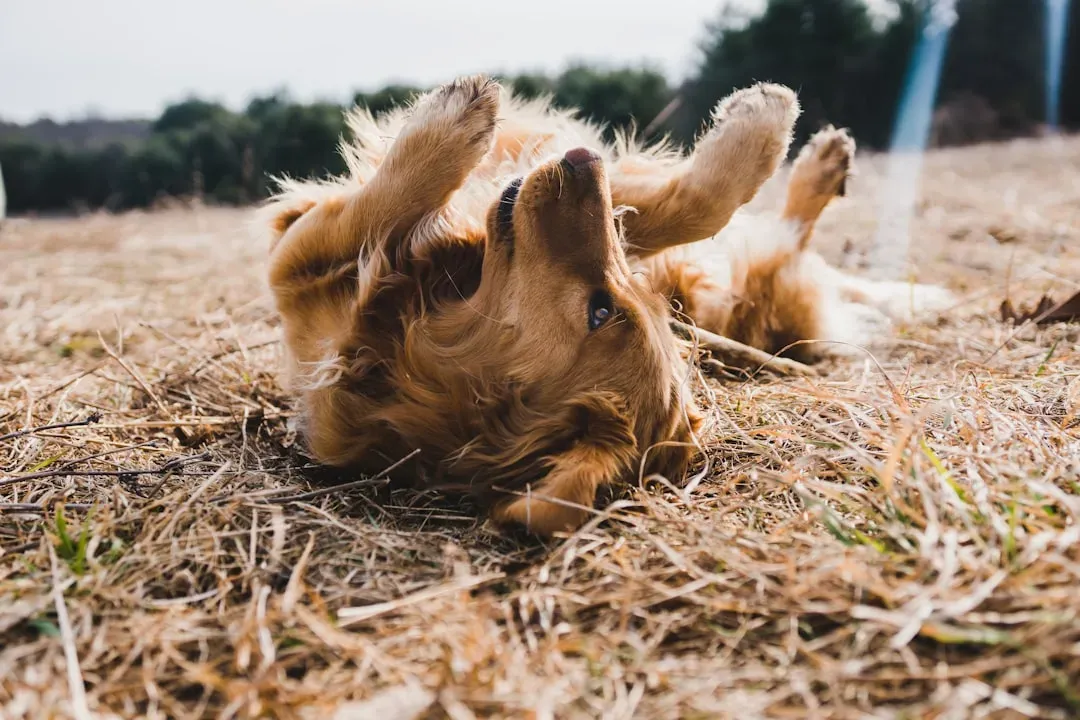
Nothing tests your love for your dog quite like the moment they happily roll in something dead, rotten, or just plain unidentifiable. As gross as it is to you, there’s likely a strong evolutionary reason behind it. One theory is that by rolling in strong odors, your dog is masking their own scent, which would have helped wild ancestors avoid detection by prey or predators. Another idea is that they’re bringing the interesting smell back to the group, almost like saying, “You won’t believe what I found out there.”
On a sensory level, your dog experiences the world primarily through scent, so what smells revolting to you might be thrilling and complex to them. You’re basically watching the dog version of someone diving into a plate of their favorite comfort food. The practical takeaway for you is straightforward, though: keep up with recall training and teach a strong “leave it” so you can stop the behavior before it happens. If your dog seems especially drawn to foul smells, regular leash walks in higher-traffic or more controlled areas can reduce opportunities for your furry connoisseur of stink to find their next “perfume.”
8. Tilting Their Head When You Talk

That adorable head tilt your dog does when you talk is one of those behaviors that feels almost human, and it probably reflects some real mental processing on your dog’s part. Dogs appear to tilt their heads to get a clearer sense of where a sound is coming from, especially when they’re trying to distinguish familiar words or emotional tones. By adjusting the position of their ears, they may be fine-tuning how sound reaches each ear, which helps them interpret what you’re saying or how you feel.
There’s also a visual component: some dogs may tilt their head to see your face more clearly, especially if their muzzle or fur partially blocks their view straight on. You might notice the head tilt more when you say words your dog recognizes, like “walk” or “ball,” which suggests they’re really trying to understand you, not just posing for cute photos. If the tilt becomes constant, lopsided, or shows up with other symptoms like stumbling or eye flicking, that’s no longer a harmless quirk – then you might be seeing an ear infection or neurological issue and it’s time to see your vet.
9. Sleeping on Your Clothes or Shoes

When your dog curls up on your dirty laundry or rests their head on your shoes, you’re seeing just how much your scent matters to them. Your smell is like a safety blanket: it carries information about where you’ve been and signals comfort, predictability, and belonging. To your dog, your worn T-shirt might feel like the closest thing to you being physically present, especially when you’re away or they’re feeling insecure.
There’s also a territorial angle to this behavior. By lying on your belongings, your dog is essentially claiming that space as part of your shared “den,” which can be calming. You don’t usually need to stop it unless your dog starts chewing or ingesting fabric, which can lead to dangerous blockages. If you lean into this instinct, you can even use your scent strategically – leaving a worn shirt in your dog’s bed when you travel can ease separation anxiety and make them feel like part of you is still with them.
10. Barking or Growling in Their Sleep

When your dog twitches, whimpers, or lets out soft barks while asleep, it can be tempting to assume they’re having a nightmare. What you’re most likely seeing is your dog moving through different sleep stages, including rapid eye movement sleep, when dreaming occurs. During these phases, the brain is very active, replaying memories, processing experiences, and even rehearsing responses to future situations. Your dog might literally be “reliving” a chase at the park or a tense moment at the vet.
Because muscles relax but don’t fully shut down, those dream sequences can leak out as twitches, tail flicks, and tiny vocalizations. As long as your dog is breathing normally and settles back into stillness, you don’t need to wake them; just let their brain do its housekeeping. If you ever notice rigid limbs, prolonged stiffening, or unresponsiveness that lasts more than a short moment, that can cross into seizure territory and needs veterinary attention. Otherwise, you can think of those sleepy sounds as proof that your dog’s inner world is rich, emotional, and constantly shaping how they act when they’re awake with you.
Conclusion: Seeing Your Dog’s Weirdness in a New Light

Once you understand the science behind your dog’s weirder habits, those confusing moments start to feel less random and more like a secret language. Every zoomie session, grass nibble, or gross rolling adventure has roots in survival instincts, sensory needs, and emotional coping strategies. Instead of just reacting with frustration or embarrassment, you can step back and ask what your dog might be trying to release, explore, or communicate in that moment.
When you look at your dog this way, you stop seeing them as misbehaving and start seeing them as doing the best they can with the brain and instincts they were given. You become a better partner: you provide safer outlets, clearer signals, and more empathy for a creature wired very differently from you, but deeply bonded to you. The next time your dog does something bizarre, you can smile and ask yourself: now that you know the science, what might they really be saying to you?