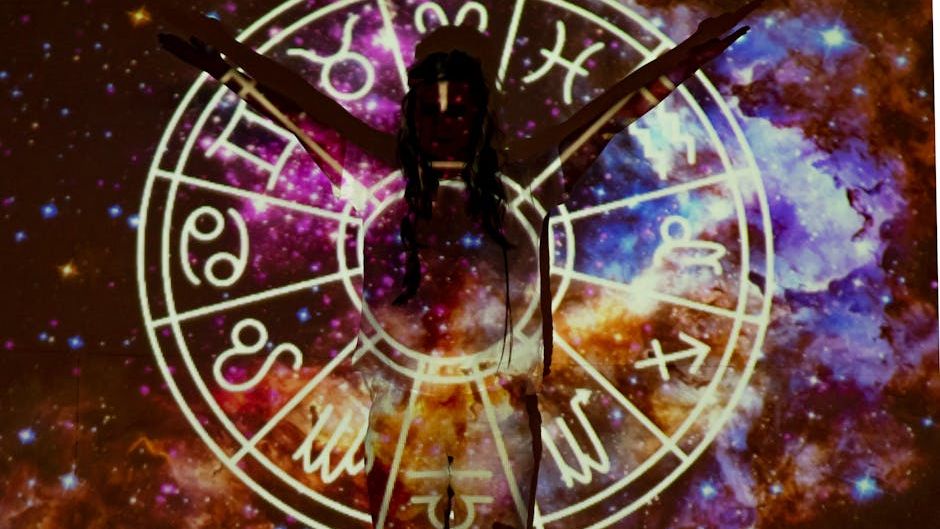
Ask a group of friends whether they believe in astrology, and you’ll often get a playful mix of eye rolls, guilty smiles, and passionate defenses. Even people who say they do not really believe in horoscopes still know their sign, know their partner’s sign, and have strong opinions about which signs they “just don’t vibe with.” That alone is already a psychological mystery: if so many of us are skeptical, why do zodiac signs still feel so strangely personal and accurate?
Psychology does not need the stars to move in order to explain why zodiac signs move us. Instead, it points to deep human needs: the need to feel understood, to belong, to predict the future just a little, and to make sense of our messy, complicated personalities. When you look at zodiac culture through the lens of cognitive biases, social identity, and emotion, you start to see that astrology is less about the planets and more about the people reading them.
The Power Of Feeling “Seen”: Why Zodiac Descriptions Hit Home
One of the most striking psychological reasons we latch onto zodiac signs is the emotional rush of feeling seen. When you read a description that says your sign is sensitive but strong, independent yet deeply loyal, it can feel like someone peeked into your private life and took notes. That feeling is powerful because so much of our inner world stays unspoken and unvalidated in everyday life. A zodiac description steps in and offers instant recognition in a way many people rarely experience elsewhere.
Psychologists know that humans crave coherent stories about themselves. We are constantly asking, often silently, questions like: Who am I? Why am I like this? Why do I react that way in relationships? Zodiac profiles offer tidy answers in a chaotic world. Even if those answers are vague, they give us a narrative structure: this is my sign, these are my traits, this is my path. It’s like getting a ready-made character sheet for the role you’re playing in your own life, and that can feel strangely comforting.
The Barnum Effect: How Vague Statements Feel Uncannily Accurate
There is a classic psychological phenomenon that explains a lot of astrology’s stickiness: the Barnum effect. This is the tendency for people to rate very general, vague statements as highly accurate descriptions of themselves, especially if the statements are flattering or slightly mysterious. Things like “you sometimes doubt whether you’ve made the right choices” or “you value honesty but can be cautious about who you trust” apply to nearly everyone, yet they feel tailored when framed as personal insight.
Astrology leans heavily on this effect, often unintentionally. Zodiac descriptions mix broadly human traits with just enough specificity to sound personal. Because we are primed to notice and remember the parts that resonate, we overlook details that do not fit. In practice, our brains do a lot of quiet editing: we underline the hits and mentally cross out the misses. The result is an illusion of uncanny precision, when in reality we are mostly responding to universal human themes dressed up in cosmic language.
Pattern-Seeking Brains: We Hate Randomness And Love Meaning

Human brains are pattern-detecting machines. We are wired to look for connections, even when events are random. This tendency once helped us survive: noticing patterns in weather, food sources, or threats could mean the difference between life and death. Today, that same wiring makes us extremely sensitive to coincidences, synchronicities, and any system that claims to reveal a hidden order behind everyday events. Astrology is one of those systems, offering patterns where life otherwise feels chaotic.
When something happens that matches our zodiac expectations, like a big emotional outburst during a supposed “full moon drama” phase, it feels meaningful. We connect the dots and say, of course that happened, that’s so my sign. When things do not match, we let them slide or explain them away. Over time, the hits accumulate in our memory, the misses fade into the background, and the pattern feels more and more real. It’s not that the stars are secretly writing our script; it is that our pattern-hungry minds are constantly stitching loose threads into a story.
Identity And Belonging: Zodiac Signs As Modern Tribes

Psychology has long shown that we build identity through the groups we belong to: families, teams, fandoms, subcultures. Zodiac signs function like mini tribes. Saying “I’m a Leo” or “I’m such a Virgo” places you into a recognizable category with shared stereotypes, memes, and in-jokes. This is especially visible online, where astrology content creates an entire ecosystem of sign-based humor, advice, and storytelling that people rally around. It becomes less about belief in the planets and more about belonging to a playful identity group.
Social identity theory suggests we get a self-esteem boost from the groups we identify with. If your sign is framed as creative, passionate, or resilient, you get to claim those traits as part of your group’s “brand.” Even mild rivalry between signs fuels engagement: fire signs versus water signs, earth signs rolling their eyes at air signs. It is similar to supporting a sports team or favorite music artist, but with a twist: the team you support is supposedly written in the sky on your birthday, which makes it feel both accidental and deeply personal.
Self-Exploration And Reflection: Astrology As A Personality Mirror
Even people who do not literally believe in astrology often use it as a tool for self-reflection. Reading about your sign can prompt questions like: Am I actually like this? Where am I different? What do I want to change? In that sense, zodiac signs act like a personality questionnaire without the clinical language. They give you a starting point to think about traits such as assertiveness, sensitivity, practicality, or spontaneity in a more playful, less intimidating format.
Psychologically, anything that encourages introspection can shape how we grow. If a description of your sign nudges you to notice that you avoid conflict or overthink decisions, that awareness can lead to small changes, regardless of whether you attribute those tendencies to the stars. In a way, the content of astrology matters less than the conversations it sparks – internally with yourself, and externally with friends and partners. It becomes a mirror, slightly distorted, that still reveals something true when you look into it long enough.
Control, Uncertainty, And The Comfort Of Cosmic Explanations
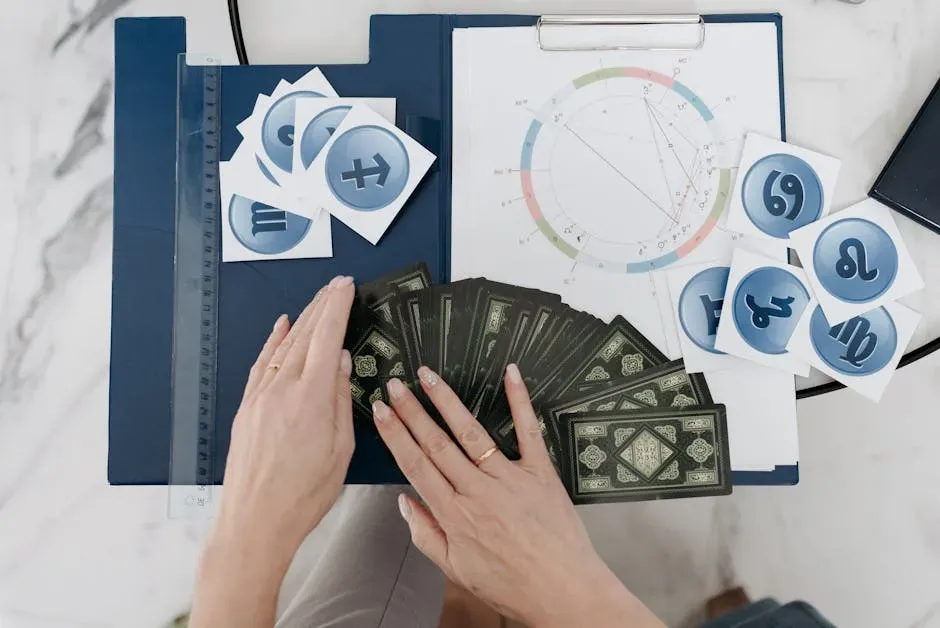
Life in the twenty-first century is full of uncertainty, from global crises to personal relationships that can change overnight. Psychological research shows that when people feel less control, they often turn toward systems that offer explanation and prediction. Astrology promises patterns and cycles: seasons of love, luck, challenge, or transformation. It suggests that there is a rhythm to your experiences, even if that rhythm is invisible. That sense of order can be calming in a world that often feels random and unfair.
Believing, even lightly, that “Mercury retrograde” might be behind communication breakdowns is sometimes easier than sitting with the uncomfortable truth that misunderstandings happen constantly and for complicated reasons. It is not that astrology magically fixes anything, but it offers a narrative that makes difficulties feel less personal and less arbitrary. Psychologically, that is soothing. It shifts the story from I am failing to I am going through a phase, and phases, by definition, eventually end.
Social Glue: How Zodiac Talk Makes Connection Easy

Astrology thrives in social spaces because it makes conversation easier. Asking someone their sign is a low-stakes question that can lead to funny stories, shared traits, and playful teasing. In a world where many people feel socially anxious or disconnected, zodiac talk acts like ready-made icebreakers. You do not need deep knowledge; you only need a rough picture of which sign is supposed to be fiery, grounded, emotional, or mysterious. That shared pop culture script smooths over awkwardness.
From a psychological standpoint, small talk that feels meaningful is incredibly valuable. Instead of talking about the weather, you can talk about identity, compatibility, and personal quirks – but under the safe umbrella of “just astrology.” You can reveal pieces of your personality without sounding like you are oversharing. Over time, those light conversations build real intimacy. It is ironic, but very human, that something many people claim not to take seriously can quietly help them feel closer to others.
Romance, Compatibility, And The Stories We Tell About Love

Few areas of life are as emotionally loaded as love, and astrology leans into that vulnerability with stories about compatibility. The idea that certain signs “go together” and others clash gives people a narrative framework for making sense of their romantic ups and downs. If a relationship goes badly, it can be emotionally easier to say our signs were never compatible than to unpack all the painful details of what actually happened. That does not make astrology the cause of the breakup; it makes it a convenient script afterward.
Psychologically, we are always looking for patterns in love: why do I keep choosing this type of person, why did this feel different, why did this hurt more? Zodiac compatibility offers simple answers where reality is messy. It also gives people a playful way to screen potential partners or flirt. Joking about whether your signs match does not determine the relationship, but it adds a fun, mildly mystical layer to dating. Even if the planets are not driving attraction, the stories we tell about the planets can shape how we talk about – and remember – our relationships.
The Role Of Culture, Trends, And The Internet
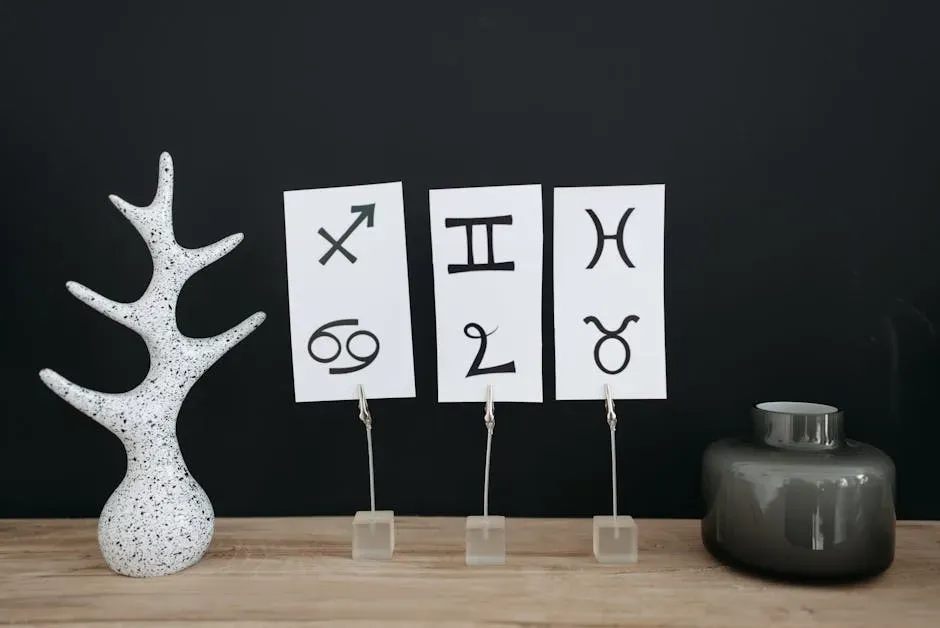
Astrology in 2026 is as much a cultural phenomenon as a spiritual one. On social media, zodiac memes, reels, and short videos circulate constantly, turning signs into characters in a never-ending sketch show. This repetition matters. When you see your sign portrayed as the dramatic one, the organized one, or the chaotic one over and over, it nudges you toward identifying with that image, or at least reacting to it. The internet turns what used to be newspaper horoscopes into a global conversation, updated in real time.
From a psychological view, that online presence reinforces identification. Your sign becomes part of your digital identity: in bios, usernames, aesthetic choices, and the content you share. You might not wake up thinking about planetary positions, but you do interact daily with media that puts your sign front and center. Over time, that repetition blends into how you see yourself, the same way being part of a fandom or niche community reshapes how you think and talk. Astrology, in this sense, is less a solitary belief and more a shared, ongoing performance.
Confirmation Bias: Why We Remember The “Right” Predictions

Another big psychological player in astrology’s appeal is confirmation bias, our tendency to notice, remember, and give more weight to information that confirms what we already believe. If you walk into a week expecting your horoscope to bring emotional intensity, you are more likely to notice every tense conversation and interpret it as proof that the prediction was right. Meanwhile, all the calm, ordinary moments drift by without making much of an impression.
Over time, this bias builds a personal case file in our minds: all the times astrology seemed eerily accurate appear front and center, while the many misses get quietly archived or rationalized away. This is not dishonesty; it is simply how human memory and attention work. We like coherence. We like our expectations to be fulfilled. So when the world lines up with a zodiac forecast, it feels meaningful, and when it does not, we are very good at shrugging it off. That lopsided record-keeping keeps the belief – or at least the interest – alive.
Self-Fulfilling Prophecies: Becoming The Sign You Think You Are
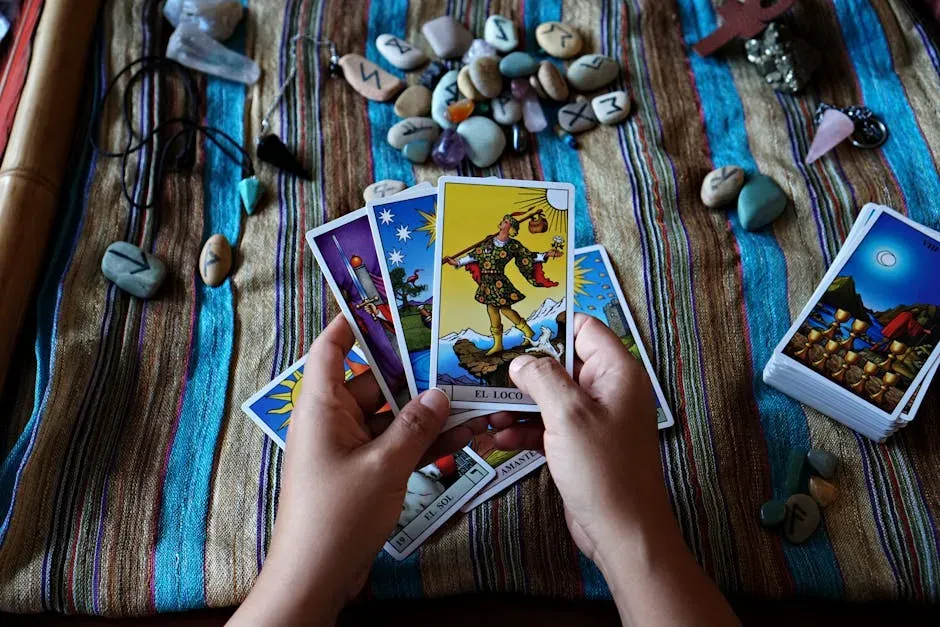
Beliefs about ourselves do not just describe reality, they can shape it. Psychologists call this a self-fulfilling prophecy: when you expect something to be true and then act in ways that help bring it about. If you grow up hearing that your sign is bold and outspoken, you might push yourself to act more confidently in social situations. Over time, those repeated choices make you genuinely more outgoing, and you then look back and say, that is just my sign. The symbol becomes a script, and you step into the role.
This can happen in subtler ways too. If your sign is labeled as conflict-avoidant, you might lean into withdrawal, telling yourself that confrontation simply is not “you.” If you are called impulsive, you might excuse risky decisions instead of examining them. In both cases, the label gives you a lens for interpreting your behavior and a justification for repeating it. Astrology, in that sense, can function a bit like any other identity label: it can empower you to grow, or it can box you in, depending on how rigidly you hold it.
Where Psychology Draws The Line: Comforting Stories Versus Proven Science

From a scientific standpoint, astrology does not hold up as a reliable predictor of personality, fate, or compatibility. Rigorous studies comparing birth charts to actual traits and life outcomes have not found strong, consistent evidence that the position of the stars at your birth determines who you are. Psychology, as a field, generally treats astrology as a belief system and cultural practice rather than a valid diagnostic tool. That might sound harsh, but it is an important distinction if we care about what is actually testable and repeatable.
Yet dismissing astrology entirely misses something important: it clearly does something for people. It comforts, entertains, encourages reflection, and creates community. The psychological challenge is to hold both truths at once. On one hand, there is no good evidence that the universe is tailoring your life events according to your sign. On the other hand, it is absolutely true that the stories you tell yourself – astrological or otherwise – can deeply influence how you feel, how you act, and how you relate to others. The danger is not in reading your horoscope; it is in mistaking a poetic metaphor for hard data.
Conclusion: The Stars Are A Mirror, Not A Map
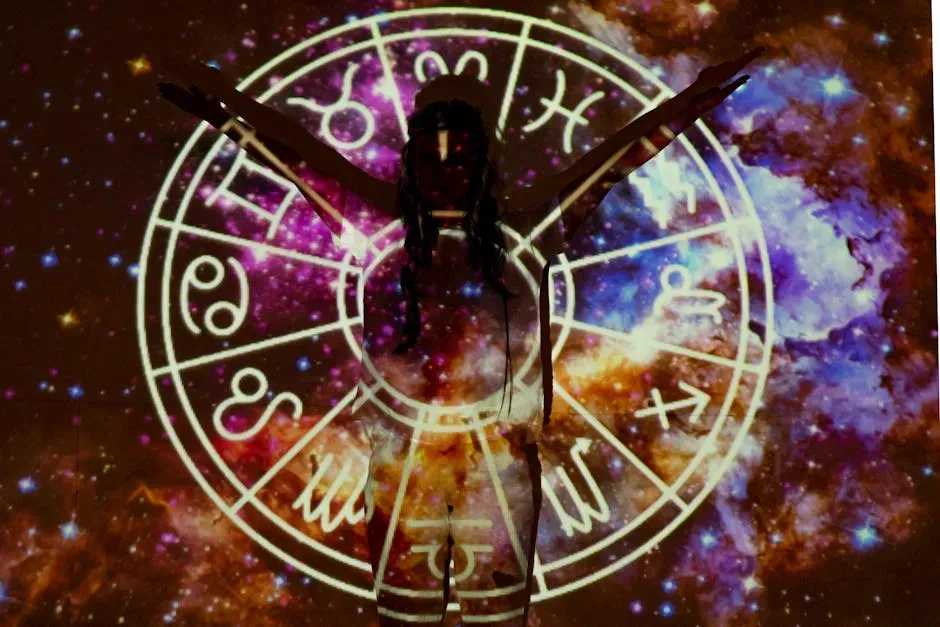
When you strip away the mystique, what psychology reveals is that our attachment to zodiac signs tells us less about distant constellations and more about our very human needs. We want to feel recognized. We want patterns in the chaos. We want simple language for complex inner lives and quick ways to connect with other people. Astrology delivers all of that in a playful, emotionally satisfying package, even if its cosmic claims do not survive scientific testing. To me, that makes it less a lie and more a mythic language we have collectively agreed to play with.
My own view is that it is perfectly fine – even healthy – to enjoy astrology as long as we stay honest about what it is: a symbolic framework, not a scientific map. Use your sign as a prompt for self-reflection, a conversation starter, or a way to explore parts of yourself you might otherwise ignore. Just do not let a birth chart overrule your judgment, limit your potential, or excuse harmful behavior. In the end, the most powerful force shaping your life is not your zodiac sign; it is what you choose to believe and do next. If the stars are not really in charge, what story about yourself do you want to write instead?