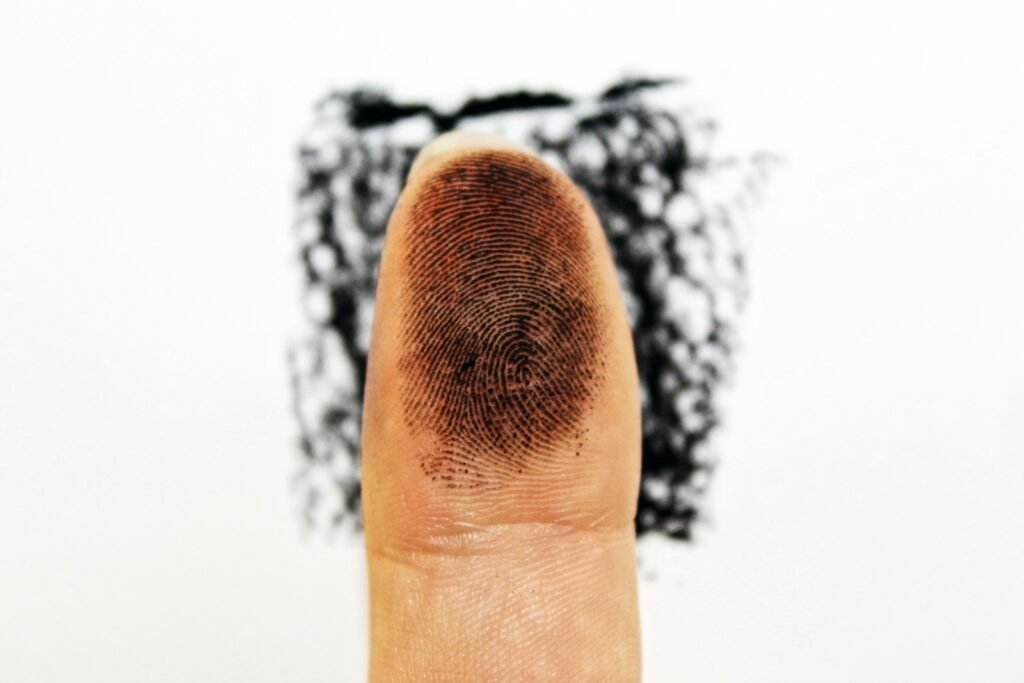

Hold your hand up to the light and look at your fingertips. Those looping, swirling ridges feel so ordinary that it is easy to forget they are among the most distinctive things about you. For more than a century, fingerprints have been a silent witness in courtrooms, border checkpoints, and police files, treated almost like a biological barcode. Yet scientists are still piecing together why these patterns form, how they become so individual, and what else they might reveal about our health and development. Beneath every smudge left on a screen or glass lies a story of genetics, chance, and the physics of growing skin. Understanding that story turns a familiar everyday feature into a small but astonishing window into who we are.
The Hidden Clues in Every Swirl and Loop
It is tempting to think of fingerprints as simple patterns, like repeating wallpaper pasted onto the tips of our fingers. In reality, they are more like frozen snapshots of a developmental storm that played out before you were born. The ridges begin forming when a fetus is only a few months old in the womb, as growing skin, nerves, and underlying tissues push and pull against one another. Tiny fluctuations in pressure, blood flow, and growth speed make the process inherently unstable, a bit like ripples forming unpredictably on the surface of a pond. By the time you are born, that chaos has settled into the loops, whorls, and arches you now carry for life.
Those patterns are not just pretty; they are statistically extraordinary. The odds that two people will share the exact same full set of fingerprints are vanishingly small, which is why forensic scientists have relied on them for identification since the early twentieth century. Even identical twins, who share almost all of their DNA, do not share fingerprints, because the tiny physical forces that guide ridge formation differ from twin to twin. Each fingertip becomes a record of both your genetic blueprint and the micro-environment of your developing hands. In other words, the clues to your uniqueness were etched into your skin long before you took your first breath.
From Ancient Curiosity to Modern Forensic Powerhouse
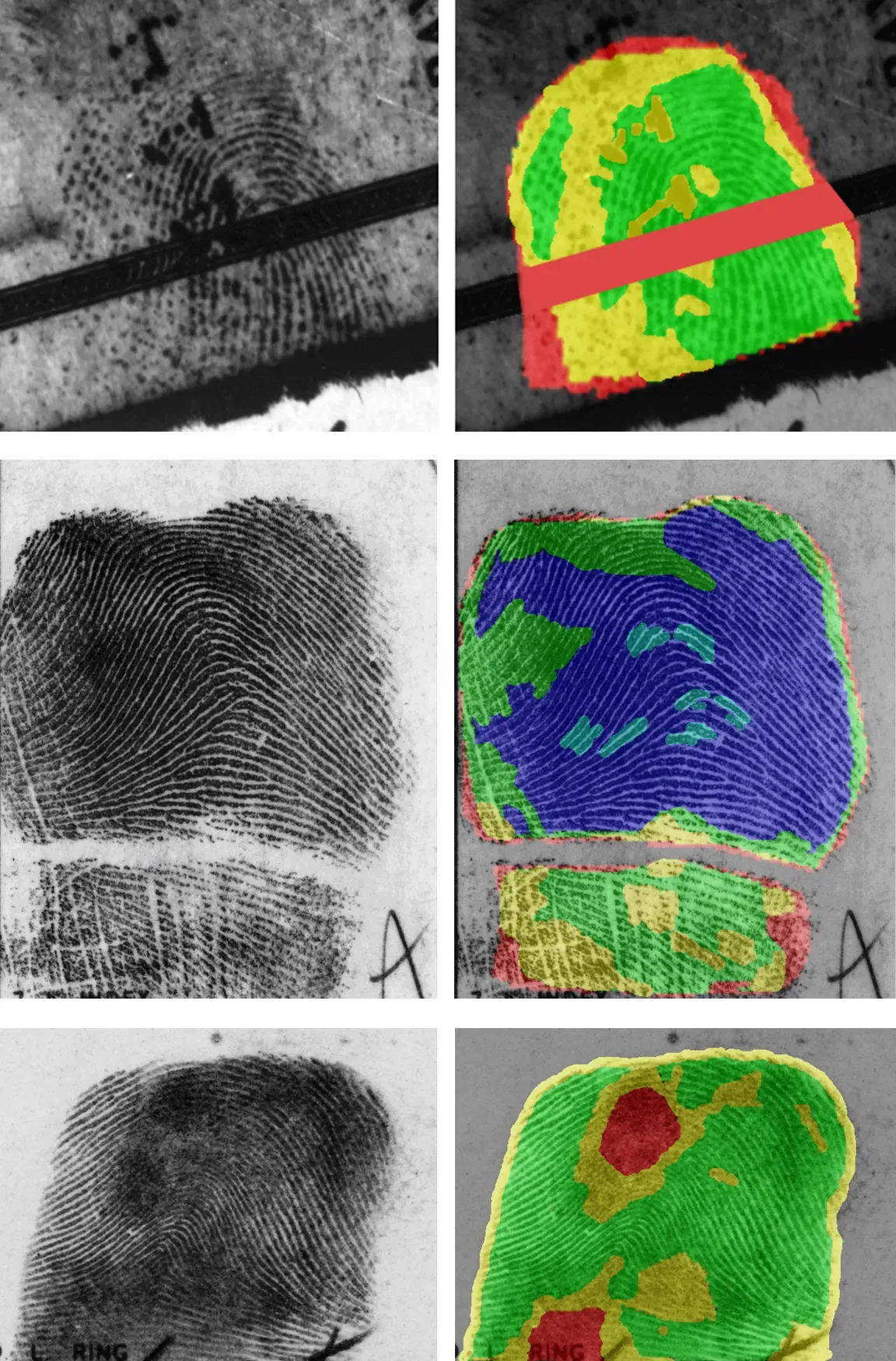
Humans noticed fingerprint patterns long before we had any idea what they were for. Archaeologists have found ancient pottery bearing visible fingerprints, probably left accidentally by the people who shaped or carried the clay. For centuries, those impressions were mostly treated as incidental marks rather than meaningful identifiers. That began to change in the nineteenth century, when scientists and police officials started cataloging fingerprints and noticing how reliably they differed from person to person. The idea that you could identify a criminal or a victim solely by ridge patterns shifted from curiosity to powerful tool.
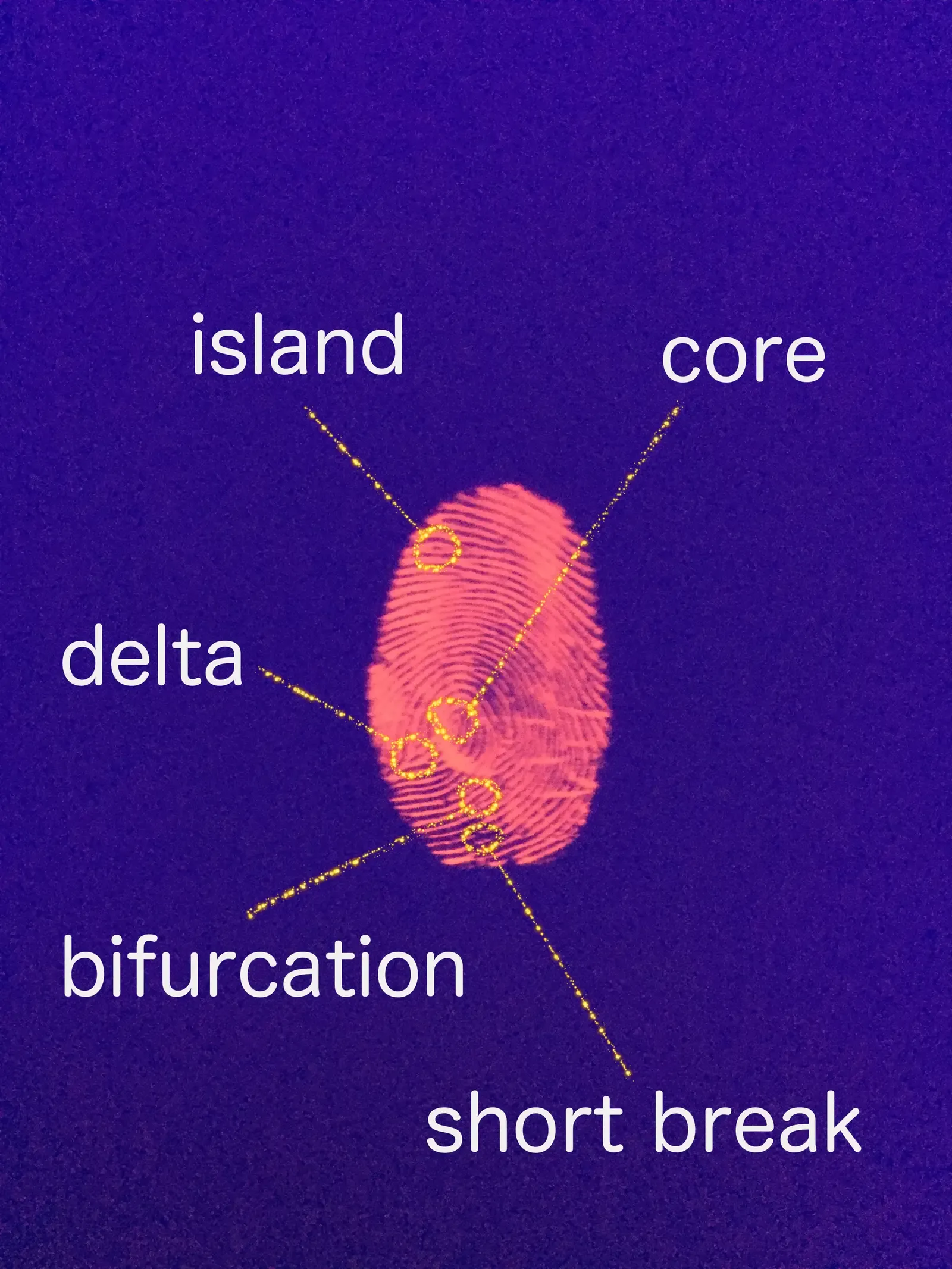
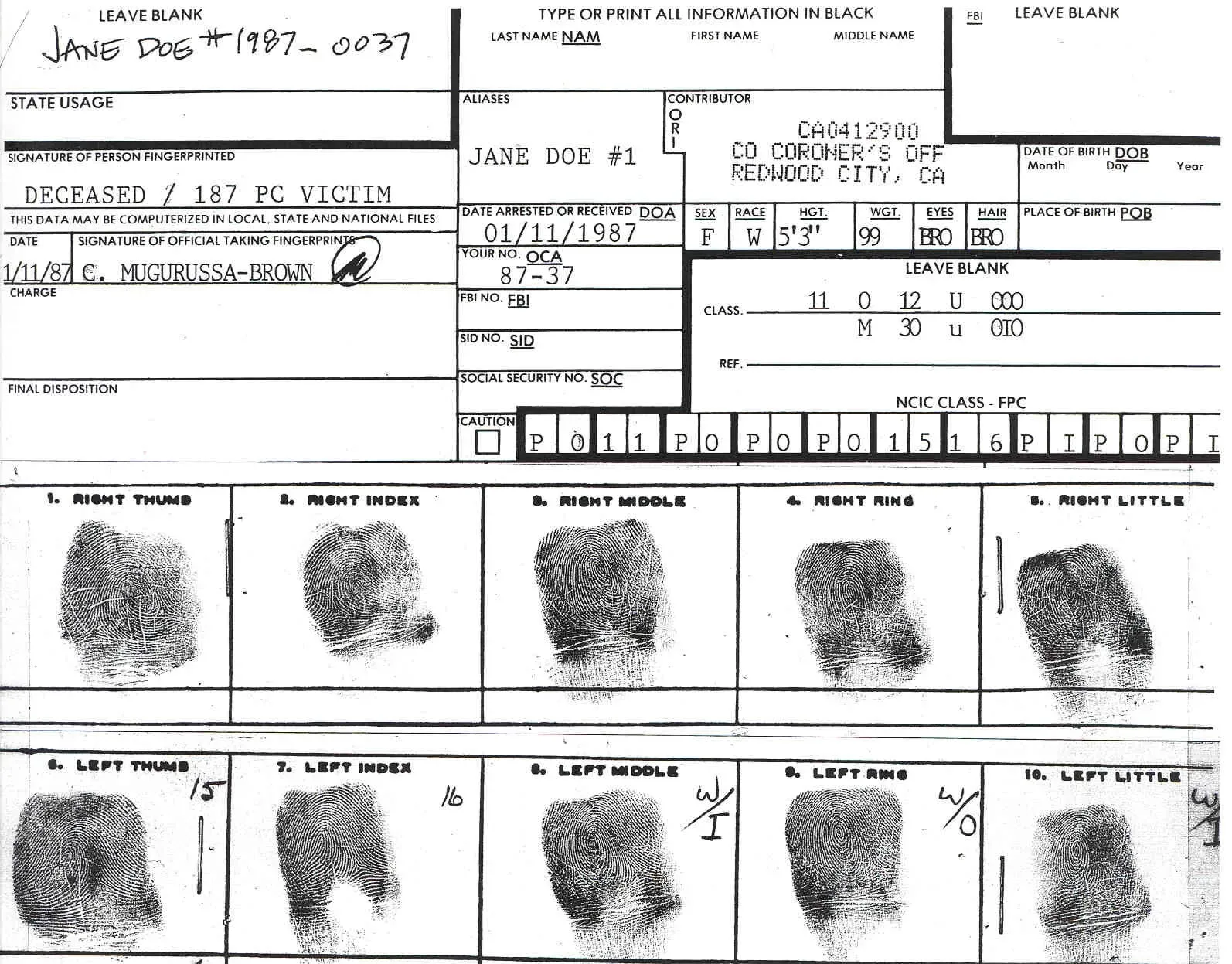
By the early 1900s, police forces in the United States, the United Kingdom, and elsewhere had fingerprint bureaus that sorted paper cards into vast filing systems. Technicians manually compared patterns using magnifying glasses, focusing on tiny branching points and ridge endings called minutiae. Eventually, automated fingerprint identification systems arrived, turning what once took hours or days into a matter of seconds. Today, your fingerprint can unlock a phone, authorize a payment, or speed you through a border checkpoint. A feature that once lived quietly in clay pots and dusty archives now sits at the center of digital security and forensic science.
How Biology Carves Ridges Out of Living Skin
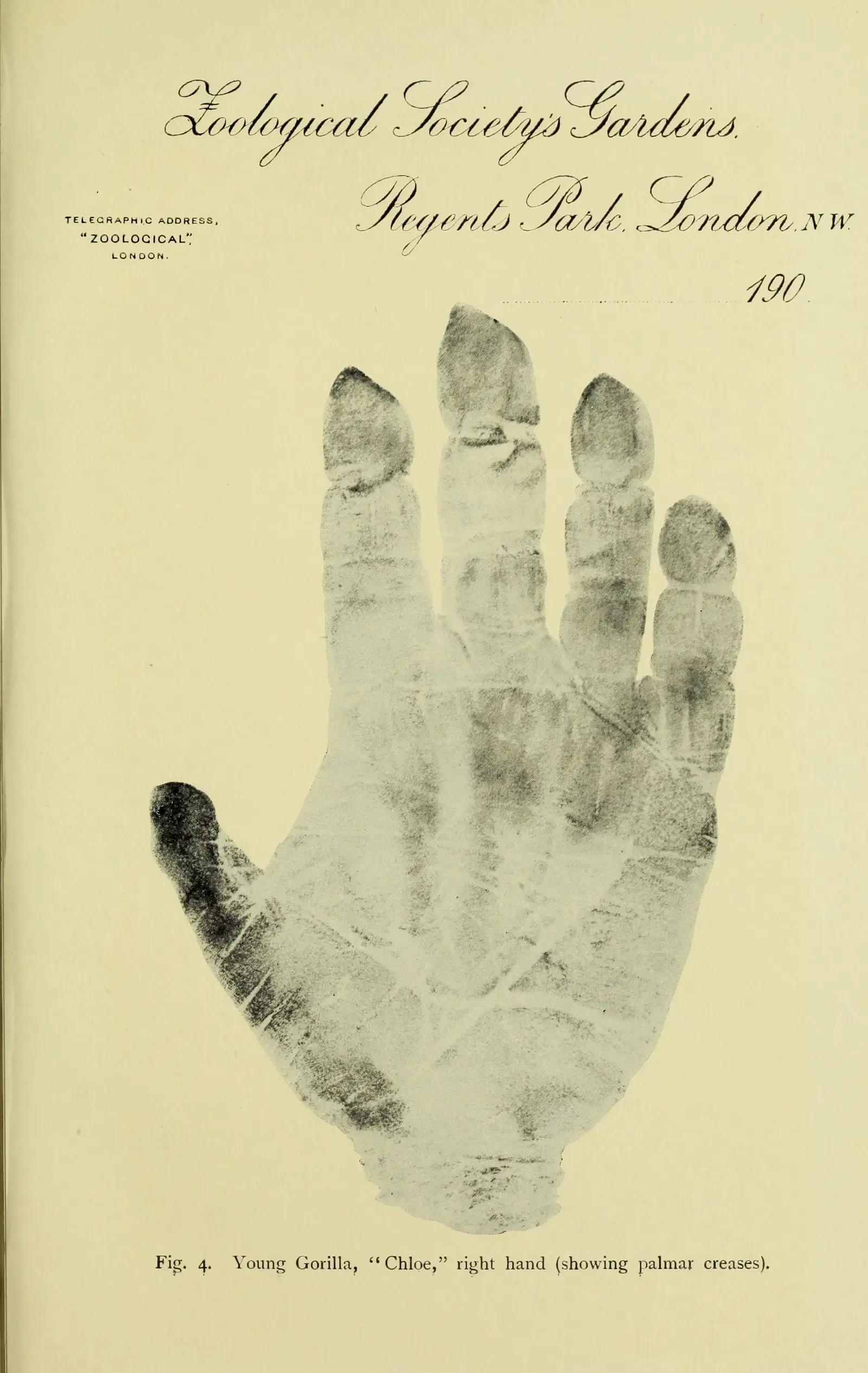
To understand why fingerprints are unique, you have to zoom in on how skin grows and organizes itself. Finger ridges form in the thick skin of the fingertip pads, where the outer layer of skin (the epidermis) and the inner layer (the dermis) meet. As a fetus develops, special zones called volar pads swell on the fingers and palms, then flatten again. While this is happening, cells in the epidermis start to proliferate and buckle, creating fold-like stress patterns where the skin layers interact. These stress lines gradually harden into stable ridges, like hills forming as tectonic plates collide.
Genetics sets the stage by influencing the overall size and shape of the volar pads and how quickly skin cells divide. But tiny differences in timing, movement, and localized blood flow mean the final pattern is not perfectly predetermined. Think of it like baking bread: the recipe gives you a general outcome, but small changes in temperature and kneading can change the texture. Because the womb environment is never exactly the same twice, even between twins, each fingerprint pattern drifts into its own pathway. The result is a complex mix of inherited tendency and developmental chaos that science is still working to model in detail.
Fingerprints as Windows Into Health and Development
For a long time, fingerprints were treated purely as identification markers, but researchers have learned they can also hold clues about health. Since fingerprint patterns form during a narrow window of fetal development, they may reflect conditions in the womb, such as growth disruptions or unusual levels of certain hormones. Scientists have documented correlations between some unusual ridge patterns and particular genetic syndromes, especially those that affect development across the body. These links are not precise enough to act like a simple diagnostic test, but they hint that fingertips might be quiet witnesses to deeper biological processes.
There is also growing interest in whether dermatoglyphics – the technical term for ridge patterns – can help illuminate risks for certain conditions. Some studies suggest that people with developmental disorders or congenital heart issues are slightly more likely to have particular fingerprint features. This does not mean that a doctor can glance at your fingertip and forecast your health future, and many people with similar patterns are perfectly healthy. Still, it reinforces the idea that fingerprints are not arbitrary decorations; they are shaped alongside organs, bones, and the nervous system. Your fingertips may carry a faint echo of how your entire body came to be.
Why It Matters: Identity, Privacy, and the Limits of Uniqueness
Fingerprints matter because they sit at a powerful intersection of biology, law, and everyday life. On the one hand, they offer a remarkably reliable way to tell people apart, which has saved lives in disaster identifications and helped solve crimes that would otherwise have gone cold. Unlike a password or a metal key, you cannot forget your fingerprints at home or accidentally share them in an email. That reliability has made them central to identity systems all over the world, from criminal databases to immigration records and banking apps. When you press your thumb to a sensor, you are leaning on more than a century of accumulated trust in those ridges.
On the other hand, the very permanence that makes fingerprints useful also makes them risky. Once your fingerprint data is copied or stolen, you cannot reset your fingers the way you reset a password. There have been real debates about whether the near-heroic reputation of fingerprint evidence in courtrooms is deserved, especially when human error or poor-quality prints are involved. Some forensic experts now urge caution, reminding courts that fingerprint analysis involves interpretation, not pure machine certainty. As we lean more heavily on biometrics for security, the uniqueness of our fingerprints becomes both a safeguard and a vulnerability.
The Science Under the Scanner: How We Read Ridges Today
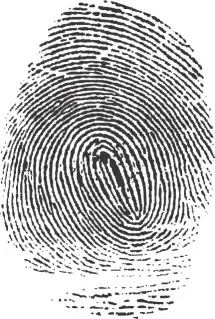
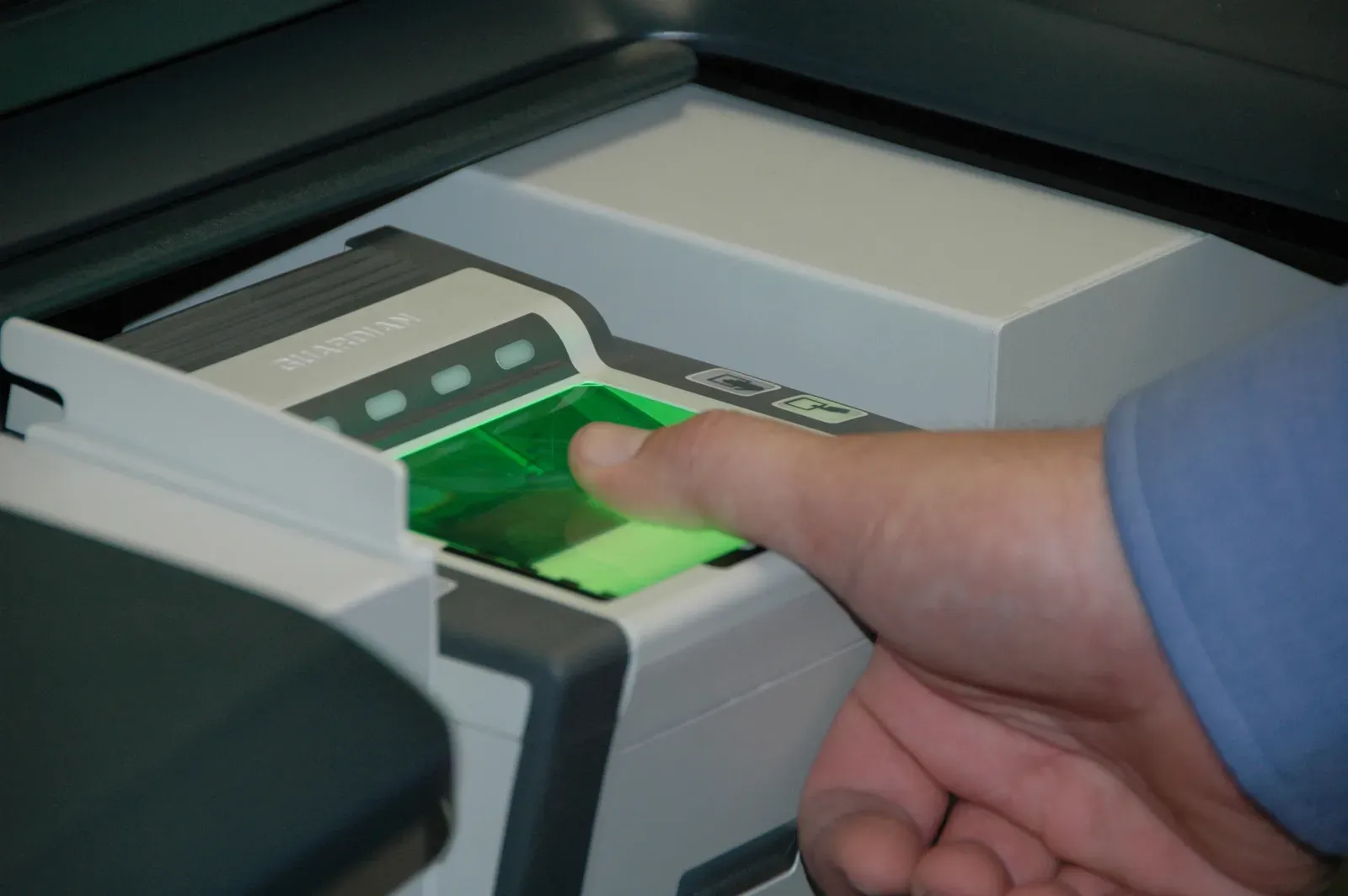
Walk into almost any police station or border control office today, and the process of fingerprinting looks very different from the inky cards of the past. Live-scan devices capture ridge patterns optically or electronically, storing them as high-resolution images or mathematical templates. Software then analyzes the patterns, looking for key minutiae points and overall ridge flow before comparing them to millions of records. These systems are fast, but they are not magical; they depend on good images, well-calibrated thresholds, and careful human oversight. When conditions are poor, such as partial or smudged prints, the technology can struggle.
Despite public belief that fingerprint matches are always ironclad, the reality is more nuanced. Experts often talk about likelihoods and levels of similarity rather than absolute certainties, especially in tricky cases. In court, this nuance can clash with television-inspired expectations of infallible forensic science. That tension has pushed researchers to develop more standardized protocols and to test fingerprint examiners for consistency. The core science of uniqueness is sound, but how we measure, compare, and interpret those unique patterns is very much a living, evolving field.
The Future Landscape: Beyond Identification and Into Prediction
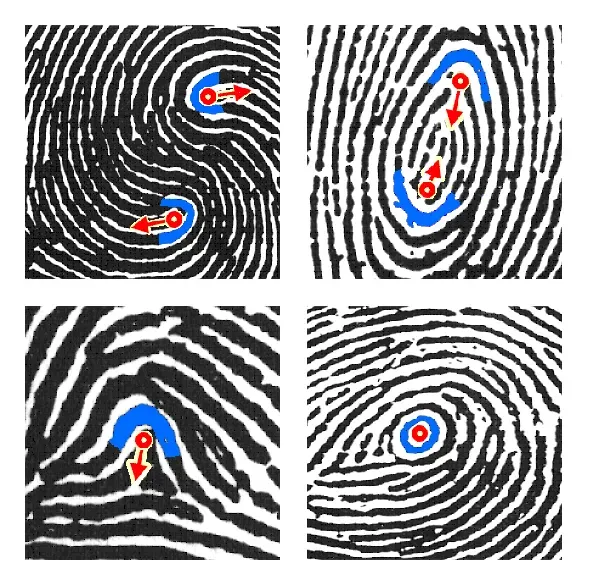
Looking ahead, fingerprints are poised to play roles that go well beyond unlocking phones and solving crimes. In the security world, multi-factor systems increasingly combine fingerprints with facial recognition, voice matching, or behavioral cues to harden defenses. Engineers are experimenting with sensors that not only read ridge patterns but also detect blood flow or tissue properties, making it harder to fool them with artificial replicas. In medicine and research, more precise mapping of ridge development could deepen our understanding of how the fetus grows and how subtle environmental shifts might leave lasting marks. As imaging and modeling tools improve, the fingertip could become an even richer canvas for studying human development.
At the same time, this future raises thorny questions about surveillance, consent, and control over our own biology. Large biometric databases already exist for immigration, law enforcement, and commercial services, and they are likely to expand. If fingerprint patterns become linked to health predispositions or behavioral tendencies, even loosely, that information could be misused by insurers or governments if not carefully regulated. Internationally, some countries are moving faster than others in building biometric infrastructure, creating uneven landscapes of rights and protections. The same tiny ridges that quietly distinguish us might, if handled carelessly, become tools for tracking us in ways we have not fully agreed to.
How You Can Engage With the Science of Your Own Skin
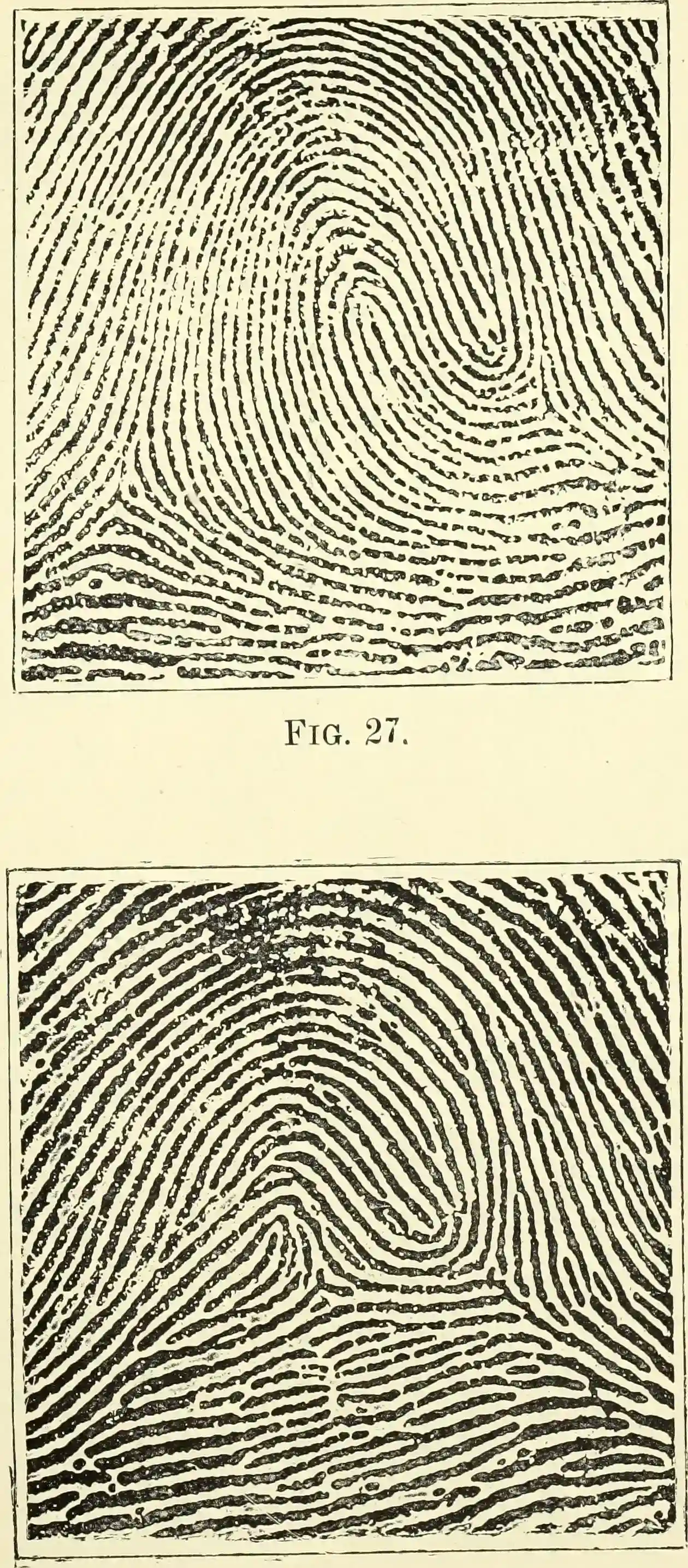
Most of us interact with our fingerprints dozens of times a day without really thinking about what they represent. One simple way to engage is to pay closer attention the next time you unlock a device, cross a border, or enroll your print for a new service. Ask what is being stored: a full image, or a secure template that cannot be easily reverse engineered. Consider where that data goes, how long it is kept, and what happens if the company or institution changes hands. You do not need to be an expert to ask basic, sensible questions about biometric privacy.
If you are curious, you can explore your own ridge patterns with low-tech tools at home, using a pencil, tape, and white paper to make prints and compare loops, whorls, and arches across your fingers. Supporting organizations that push for strong data protection laws and responsible forensic standards is another way to have a voice in how fingerprint science is used. Teachers and parents can use fingerprints as a gateway topic to talk with kids about genetics, probability, and digital security. In a world where our bodies are becoming part of the password system, staying informed about something as simple and surprising as your fingertips is a small but meaningful act of self-defense.
Suhail Ahmed is a passionate digital professional and nature enthusiast with over 8 years of experience in content strategy, SEO, web development, and digital operations. Alongside his freelance journey, Suhail actively contributes to nature and wildlife platforms like Discover Wildlife, where he channels his curiosity for the planet into engaging, educational storytelling.
With a strong background in managing digital ecosystems — from ecommerce stores and WordPress websites to social media and automation — Suhail merges technical precision with creative insight. His content reflects a rare balance: SEO-friendly yet deeply human, data-informed yet emotionally resonant.
Driven by a love for discovery and storytelling, Suhail believes in using digital platforms to amplify causes that matter — especially those protecting Earth’s biodiversity and inspiring sustainable living. Whether he’s managing online projects or crafting wildlife content, his goal remains the same: to inform, inspire, and leave a positive digital footprint.