There is a strange, quiet drama that plays out in the final minute of life. It is not a single switch flipping off, but a cascade, like a city losing power block by block while some windows are still glowing in the dark. Modern science has not turned death into a neat timeline down to the exact second, and anyone who claims to know exactly what happens at second 47 is overselling it. But brain scans, cardiac research, and studies of people who were clinically dead and then revived have given us a much clearer, more grounded picture of those final 60 seconds than we had even a decade ago.
What follows is not horror-movie fantasy or mystical storytelling. It is the best of what scientists actually know right now about the body’s shutdown sequence, mixed with the human side of what it might feel like from the inside. Think of it less as a stopwatch and more as a slow-motion replay of a complex chain reaction. The exact timing can vary from person to person, and sometimes the “last minute” stretches into minutes or even longer. But the patterns are surprisingly consistent – and in some ways, unexpectedly comforting.
The Heart’s Last Struggle: When the Pump Starts to Fail
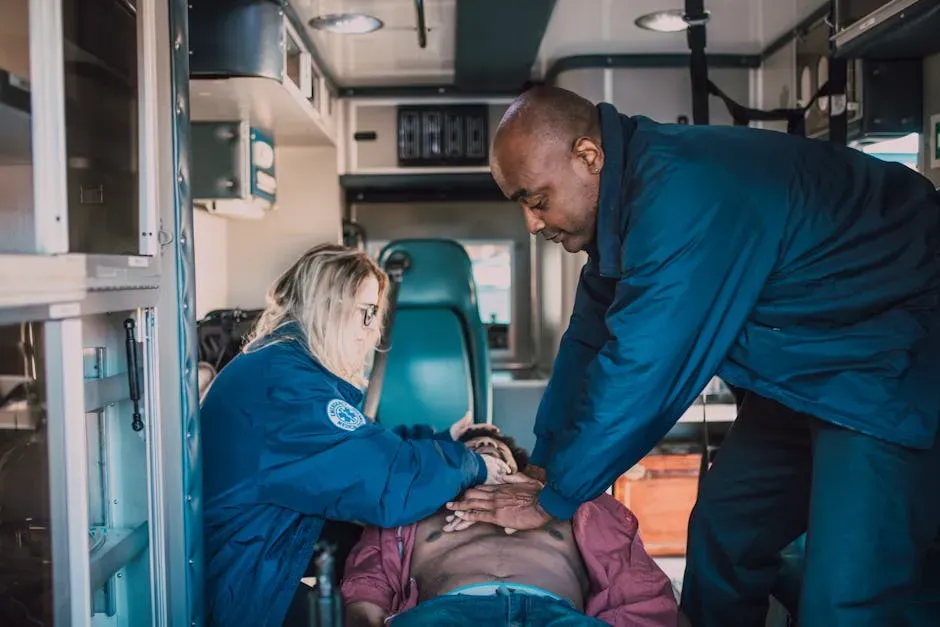
In the final minute before death in most medical scenarios, the heart is already in serious trouble. Maybe it has slipped into a chaotic rhythm like ventricular fibrillation, where the electrical signals are firing wildly and the heart quivers instead of pumping, or perhaps it has simply become too weak to keep up. Blood pressure drops, sometimes sharply, like a tire losing air, and the body’s organs begin to feel the growing lack of oxygen. This is not an instant blackout; it is more like a dimmer switch sliding down, especially for organs that are extremely sensitive to low oxygen, such as the brain.
On the outside, this can look like labored or irregular breathing, a fading pulse, and a sudden stillness in someone who was just moments before trying to speak or move. People nearby often describe the skin becoming cool or slightly mottled as circulation to the extremities slows down. From the inside, if the person is still conscious, they may feel lightheaded, dizzy, or strangely detached, because less blood is being delivered to the brain. The machinery that has been beating in your chest since before you were born is now misfiring or stalling, and that mechanical failure sets off the rest of the cascade that defines the last 60 seconds.
The Brain’s Final Surge: A Last Burst of Activity
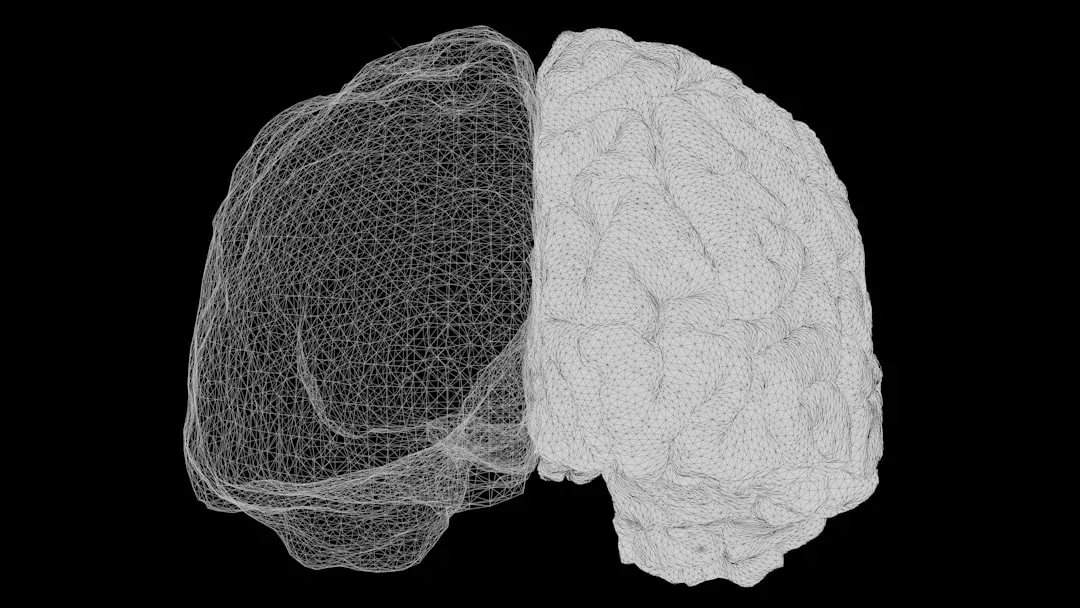
One of the most surprising findings of the past few years is that the brain does not simply fade away quietly when the heart stops. In some monitored cases, researchers have observed a brief surge in organized brain activity right after cardiac arrest, a kind of lightning storm of synchronized firing across certain regions. Instead of going flat instantly, some brains actually show a spike before their activity declines. It is as if the control center is making one final, intense push while the power grid is crashing around it. This is still an area of active research, and scientists are cautious, but the pattern is intriguing.
Could that surge be related to vivid experiences reported in near-death situations, like life reviews, tunnels, or a sense of overwhelming peace? Possibly, but no one can honestly say for sure. Still, it is becoming clearer that the brain’s last seconds are not simply blank. As blood flow drops below a critical threshold, neurons become starved of oxygen and energy and start firing in disorganized ways, but for a short window, networks that normally underpin perception, memory, and a sense of self may still be active. From the inside, that might feel like a flood of impressions, or it may feel like nothing at all – which is a humbling reminder that our inner world and outer measurements never line up perfectly.
Consciousness at the Edge: What You Might Feel (and What You Probably Don’t)
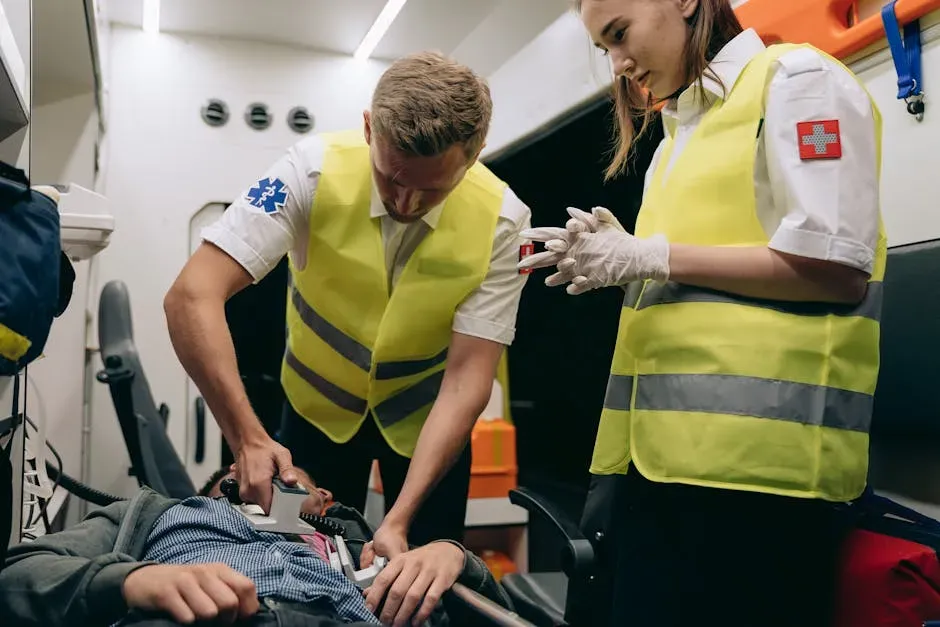
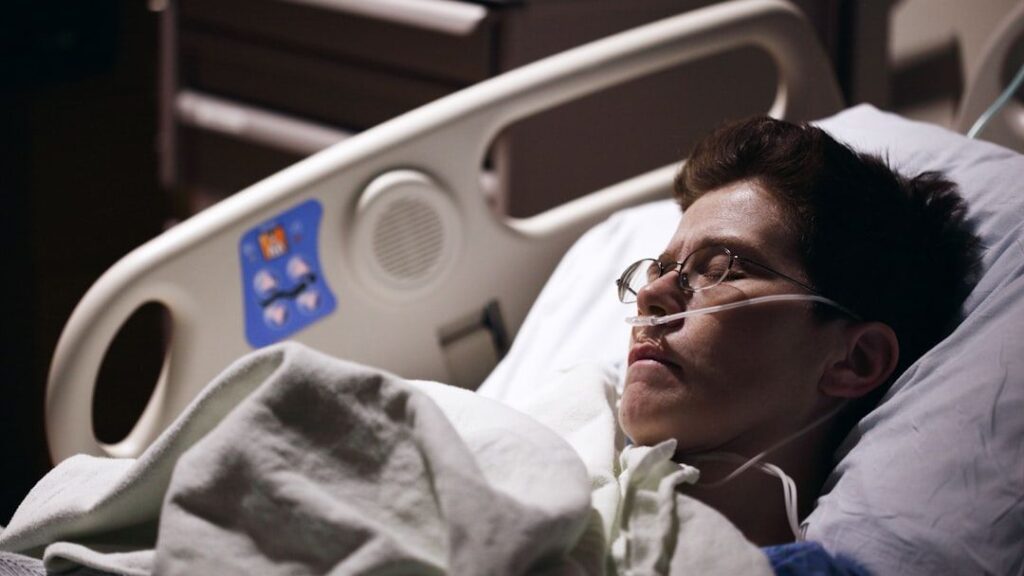
The uncomfortable truth is that no scientist can tell you with total certainty what it feels like to be in the last 60 seconds of life, because no one can stay there and come back with perfect recall. But we can make educated guesses based on what revived patients report, combined with what we know about how the brain behaves under extreme stress. Many people who were resuscitated from cardiac arrest describe a phase of calm, detachment, or a sense of observing themselves from the outside. Others recall nothing at all, as if a film reel simply skipped a scene. If consciousness is tied to organized brain activity, then those last seconds are probably a transition from some altered, fragile awareness into none at all.
Importantly, most evidence suggests that intense physical pain is often not the main experience in the body’s final moments, especially once blood flow to the brain has fallen enough. When oxygen supply drops, the brain’s ability to register and integrate pain signals diminishes. In sudden deaths like cardiac arrest, people frequently collapse and are unresponsive within seconds, which means by the time the “last minute” is technically happening, awareness may already be fading or gone. The idea that your final 60 seconds are guaranteed to be a drawn-out horror scene is more of a cultural fear than a scientific conclusion.
The Body’s Reflexes: Breathing, Gasping, and the “Last Breath” Myth
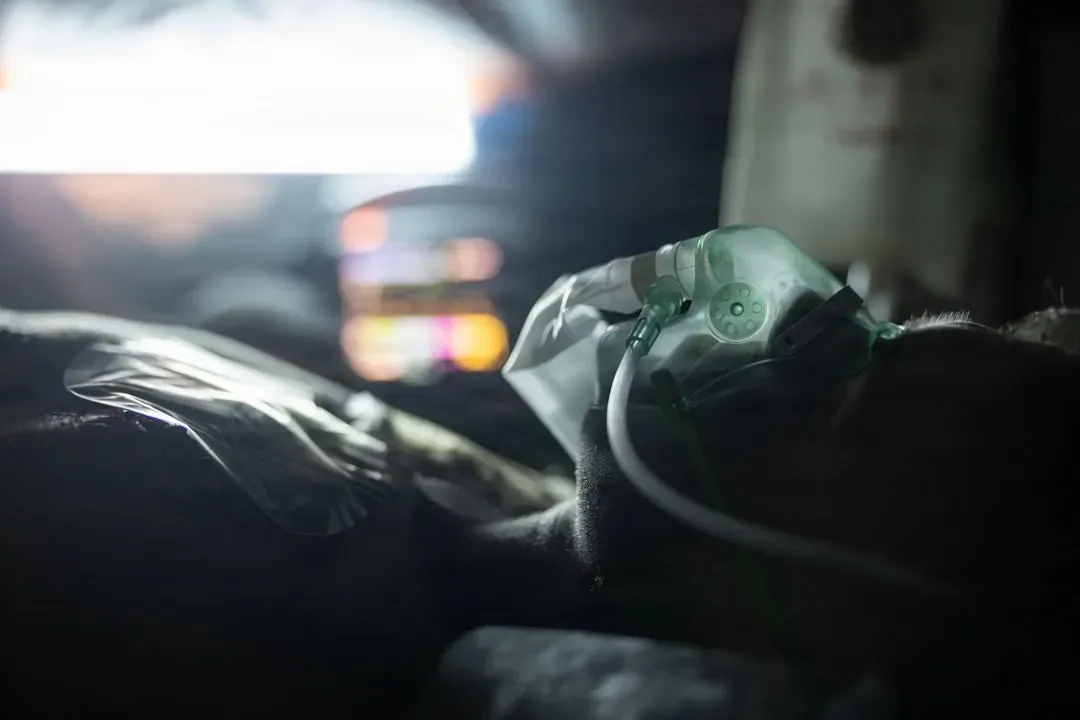
One of the most haunting images people carry is that of the so‑called last breath. In reality, breathing at the end of life is driven less by conscious effort and more by automatic brainstem reflexes. As oxygen levels drop and carbon dioxide rises, the brainstem tries to compensate, sometimes leading to irregular, deep, or gasping breaths known as agonal respirations. These can look and sound shocking to bystanders, but they are generally not a sign of conscious suffering. They are more like a reflexive engine trying to turn over when there is almost no fuel left.
In many cases, the last 60 seconds are marked by a pattern where breathing becomes slower, more shallow, and more spaced out, with long pauses in between. Then, at some point, there is one final exhale that is not dramatically different from the previous ones – it is only later that people call it the last breath. After the lungs stop moving air, there can still be lingering electrical activity in the heart or bursts in the brain, which means the classic movie moment of a single breath and instant emptiness oversimplifies what is really a layered, overlapping process. Death is messy in timing, even when it looks simple from the outside.
The Sensory World Narrows: Hearing, Vision, and Touch in the Final Minute
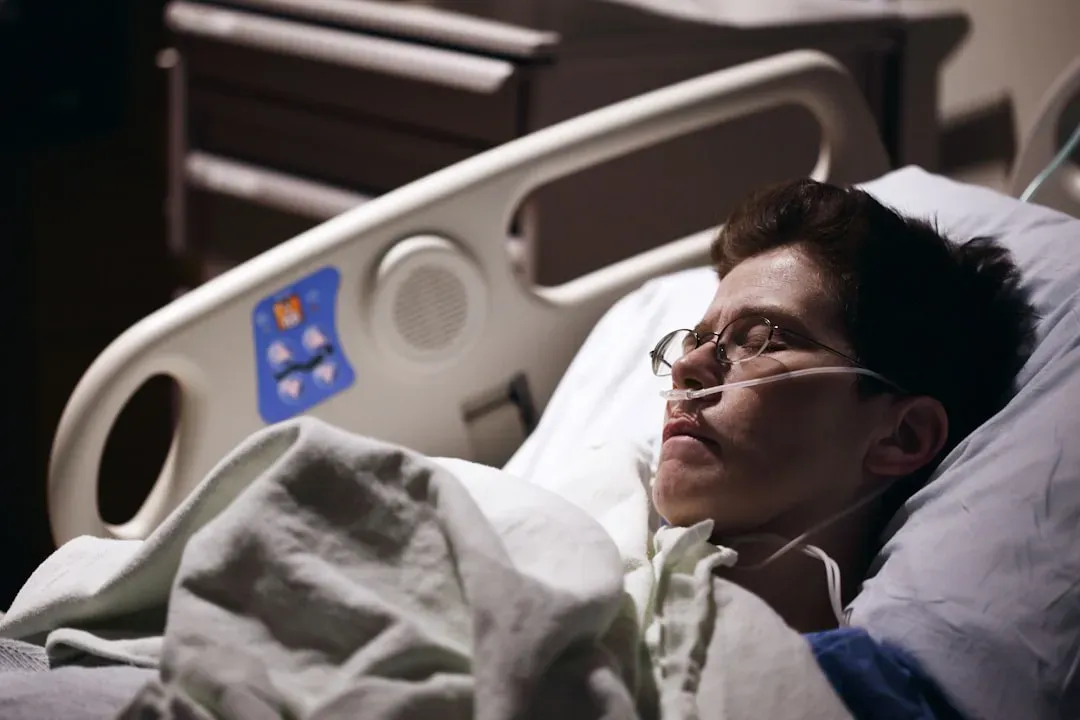
As oxygen delivery falls, the body starts shutting down nonessential functions first, and sensory systems are high on that list. Vision often fades early; people near death may describe their sight dimming, blurring, or shrinking down as if the edges are going dark. Colors can wash out, and distinguishing shapes becomes harder. Touch can also change, with extremities becoming cool and numb while the sense of pressure or warmth closer to the core remains. It is like the body is pulling its resources back from the edges to protect what little it can for the most crucial organs.
Interestingly, hearing seems to be one of the last senses to go. Some research using brain recordings suggests that patients who appear unresponsive can still detect and process sounds, including familiar voices, even very close to the time of death. That does not mean they are fully conscious or will remember anything, but it does support the idea that talking calmly to a dying person is not pointless. In that final minute, the world probably narrows into a simpler, more muffled stream of sensations, where a voice, a hand being held, or the feel of a pillow may be among the last anchors to reality.
When blood flow to the kidneys, liver, and gut slows dramatically, those organs enter a sort of emergency mode. Metabolic waste products begin to build up because filtration and processing are failing. In the last minute, this is not about long-term damage anymore; it is about a final slide into systems failure. Muscles may relax, including those that normally maintain bowel and bladder control, which is why involuntary release can occur around the time of death. This sounds undignified when described clinically, but from the person’s point of view, especially if consciousness is already fading, it is almost certainly not experienced as embarrassing or even noticed.
Cells throughout the body are now starved of oxygen and energy, and they begin to switch to less efficient backup processes that generate acids and other byproducts. The blood becomes more acidic, internal chemical balances drift, and electrical gradients across cell membranes begin to fail. This is the microscopic side of the same story: the entire body is a network of tiny batteries losing charge at different rates. The last 60 seconds are less a single moment of collapse and more the point at which too many of these small failures have stacked up for the system to recover, even if a defibrillator or emergency care is applied.
After the Heart Stops: Why Death Is a Process, Not an Instant
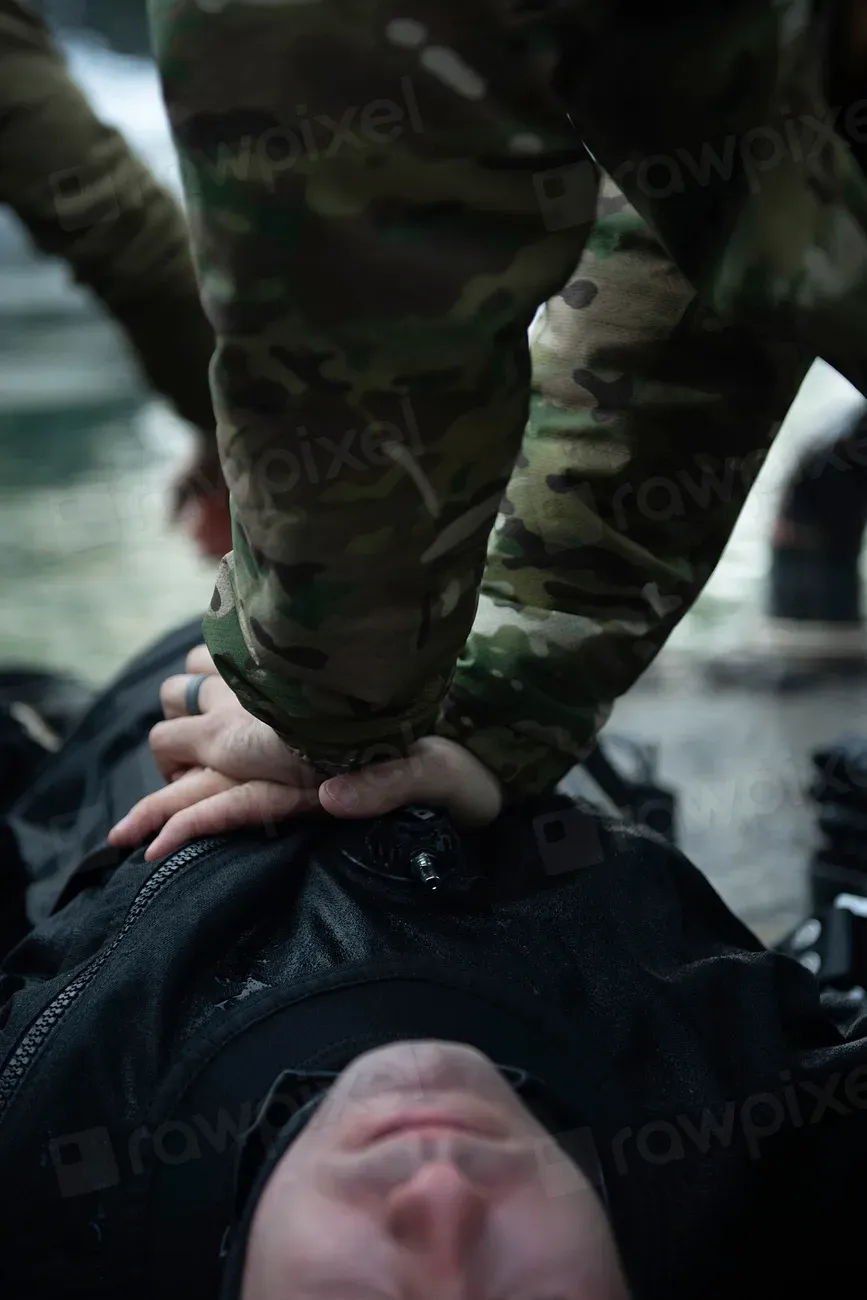
Even after the heart has stopped beating and breathing has ceased, the body does not instantly become a lifeless object. For a short period, some cells and tissues can remain viable, especially if they are less sensitive to oxygen loss than neurons. This is the window that emergency medicine relies on when performing CPR or advanced resuscitation. In a sense, the last 60 seconds before conventional death and the first few minutes after it blur together; there is no clean dividing line. Death as we usually define it for practical purposes – no pulse, no breathing, no responsiveness – is more about the whole system failing than every single cell going dark at the same time.
There is also growing evidence that some genes in the body become more active after death, ramping up in the hours following the shutdown of circulation. That does not mean the person is partly alive in any meaningful sense; it simply shows that biological processes keep trying to maintain or repair tissues even after the larger system is beyond saving. For me, that detail is oddly comforting. It suggests that the body does not give up easily. The last minute of life is both an ending and the start of a gradual handoff from living processes to decomposition, and science is still teasing out that transition with a mix of awe and humility.
My Take: What These 60 Seconds Really Mean for the Living
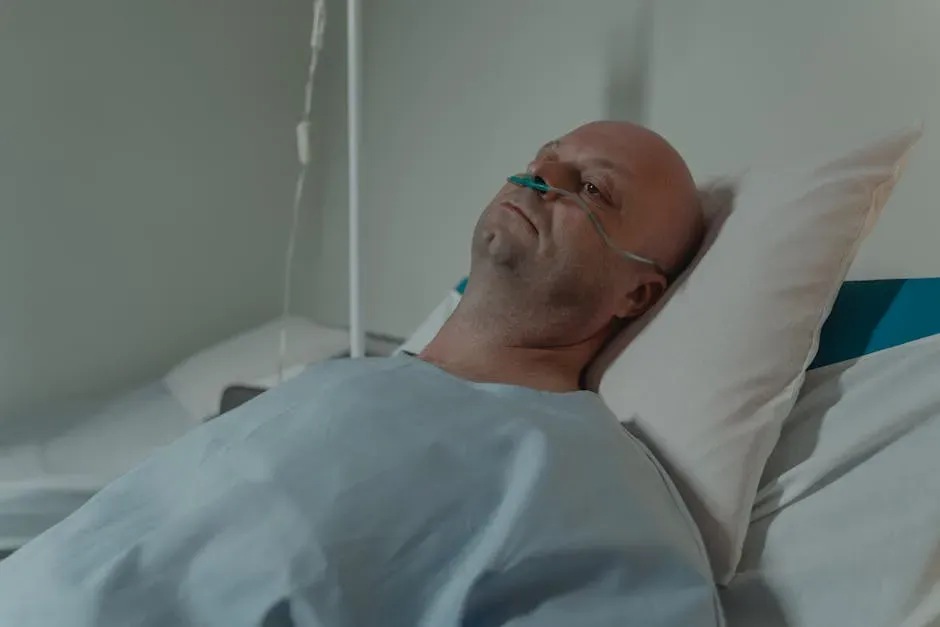
Looking at the science, the last 60 seconds before you die turn out to be less like a dramatic cliff dive and more like the end of a long, complicated symphony where the instruments drop out one by one. There are heart arrhythmias and blood pressure crashes, brain surges and fading senses, automatic breaths and quiet reflexes, but they all overlap in time. There is no single, universal script, and anyone promising a precise second‑by‑second breakdown is smoothing over a lot of messy reality. The best evidence we have, though, points away from a picture of guaranteed, drawn‑out terror and toward a mix of rapidly shrinking awareness, blunted pain, and at least in some cases, a surprising sense of calm.
Personally, I find that shift in understanding changes how I think about death, but even more, how I think about the moments leading up to it for the people I care about. If hearing may persist late, I want to be the voice someone I love can still pick up in their final stretch. If the last minute is mostly a biological cascade rather than a conscious countdown, then perhaps the real emotional weight lies in everything that happens long before those 60 seconds begin. Knowing that death is a process rather than a trapdoor does not make it easy, but it makes it a little less mysterious – and maybe the better question for each of us is not what happens in that final minute, but what we choose to do with all the other minutes we still have left.