If you have ever felt the hairs on your neck rise because you were sure you just saw something that should not be there, you are not alone. Ghost sightings and eerie presences pop up in every culture and every era, even among people who do not believe in the supernatural at all. That is exactly what makes them so fascinating: they feel utterly real, even when we know they probably are not.
Neuroscience does not tell you that your experience was fake or that you were foolish for feeling scared. Instead, it asks a more interesting question: what had to happen inside your brain for that ghost to feel so convincing? When you unpack that, you end up with a story that is more gripping than most horror films, because it is about how your own brain bends reality when the conditions are just right.
The Brain Is a Prediction Machine, Not a Camera
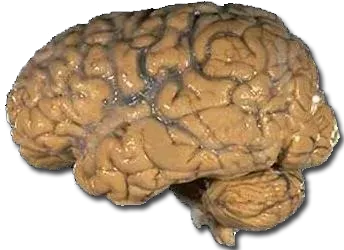
Here is the first surprising twist: your brain is not passively recording the world like a video camera; it is constantly guessing what is out there and then checking those guesses against incoming information. Neuroscientists sometimes call this a predictive brain, and it is a big deal, because it means what you perceive is partly built from expectations, memories, and context. When you walk down a dark hallway in an old house, your brain brings a whole backpack of stories, fears, and prior experiences into that moment.
In practice, this means your brain fills in gaps. If it catches a quick, blurry movement in the corner of your eye, it tries to slot it into the best available story. In a bright, modern office, that story might be “just a coworker walking by.” In a silent, creaky house at 2 a.m., the same vague input might get matched to “someone is here” or even “a ghost.” Your senses give the brain rough sketches; your predictions color them in. When the predictions are strong and the sensory data are weak, the ghost can win.
How Your Senses Glitch in the Dark (And Why Corners of Your Eye Are So Haunted)
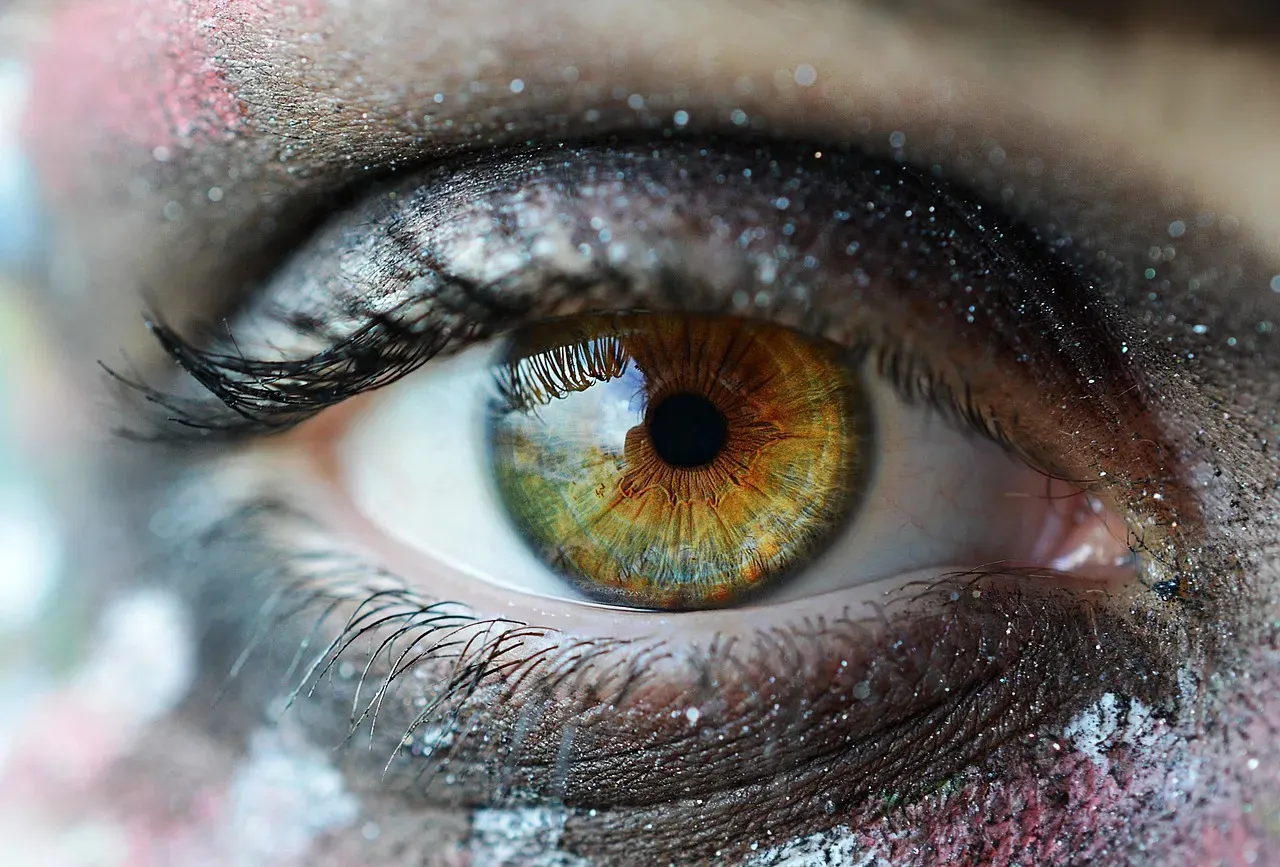
Most ghost stories seem to love low light, shadows, and the edge of vision, and that is not a coincidence. Your visual system is much less reliable in dim environments, where your brain has to work harder to decode fuzzy, low-contrast signals. In those moments, reflections, moving shadows, or even your own body in a mirror can be misread as a separate figure. The classic “I saw something just over there” often starts with a perfectly ordinary visual error.
The sides of your visual field are especially noisy. Peripheral vision is great for detecting that something moved, but terrible at telling you exactly what it was. So a coat on a chair, a plant swaying, or a curtain shifting in a draft might register as a vague human shape or presence. Once your brain locks onto that interpretation, it tends to stick with it, and your memory later will often feel much sharper and more detailed than what you actually saw in the moment.
Sleep Deprivation, Sleep Paralysis, and Nighttime Terrors
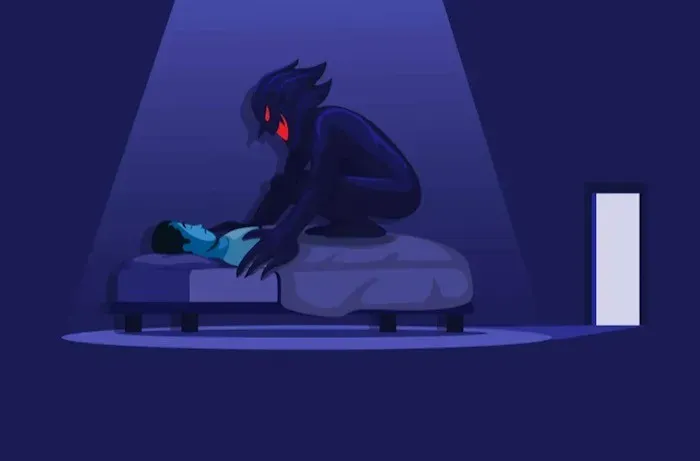
Many people meet their “ghost” either late at night or while falling asleep or waking up, which is when your brain is in a strange halfway state. During some sleep stages, the brain paralyzes your muscles so you do not physically act out your dreams. When that paralysis overlaps with waking awareness, you can experience sleep paralysis: you are conscious, unable to move, and your dreaming brain may still be generating vivid images or sounds. It is a perfect recipe for feeling like a powerful entity is in the room.
Lack of sleep adds fuel to this fire. When you are sleep‑deprived, brain regions that help you reality‑check and regulate emotions do not work as reliably. That can make ordinary creaks, shadows, or stray thoughts feel charged with meaning and threat. It is no wonder people describe sinister figures sitting on their chest or lurking near the bed during these episodes. Neuroscience does not say the terror is imaginary; it says the brain itself is creating it in a very specific, partly dreamlike state.
When the Brain Builds a Presence That Is Not There
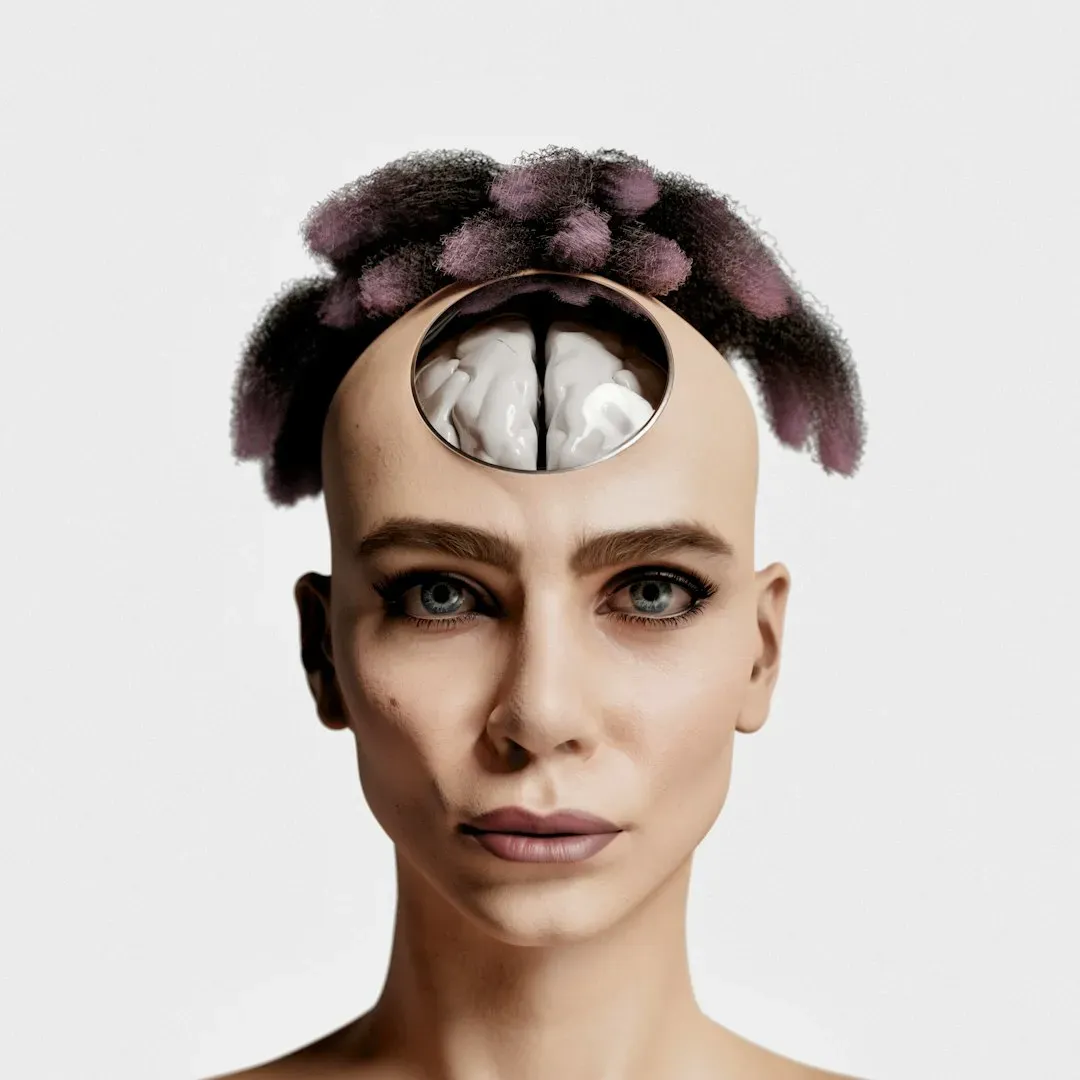
One of the eeriest things neuroscience has uncovered is that the sense of another presence can be artificially triggered. When certain brain regions involved in body awareness and self‑processing are disturbed, people sometimes report a “felt presence” nearby. It is not a vague hunch; it can feel like a distinct being standing right behind them or mirroring their posture. The brain seems to misattribute signals about the self and body to someone else.
Researchers have seen similar experiences in people with certain types of epilepsy or neurological conditions, where electrical activity in specific areas gives rise to full‑blown apparitions or presences. To put it bluntly, the machinery that helps you know where your body ends and the world begins can occasionally misfire. When that happens, parts of your own bodily and emotional experience can be perceived as an external “other,” which fits eerily well with classic ghost encounters.
Emotion, Fear, and the Amygdala’s Role in Turning Up the Volume
Seeing a ghost is rarely neutral; it is usually soaked in fear, dread, or awe. Deep in your brain sits the amygdala, a small structure that helps you detect threats and respond fast. In uncertain situations, especially where the stakes feel high, the amygdala tends to err on the side of caution. If there is even a hint that something might be dangerous, it pushes your system toward fight‑or‑flight. That shift sharpens some perceptions and dulls others, tilting you toward interpreting ambiguous signals as threatening.
Once fear takes hold, your whole body joins the party: heart rate jumps, breathing changes, sweat increases, and muscles tense. These internal sensations feed back into the brain as evidence that “something is wrong.” Now your body is scared, your amygdala is lit up, and your predictive brain is searching hard for a reason. A shadow in the hallway or a creak on the stairs suddenly becomes the missing puzzle piece that makes the whole picture snap into focus: there is a presence here, and it is not friendly.
The Power of Stories, Culture, and Expectation
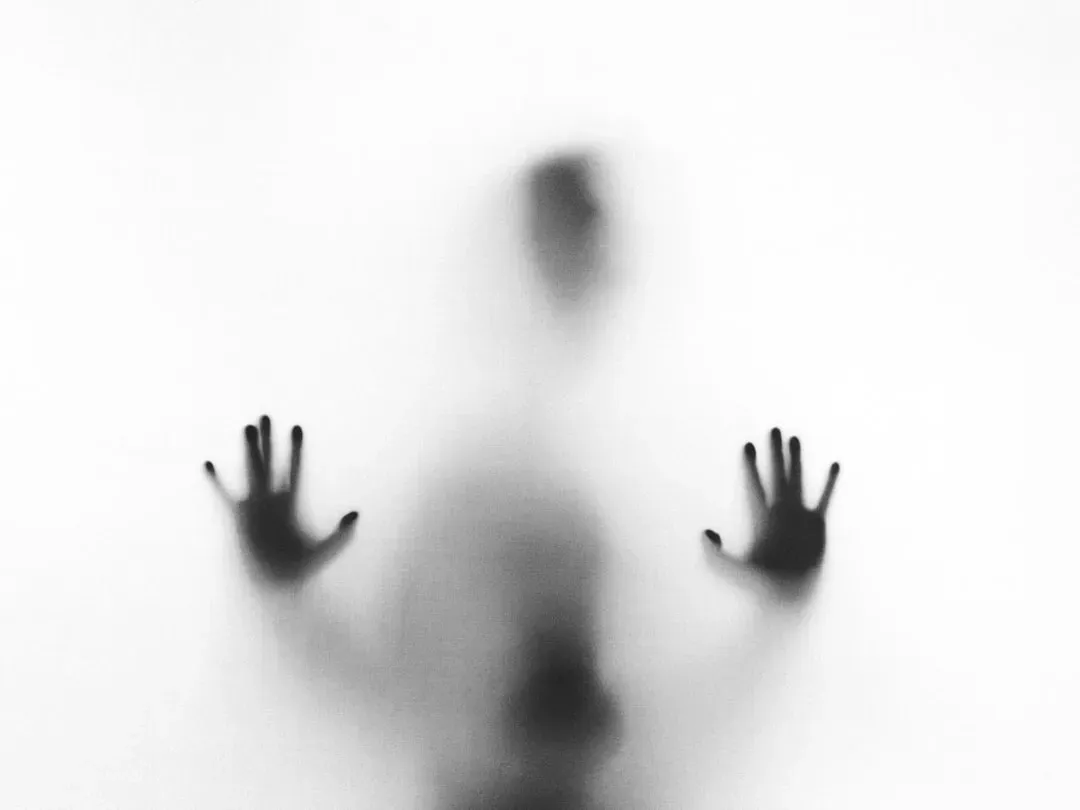
We do not build our reality in a vacuum. Every horror movie you have watched, every family ghost story you heard as a kid, every TikTok clip about haunted hotels quietly trains your brain in what “haunted” should look and feel like. These story templates sit in memory, ready to be pulled up when the situation matches the vibe: old building, odd sounds, late night, maybe a tragic backstory you heard about the place. Your brain is suddenly not just predicting “a noise” but “the kind of thing that happens in hauntings.”
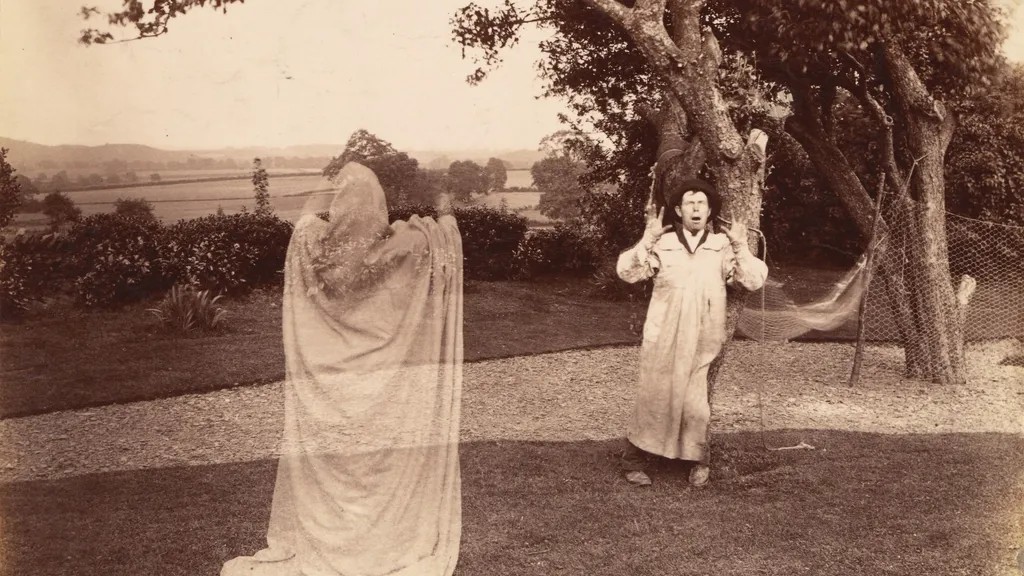
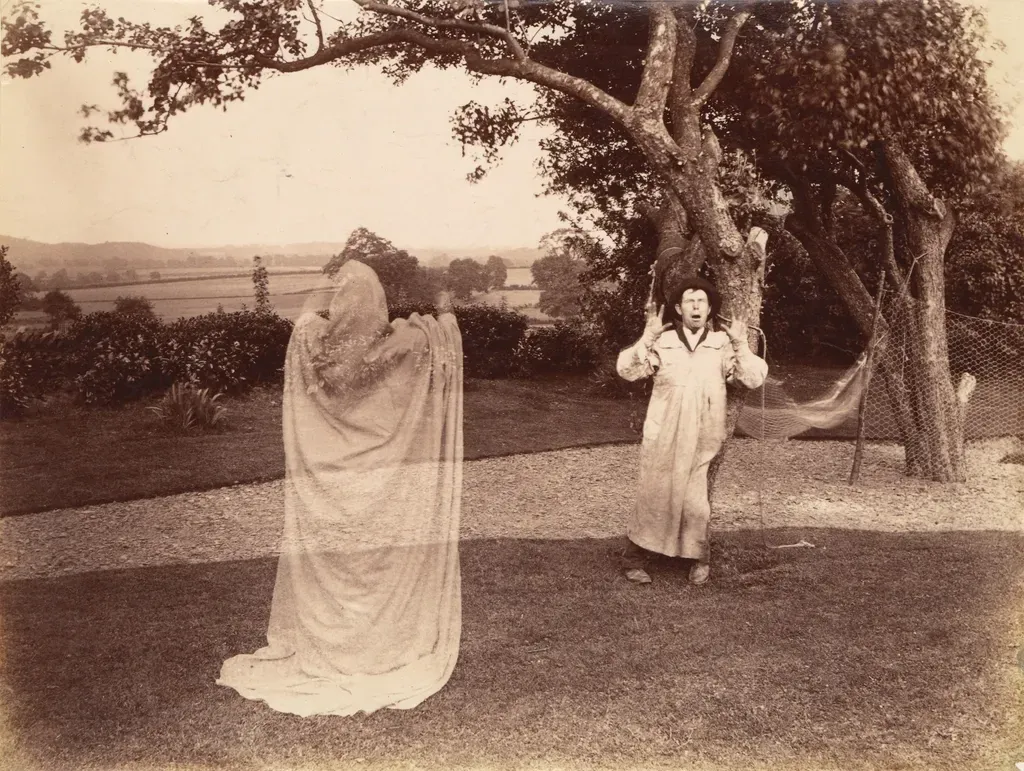
That cultural layer explains why ghost experiences often match the era’s imagery: cloaked figures in older times, pale Victorian children in some cultures, shadowy silhouettes or glitchy, horror‑movie‑like forms in more recent accounts. Expectation does not make the fear fake; it shapes the costume that the fear wears. In a way, your brain is co‑creating the encounter with the stories you have absorbed, painting a specific ghost onto a very real canvas of sensory glitches and emotional upheaval.
Why Some Brains Are More “Haunt‑Prone” Than Others
Not everyone is equally likely to see or sense a ghost, even in the same environment. People vary in how strongly their brains lean on top‑down expectations versus bottom‑up sensory data. Some individuals are more prone to detect patterns or intentions in random noise, whether that is hearing a voice in static or seeing a face in a curtain fold. Others may have more vivid mental imagery or a stronger tendency to get absorbed in their inner world, which can make internally generated images feel strikingly real.
Stress, grief, and trauma also matter. When someone has lost a loved one, the brain is intensely tuned to their voice, their face, their presence. It is not rare for grieving people to briefly “see” or “hear” the person in crowds or in the corner of their eye. In these cases, the brain’s longing and expectation are turned up so loud that ordinary noise can be misread as a meaningful visitation. It is a human, compassionate glitch: the same brain mechanisms that help us connect deeply can, under certain pressures, conjure the ones we miss.
So Are Ghosts “Real”? A Neuroscientist’s Opinionated Take
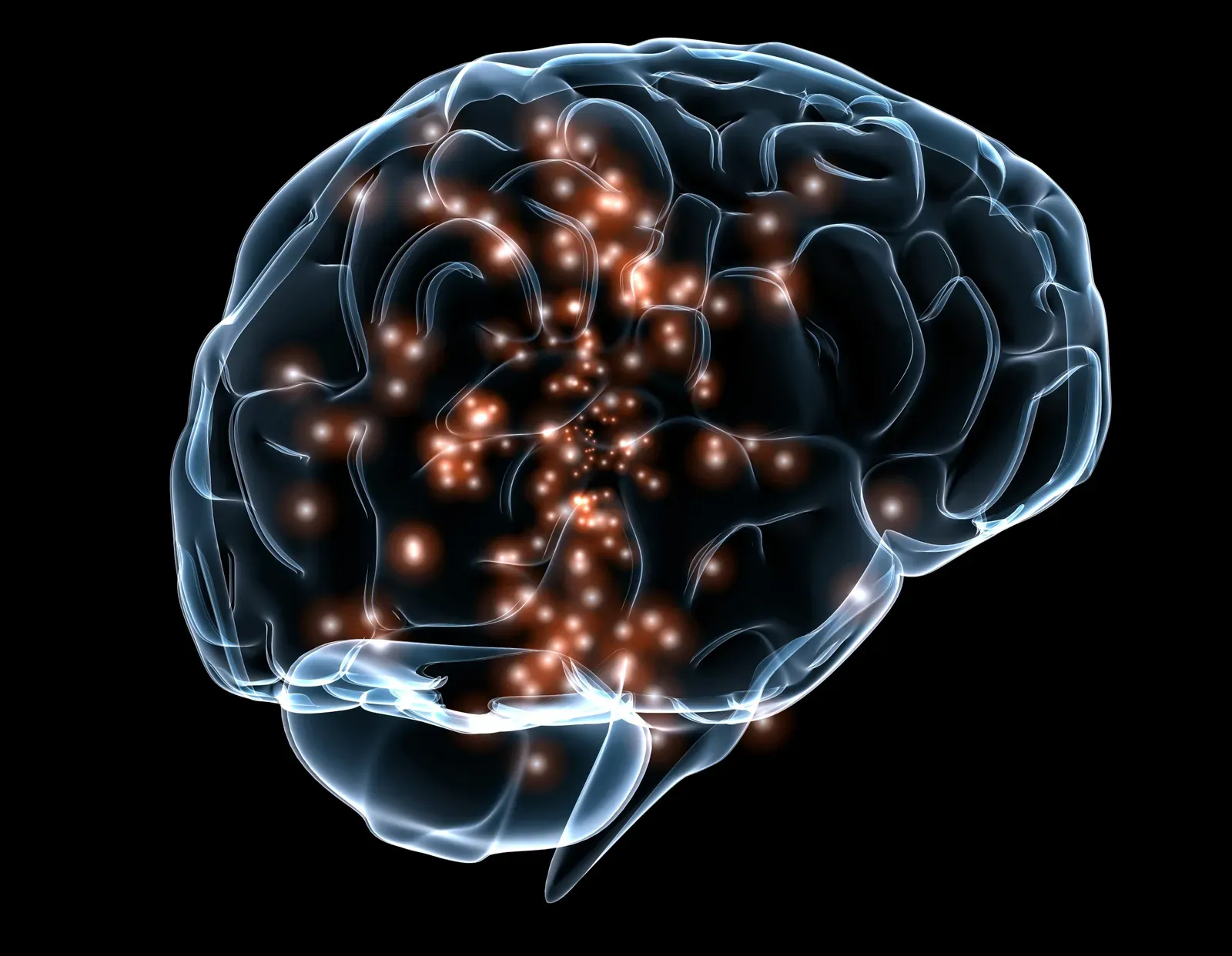
Here is where it gets uncomfortable for some people and oddly comforting for others: from a neuroscience standpoint, ghost experiences are very real as brain events, even if there is no external spirit involved. What you see, hear, and feel in those moments is built from genuine neural activity, honest perception errors, and powerful emotional states. Dismissing them as “just your imagination” misses the point; your imagination is part of how perception works all the time. The difference in a haunting moment is that the balance between prediction and evidence tilts hard toward a vivid, uncanny story.
My own view is that understanding the brain’s role does not cheapen the mystery; it deepens it. The fact that a mix of darkness, stress, cultural stories, and fragile sensory input can produce a full‑blown encounter with something that feels supernatural says a lot about how strange and creative our nervous system really is. You do not have to believe in literal ghosts to respect how overpowering those experiences can be. Maybe the more provocative question is this: if your brain can summon a convincing presence from shadows and static, how many other parts of your reality are being quietly edited, rewritten, or haunted by the stories inside your head?