
Every few months, Yellowstone pops back into the headlines with a scary label: supervolcano. Maps of ash clouds go viral, people on social media swear the whole country would be wiped out overnight, and somewhere, someone is packing a go bag “just in case.” Underneath the hype, though, is a real question that hits a nerve: what would actually happen if Yellowstone had a truly massive eruption, and who would lose their homes for good?
Let’s be clear right from the start: a super-eruption at Yellowstone is extremely unlikely in any given lifetime. But unlikely is not the same as impossible, and the science behind what could happen is fascinating, sobering, and often misunderstood. Once you separate the disaster-movie myths from what geologists actually know, the picture that emerges is less about instant national annihilation and more about long-term, brutal disruption – especially for a handful of unlucky states downwind.
The Yellowstone Supervolcano: What It Really Is (And What It’s Not)
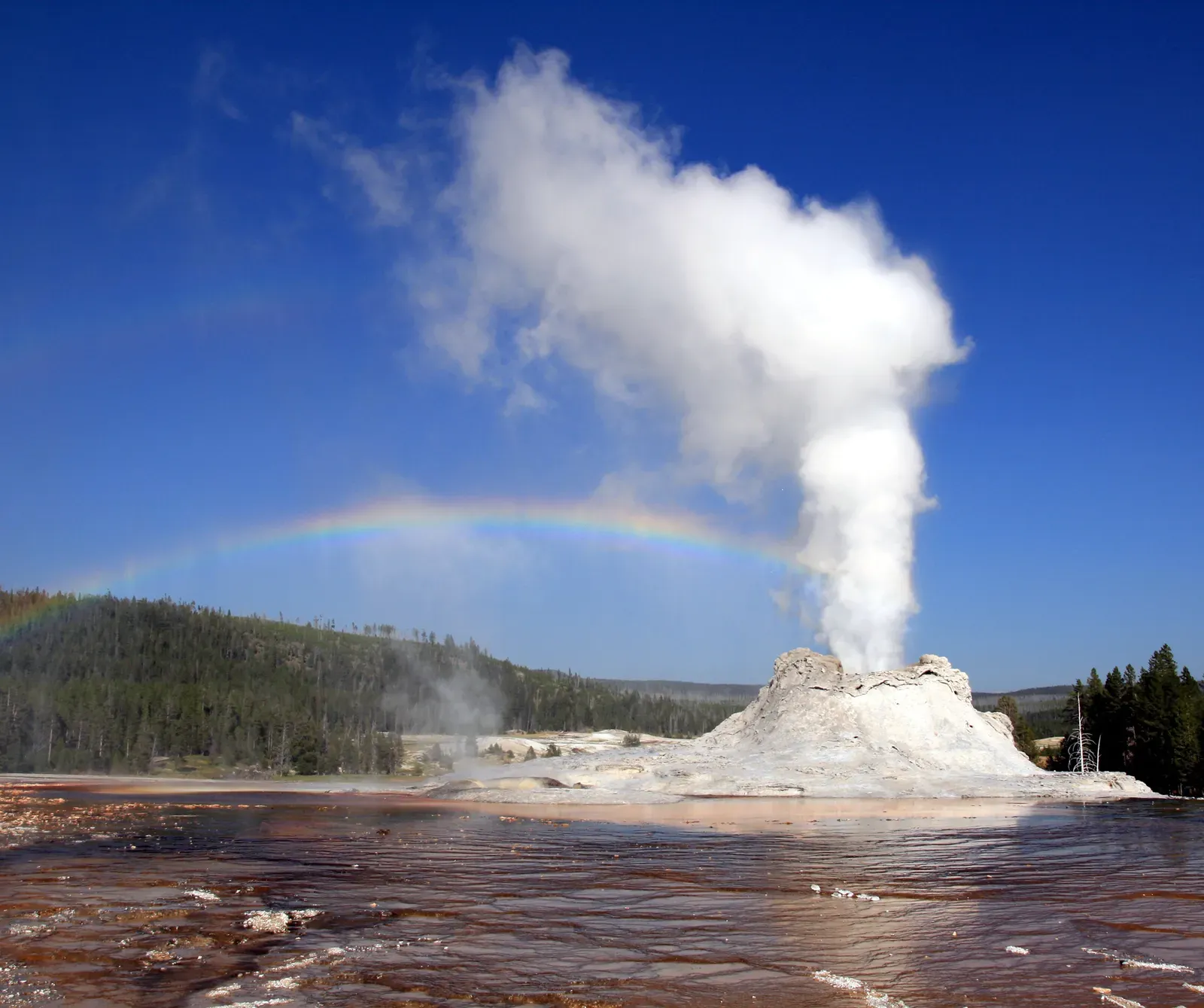
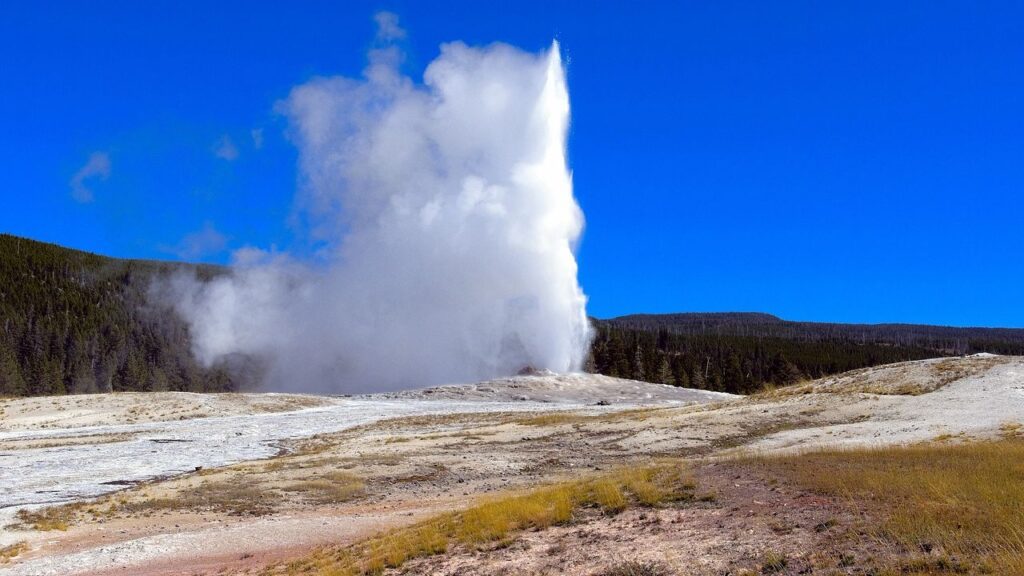
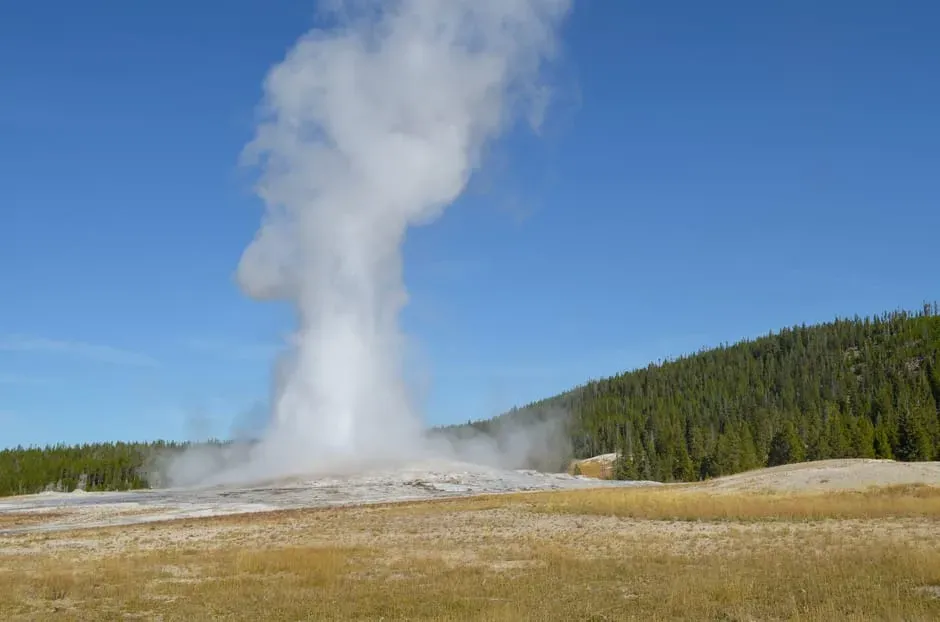
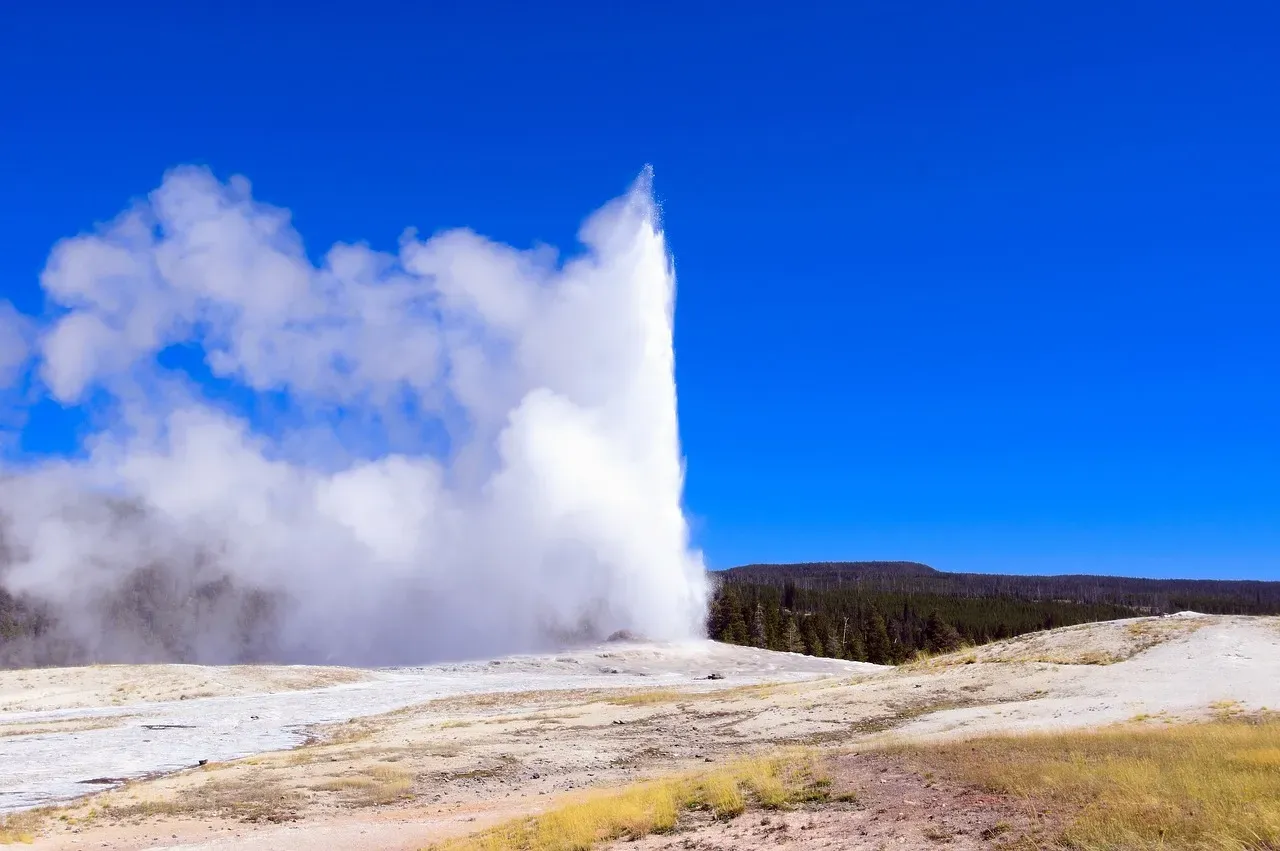
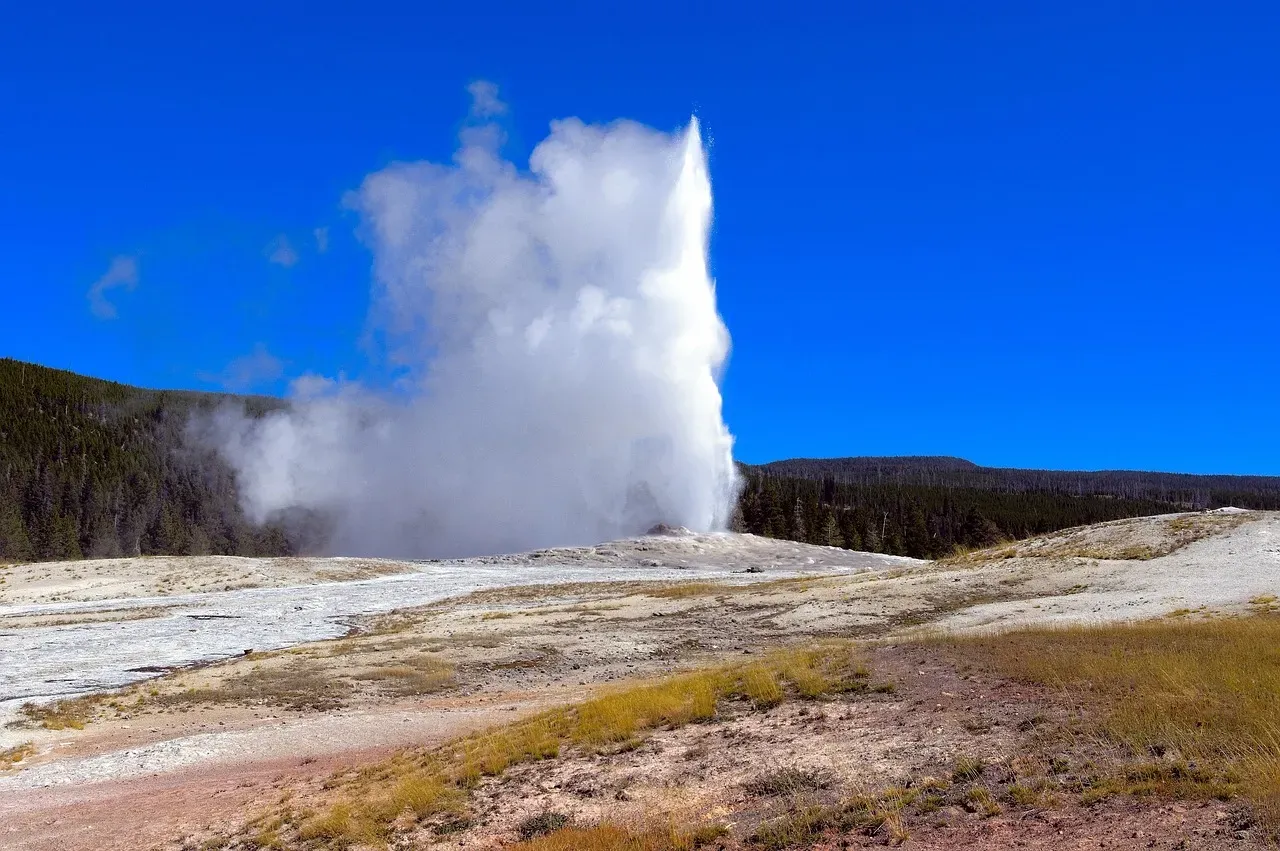
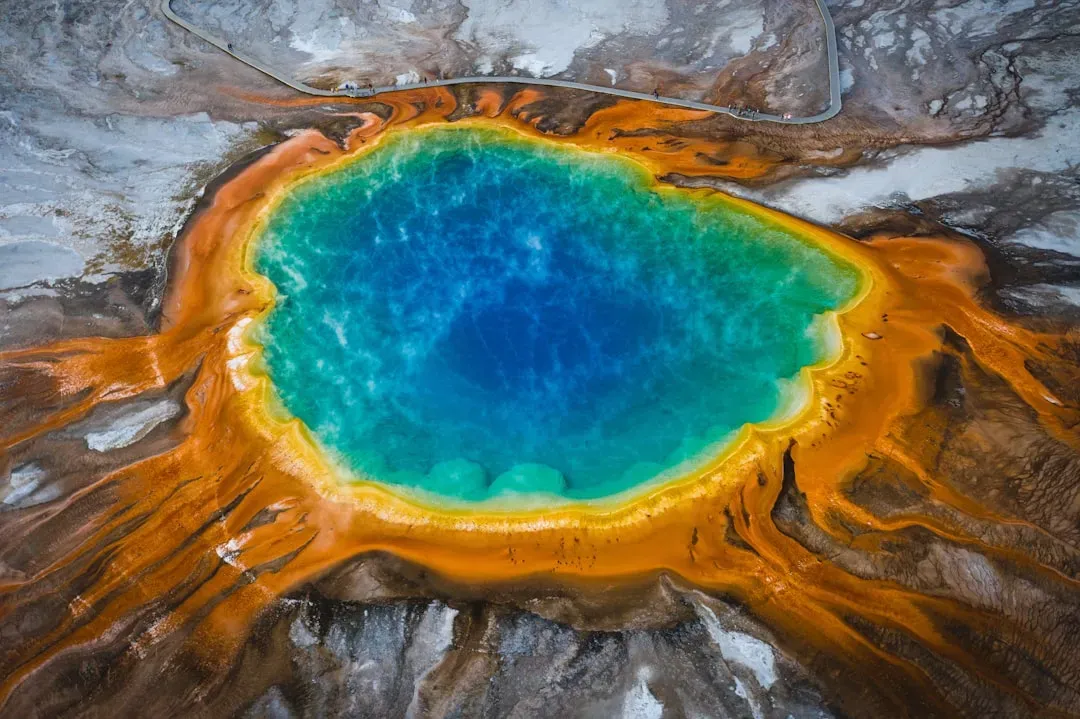
When people hear “Yellowstone,” they often picture Old Faithful, bison, and Instagram shots of rainbow-colored hot springs. Beneath all that beauty, though, sits a huge volcanic system: a vast magma reservoir spread out over tens of miles, not a classic cone-shaped mountain like Mount Fuji. Scientists call it a supervolcano because past eruptions there have been thousands of times larger than typical volcanic blasts we see in the news.
Yellowstone’s history includes at least three truly giant eruptions over the last roughly two million years, each one reshaping huge parts of North America. But between those monsters, the system has mostly behaved with smaller lava flows and countless hydrothermal events, not apocalyptic blasts. That pattern matters, because it reminds us that this is a complex, long-lived system, not a ticking time bomb set to go off on a fixed schedule.
How Likely Is A Yellowstone Super-Eruption, Really?
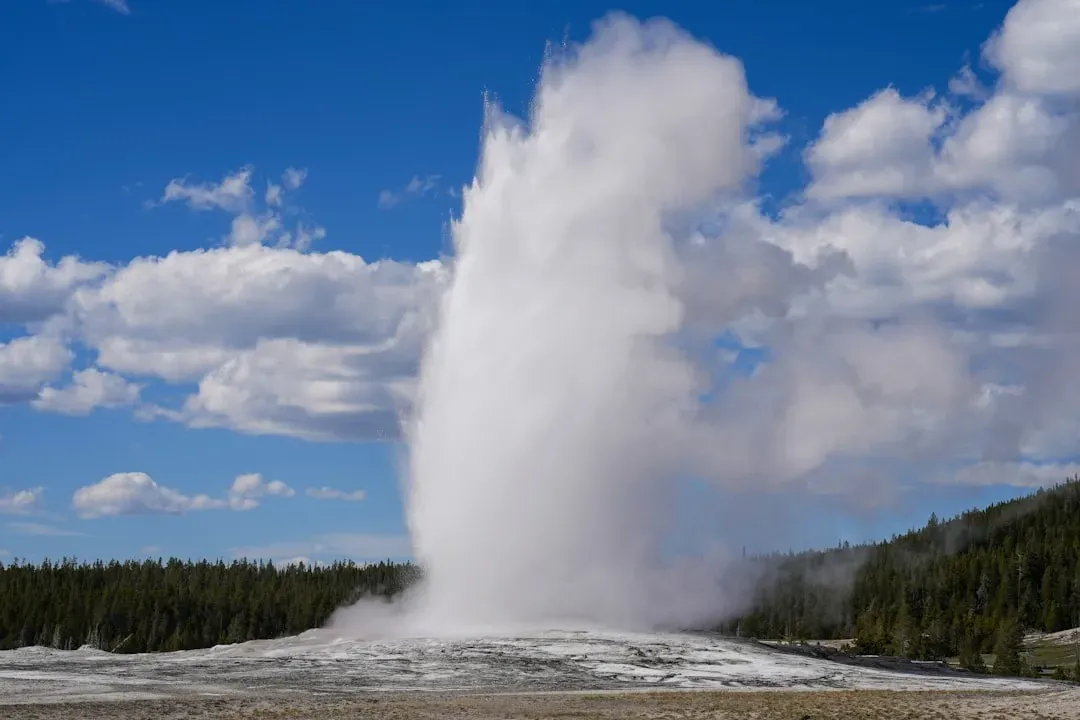
One of the most shocking truths is this: the odds of a Yellowstone super-eruption happening in any given year are incredibly low, far lower than most of the dramatic headlines suggest. Geological “overdue” talk is misleading, because volcanoes do not follow neat calendars or average intervals like oil changes for a car. Past eruptions are spaced irregularly, and the gaps between them vary wildly.
Modern monitoring shows plenty of activity at Yellowstone – earthquakes, ground uplift and subsidence, shifting hot springs – but these are normal signs of a breathing volcanic system, not proof that a doomsday eruption is imminent. If a super-eruption were building, scientists would expect to see large, sustained changes: intense quake swarms, strong and persistent ground deformation, and clear signs that magma is rising toward the surface. Right now, that pattern simply is not there, and that should temper the more extreme fears.
What A True Yellowstone Super-Eruption Would Look Like
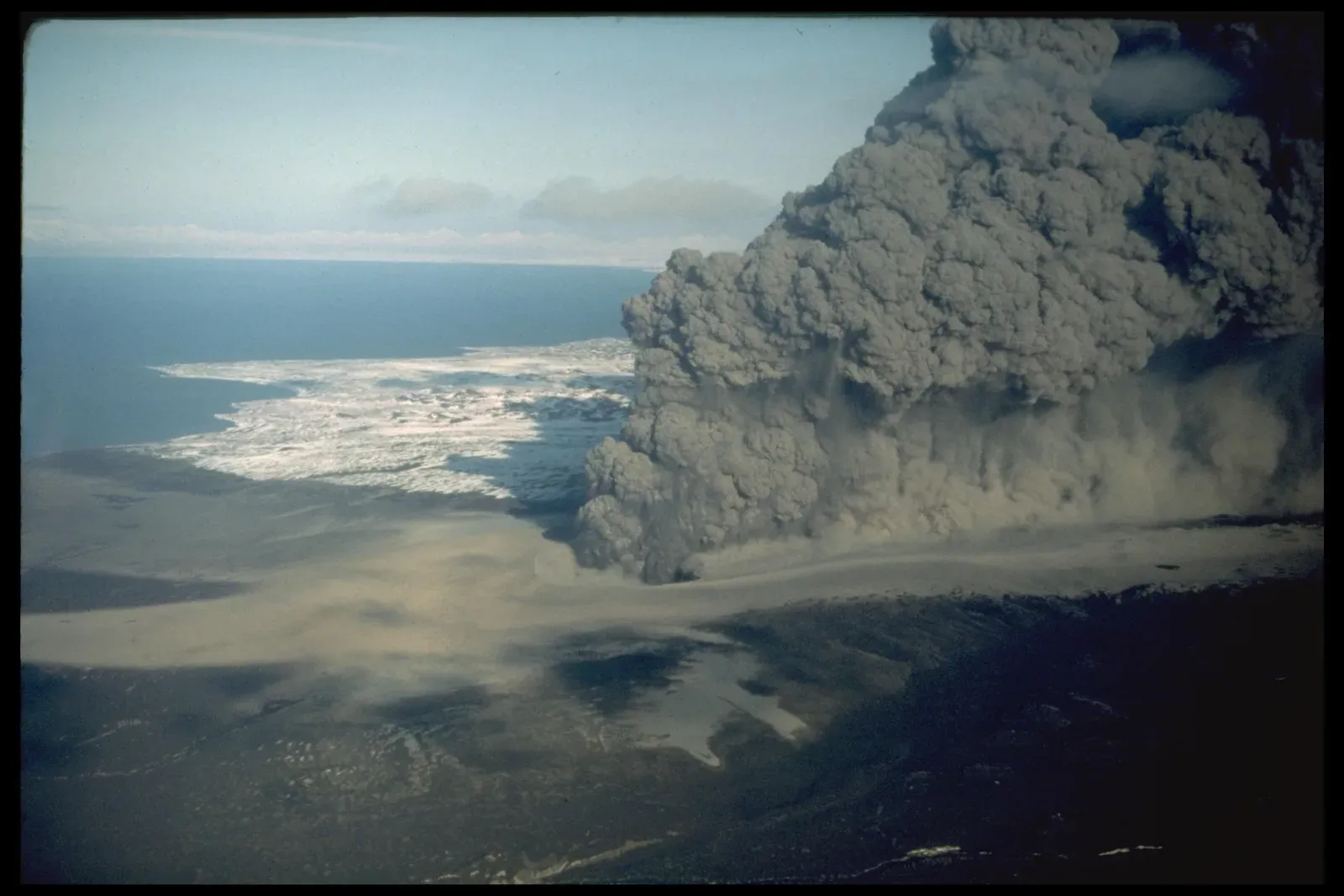
Imagine the worst realistic scenario: a super-eruption on the scale of Yellowstone’s largest known events. It would likely begin with days to weeks of increasingly strong earthquakes and surface changes, tipping off scientists that something major was coming. As pressure built, massive fractures could open, and an enormous column of ash, gas, and pulverized rock would blast high into the stratosphere, dwarfing anything in recorded human history.
Near the caldera, pyroclastic flows – fast-moving, searing-hot avalanches of ash and gas – could sweep across tens of miles in all directions, effectively destroying most life and infrastructure in that zone. The eruption could last for days, or longer in pulses, dumping unimaginable amounts of material into the atmosphere. It would not be a single “boom and done” moment, but a drawn-out disaster, with the worst effects near the volcano and growing, slower-burning problems thousands of miles away.
States In The Bullseye: Who Gets Hit The Hardest?
If Yellowstone did go big, the states closest to the caldera would face the most direct and immediate devastation. Large parts of Wyoming, Montana, and Idaho could experience complete destruction in the pyroclastic and heavy-ash zone. Towns, highways, and ecosystems within that core radius would not just be damaged – they would be erased or buried under thick layers of hot debris.
Beyond that inner circle, surrounding regions of those same states would still suffer punishing ash falls, building collapses, poisoned water supplies, and months or years of total disruption. Think roofs caving in under ash loads, agriculture wiped out, and hospitals struggling to function. While not every corner of Wyoming, Montana, and Idaho would be physically uninhabitable forever, vast areas could become effectively lost for human settlement on any normal timescale.
The Ash Footprint: Which States Could Become Uninhabitable?
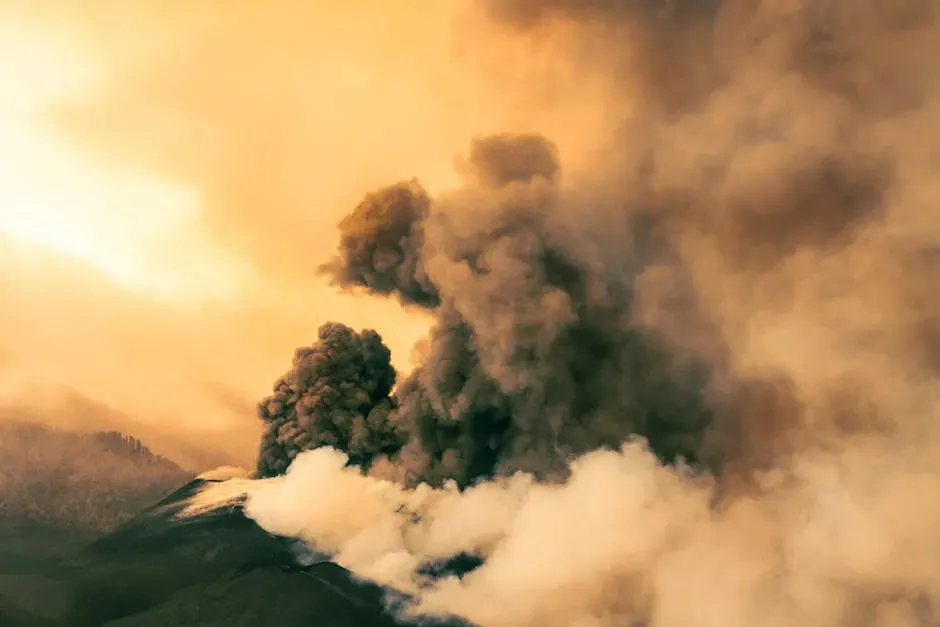
The key to understanding long-term uninhabitability is ash. Volcanic ash is not like fireplace soot; it is tiny shards of glass and rock that slice lungs, clog machines, and poison land. In a true Yellowstone super-eruption, the heaviest ash would fall in a broad region downwind, typically to the east and southeast, though wind patterns at different altitudes could bend and spread that footprint in complex ways.
In the worst credible models, central and northern parts of Wyoming, Montana, and Idaho could be buried under many feet of ash, while neighboring states such as parts of Utah, Colorado, the Dakotas, and Nebraska could see ash thick enough to permanently ruin agriculture, contaminate water, and collapse many structures. Calling an entire state uninhabitable forever would be an exaggeration, but large swaths of those states could be too dangerous or too damaged to live in for decades. The painful truth: the idea of “states” being uninhabitable is a simplification; it would be regions within multiple states, especially those closest and downwind, that become dead zones in practical terms.
Air, Water, And Climate: The Secondary Disasters
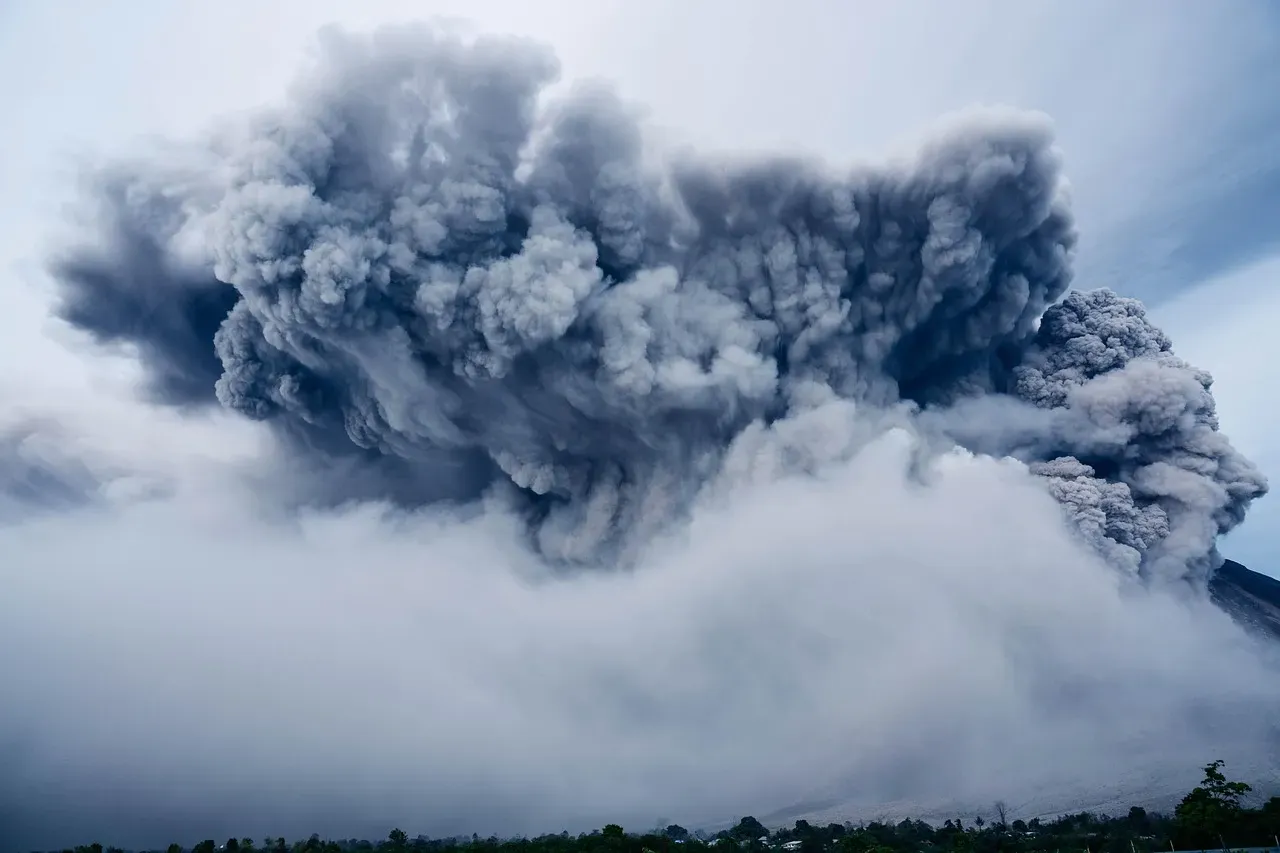
Even if you live far from Yellowstone, you would feel the impact in the air you breathe and the food you eat. Ash in the atmosphere would travel across the continent and beyond, irritating lungs, grounding flights, and disrupting power systems on a colossal scale. Water supplies would be contaminated as ash washed into rivers, reservoirs, and treatment plants, forcing entire cities to scramble for clean sources.
On a global level, sulfur and ash high in the atmosphere could reflect sunlight back into space, cooling the planet noticeably for a few years. That kind of volcanic winter would shorten growing seasons and hammer agriculture worldwide, not just in the United States. Suddenly, food prices would spike, supply chains would buckle, and even nations that have never heard of Yellowstone’s geysers would be dealing with its volcanic shadow.
Could People Survive Nearby, Or Would Everyone Have To Leave For Good?
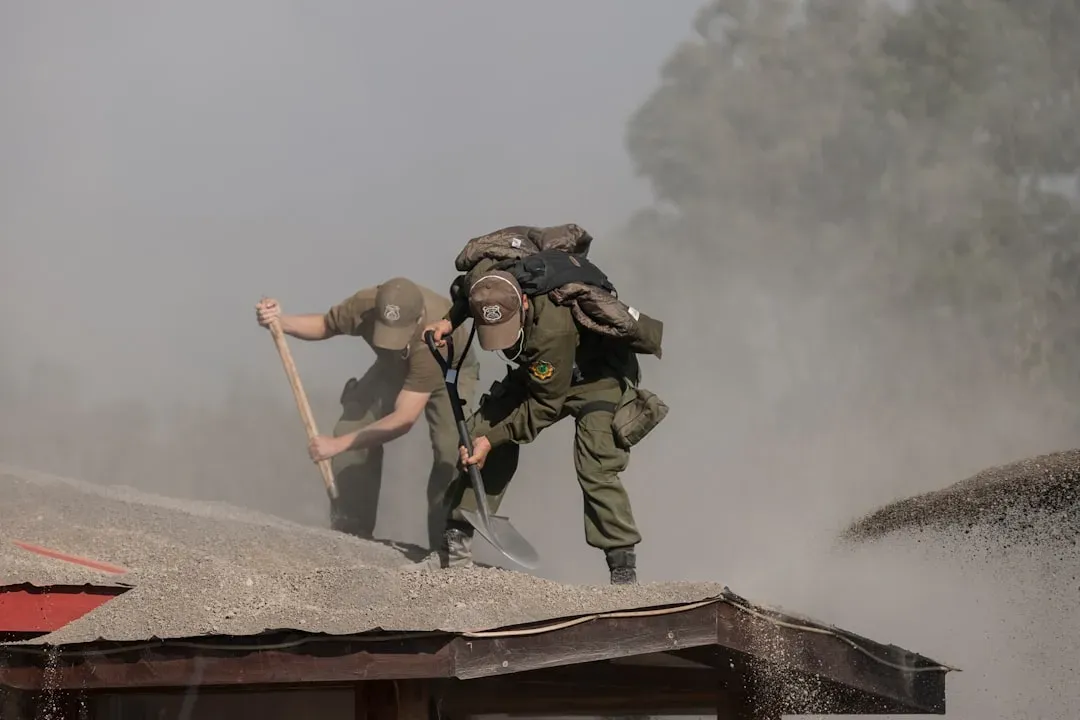
This is the uncomfortable, nuanced part: survival does not always equal habitability. In the wider region beyond the totally devastated core, many people could survive the initial eruption with warning, evacuation, and good luck. But returning to live there might be a different story. Thick ash deposits turn fertile land into a cement-like crust, destroy crops, clog rivers, and create a long-term hazard every time wind or rain stirs the fine particles back up.
Cleanup on that scale is not like shoveling after a blizzard; it is more like trying to rebuild from a war that never really ends. Some communities might eventually be rebuilt on the fringes, especially in less-buried parts of Montana, Idaho, or nearby states, but the heavily blanketed regions would likely be written off for at least a generation, maybe longer. In practical terms, those zones would be considered uninhabitable for normal life: unsafe for kids to grow up in, uneconomical to farm, and too risky for long-term investment.
How Scientists Monitor Yellowstone (And Why That Should Calm You)
One hopeful part of this story is how closely Yellowstone is being watched. A network of seismometers, GPS stations, gas sensors, and satellite tools constantly tracks how the ground moves, what gases are escaping, and how heat flows through the system. It is one of the most heavily monitored volcanoes on Earth, precisely because of the potential consequences of a large eruption.
That does not mean scientists could predict the exact day or hour a major eruption would begin, but the odds of a sudden, silent super-eruption “out of the blue” are extremely slim. The build-up to something that large should leave loud, messy fingerprints in the data: strong quake swarms, rapid deformation, and big changes in the hydrothermal system. Knowing that experts are watching in real time, sharing information, and improving models year after year is one of the best antidotes to the feeling that Yellowstone is some secret doomsday device hidden under a national park.
Life After The Blast: Migration, Economy, And A Changed America
If Yellowstone ever did unleash a super-eruption, the United States would not be wiped off the map, but it would be reshaped in ways that are hard to fully imagine. Millions of people from the hardest-hit interior states would be forced to relocate, flooding into regions that are already struggling with housing and infrastructure. That kind of sudden internal migration could strain politics, economies, and social systems across the country, probably for decades.
Economically, the loss of farmland, energy infrastructure, tourism, and transportation in the central and western states would be a historic blow. Yet humans are notoriously stubborn survivors. New population centers would grow, new trade routes would form, and over time, the story of Yellowstone would shift from pure tragedy to a defining chapter in how societies adapt to planetary forces. It would not be the end of the United States, but it would be the end of the map as we currently know it.
Conclusion: Should You Worry About Yellowstone At All?
Here is my honest opinion: Yellowstone is worth respecting, not obsessing over. The science tells us that a super-eruption is possible but extremely unlikely in our lifetimes, and that if it did happen, the damage would be brutal but uneven – devastating for parts of Wyoming, Montana, Idaho, and neighboring regions, disruptive for the rest of the country, and deeply challenging worldwide. The idea that half the United States would instantly become uninhabitable forever makes for dramatic headlines, but it is not how real geology or real recovery works.
If anything, Yellowstone is a reminder that we live on a restless planet and that our modern lives are built on top of forces we do not control. To me, that is less a reason to panic and more a reason to double down on good science, strong infrastructure, and honest public communication. We cannot stop a supervolcano, but we can choose how calmly and intelligently we prepare for rare, high-impact risks. When you think about Yellowstone now, does it feel a little less like a horror movie and a little more like a complex, manageable reality?