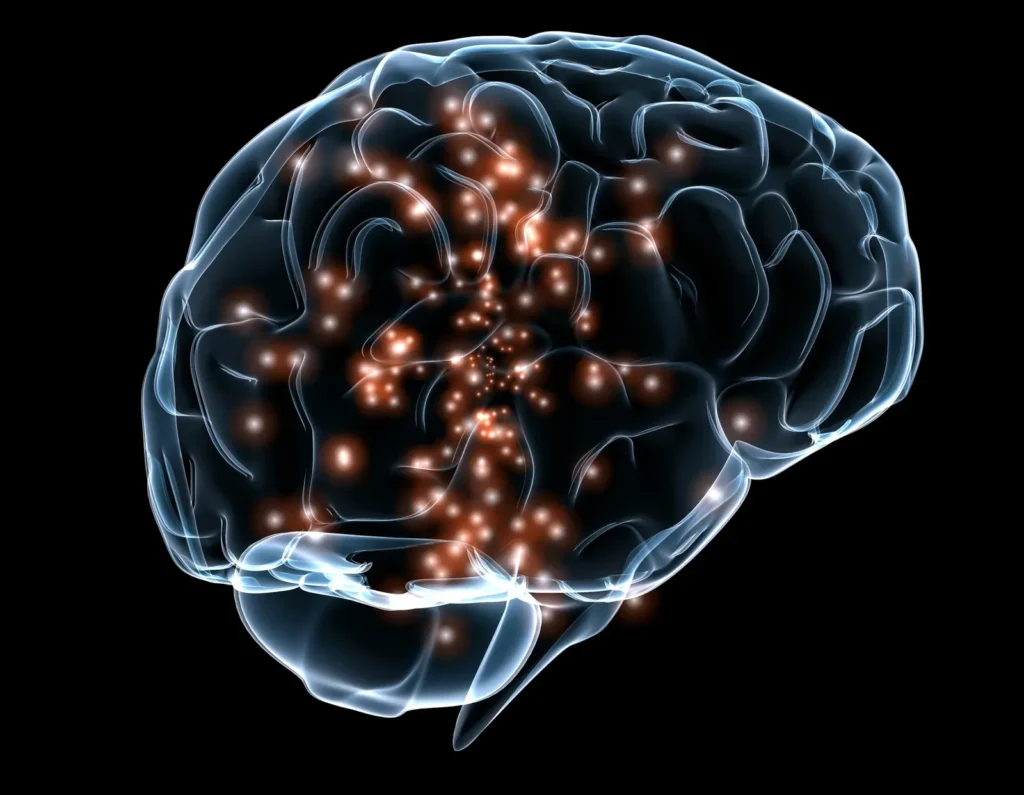
Picture this: your heart is failing, your breathing is slowing, your body is shutting down – yet inside your head, something might be lighting up. The idea that our final minute of life could be more mentally intense than most people realize is both comforting and unnerving. Over the last few years, scientists have quietly been slipping sensors onto the brains of dying patients and animals, trying to catch consciousness in the act of leaving. What they are seeing is not a simple fade to black.
Instead, the brain sometimes appears to surge. Waves of activity rise when, by all common sense, they should be falling. Certain brain rhythms linked to memory, awareness, and complex thinking have been recorded in the seconds before and after the heart stops. It is not proof of an afterlife, and it does not confirm any specific spiritual belief. But it strongly suggests that those final 60 seconds are far from empty – and that the story of dying is much more about the brain than we ever wanted to admit.
The Final Brain Surge: Why Death Is Not Just “Lights Out”
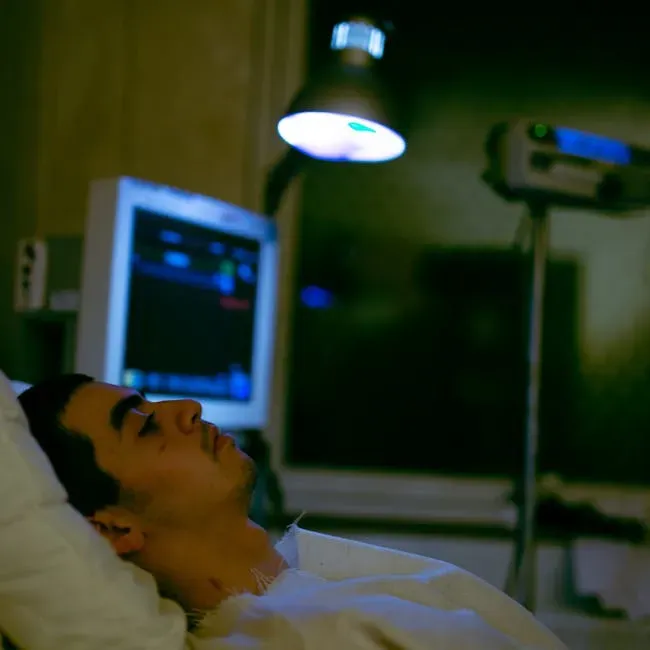
One of the most surprising findings from modern neuroscience is that the brain can show a last burst of organized activity right around the time of death. In some studies of people in intensive care whose deaths were expected, researchers placed EEG electrodes on their scalps and recorded brain waves as life support was withdrawn. Instead of a smooth, gradual decline into silence, they sometimes saw a brief spike in high-frequency waves associated with focused attention and processing. It is as if the brain, in its last moments, rallies for one final push.
Animal studies paint a similar picture. When researchers monitored the brains of rats as their hearts stopped, they noticed a rapid, intense increase in synchronized brain activity just after blood flow was cut. These patterns looked surprisingly similar to the rhythms linked to conscious states. Scientists do not fully know what this means, but one possibility is that the brain is making a last effort to stabilize itself as oxygen drops. Another is that what we think of as “going unconscious” might be delayed, with awareness briefly hanging on while the body is already failing.
Memory, Life Review, and the Brain’s Final Replay
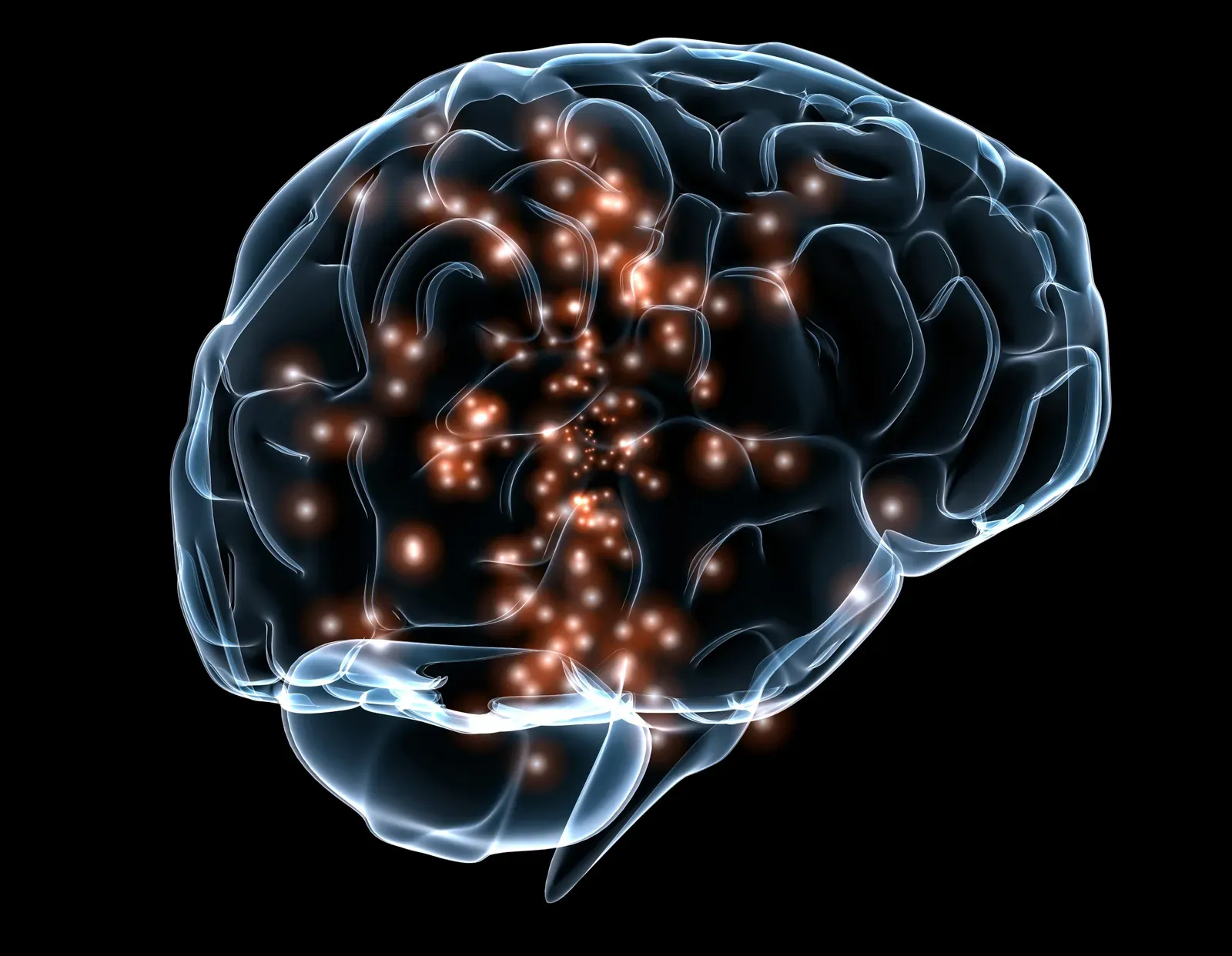
Many people who have had near-death experiences describe a rapid life review: flashes of childhood, key relationships, or emotionally charged events playing out in a strangely vivid way. For decades, this sounded more like poetry than biology. Now, with better brain monitoring, scientists are starting to see hints of how something like this could happen in that final minute. Some dying patients have shown increased activity in brain regions that support memory, emotion, and integration of complex experiences, even as their vital signs collapse.
Think of it like a failing computer that briefly overclocks itself before shutting down. As blood flow drops, the brain’s chemistry becomes unstable, and networks that are usually tightly regulated may suddenly fire in unusual, highly synchronized ways. This instability could trigger cascades through memory circuits, surfacing long-stored images and feelings in a rapid, overlapping burst. We do not have direct proof that a movie of your life really plays in your mind in the last 60 seconds, but we do know that the machinery for such an intense internal experience can still be active even when the body appears to be at the edge of death.
Between Heartbeat and Flatline: Consciousness in the “Gray Zone”
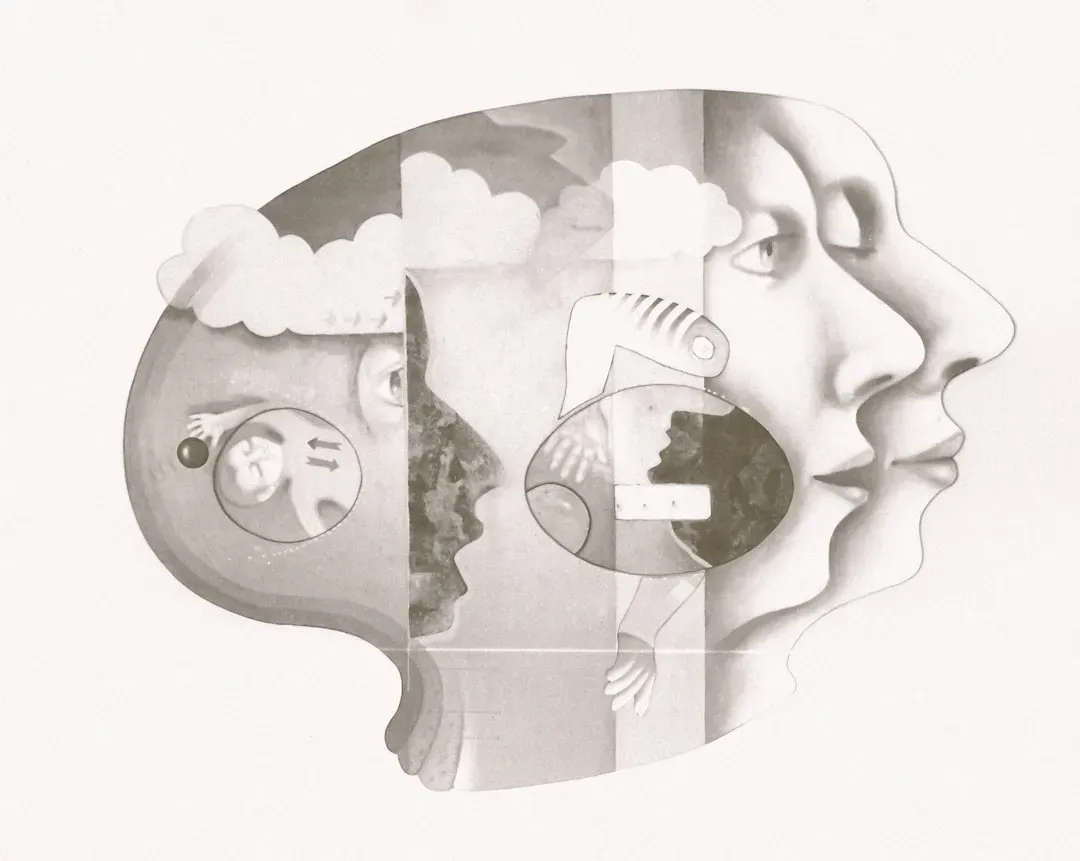
Most people assume that once the heart stops, consciousness disappears instantly. Reality is a lot more complicated. There is a small but strange gray zone between cardiac arrest and complete brain failure, where pockets of brain tissue can remain active for tens of seconds, sometimes even a few minutes, depending on conditions. During that window, electrical signals may still travel through networks involved in perception, awareness, and selfhood, even though the person looks unresponsive from the outside.
This gray zone lines up uncomfortably well with accounts from people brought back after their hearts stopped. Some describe clear thoughts, vivid perceptions, or an awareness of events around them while medical staff believed they were unconscious. Scientifically, this does not prove that full, normal consciousness continues, but it suggests that the brain may not switch off in a single clean moment. Instead, consciousness likely dissolves in stages. The final 60 seconds might be less like flipping a light switch and more like slowly dimming a complex, glowing city at night, building by building, block by block.
Near-Death Experiences: Mystical Journey or Misfiring Brain?
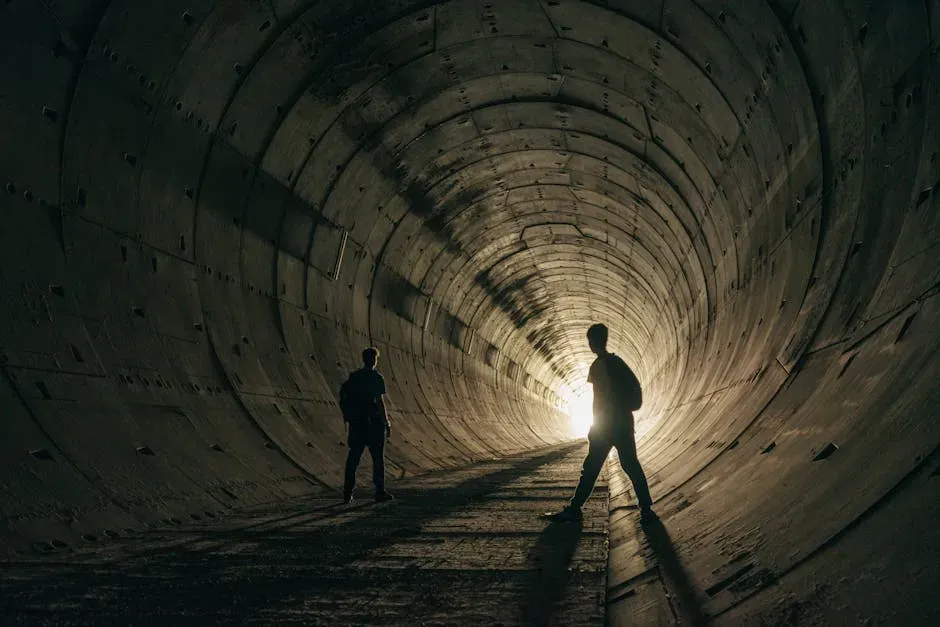
Floating above your body, traveling through a tunnel, encountering a powerful presence or a feeling of overwhelming peace – these features show up again and again in near-death experiences reported across cultures. The tempting move is to pick a side: either they are glimpses of another realm or just the brain malfunctioning. From a scientific viewpoint, the truth is probably somewhere in between. We do know that certain brain states – like low oxygen, changes in carbon dioxide, or surges of specific neurotransmitters – can produce bright lights, out-of-body sensations, and an altered sense of time.
In the final 60 seconds of life, those conditions are exactly what the brain is going through. Blood flow is collapsing, chemistry is going wild, and normal boundaries between brain regions can blur. This could produce intense internal experiences that feel more real than reality itself. To the person going through it, the emotional power is undeniable. You can explain the mechanics without dismissing the meaning. Whether you see these final moments as the brain’s last dream or a doorway to something beyond, the experiences themselves are no less profound for having a biological basis.
Time Slowdown and the Stretching of the Last Minute
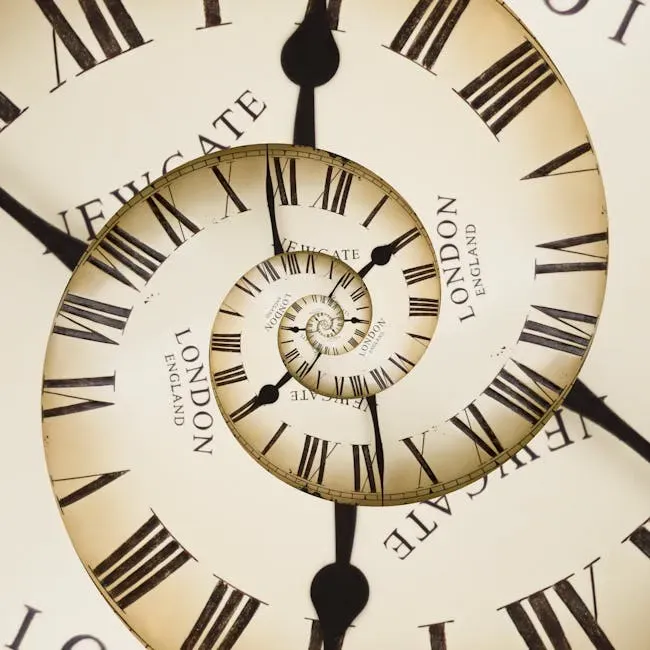
When people describe near-death moments, they often say time seemed to slow down or stretch out. A single minute can feel like an hour, and a few seconds can hold what feels like an entire story. Neuroscience has a way to think about this. Our sense of time is not a simple clock; it is built from how many events, sensations, and thoughts the brain packs into a period. Under extreme stress, the brain can go into a hyper-processing mode, laying down dense chains of impressions that make time feel expanded in retrospect.
So that last 60 seconds on a hospital monitor might not feel like a minute from the inside. It might feel longer, richer, or strangely disconnected from any normal sense of time. If the brain is, for a short window, firing rapidly across networks related to memory, emotion, and self-awareness, consciousness could feel unusually wide and deep even as the body is shutting down. That does not mean people literally live longer in their final minute, but it does mean that the subjective experience of that minute could be radically different from what any outside observer would guess.
The Limits of What We Can Know (and What We Should Admit)
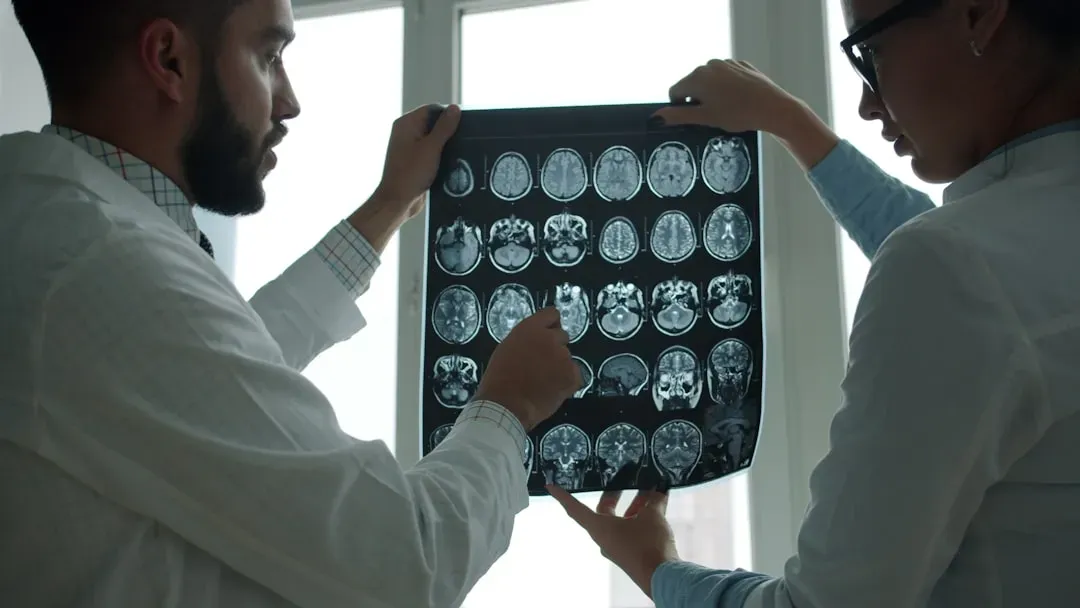
For all the headlines about scientists finally discovering what happens when we die, there is a hard truth: we still cannot sit inside someone’s mind in their last minute and see exactly what they experience. We only have brain wave recordings, vital signs, and the testimonies of people who were pulled back from the edge. That means a lot of what we say about consciousness in the final 60 seconds has to stay humble and carefully worded. We can talk about increased brain activity, plausible mechanisms, and correlations with reports, but not absolute certainties.
This uncertainty is not a weakness; it is a sign of intellectual honesty. It protects us from overselling dramatic but early results or turning complex data into simple, comforting stories. We know now that the brain is more active near death than previously assumed, that consciousness may persist briefly into cardiac arrest, and that the brain can generate rich internal experiences under extreme conditions. Beyond that, anyone who claims to know exactly what you will feel, see, or become in your final minute is going beyond the evidence. The science can stretch our imagination, but it cannot finish the story for us.
What This Means for How We Live (and How We Die)

If the final 60 seconds of life might be more aware, more emotionally loaded, and more internally vivid than we thought, that has real-world implications. It challenges the idea that people on the edge of death are essentially “already gone” in any meaningful way. It invites us to treat those last moments with more tenderness and presence, assuming that hearing a loved one’s voice or feeling a hand on yours might still matter. Even if consciousness is flickering, those brief sparks could be the most intense your brain ever produces.
On a more personal level, I think there is something strangely grounding about this science. It does not promise a particular afterlife, and it refuses easy answers, but it strongly suggests that your mind does not simply vanish the instant the machines say you are done. There may be a final chapter, a last deep breath of awareness, shaped by your memories, your values, and the people around you. My own opinion is that we should stop pretending science has killed all mystery here. Instead, the data quietly says the opposite: the closer we look at the final minute of life, the more it feels like a borderland we are only beginning to map. And that leaves a haunting question hanging in the air: if your last 60 seconds can be that full, what do you want them to be full of?