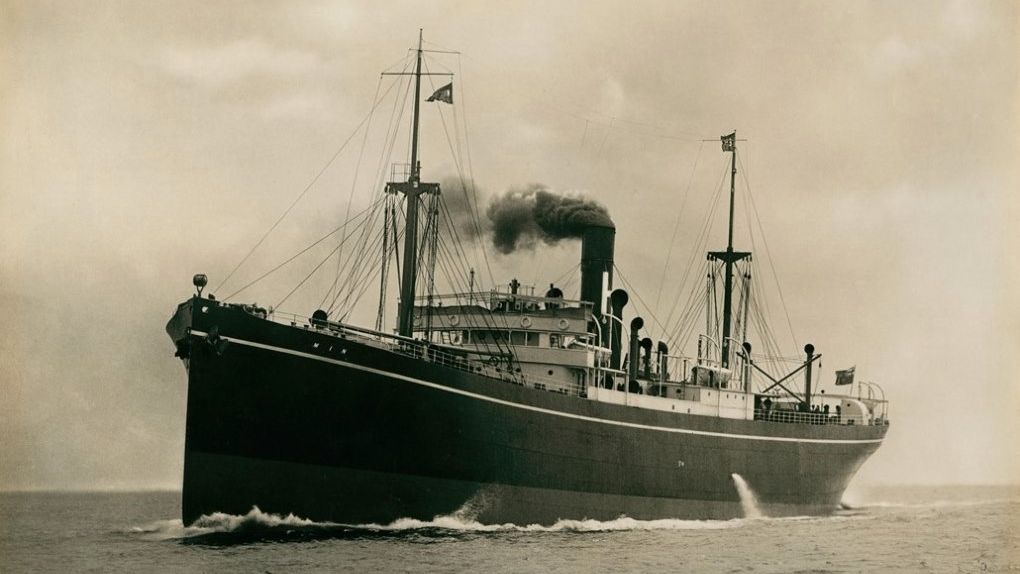

You know those stories everyone quietly files under “probably exaggerated,” but never fully lets go of? The Bermuda Triangle is one of those – a strange patch of Atlantic Ocean between Florida, Bermuda, and Puerto Rico that has soaked up ships, planes, rumors, and conspiracy theories for nearly a century. Now imagine this: six vessels once counted as missing or mysteriously abandoned in that region suddenly found again, floating or recovered in ways that raise more questions than they answer.
The truth is far less cinematic than a blockbuster movie, but it is also far more unsettling: nature, technology, and human error can explain a lot, yet not everything lines up neatly. Some ships reappear after storms or currents move wreckage; others are stumbled upon decades later on the seafloor by modern sonar. But when circumstances around these rediscoveries clash with what we think we know – intact hulls where there should be wrecks, navigation systems that stopped with no distress call, crews gone without clear trace – scientists are left with uncomfortable gaps. Let’s walk through six real ships tied to the Bermuda Triangle’s legend and why, even in 2026, experts still cannot fully close the case on what happened to them.
1. USS Cyclops: A Giant That Vanished Without a Whisper
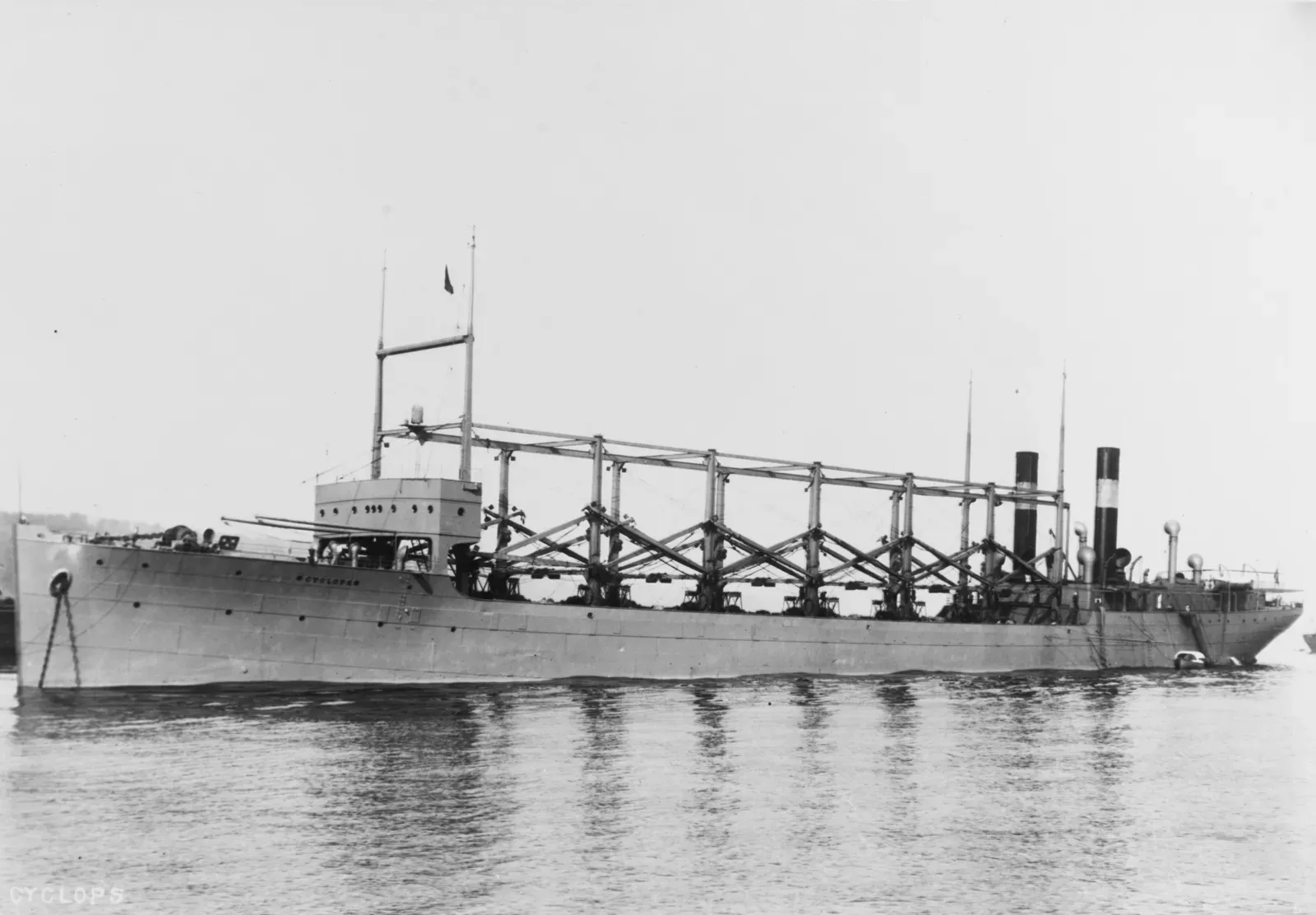
The story of USS Cyclops is the kind of thing that would be rejected as too far-fetched in a thriller. This massive US Navy collier, loaded with manganese ore and more than three hundred passengers and crew, disappeared in March 1918 somewhere between Barbados and Baltimore, passing near what is now considered the Bermuda Triangle zone. There was no distress signal, no confirmed wreckage, and no solid explanation, despite the ship being part of an organized navy convoy system in wartime.
What makes Cyclops so haunting is that shipping technology of the era, while primitive compared to today, was not clueless. Navigation logs, radio, and established routes gave investigators decent tools to reconstruct events for other lost vessels, but Cyclops just falls off the map. Some theories point to structural failure due to overloading, others to a surprise storm, and a few drift into sabotage or even mutiny, but none are backed by definitive evidence. In modern times, extensive sonar mapping in the western Atlantic has identified countless wrecks, yet nothing that can be confidently labeled as Cyclops, leaving scientists with a gap where a ship of that size should be.
2. USS Proteus: Echoes of Cyclops in a Wartime Sea
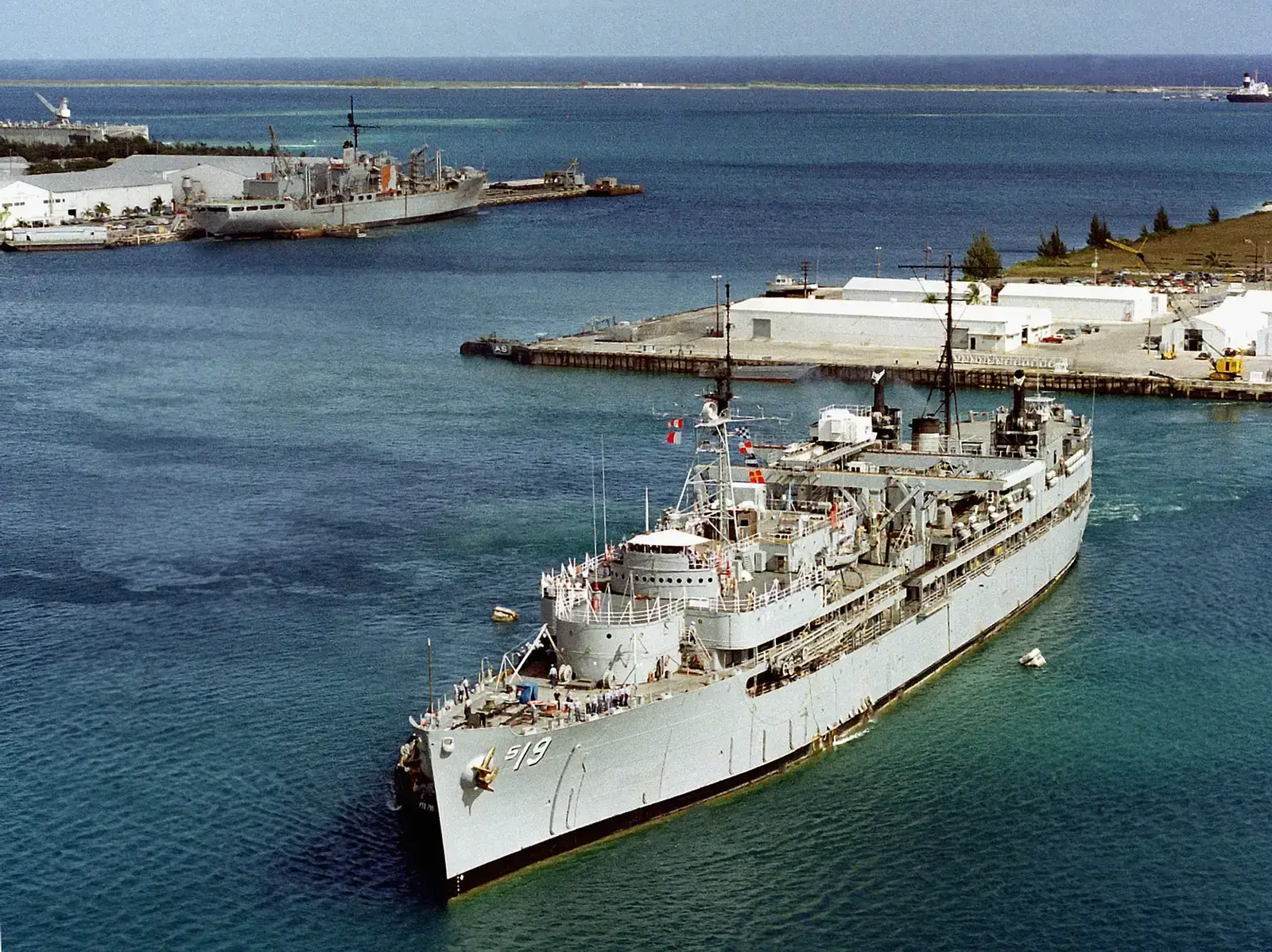
More than two decades after Cyclops, the Bermuda Triangle legend gained another eerie chapter with the loss of USS Proteus in November 1941. Proteus was a sister ship in the same collier line, repurposed and operating in the Atlantic during the early years of the Second World War. Like Cyclops, she disappeared without a reliable distress call, somewhere along a route that brushed the edges of the future Triangle mythology, again with all hands lost.
Scientists looking at Proteus have a familiar set of suspects: severe weather, structural weakness in the class of ship, and the very real threat of German U-boats. Yet the pattern of silence – the lack of a specific wreck site, the lack of survivor accounts, the lack of conclusive physical evidence – leaves enough room for uneasy speculation. If these vessels simply failed structurally, we’d expect similar incidents across the fleet; if they were sunk in combat, we’d expect some record in wartime logs or recovered debris. Instead, Proteus ends up as a kind of rhyme to Cyclops: different year, similar ship, similarly incomplete answers near the same stretch of ocean.
3. USS Nereus: Another Collier, Another Question Mark
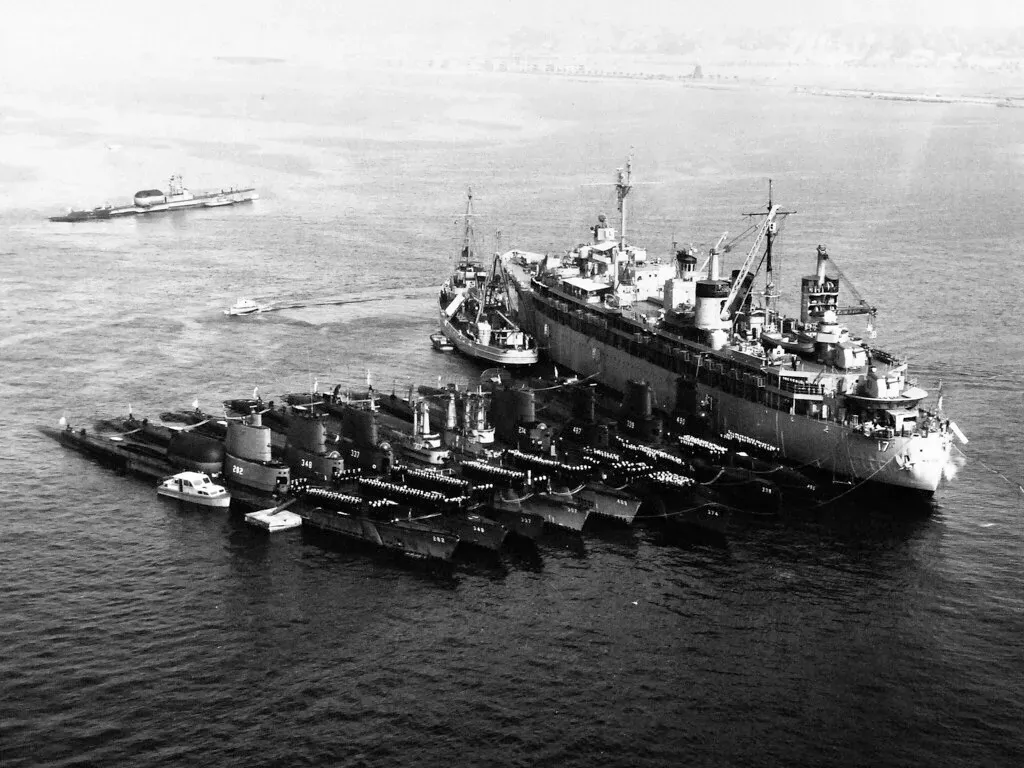
As if two vanished ships of the same lineage were not enough, USS Nereus joined the list in December 1941, just weeks after Proteus. Also a Cyclops-class collier, Nereus disappeared while carrying bauxite – another heavy cargo – along a route that once again led her through the western Atlantic. For investigators, this created a clustering problem: three large ships of the same basic design, operating in roughly similar waters, all gone without a clear forensic trail.
Some naval historians argue that the most rational explanation is a shared design vulnerability combined with hazardous cargo and rough seas, which might have made these ships more fragile than their size suggested. Others counter that even in a chaotic wartime ocean, three total disappearances with little to no trace is statistically jarring. Modern analysis, using computer models of hull stress and load distribution, can show how such ships might fail, but without physical wreckage to examine, those simulations remain educated guesses. For scientists who like clean, testable answers, Nereus is another reminder that our understanding is only as good as the data we can actually touch.
4. Flight 19’s Rescue Ship: A Search That Became Part of the Mystery
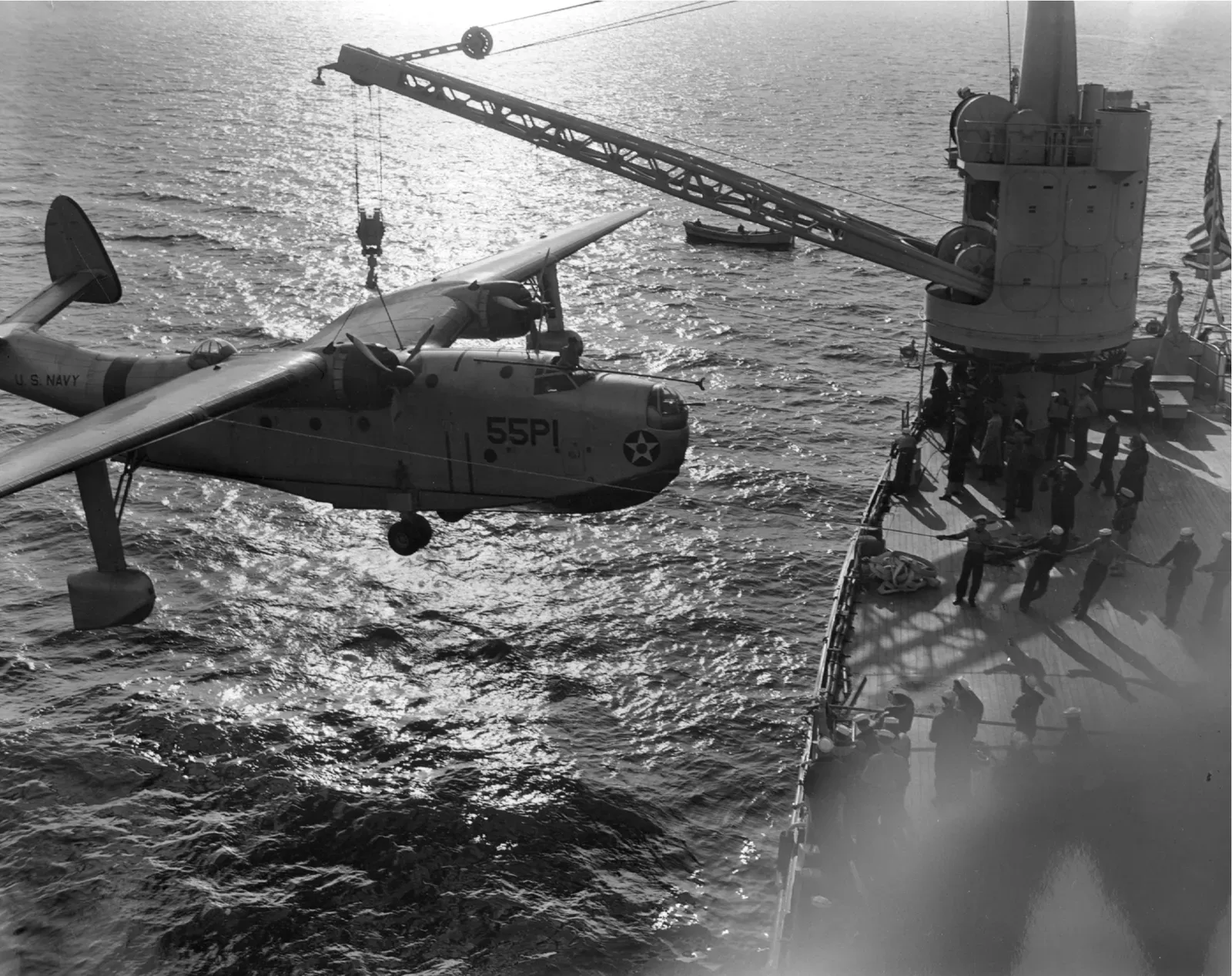
When people talk about the Bermuda Triangle, Flight 19 – a group of five US Navy Avenger bombers lost in 1945 – usually takes center stage. Less discussed, but equally disturbing, is the fate of the rescue aircraft sent to look for them, a PBM Mariner flying boat. That plane took off from Florida loaded with fuel, crew, and rescue equipment…and then it vanished too, with reports from nearby ships of a fiery explosion and later, again, no decisive wreckage that could settle the matter beyond doubt.
Although the rescue aircraft is not a ship in the literal sense, it sits directly in the lineage of Triangle incidents where searching for one lost vehicle drags another into the story. The ocean there is busy, monitored, and relatively well traveled, especially compared with remoter seas, yet we still have these strange absences of hard evidence. Investigators have suggested a fuel vapor explosion, structural issues, or navigational confusion, all plausible in isolation. But taken as part of a cluster of disappearances in the same broad region, the rescue mission that became its own mystery smells, to many researchers, like a warning about how thin our safety net really was – and sometimes still is – even over highly trafficked waters.
5. Carroll A. Deering: A Ghost Ship Off the Carolinas
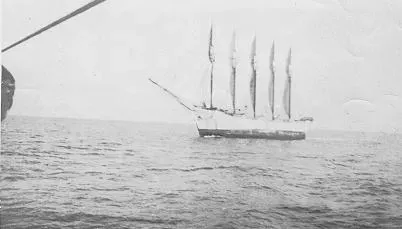
The Carroll A. Deering is one of those cases that feels like a ghost story written into the shipping logs. In 1921, this five-masted schooner was found run aground off Cape Hatteras, not terribly far from the region people later folded into the Bermuda Triangle narrative. The ship’s lifeboats were gone, its crew had vanished, and meals appeared to have been abruptly abandoned, leaving investigators to wonder what could have driven a professional crew to desert such a large sailing vessel without a clear sign of catastrophe.
Official explanations over the years have ranged from mutiny to piracy to navigational error combined with storms. There is evidence that the captain and crew had tensions, and that coastal storms around the time were severe, which gives skeptics of any paranormal explanation plenty to work with. Yet the image of a huge, fully rigged schooner sitting eerily empty, with personal belongings still aboard and no definitive clue to where everyone went, sticks in the cultural memory. Scientists and maritime historians can chart currents, winds, and human behavior probabilities, but Deering sits in that uncomfortable middle ground where several competing explanations are possible and none can be pinned down as the single, provable truth.
6. MV Sylvia L. Ossa: A Modern Cargo Ship That Slipped Away
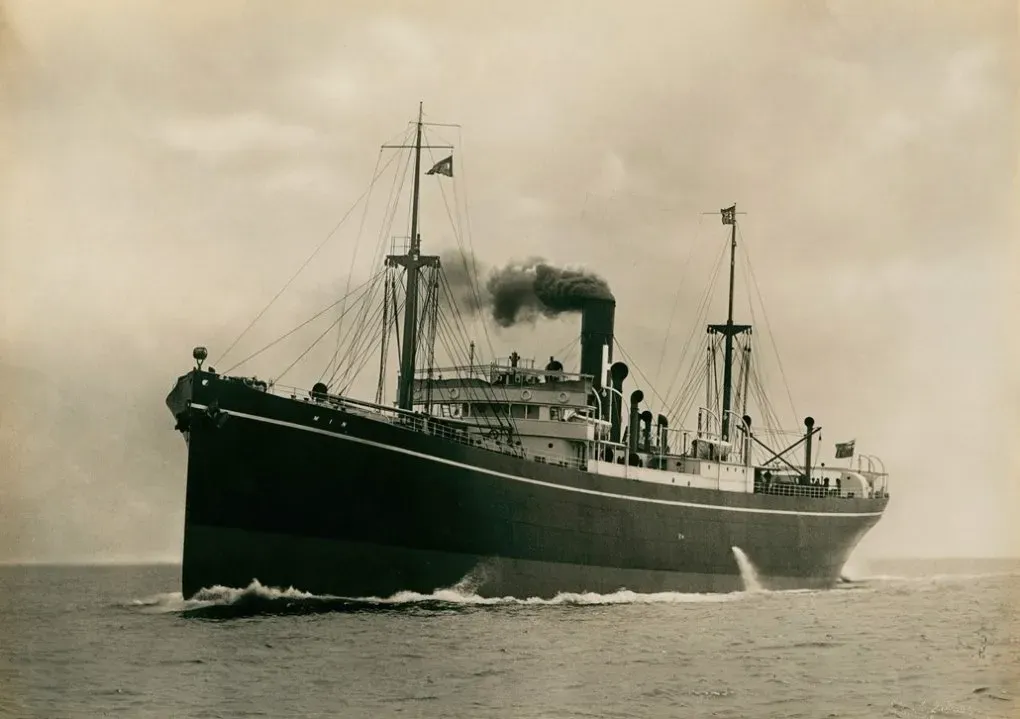
Many people assume Bermuda Triangle stories are all about dusty history, but one of the more troubling cases is relatively recent: the disappearance of the Panamanian freighter Sylvia L. Ossa in 1976. The ship radioed a routine position report northeast of Bermuda, then fell silent. When search teams scoured the area, they found no survivors and no obvious floating wreckage, though later analyses suggested that some debris might have been scattered and either sunk or dispersed by currents before it could be fully documented.
The Sylvia L. Ossa incident bothers scientists because it occurred in an era with reasonably good communication technology and established shipping corridors. We are not talking about wooden schooners in uncertain waters, but about a twentieth-century cargo vessel using radios, charts, and meteorological data. Theories again point to sudden storms, rogue waves, or structural failure, but nothing conclusive has ever been accepted as a final verdict. For oceanographers and accident investigators, this kind of modern mystery is a harsh reminder that even with satellites overhead and ships wired for constant contact, the ocean can still swallow a vessel and give back nothing more than a thin paper trail and unanswered questions.
Conclusion: A Triangle of Mystery, Hype, and Human Blind Spots
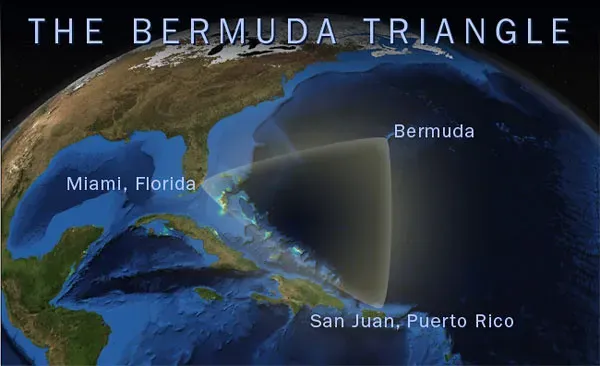
When you lay these six cases side by side – collier giants like Cyclops, sister ships Proteus and Nereus, the doomed rescue mission for Flight 19, the ghostly Carroll A. Deering, and the modern freighter Sylvia L. Ossa – a pattern starts to emerge that is more nuanced than folklore admits. Most scientists will tell you there is no solid evidence that the Bermuda Triangle is a uniquely dangerous patch of ocean compared with other heavily trafficked regions. Shipping and aviation losses there, when adjusted for traffic volume, are roughly in line with other major corridors. And yet, even with that sober context, certain individual disappearances and reappearances stubbornly refuse to be reduced to simple, fully proven narratives.
My own view is that the Bermuda Triangle endures not because of aliens or portals, but because it sits at the uncomfortable intersection of hubris and humility. We like to believe our technology has tamed the seas, that radar, GPS, and satellite tracking have turned the ocean into a fully mapped highway, but these stories are the sharp reminder that we are still small in the face of weather, waves, and human error we do not always perceive in time. Skepticism about exaggerated claims is absolutely healthy, yet so is admitting that in a few well-documented cases, science’s best models still leave us with loose threads. Maybe the real mystery is not whether the Triangle hides some supernatural secret, but why we are so desperate to insist that every storm, every failure, and every lost crew must fit neatly under our current understanding of nature. Would you have guessed that, even in 2026, the ocean can still keep this many secrets?