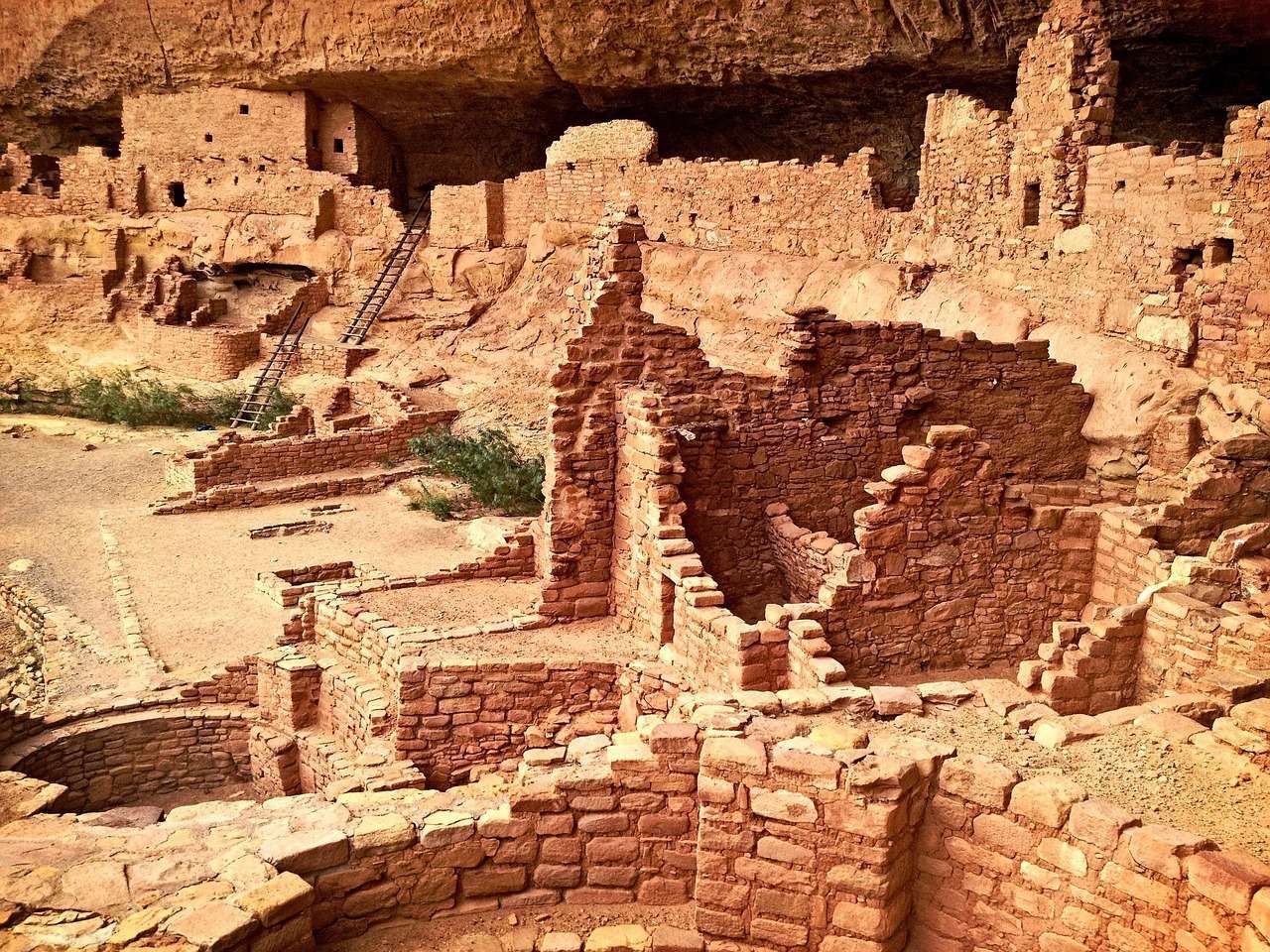
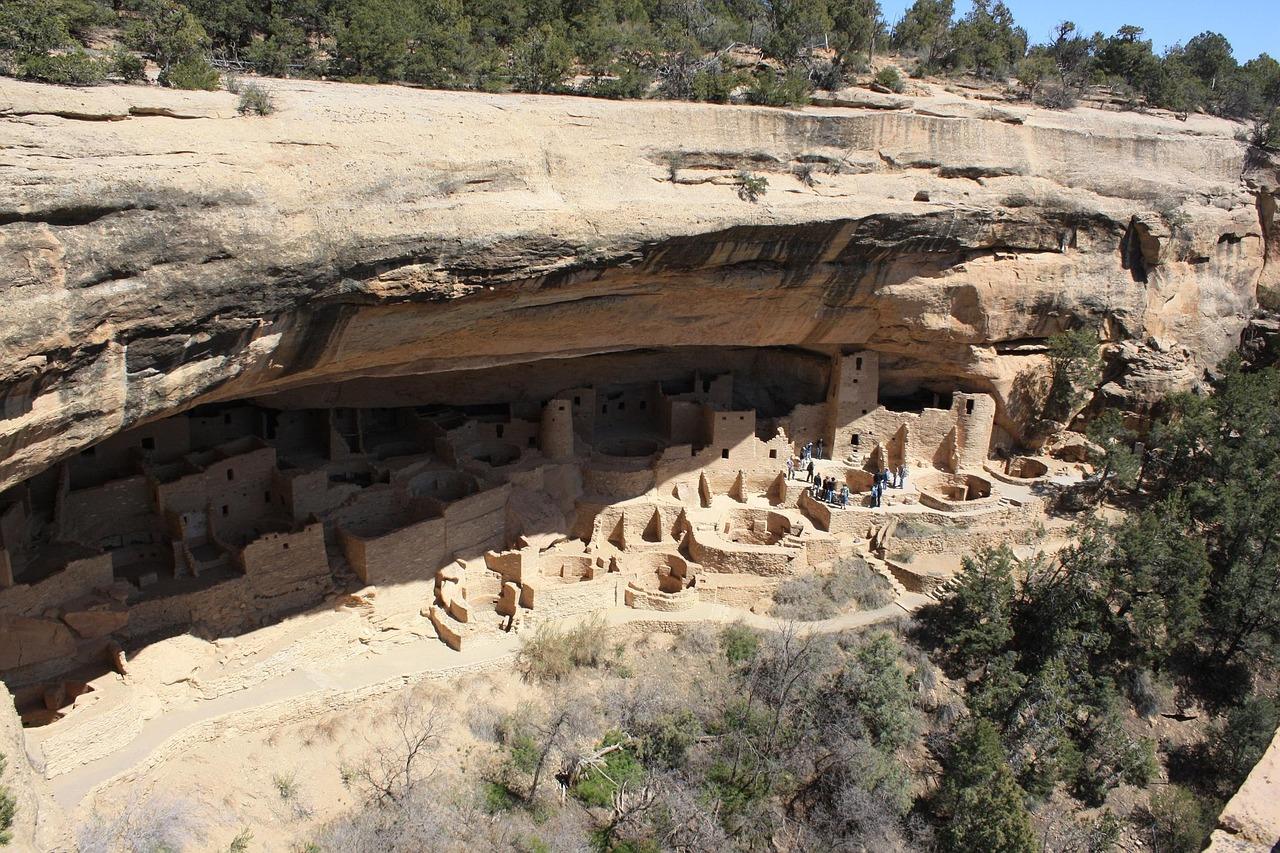
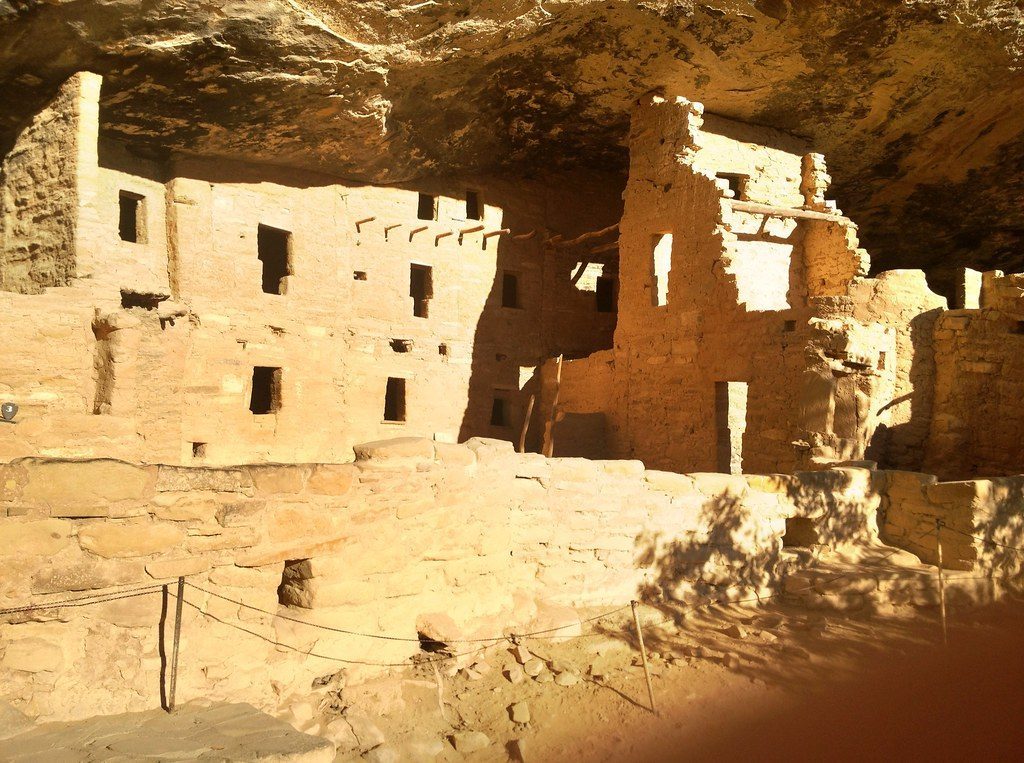
Picture this: you’re walking through the stunning cliff dwellings of Mesa Verde, gazing up at intricate stone structures that have stood for nearly a thousand years. The silence is profound. Inside, they found stone tools, pottery, and other artifacts in rooms that had been uninhabited for some 600 years. These magnificent homes, carved into sheer rock faces with breathtaking precision, were suddenly abandoned. The sudden abandonment of Anasazi settlements around 1300 CE has puzzled archaeologists for decades. However, by the end of the 13th century, their civilization had largely collapsed, and they abandoned their major settlements.
The Anasazi, also known as the Ancestral Puebloans, were a prehistoric Native American civilization that thrived in the American Southwest from approximately 100 to 1300 CE. Renowned for their impressive cliff dwellings, intricate pottery, and advanced agricultural practices, the Anasazi left behind a rich cultural legacy. Yet their story is one of the most compelling mysteries in American archaeology. Let’s dive into the fascinating theories and evidence that might finally explain what happened to these remarkable people.
The Great Drought Theory: When the Rains Failed
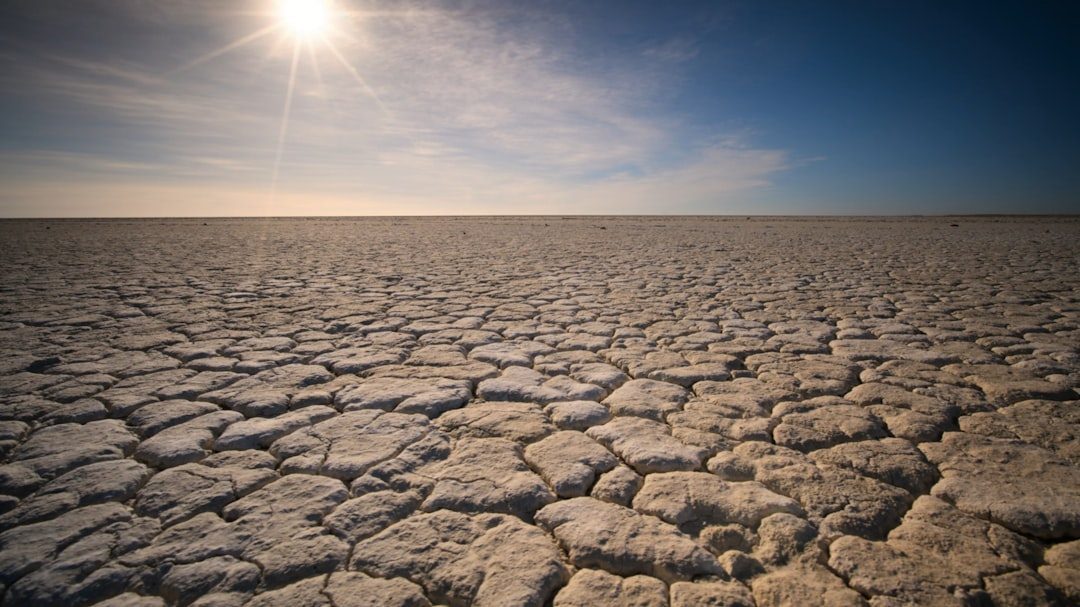
One of the most widely accepted theories is that a severe and prolonged drought, lasting several decades, devastated the Anasazi’s agricultural base. Tree-ring data (dendrochronology) from the region indicates a period of significant aridity during the late 13th century, which would have made farming unsustainable. Think about how devastating this would have been for a civilization that had mastered desert farming for over a thousand years.
The drought theory suggests that a severe drought in the 13th century led to crop failure and famine, causing the Anasazi to abandon their settlements. This theory is supported by tree-ring data, which shows a prolonged drought from 1276 to 1299. The Anasazi’s reliance on maize, which requires substantial water, would have made them particularly vulnerable to environmental changes. Imagine entire communities watching their carefully tended crops wither year after year, with no relief in sight.
Resource Depletion: Living Beyond Their Means
Overexploitation of local resources, such as deforestation and soil degradation, may have exacerbated the impact of drought. The Anasazi weren’t just victims of climate change. They might have been contributing to their own downfall through unsustainable practices. It’s estimated that nearly 26,000 people lived throughout Mesa Verde, and some deduce that they perhaps prospered too quickly for the available resources to keep up.
Population growth had reached incredible heights by the thirteenth century. Population peaked between 1200 to 1250 at more than 20,000 in the Mesa Verde region alone, far more than could be sustained for any length of time. Picture crowded settlements straining against the limits of what their desert environment could provide. Even the most skilled farmers and engineers would struggle against such overwhelming demographic pressure combined with environmental stress.
The Violence and Warfare Hypothesis
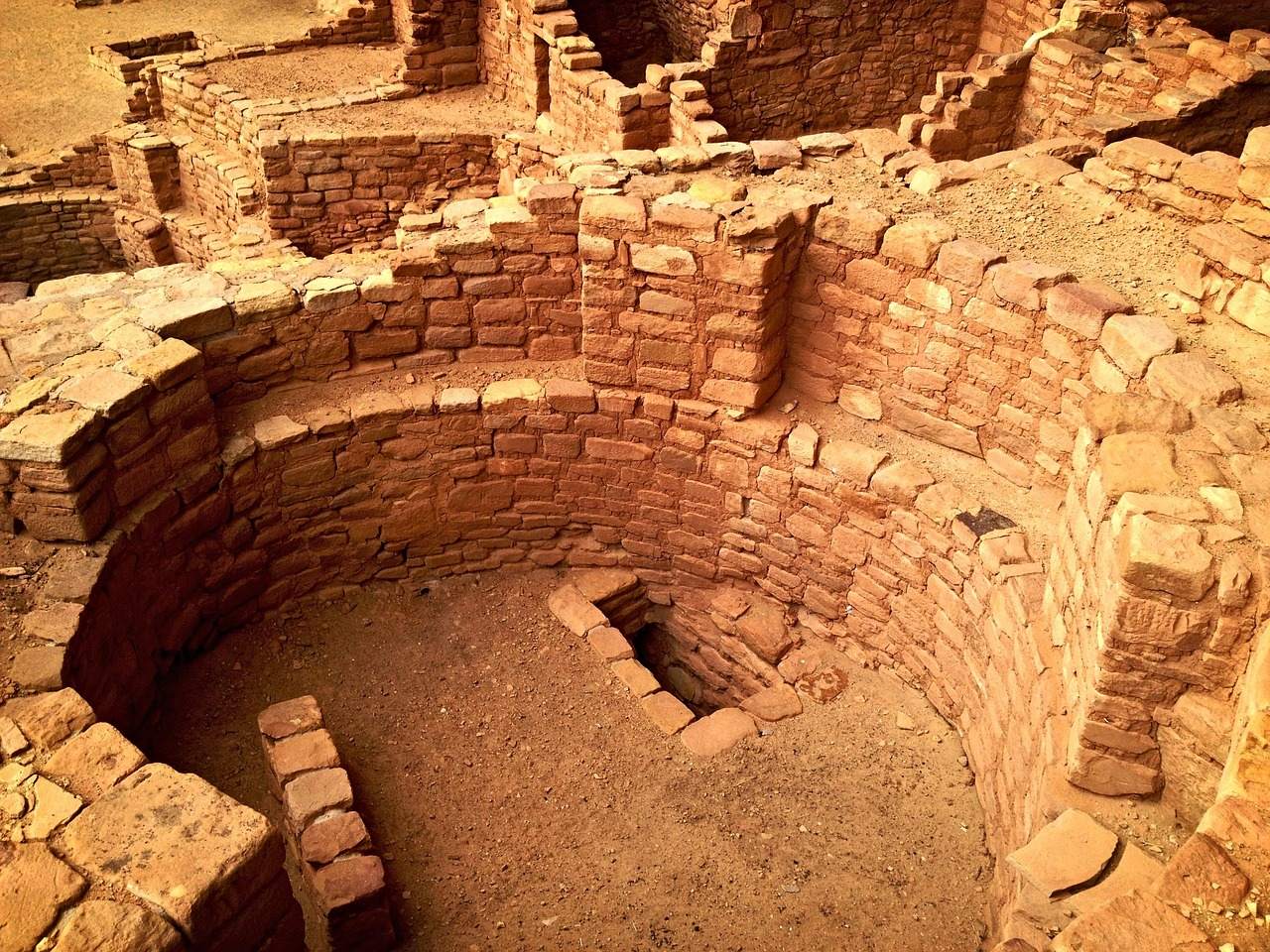
Evidence of violence, such as mass graves and defensive structures, suggests that internal conflict and warfare may have contributed. This theory is supported by evidence of burned buildings and human remains, which suggest a violent and traumatic end to the Anasazi civilization. The peaceful image we might have of these ancient farmers is challenged by increasingly disturbing archaeological discoveries.
If you don’t have enough food to feed your children, you go raiding. And once I raid you, then you have justification to raid back – the revenge motive. And so warfare becomes endemic in the 13th century. This creates a horrifying picture: communities that had cooperated for centuries suddenly turning on each other as resources dwindled. Interdependent networks like this would have been as fragile as a house of cards. Once trust broke down, the entire social fabric could unravel rapidly.
The Strategic Cliff Dwelling Migration
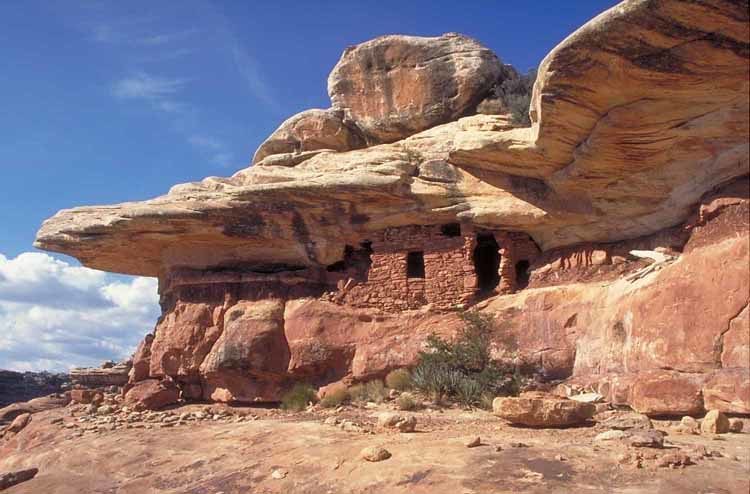
However, the arrival of the Pueblo III period (1150-1300) was marked by violence in the Ancestral Pueblo communities. This pushed the people to switch from exposed pit-houses and great houses to carved cliff dwellings. These weren’t just homes; they were fortresses. The only reason Dr. Haas can see for a move so far from water and arable land is defense against enemies.
The Ancestral Puebloans who constructed this cliff dwelling and the others like it at Mesa Verde were driven to these defensible positions by “increasing competition amidst changing climatic conditions”. Yet these magnificent cliff dwellings represented only a brief chapter in Anasazi history. Indeed, they lived in the cliff dwellings for only about the last 75 to 100 years of their occupation of Mesa Verde. This suggests they were a desperate adaptation to increasingly dangerous times.
Climate Disruption and Religious Crisis
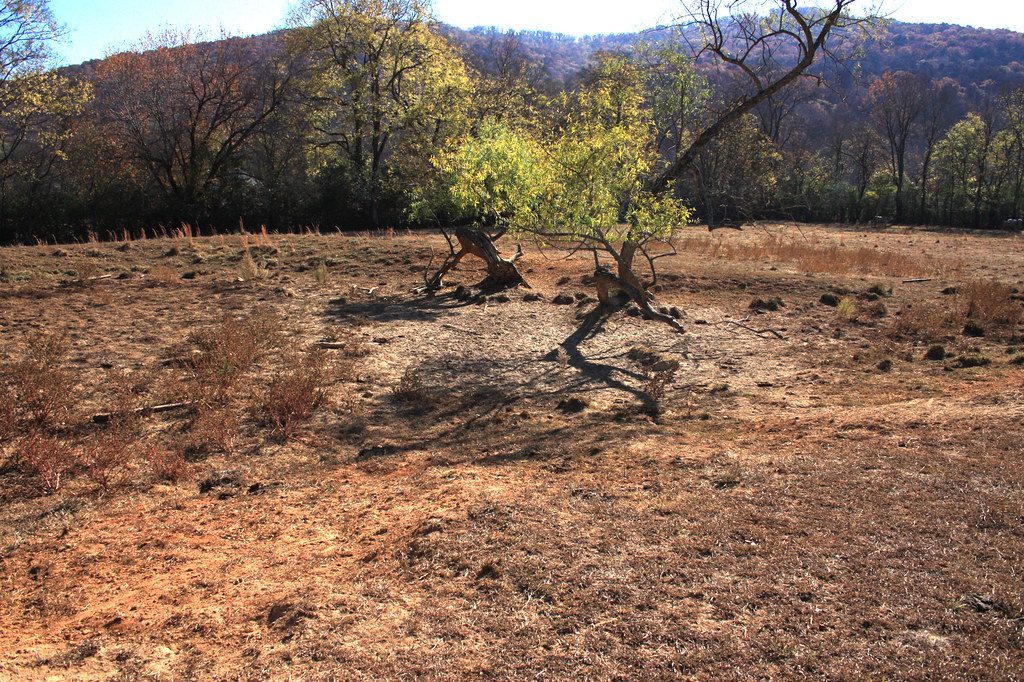
Dr. Jeffrey Dean of the University of the Arizona tree-ring laboratory has found evidence of a major disruption in the area’s typical rainfall. Suddenly, the customary pattern of heavy snows in the winter followed by summer monsoons had become unpredictable. Even if there was not a great drought, moisture may have been coming at the wrong times. The summer rains, so necessary to keep the spring crops from dying, were no longer reliable.
The rain dances were not working anymore. This would have represented a major upset. And it happens to occur exactly at the time when you’re getting all these population movements and cultural changes. Imagine the psychological impact when the rituals that had sustained your people for generations suddenly seemed powerless. In some scenarios, the Anasazi were pulled farther south en masse by an attractive new religion. Many of the Anasazi religious structures were not re-established in the new homelands. Once the Anasazi left the old empire, it seems, the ideological slate was wiped clean.
External Pressures and New Enemies
While internal factors were crucial, external pressures from neighboring cultures or groups might have also influenced the Anasazi’s fate. Some theories suggest that interactions with other Native American groups or external pressures, such as raids or territorial disputes, could have contributed to their decline. The scarcity of resources might have intensified these interactions, leading to significant societal disruptions.
By 1280 the Ancestral Puebloan people had abandoned most of their settlements as a result of climate changes, food shortages, dwindling resources and incoming warlike tribes (Apache, Dineh and Ute). These weren’t just environmental or internal challenges. New groups were moving into Anasazi territory, bringing different ways of life and potentially hostile intentions. The Anasazi found themselves squeezed from multiple directions.
The Great Migration: They Never Really Disappeared
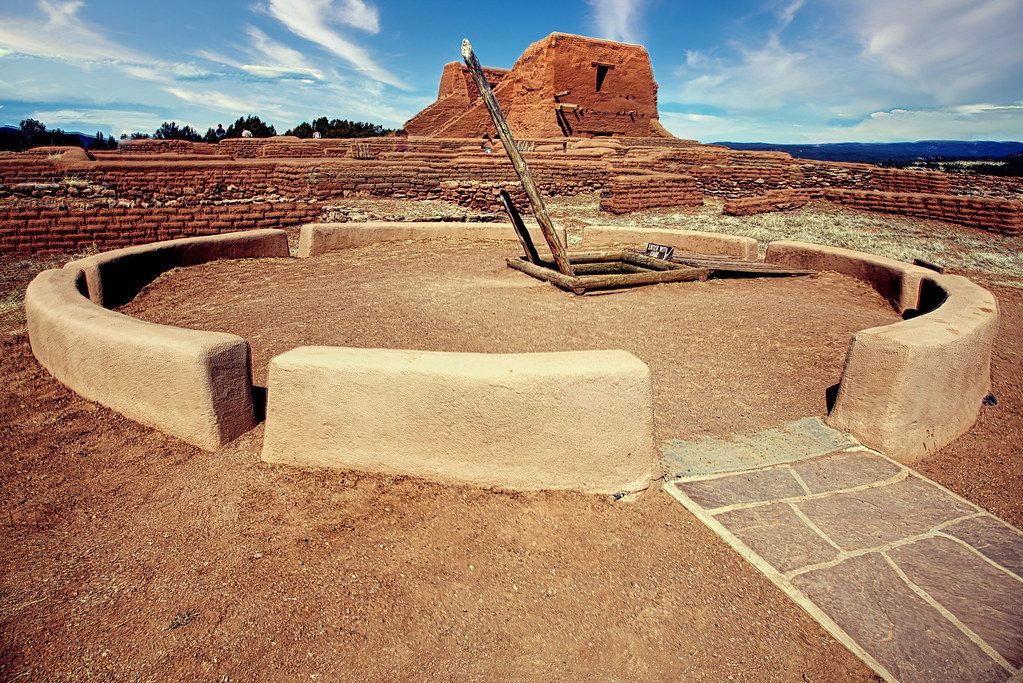
Oral histories and archaeological evidence suggest that the descendants of the Anasazi are the modern Pueblo peoples, such as the Hopi and Zuni. Here’s where the mystery gets even more fascinating. Most modern Pueblo peoples (whether Keresans, Hopi, or Tanoans) assert the Ancestral Puebloans did not “vanish”, as is commonly portrayed. They say that the people migrated to areas in the southwest with more favorable rainfall and dependable streams. They merged into the various Pueblo peoples whose descendants still live in Arizona and New Mexico.
Migrations away from the centers of Mogollon and Ancestral Puebloan culture led the people, in smaller groups, to the river systems that feed the Rio Grande. As the migrants formed new villages with the native inhabitants of their chosen sites of refuge, new dialects, cultures, and artistic forms began to develop. Zuni culture coalesced along the Zuni River, Acoma Pueblo was founded near the Rio San José and Rio Puerco, and dozens of other villages took shape within the Rio Grande corridor itself. In sum, the migration left New Mexico with two major population zones: one in the Rio Grande Valley and another along an east-west axis that connected Acoma, Zuni, and Hopi villages. The Anasazi didn’t disappear; they transformed and adapted to survive.
Archaeological Evidence and Modern Discoveries
Now, using DNA extracted from ancient turkeys, researchers say they have new insights into where these mysterious people went. So Ortman and a team of archaeologists and anthropologists led by molecular anthropologist Brian Kemp at the University of Oklahoma in Norman turned to the next best thing: the DNA of the animals these ancient people domesticated. They analyzed the mitochondrial DNA of hundreds of samples of turkey bones, which are plentiful and well-preserved at the Ancestral Puebloans’ homeland near Mesa Verde in southwestern Colorado.
There is no doubt that modern Pueblo peoples are the descendants of the Ancestral Pueblo people, although it is sometimes difficult to make specific linkages between the prehistoric cultural branches identified by archaeologists and modern tribes. The great shuffling of populations on the landscape after A.D. 1300 insured that modern pueblo communities would represent complex mixes of peoples from different areas. Contrary to the misconception that Ancestral Puebloans are extinct, there are over 60,000 Pueblo individuals living in 32 communities across New Mexico, Arizona, and even Texas. Their contributions extend beyond their community boundaries, with Pueblo people shining as farmers, educators, artists, business people, and civic leaders.
The mystery of isn’t really about disappearance at all. It’s about transformation, adaptation, and survival against overwhelming odds. The mysterious disappearance of the Anasazi civilization remains a complex and multifaceted puzzle. While no single factor can fully explain their collapse, a combination of environmental stress, social conflict, and external pressures likely contributed to their decline. Rather than vanishing into thin air, these remarkable people made the difficult choice to leave behind their magnificent cliff cities and forge new lives elsewhere.
Their descendants continue to carry forward ancient traditions while thriving in the modern world. Many clans of present-day Indian tribes trace their ancestry to the Ancestral Puebloans. They say, “We are still here!” There is strong scientific evidence to confirm that the Cliff Dwellers didn’t mysteriously disappear, but evacuated major cultural centers like Chaco, Mesa Verde and Kayenta over perhaps a hundred years, and joined what are now Hopi and Zuni communities in Arizona and New Mexico and Pueblo villages along the Río Grande.
What do you think about this incredible story of survival and adaptation? Did you expect that the “vanished” Anasazi people are still with us today?