
You probably grew up hearing that ancient people were “primitive,” but when you stand in front of certain ruins and watch the sun hit them at the perfect moment, that idea suddenly feels ridiculous. Across the world, long before telescopes and computers, builders shaped stone and earth into vast calendars that still track the sky with shocking precision. You are not just looking at old rocks; you are standing inside a gigantic instrument tuned to the rhythm of the cosmos.
In this article, you are going to walk through seven of the most intriguing the movements of the sun, moon, and stars. Some of these alignments are razor sharp and clearly intentional; others are still debated and wrapped in mystery. As you move from Ireland to Mexico, from England to the Egyptian desert, you will start to see a pattern: wherever people settled, they watched the sky – and they built it into stone.
1. Stonehenge: Framing the Solstice Sun
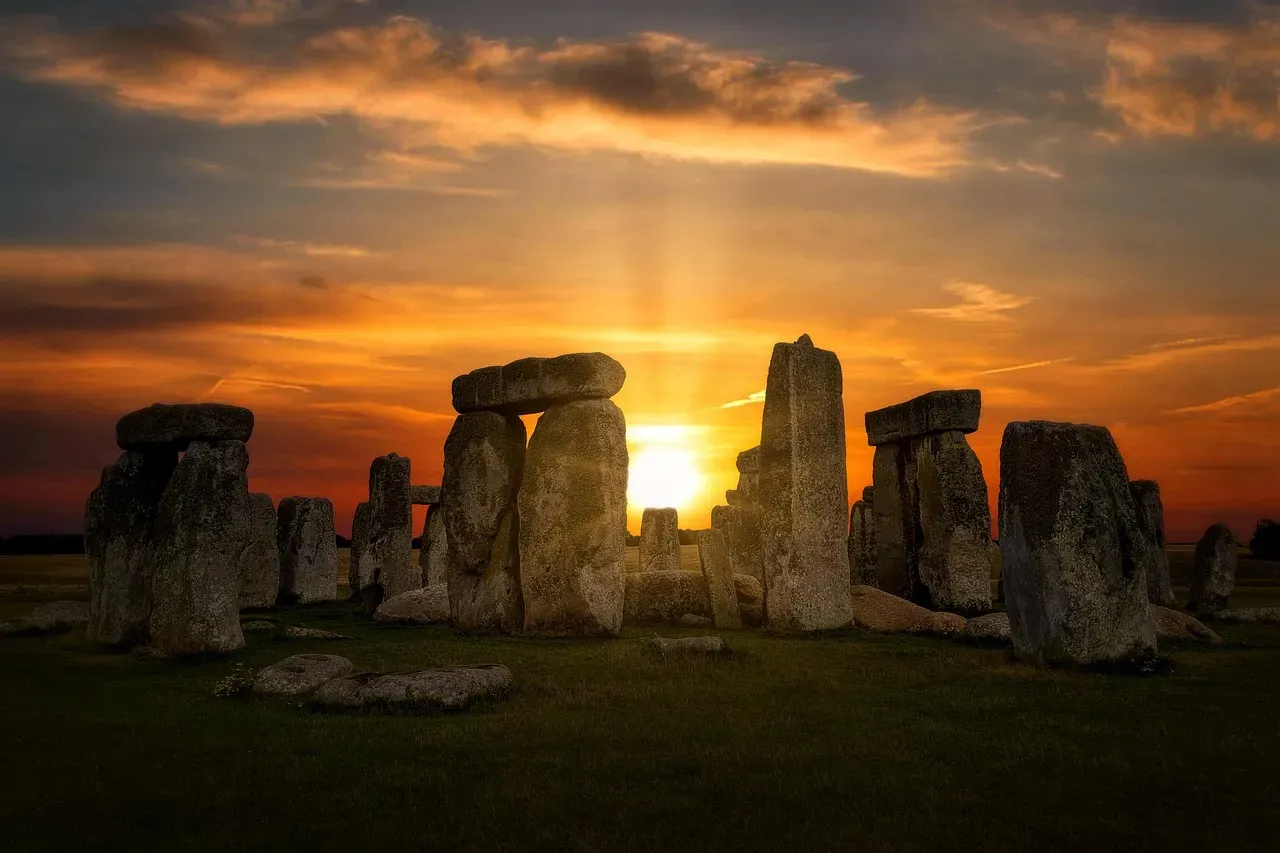
If you visit Stonehenge at midsummer dawn, you are stepping into a moment that has repeated for thousands of years. As the sun rises near the summer solstice, it appears over the Heel Stone outside the main circle and sends its light down the monument’s axis toward the center. On the winter solstice, the alignment flips, and the setting sun drops along almost the same line in the opposite direction, turning the entire structure into a vast seasonal marker rather than a random ring of stones. You can literally watch the longest and shortest days of the year traced across the sky, using stones that were raised in the late Neolithic, long before written records in Britain. ([apnews.com](https://apnews.com/article/c52d83f82a2d12fba0265e224e2323de?utm_source=openai))
When you walk among the sarsens and smaller “bluestones,” you are looking at a puzzle archaeologists are still arguing over. Some see Stonehenge as primarily a temple tied to solar cycles; others think of it as a ceremonial landscape that folded in burials, processions, and maybe even healing rituals. What you can be confident about is the deliberate geometry: the main axis points toward the solstice sunrise in the northeast and the solstice sunset in the southwest, suggesting that whoever planned it was carefully tracking the sun’s extreme positions on the horizon over many years. You are standing inside a stone clock that still keeps time with the turning of the seasons.
2. Newgrange: A Beam of Light on the Darkest Morning
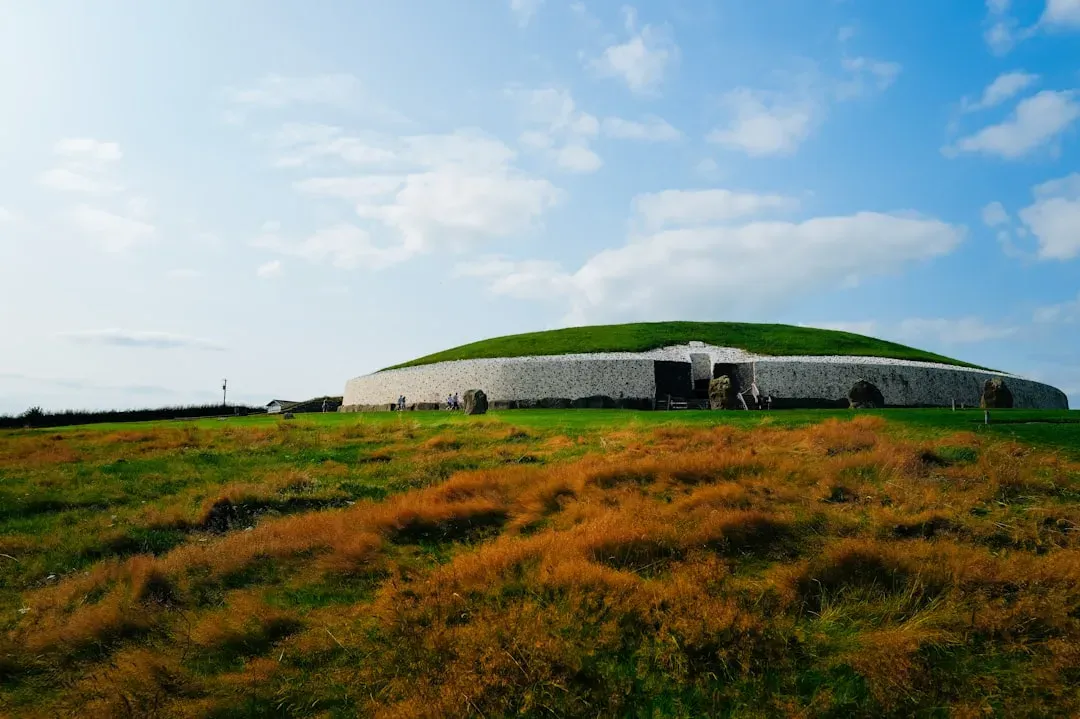
Imagine crawling into a stone passage tomb before dawn on a freezing December morning and sitting in total blackness, waiting. At Newgrange, in Ireland’s Boyne Valley, that darkness breaks only for a few days each year around the winter solstice. A narrow opening called a “roof box” above the entrance catches the rising sun and funnels a thin beam of light almost 20 meters down the passage, flooding the central chamber with gold for a few minutes. This alignment is extremely precise; it works only for the handful of days around the solstice, showing you that the builders were not guessing – they were measuring. ([satyori.com](https://satyori.com/archaeoastronomy/winter-solstice-alignments/?utm_source=openai))
When you realize Newgrange was built around 3200 BCE, older than the pyramids and Stonehenge, its sophistication becomes even more striking. You are looking at a community willing to move massive stones, carve complex spirals and other symbols, and engineer a light channel just to capture the rebirth of the sun on the shortest day of the year. Whether you see it as a tomb, a temple, or both, the message is clear: the return of light after darkness mattered enough to shape an entire monument around it. If you ever get to stand inside when that beam of light hits the chamber, you are experiencing the same goosebump moment Neolithic people designed into the stone more than five thousand years ago.
3. Chichén Itzá: The Descending Serpent of the Equinox
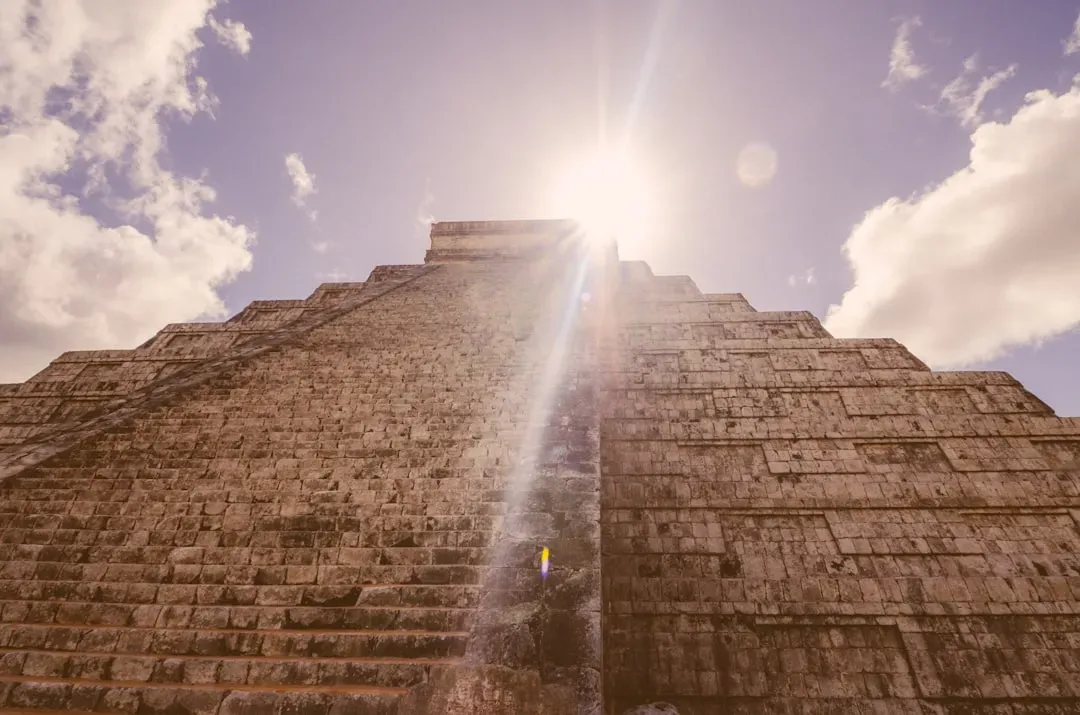
At the pyramid of El Castillo in Chichén Itzá, you can literally watch a serpent made of light and shadow glide down a staircase. Around the spring and autumn equinoxes, in the late afternoon, the sun hits the northwest corner of the pyramid so that a series of triangular shadows fall along the balustrade. As the minutes pass, those triangles connect with a carved serpent head at the base, creating the illusion of a great snake slithering down from the temple above. The effect is so vivid that tens of thousands of visitors now gather to watch it, treating the pyramid like a giant theatrical stage set designed by ancient Maya architects. ([en.wikipedia.org](https://en.wikipedia.org/wiki/El_Castillo%2C_Chichen_Itza?utm_source=openai))
Scholars still debate exactly how tightly the phenomenon is tied to the true equinox dates, since the serpent effect appears over several days, not just one. But when you stand there craning your neck with everyone else, it is hard not to feel that the builders were deliberately playing with sunlight, architecture, and symbolism. You are seeing astronomy turned into storytelling: the feathered serpent associated with power and renewal “descends” from the heavens, right when day and night are nearly balanced. Even if you strip away all the romanticism, you are still left with a stunning example of people using geometry and the sun’s path to create a repeatable spectacle in stone.
4. Nabta Playa: A Desert Stone Circle Older Than Stonehenge
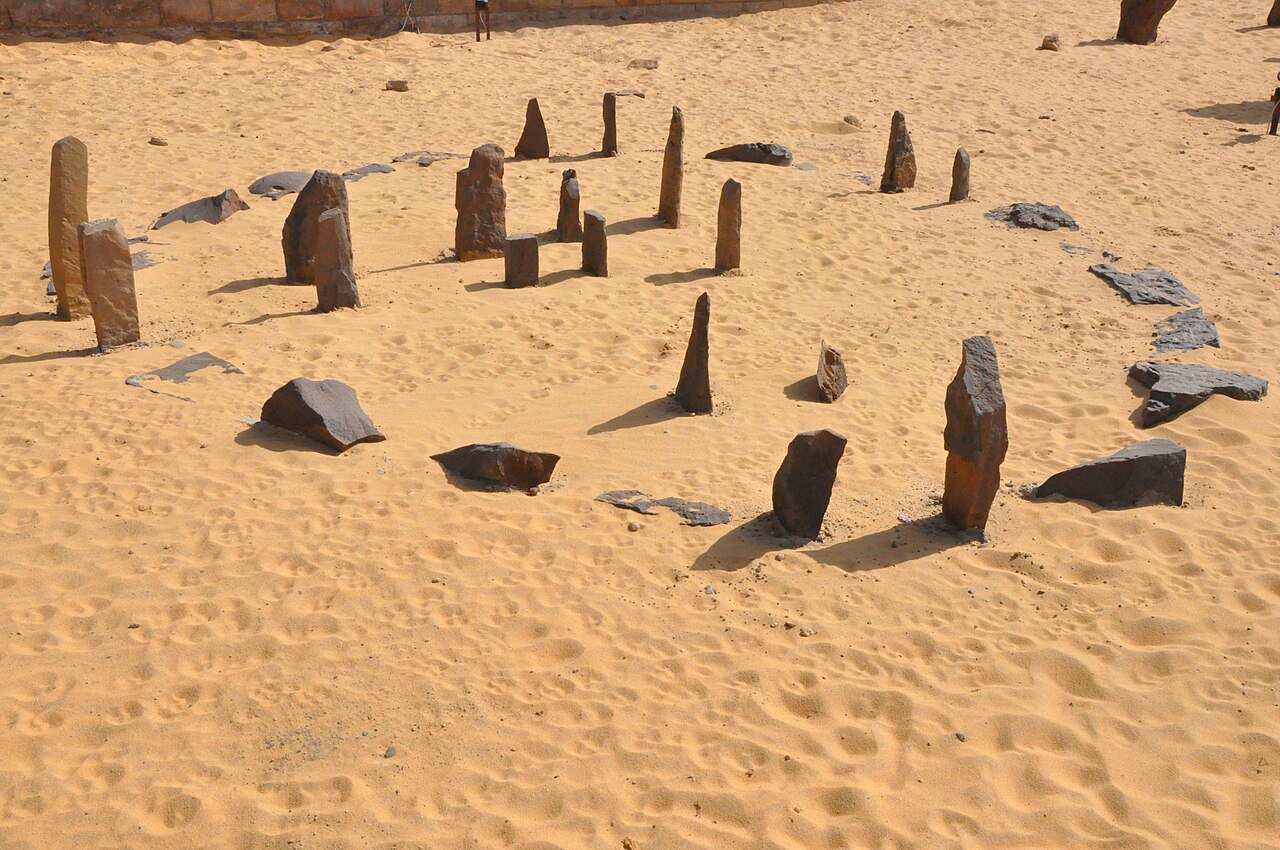
If you travel in your mind to southern Egypt’s Western Desert, you reach Nabta Playa, a dried lake bed that once supported herders thousands of years before the pharaohs. There, a small circle of upright stones and surrounding megaliths have drawn intense interest because some align with the summer solstice sunrise, marking the start of the rainy season in that region long ago. Researchers have argued that the stone arrangements also point toward prominent stars like Sirius or the stars of Orion’s belt at specific prehistoric dates, suggesting that you are looking at one of the earliest known attempts to map the sky in stone. ([en.wikipedia.org](https://en.wikipedia.org/wiki/Nabta_Playa?utm_source=openai))
You should know that not every proposed stellar alignment at Nabta Playa is universally accepted. Some interpretations rely on assumptions about construction dates and precession that other scholars challenge, and new satellite and field studies keep refining the picture. Still, the basic solar alignment with the summer solstice and the evidence for deliberate astronomical planning are widely taken seriously. When you picture people dragging stones across a harsh desert just to shape a circle that tracks the turning of the year, you get a sense of how vital the sky was for timing migrations, rainfall, and survival itself. Standing there, you are in front of a stone notebook where early pastoralists wrote down the rhythm of their world using the sun and stars as ink.
5. Maeshowe and the Northern Winter Sun
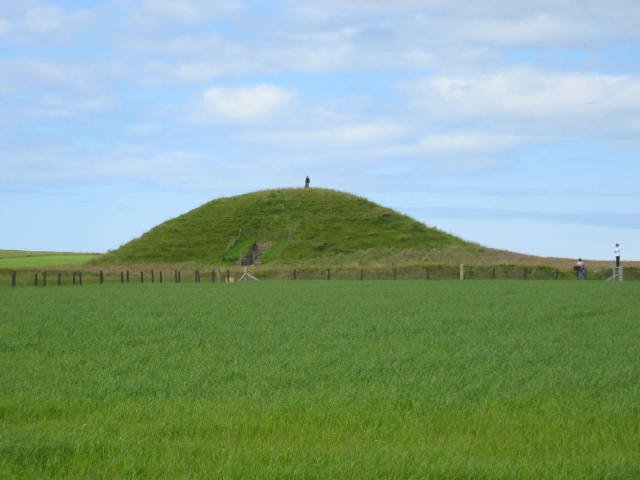
Travel north in your imagination to the Orkney Islands off Scotland, and you find Maeshowe, a massive Neolithic chambered cairn that looks like a grassy mound from the outside. Step inside the long, low passage and you notice that it is not randomly oriented: in midwinter, the setting sun on certain days shines directly along the passage and into the central chamber. Around the winter solstice, the light can briefly reach the back wall, turning the interior into a dramatic light show at a time when days at that latitude are painfully short. You are seeing a deliberate alignment with the low, weak winter sun in a landscape where the return of light would have been a powerful psychological event. ([satyori.com](https://satyori.com/archaeoastronomy/winter-solstice-alignments/?utm_source=openai))
Maeshowe adds another layer of intrigue because Viking-age runic graffiti was carved inside it millennia after its construction, meaning people kept returning to this place across very different cultures. For you, that continuity underlines how potent the site’s blend of architecture and sky really is. The builders oriented the passage not just toward the sun but also toward other nearby monuments in what seems to be a carefully planned ritual landscape. When you stand inside and feel that beam of light creep in on a winter afternoon, you are plugged into a chain of human experiences that stretch back over four thousand years, all keyed to the same horizon and the same pale sun.
6. The Mound of the Hostages at Tara: Equinox and Samhain Light
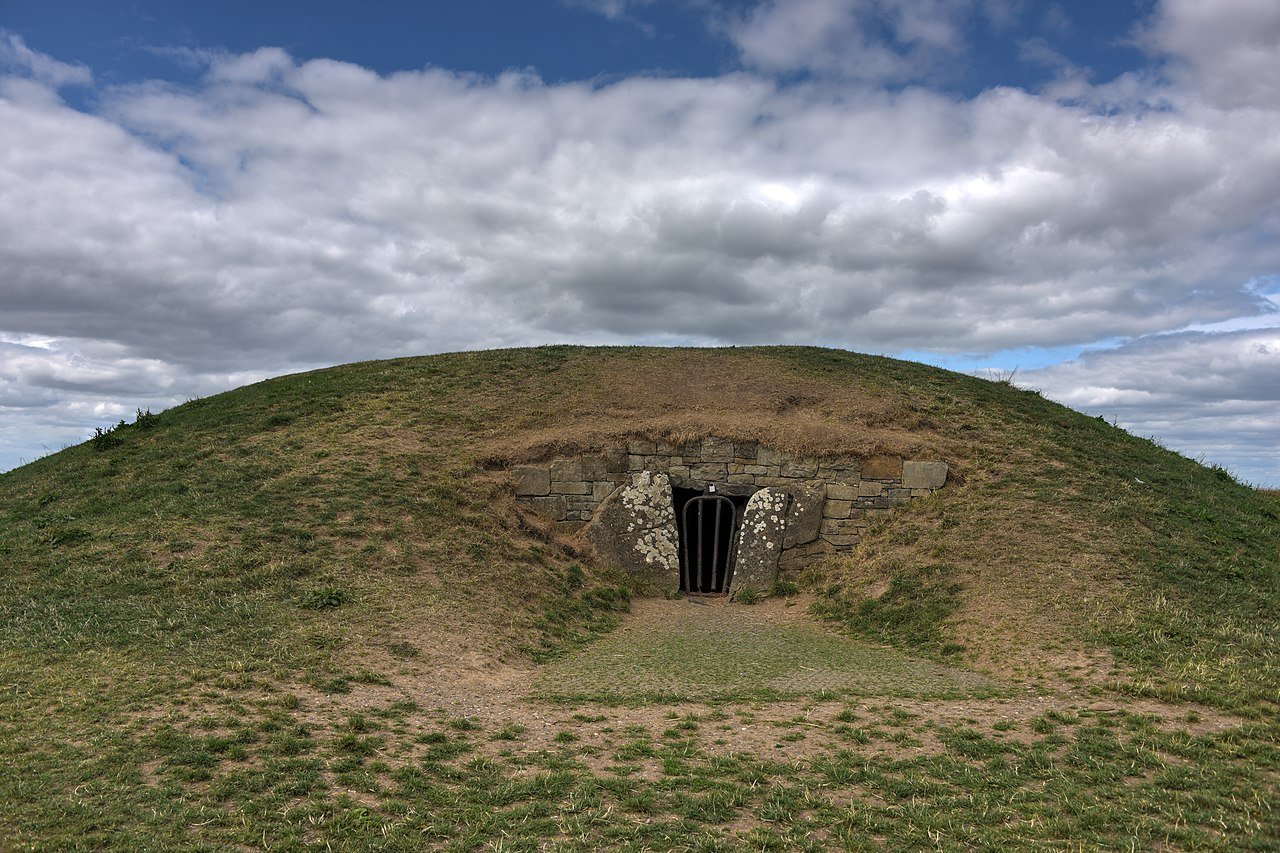
On the Hill of Tara in Ireland, a place soaked in myth and later royal symbolism, you find a smaller but surprisingly sophisticated monument called the Mound of the Hostages. Like Newgrange, it is a passage tomb, and its narrow corridor is aligned so that the rising sun shines into the chamber on two key times of the year: around the spring equinox and roughly at Samhain in late autumn. That means that twice a year, at moments traditionally tied to seasonal transitions and, later, to themes of life, death, and the otherworld, the dawn light penetrates a space associated with burial and ceremony. You are watching the sun mark a calendar that is not just about farming but about ritual time. ([en.wikipedia.org](https://en.wikipedia.org/wiki/Mound_of_the_Hostages?utm_source=openai))
This alignment gives you a glimpse of how carefully these communities observed the horizon and how they built those observations into symbolic landscapes. It is easy to imagine people gathering outside in darkness, watching as the first rays line up with the passage and pour into the heart of the mound. Whether or not the builders thought in the later Gaelic terms that you might read in mythological texts, they clearly cared about the balance points of the year and the shifting relationship between light and darkness. When you stand there, you can feel how the tomb is not just a resting place for bones but a kind of stone lens focusing the turning of the seasons into one small, carefully framed moment of sunrise.
7. America’s Stonehenge: A Controversial Colonial-Era “Calendar”
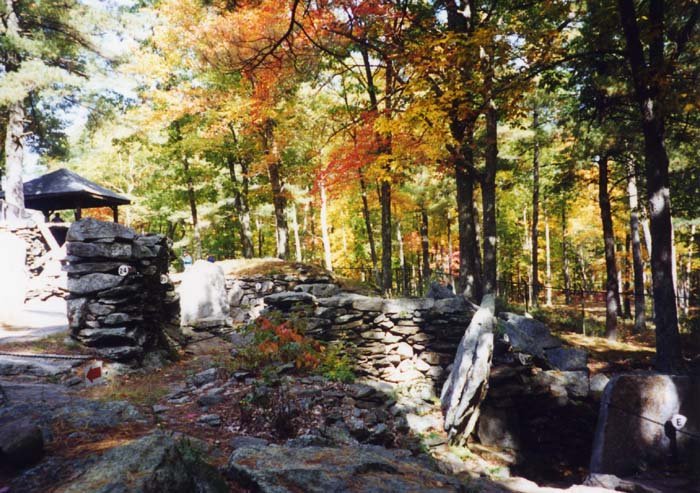
In New Hampshire, you can walk into a site popularly called “America’s Stonehenge,” a complex of stone walls and chambers that some promoters describe as an ancient astronomical observatory. They point to alignments with the summer and winter solstice sunrises and sunsets, as well as with equinoxes and certain lunar standstills, and argue that the stones form a kind of prehistoric calendar. If you visit around a solstice, you can line yourself up with specific sighting points and watch the sun appear to rise or set over distant marker stones, as if the whole landscape were designed to track celestial events. ([stonehengeusa.com](https://www.stonehengeusa.com/next-alignment?utm_source=openai))
Here, though, you need to be especially cautious. Many archaeologists think most of the stone features at the site are likely colonial or modern in origin, shaped by farmers, landowners, and later enthusiasts rather than by a mysterious lost civilization. The astronomical alignments could be partly intentional or simply the result of many stones and many possible sight lines; when you have lots of lines to choose from, some will always point to something interesting in the sky. If you visit, you can still use the site as a hands-on lesson in how archaeoastronomy works – how you test alignments, question dates, and separate genuine ancient skywatching from wishful thinking. You are reminded that not every stone that lines up with the sun is automatically an age-old observatory, and that skepticism is as important as wonder.
Conclusion: Reading the Sky in Stone
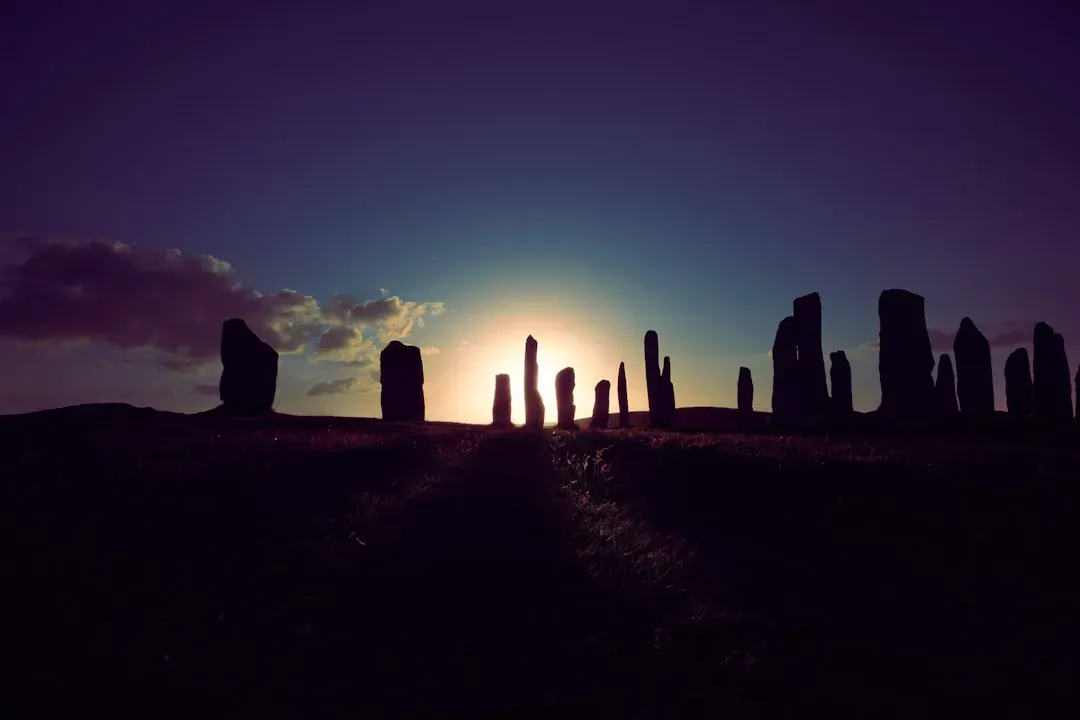
When you look back across these seven sites, a pattern emerges that is hard to ignore. Wherever people settled – whether in the misty fields of England, the windswept coasts of Orkney, the jungles of the Yucatán, or the deserts of Egypt – they watched the sky closely enough to carve its cycles into their monuments. You are not just seeing pretty ruins; you are seeing long-term observations of solstices, equinoxes, and key star risings turned into architecture that still works today. In some places, like Newgrange and Stonehenge, the alignments are so tight that there is little doubt they were deliberate; in others, like Nabta Playa or America’s Stonehenge, the evidence is more tangled and demands careful, critical thinking.
As you explore these sites – on foot, in photos, or only in your imagination – you are stepping into a dialogue between humans and the cosmos that has been going on for thousands of years. The same sun that once slid along those passages and staircases is still rising and setting for you, and the same questions about time, death, renewal, and your place in the universe are still very much alive. Maybe that is the real mystery: not that ancient people aligned stones with the sky, but that you are still looking up at the same sky and wondering many of the same things. The next time you watch a sunrise or sunset, will you see it differently, as if the whole horizon were a forgotten monument waiting to be read?