If you have ever caught your cat staring, unblinking, at a completely empty corner of the room, you probably felt a little creeped out. Your mind might have jumped to ghosts, weird energy, or the suspicion that your cat knows something you do not. It feels strangely intentional, like they are following something invisible that you simply cannot see.
Now imagine if, instead of thinking about the supernatural, you looked at that behavior the way a veterinarian or an animal behavior scientist would. You would start asking what subtle physical changes in the environment your cat might be picking up that you are missing. While the specific claim that cats can reliably predict storms six hours early by tracking air pressure is not proven by mainstream veterinary science, there is solid evidence that animals, including cats, are astonishingly sensitive to shifts in the air and weather. When you look at your cat through that lens, those long, silent stares at “nothing” suddenly feel a lot less random.
That Creepy Corner Stare: What You Are Actually Seeing
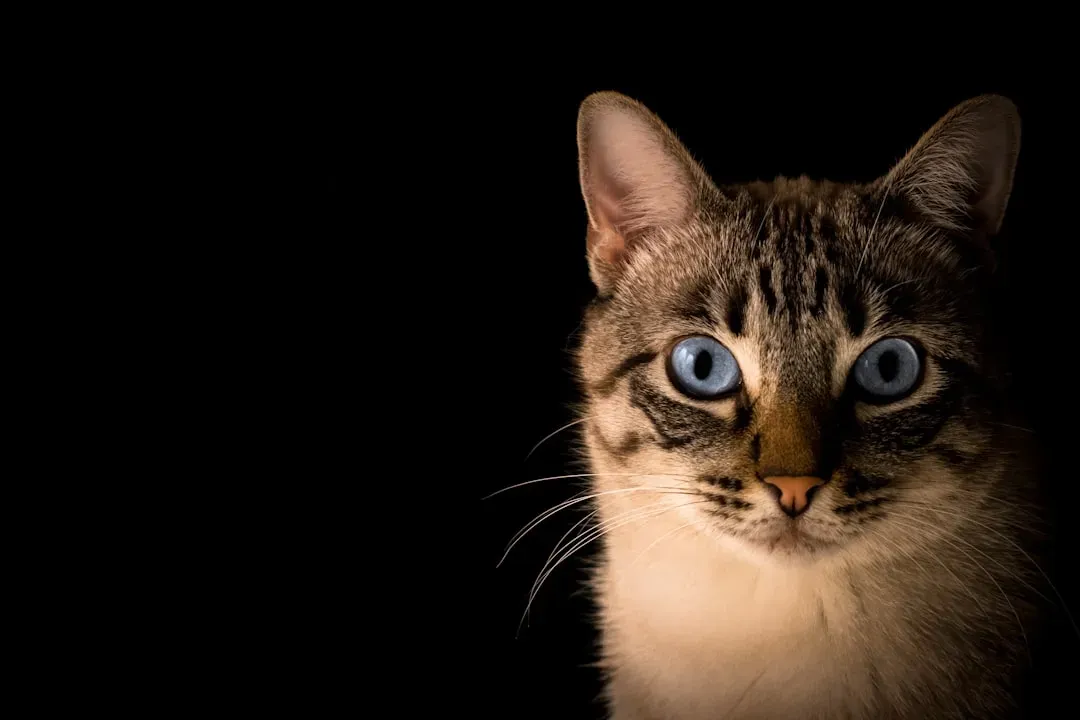
When your cat locks in on an empty corner for more than half a minute, you are watching an animal go into full sensory analysis mode. Their eyes stop blinking as often, the whiskers may subtly angle forward, and the ears might twitch like tiny satellite dishes even when you do not hear anything at all. To you, it looks like they are zoned out or seeing ghosts; to your cat, that corner is loaded with invisible data.
In that moment, your cat is not just “staring into space” for no reason. They are combining sight, hearing, smell, and even touch sensations from their whiskers and skin into one big picture of what is happening around them. Maybe a draft of cooler air is slipping under a door, a faint rattle is coming from a vent, or the atmospheric pressure is shifting just enough to make their inner ears feel different. That long stare is really a kind of silent calculation, and you are just catching them in the middle of it.
How Your Cat’s Super Senses Outperform You
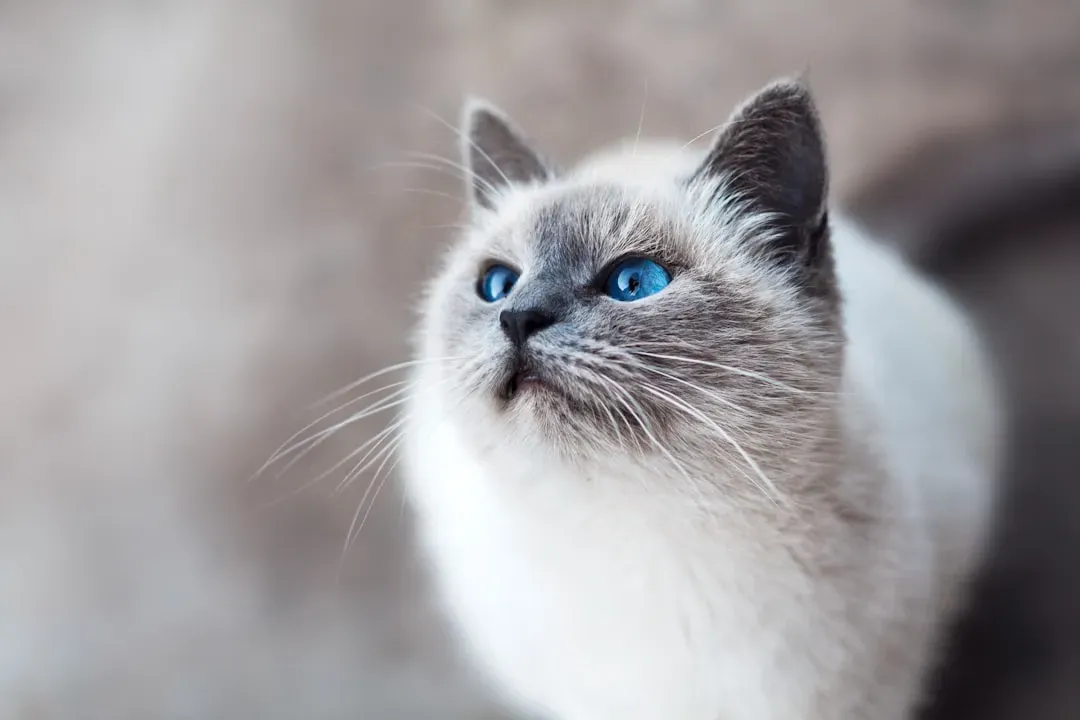
You live in a world shaped mainly by your eyes and ears, but your cat’s world is more like a layered radar system. Your hearing range taps out long before your cat’s; they can pick up ultra-high sounds that are completely outside your perception. At the same time, their whiskers can detect tiny air movements, and their sensitive skin can feel subtle vibrations from outside, from wind, passing trucks, or shifting weather.
While you sit on the couch wondering if it might rain later, your cat may already be registering that something is different in the way the air feels and sounds. You might notice a gust or a pressure change only when your windows start to rattle, but your cat can pick up much smaller shifts ahead of that moment. When you connect this to those intense corner stares, it becomes easier to see why scientists are so interested in animal sensitivity to environmental changes, even if the exact details of what they can predict are still being studied.
Air Pressure, Weather Shifts, and What Science Actually Knows
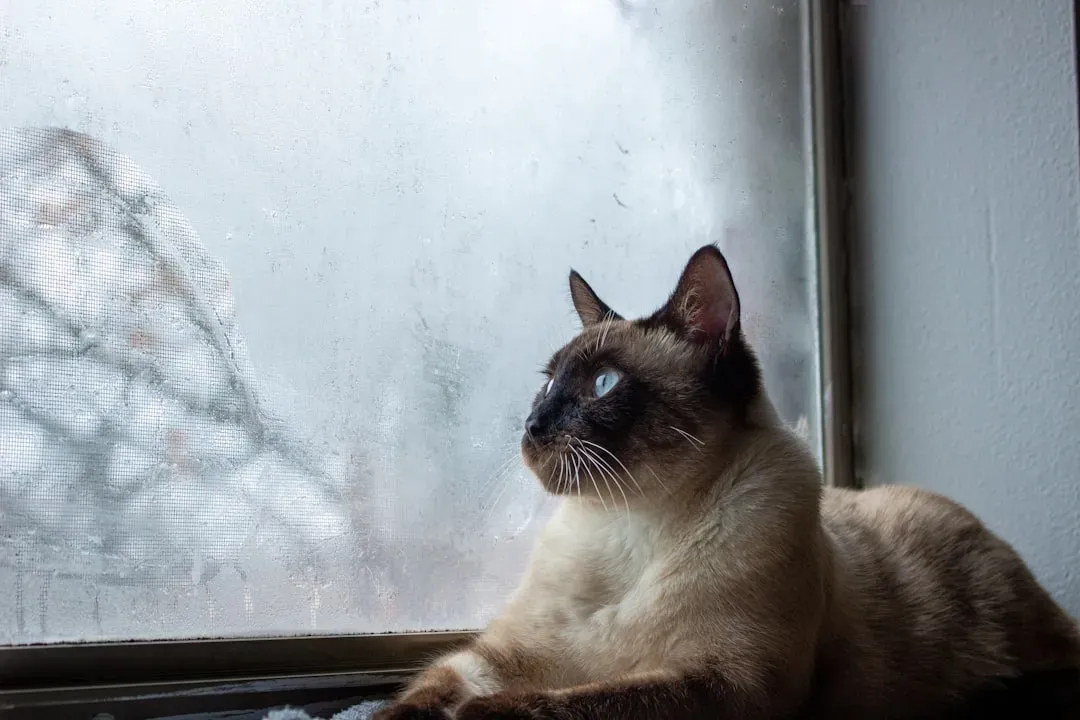
Weather is driven by changes in atmospheric pressure, temperature, and humidity, and sensitive barometers can track those shifts in detail. Veterinary science has not confirmed that your cat is a living barometer that can consistently predict a thunderstorm six hours in advance, but scientists do know that many animals respond noticeably before big weather events. You can see this in the way some animals become restless, hide, vocalize more, or change their usual patterns.
The most likely explanation is that animals, including cats, are reacting to a mix of cues you barely notice: slight pressure changes, different air movement patterns, distant thunder below your hearing threshold, or changes in static electricity before a lightning-heavy storm. When your cat seems unusually fixated on “nothing,” there is a good chance they are responding to something physically real, just smaller and earlier than your own senses can detect. That makes the idea of them tracking weather-related changes less mystical and more like a natural extension of their biology.
Why Your Cat Might React Hours Before a Storm
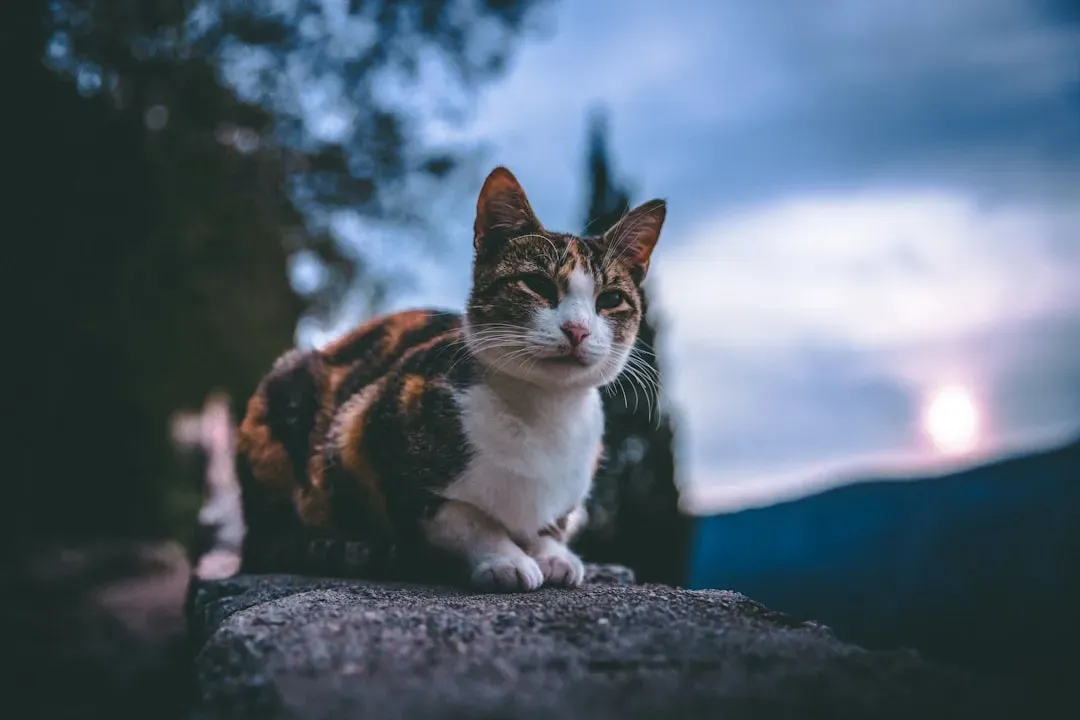
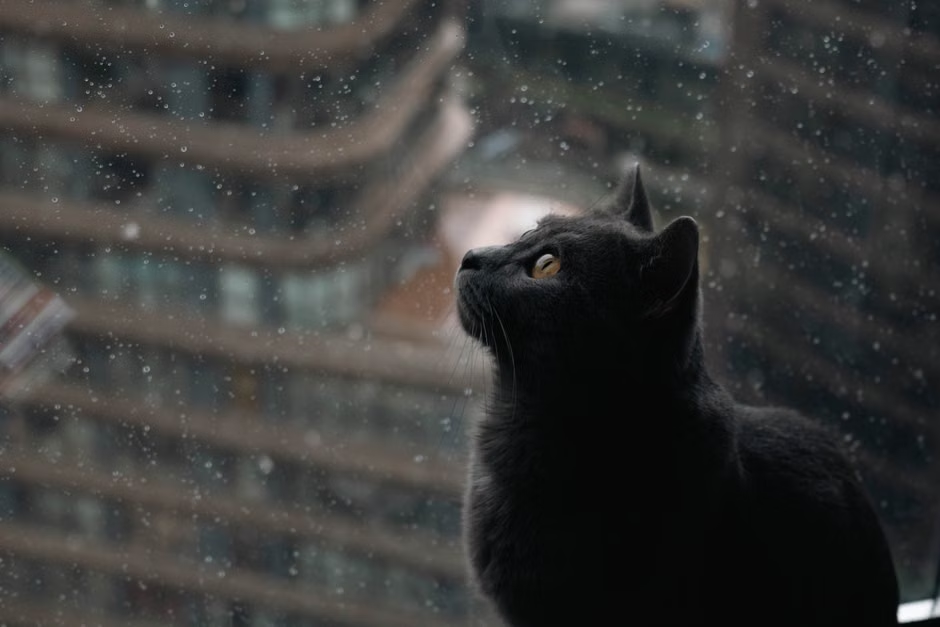
If you start paying attention, you might notice a pattern: your cat suddenly becomes alert, stares at vents or windows, or moves around restlessly, and only later does the sky darken and the storm roll in. That timing can make it feel like your cat “knew” what was coming long before you did. You are witnessing how a prey animal, evolved to survive in a world of risks, responds early to environmental changes that could affect safety or comfort.
Even though scientists cannot say with confidence that your cat can measure a precise six-hour window before a storm, they can say that many animals are highly responsive to earlier stages of weather shifts. As pressure drops and the air mass changes, your cat’s inner ear, whiskers, and skin may all start telling them that something is different, long before you see a weather alert on your phone. That early reaction might show up in small ways first: that long, frozen stare at a corner, a sudden pause in play, or a quiet move to a safer-feeling spot.
Other Invisible Things Your Cat May Be Tracking
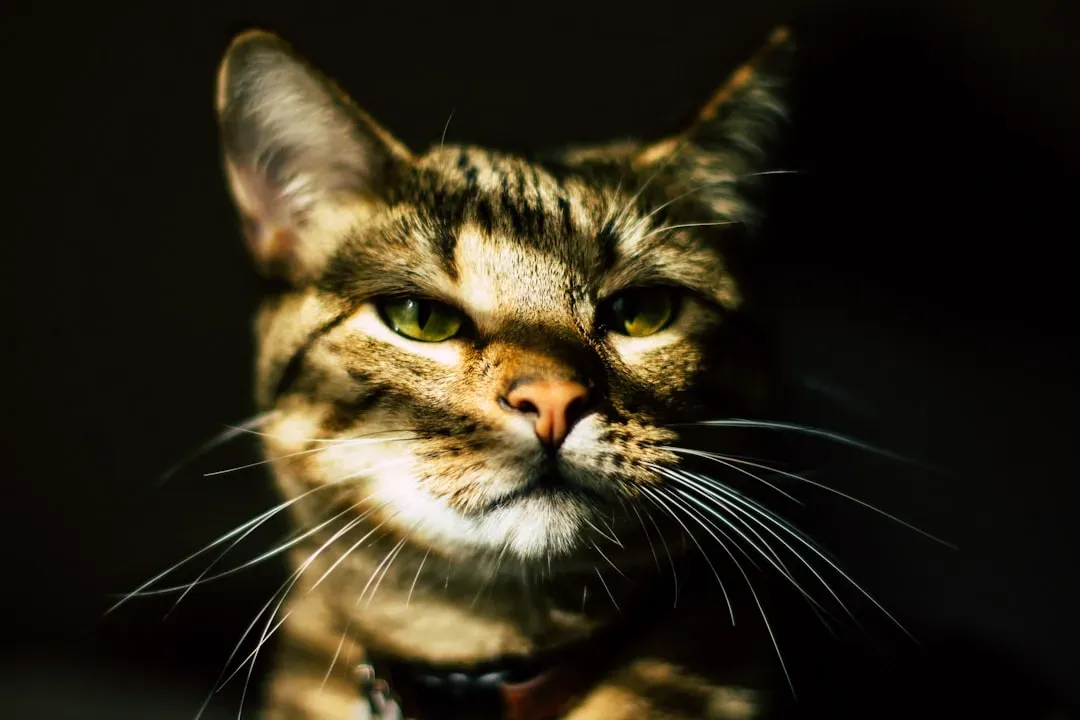
Even setting weather aside, your cat is constantly tracking things that are invisible to you. A small draft that you would only notice by standing right next to a window might feel dramatic to a cat sprawled on the floor, especially if it carries new scents or sounds. Tiny insects you never notice can catch their eye, and low-frequency vibrations from appliances or distant traffic can travel through floors and walls straight into their paws.
So when your cat stares obsessively into that bare corner, they may be following a spider thread shimmering in the light, listening to a faint buzzing inside the wall, or feeling air whisper past a crack in the trim. Weather-related pressure changes are only one piece of the puzzle. To your cat, that corner is like a live news feed: smells, airflow, distant sound, and maybe, yes, the early signs of a change in the weather rolling in.
What Veterinarians and Behaviorists Think About Weather and Cats
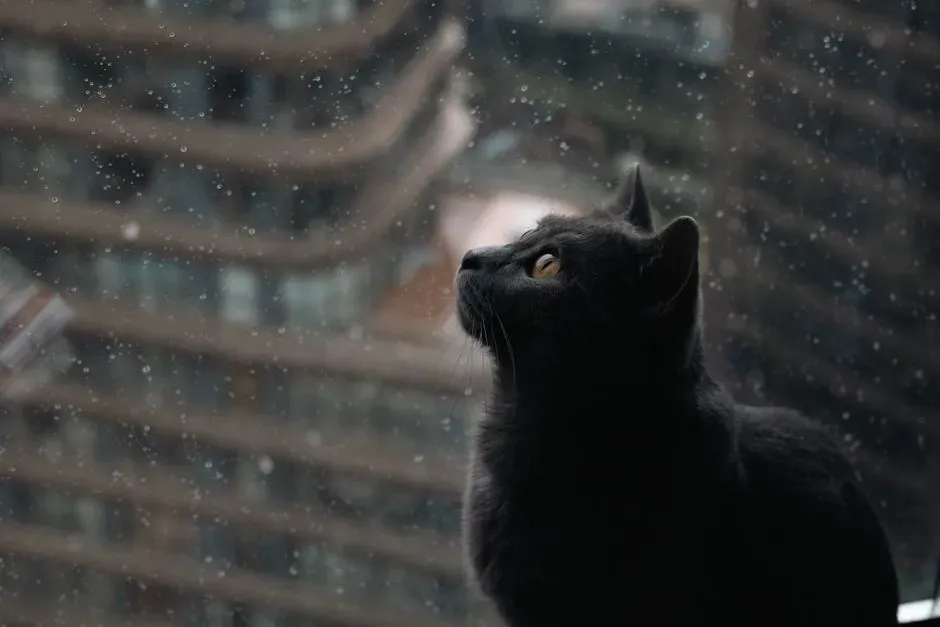
Veterinary behavior experts tend to be cautious when it comes to bold claims, and they look for patterns, not punchy headlines. When they talk about animals and weather, they usually frame it as sensitivity to environmental changes rather than magical prediction. They recognize that cats are keenly tuned in to their surroundings and often react before humans do, especially when storms, heavy winds, or loud events are on the way.
That means when you hear a dramatic statement like “your cat can predict storms six hours in advance,” it is smarter to interpret it as a colorful way to describe a real concept: your cat is often ahead of you when it comes to noticing the early signs of changing weather. Veterinarians are more comfortable saying that cats respond to pressure drops, thunder, and other cues than promising a specific timeline. Still, understanding that general sensitivity helps you see those long, vacant stares as the tip of a much deeper sensory iceberg.
How You Can Watch for Patterns in Your Own Cat
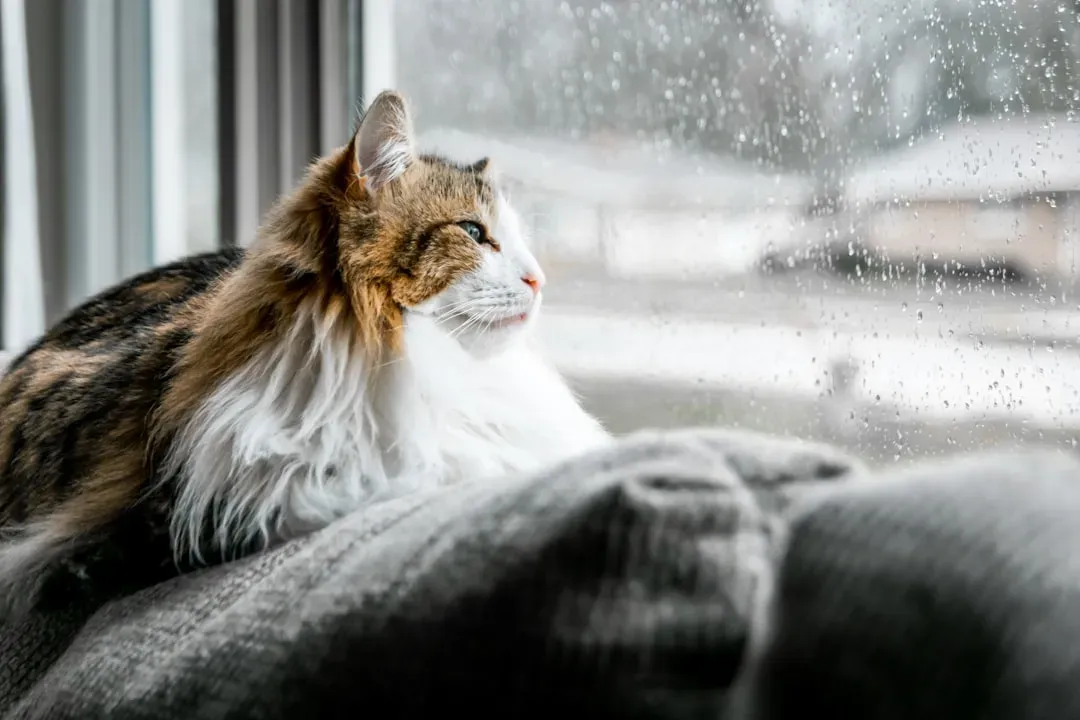
You do not need a lab or fancy equipment to learn more about how your cat responds to weather; you just need curiosity and a little consistency. Over a few weeks, you can begin casually noting how your cat behaves when the forecast calls for approaching storms, especially on days when big pressure changes are expected. You might see them getting jumpy, hiding earlier than usual, gazing at windows, or doing that focused corner stare hours before anything obvious happens.
If you pay attention to the timing, you may start to see your own pet’s version of “early warning” behavior, even if it is not precise enough to replace a weather app. Maybe your cat paces or vocalizes more before heavy rain, or lies low and goes unusually quiet before wind storms. These patterns will not always be dramatic, and they may vary a lot from one cat to another, but once you see them, you cannot unsee them, and they will make those eerie stares feel more like a clue and less like a mystery.
When to Be Concerned and When to Just Be Curious
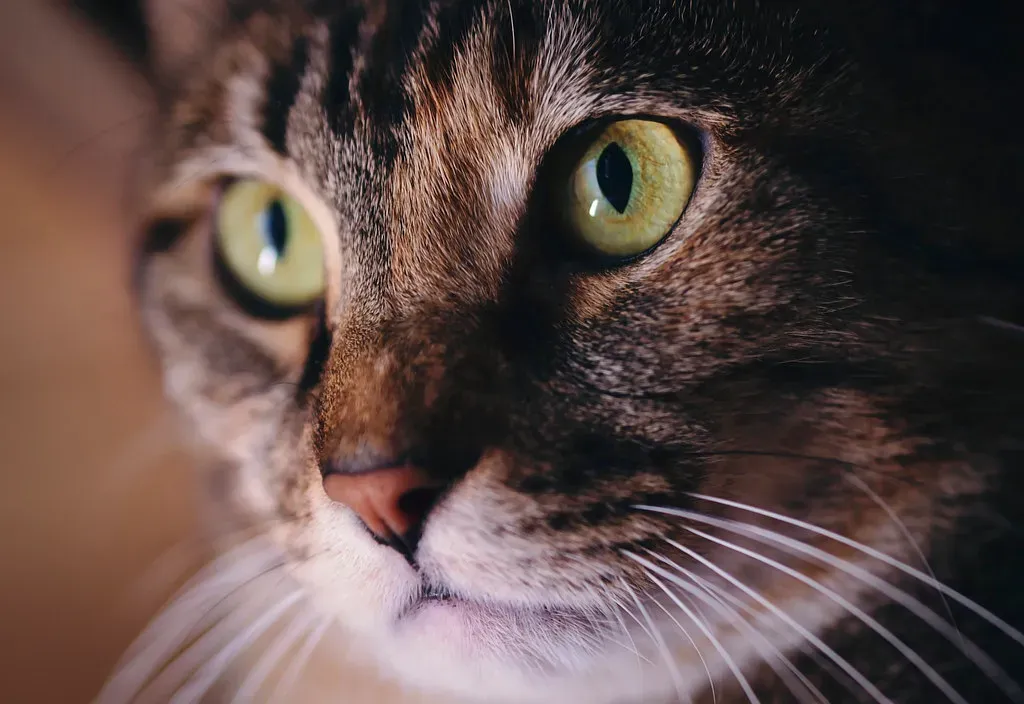
Most of the time, your cat’s odd staring spells are harmless and simply reflect their heightened awareness of the world around them. If they are eating, drinking, grooming, and moving normally, you can treat those intense gazes as just another quirky part of living with a sensitive animal. In that case, there is nothing you need to fix; you can simply observe and, if you want, play weather detective alongside them.
However, if you notice your cat staring at nothing plus showing worrying signs like repeated head-tilting, rapid eye movements, bumping into things, dramatic behavior changes, or apparent confusion, that is different. Those signs can sometimes point to neurological issues, vision problems, or other medical conditions that need a veterinarian’s attention. In other words, enjoy the mystery and the weather-nerd side of your cat, but keep your common sense switched on in case something looks truly off.
Bringing It All Together: What That Empty Corner Might Really Mean
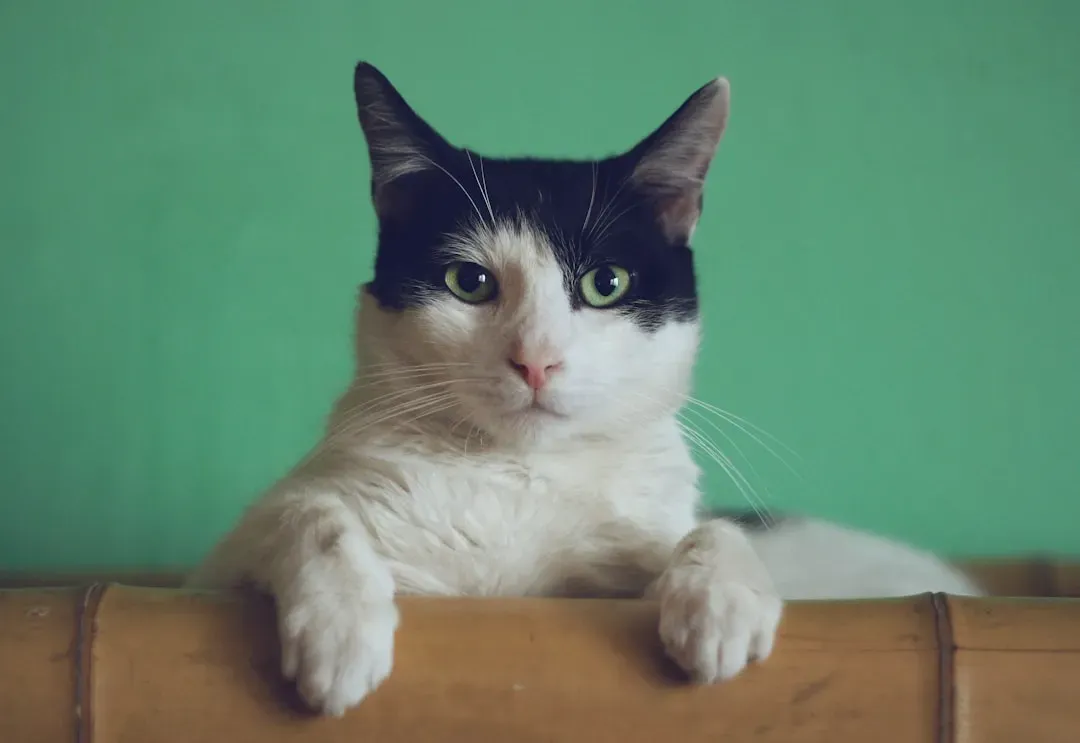
When you put it all together, your cat staring at an empty corner for more than thirty seconds is not some random glitch in the system. You are seeing a finely tuned predator, in a safe modern home, still doing what their body was designed to do: scan for subtle changes in the environment that might matter for survival. Air pressure shifts, tiny drafts, distant rumbles from outside, static changes before a storm, and microscopic movements all get noticed long before you tune in.
Veterinary science stops short of turning your cat into an exact six-hour storm clock, but it does back up the idea that your pet is far more aware of early environmental changes than you are. So next time your cat freezes and stares hard at that bare patch of wall, you might glance at them, then at the sky, and quietly wonder what they are picking up that has not reached you yet. After all, if your cat had to choose between chasing a toy and silently tracking the hidden signals in the air, which one do you think they would trust more?
In the end, you do not have to prove your cat is a perfect miniature weather station to appreciate how tuned-in they really are. You just have to watch them, learn their patterns, and admit that sometimes they know something is coming before you do. Maybe it is a storm; maybe it is just a new sound, a new scent, or a new shift in the air. The real question is this: the next time your cat stares at that empty corner, are you still going to call it “nothing”?