
There are still places on this planet where human footprints are almost nonexistent, where the maps blur into blank space and the rules of life seem to bend. In an age of satellites, drones, and street-level mapping of entire cities, these wild pockets feel almost like a contradiction. Yet from mile-deep caves to hidden Antarctic valleys and untouched forest canopies, scientists are only beginning to grasp what lives there – and what is at stake as the world warms and industries push ever farther into the unknown. These ecosystems are not just curiosities; they are living time capsules, evolutionary laboratories, and early-warning systems for planetary change. The race to explore them has become a quiet, high-stakes frontier of modern science.
The Hidden Clues: Life at the Edges of the Map
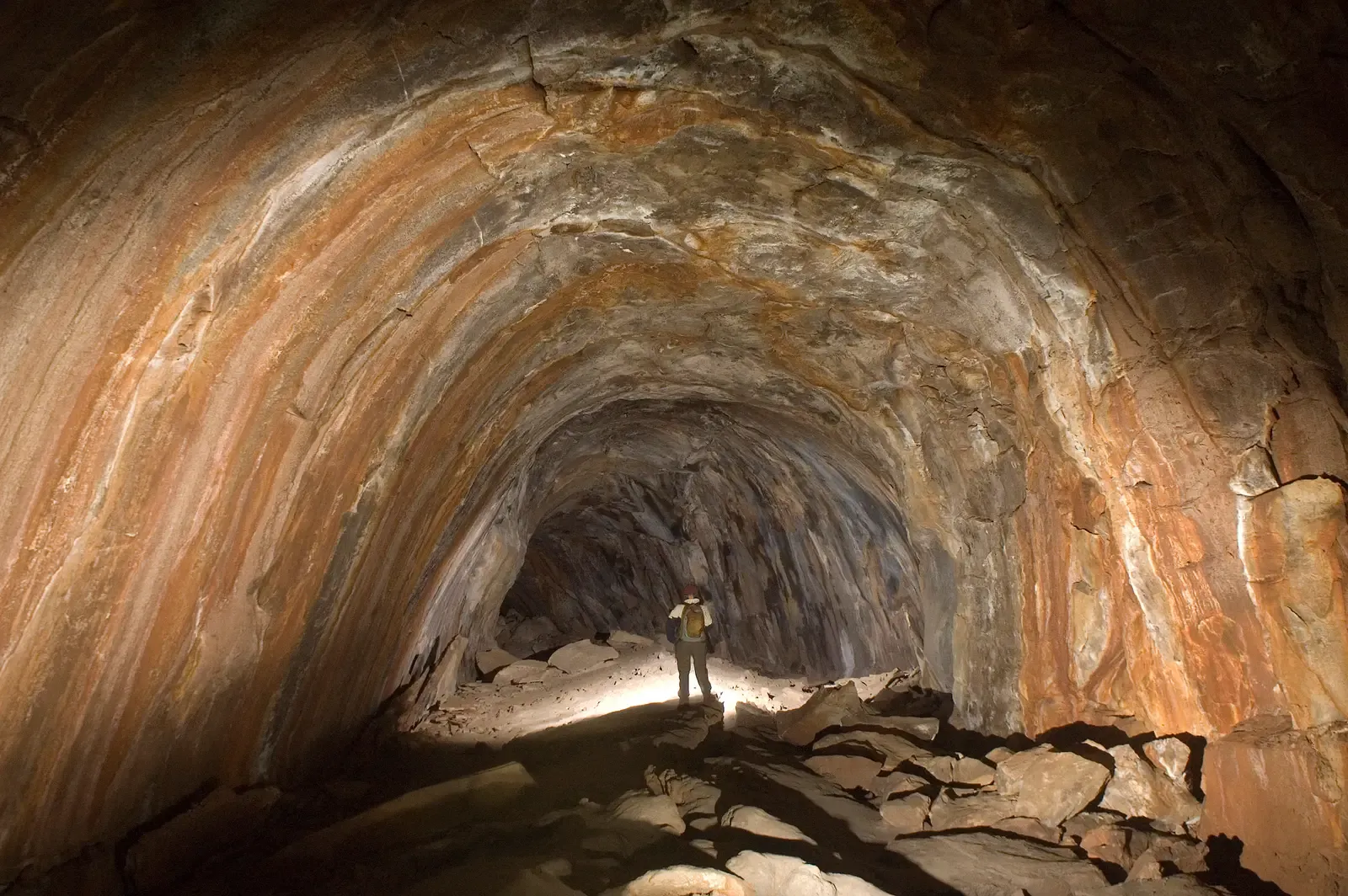
Step into a lava tube beneath a Hawaiian volcano or a subglacial lake under Antarctica’s ice, and you are essentially stepping onto another planet without leaving Earth. These places are cut off from sunlight, bathed in pressure or ice, and often sealed for thousands of years, yet microbes still manage to thrive. In recent years, researchers have drilled through kilometers of Antarctic ice to uncover microbial communities in lakes that have not seen the open air since long before humans invented agriculture. In deep cave systems like those in Mexico or Slovenia, blind fish, transparent crustaceans, and strange biofilms cling to rock walls, feeding on chemical energy instead of sunlight.
These organisms are more than biological oddities; they act as clues to how life can adapt to extremes, and even hint at what might be possible on other worlds like Mars or the icy moons of Jupiter. When scientists study how cave microbes metabolize sulfur or how subglacial bacteria survive on trace minerals, they are also testing ideas for life support, waste recycling, and exploration beyond Earth. Some of these microbes produce unusual enzymes that remain stable in high pressure, cold, or acidic environments, making them valuable for medicine and industry. In a way, every remote ecosystem holds a stack of puzzles, and the code to solve some very practical problems we do not yet know we have.
Ocean Abysses: The Last Great Wilderness Below
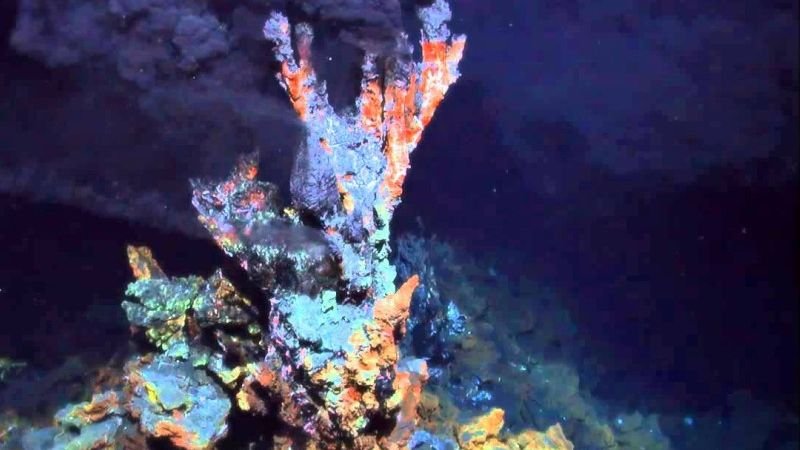
Despite decades of exploration, the vast majority of the deep ocean floor remains unmapped in detail, and most of its species remain undescribed. Remote-operated vehicles and autonomous underwater drones now glide over pitch-black seafloor plains, filming forests of glass sponges, fields of manganese nodules, and ghostly white fish that look like they belong in a science fiction film. Around hydrothermal vents and cold seeps, entire ecosystems run not on sunlight but on chemical reactions, with tube worms, mussels, and crabs supported by bacteria that consume hydrogen sulfide and methane. Each new expedition seems to reveal species that have never been seen before.
The deep sea is also where some of the most urgent environmental decisions of the coming decade will unfold. As governments and companies eye deep-sea mining of metals critical for batteries and electronics, scientists warn that the ecosystems built on the slow-growing nodules could take centuries – or longer – to recover, if they recover at all. Early studies suggest that disturbing the seafloor can send up sediment plumes that may smother filter feeders and disrupt the delicate web of life over large areas. At the same time, the deep ocean is a crucial part of the global carbon cycle, storing massive amounts of heat and dissolved carbon dioxide. Protecting these unseen depths is not just about saving strange worms; it is about maintaining a stabilizing force for the entire climate system.
Cloud Forests and Hidden Canopies
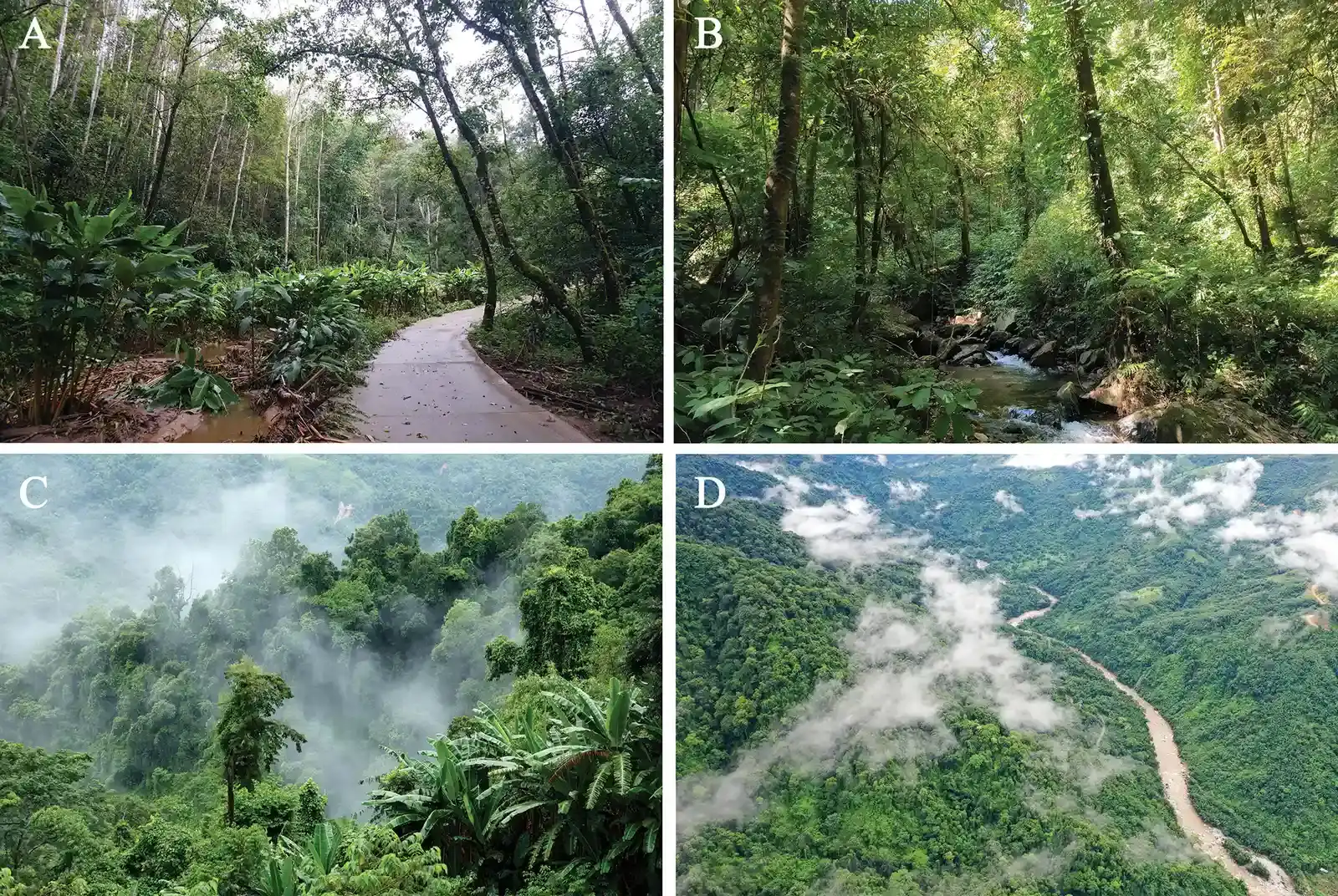
High on tropical mountains, shrouded in mist, cloud forests cling to ridges like something out of a fantasy novel. The trees here are draped with orchids, mosses, and bromeliads that catch water from the clouds, creating a dripping, layered world that is as vertical as it is horizontal. For a long time, most research happened on the forest floor simply because it was easier to reach. Only when scientists began building canopy walkways, hoisting cranes above the treetops, and using rope techniques borrowed from rock climbing did the true richness of these ecosystems come into focus. Entire communities of insects, frogs, and epiphytes live their whole lives without touching the ground.
In some cloud forests from Costa Rica to Papua New Guinea, researchers still find new species of plants and animals almost every time they survey a little-studied slope or inaccessible ridge. These forests also act like natural water towers, capturing moisture that feeds rivers far below and sustaining towns and farms downstream. Yet they are especially vulnerable to rising temperatures; as the climate warms, the clouds tend to form at higher elevations, effectively pulling the mist blanket up and away from lower forests. That leaves species finely tuned to cool, wet conditions with nowhere to go but higher – until they eventually run out of mountain.
Polar Frontiers: Antarctica and the High Arctic
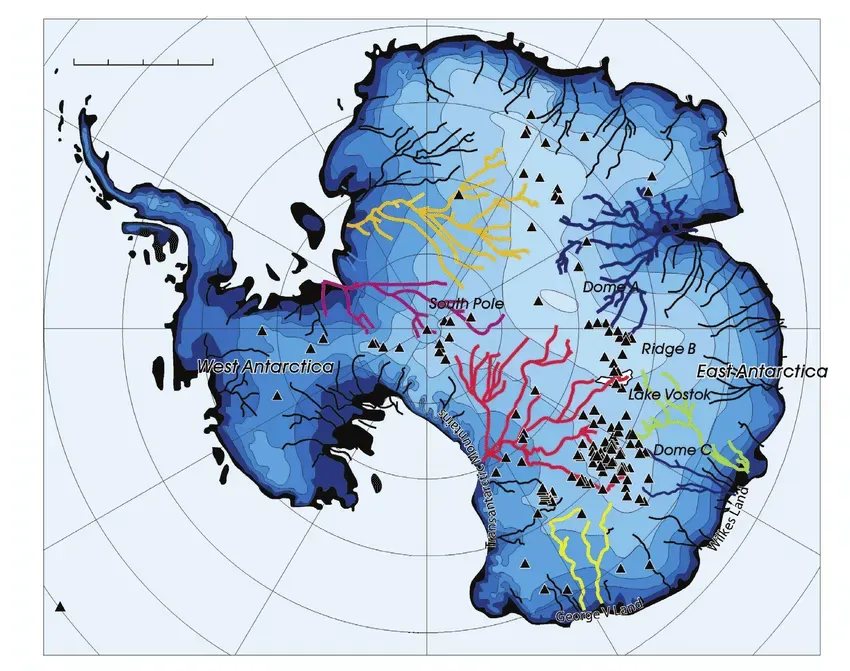
From the outside, polar regions can look like empty white deserts, but that impression falls apart the moment you look closely. Beneath the Antarctic ice sheet, dozens of hidden lakes and rivers flow slowly, connecting subglacial basins across the continent. Scientists have begun to melt narrow holes through the ice to sample these waters, revealing microbial life that has been isolated for hundreds of thousands of years. On the coasts and in nearby seas, krill swarms, cold-adapted fish, penguins, and seals form intricate food webs that have evolved in relative isolation.
In the Arctic, meanwhile, permafrost landscapes and ice-covered seas are changing at a pace that outstrips many climate models. As sea ice retreats and permafrost thaws, long-frozen carbon and once-hidden microorganisms are being released, with uncertain consequences for greenhouse gas emissions and local ecosystems. Indigenous communities and scientists together are watching these changes, combining generations of lived experience with modern instruments and satellites. The polar regions act as amplifiers of climate change, warming faster than most of the planet and sending early signals of what other regions might experience in decades to come. What happens in these remote, icy ecosystems will ripple far beyond their lonely horizons.
Why It Matters: Hidden Ecosystems, Visible Consequences
At first glance, it might seem that what happens in an Antarctic subglacial lake or a cave deep under Borneo has little to do with everyday life in a city or suburb. But these remote systems are tangled into the same global networks of climate, water, and biodiversity that sustain crops, fisheries, and the air we breathe. Deep ocean currents help control temperatures and weather patterns on land, while intact forests – especially those in remote mountain regions and peat-rich wetlands – store enormous amounts of carbon that would otherwise enter the atmosphere. When such places are disturbed, the effects do not politely stay put.
These ecosystems also rewrite what we think we know about life itself. Discovering microbes that can survive almost no nutrients or animals that thrive in toxic conditions forces medicine, biotechnology, and even space science to adjust their assumptions. There is also an ethical dimension: if the remaining truly wild places act as genetic libraries, losing them is akin to burning chapters of a book we have barely started to read. Compared with more familiar conservation debates around charismatic species in popular national parks, safeguarding unseen worlds is harder to explain – but no less important. The irony is that the less visible these ecosystems are, the more quietly indispensable they tend to be.
From Ancient Expeditions to High-Tech Exploration
Human fascination with remote places is not new; early naturalists sailed into uncharted seas and trekked through jungle and ice with paper maps and heavy trunks of instruments. They often returned after years with pressed plants, sketches of strange animals, and journals full of observations that laid the groundwork for modern ecology and biogeography. Today’s explorers work faster and see farther, but the underlying curiosity has hardly changed. What has changed dramatically are the tools and the scale at which exploration happens.
Modern scientists map deep ocean trenches and hidden mountain valleys using satellites, radar, and sonar from thousands of kilometers away. Drones fly over inaccessible cliffs and ice shelves, while submersibles dive kilometers below the waves without putting a single human at risk. Genetic sequencing lets researchers identify species from tiny traces of DNA in water or soil samples, picking up organisms that would otherwise stay invisible. Compared with the months or years it once took to mount a single expedition, now multiple teams can coordinate globally, cross-checking samples and imagery in near real time. The story has shifted from solitary explorers to collaborative, data-rich campaigns that stitch local discoveries into a planetary picture.
Global Perspectives: Who Gets to Explore and Protect?
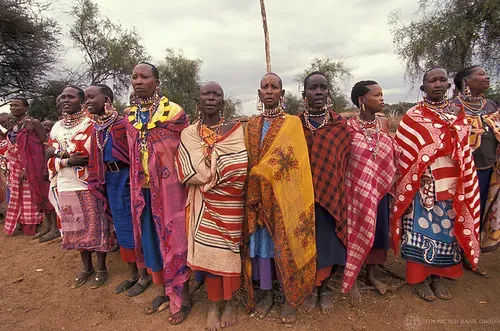
Many of Earth’s least disturbed ecosystems lie in regions where Indigenous peoples and local communities have lived for generations with relatively light ecological footprints. Their knowledge of seasonal changes, animal movements, and safe routes into harsh terrain often makes scientific expeditions possible in the first place. At the same time, the political and economic decisions about mining licenses, protected areas, and research funding are frequently made far away in capitals and international forums. That gap raises questions about who benefits from discoveries and who bears the risks when things go wrong.
In recent years, there has been growing pressure for research programs and conservation initiatives to include fair partnerships, local leadership, and shared decision-making. When scientists investigate a pristine cave or forest in a developing country, there is increasing scrutiny over how data, biological samples, and potential economic gains are handled. Some nations now tightly control access to biological resources, viewing genetic material from remote ecosystems as part of their natural heritage. This global rebalancing is messy and sometimes contentious, but it is also pushing exploration away from a model of extraction and toward something closer to collaboration. The fate of remote ecosystems will likely depend as much on politics and justice as on technology and pure science.
The Future Landscape: Technology, Threats, and Impossible Choices
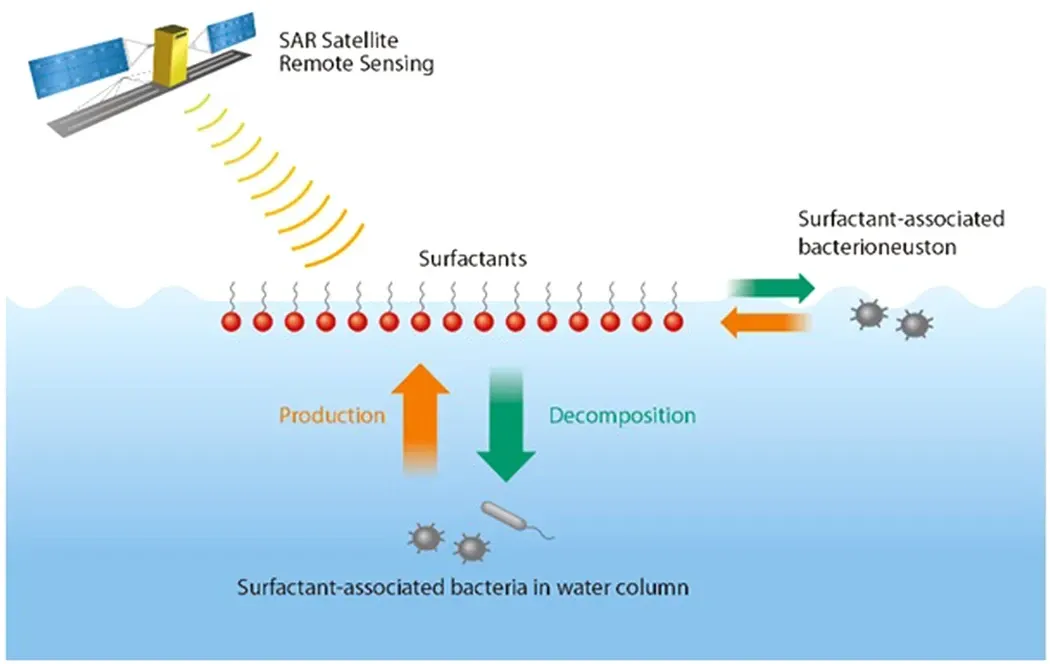
Looking ahead, the same technologies that open new windows onto unseen worlds also bring them new risks. Autonomous underwater vehicles make it easier to survey deep-sea vents, but similar platforms could guide mining machines across fragile seafloors. Satellite imaging can spot illegal logging in remote forests, yet it can also help locate new areas for resource extraction. As climate change accelerates, windows of accessibility expand in some regions, especially in the Arctic, making previously ice-locked areas newly reachable for shipping, drilling, and tourism. The question is not whether more of the planet will become reachable, but what we choose to do when it does.
Some scientists argue for strict no-go zones in the most sensitive ecosystems, treating them as living laboratories that should be sampled very lightly, if at all. Others counter that without detailed data, it is harder to make a compelling case for protection or to understand how global changes are unfolding. There are also hard ethical calls ahead: should we intervene to defend a remote ecosystem against climate-driven change, or accept that some transformations cannot be reversed? Balancing exploration, conservation, and development will require new global agreements and, just as importantly, a shift in public imagination about what counts as valuable. The future of unseen worlds may hinge on decisions made long before most people ever hear their names.
Paths for Action: How Ordinary People Can Stand Up for Unseen Worlds
Even if you never set foot on Antarctic ice or peer into a deep-sea trench, your choices and your voice still matter. Public awareness shapes which stories get told, which research gets funded, and which ecosystems are seen as worth protecting. Supporting science journalism, documentaries, and educational initiatives that spotlight remote environments helps keep them in the conversation, rather than relegated to obscure technical papers. Simple habits – like following reputable research institutions, polar programs, or deep-sea observatories – can turn a vague interest in exploration into informed attention.
There are also practical ways to engage. You can back conservation organizations that defend intact forests, marine protected areas, and Indigenous land rights, all of which help insulate remote ecosystems from rapid exploitation. Reducing your own demand for resource-intensive products, especially those linked to mining or deforestation, indirectly lowers pressure on frontier regions. Citizen science projects sometimes invite volunteers to help classify images from deep-ocean cameras or remote camera traps, letting you contribute to real datasets from your laptop. In the end, unseen worlds stay safer when more people care about them, even from a distance.
Suhail Ahmed is a passionate digital professional and nature enthusiast with over 8 years of experience in content strategy, SEO, web development, and digital operations. Alongside his freelance journey, Suhail actively contributes to nature and wildlife platforms like Discover Wildlife, where he channels his curiosity for the planet into engaging, educational storytelling.
With a strong background in managing digital ecosystems — from ecommerce stores and WordPress websites to social media and automation — Suhail merges technical precision with creative insight. His content reflects a rare balance: SEO-friendly yet deeply human, data-informed yet emotionally resonant.
Driven by a love for discovery and storytelling, Suhail believes in using digital platforms to amplify causes that matter — especially those protecting Earth’s biodiversity and inspiring sustainable living. Whether he’s managing online projects or crafting wildlife content, his goal remains the same: to inform, inspire, and leave a positive digital footprint.