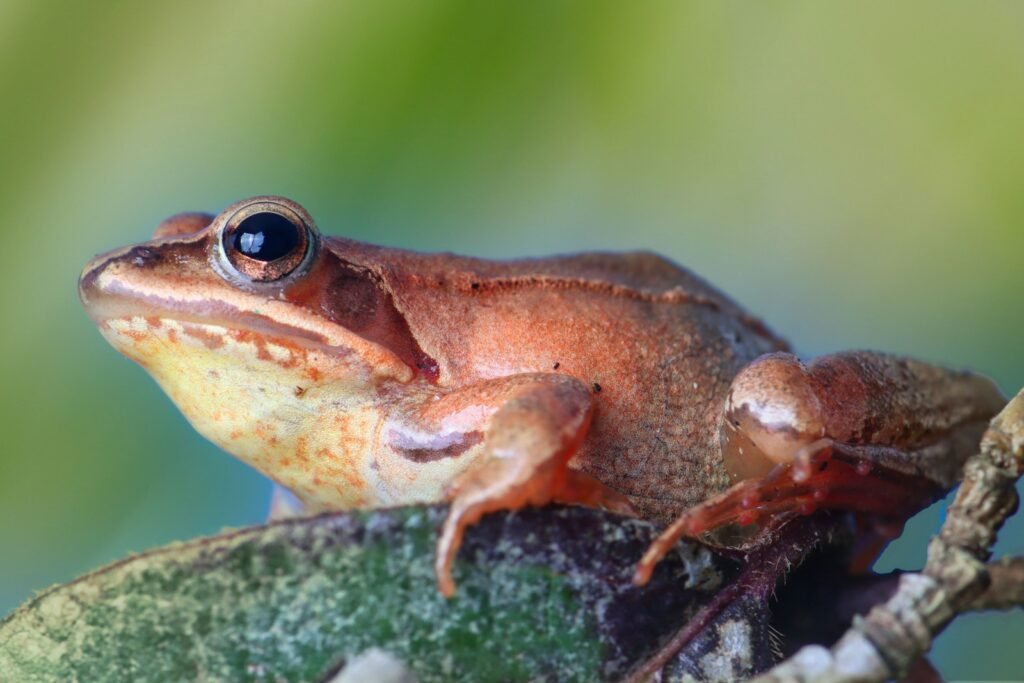

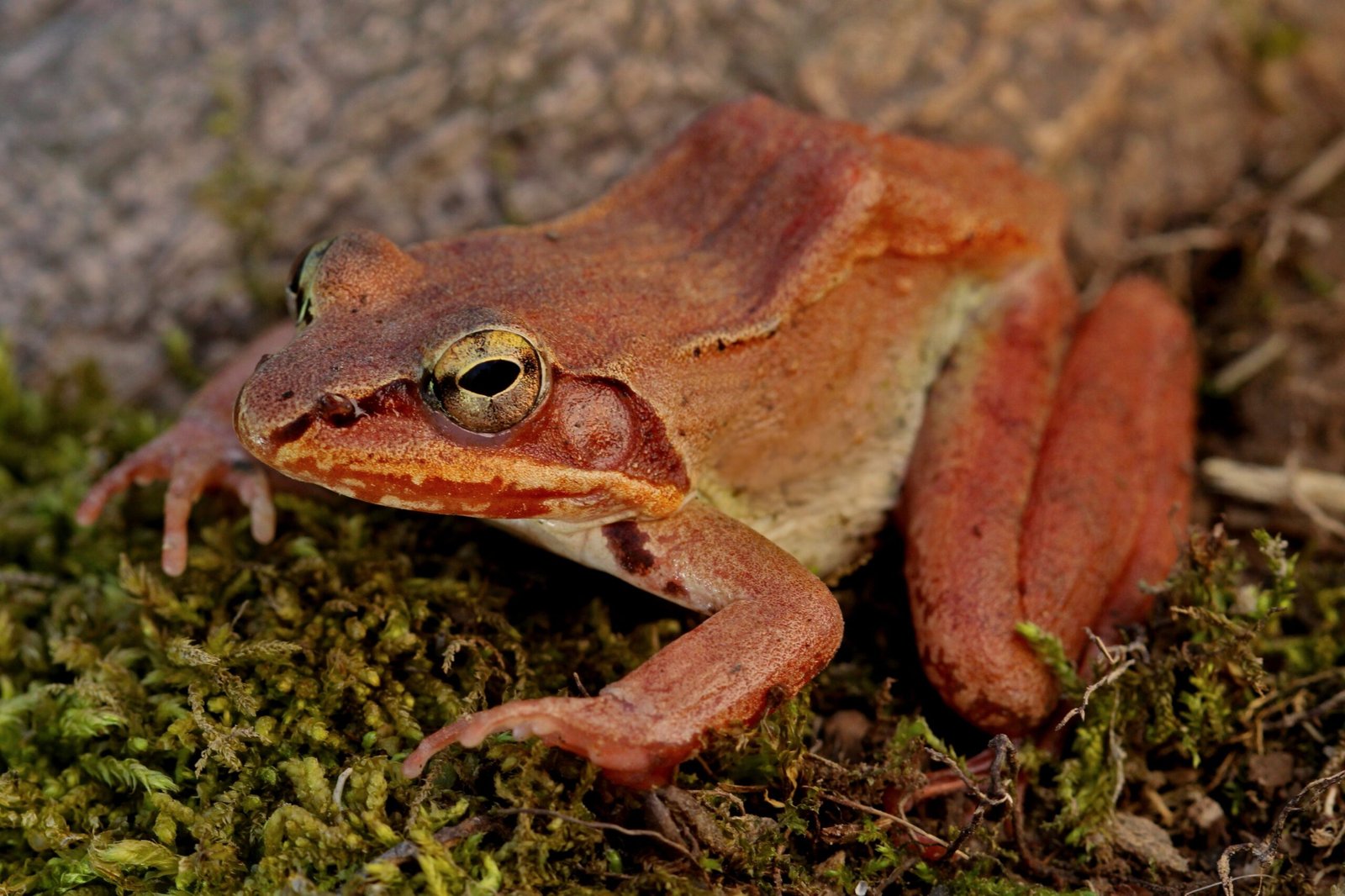
Imagine a world where you could survive being frozen solid, heart stopped, blood turned to ice, and then—just like magic—wake up and hop away with barely a scratch. It sounds like a wild plot twist in a sci-fi movie, but for one tiny resident of North America’s forests, it’s just another winter. The wood frog (Rana sylvatica) is nature’s ultimate cold survivor, mastering a feat that would kill almost any other animal on Earth. While most creatures scurry for warmth, this frog embraces the cold with an almost reckless abandon. Its story is a jaw-dropping mix of science, survival, and a little bit of natural magic. Ready to meet the amphibian that defies the laws of life and death every single year?
The Astonishing Life of the Wood Frog
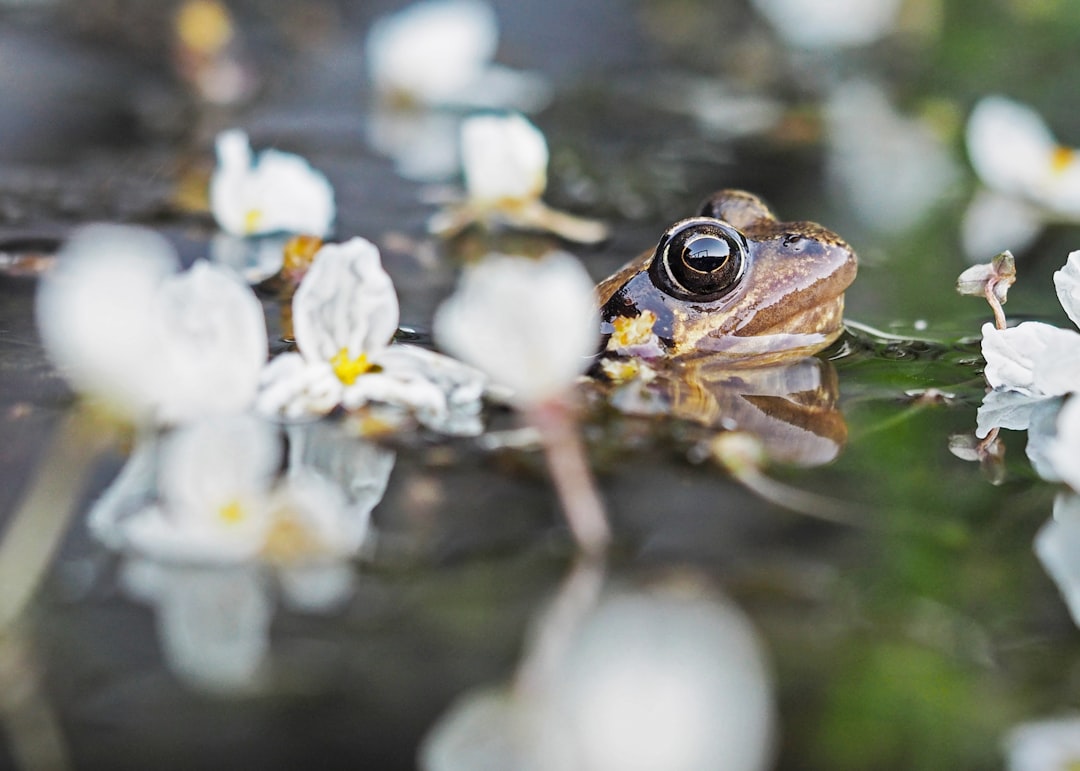
The wood frog isn’t the flashiest animal in the forest. It’s a small, brownish amphibian, often overlooked by hikers and nature lovers. But hidden beneath its humble appearance is a superpower that would make superheroes envious. Every autumn, as the air chills and leaves fall, the wood frog prepares for a transformation unlike any other. Instead of burrowing deep underground or migrating south, it simply lets itself freeze. It doesn’t just slow down—it actually stops living in the way we understand it. For months, it remains frozen, waiting for the first warm days of spring to thaw out and resume life as if nothing happened.
Winter’s Deadly Embrace
Most animals, from squirrels to snakes, avoid freezing at all costs. Ice crystals can shred cells, destroy organs, and make a body uninhabitable for life. But the wood frog dances with danger. As temperatures plunge below zero, its body undergoes a breathtaking transformation. Water inside its cells is drawn out, reducing the chance of deadly ice crystals forming where they could do the most harm. The frog becomes hard as a rock, its eyes glazed over and heart completely stopped. To an outsider, it looks utterly lifeless, yet somehow, it isn’t.
The Science of Survival: Cryoprotection Explained
So, how does the wood frog pull off this frozen miracle? The secret lies in its blood chemistry. As winter approaches, the frog’s liver starts pumping out huge amounts of glucose—a simple sugar. This glucose floods every cell, acting like a natural antifreeze. It prevents the insides of the cells from turning to ice, even as the spaces between the cells freeze solid. The high sugar level is toxic for most animals, but for the wood frog, it’s a life-saving shield. This process, called cryoprotection, is one of the most extraordinary adaptations in the animal kingdom.
The Heart Stops—And That’s Okay
If your heart stopped for even a few minutes, the result would be catastrophic. But for the wood frog, the heart stopping is simply part of the plan. As its body temperature drops, the heart gradually beats slower and slower until it halts entirely. There’s no pulse, no breathing, and no brain activity detectable. In human terms, it would be declared dead. Yet, every spring, the heart miraculously restarts as the body thaws, and the frog picks up right where it left off. It’s a biological reboot most of us could only dream of.
How Do They Know When to Wake Up?
A frozen frog isn’t aware of the world around it. It can’t sense the lengthening days or the subtle rise in temperature. So how does it know when it’s safe to wake up? The answer lies in simple physics. As soon as the temperature rises above freezing, the ice in and around the frog’s body begins to melt. This begins a cascade of changes inside the frog—organs slowly warm, cells rehydrate, and, finally, the heart gives a tentative beat. Within hours, the frog is awake, alert, and ready to leap into spring.
Comparison with Other Hibernators
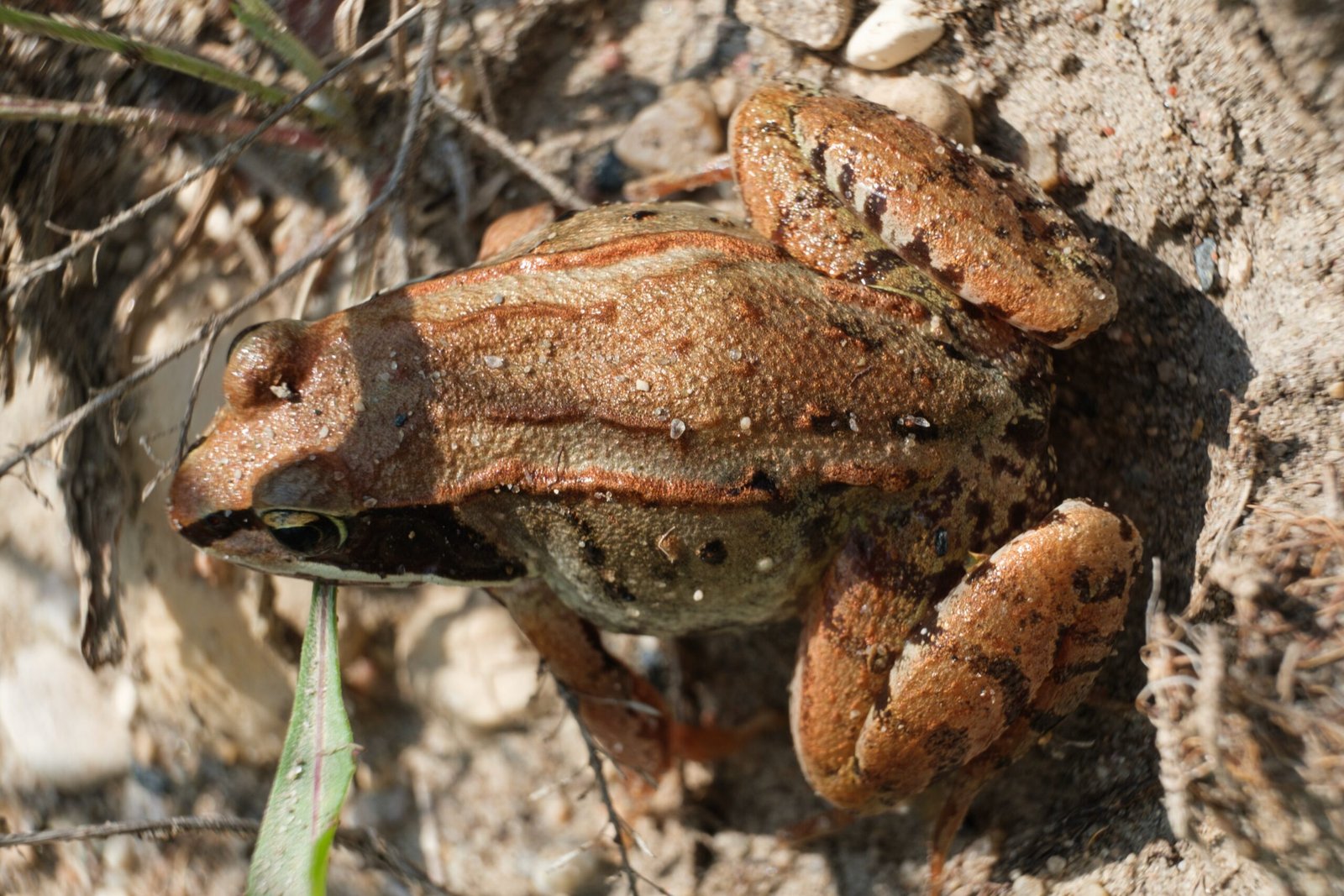
While many animals hibernate, few come close to what the wood frog endures. Bears slow their metabolism, groundhogs sleep in burrows, and turtles can go months without breathing underwater. But none of them let their bodies freeze solid. The wood frog’s strategy is riskier but incredibly effective in the harshest climates, allowing it to thrive farther north than any other amphibian in North America. It’s the ultimate survivor, beating the odds by surrendering completely to the cold.
From Alaska to Georgia: The Range of the Wood Frog
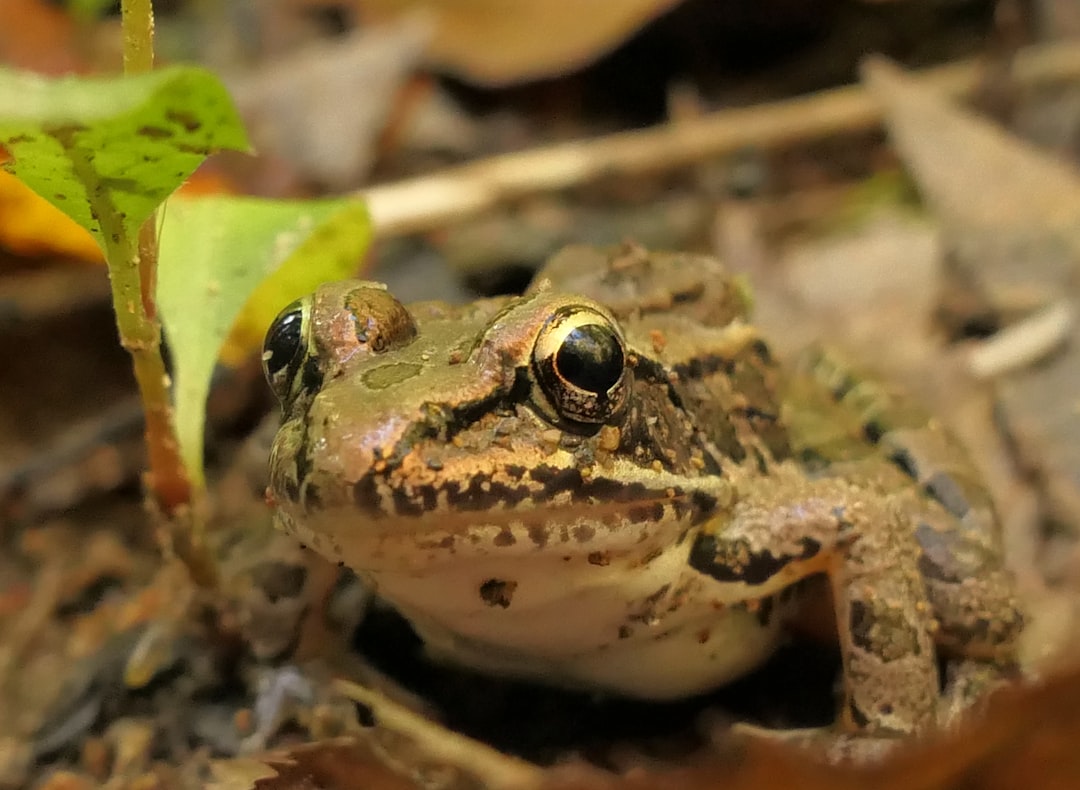
The wood frog isn’t just a cold-weather marvel in the far north. Its range stretches from the icy forests of Alaska and Canada all the way down to Georgia in the United States. In the northernmost reaches, winter can last half the year, making its freezing trick absolutely essential. In the south, the frog uses the same adaptation to survive sudden cold snaps or droughts, showing just how versatile this little amphibian can be.
Evolution’s Masterpiece: How Did This Happen?
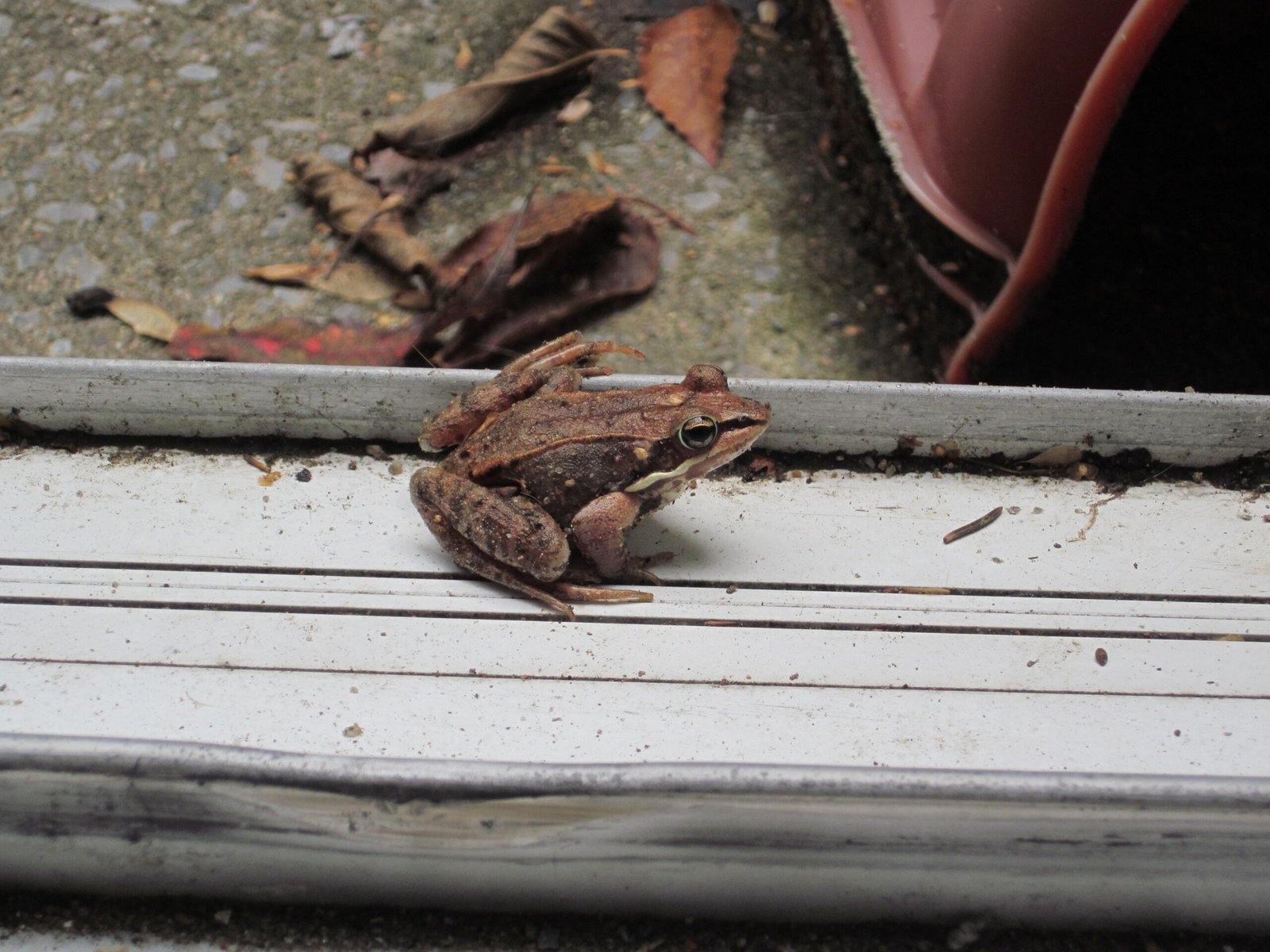
It’s easy to ask why more animals don’t freeze and thaw like the wood frog. The answer is complex and rooted in millions of years of evolution. Over countless generations, wood frogs with better cold tolerance survived and reproduced, slowly perfecting their icy strategy. Their unique combination of antifreeze chemicals, cellular adaptations, and behavioral instincts is the result of evolution’s relentless experimentation. It’s a reminder that nature’s best solutions often come from the strangest problems.
The Role of Glucose: Sweet Survival
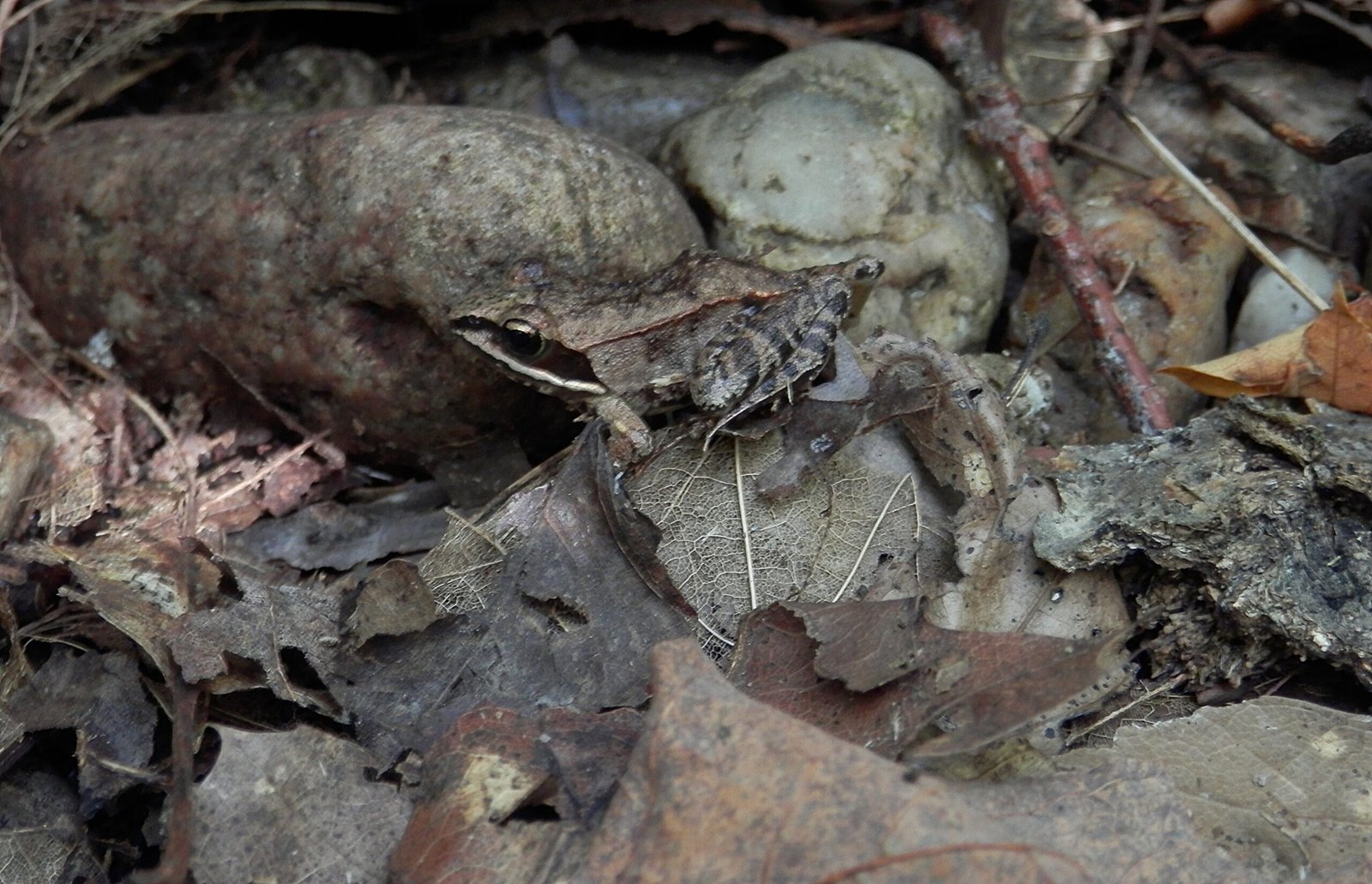
Glucose isn’t just a fuel source for the wood frog—it’s a lifesaver. When the first frost hits, the frog’s liver transforms stored energy into glucose at an astonishing rate. This sugar saturates every cell, drawing water out and preventing lethal ice shards from forming inside delicate tissues. For the wood frog, all that sugar means the difference between a cold nap and a deadly freeze.
What Happens to Their Organs?
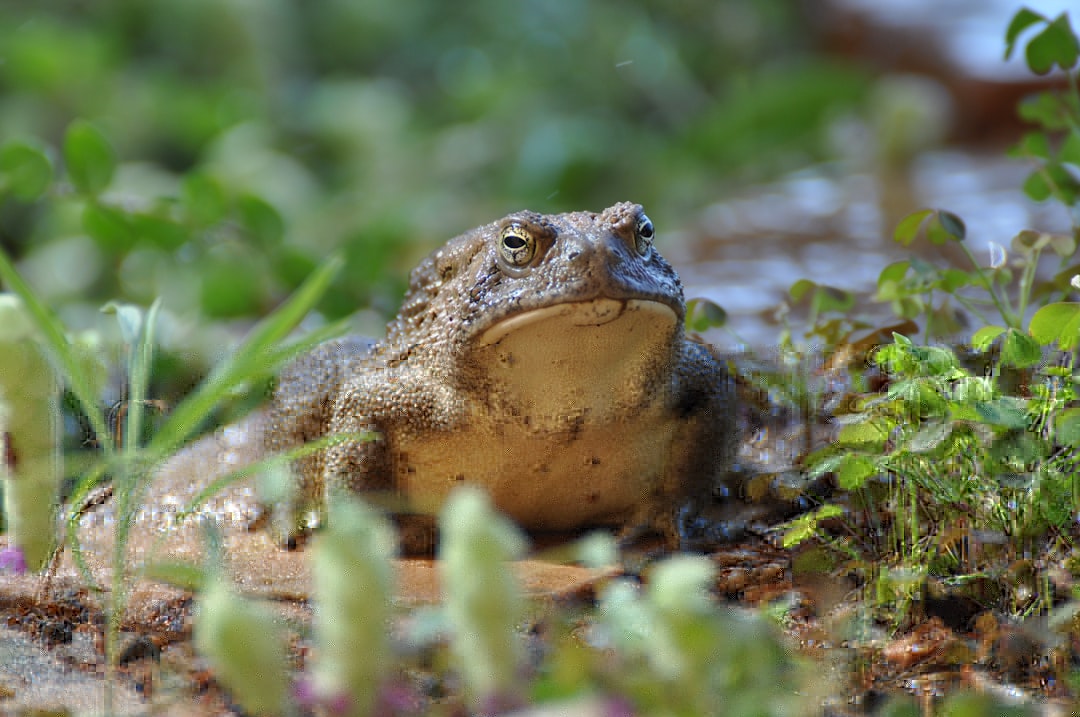
The idea of a frozen body conjures images of brittle, shattered organs. Yet the wood frog’s organs are remarkably resilient. The glucose and other cryoprotectants stabilize cell membranes, preventing them from rupturing as ice forms outside the cells. Even the brain, usually incredibly sensitive to lack of oxygen, emerges from months of suspended animation without permanent damage. It’s as if the frog’s organs are wrapped in an invisible, sugary blanket all winter long.
The Marvel of Thawing Out
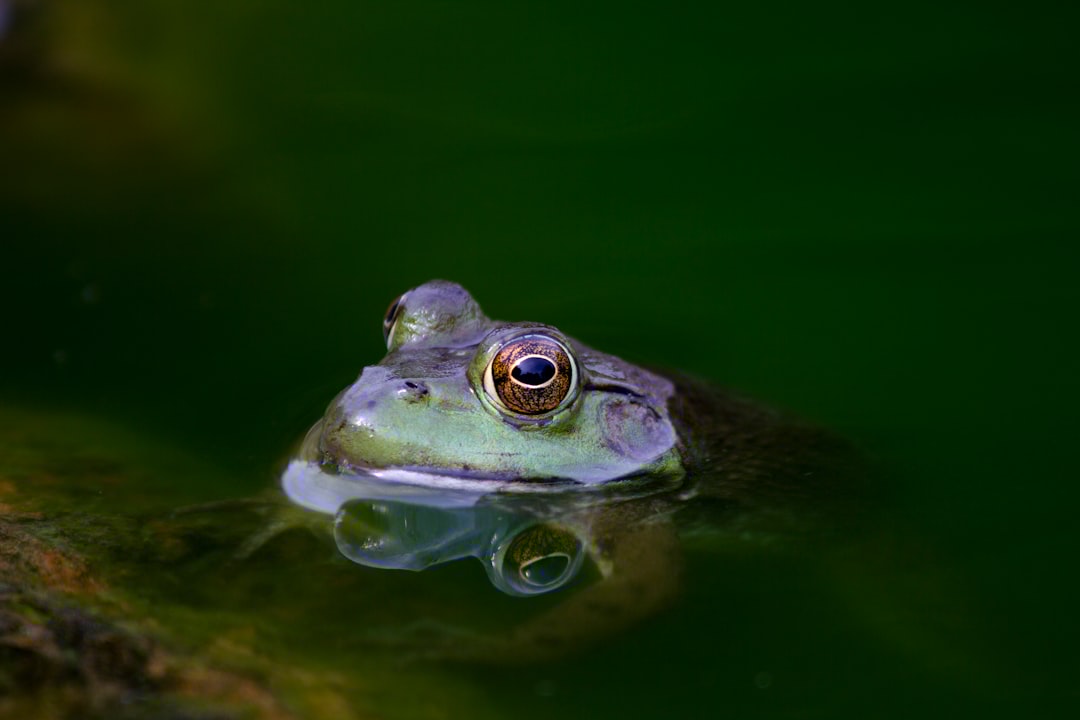
Thawing is a dangerous moment for the wood frog. If it happens too quickly, cells can swell and burst, causing fatal injuries. The frog’s body manages this with careful timing—the outer tissues thaw first, slowly warming the inner organs. As the heart restarts, blood begins to circulate again, clearing out waste products and delivering fresh oxygen. Within hours, the frog can leap, swim, and hunt, as if its icy ordeal never happened.
Climate Change: A New Challenge
As winters become less predictable, the wood frog faces new dangers. Warmer winters can interrupt the freezing process, making the frog vulnerable to disease or predators. Sudden freezes after early thaws can catch frogs off guard, freezing them before they’re ready. Scientists are watching closely to see how these remarkable amphibians adapt to a world that’s changing faster than ever before.
Medical Marvels and Human Inspiration
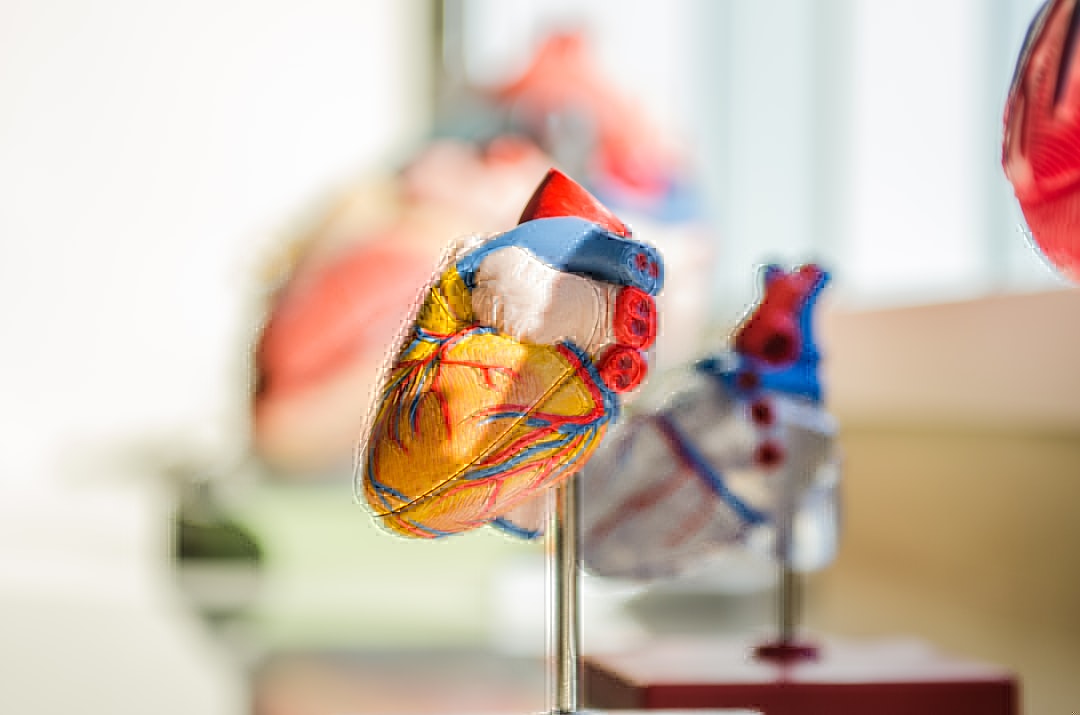
The wood frog’s freeze-thaw survival has inspired generations of scientists and doctors. If we could unlock the secrets of cryoprotection, it might one day revolutionize organ transplants, emergency medicine, or even space travel. Imagine being able to put a human into suspended animation for a long journey to Mars—or keep a donated heart alive for days instead of hours. The wood frog is a living blueprint for the future of medicine.
The Mystery of Memory
One of the most puzzling aspects of the wood frog’s winter ordeal is memory. After months of being frozen, does the frog remember anything from before? Early research suggests that, astonishingly, wood frogs retain memories and learned behaviors after thawing out. This hints at incredible resilience in the brain’s architecture, surviving conditions that would wipe out the minds of most other animals.
Predators and Survival Tactics
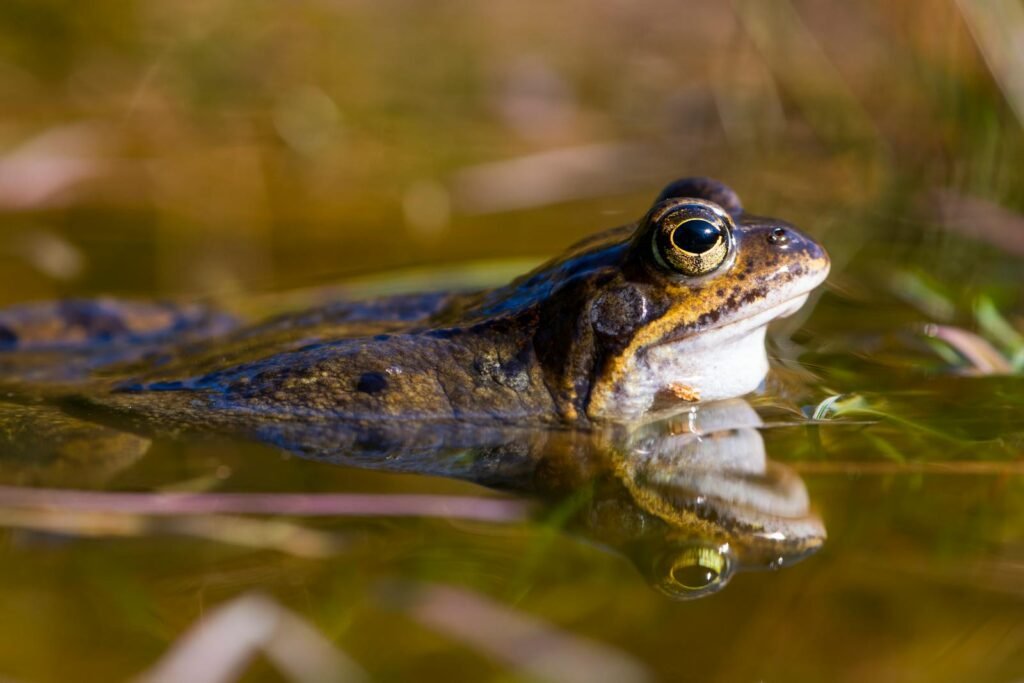
Being frozen might sound safe, but it comes with risks. While in suspended animation, wood frogs are vulnerable to hungry predators like raccoons or birds that might dig them up. To avoid this, wood frogs choose their hiding spots carefully, burrowing under leaves or logs that offer some protection. Their brown coloring helps them blend in, turning them into invisible ice statues until it’s safe to move again.
Breeding After the Big Thaw
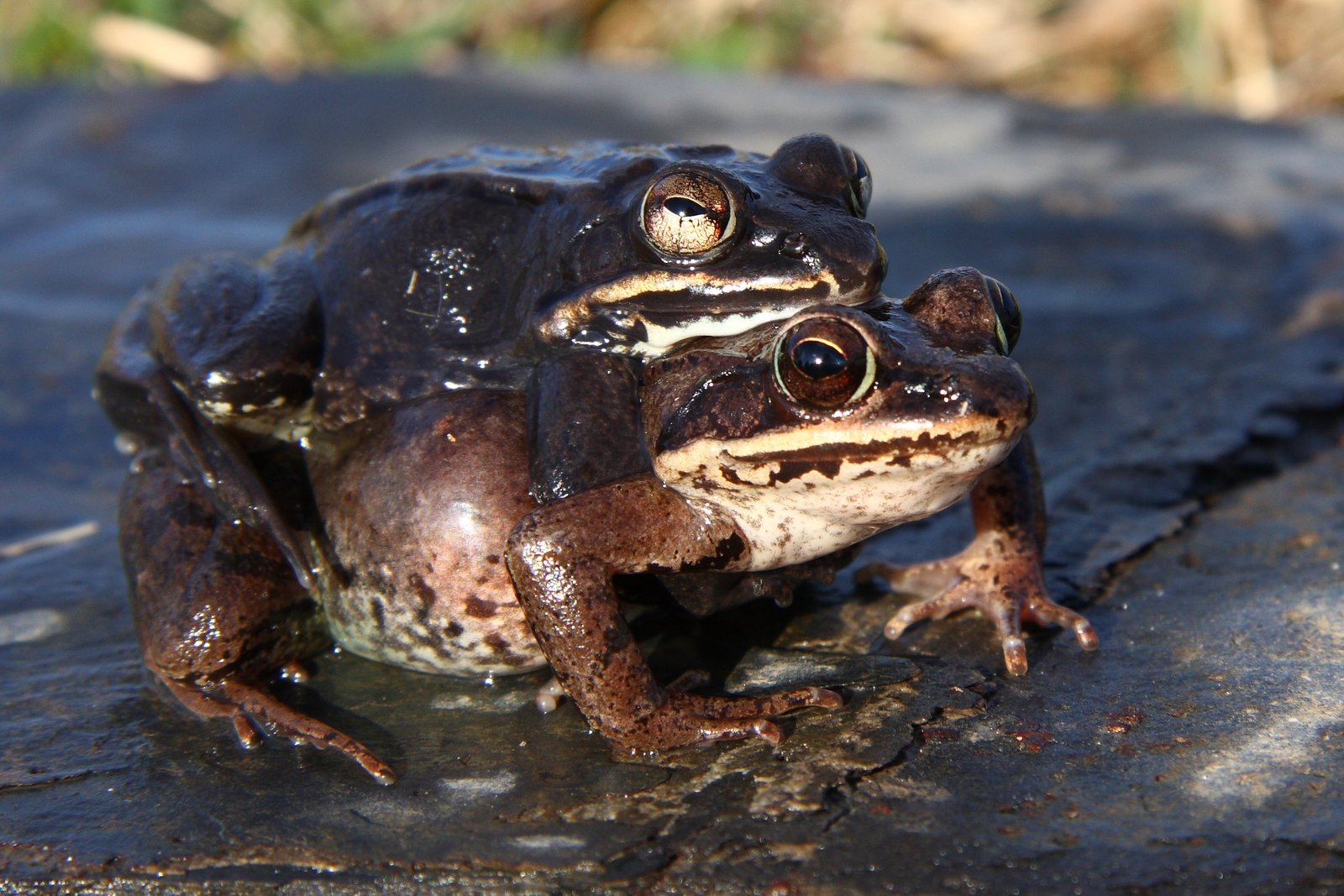
As soon as wood frogs thaw in spring, they waste no time getting back to business. Within days, they migrate to vernal pools—temporary ponds created by melting snow and rain. These pools are critical breeding grounds, free from fish that would eat their eggs. The cacophony of wood frog calls is one of the earliest signs of spring, an explosive celebration of life after months of icy silence.
Lessons from the Wood Frog for Science
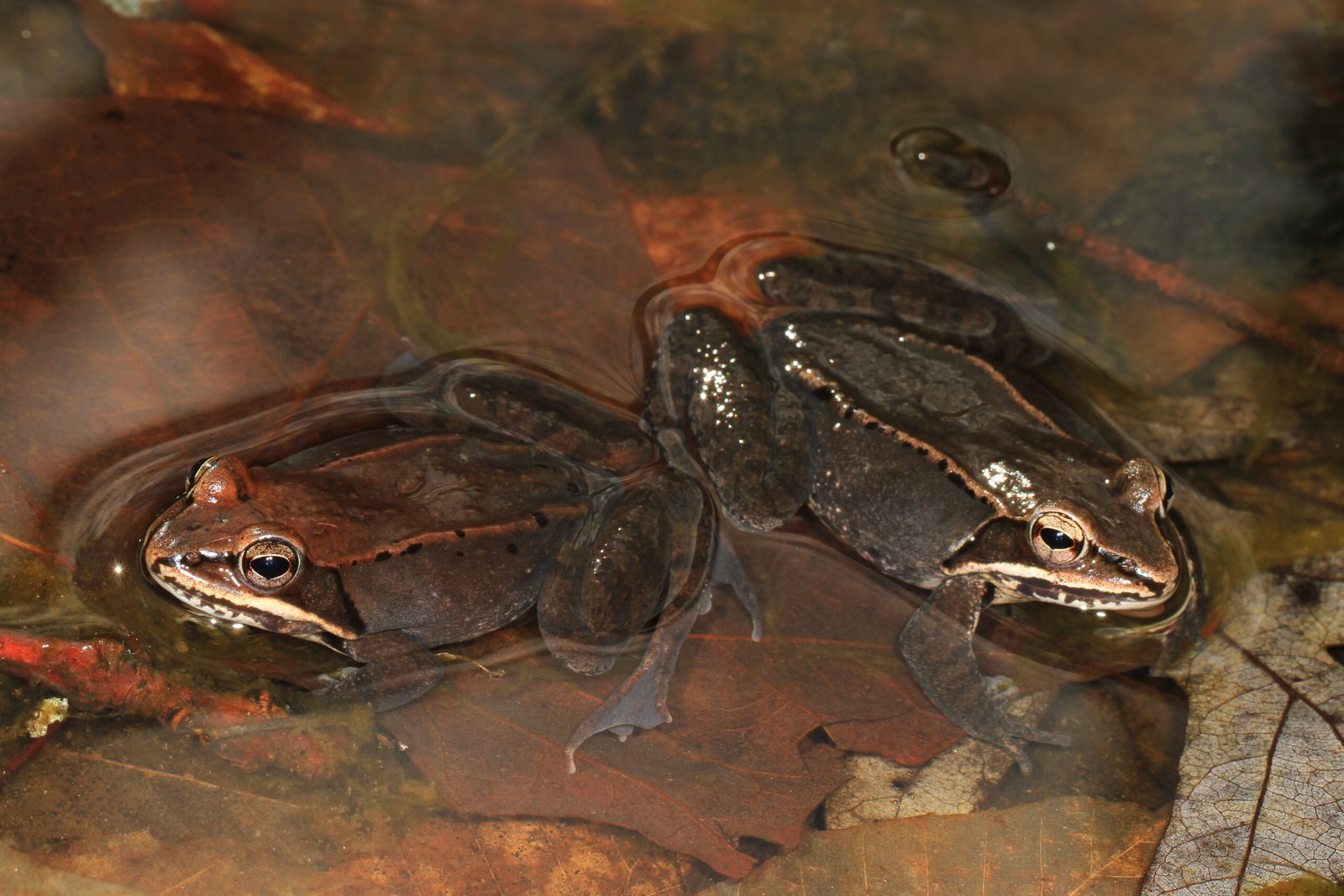
Scientists continue to study the wood frog, hoping to apply its lessons far beyond the forest. The mechanisms that prevent cell damage, restart organs, and preserve memory in these frogs could help humans survive extreme conditions, improve medical technology, and even rethink what it means to be alive. Each discovery brings us closer to harnessing the wood frog’s magic for ourselves.
Other Frozen Survivors: Not Alone, But Unique
The wood frog isn’t the only animal to survive freezing, but it’s certainly among the most impressive. Some turtles, insects, and even a few fish use similar tricks to get through winter. Yet, the wood frog stands out for its resilience, range, and the sheer drama of its transformation. It’s a champion in a strange club of creatures that defy the rules of biology.
Witnessing the Wonder: Where to Find Wood Frogs
For those who want to see this miracle firsthand, springtime in North America’s forests is the place to be. Listen for the short, duck-like calls near woodland ponds, and you might spot a freshly thawed wood frog hopping along the muddy banks. It’s a breathtaking reminder of nature’s hidden wonders, often just a few steps from your own backyard.
The Enduring Mystery of Life and Death
The wood frog’s story challenges our basic ideas about life, death, and the boundaries between them. It shows us that survival isn’t always about fighting the elements—sometimes it’s about surrendering to them, trusting in the body’s hidden strength. In a world full of danger and uncertainty, the wood frog’s frozen slumber is a symbol of hope, resilience, and the endless surprises of evolution. What other secrets might nature be hiding right beneath our feet?