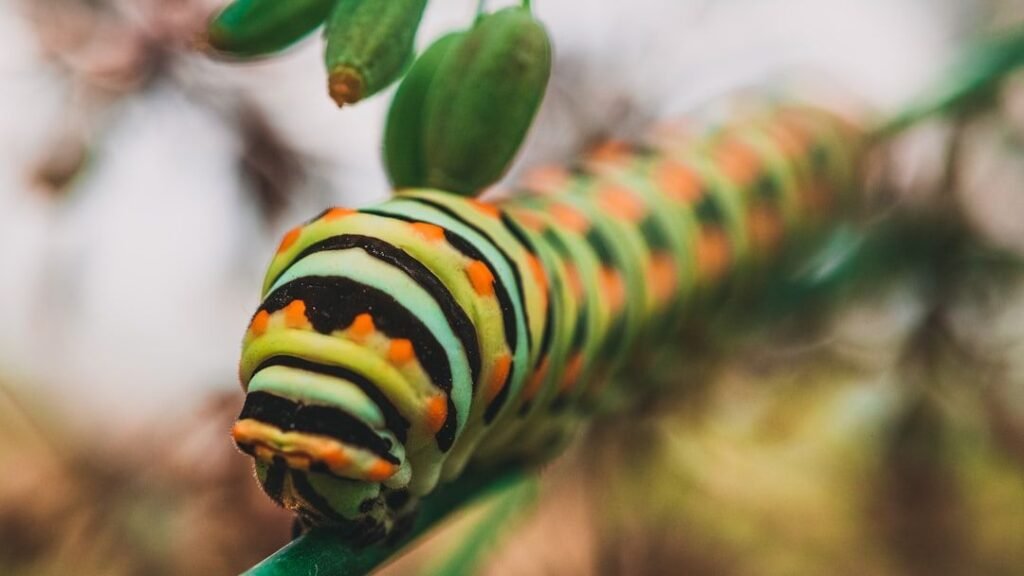
You probably don’t think of caterpillars as dangerous. They look soft, slow, and almost a little clumsy as they crawl along branches and leaves. But inside that tiny head, something far more serious is going on: a sophisticated chemical game of survival that would put some spy thrillers to shame. When you look closer, you discover that a caterpillar’s greatest weapon is not its jaws or its silk, but the invisible chemistry it controls.
Once you start seeing caterpillars as walking laboratories, the whole insect world feels different. You’re not just watching a bug nibble leaves; you’re watching a creature manage poisons, outsmart predators, and even hack into plant defenses. As you go through this, you’ll see how that “hidden chemical weapon” really works, why it matters to you, and how it could shape future medicines, crop protection, and even your understanding of what a simple animal can do.
The Caterpillar’s Head: More Than Just a Mouth
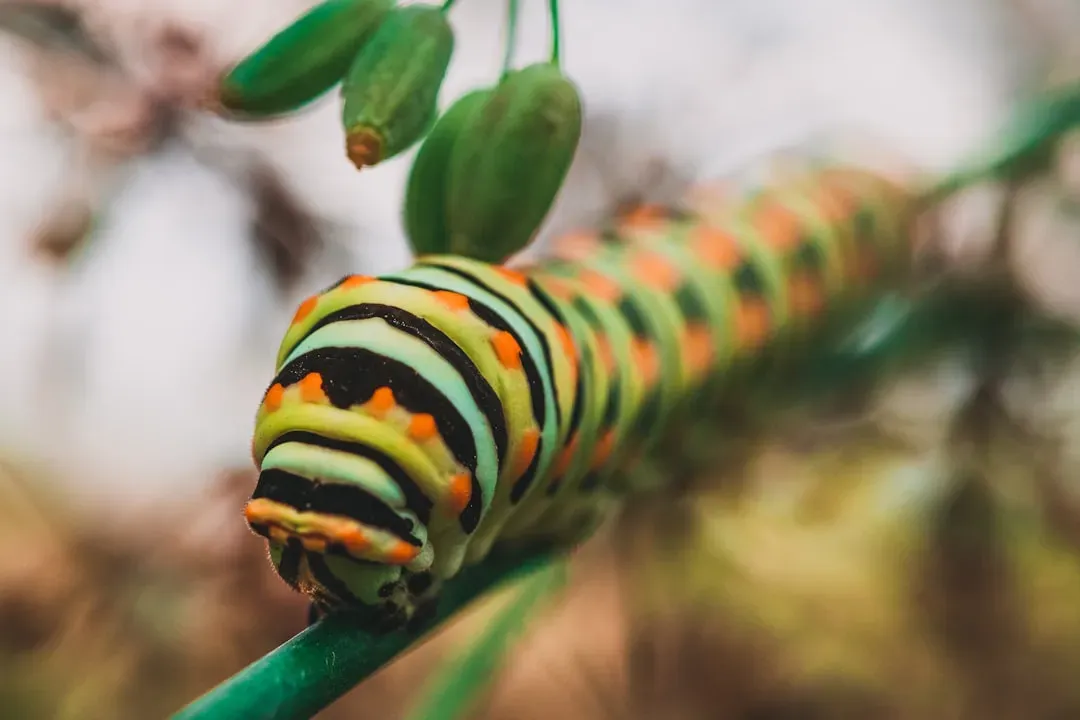
When you picture a caterpillar’s head, you probably see big jaws chewing away at leaves, maybe a set of tiny eyes, and not much else. But if you could zoom in, you’d find a complex control center packed with sensory organs, glands, and nervous tissue that manages everything from feeding to chemical warfare. Those powerful mandibles and the surrounding tissues are constantly exposed to plant toxins, and the head has to process, neutralize, or redirect these chemicals so the caterpillar can survive another bite.
Inside that small capsule, you often have specialized salivary glands and neural circuits that decide when to release certain enzymes or compounds onto a leaf. You’re not just looking at a chewing machine; you’re looking at something closer to a tiny chemical factory wrapped around a brain. The caterpillar’s head becomes the frontline where incoming plant defenses meet outgoing chemical counterattacks. That is where the “weapon” starts: not in brute force, but in the ability to manipulate chemistry in real time.
How Plants Attack First – And Force the Arms Race
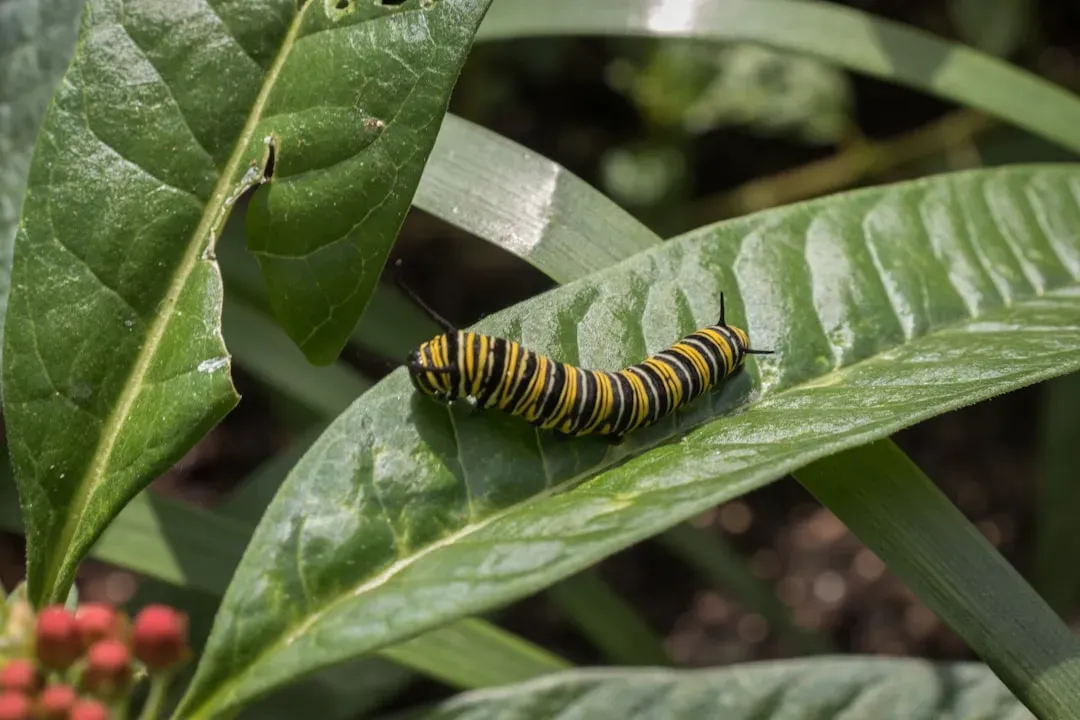
If you think caterpillars are the aggressors, you’re only seeing half the story. Plants attack first. When you bite into a leaf, you trigger a plant’s own defense systems, and many plants respond by producing bitter, toxic, or irritating chemicals designed to stop you from eating. Some even pump out compounds that interfere with digestion or signal nearby leaves to toughen up, like a built‑in alarm network running through the whole plant.
Because of this, a caterpillar can’t just be a mindless leaf‑eating tube; it has to be a strategist. Over millions of years, caterpillars have evolved ways to handle, neutralize, or even exploit these plant defenses. You can think of it like a chemical arms race where each side raises the stakes: plants invent a new toxin, and caterpillars evolve a new trick to deal with it. The result is that by the time you see a caterpillar on a leaf, you’re looking at an animal already trained by evolution to deal with a hostile chemical battlefield.
Saliva as a Secret Weapon: What You Don’t See on the Leaf
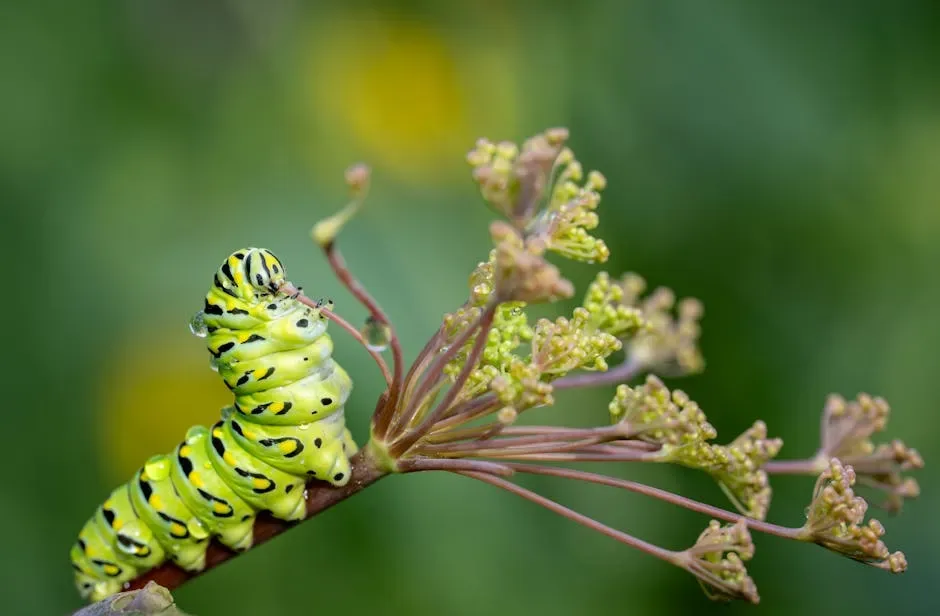
You might assume a caterpillar’s saliva simply helps it swallow, the same way yours does. In reality, that spit is often loaded with enzymes and signaling molecules that can change how a plant responds to being eaten. When the caterpillar bites and drools on the wound, it can actually interfere with the plant’s warning signals, dull its defenses, or redirect which chemicals the plant produces. You’re watching a tiny animal reach into a plant’s internal communication system and twist the knobs.
Some caterpillars are known to reduce the levels of certain plant defense hormones just by the way their saliva interacts with damaged tissue. Others can trigger the plant to respond as if it were facing a different kind of attack, which can make the defense less effective against chewing. For you, that means the “harmless” act of nibbling is actually a sophisticated chemical negotiation. The head holds the glands that produce these secretions, making saliva one of the quietest but most effective weapons a caterpillar carries.
Sequestering Poisons: Turning Plant Toxins Into Personal Armor
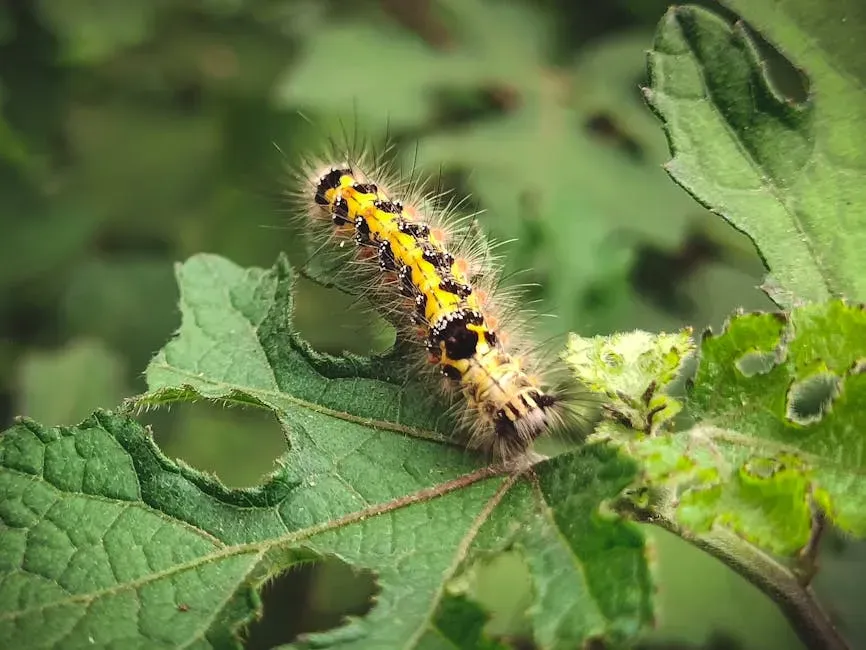
Here’s where things get downright shocking: some caterpillars do not just survive plant toxins, they store them and use them as their own personal chemical armor. When you see a caterpillar feeding on a poisonous plant like milkweed or certain alkaloid‑rich species, it might be actively absorbing those compounds into its tissues. Later, those stored toxins can make the caterpillar itself bitter, nauseating, or even dangerous to predators that try to eat it.
From your perspective, that means the caterpillar’s head is the gatekeeper deciding what gets in and what gets repurposed. The mouthparts and digestive system have to distinguish between nutrients and toxins, then direct some of those toxins into safe storage instead of flushing them all out. Over time, the caterpillar turns into a living container of plant‑derived chemicals, a bit like a sponge that soaks up poison and then becomes poisonous. This strategy is so effective that birds often learn to avoid certain brightly colored caterpillars altogether.
Neurotoxins and Irritants: When Contact Becomes Dangerous
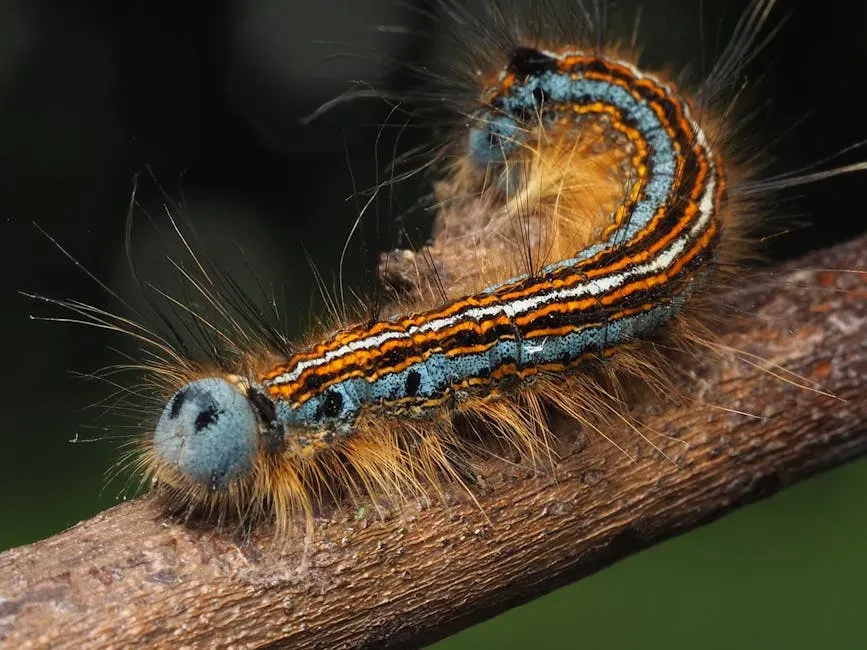
Not every caterpillar hides its weapons quietly inside; some of them advertise their danger through spines, hairs, or bright colors. But even then, the chemistry is often managed and controlled from within the head and nervous system. When you brush against a venomous caterpillar, irritating or neurotoxic compounds can transfer from specialized hairs or glands into your skin, causing pain, itching, or, in rare cases, more serious reactions. The caterpillar controls these structures and their deployment with its nervous system, which is coordinated through the head.
Several notorious species have venoms that can cause burning sensations, rashes, or more systemic symptoms, and these chemicals are typically produced or regulated by glands distributed along the body but under central control. You might not see the head doing anything dramatic, but it is the command center that built and maintains those defenses in the first place. So when you learn to avoid fuzzy or brightly colored caterpillars, you’re really learning to respect the chemistry their bodies are wired to wield.
Brain and Behavior: Choosing When to Deploy the Chemical Arsenal
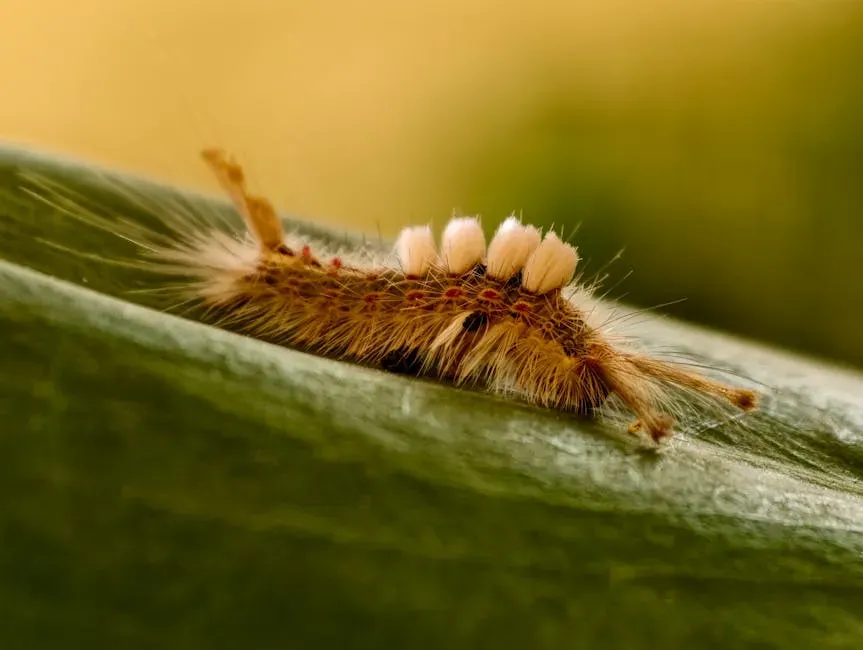
A chemical weapon is only as effective as the decisions behind it, and this is where the caterpillar’s tiny brain becomes surprisingly important. You might think an animal like this just eats nonstop, but it actually makes choices about when to feed, where to feed, and how to respond when it is disturbed. Those choices affect how much toxin it ingests, how exposed it is to predators, and how often it has to use chemical defenses. The head houses the neural circuits that balance hunger, danger, and opportunity.
For example, a caterpillar may feed at night to avoid daytime predators, even if that means slower growth. It can drop from a plant on a silk line when touched, instead of relying on its chemical defenses immediately, because escape is often safer than fighting back. The fact that it can switch between behaviors shows you that the chemistry is part of a wider toolbox. In a sense, the hidden weapon in the head is not only the physical chemicals but also the decision‑making that decides when those chemicals come into play.
From Caterpillars to Butterflies: Carrying Chemical Weapons Into Adulthood
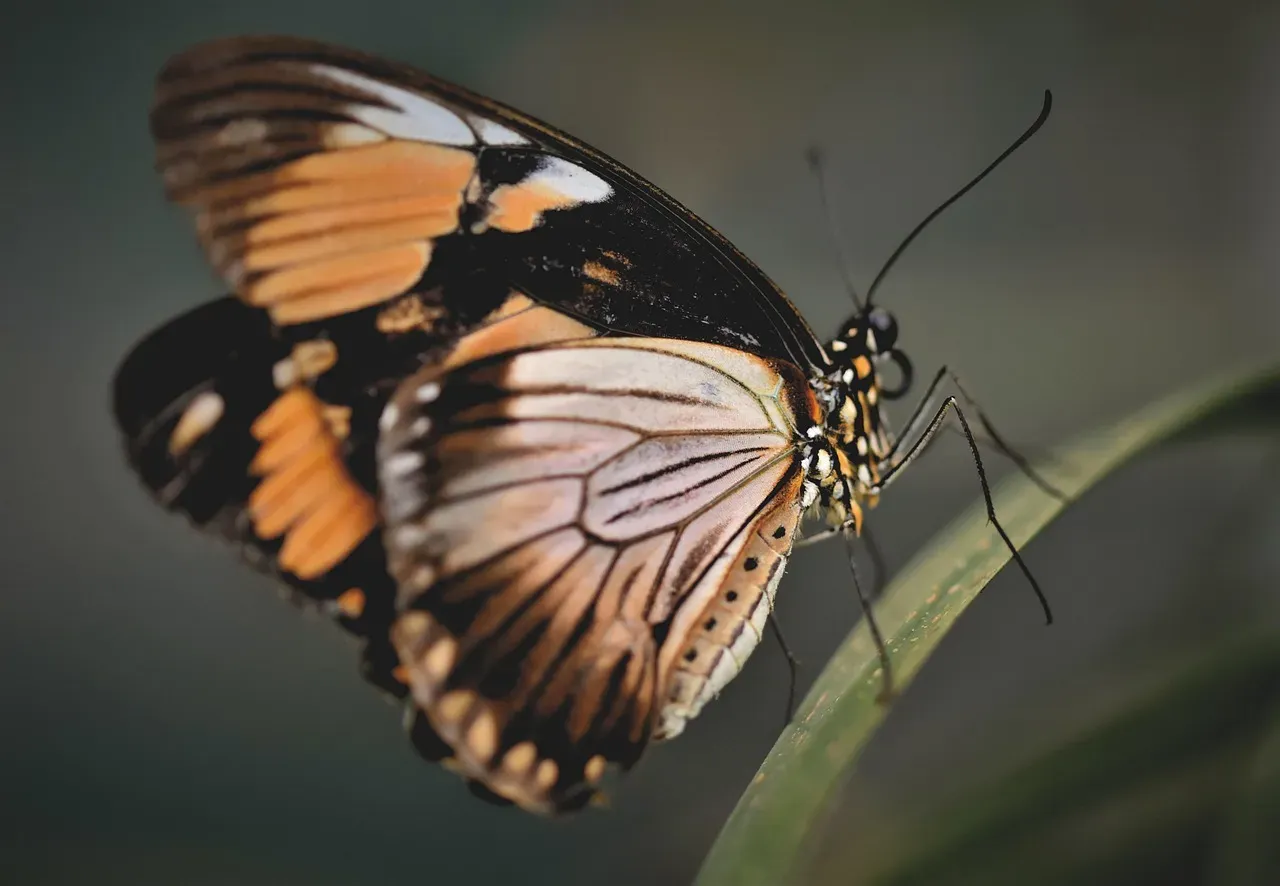
The story does not end when the caterpillar turns into a chrysalis. Many species carry the toxins they stored as larvae into the adult butterfly or moth. When you see a bright, showy butterfly gliding through a garden, you might be looking at the final form of a lifetime of chemical defense strategy that began with a hungry caterpillar’s first bite. The adult can remain unpalatable to birds and other predators because of the compounds the larva previously sequestered.
This continuity means that what happens in the caterpillar’s head has long‑term consequences. The decisions about what plants to eat, how much toxin to store, and how to handle those chemicals do not just keep the larva alive; they shape the survival odds of the adult as well. In your mind, you can imagine the caterpillar writing a chemical safety plan that the butterfly later inherits. It is a reminder that the hidden weapon is part of a longer life strategy, not just a short‑term trick.
Why This Matters to You: Medicine, Agriculture, and New Ideas
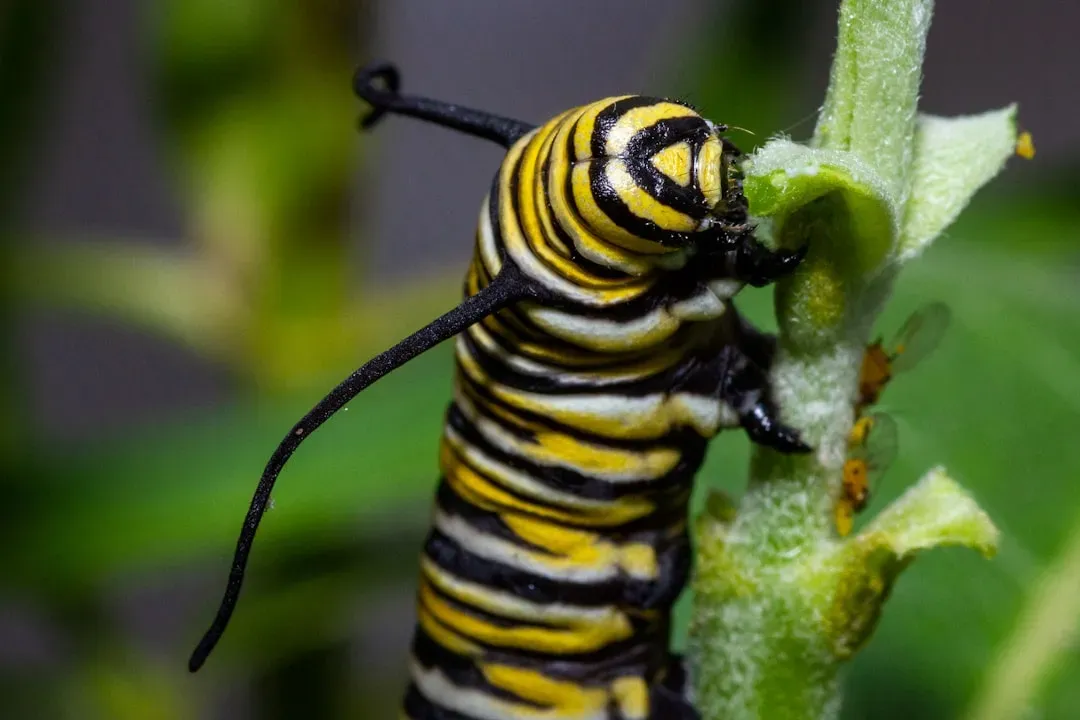
You might wonder why you should care what is inside a caterpillar’s head, beyond simple curiosity. The answer is that these chemical tricks are exactly the kinds of things scientists study when they look for new medicines, greener pesticides, or better ways to protect crops. When you understand how a caterpillar blocks a plant’s defenses, you get clues about how those plant systems work. When you see how it stores toxins without harming itself, you gain insight into safe handling of dangerous compounds.
Some plant‑derived chemicals that caterpillars interact with already play roles in human medicine or as models for drugs. The more you learn about the insect side of the story, the more you realize you are watching highly refined survival solutions tested over millions of years. Whether you are thinking about controlling pests without harming beneficial insects, or exploring how natural toxins might inspire new therapies, the caterpillar’s hidden arsenal becomes a real‑world source of ideas. You are not just watching a bug eat; you are watching a library of chemical tricks in motion.
Respect the Tiny Warrior: Rethinking the Humble Caterpillar
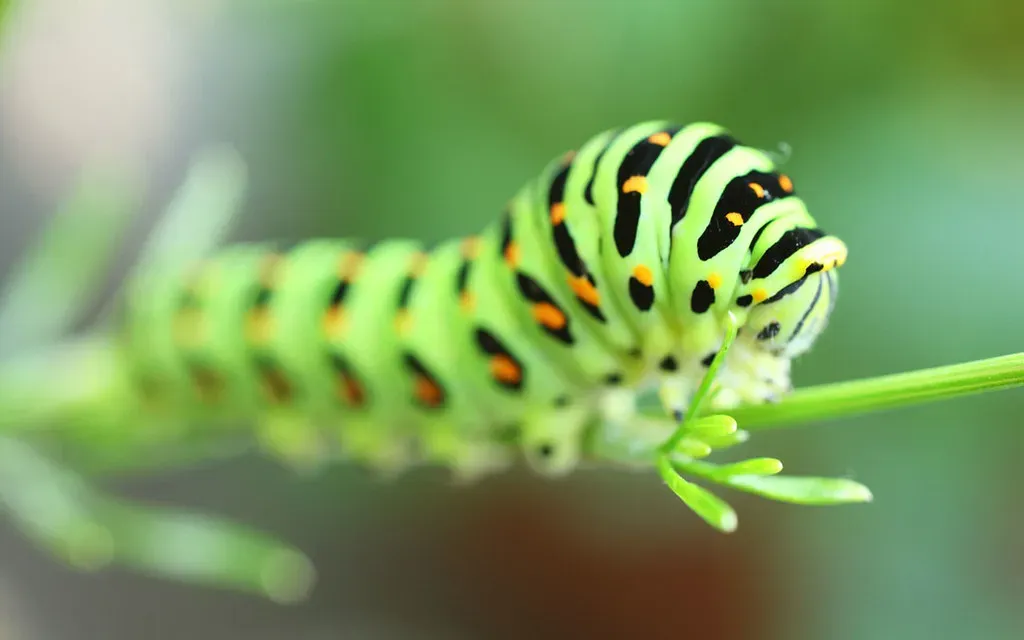
Next time you see a caterpillar inching along a branch, you can look at it with new eyes. You now know that inside that seemingly simple head sits a control center for chemistry, behavior, and long‑term survival. You are looking at an animal that negotiates with poisonous plants, scares off predators, and sometimes turns plant toxins into its own protective shield. What seemed soft and harmless is, in reality, quietly armed.
That does not mean you need to fear every caterpillar you encounter, but it does mean you can give them a little more respect. You are sharing the world with tiny creatures that manage chemical weapons daily, not with reckless aggression, but with precise, evolved strategies. When you step back and think about it, that is a humbling reminder of how much complexity hides in plain sight. If a small, squishy caterpillar can master chemistry this well, what other invisible battles are happening right under your nose?
In the end, the is not just about toxins or venom; it is about intelligence written in biology, choices made in millimeters, and survival woven into every bite. You are surrounded by these quiet chemists, turning leaves into shields and danger into opportunity, often without you even noticing. Maybe the next time you pause to watch one crawl, you will feel a mix of wonder and caution rather than simple indifference. Knowing what you know now, would you ever look at that tiny head the same way again?