You probably have a story like this tucked away somewhere: a dog that still goes wild with joy when it sees you after years apart, or a horse that instantly relaxes the moment it hears your voice. Those moments feel almost magical, but they are rooted in something very real inside the brain. When an animal remembers you, it is not just recalling a face; it is replaying a history of smells, sounds, emotions, and experiences tightly stitched together over time.
As you look closer at how animals remember, the line between “instinct” and “intelligence” starts to blur. Different species use different tools to store information about you: some lock onto your scent, others store your voice like a familiar song, and a few even recognize your face in photos or on a screen. Understanding this science does something powerful: it helps you see that every interaction you have with an animal is potentially going into a long-term file in its brain – and it might stay there far longer than you expect.
How Animal Brains Build Long-Term Memories Of You
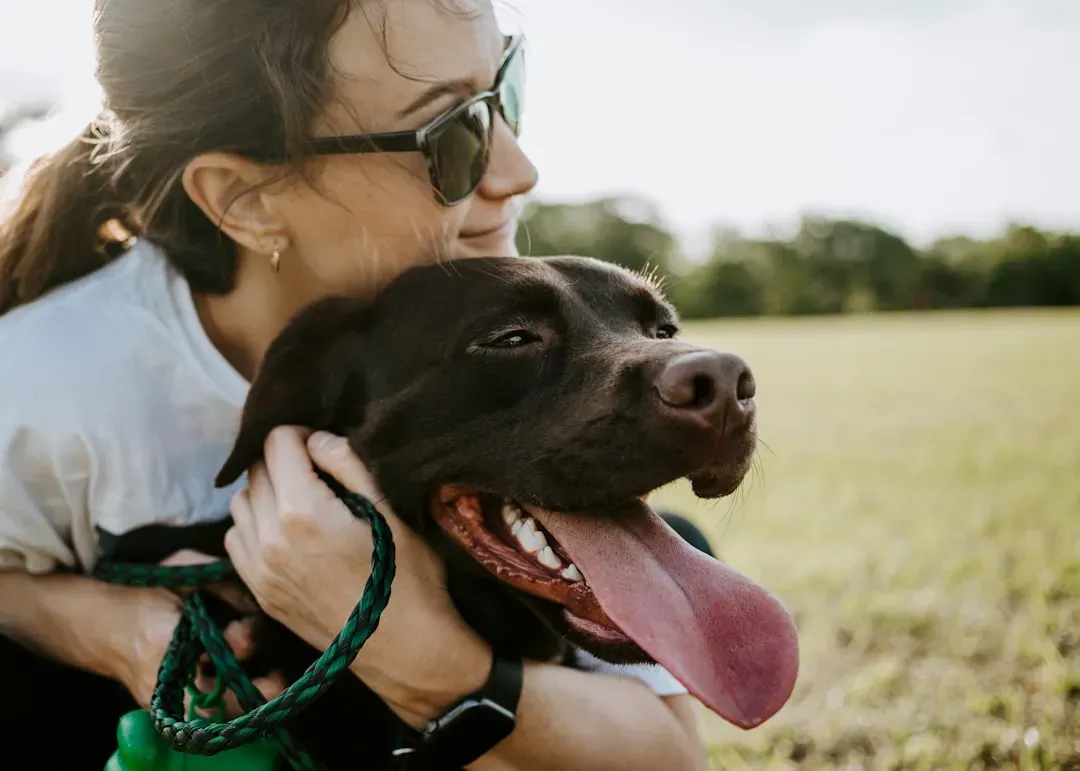
When an animal remembers you after months or years, it is because your presence has literally reshaped tiny connections in its brain. Just like in your own brain, nerve cells in animals strengthen or weaken their links depending on experience, a process often described as “neurons that fire together wire together.” Every time you feed, groom, train, or simply sit calmly with an animal, its brain is quietly reinforcing the pathways that link your smell, your voice, your movements, and the emotions it feels around you.
Over time, this repeated activation can turn short-term impressions into long-term memories. In many mammals and birds, structures similar to your hippocampus help file away who you are, where you fit in their social world, and whether you are safe to be around. This is why an animal that has had only neutral, one-off contact with you might forget you quickly, while one that has shared intense, emotional experiences – fearful or positive – can remember you for a surprisingly long time. You are not just “someone who was there once”; you become a pattern burned into its neural wiring.
Why Emotion Supercharges An Animal’s Memory Of You
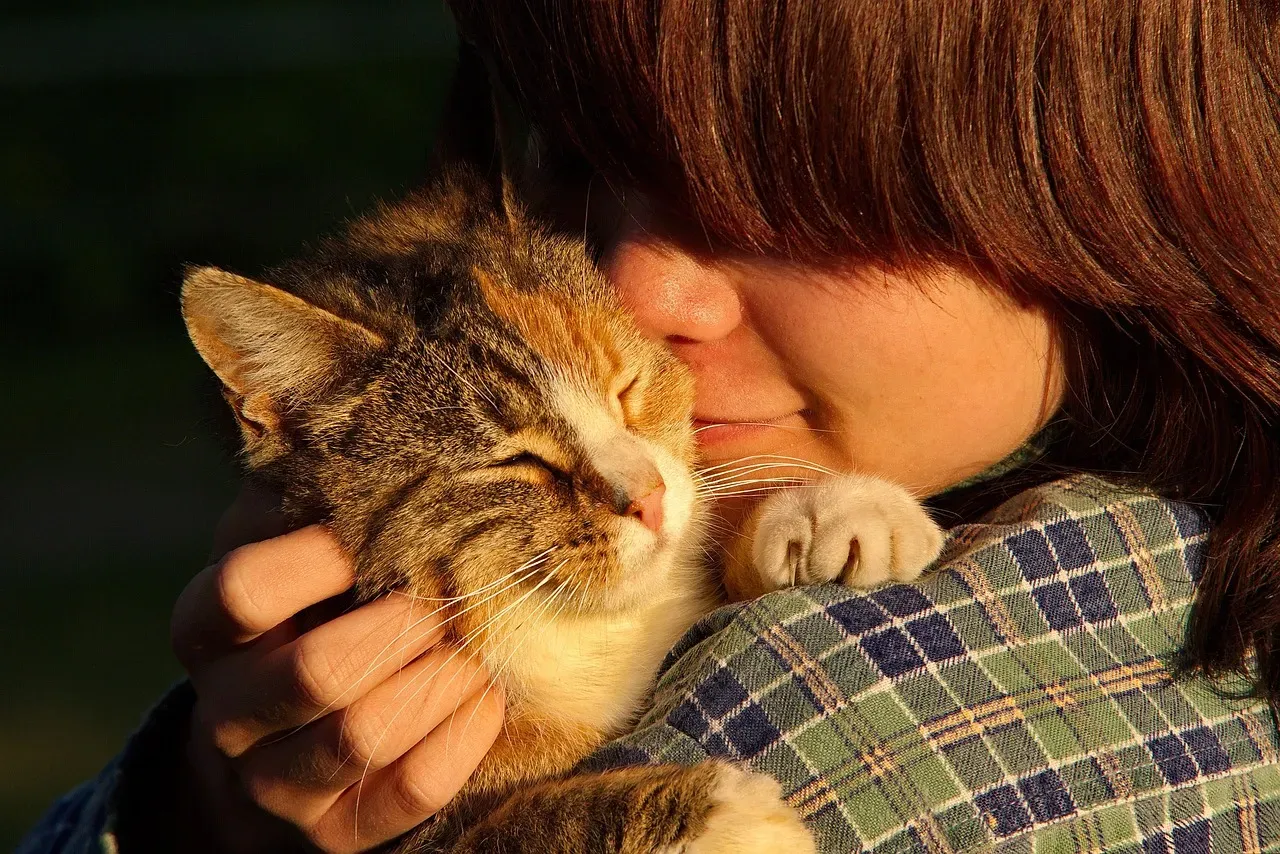
If you have ever wondered why a rescued dog remembers an abusive owner for years, or why a formerly shy cat melts when it sees the person who patiently gained its trust, emotion is the reason. Strong feelings like fear, joy, relief, or comfort act like highlighters in the brain, marking certain moments as too important to lose. Hormones and brain chemicals released during emotional events strengthen memory traces, so an animal is far more likely to remember a human who made it feel something intense than a stranger who just walked by.
This is why the way you behave around an animal matters far more than how often it sees you. A single, deeply frightening experience can etch you into an animal’s memory just as firmly as months of patient kindness. On the other hand, repeated positive experiences – gentle handling, predictable care, play, and rewards – create a powerful emotional association that can last for years. To an animal, you effectively become a walking feeling: safety, fear, excitement, or calm, depending on what you have taught its brain to expect.
Dogs And Horses: Champions Of Long-Lasting Human Memory
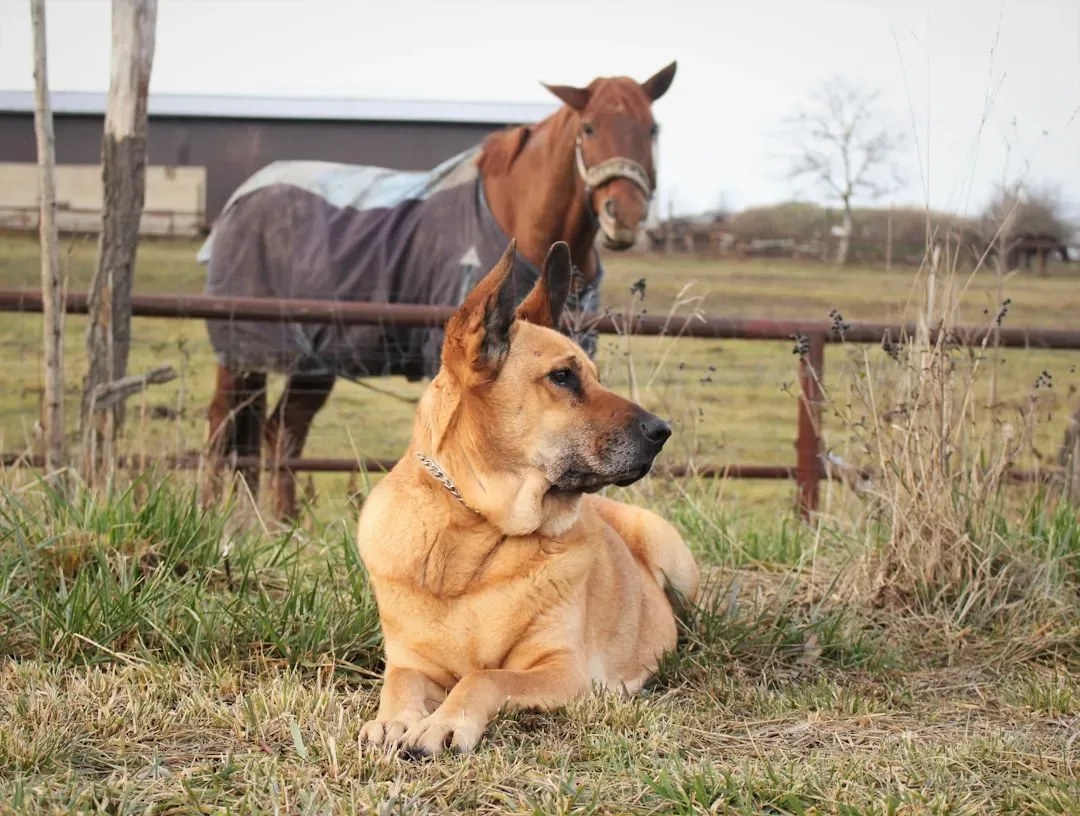
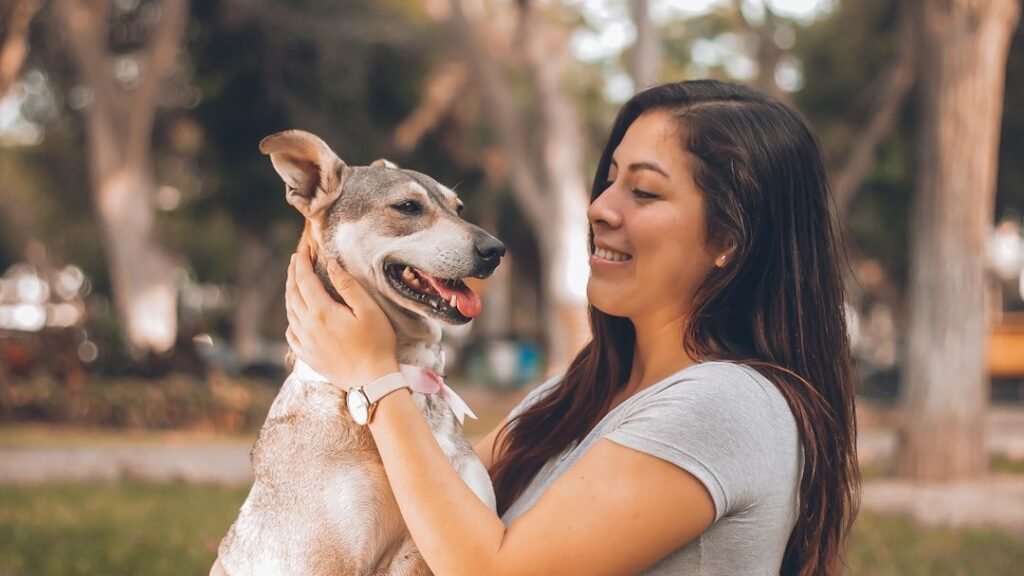
When it comes to recognizing and remembering people, dogs and horses often steal the spotlight. You already know that many dogs go wild when they hear a car pull up or a key in the lock, but research shows their recognition runs deep: they can use your smell, your voice, your gait, and even your facial features to pick you out from others, and they can do this after long separations. Their social brains evolved to track relationships within a group, so when you become part of their “pack,” your memory file gets special treatment.
Horses show a similar talent, especially around the humans they handle most. Many remember specific riders, handlers, and even the emotional quality of those relationships, reacting differently to a calm, patient person than to someone who has handled them roughly in the past. Both dogs and horses are experts at reading subtle cues in your posture, tension, tone, and speed of movement, and they store this information along with your identity. That is why, when you return to a stable or home after years away, the immediate recognition you see is not a fluke – it is the product of a brain built to remember individuals who mattered.
Cats, Birds, And Farm Animals: Quiet Experts At Recognizing You
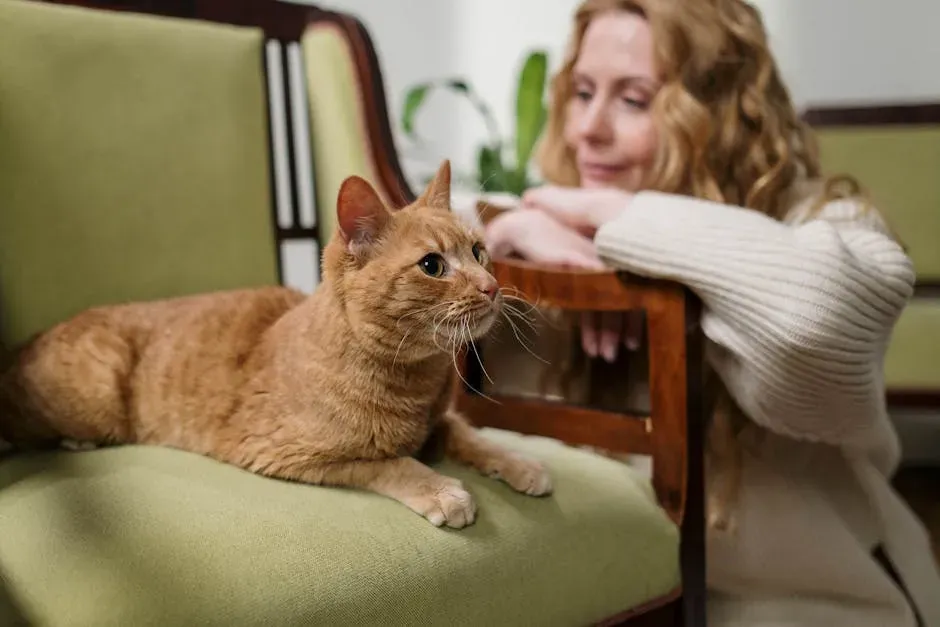
Cats sometimes get a reputation for being aloof or forgetful, but if you live with one, you know that is not really true. Many cats recognize the sound of your footsteps, your routine, and even the way you speak, and they respond differently to you than to unfamiliar people. Their memory style can feel subtle, but they can remember who fed them, who scared them, and who comforted them during stressful events, and they may hold onto those impressions for years.
Birds and farm animals often surprise people even more. Parrots, crows, and ravens can remember specific humans, including who fed them and who threatened them, and they can change their behavior accordingly long after an event is over. Sheep, goats, cows, and pigs can recognize individual human faces from photos and in person, and they can recall gentle or harsh handlers over time. If you work regularly with these animals, whether in a backyard, sanctuary, or farm, you are being logged into their mental address book more carefully than you might think.
Smell, Sound, And Sight: The Three Main Ways Animals Remember You
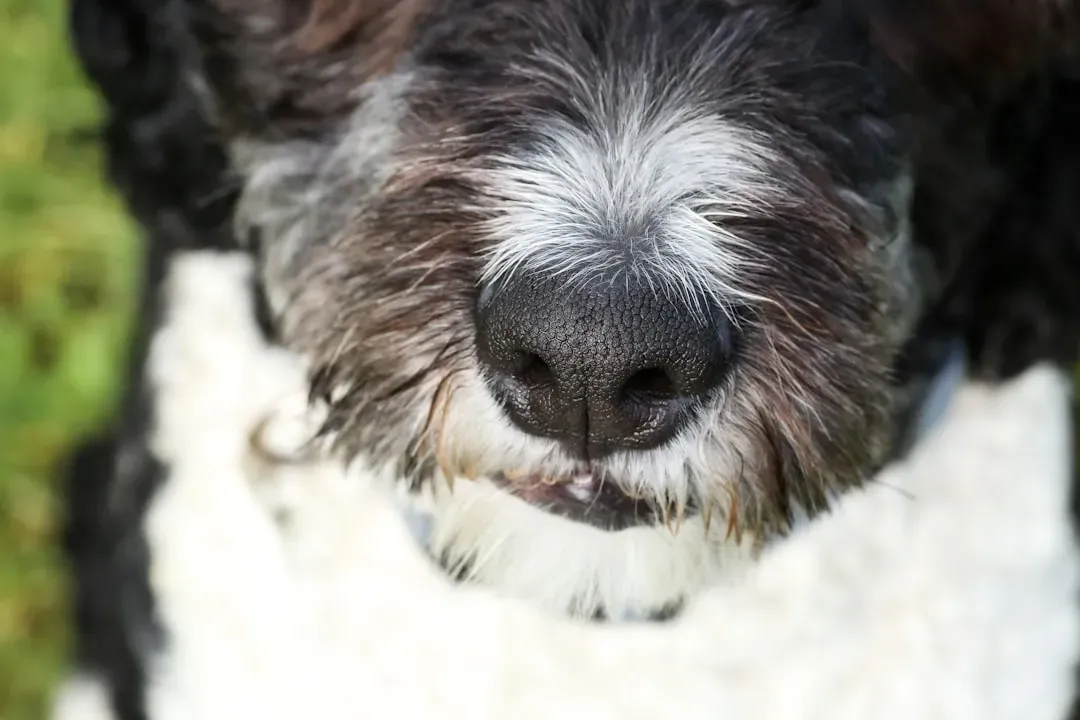
Different species rely on different senses to keep a long-term record of who you are, and this shapes the way they store you in memory. Many mammals, like dogs, horses, and livestock, lean heavily on smell, which is directly linked to brain areas involved in emotion and memory. That familiar mix of your shampoo, laundry detergent, skin, and environment becomes a sort of scent signature, and it can be recognized even when your appearance changes.
Other animals, especially many birds and primates, rely more on sight and sound. They may remember the way you move, the rhythm of your walk, your posture, or your facial features, and they can pair that with your voice, your laughter, or how you call their name. You might not notice it, but your daily habits – your feeding routine, the time you appear, the sound of your car or bicycle – also become powerful cues. When all of these sensory threads are woven together, an animal ends up with a rich, multi-layered memory of you, not just a single snapshot.
How Long Can Animals Remember You? What Science Actually Suggests
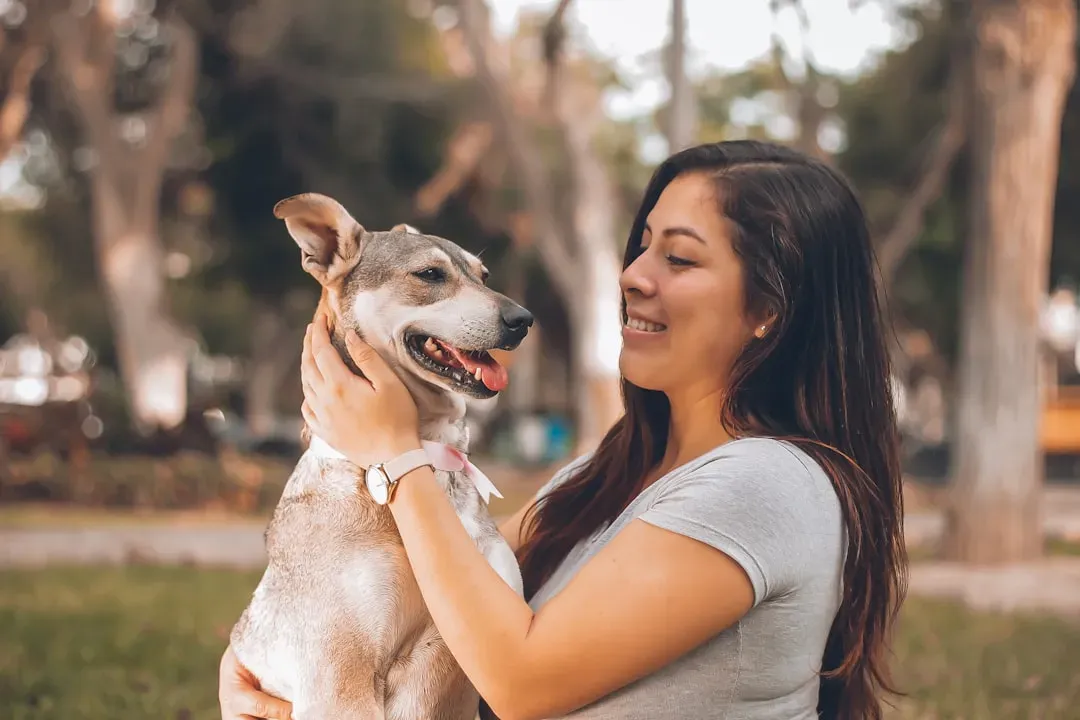
You will hear wild stories of an animal recognizing someone after a decade, and sometimes those kinds of timelines are real. However, the length of memory depends on the species, the age and health of the animal, and the strength of the experiences it had with you. Many social species appear able to remember important individuals for several years, especially if those individuals were emotionally meaningful or repeatedly present in their lives.
At the same time, not every animal will store you forever like a carved statue in stone. Just as in your own brain, memories can fade if they are not refreshed or if they are not tagged as especially important. Health problems, aging, stress, or brain changes can also weaken recognition. Still, when your relationship with an animal has been intense, whether deeply caring or deeply frightening, its brain treats you as a high-priority file, and that is where those long gaps followed by instant recognition are most likely to show up.
Why Negative Experiences Linger – And How You Can Build Better Ones
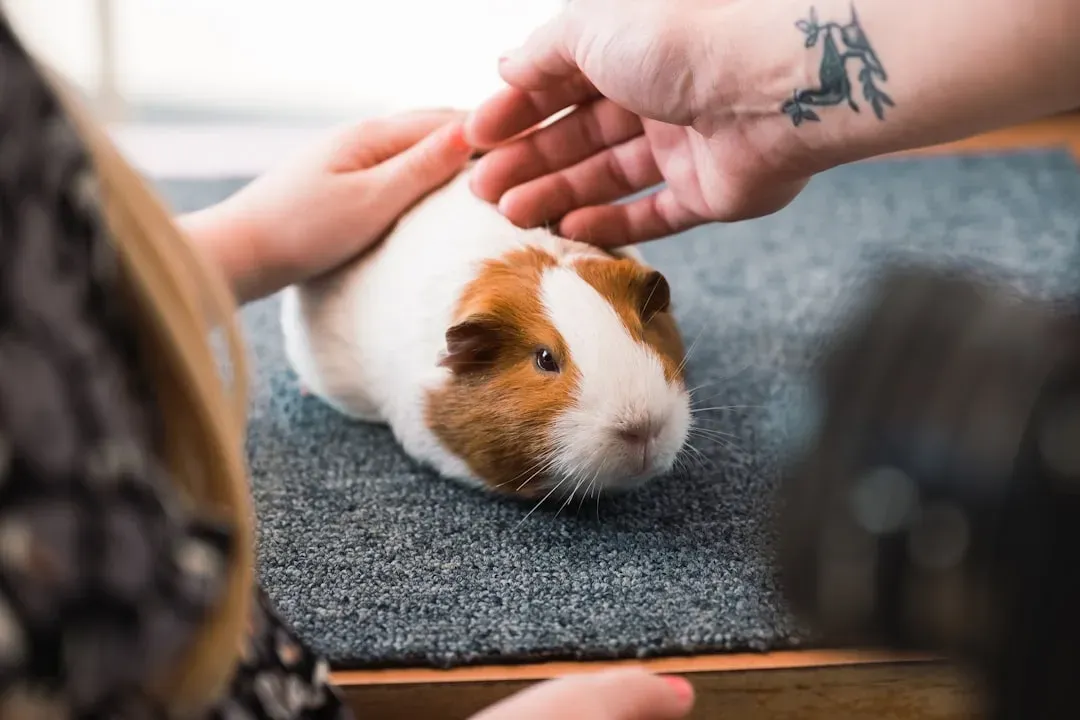
One hard truth you have to face is that bad experiences often stick more strongly than neutral or mildly pleasant ones. If you have ever tried to handle an animal that has been mistreated, you have seen how quickly fear memories surface: flinching, freezing, bolting, or shutting down around certain types of people, tools, or situations. That is the brain doing its job, trying to keep the animal safe by avoiding anything that once led to pain or terror, including particular humans.
The flip side, though, is that positive experiences can also become deeply rooted, especially when they are consistent and predictable. When you always handle an animal gently, respect its space, reward calm behavior, and give it choices instead of forcing it, you are gradually overwriting fear with safety. You may not erase the original memory, but you can build a new, powerful association of you as someone safe, reliable, and worth approaching. Over time, your presence becomes linked to relief instead of alarm, and that is the kind of memory that can hold steady for years.
How To Become A Person An Animal Remembers Fondly
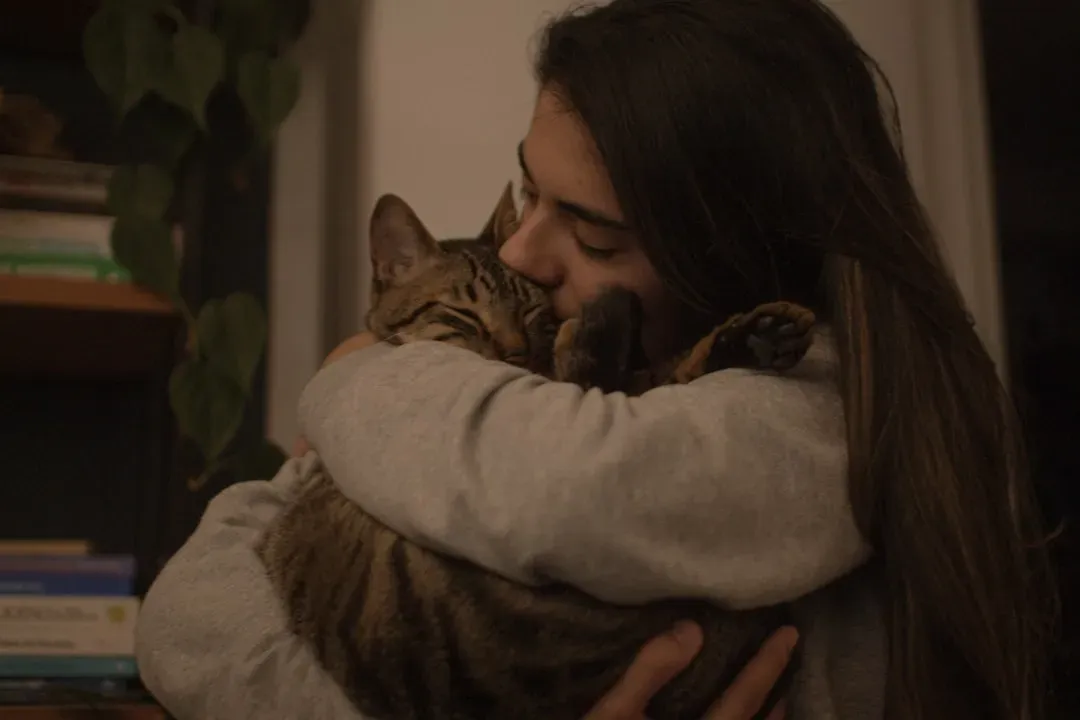
If you want an animal to remember you in a positive way, think in terms of patterns rather than grand gestures. Consistent kindness, clear signals, and predictable routines leave a stronger imprint than a one-time treat or a single long visit. When you move slowly, use a calm tone, and give an animal time to approach on its own terms, you are telling its nervous system that you are safe, and you are turning every small interaction into a brick in the wall of long-term memory.
It also helps to be mindful of what your body language and voice might be saying when you are stressed or rushed. An animal that is already cautious can store the memory of your tension as a warning signal for the future, even if you never meant any harm. On the other hand, if you keep showing up as the person who brings comfort, rewards, and relief from pressure, your presence becomes a kind of emotional landmark, like a favorite park or a cozy chair. That is the version of you that will live rent-free in their mind, long after you have stepped away.
Why Understanding Animal Memory Changes How You See Them
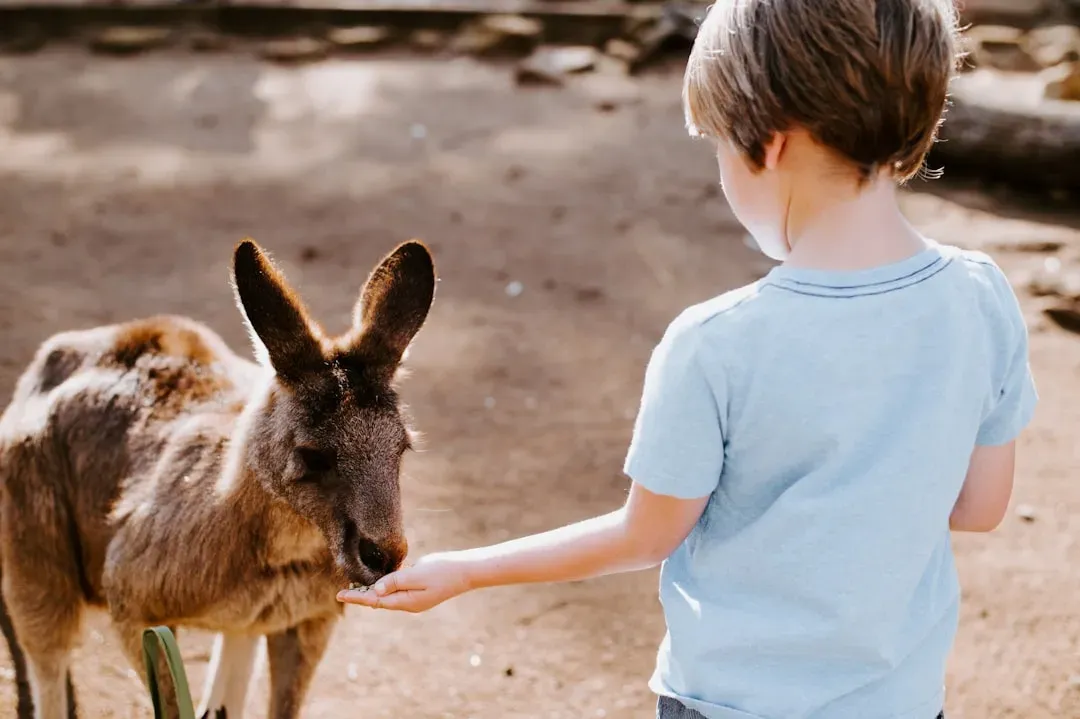
Once you realize how powerfully animals can remember you, it becomes hard to see them as simple creatures just reacting in the moment. Every flinch, every nuzzle, every wary look is shaped not only by what is happening right now but by a whole archive of saved experiences. When you walk into a barn, a home, or a shelter, you are not just meeting an animal in the present; you are walking into a story that started long before you showed up.
This perspective can be both humbling and motivating. It means your choices matter more than you might have thought, because each interaction might be something that animal carries for a very long time. It also offers comfort: when you put in the work to be patient, gentle, and trustworthy, you are not just having a nice moment – you are carving your name into the animal’s inner world in the best possible way. Years from now, when it lifts its head, pricks its ears, or trots over the moment it sees you, you will be seeing the proof written right there in its eyes.
Conclusion: You Live Longer In Their Minds Than You Think

In the end, the science of animal memory tells you something quietly profound: you leave traces. To the animals in your life, you are not a blur of random visits but a distinct presence whose scent, voice, movements, and emotions are carefully filed away. Their brains are wired to track who helped, who hurt, who comforted, and who frightened, and those records can last for years. You may forget an ordinary afternoon with a dog, horse, cat, or goat; chances are, they remember it far more clearly than you do.
That knowledge comes with a kind of gentle responsibility. Every time you approach an animal, you are either deepening a memory of safety and warmth or nudging it toward a memory of fear and confusion. You do not control everything that has happened to that animal, but you fully control your part of its story from this moment forward. Knowing that your kindness can echo in their mind for years, what kind of memory do you want to become?