You spend your whole life trusting your eyes, but what if they’re quietly lying to you? The colors you call vivid, neon, or blinding might actually be just a small slice of what’s really out there. Many animals are walking around with visual superpowers, picking up colors and patterns that your brain simply isn’t wired to see. To them, the world you think you know might look muted, unfinished, almost like a movie with half the scenes missing.
Once you realize that, everyday creatures stop being ordinary. A hummingbird at a feeder, a butterfly on a flower, even a stray cat in the yard might be seeing secret messages and invisible rainbows painted across leaves, feathers, and fur. When you dig into how their eyes work, you’re not just learning biology; you’re getting a humbling reminder that your version of reality is only one of many. And that’s both unsettling and oddly thrilling.
Your Vision Is Not the Default: How Human Eyes Limit What You See
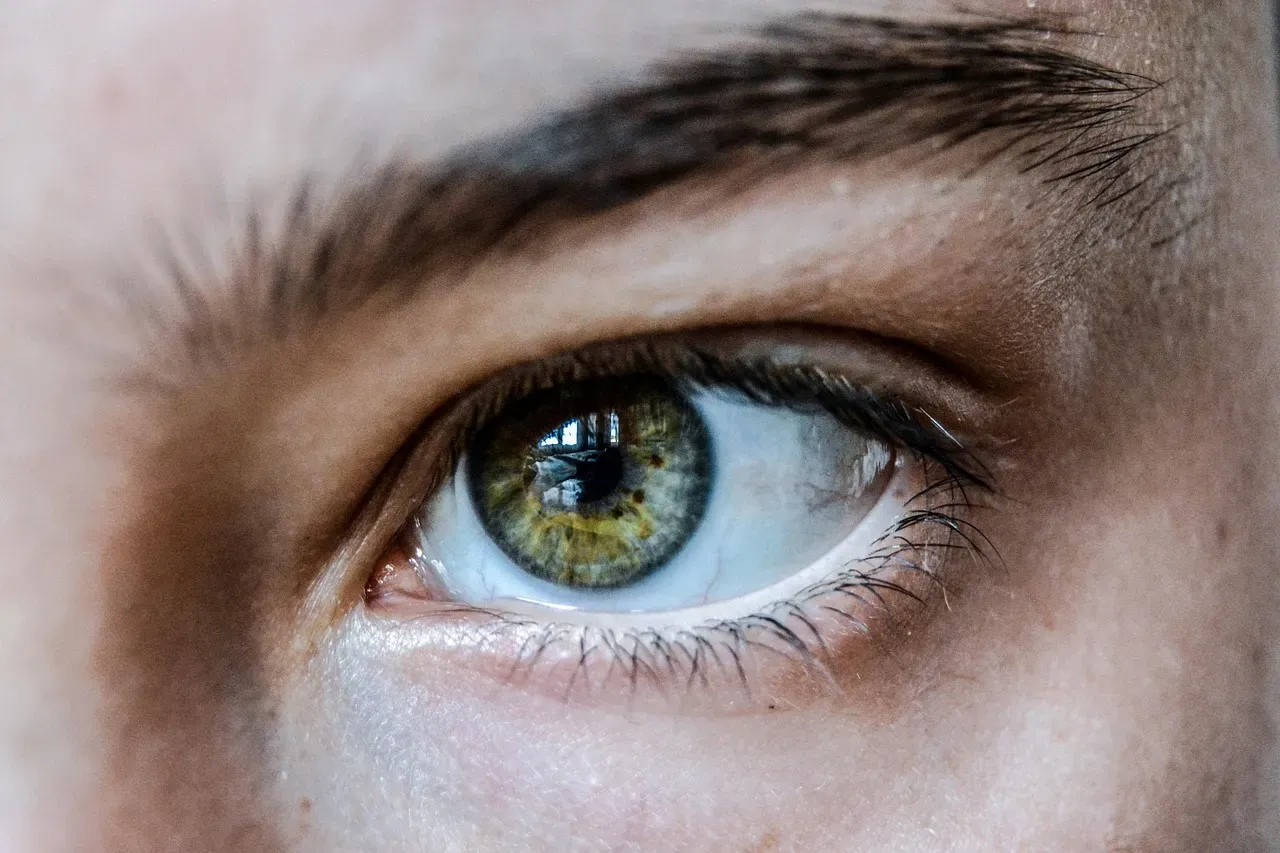
Before you dive into animal super-vision, you need to understand your own visual hardware. Your eyes use three types of color-sensitive cells in the retina, called cones, that are tuned roughly to red, green, and blue light. That gives you what’s called trichromatic vision, which is great by mammal standards, but still just a narrow sampling of the light that actually exists. You only see a slice of the electromagnetic spectrum, from deep red to violet, and everything outside that range might as well not exist to you.
Right beyond violet, just a bit shorter in wavelength than anything your cones can pick up, lies ultraviolet light. You cannot see it at all, no matter how hard you squint, but many animals treat it as casually as you treat the color yellow. To them, ultraviolet is just another part of the palette, not a special effect. When you remember that color isn’t a property of light itself but a perception your brain builds from electrical signals, it becomes obvious: if your brain had different inputs, you would live in a very different colored world.
Birds Live in a Four-Color World (And See Hidden Patterns Everywhere)
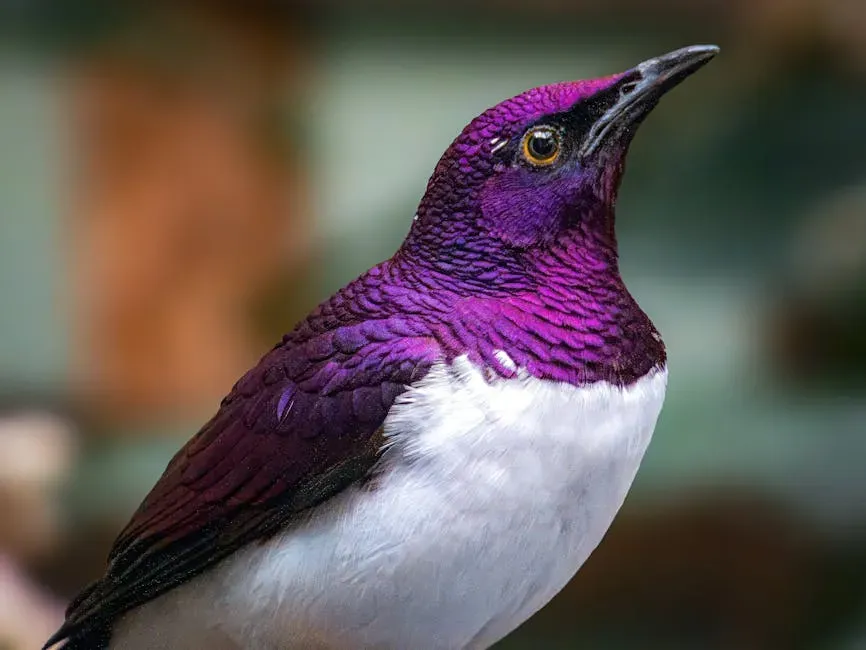
If you could borrow the eyes of many birds for a day, your jaw would probably never close. Instead of three types of cones, a lot of birds have four, including one that’s sensitive to ultraviolet light. That extra cone lets them mix and match wavelengths in ways you can’t even imagine, creating combinations of colors your brain has no labels for. You can think of it like adding a whole new primary color to your internal paint set; suddenly, entirely new “shades” become possible.
You see a male bird as simply blue or brown, but under ultraviolet light his feathers can blaze with hidden patches, stripes, and spots that other birds can easily spot. To you, two females in a flock might look identical, but to a bird with UV vision, they can be as different as a red shirt and a green one. This extra color channel helps birds choose mates, recognize their own species, and even pick out ripe fruit or fresh leaves that reflect UV in distinctive ways. While you’re squinting at a bush trying to spot a berry, a bird is basically following fluorescent signs.
Bees and Butterflies See Floral Bullseyes You Completely Miss
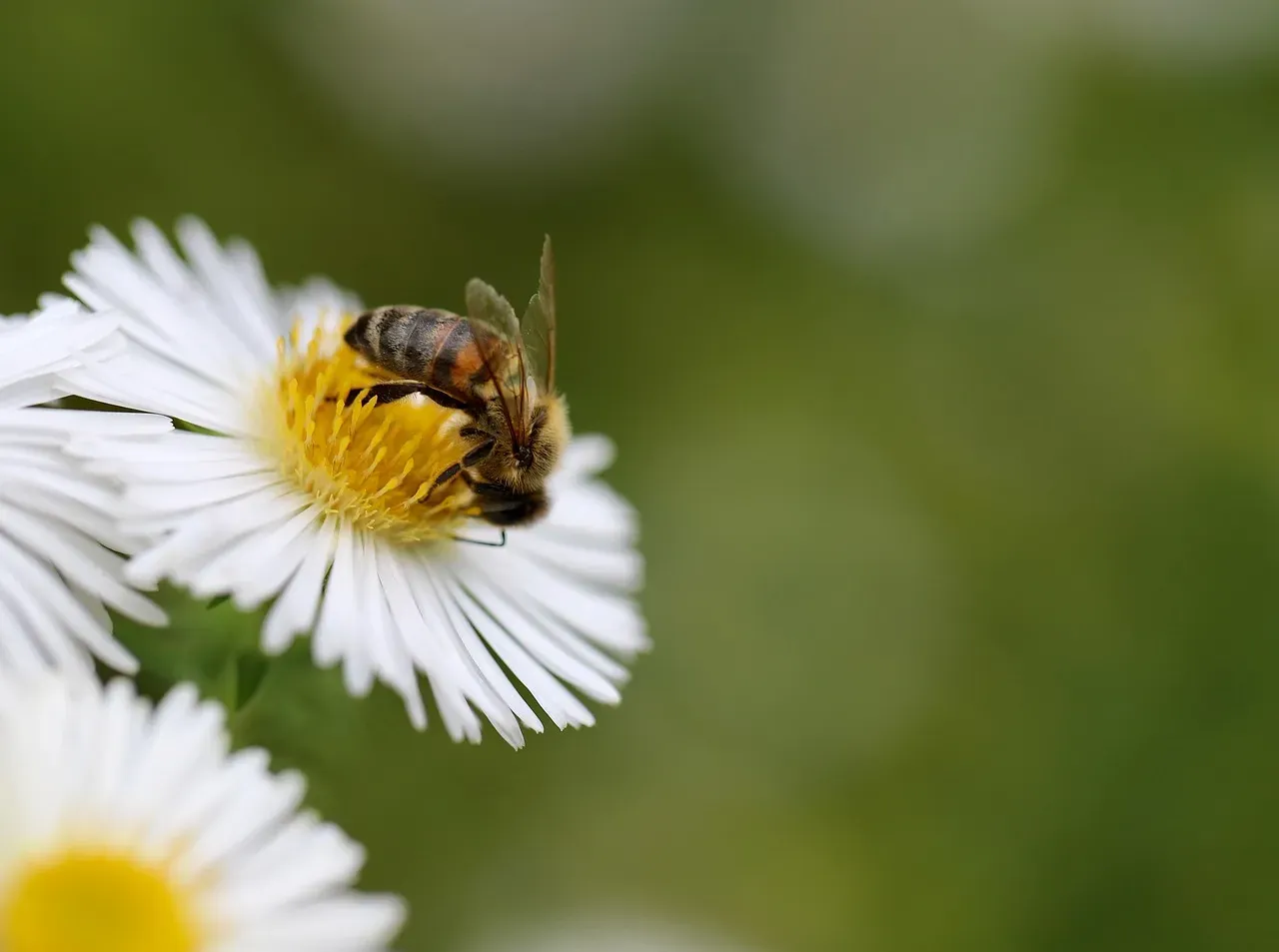
Next time you walk past a flower bed, remind yourself that you’re not the intended audience. Many pollinating insects, like bees and some butterflies, see ultraviolet light and use it to navigate directly to nectar. To your eyes, a daisy may look like a simple white disk with a yellow center. To a bee, that same flower can carry a dramatic UV pattern, like a target or runway lights pointing straight toward the good stuff. It’s like the plant is running a secret marketing campaign that only insects can see.
This hidden advertising is not rare; a large number of flowers have ultraviolet patterns that only show up when you look with the right equipment. You might see a petal as uniformly colored, but an insect sees rings, arrows, or contrasting patches that make the nectar hard to miss. That means when you design a garden, you’re accidentally building two different landscapes at once: a pretty scene for your eyes and a high-contrast, information-rich landing zone for insect visitors. You’re basically decorating with invisible signs you didn’t even know you were hanging.
Fish and Sea Creatures See Colors That Disappear for You Underwater
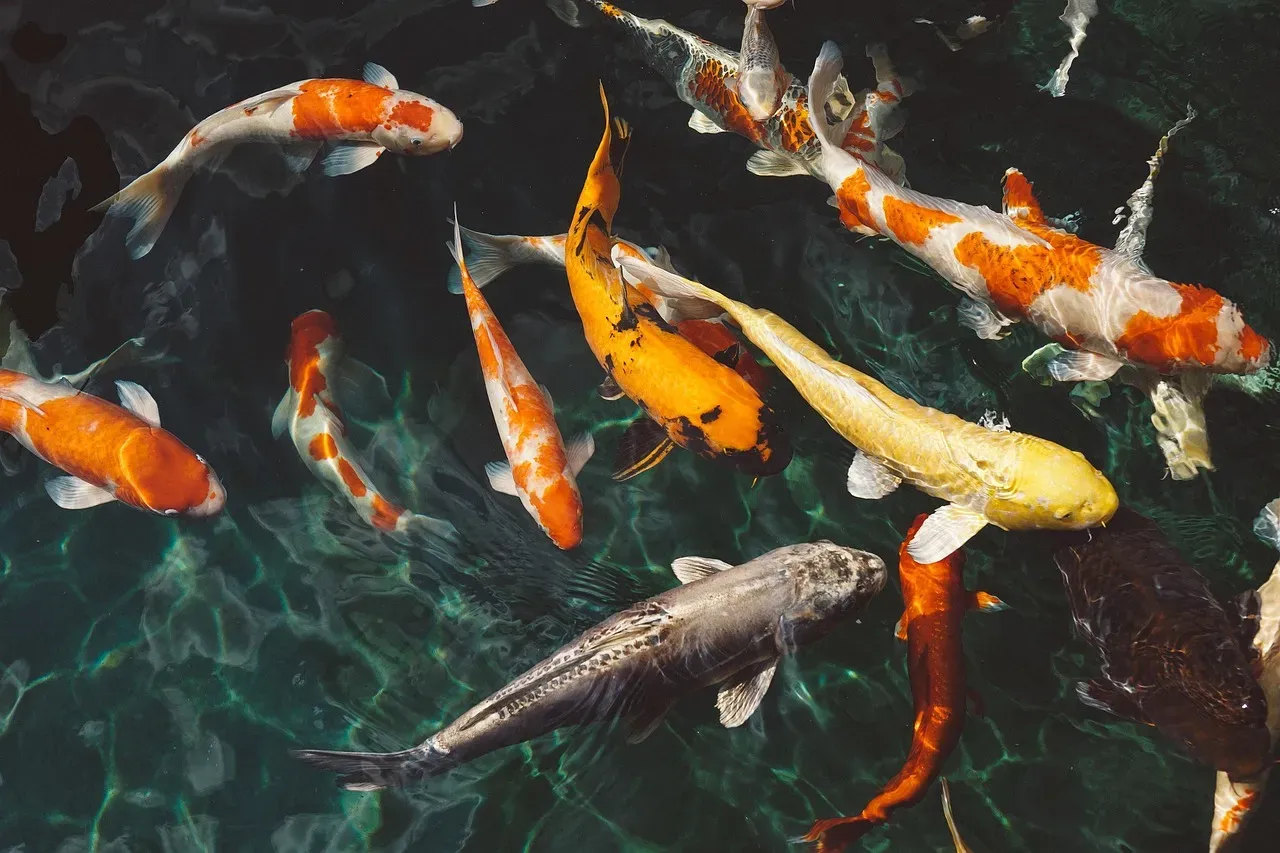
When you dive or snorkel, you probably notice that everything starts to look more blue and green as you go deeper. Red and orange wavelengths get filtered out by water pretty quickly, so your usual sense of color fades with depth. But some fish, especially those living near the surface or in clear waters, have eyes tuned to pick up not just the leftover colors you see, but also subtle shifts, including parts of the ultraviolet range. That gives them an edge in spotting prey, signaling to each other, or blending into light patterns flickering on coral and rocks.
Some species have body markings that reflect ultraviolet or specialized color patterns that only make sense if you assume their neighbors see more than you do. A fish can appear dull or uniformly colored to your eyes but show sharply contrasting patches when photographed in UV. That creates a strange double life: fish can display clear signals to others of their kind while staying relatively camouflaged to predators with poorer color vision. You look at a reef and see a pleasant blur of blues; they look at it and see a layered world of glowing markers, codes, and warnings.
Predators vs. Prey: How Color Vision Shapes Survival Strategies
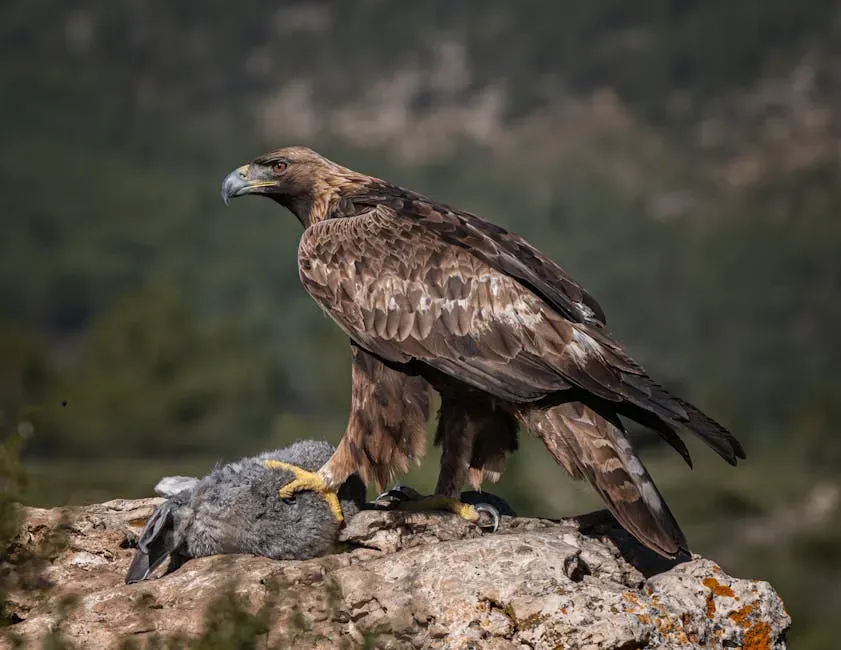
Once you start thinking about color vision as a survival tool instead of just something pretty, animal behavior suddenly makes more sense. Many prey animals benefit from blending in, so their visual systems focus on spotting motion and contrast against backgrounds instead of rich color detail. Some mammals, especially nocturnal ones, have fewer cone types than you do and rely more on rods, which are better in low light but essentially color blind. To them, the world can be more like an old movie with muted tones but sharp differences between light and dark.
On the other hand, some predators gain an advantage by seeing subtle color differences their prey cannot. A bird of prey might be able to track a small animal against a complex field because the way fur or feathers reflect light stands out more in its color space. Meanwhile, certain insects or fish use colors beyond your range as private communication channels, broadcasting information to allies while staying invisible to many predators. You might think of it as each species negotiating a kind of visual arms race, constantly adjusting how much of the world they want to show and how much they want to hide.
Night Vision Tradeoffs: When Seeing in the Dark Means Losing Some Color
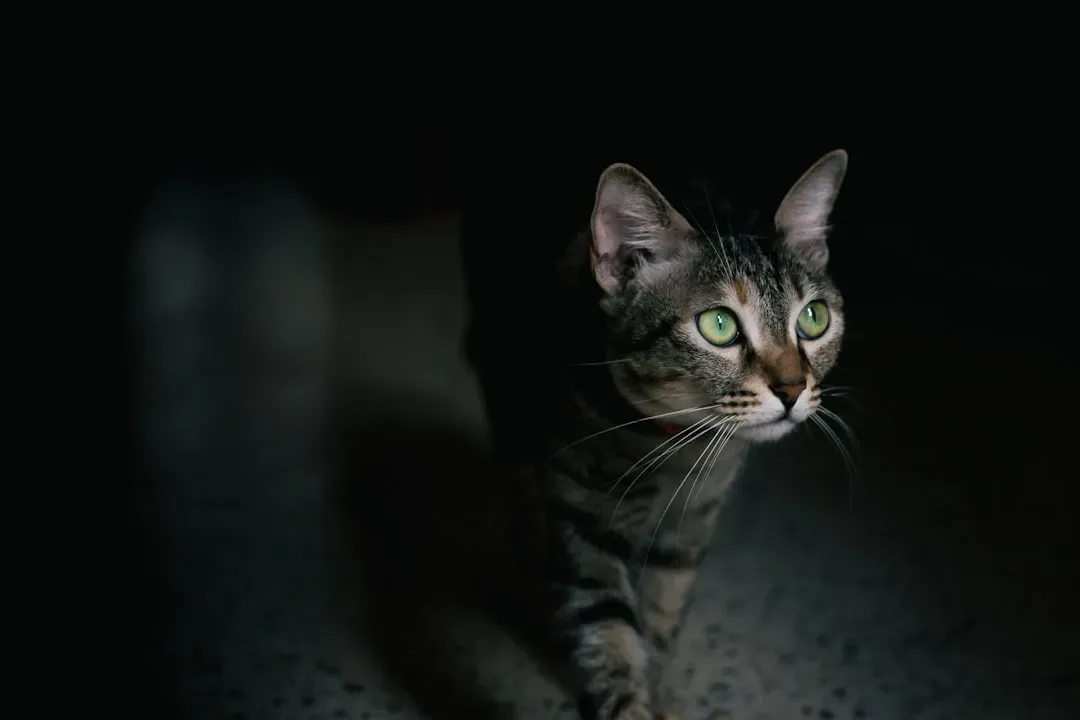
If you envy animals that see more colors, you should also look at what some give up to see better in the dark. Many nocturnal creatures, like owls, cats, and some rodents, have retinas packed with rod cells instead of cones. Rods are incredibly sensitive to faint light, letting these animals move and hunt in conditions where you would be nearly blind. The tradeoff is that rods do not distinguish colors well, so the world at night for them is richer in shapes and brightness than in hues.
When your own eyes adjust in a dark room, you experience a mild version of this shift. As cones drop out and rods take over, colors fade and everything takes on more of a grayish tone, even though the basic layout is still visible. Nocturnal animals live most of their lives in this rod-dominated mode, and their brains are tuned to care more about contrast and motion than the exact shade of a leaf or feather. So while some species outshine you in color range, others beat you by seeing when color hardly matters at all.
How Scientists Peek Into Animal Color Worlds You Can’t See
You might wonder how anyone can say what colors an animal sees when you can’t just ask it. Scientists start with the physical hardware: they study the types of cone cells in an animal’s retina and measure which wavelengths of light each type responds to. That tells you the raw range of light the eye can detect. Then they combine this with behavioral tests, like seeing which colors an animal can be trained to recognize or distinguish, to get a better idea of what differences actually matter to it.
Researchers also use special cameras and filters to photograph scenes the way another species might see them. For example, by capturing ultraviolet reflections on flowers, feathers, or fur and then remapping those signals into false colors you can see, they build a kind of translation of that animal’s visual world. It’s not perfect, because your brain is still wired as a human brain, but it gives you a glimpse into patterns and contrasts you normally miss. In a way, these tools act like subtitles on a foreign film, letting you follow a story that was never originally written for your senses.
What This Means for You: Design, Nature, and Everyday Awe

Once you know that other animals see colors you cannot, you start to look at the world differently, even with the same old eyes. You realize that a plain green leaf might sparkle with UV markings, that a drab bird might be wearing a hidden costume, and that a simple garden might be lit up like a neon airport for bees. This awareness alone can make your walks outside feel more alive, as if there is a second, invisible layer of paint lying just beyond your reach. You stop assuming your perception is the standard and start treating it as one version among many.
This shift can even change how you design things in your own life. If you plant flowers, you might choose varieties known to attract pollinators, trusting that their ultraviolet patterns are doing quiet work you will never see. If you work with lighting, architecture, or art, you might think more carefully about what different species experience in the spaces you create. And on a personal level, you might feel a kind of gentle humility, knowing your senses are powerful but not complete. There is something strangely comforting in admitting that the world is richer than you can ever fully perceive.
Conclusion: Living in One Slice of a Much Bigger Rainbow
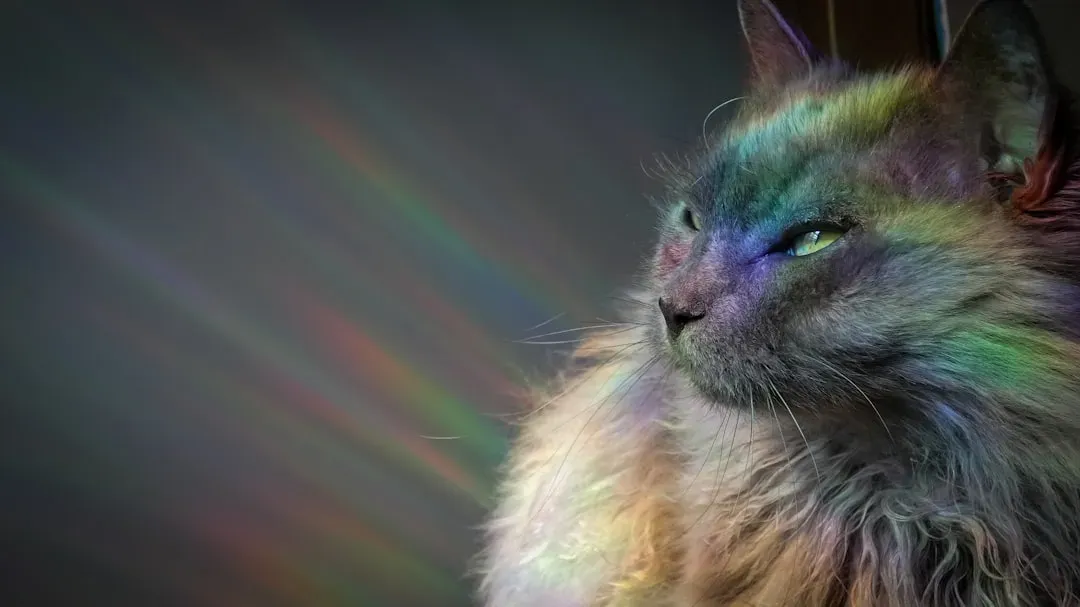
When you put all of this together, you’re left with a simple but unsettling truth: you live in a filtered version of reality. Your eyes and brain give you a useful, beautiful picture of the world, but it’s tailored to your needs, not to some universal standard. Birds, bees, fish, and countless other animals move through the same spaces you do, yet their inner experience of color can be wildly different. You share a planet, but you do not quite share a view.
Instead of feeling cheated, you can treat this as an invitation to curiosity. Every time you see a flower, a bird, or even a puddle catching the light, you can imagine the extra signals and hidden colors another creature might be picking up. You may never see those impossible shades yourself, but knowing they are there stretches your sense of wonder a little wider. And really, how often do you get to realize that even your own vision is just the beginning, not the whole story – doesn’t that change how you look at everything, just a bit?